Night Walk: find the animals that come out after dark
Walk a bush trail in Australia or the woods of North America with only a torch. Look for eyeshine, listen for clues and hold your light on an animal to identify it. Just don’t scare it away.
By Cesar Medina, conservation biologist · 2 trails · 27 nocturnal animals
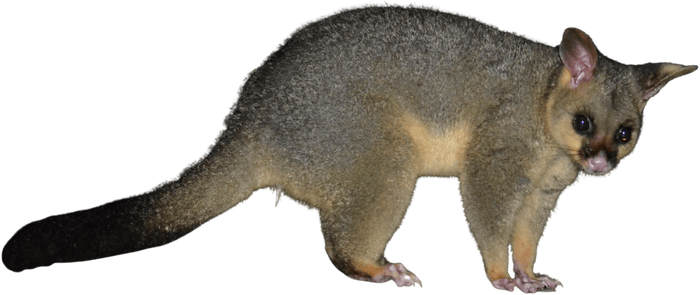 Possum
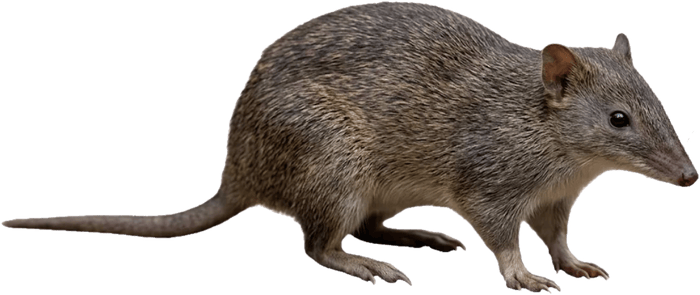 Bandicoot
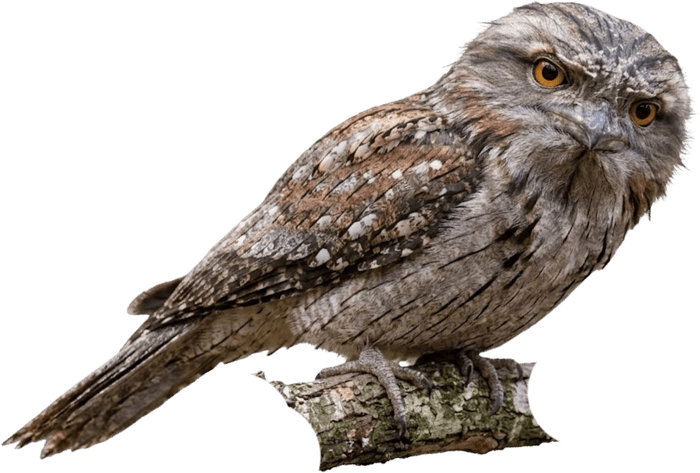 Frogmouth
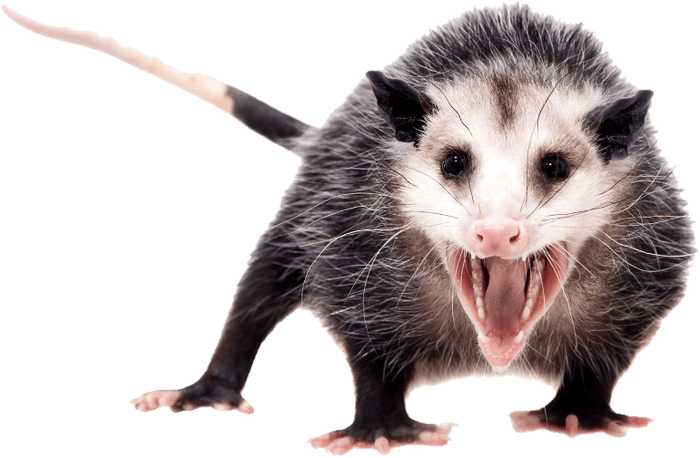 Opossum
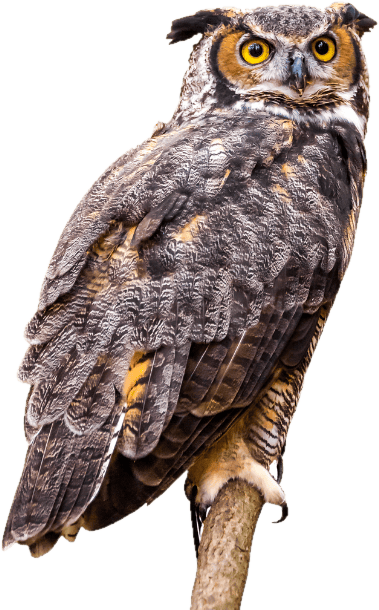 Owl
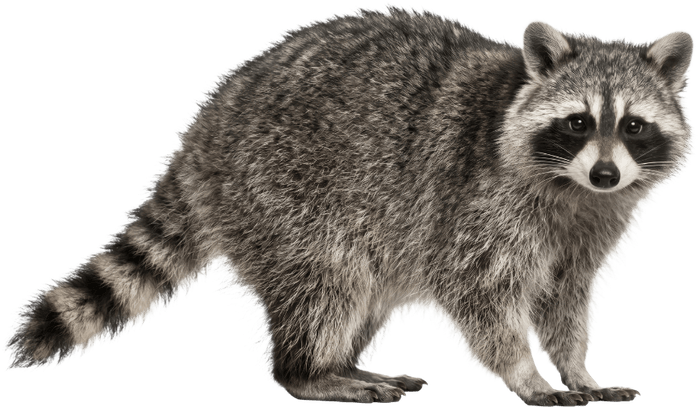 Raccoon
What is Night Walk?
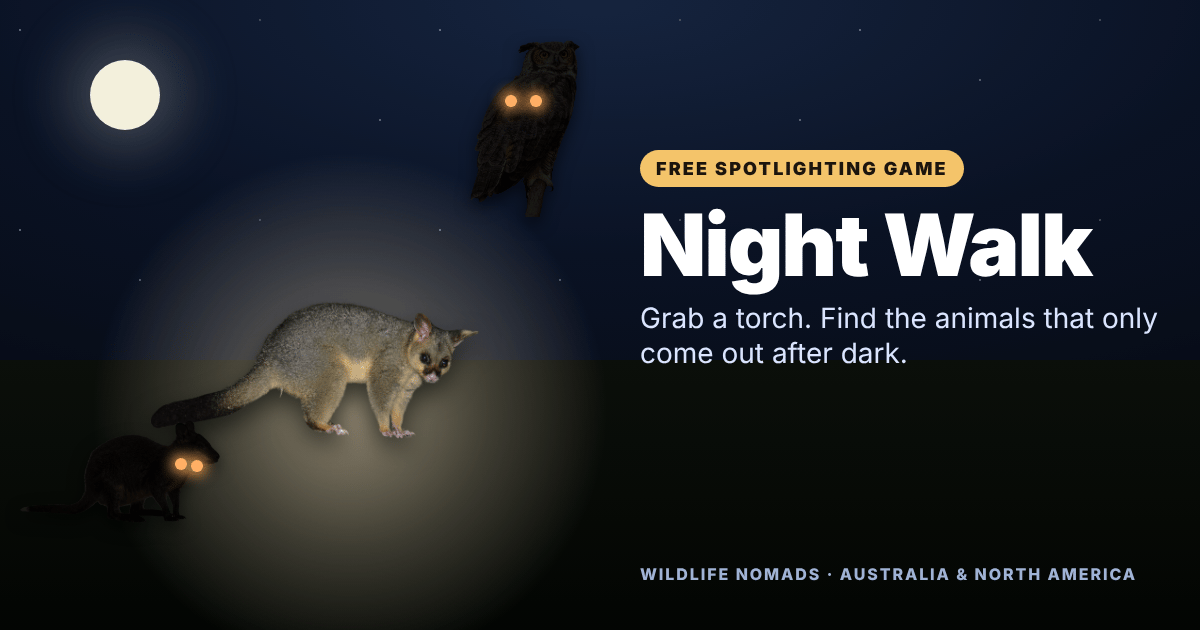
Night Walk is a free spotlighting game about nocturnal animals. Walk a trail at night with a torch, find eyeshine, and hold your light on each animal to identify it. Pick the Australian bush or the North American woods.
I built it from my own nights on the road. On our lap of Australia, the best visitors came after dark. A bandicoot raided our dishes. A ringtail possum woke us at 3 am. Night Walk lets you try that feeling from home.
How to play
- Aim the torch. Move your mouse, or touch the screen where you want the light.
- Look for eyeshine. Pairs of glowing eyes show where an animal hides.
- Listen for clues. Each stop starts with the sounds you can hear, like thumps, hisses or calls.
- Hold the light on an animal. When the ring fills, you identify it and it goes into your field journal.
- Don’t overdo it. Bright white light scares animals away. Red light is slower, but animals stay calm.
- Walk on. Each trail has five stops. Rare animals only appear on some nights, so every walk is different.
The two trails
- Australian bush, New South Wales coast: a camp edge, a creek crossing, tall forest, heath and back to camp. Look for bandicoots, possums, gliders, a koala and, if you are lucky, a platypus.
- North American woods, from Canada to Mexico: a cabin porch, a meadow edge, a pine forest, a desert canyon in Mexico and an old barn. Look for opossums, raccoons, owls, a ringtail and coyotes.
Each trail packs several habitats into one short walk. In the wild, you would need many nights and many places to see them all.
What is spotlighting?
Spotlighting means searching for animals at night with a torch. Many animals are nocturnal, so you will never see them during the day. A torch beam catches their eyeshine, and then you can find the animal itself.
Rangers and scientists use spotlighting to survey wildlife. Many people also join guided night walks in national parks.
Why do animals’ eyes glow at night?
Many nocturnal animals have a mirror-like layer behind the retina, called the tapetum lucidum. It reflects light back through the eye, so the eye catches more light in the dark. When your torch hits it, the eyes seem to glow. That is eyeshine.
Humans do not have this layer. The red eyes in flash photos of people come from blood vessels at the back of the eye, not from a tapetum.
How to spotlight with care
- Use a red filter if you can. Many animals react less to red light, so wildlife guides often recommend it.
- Keep the beam moving. Don’t hold bright light on an animal for long, and never shine it into a nest.
- Stay on the track. Move slowly and quietly, and let animals come and go.
- Check the rules first. Some parks restrict spotlighting, so read the signs or ask a ranger.
- Never feed wildlife. Keep your food and dishes packed away. I learned this one the hard way at Jervis Bay, when a swamp wallaby ate my capsicum.
Nocturnal, crepuscular or diurnal?
Active at night and resting by day, like possums, bandicoots and owls.
Most active at dawn and dusk, like white-tailed deer and many wallabies.
Active in daylight and asleep at night, like kookaburras and most lizards.
Some animals switch. Echidnas become active at night when the weather is hot.
The animals in Night Walk
Australian bush
| Animal | Scientific name | Where to look in the game |
|---|---|---|
| Northern brown bandicoot | Isoodon macrourus | On the ground at the camp edge |
| Long-nosed bandicoot | Perameles nasuta | Under the ferns by the creek |
| Bush rat | Rattus fuscipes | Along logs at the camp edge |
| Common brushtail possum | Trichosurus vulpecula | Up in the gum trees |
| Common ringtail possum | Pseudocheirus peregrinus | In the canopy back at camp |
| Swamp wallaby | Wallabia bicolor | In the scrub by the creek |
| Sugar glider | Petaurus breviceps | High in the tall forest |
| Greater glider | Petauroides volans | In the tallest trees |
| Koala | Phascolarctos cinereus | In a gum tree, on some nights |
| Tawny frogmouth | Podargus strigoides | On a branch back at camp |
| Common wombat | Vombatus ursinus | In the heath clearing |
| Spotted-tailed quoll | Dasyurus maculatus | In the heath, but only rarely |
| Short-beaked echidna | Tachyglossus aculeatus | At an ant nest in the heath |
| Platypus | Ornithorhynchus anatinus | In the creek, on lucky nights |
North American woods
| Animal | Scientific name | Where to look in the game |
|---|---|---|
| Virginia opossum (tlacuache) | Didelphis virginiana | On the cabin porch |
| Raccoon | Procyon lotor | By the cabin |
| White-tailed deer | Odocoileus virginianus | At the meadow edge |
| Gray fox | Urocyon cinereoargenteus | At the meadow edge |
| Fireflies | Family Lampyridae | Blinking in the meadow grass |
| Great horned owl | Bubo virginianus | In the pine forest |
| Flying squirrel | Genus Glaucomys | In the pines |
| North American porcupine | Erethizon dorsatum | Up a tree in the pines |
| Ringtail (cacomixtle) | Bassariscus astutus | On the rocks of the desert canyon |
| Bats | Order Chiroptera | Around the agave flowers |
| Coyote | Canis latrans | In the desert canyon |
| Barn owl | Tyto alba | At the old barn |
| Striped skunk | Mephitis mephitis | Near the old barn |
My own nights in the field
Most of the Australian animals in this game visited our camps on our lap. At Norah Head, a 3 am noise woke us. I thought it was a massive rat. It was a ringtail possum. The same week, a northern brown bandicoot ate scraps from our dishes two nights in a row.
At Gloucester River, I watched a mother brushtail with her joey. At Jervis Bay, a swamp wallaby came at night for my capsicum. I still haven’t seen a wild platypus, so it is the rarest find in the game.
For the North American trail, I drew on my life in Mexico. Tlacuaches and cacomixtles were very common where I lived. I saw bats and coyotes on biology field trips, and coyotes again in Canada.
Explore more games
Night Walk FAQ
Night Walk is a free spotlighting game from Wildlife Nomads. You walk a trail at night with a torch, find eyeshine and identify nocturnal animals. There is an Australian trail and a North American trail.
Spotlighting means searching for animals at night with a torch. The beam catches the eyeshine of nocturnal animals, so you can find animals you would never see by day.
Many nocturnal animals have a reflective layer behind the retina called the tapetum lucidum. It bounces light back through the eye, so the eyes seem to glow in a torch beam.
Bright light can stress animals if you hold it on them for long. Use a red filter if you can, keep the beam moving, and never shine it into a nest.
Many Australian mammals are nocturnal, including bandicoots, possums, gliders, wombats, quolls and koalas. Tawny frogmouths and many owls hunt at night too.
Opossums, raccoons, skunks, ringtails, flying squirrels, bats and most owls are nocturnal in North America. White-tailed deer are most active at dawn and dusk.
Yes. Night Walk is free and runs in your browser on phones, tablets and computers. You do not need an account.
References
Cremona, T., Baker, A. M., Cooper, S. J. B., Montague-Drake, R., Stobo-Wilson, A. M., & Carthew, S. M. (2021). Integrative taxonomic investigation of Petaurus breviceps (Marsupialia: Petauridae) reveals three distinct species. Zoological Journal of the Linnean Society. https://treatment.plazi.org/GgServer/html/F15E87BDDE650A51FF50BAF2FC6B5C0A
Kohler, A. M., Olson, E. R., Martin, J. G., & Anich, P. S. (2019). Ultraviolet fluorescence discovered in New World flying squirrels (Glaucomys). Journal of Mammalogy, 100(1), 21–30. https://doi.org/10.1093/jmammal/gyy177
Ollivier, F. J., Samuelson, D. A., Brooks, D. E., Lewis, P. A., Kallberg, M. E., & Komáromy, A. M. (2004). Comparative morphology of the tapetum lucidum (among selected species). Veterinary Ophthalmology, 7(1), 11–22. https://pubmed.ncbi.nlm.nih.gov/14738502/
Payne, R. S. (1971). Acoustic location of prey by barn owls (Tyto alba). Journal of Experimental Biology, 54(3), 535–573. https://cob.silverchair.com/jeb/article/54/3/535/21635/Acoustic-Location-of-Prey-by-Barn-Owls-Tyto-Alba
Yang, P. J., et al. (2021). Intestines of non-uniform stiffness mold the corners of wombat feces. Soft Matter, 17(3), 475–488. https://pubs.rsc.org/en/Content/ArticleLanding/2021/SM/D0SM01230K