I’ll never forget the sunny day two years ago when the Wildlife Nomads team touchdowned on Rottnest Island. We rented some bikes, pedaled out into the crisp coastal air, and practically buzzed with excitement at the thought of meeting the island’s famous residents: quokkas. The moment we finally spotted one, all professionalism went out the window—we immediately pulled over and took so many selfies! After two decades chasing animals across six continents, I’ve met thousands of species, from cute cats to weird wonders. Most field biologists I know find every creature beautiful, even snakes and crocodiles. But humans react differently to cuteness.
This list is my deeply subjective ranking of the cutest animal in the world. I’ve blended field observations with the animals humans love most online. Some made the cut because their tiny faces trigger our nurturing instincts, the response we feel toward babies. Others earned their spot through endearing behaviors I’ve watched up close in the field. From the giant panda to the tiniest pygmy marmoset, these adorable animals prove cuteness isn’t just opinion.. it’s biology.
Let’s meet the 15 cutest animals on Earth.

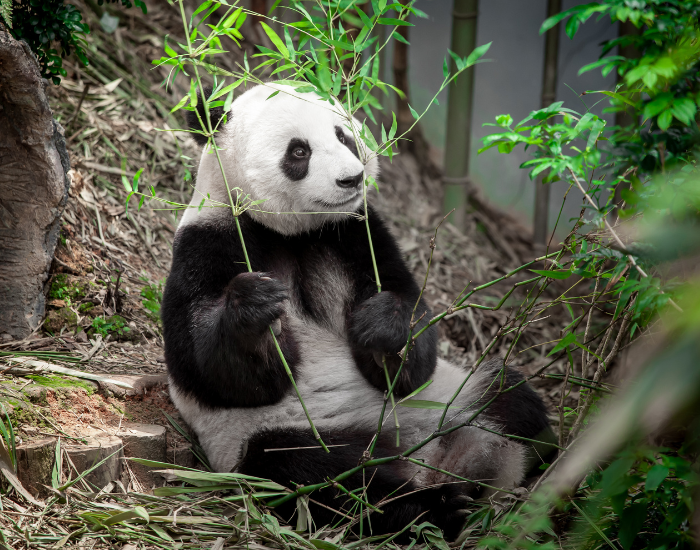
1. Giant Panda: Still the Reigning Cuteness Champion
The giant panda still tops most lists of the world’s cutest animals. Round faces, black eye patches, and clumsy charm short-circuit our brains. Researchers call this the cuteness factor — features resembling human babies that trigger our caregiving instincts. In Sichuan there is a panda center where you can spend hours watching cubs tumble like furry babies in a forest playpen.
Despite weighing 250 pounds, giant pandas eat almost exclusively bamboo. Conservation efforts have pulled them back from the brink, though habitat loss still threatens their forests. Fun fact: pandas have a sixth “thumb” for gripping bamboo.
2. Red Panda: Cute, Fluffy, and Not Actually a Panda
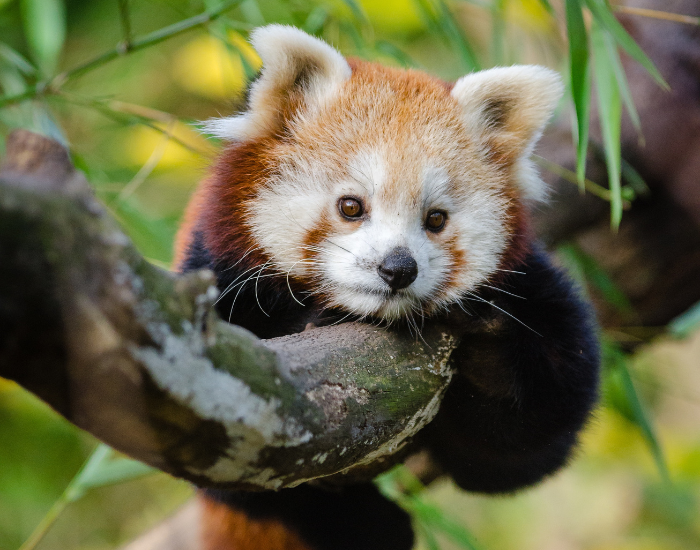
Red pandas are not closely related to giant pandas despite the name. These cute, tree-dwelling small mammals live across the eastern Himalayas, slipping along tree trunks with quiet grace. Their rust-colored fluffy fur, ringed tails, and small ears make them look like a fox crossed with a teddy bear.
Red pandas face severe deforestation. Fewer around 10,000 to 15,000 remain today. Their oversized paws and incredibly cute expressions made them social media stars. Among Earth’s cutest animals, red pandas earned their fame on their own right.
3. Sea Otter: The Cutest Marine Mammals on the Planet
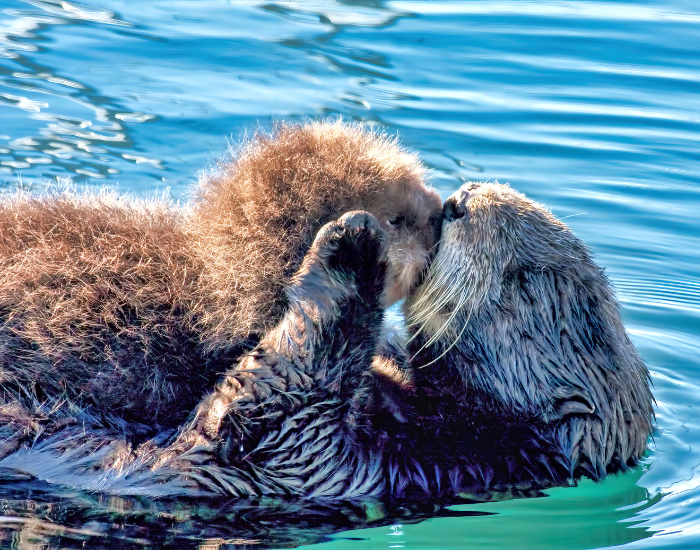
The sea otter might be the cutest of all marine mammals. They float on their backs, holding hands while sleeping so they don’t drift apart. I watched a mother and pup off the California coast. The baby otter rode on her belly, one of the cutest babies in the ocean.
These adorable creatures have the densest fur of any mammal. That fluffy fur replaces blubber for insulation. The sea otter uses rocks as tools to crack shellfish. Few animals match a sea otter’s playful behavior in such an eye catching package. As marine mammals go, the sea otter is a masterpiece.
4. Fennec Fox: Tiny Stature, Enormous Ears
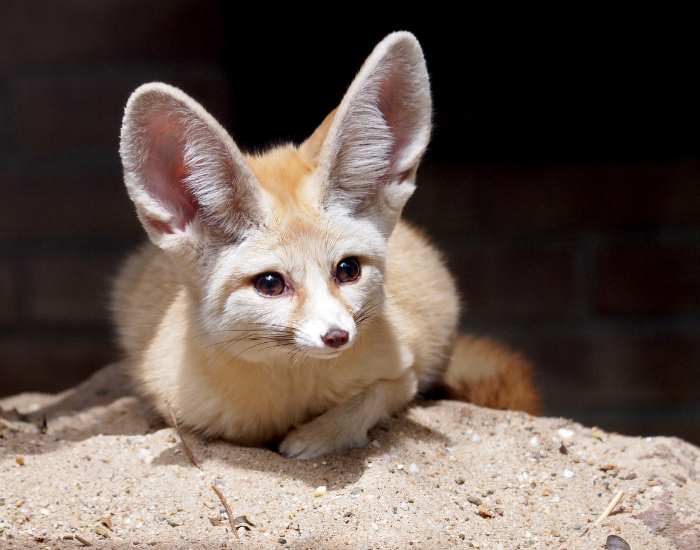
The fennec fox lives in the Sahara desert and looks like a Disney character. Their enormous ears — six inches long, radiate heat and detect prey beneath the sand. You can spot them at dusk in Morocco, their cute little faces glowing in the last light. The fennec fox is the smallest fox species in the world.
Fennec foxes are nocturnal creatures, sleeping through the brutal North Africa heat. They live in family groups inside cool underground dens. Their fluffy paws protect them from scorching sand. Some humans keep the fennec fox as pets, but the fennec fox is a wild animal at heart.
5. Sand Cat: One of the Smallest Wild Cats Alive
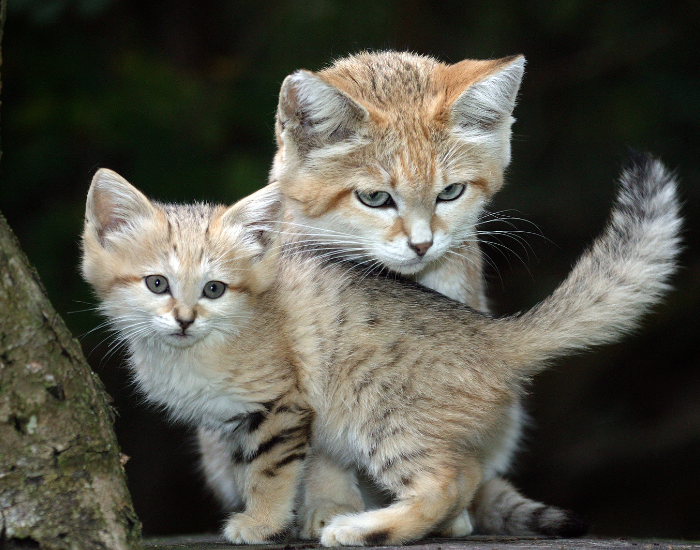
The sand cat is among the smallest wild cats on Earth, with thick fur on its paws and a face that looks perpetually surprised. Sand cats range across North Africa and Central Asia, hunting small rodents under starlight. House cats look gigantic next to them.
What makes a sand cat so adorable? Their tiny stature, oversized ears, and stocky build look cartoonish. Adults weigh only 4–7 pounds and survive without drinking water. Among the world’s wild cats, no species feels more endearing.
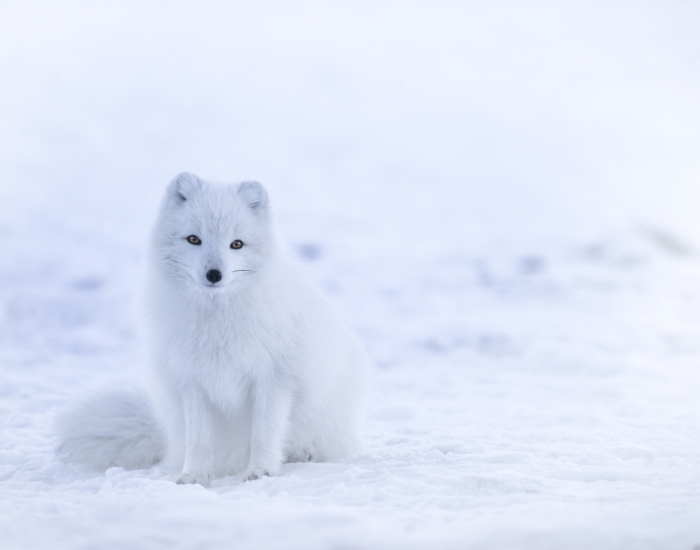
6. Arctic Fox: Survival Cuteness in the Frozen World
All foxes can be very cute. But the arctic fox earned its spot through pure survival cuteness. Their thick fur shifts from brown in summer to brilliant white in winter. Few animals balance hardship and adorable presentation so well.
Arctic foxes have the warmest fur of any mammal, surviving -70°F. Their small ears and short snouts minimize heat loss. They scavenge polar bear kills and hunt lemmings, arctic hares or ermine weasels beneath the snow. For now, they remain icons of polar life.
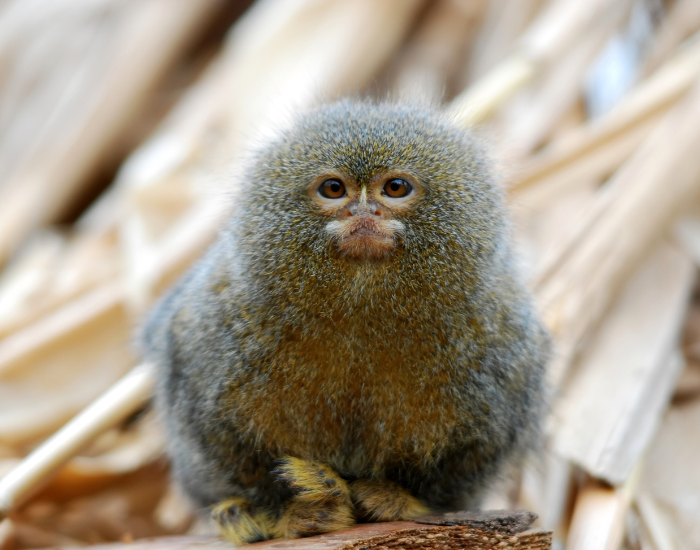
7. Pygmy Marmoset: The World’s Tiniest Monkey
The pygmy marmoset is the smallest species of monkey on Earth. An adult pygmy marmoset fits in your palm. They communicate with high-pitched calls that sound more like birds than primates.
A pygmy marmoset weighs less than a deck of cards. Body length runs about five inches. They live in family groups across South America, gnawing tree bark to drink sap. Among small mammals, no primate matches the pygmy marmoset’s tiny size and expressive faces. Fun fact: their young look like miniature babies clinging to their parents’ fur.
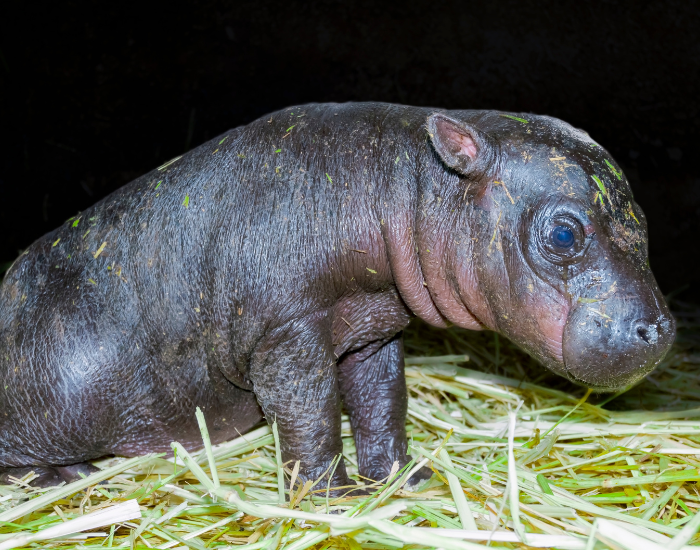
8. Pygmy Hippopotamus: The Forest Mini-Hippo
The pygmy hippopotamus looks like a shrunken hippo with rounded edges. Their dark skin and small mouth make them look friendly. Compared to common hippos, the species is practically harmless.
These shy mammals weigh 400 to 600 pounds, body weight one-quarter of common hippos. They’re solitary and nocturnal. Shrinking habitat has pushed them to endangered status. Their cute, cartoonish look has made them zoo favorites.
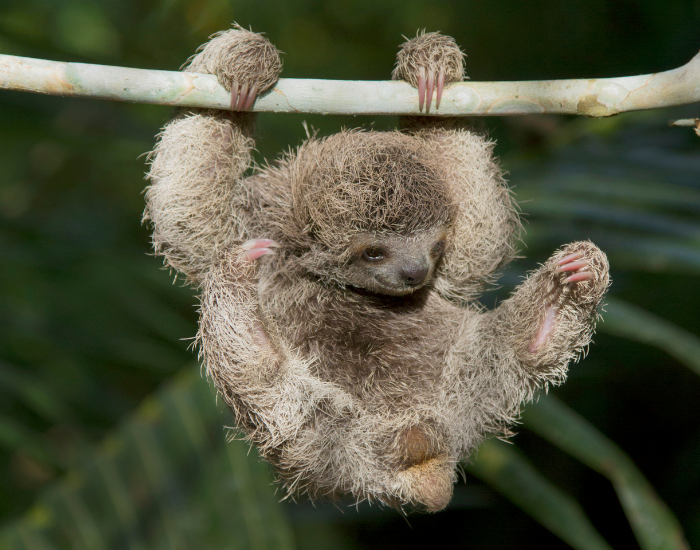
9. Pygmy Three-Toed Sloth: Slow, Sleepy, Adorable
The pygmy three toed sloth exists only on a tiny island off Panama in South America. They’re slow, sleepy, and look permanently smiling. Our team watched one descend a mangrove tree at the speed of poured honey.
This is the smallest species of sloth in the world. They eat red mangrove leaves almost exclusively. Shrinking habitat has made them critically endangered, fewer than 100 may remained around 2012, but today new estimates suggest between 500 and 1,500 individuals. Few animals capture cuteness so completely as the pygmy three toed sloth.
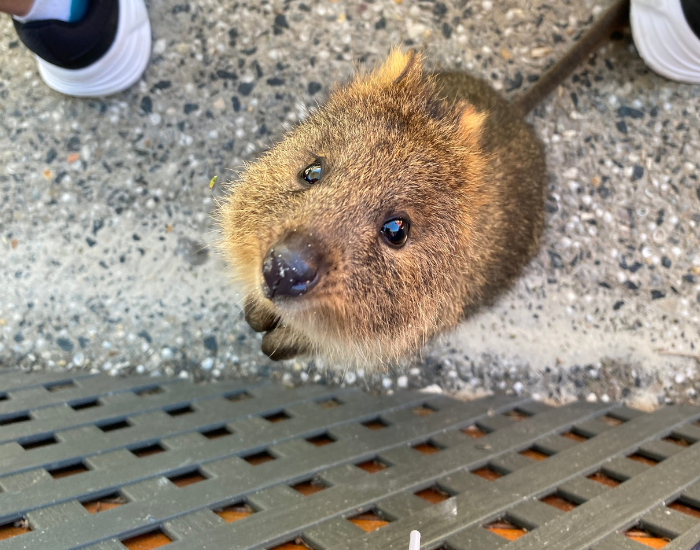
10. Quokka: The Smiling Marsupial of Australia
The quokka of Western Australia might be the most photographed cute animal on Earth. Their faces appear to smile constantly, a quirk of muscular structure, but irresistible. I visited Rottnest Island and watched quokkas hop around like fearless, fluffy potatoes. They show zero shyness around humans.
Quokkas are small marsupials about the size of common house cats. They live in groups and forage at night. Despite their internet fame, quokkas face threats from shrinking habitat and feral cats. Fun fact: their smile is just the shape of their cheek muscles. Their endearing behaviors made them tourism stars.
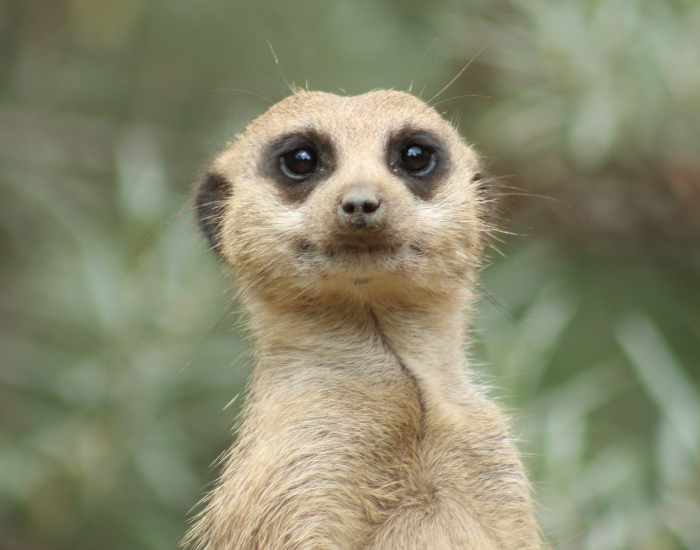
11. Meerkat: Life in Large Groups Called Mobs
Meerkats live in large matriarchal groups called mobs across southern Africa, especially eastern and southern Africa where the Kalahari stretches wide. Watching meerkats stand upright on hind legs, scanning the horizon, melts even the most stoic biologist’s heart. They’re some of the most charismatic mammals in southern Africa.
These social creatures rely on cooperation. Meerkats aren’t closely related to cats, they’re mongooses. Specifically they belong to the suborder Feliformia (cat-like carnivorans). They raise their pups communally, demonstrating fierce maternal devotion. Their communal life gives them traits similar to small primates. Few cute animals show such tight family bonds.
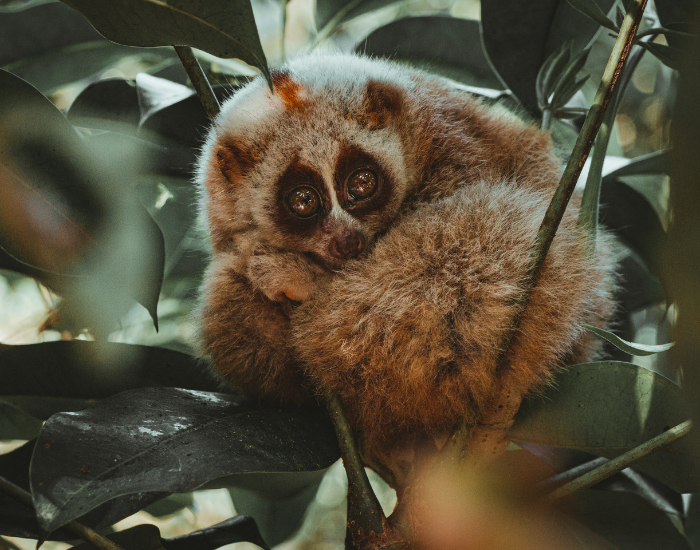
12. Slow Loris: Big Eyes, Hidden Venom
The slow loris has enormous eyes that would make any Pixar animator jealous. These nocturnal creatures live across Southeast Asia, moving through branches with deliberate grace. I observed one in Borneo under red-filter flashlight.
Here’s a twist: slow lorises are venomous. They produce a toxin from glands near their elbows. That’s a reminder that cute animals can hide real danger. The illegal pet trade threatens them severely because humans want to keep them as pets. Their incredibly cute faces have made them targets. They belong in the forest, not in cages, a hard truth for every animal on this list.
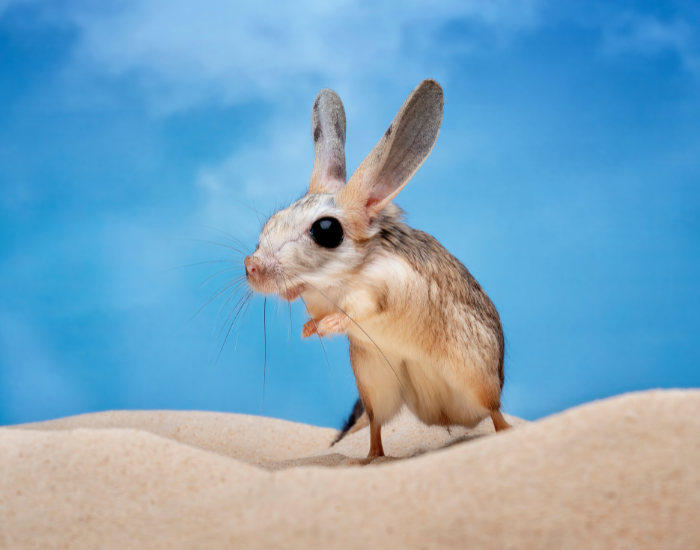
13. Long-Eared Jerboa: Big Ears, Tiny Body
Few animals in Central Asia match the long-eared jerboa for sheer absurd cuteness. They have ears bigger than their heads, kangaroo-like hind legs, and faces from a fantasy novel. Colleagues describe spotting jerboas in Mongolian deserts as life-changing. They’re among the smallest species of desert mammals.
These small vertebrates weigh less than an ounce. They hop on powerful hind legs to escape wild dog ancestors of foxes and other predators. Their large ears regulate body temperature. Fun fact: evolution sometimes designs purely adorable animals for reasons we still don’t fully understand.
14. Sugar Glider: Flying Cuteness Through the Treetops
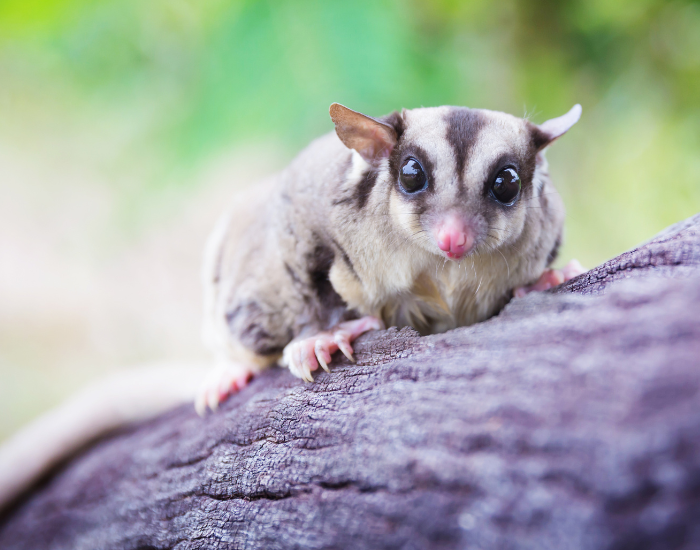
Sugar gliders are tiny marsupials from New Guinea and Australia. They glide between trees using a membrane stretching wrist to ankle. I observed sugar gliders sailing between canopy gaps in dense rainforest like furry paper airplanes. Their wide eyes, small mouth, and expressive faces make them irresistible.
Sugar gliders are social creatures that live in family groups of up to ten. They communicate through chirps, barks, and hisses, almost like tiny birds with fur. While they’ve become popular pets, captive life rarely meets their complex needs. They’re one of the cutest small animals you’ll never want to cage.
15. Tarsier: Huge Eyes Bigger Than Their Brains
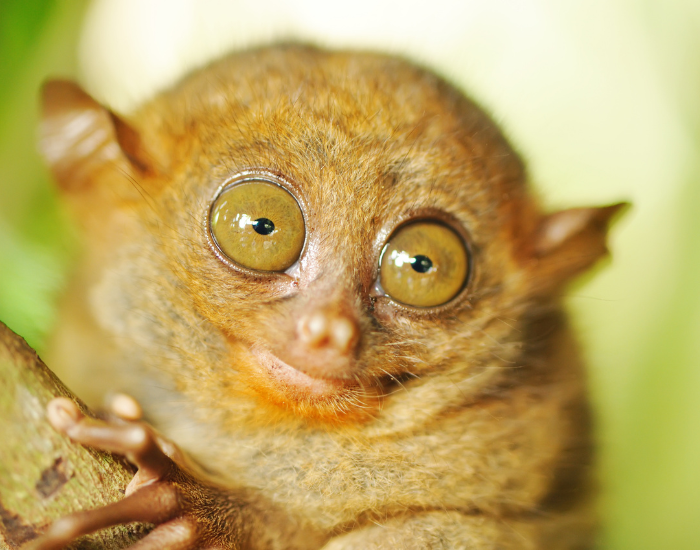
The tarsier closes my list with eyes larger than its brain. Each eyeball is bigger than its stomach. I spent a month in Philippines expecting to see one. Unfortunately, I couldn’t spot one in the wild. But honestly, Tarsiers are among the most haunting and cute mammals alive.
These small primates eat insects, lizards, and occasionally small birds. They are famous in biology for being the only entirely carnivorous primates on Earth.They rotate their heads 180 degrees in either direction. Habitat loss threatens nearly every tarsier species. Among all the adorable animals I’ve ranked — wild cats, primates, marsupials, and otters — the tarsier sits in a category of its own.
Frequently Asked Questions
Cuteness is subjective. But the giant panda, sea otter, and quokka consistently top public polls of the world’s cutest animals. Personally, I’d argue the sand cat deserves the crown for its tiny stature and incredibly cute face. The cuteness factor depends on features resembling human babies: big eyes, round faces, and small mouths.
Scientists explain the cuteness factor through “baby schema” — traits we associate with our own babies, like big heads and small bodies. Humans respond strongly to baby creatures because those features trigger caregiving. Even species unrelated to humans, like sea otters and quokkas, exploit this hardwired response. That’s why so many cute animals look like cartoon babies.
For beginners, I recommend round, simple species: pygmy hippos, fennec foxes, sea otters, or giant pandas. Baby animals are forgiving subjects because their proportions amplify the cuteness factor. Animals with big ears or large eyes — like tarsiers, sand cats, and bush babies — let you push that effect hard.
The Cutest Animal in the World Isn’t Just Opinion… It’s Personal
Every species on this list earned its place through some blend of biology, behavior, and pure heart-stopping charm. The cutest animal of the world depends on who you ask. For me, the sand cat wins as the cutest animal because I’ve watched one up close. For you, it might be the giant panda, the quokka, or another contender among the world’s cutest animals. Either answer passes the cuteness factor test.
If you love cats, otters, or any cute animals, you’ll also adore my deep dives on guinea pigs, capybaras, hamsters, chipmunks, and the tiny dik-dik. Drop your favorite cute animal in the comments, and go observe one yourself.
References:
Estes, R. D. (2012). The Behavior Guide to African Mammals: Including Hoofed Mammals, Carnivores, Primates. University of California Press. https://doi.org/10.2307/1381887
Nekaris, K. A. I., & Nijman, V. (2007). CITES proposal highlights rarity of Asian nocturnal primates (Lorisidae: Nycticebus). Folia Primatologica, 78(4), 211–214. https://doi.org/10.1159/000102316
Moore, T. Y., Rivera, A. M., & Biewener, A. A. (2017). Vertical leaping mechanics of the Lesser Egyptian Jerboa reveal specialization for maneuverability rather than elastic energy storage. Frontiers in zoology, 14, 32. https://doi.org/10.1186/s12983-017-0215-z
Roberts, M. S., & Gittleman, J. L. (1984). Ailurus fulgens. Mammalian Species, 222, 1–8. https://doi.org/10.2307/3503840
Sliwa, A., Ghadirian, T., Appel, A., Banfield, L., Sher Shah, M., & Wacher, T. (2016). Felis margarita. The IUCN Red List of Threatened Species 2016: e.T8541A50651884. https://doi.org/10.2305/IUCN.UK.2016-2.RLTS.T8541A50651884.en