
Not Quite a Pig, Definitely Not from Guinea
If you’ve ever stood in a pet store and wondered, “Is a guinea pig a rat or a pig?” you aren’t alone. In fact, I spent years sharing my home with these vocal little rodents, I can tell you that their name is one of the greatest misnomers in the animal phyla.
My journey with these “little pigs” started long before my professional career. I’ve had guinea pigs over five years of my life, but one specific experience in 2014 remains etched in my memory. It was a classic “biological surprise” that reminds me why nature always finds a way. My family and I had brought home what the pet store assured us were two males. We were happy, they were happy, until one started getting… well, noticeably round.
I remember thinking, “Maybe I’m overdoing it with the food?” I actually started cutting back his, or so I thought, rations. Then, one morning in the garden, I saw the “fat” one looking remarkably trim. A rustle behind a potted plant caught my eye, and a tiny, perfectly formed guinea pig head popped out. Then another. And another. We ended up with five pups!
That’s the thing about domesticated guinea pigs: they are prolific, social, and full of surprises. In this guide, we’re going to dive deep into the science, the history, and the quirky facts of these social animals.
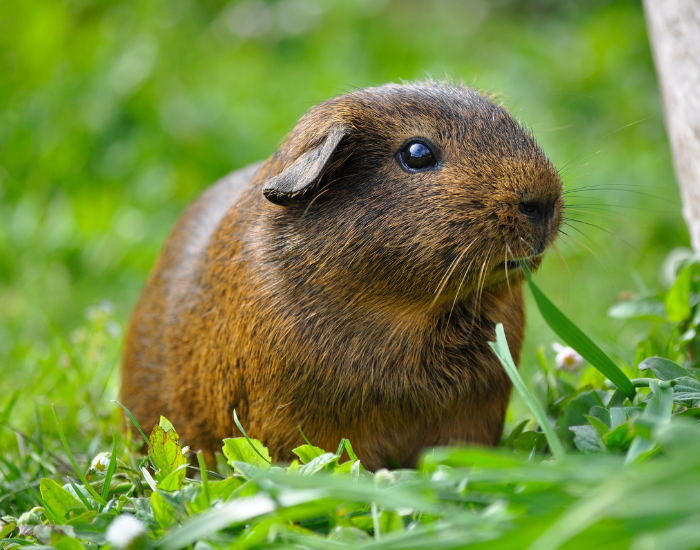
1. The Geographic Identity Crisis: Are Guinea Pigs from Guinea?
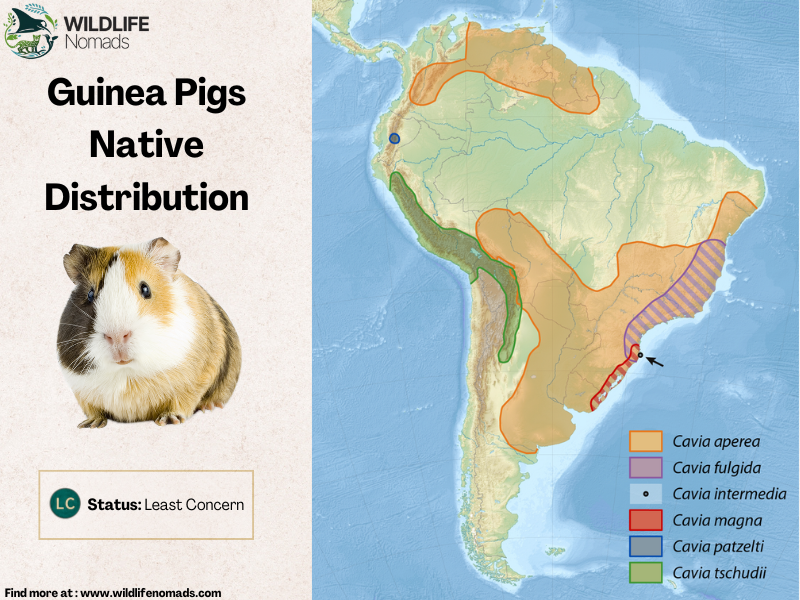
Guinea pigs are not from Guinea. They are native to the Andes Mountains in South America. They originated in regions that now comprise Peru, Bolivia, and Ecuador.
Why the confusing name? There are a few theories on why guinea pigs are called guinea pigs. The Cost Theory suggests that in 16th-century England, they might have been sold for a “guinea,” a gold coin. The Shipping Route theory posits that they were brought to Europe via ships that stopped in West Africa (Guinea), leading people to mistake their origin. The “Pig” Factor explains how their stocky bodies, squealing vocalizations, and the way they “root” around for food reminded Spanish explorers of piglets.
In other languages, the name often reflects this confusion. In German, they are Meerschweinchen (“little sea pigs”), because they arrived from across the ocean. The Spanish call them conejillo de Indias (little rabbit of the Indies), while the French term is Cochon d’Inde (Indian pig).
2. Meet the Ancestors: Do Guinea Pigs Exist in the Wild?
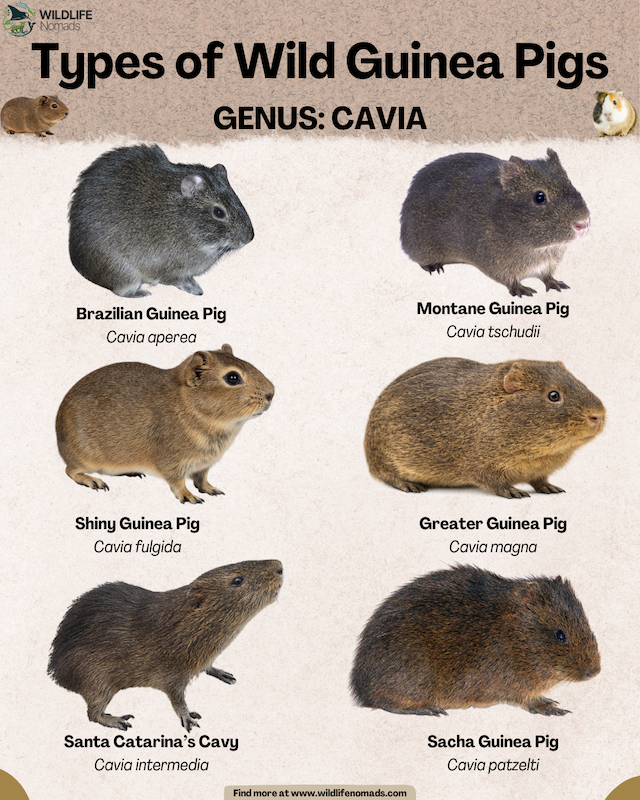
While the domestic guinea pig (Cavia porcellus) does not exist naturally in the wild, they have very real wild ancestors. I’ve always been fascinated by how these animals adapted to the rugged Andes Mountains.
The domesticated version we love today descended from species like the montane guinea pig (Cavia tschudii) and the sul guinea pig. These wild cavies are social animals that live in groups on grassy plains, often seeking shelter in burrows or crevices. These wild cavies still roam the Amazon River basin and the moist savannas of South America. Recent studies using molecular markers and skeletal morphology confirmed that Cavia tschudii is the most likely ancestor of our domestic guinea pigs.
Wild guinea pigs and cavies often share their habitats with other animals, sometimes taking shelter in burrows created by other animals, which highlights their interactions within a broader animal community. Wild guinea pigs live in small family groups, are primarily nocturnal or crepuscular, and have agouti (grizzled brown) coloration. Domestic guinea pigs, however, are highly social, live in larger groups, come in many colors and patterns, and are crepuscular (active at dawn and dusk).
3. The Royal and Ancient History of Domestication
Guinea pigs weren’t always the gentle companion animals we know today. Long before they lived in hutches and living rooms, they were domesticated in the Andes Mountains around 5000 BC for a very practical reason: food.
In the high-altitude regions of what is now Peru, Bolivia, and Ecuador, guinea pigs were easy to raise, reproduced quickly, and provided a reliable source of protein. Over time, they became deeply embedded in Andean culture, valued not only as food but also in rituals and traditional medicine. Their close relationship with humans shaped their behavior, making them more social, less aggressive, and better suited to domesticated life than many other rodents.
By the 16th century, Spanish explorers encountered domesticated guinea pigs and brought them back to Europe. There, their role began to shift. Rather than remaining livestock, guinea pigs became curiosities, kept by nobles, studied by early scientists, and eventually adopted as household pets. They were also among the first animals used in laboratory research, thanks to their calm nature and ease of care.
By the time guinea pigs reached royal courts and middle-class homes across Europe, they had completed a remarkable transition: from an essential food animal of the Andes to a symbol of gentility, science, and companionship.
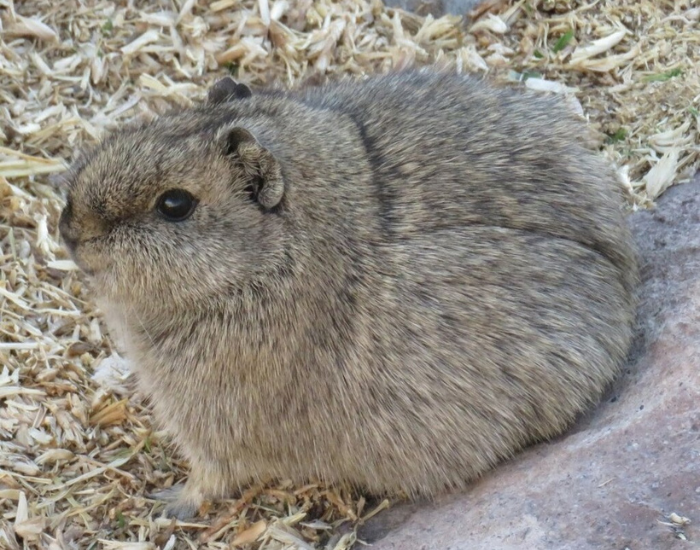
4. Are Guinea Pigs Related to Actual Pigs? (The Taxonomy)
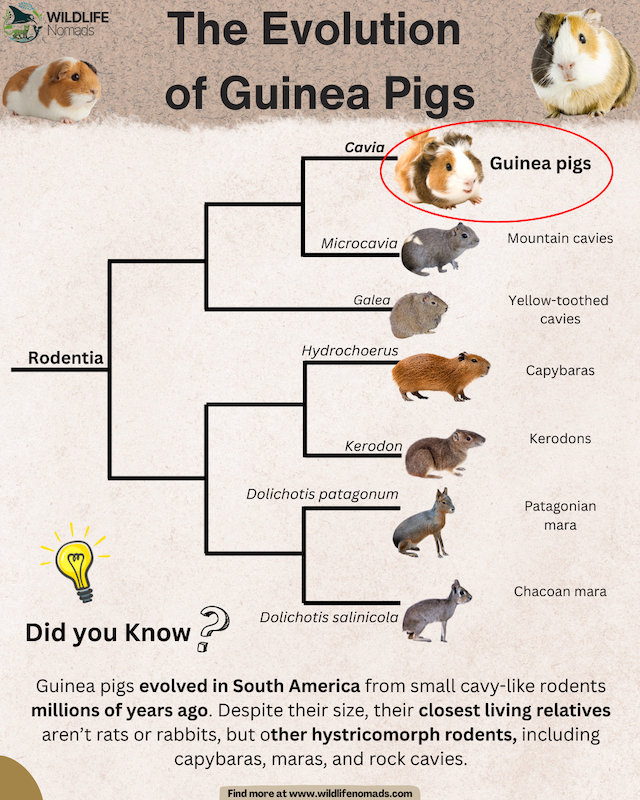
What family are guinea pigs in? They belong to Family Caviidae, which is part of a larger group of South American rodents. This family includes some fascinating relatives that might surprise you. While guinea pigs are members of the Caviidae family, there is a wide diversity among other rodents in this group, such as capybaras, maras, and various cavies, highlighting the unique place guinea pigs hold among related species.
In fact, in the 1990s, some scientists questioned whether guinea pigs were even rodents at all! However, subsequent research confirmed they are indeed rodents, just a very distinct branch.
The fossil record shows that the Caviidae family first appeared during the mid-Miocene, about 20 million years ago. There’s even an extinct giant relative called Phoberomys pattersoni that weighed around 700 kilograms, about the size of a rhinoceros!
5. The “Boar” and the “Sow”: Biological Quirks
In the world of guinea pigs, we use porcine terminology. Male guinea pigs are called boars, and female guinea pigs are called sows. Their babies, as I discovered so vividly in my garden, are called pups.
Guinea pigs have a gestation period of about 59 to 72 days, which is relatively long for rodents. After birth, pups are typically weaned after about three weeks, showing how quickly they develop and become independent.
6. Cuy: Guinea Pigs as Traditional Peruvian Food
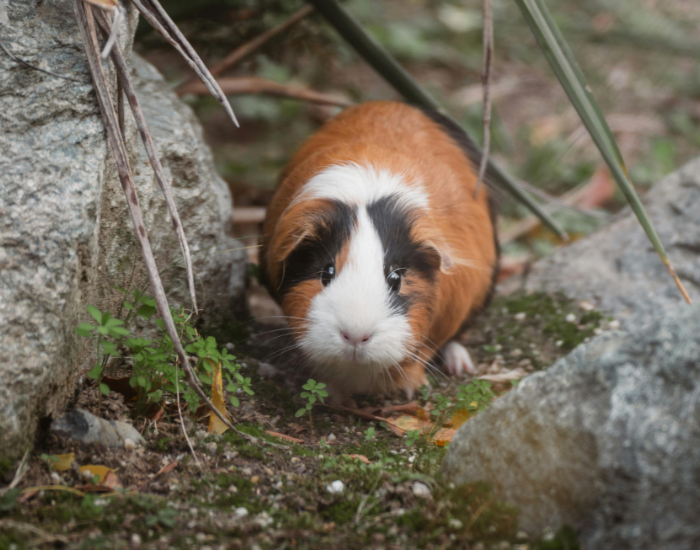
In Peru, Ecuador, and Bolivia, guinea pigs are still raised and eaten as a traditional delicacy called cuy (pronounced “koo-ee”). The name comes from the Quechua language and is onomatopoeia, mimicking the “cuy-cuy” sound guinea pigs make.
Cuy is high in protein and low in fat, making it a nutritious food source. It’s typically served roasted (cuy asado) or fried (cuy chactado), often with potatoes and corn. The meat tastes similar to rabbit or dark chicken meat.
Years later, while working at Macquarie University during my Masters, I had the fascinating opportunity to meet the Ambassador of Peru to Australia. We were organizing a catering event, and the topic of traditional Peruvian food came up. He spoke candidly about the cultural significance of eating guinea pigs. While we didn’t serve it in Australia, it was a reminder that our “cute pets” have a deep, complex history with humans.
During Inca times, cuy held ceremonial importance. They were used in religious ceremonies and offerings to the gods. Some shamans even used guinea pigs in healing rituals, believing they could diagnose diseases. Today, cuy is served in gourmet restaurants worldwide, bridging traditional Andean cuisine with modern gastronomy.

7. From Wild Ancestors to Fancy Coats: The Diversity of Breeds
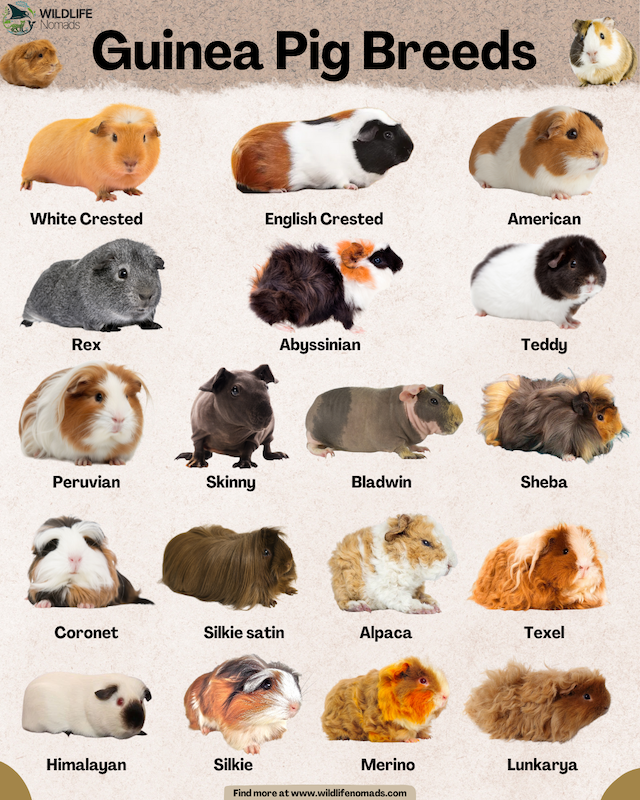
Through centuries of selective breeding, we’ve moved far beyond the brown, short-haired wild guinea pigs. Today, organizations like the American Cavy Breeders Association recognize dozens of breeds with varying fur textures and colors.
- Abyssinian: Known for their “rosettes” or cowlicks in their hair.
- Peruvian: Long, silky hair that can grow several inches.
- American: The classic short-haired variety.
- Skinny Pig: A nearly hairless breed (great for those with allergies, though they need extra warmth!).
8. A Biologist’s Tips for Care and Maintenance
If you’re wondering, “Is a guinea pig a good pet?” the answer is a resounding yes, provided you have the time. Pet owners should understand that caring for pet guinea pigs involves providing a proper diet, a safe and spacious environment, and regular companionship to ensure their health and well-being. They aren’t “low-maintenance” in the way a goldfish might be.
Diet Essentials
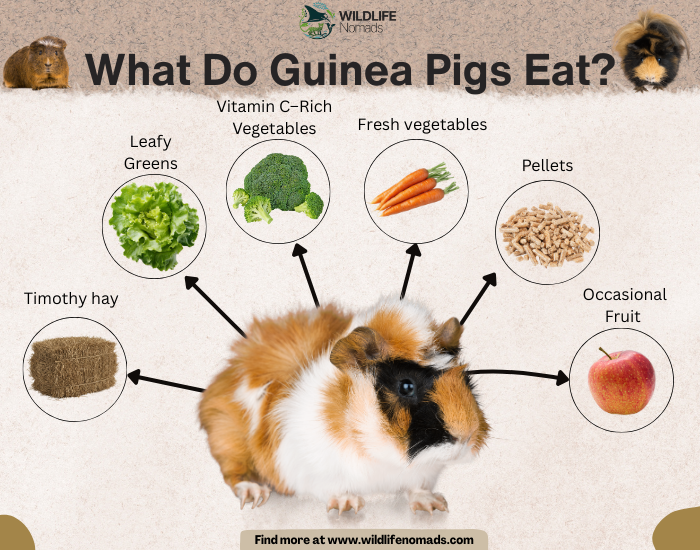
- Timothy Hay: This should make up 80% of their diet. It keeps their continuously growing teeth worn down and their gut moving.
- Fresh Vegetables: Leafy greens are a must.
- Water: Always fresh, always available.
Environment
They need space. Most cages sold in “big box” pet stores are actually too small for two boars or sows. They need room to “popcorn”, that adorable little hop-and-twist they do when they are happy.
9. Social Requirements: The Obligate Companions
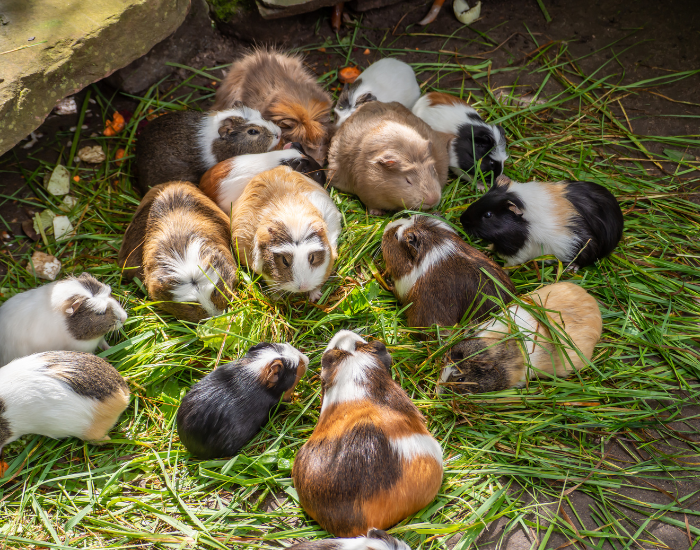
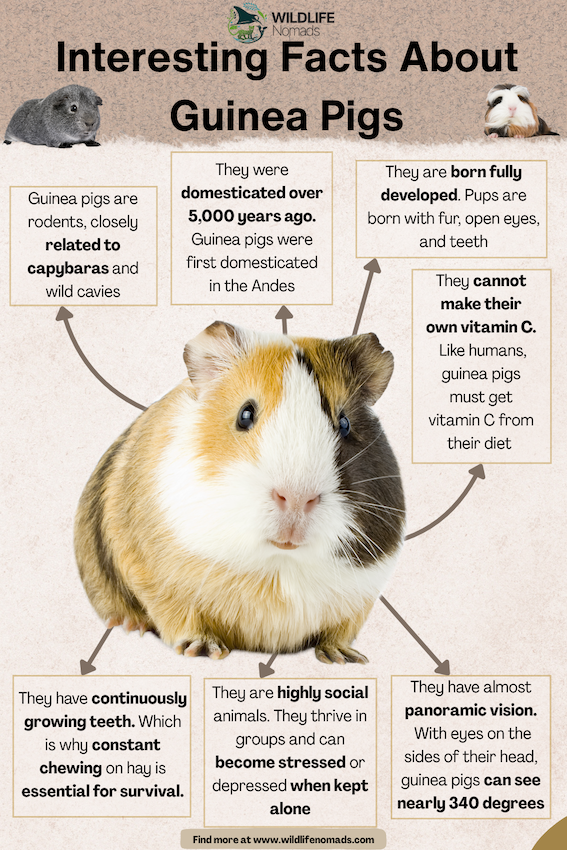
Did you know it is illegal to own only one guinea pig in Switzerland? Switzerland (not Sweden, as commonly misreported) has animal welfare laws that recognize these creatures are so social that keeping a single guinea pig is considered cruel. And that’s because guinea pigs are obligate social animals. They need the company of their own kind to thrive.
Domestic guinea pigs form complex social hierarchies, typically dominated by males, with dominant and submissive members. Guinea pigs interact with other guinea pigs using a variety of sounds and behaviors to establish and maintain this group hierarchy. They communicate using various vocalizations, including squeaks and grunts, as well as the famous “wheek-wheek” sound (excitement or anticipation), purring (contentment), and teeth chattering (aggression or agitation). Guinea pigs can also learn complex paths to food and can accurately remember a learned path for months.
10. Physical Quirks: From Vitamin C to Unusual Toes
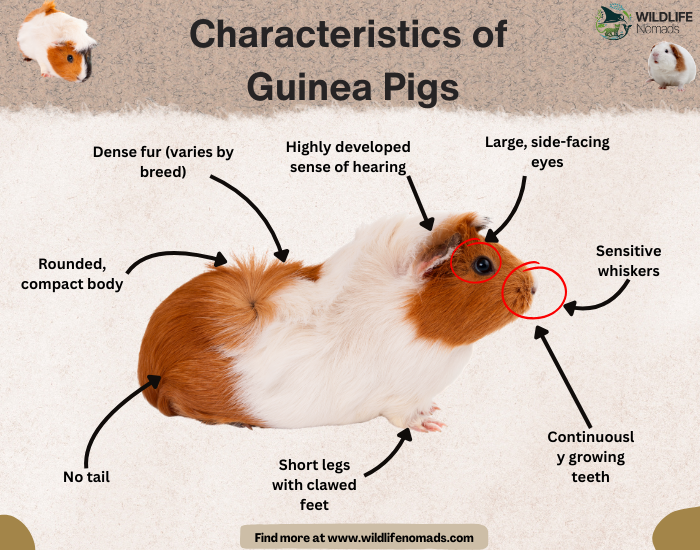
Guinea pigs have several remarkable physical characteristics. They are reasonably large for rodents, weighing 700 to 1200 grams (1.5 to 2.5 pounds) and measuring 20 to 25 centimeters (8 to 10 inches) long. Male guinea pigs tend to be slightly larger than females.
One peculiar feature: guinea pigs have four toes on their front feet but only three on their hind feet. This odd number on their back legs helps them tunnel and burrow in the wild. However, it means they’re not natural climbers, they can jump over small obstacles but cannot climb.
Guinea pigs have no tails and short ears. Their eyes are positioned on the sides of their heads, giving them nearly 340-degree vision. However, their eyesight is poor. They rely more on excellent senses of hearing, smell, and touch.
Unlike most other mammals, guinea pigs cannot synthesize their own vitamin C. This is a trait they share with humans and other primates. Without enough vitamin C in their diet, usually through fresh peppers, citrus, or supplements, they can develop scurvy.
FAQs about Guinea Pigs
Neither! While all three are mammals, guinea pigs and rats are rodents, while rabbits are lagomorphs. Guinea pigs are specifically cavies.
Historically, they were a food source and a sacrificial animal in folk medicine. Today, they serve as companions, educational animals, and, in some cases, therapy animals due to their gentle nature.
Guinea pigs can live for up to seven years, and sometimes even longer with proper care and diet. According to the Guinness World Records, the oldest recorded guinea pig lived to be nearly 15 years old, highlighting the importance of optimal conditions for longevity.
The Little Animal with a Big Legacy
From the peaks of the Andes Mountains to the gardens of Europe and my own backyard surprise in 2014, guinea pigs have proven to be resilient, fascinating, and deeply social creatures. Whether you call them cavies, little pigs, or Cavia porcellus, they represent a unique bridge between ancient human history and modern companionship.
If you’re looking for a pet that communicates with a variety of whistles and squeaks, and you have the space to let them thrive in a group, you really can’t go wrong with these South American treasures. Just… maybe double-check the genders before you bring them home!