
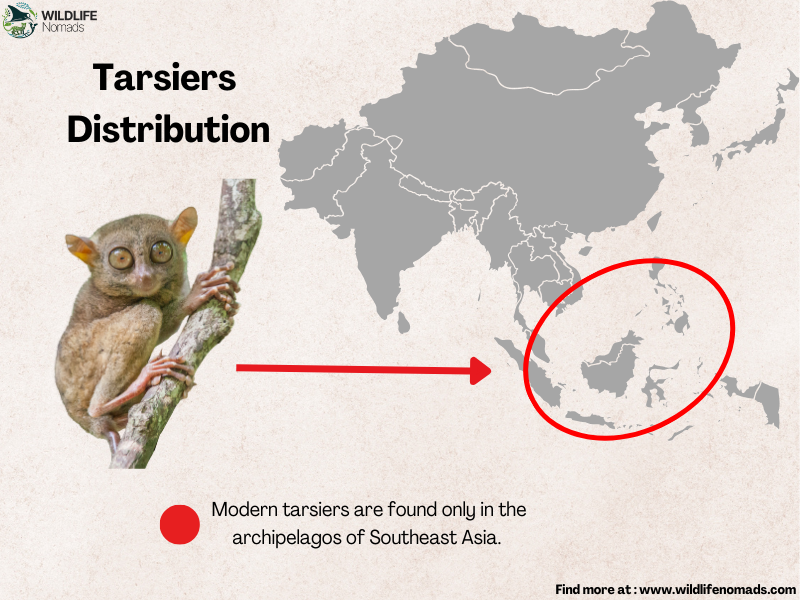
Meet the strange, wide-eyed tarsiers primates. These tiny, nocturnal animals live exclusively in Southeast Asia. You can find them across the Philippine islands, Malaysia, and the Indonesian island chains including Borneo and Sumatra.
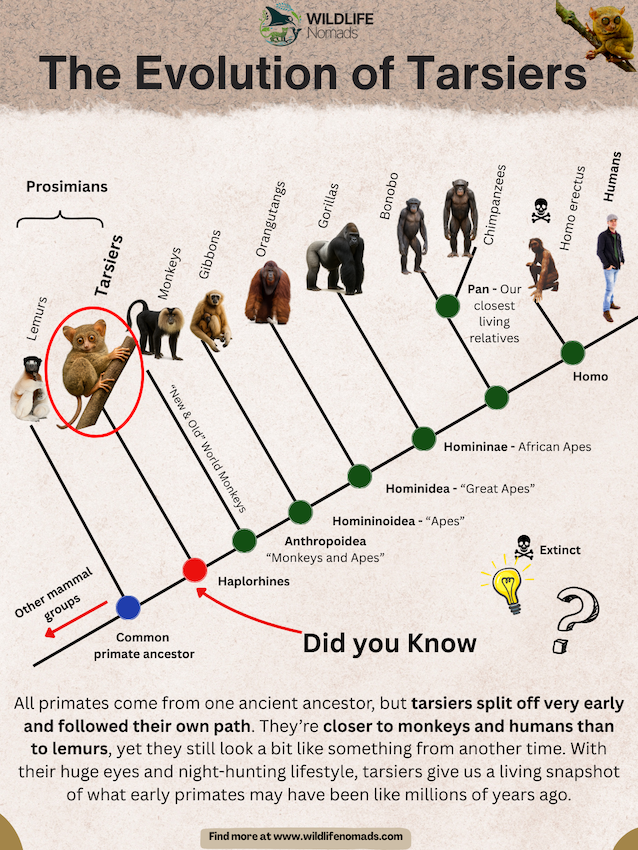
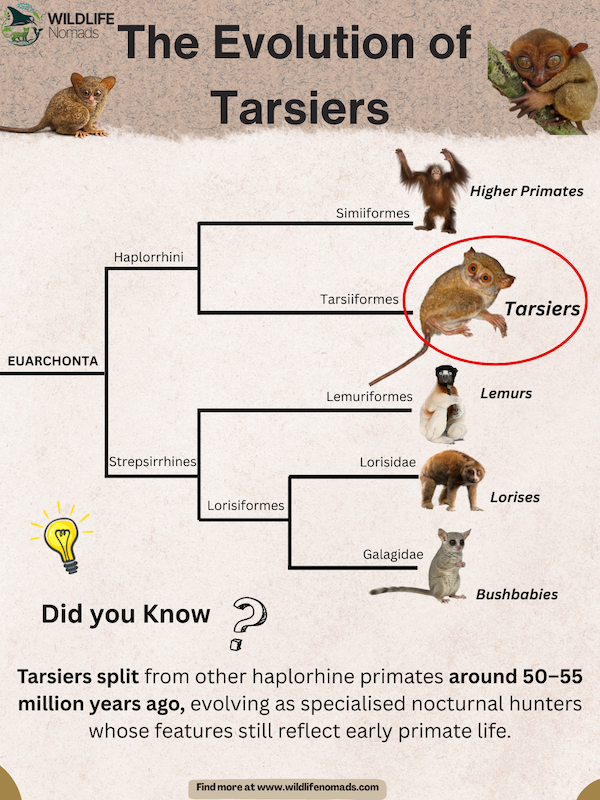
These creatures belong to the suborder Haplorrhini. Tarsiers belong to the family Tarsiidae, which is the only extant family within the infraorder Tarsiiformes, making them unique among haplorhine primates. This means they are dry nosed primates, making them closer relatives to humans than to lemurs. With a fossil record spanning 55 million years, scientists often call them living fossils, as their niche have remained the same.
Today, researchers recognize several species of tarsiers. Each has evolved unique evolutionary characteristics for survival. They all share incredible jumping abilities and strictly carnivorous diets. However, every tarsier species now faces threats from habitat destruction and the illegal pet trade.
1. Ancient Evolutionary History
Tarsiers offer a fascinating window into primate evolution. Fossil evidence shows their ancestors once roamed Northern Africa and Europe. The modern family Tarsiidae emerged millions of years ago during the Eocene epoch. Tarsiers are considered to be some of the oldest surviving primates, dating back at least 55 million years.
Unlike later-evolving primates such as chimpanzees, gorillas, and Mandrills, tarsiers split from the haplorhine lineage very early and followed a highly specialised evolutionary path. At the same time, they are evolutionarily distinct from strepsirrhine primates like bushbabies and lemurs, despite sharing a nocturnal lifestyle and small body size.
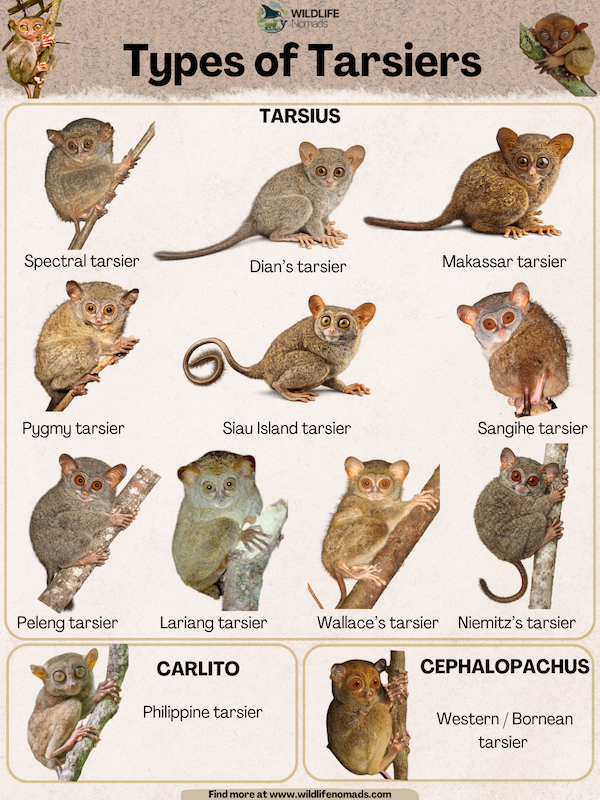
Today, this family includes three genera. First, Carlito includes the Philippine tarsiers. Second, Cephalopachus encompasses the western tarsiers found on Borneo. Third, Tarsius contains the eastern tarsiers of Sulawesi and surrounding islands.
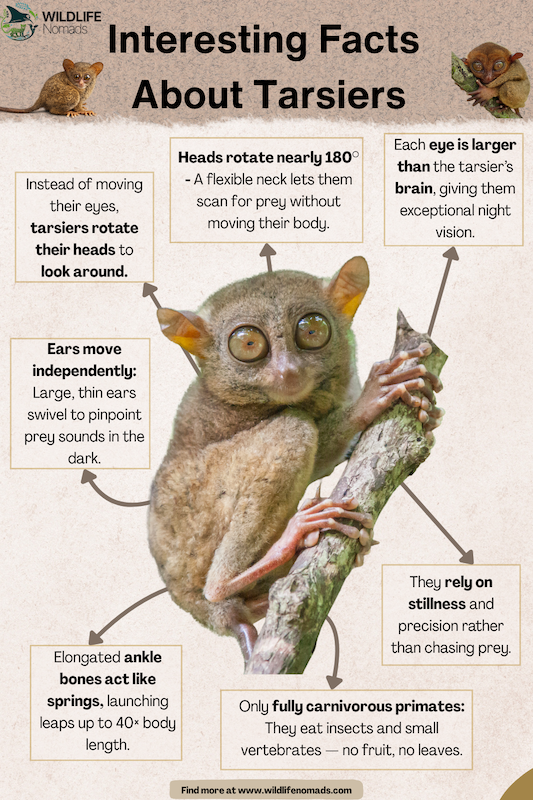
The evolutionary history of these tiny primates shows they have changed very little over time. In fact, their tarsier’s brain is actually smaller than their eyes, and features a unique neuroanatomy. The arrangement of the lateral geniculate nucleus in the tarsier’s brain is distinct among primates, supporting their exceptional visual processing abilities. This specialization provides insight into both their visual perception and the evolutionary history of primate neurobiology. This remarkable specialization makes them invaluable for understanding primate evolution and the order primates as a whole.
2. Incredible Anatomy and Physiology
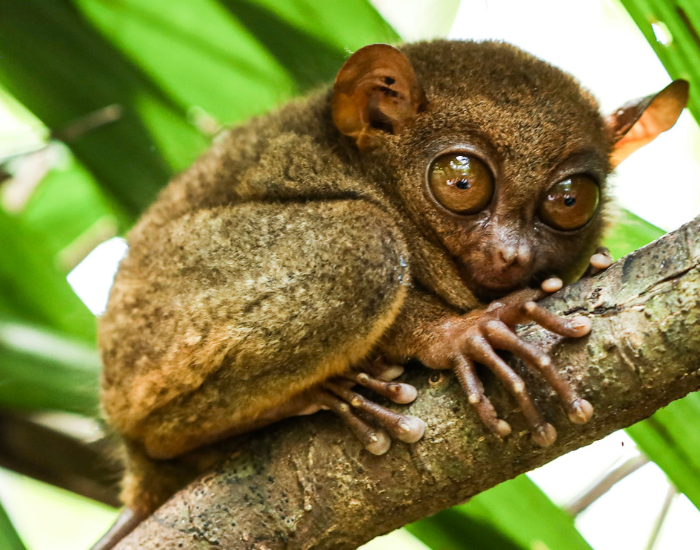
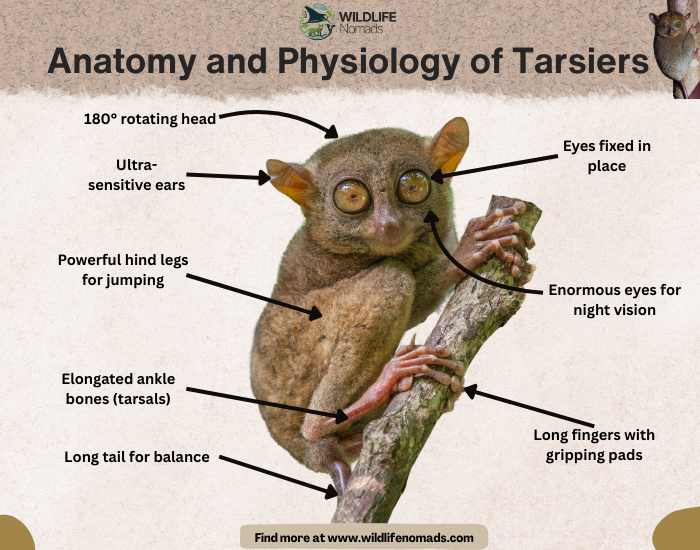
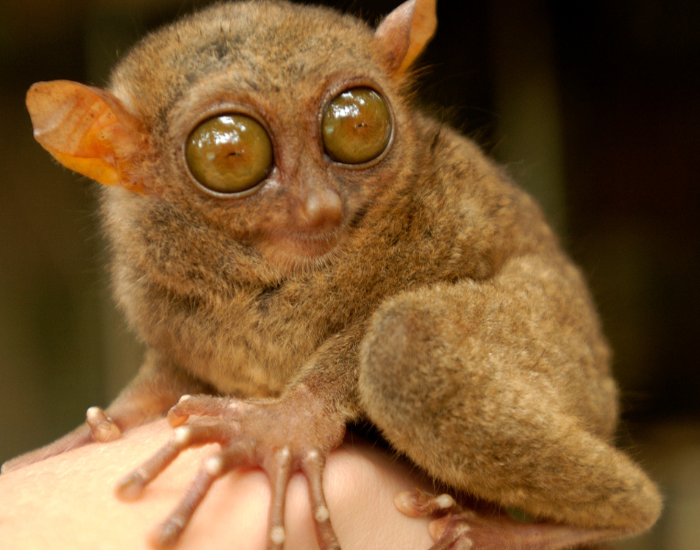
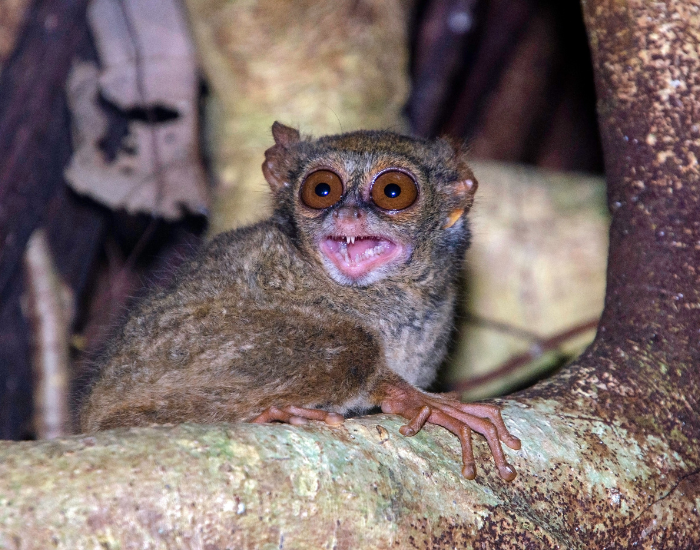
Tarsiers possess some of the most extraordinary features in the animal phyla. Their enormous eyes provide exceptional nocturnal vision for hunting at night. Interestingly, a tarsier’s brain is dwarfed by these massive eyes.
Their name comes from their elongated ankle bones called tarsals. These specialized bones act like springs, allowing leaps up to 40 times their body length. Therefore, these wild animals can jump over 12 feet between tree branches with ease.
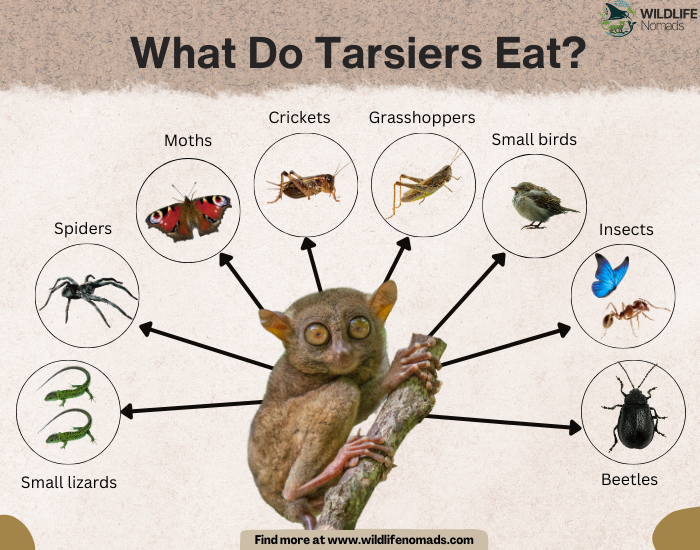
Unlike other primates, tarsiers are entirely carnivorous primates. They eat insects like beetles and crickets primarily. However, they also hunt small lizards and even small birds when available. This makes them unique among primate species.
3. The 14 Unique Tarsier Species
The genus Tarsius and its relatives contain 14 distinct species of tarsiers. Each occupies a specific niche in forested habitats across Southeast Asian islands. All existing species of tarsiers are restricted to Maritime Southeast Asia, predominantly in Brunei, Indonesia, Malaysia, and the Philippines.
Among these, the lesser spectral tarsier is notable for its rare and elusive nature, being found on the Indonesian island of Sulawesi. It is considered endangered, and its scientific discovery highlighted the unique biodiversity of Sulawesi’s forests. The mountain tarsier, also native to Sulawesi, is recognized by its scientific names Tarsius pumilus and Tarsius montanus. It is an endangered species, historically thought to be extinct due to its rarity and limited high-altitude habitat.
There are also important distinctions between philippine and western tarsiers. Philippine tarsiers are found in the Philippines and are adapted to dense forest environments, while western tarsiers inhabit regions in Indonesia and Malaysia. These groups differ in physical characteristics and are classified regionally within Southeast Asia, reflecting their unique adaptations to local environments.
Philippine Tarsier (Carlito syrichta)
The Philippine tarsier lives on islands like Bohol, Mindanao, and Leyte. These tarsiers are found in secondary forests and dense vegetation throughout the Philippine islands. While they are famous tourist attractions, they remain “Near Threatened” due to habitat loss from deforestation.
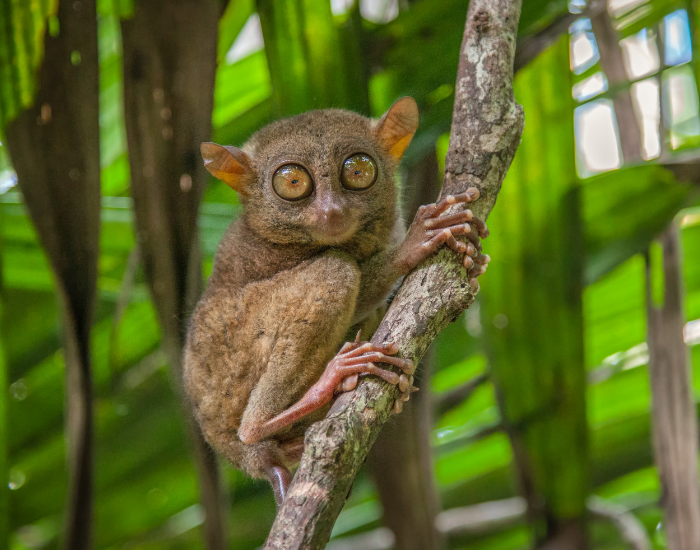
Western Tarsiers (Cephalopachus bancanus)
Also known as the Bornean tarsier or tarsier de bornéo, they inhabit Borneo and Sumatra. They prefer lowland forests with thick undergrowth for protection. Unfortunately, feral cats and deforestation for palm oil plantations are their primary threats today.
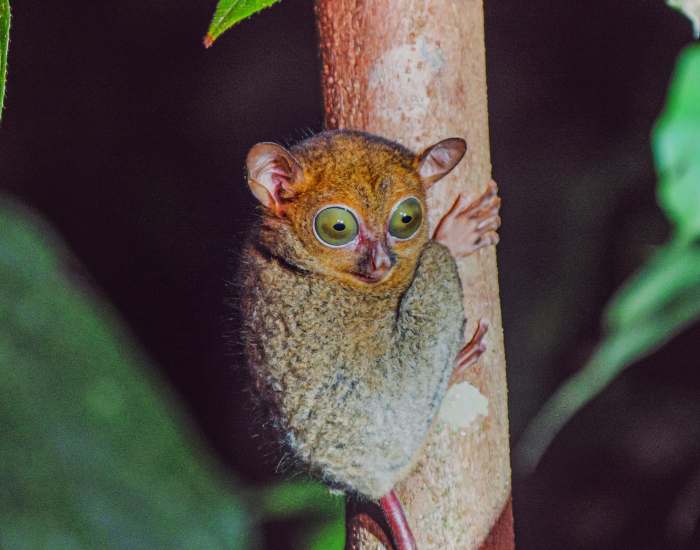
Pygmy Tarsiers (Tarsius pumilus)
The pygmy tarsier is a pygmy species endemic to the mountains of Central Sulawesi. These smallest primates weigh less than 60 grams, making them incredibly tiny. They live in montane mossy forests at high elevations. Remarkably, they were once thought to be extinct until their rediscovery in 2000.
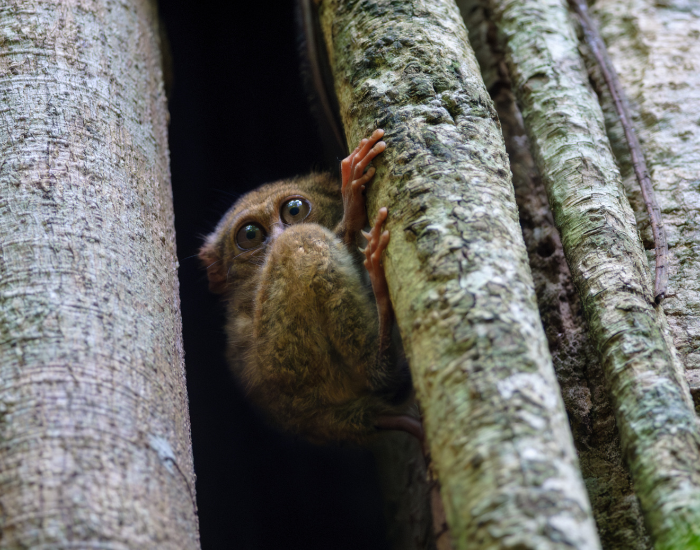
Siau Island Tarsier (Tarsius tumpara)
This critically endangered species lives only on Siau Island in Indonesia. Volcanic activity and human encroachment threaten their survival dramatically. Therefore, they are among the world’s most threatened species of wildlife.
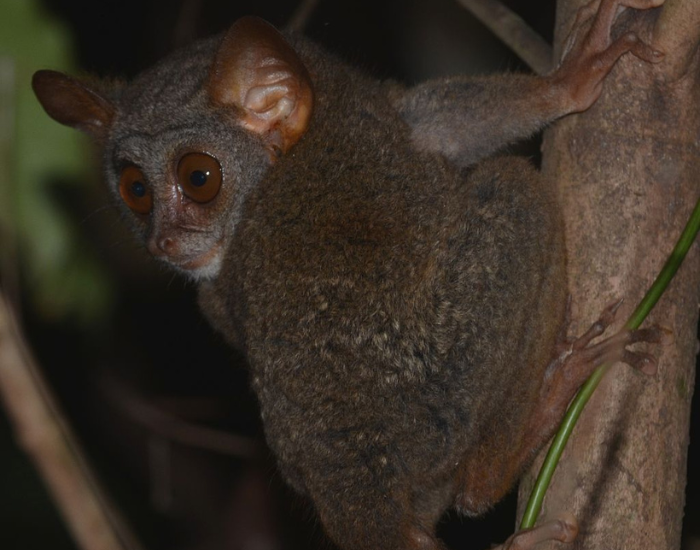
Spectral Tarsier (Tarsius tarsier)
The spectral tarsier lives in Central Sulawesi and nearby islands. They are known for their strong social bonds and ultrasonic calls for communication. These nocturnal animals prefer secondary forests and bamboo thickets as their primary habitat.
Other Tarsiers
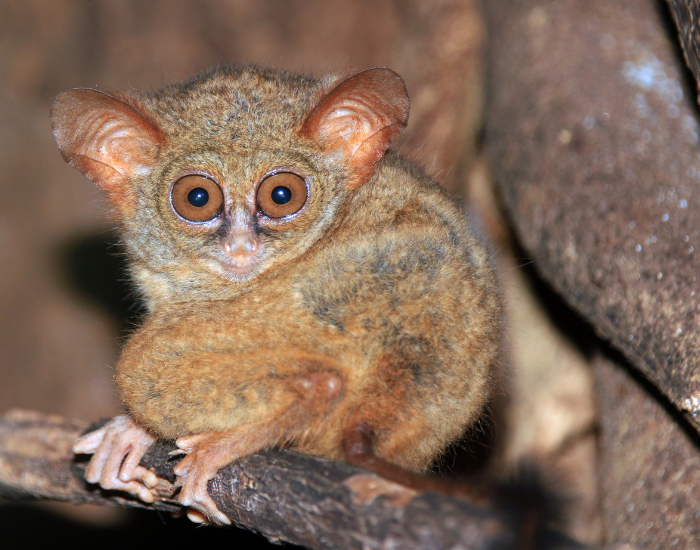
Several other species inhabit various Indonesian islands. For example, Dian’s tarsier lives in Central Sulawesi’s highland forests. Additionally, the Sangihe tarsier occupies Sangihe Island. Each species represents unique evolutionary adaptations to specific environments.
4. Where do they Live? – Habitat and Distribution
Tarsiers are strictly Southeast Asian inhabitants across the region. Tarsiers spend most of their time in trees and various forest habitats, highlighting their arboreal lifestyle. They typically reside in dense, dark vegetation close to the ground, which provides cover and access to prey. They inhabit tropical forests on islands such as the Philippines, Borneo, and Sulawesi. Tarsiers also require forested habitats with vertical tree branches for their spectacular leaping abilities. Most species of tarsiers live three to six feet above the ground level.
Dense vegetation offers crucial protection from predators like civets and snakes. However, habitat fragmentation is a major issue threatening their survival. Many tarsier species now occupy tiny, isolated ranges on Southeast Asian islands due to deforestation.
Secondary forests can support tarsier populations when primary forests are destroyed. Nevertheless, conservation efforts must focus on protecting both forest types. The loss of natural resources continues to push endangered primates toward extinction.
5. Unique Diet and Hunting
Most other animals in the primate order eat insects and fruit together. Tarsiers do not follow this pattern at all. Instead, they are the only primates that eat insects and small vertebrates exclusively as carnivorous primates.
They use their 180-degree head rotation (some 360 degrees!) to track prey in total darkness. This adaptation allows them to hunt without moving their bodies. Therefore, they remain silent and undetected by potential prey items.
Their large eyes capture minimal light for excellent nocturnal vision. When hunting, they pounce with incredible accuracy on their targets. Adult males and females both display exceptional hunting skills throughout their lives.
6. Social Behavior and Reproduction
Adult males and females often form small family groups for protection. A female typically gives birth to a single young after a six-month gestation period. These young tarsiers are well-developed at birth and can climb almost immediately.
The newborn weighs approximately 25 grams at birth. Mother tarsiers carry their offspring in their mouths when moving. Young tarsiers reach sexual maturity within two years of age.
Male tarsiers defend territories through loud vocalizations and scent marking. However, they rarely engage in physical confrontations with rivals. Social bonds within family groups remain strong throughout their lives.
7. Communication Skills
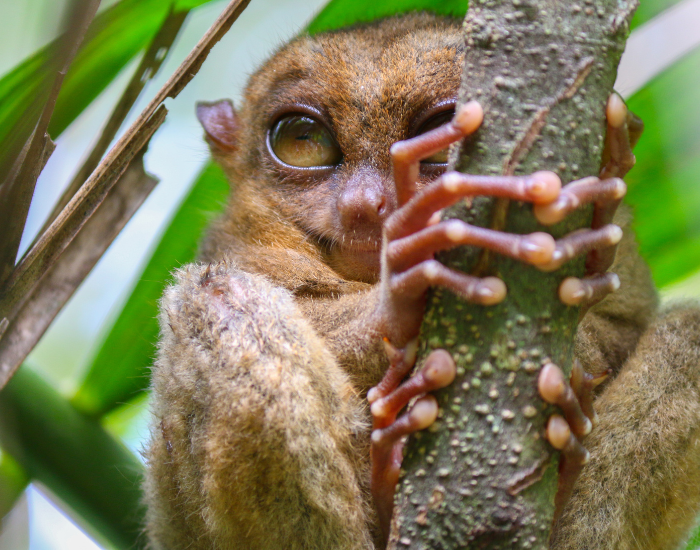
Tarsiers communicate using high-pitched sounds for various purposes. Some species of tarsiers use ultrasonic frequencies that humans cannot hear at all. This adaptation helps them stay quiet while alerting other tarsiers to danger.
Tarsiers engage in complex duet calls, particularly at sunrise, to communicate pair bonding, territorial boundaries, and potential threats to other tarsiers in their area. Tarsiers are known for their unique vocalizations, including complex duet calls between pairs.
The spectral tarsier produces calls above 70 kHz frequency. Therefore, predators cannot detect their communication signals easily. This gives them a significant survival advantage in the wild.
They also use visual signals and scent marking for territorial communication. However, vocalizations remain their primary method of interaction. These communication strategies help maintain social structures within populations.
8. The Threat of the Pet Trade
The illegal pet trade is a massive threat to wild tarsier populations. Tarsiers are extremely sensitive to light, noise, and handling stress. Consequently, most die quickly in captivity due to extreme stress levels.
Suicidal behavior has even been documented in captive individuals. They may bang their heads against enclosures or refuse to eat entirely. Therefore, keeping tarsiers as pets is both cruel and illegal in most countries.
Wildlife sanctuaries provide controlled environments for rescued individuals. However, captive conservation remains extremely challenging for these sensitive creatures. The best protection comes from preserving their natural habitats instead.
9. Conservation Status
The IUCN Red List classifies many tarsiers as endangered primates or critically endangered. Several species face immediate extinction risks from habitat loss. For example, the Siau Island tarsier has fewer than 2,000 individuals remaining.
Captive conservation is difficult because they rarely thrive outside the wild. Therefore, efforts now focus on protecting wild animals in their natural homes. Some organizations like the Philippine Tarsier Foundation work to preserve habitats and educate communities.
Deforestation for agriculture remains the primary threat across Southeast Asia. Palm oil plantations destroy crucial forested habitats rapidly. Additionally, climate change affects montane species like the pygmy tarsier severely.

10. Why They Are “Living Fossils”
The fossil record shows tarsiers haven’t changed much in 55 million years of evolution. While other species evolved larger brains or different diets, tarsiers perfected their specialized niche. They remain the ultimate specialized hunters of the night.
Their body length, eye size, and hunting behaviors remain virtually unchanged. This stability demonstrates successful evolutionary adaptation to their environment. Therefore, studying tarsiers helps scientists understand primate evolution and animal diversity more broadly.
Small Primate, Big Future
Tarsiers are not only some of the smallest primates in the world, but also among the most endangered. With several species facing critical threats from habitat loss, the illegal pet trade, and environmental changes, their future depends on immediate and sustained conservation efforts. These tiny, carnivorous primates are a vital part of Southeast Asia’s wild fauna and represent millions of years of primate evolution.
By supporting wildlife sanctuaries, responsible ecotourism, and organizations dedicated to protecting natural resources, we can help ensure that tarsiers continue to thrive in their forested habitats. Every action counts, whether it’s spreading awareness, supporting conservation status initiatives, or choosing sustainable products that protect secondary forests and dense vegetation. Let’s work together to safeguard the incredible diversity of tarsier species and preserve these unique wild animals for generations to come.
All your FAQs about Tarsiers
No, they are not monkeys at all. They belong to their own family, Tarsiidae, within the order primates. This makes them distinct from both monkeys and lemurs.
Visit an official wildlife sanctuary, such as the Philippine Tarsier Foundation in Bohol. Always avoid “roadside” attractions that allow touching or flash photography.
Currently, scientists recognize 14 distinct species across three genera. Each species occupies specific islands or regions in Southeast Asia.
Habitat destruction from deforestation poses the greatest threat. Additionally, the illegal pet trade and feral cats contribute to population declines.
Where to see Tarsiers in the Wild?
If you are keen to find tarsiers, have a look at our recommended tours in Bohol Philippines and Sulawesi Indonesia:
This blog is reader-supported. When you buy experiences through links listed on this site, we may earn an affiliate commission.