
I remember stepping off the plane in Australia for the first time, bags still on my shoulder, when the unmistakable cackling call of a kookaburra rang out through the eucalyptus trees. I froze. That moment of pure acoustic wonder, a wild bird announcing itself to the world with absolute confidence.
Every country, every ecosystem has a voice. As a biologist, I find myself cataloguing these sounds as obsessively as any field specimen. Which species produce the most extraordinarily loud sounds? How do they do it? And why? That obsessive curiosity is exactly what led me to write this article. What follows is the result of years of field experience, combined with the latest peer-reviewed science, a guide to the top 15 loudest animals on earth, fact-checked and verified for accuracy.
The natural world is full of sound. If you walk through a rainforest jungle, especially at night when nocturnal animals are active, you will be far from a peaceful forest. It will be a symphony of loudest animals producing such a variety of sounds that it borders on overwhelming. Some animals are whisper-quiet, while others crank up the volume like nature’s own rock concert. In this guide, we’re diving into the top 15 loudest animals on earth, those vocal giants and sonic boomers that make you wonder how such exceptionally loud sounds can emerge from fur, feathers, or fins.
1. Sperm Whale – 230 Decibels
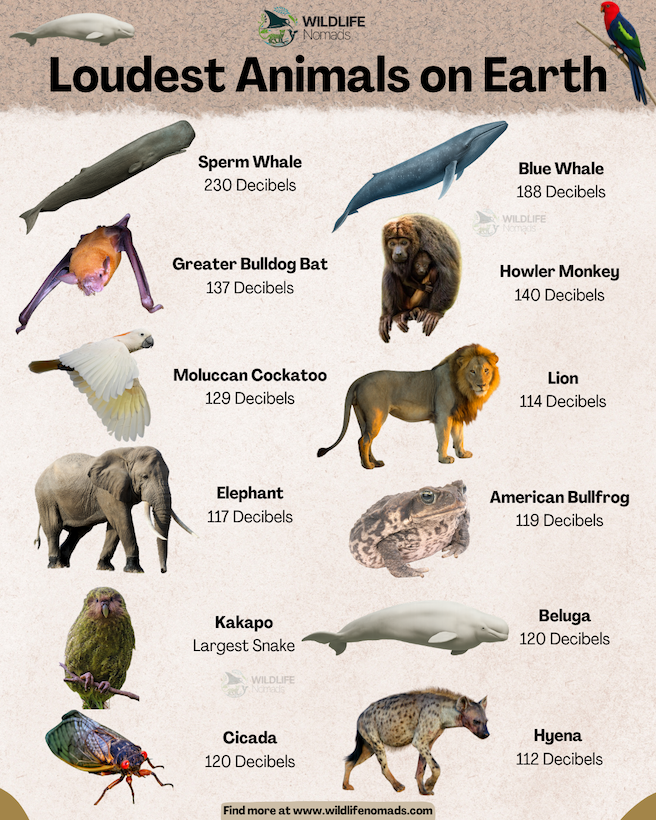
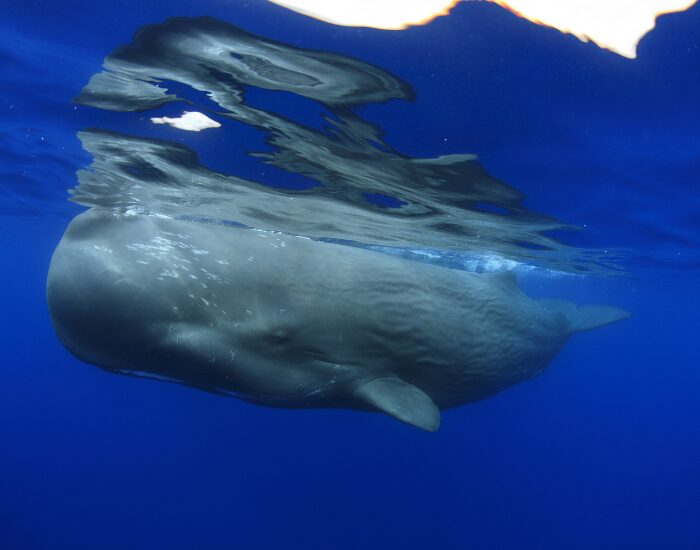
The sperm whale already holds the title for the animal with the biggest brain in the world. But it also holds another record: the undisputed title of the loudest animal on earth. Producing clicking sounds that can reach an ear-splitting 230 decibels, these deep-sea giants use sperm whale clicks for echolocation and long-distance communication.
Those clicking sounds travel miles through ocean water, allowing sperm whales to track prey like giant squid in pitch-black depths. At close range, these exceptionally loud sounds could theoretically rupture human eardrums and exceed the threshold of pain for the human ear by a considerable margin. The sperm whale is one of the most remarkable loudest animals in the world.
2. Blue Whale – 188 Decibels
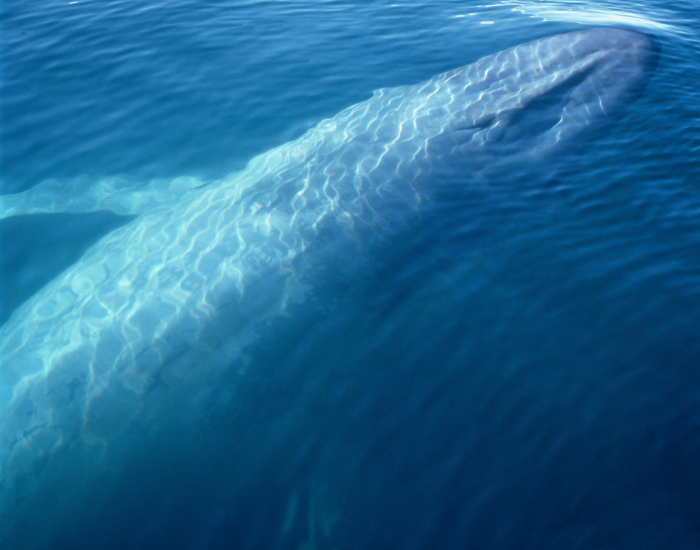
The blue whale is the largest animal ever to have lived on Earth, and its voice is just as colossal. The blue whale’s call, a deep, rumbling, low-frequency tone, reaches up to 188 decibels and can travel over 500 miles underwater, making the blue whale call one of the most powerful sounds produced by any living creature.
Blue whales use their extraordinarily loud vocalizations to communicate across entire ocean basins. The blue whale call is more melodic and haunting than the sperm whale’s clicks, designed for long-distance contact rather than echolocation. These sound levels are so intense that the blue whale’s vocalizations were previously unknown to science, as they fall largely below the human hearing range.
Marine biologists studying blue whale communication have found that their calls can carry across ocean basins in conditions of low ambient noise. To learn more about these incredible animals, read our guide on the biggest whale in the world, or join a whale watching tour to experience them firsthand.
3. Greater Bulldog Bat – 137 Decibels
This might surprise you: a bat makes the top three. The greater bulldog bat uses high-frequency echolocation calls reaching 137 decibels. The lesser bulldog bat, a relative of the greater bulldog bat, also uses powerful echolocation calls that can reach impressive sound levels.
While these frequencies are beyond human hearing, their intensity is extraordinary for such a small animal. These calls help them locate fish in murky waters at night. The greater bulldog bat uses its powerful echolocation calls to detect prey in murky waters.
4. Howler Monkey – 140 Decibels
If you’ve ever walked through a rainforest in Central and South America and thought the jungle itself was yelling at you, it might have been a howler monkey. I’ll never forget hearing them for the first time in the rainforests of northern South America: the sound seemed to come from everywhere at once, filling the canopy before sunrise. These primates are among the loudest land animals in the world, capable of producing howls up to 140 decibels.[4]
Howler monkeys are found throughout the rainforests of Central and South America, from Mexico down through Brazil and into northern South America. Males use their enlarged hyoid bones, a specialised resonating chamber in the throat, to amplify their loud calls, letting their voices carry for three miles or more through dense forest. Some of their loud vocalizations are produced with a closed mouth, enhancing their resonance. These primates one of the most extraordinarily loud sounds of any land animal in the world. For more on animals of South America, explore our rainforest animals guide.
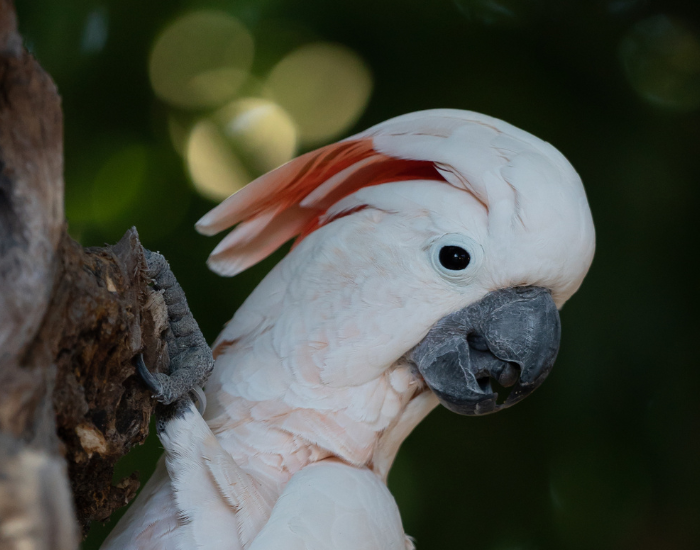
5. Moluccan Cockatoo – 129 Decibels
This bird might be beautiful, but it also produces some of the most ear-splitting loud calls of any bird in the animal kingdom. The Moluccan cockatoo, also known as the salmon-crested cockatoo, can reach 129 decibels when alarmed or excited. That’s louder than a rock concert. In the wild, their loud calls help them stay in touch over long distances through dense forest habitat, but in captivity they are known to scream for attention.
Salmon-crested cockatoos are among the loudest animals in the world in the parrot family, and are the loudest bird species within the Cacatuidae family. These intelligent and noisy loudest animals on earth produce loud vocalizations that are crucial for social connections within their dense forest habitats. For more record-breaking birds, see our guide to the world’s largest birds.
6. Lion – 114 Decibels
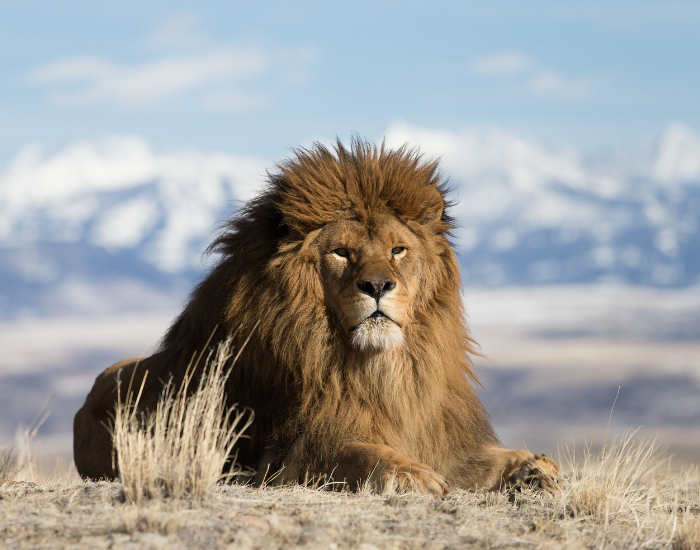
One of Africa’s most iconic animals in Africa, the lion’s roar is not just symbolic, it is one of the loudest terrestrial animal calls in the world, reaching 114 decibels. A lion’s bellowing call — the lion’s roar — can be heard from up to five miles away across the open savanna.
The lion’s roar is used to claim territory, communicate with pride members, and warn off rivals. The deep, thunderous power of the lion’s roar is made possible by specialised vocal cords that remain loose and vibrate easily, allowing these loudest animals to produce sound levels far beyond most other land predators.
7. Elephant – 117 Decibels
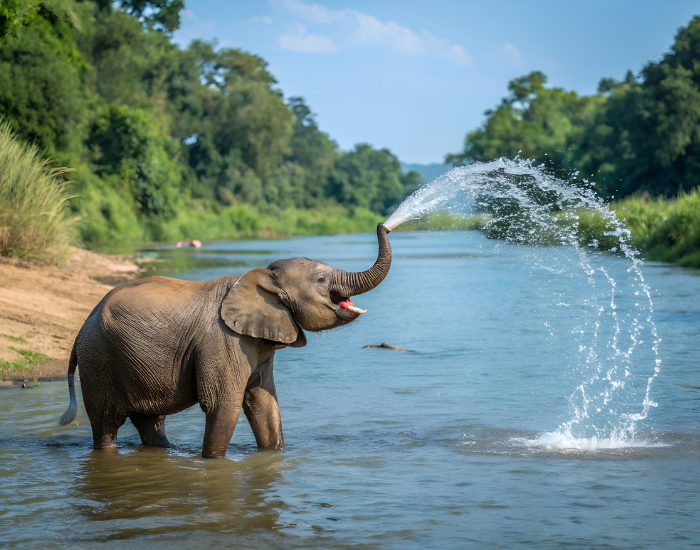
African elephants are already among the animals with the longest gestation periods in the world. But these animals are also some of the loudest animals on earth. African elephants use low-frequency rumbles and trumpets that can reach 117 decibels, producing powerful noise that can travel several miles.
Their infrasound rumbles fall largely below the human hearing range, making them undetectable to human ears but perfectly audible to other African elephants miles away. These calls serve as everything from mating calls to predator warnings.
8. North American Bullfrog – 119 Decibels
This unassuming amphibian is the loudest frog in North America. Male bullfrogs produce loud mating calls, deep, resonant booms that reach up to 119 decibels, to attract mates during the breeding season.
During breeding season, entire ponds resonate with these guttural booms as male bullfrogs compete for females. The sound levels produced by a pond full of calling male bullfrogs can approach those of a jet engine at close range, making them among the loudest animals relative to their body size.
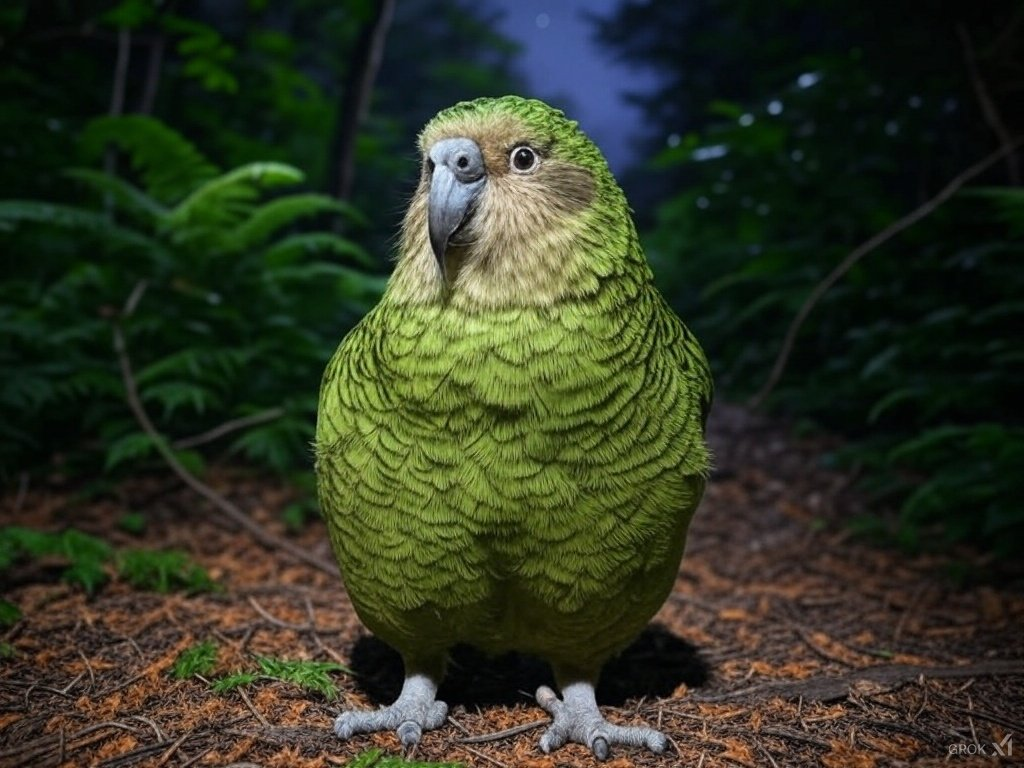
9. Kakapo – 132 Decibels
The kakapo is of the unique animals of New Zealand. This bird is a member of the parrot family, and it is a nocturnal flightless parrot from New Zealand. And, it is also one of the loudest birds! During mating season, males produce booming calls up to 132 decibels, which echo through forests to attract females. Sadly, this critically endangered bird is also one of the rarest.
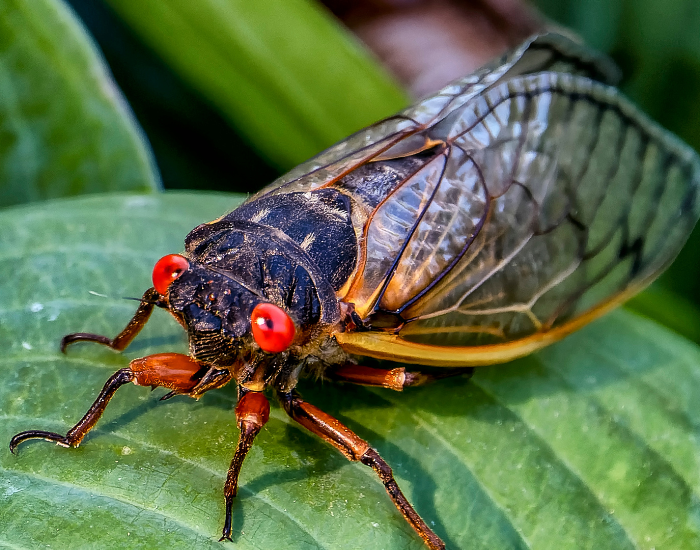
10. Cicada – 120 Decibels
One of the most famous noises in t nature. You probably have heard this insect before. While tiny, cicadas are among the loudest sound producing insects, capable of producing an astounding 120 decibels of sound. Only male cicadas create a constant buzzing noise using tymbals, specialized sound-producing organs. In some swarms, the collective drone can be deafening, rivaling the volume of a chainsaw.
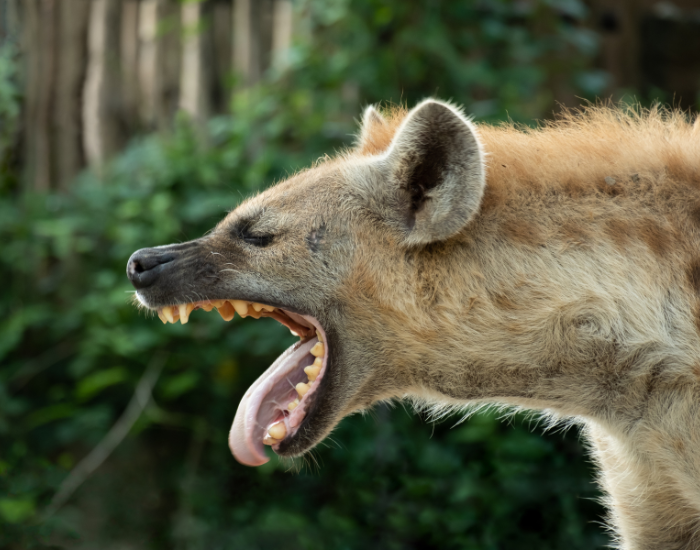
11. Hyena – 112 Decibels
Spotted hyenas are known for their bizarre “laughs,” but their vocalizations are functional and intense. Reaching up to 112 decibels, their whoops, giggles, and groans produce a powerful noise that communicates status, aggression, and group cohesion. Packs can be located from miles away by their haunting sounds.
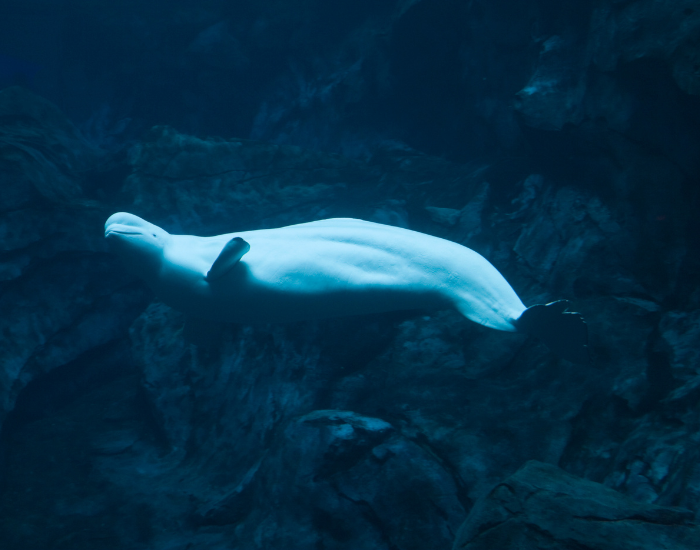
12. Beluga Whale – 120 Decibels
Beluga whales produce whistles, clicks, and chirps at volumes nearing 120 decibels. These social mammals rely on sound to navigate Arctic waters and maintain tight family units. Their vocal range is among the most diverse in the animal kingdom, far broader than most other whales or dolphins. Bottlenose dolphins, by comparison, typically produce sounds in the 100–120 decibel range, while beluga whales consistently reach the upper end of that scale.
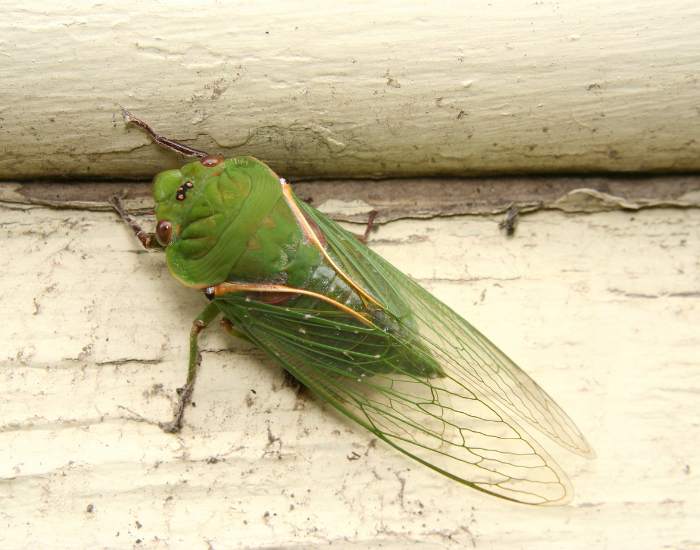
13. Green Grocer Cicada (Australia) – 121 Decibels
Australia has some of the rarest animals in the world. The green grocer cicada of Australia, is one of the many fascinating cicada species, emits one of the loudest insect calls, clocking in at 121 decibels. Found mostly in summer, their chorus becomes a constant background hum. They use specialized membranes to create vibrations amplified by internal air sacs.
14. Peacock Mantis Shrimp – 200 Decibels (Underwater)
Though not a vocal animal, the mantis shrimp produces intense sonic blasts through rapid strikes of its raptorial claws, registering nearly 200 decibels underwater. These blasts create a very loud sound, showcasing the shrimp’s impressive ability to generate such high decibel levels.
The tiger pistol shrimp uses a similar mechanism, with the tiger pistol shrimp’s snapping claw generating sound levels exceeding 218 decibels through the same high pressure bubble cavitation process. The tiger pistol shrimp is another remarkable example of how loud sounds in the animal kingdom don’t always come from vocal cords. For more on the strangest animals in the deep ocean, see our deep-sea animals guide.

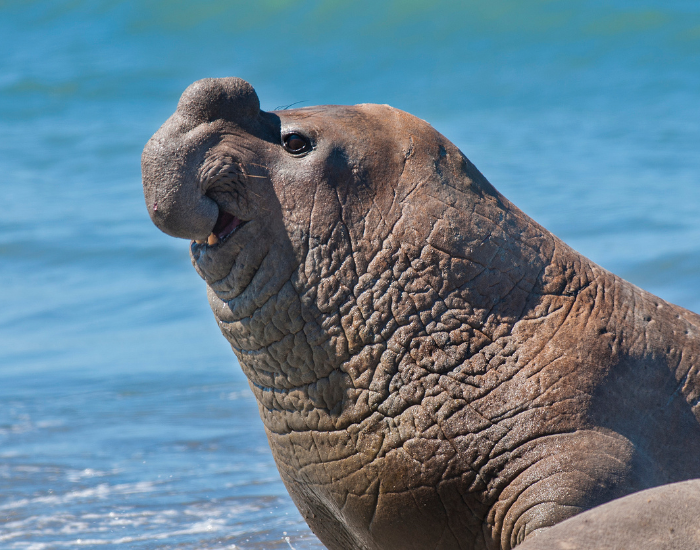
15. Northern Elephant Seal – 126 Decibels
During mating season, male northern elephant seals, a marine mammal, produce booming vocalizations that can reach 126 decibels. This type of seal is one of the loudest marine mammals alive, and these bellows serve to intimidate rival males and attract mates along the coastal breeding colonies of California and Baja Mexico.
The northern elephant seal’s calls resonate through colonies of hundreds of animals, and dominant males can be identified by the distinctiveness of their loud vocalizations. The northern elephant seal is a remarkable example of how breeding season drives the evolution of exceptionally loud sounds, the louder and more distinctive the call, the more likely a male northern elephant seal is to secure mating rights
What Makes an Animal So Loud?
Sound level is measured in decibels (dB), and anything above 120 dB can hurt human ears. Decibels measure sound pressure, which helps quantify the loudness of animal sounds. The loudest animals on earth produce sounds that far exceed this threshold, often for survival. Whether it’s to attract mates, scare off predators, or navigate, these noisy animals have evolved unique ways to amplify their voices. Let’s explore how loudness works in nature and why it matters. Several anatomical and environmental factors contribute to animal volume:
- Vocal sacs and air sacs amplify sound in frogs and whales.
- Specialized bones, like the hyoid in howler monkeys, enhance resonance.
- Body size allows larger animals to generate more powerful sound waves.
- Environment influences how far sound travels (e.g., sound moves faster and farther underwater)
The Impact of Noise Pollution
While the loudest animals on Earth have evolved to thrive in their sonic environments, human-generated noise is throwing that balance off. Some of the world’s loudest creatures can reach sound levels that are comparable to that of jet engines, which emphasizes the impact of animal sounds on hearing and the environment. Activities like commercial shipping, sonar use, oil drilling, and recreational boating contribute to underwater noise pollution, interfering with how marine animals communicate, navigate, and hunt. A WWF report highlights that chronic noise exposure causes stress in whales, potentially leading to long-term health issues and reduced reproductive success. Terrestrial species aren’t spared either—urban noise can drown out bird calls and mating songs. Supporting organizations like Ocean Conservancy and advocating for quieter, wildlife-conscious practices can help preserve these vital natural soundscapes.
Loudness Doesn’t Always Mean Communication
Some loud sounds, like the mantis shrimp’s shockwave, are used for hunting rather than vocalization. The greater bulldog bat, also known as the fisherman bat, uses echolocation to hunt for fish in rivers and ponds. Similarly, some loud sounds, like those produced by snapping shrimp, are used to stun or kill small prey. Others serve multiple functions, like warding off predators or claiming territory.
Protecting the Loud Voices of the Wild
Some of the loudest animals in the world are endangered. The male white bellbird of South America is recognised as the loudest wild bird on earth, louder even than the kakapo, producing a piercing call specifically to attract females at close range. The loud sounds produced by these animals can cause physical discomfort to the human ear, yet their habitats are shrinking. From climate change threatening whales to habitat destruction silencing monkeys and kakapos, these loudest animals need our attention. Their calls aren’t just noise — they are survival tools, mating signals, and territorial declarations that have evolved over millions of years. Learn how you can help protect endangered animals and the soundscapes they depend on.
The sperm whale is the loudest animal on Earth, producing clicking sounds that reach up to 230 decibels, the highest recorded sound level of any animal. These clicks are used for echolocation in the deep ocean and are powerful enough to theoretically rupture human eardrums at close range.
The sperm whale is significantly louder than the blue whale. Sperm whale clicks reach up to 230 decibels, while the blue whale’s call peaks at around 188 decibels. However, the blue whale call travels much farther, over 500 miles underwater, because its low-frequency tones lose less energy over distance than the sperm whale’s higher-frequency clicks.
Sperm whales are so loud because of a specialised organ called the spermaceti organ, a massive cavity in their heads filled with a waxy oil that focuses and amplifies sound. This biological sonar system evolved to help sperm whales hunt giant squid in pitch-black deep water, where vision is useless. The louder and more precise the click, the better the sperm whale can detect prey hundreds of metres below the surface.
References
Bennet-Clark, H. C. (1998). Size and scale effects as constraints in insect sound communication. Philosophical Transactions of the Royal Society B, 353(1376), 407–419. https://doi.org/10.1098/rstb.1998.0219
Dunn, J. C., Halenar, L. B., Davies, T. G., Cristobal-Azkarate, J., Reby, D., Sykes, D., & Knapp, L. A. (2015). Evolutionary trade-off between vocal tract and testes dimensions in howler monkeys. Current Biology, 25(21), 2839–2844. https://doi.org/10.1016/j.cub.2015.09.029
Møhl, B., Wahlberg, M., Madsen, P. T., Heerfordt, A., & Lund, A. (2003). The monopulsed nature of sperm whale clicks. Journal of the Acoustical Society of America, 114(2), 1143–1154. https://doi.org/10.1121/1.1586258
Patek, S. N., & Caldwell, R. L. (2005). Extreme impact and cavitation forces of a biological hammer: Strike forces of the peacock mantis shrimp (Odontodactylus scyllarus). Journal of Experimental Biology, 208(19), 3655–3664. https://doi.org/10.1242/jeb.01831
Rolland, R. M., Parks, S. E., Hunt, K. E., Castellote, M., Corkeron, P. J., Nowacek, D. P., Kraus, S. D., & Wasser, S. K. (2012). Evidence that ship noise increases stress hormone levels in right whales. Proceedings of the Royal Society B, 279(1737), 2363–2368. https://doi.org/10.1098/rspb.2011.2429
Širović, A., Hildebrand, J. A., & Wiggins, S. M. (2007). Blue and fin whale call source levels and propagation range in the Southern Ocean. Journal of the Acoustical Society of America, 122(2), 1208–1215. https://doi.org/10.1121/1.2749452
Surlykke, A., & Kalko, E. K. V. (2008). Echolocating bats cry out loud to detect their prey. PLOS ONE, 3(4), e2036. https://doi.org/10.1371/journal.pone.0002036