Meet the Ocean’s Most Charismatic Marine Mammals
When you think of marine intelligence, the bottlenose dolphin likely comes to mind first. These remarkable creatures have captured our imagination for decades, appearing in everything from scientific documentaries to family entertainment. But beyond their charming personalities lies a complex world of sophisticated behavior, intricate social structures, and remarkable adaptations that continue to astound researchers.
The bottlenose dolphin is a toothed whale in the genus Tursiops, representing one of the most studied yet endlessly fascinating marine mammals on our planet. Whether you’ve encountered them in the wild, at marine parks, or through nature documentaries, these intelligent beings offer us a window into the sophisticated world beneath the waves.
Today, we’re diving deep into 12 essential facts about bottlenose dolphins that will transform how you understand these incredible marine mammals. From their complex taxonomy to their remarkable intelligence, from their social behaviors to the conservation challenges they face, this comprehensive guide covers everything you need to know about these ocean ambassadors.
1. The Taxonomy of Bottlenose Dolphins Is More Complex Than You Think
Understanding the taxonomy bottlenose dolphin classification reveals just how diverse this group really is. Molecular studies show the genus contains three species: the common bottlenose dolphin (Tursiops truncatus), the Indo-Pacific bottlenose dolphin (Tursiops aduncus), and a third species, Tursiops erebennus. Some researchers argue for the recognition of additional distinct species within the genus Tursiops, based on genetic and morphological differences among dolphin species.
However, the scientific community continues to debate these classifications. Most scientists currently recognize two species of bottlenose dolphin: the common bottlenose dolphin, Tursiops truncatus and the Indo-Pacific bottlenose dolphin, Tursiops adunctus, while others support the three-species model based on recent genetic analysis. Recent studies have provided evidence supporting the classification of some populations as separate species. The genus Tursiops is one of the most diverse among dolphin species, with ongoing research into their taxonomy.
The genus tursiops belongs to a broader taxonomic hierarchy that places these dolphins firmly within the marine mammal family tree:
- Kingdom: Animalia
- Phylum: Chordata
- Class: Mammalia (the bottlenose dolphin class)
- Order: Artiodactyla
- Family: Delphinidae
- Genus: Tursiops
- Species: T. truncatus, T. aduncus, and potentially T. erebennus
After Tursiops erebennus, another proposed species is the Burrunan dolphin (Tursiops australis), recognized in Victoria, Australia. The Burrunan dolphin is notable for its unique morphological and genetic characteristics, which distinguish it from other bottlenose dolphin species.
This bottlenose dolphin scientific classification demonstrates their close relationship to other toothed whales and their position as highly evolved marine mammals. The name “Tursiops” itself has an interesting etymology – derived from tursio, which describes a fish that looks like a dolphin.
2. There Are Multiple Types of Bottlenose Dolphins With Distinct Characteristics
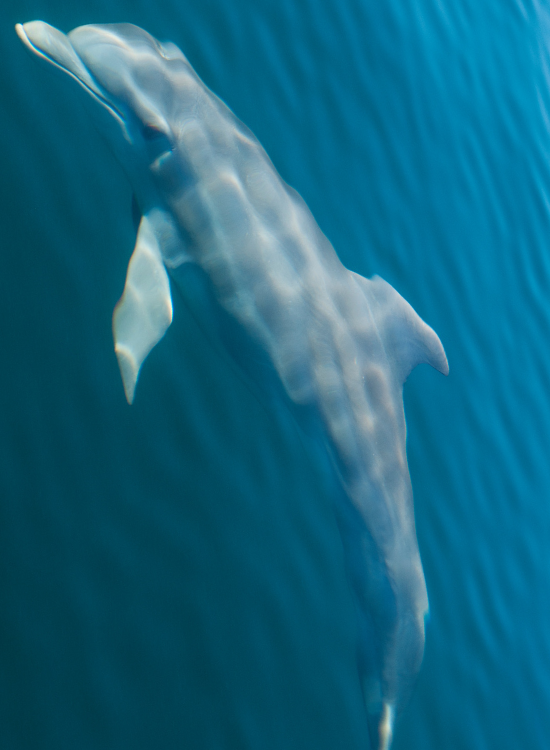
The types of bottlenose dolphins aren’t just academic classifications – they represent real differences in behavior, habitat preferences, and physical characteristics. The two widely recognized species each have unique adaptations that help them thrive in their respective environments.
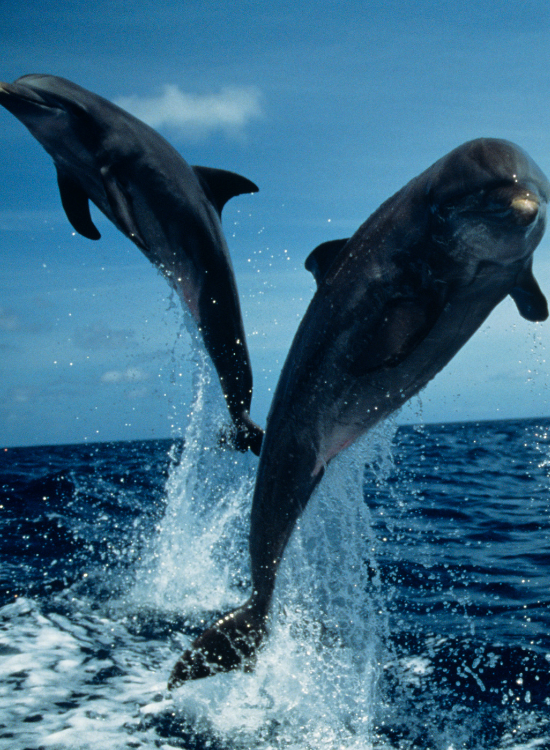
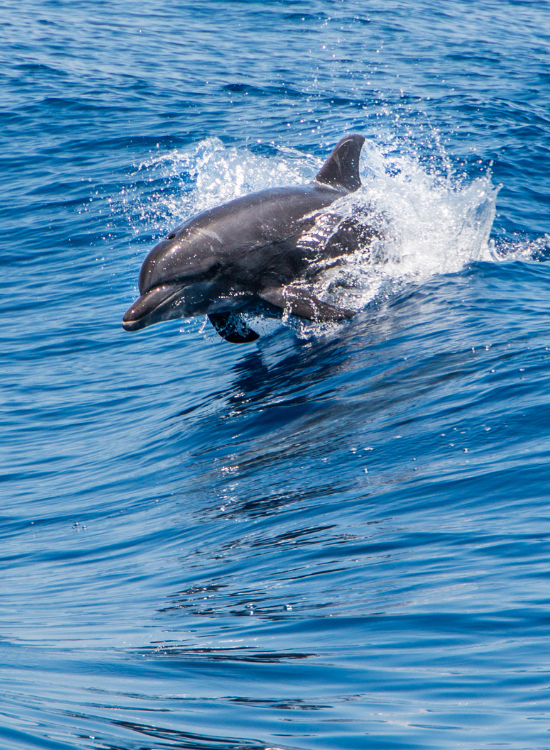
The common bottlenose dolphin (Tursiops truncatus) is what most people picture when they think of dolphins. These are the stars of marine parks and the dolphins you’re most likely to encounter in coastal waters around the world. They tend to be larger and more robust, with the characteristic bottle-shaped rostrum that gives them their name. Bottlenose dolphins are very active animals, known for their energetic swimming, high-speed pursuits, and playful behaviors such as leaping and surfing waves.
The Indo-Pacific bottlenose dolphin (Tursiops aduncus) is generally smaller and has some distinct physical features, including a more pronounced beak and different coloration patterns. They’re found primarily in the warm waters of the Indian and Pacific Oceans, often in shallower coastal areas.
Within these species, scientists have identified various ecotypes – populations that have adapted to specific environmental conditions. For example, there are coastal and offshore ecotypes of common bottlenose dolphins, each with different body sizes, diet preferences, and social structures. The coastal form of bottlenose dolphins is especially adapted to nearshore and estuarine environments, showing unique morphological and genetic traits compared to offshore forms.
3. Physical Characteristics That Make Bottlenose Dolphins Perfectly Adapted
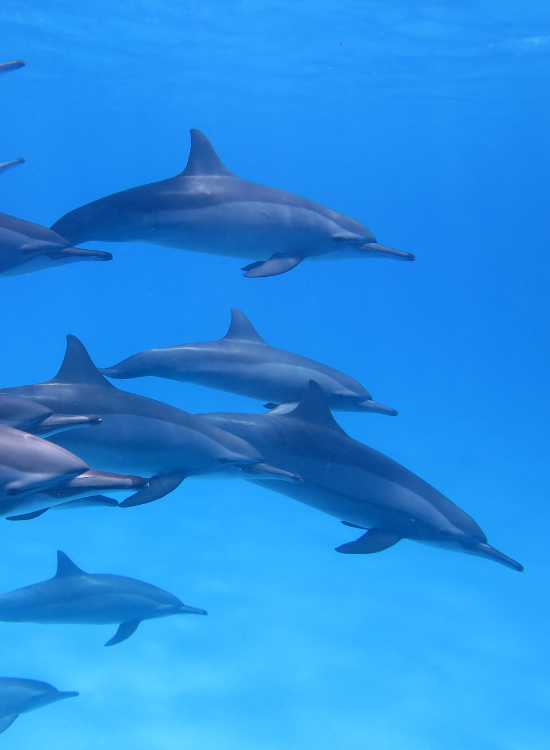
The physical characteristics of bottlenose dolphins represent millions of years of evolutionary refinement. Adult common bottlenose dolphins typically measure 8-12 feet in length and weigh between 300-500 pounds, with males generally larger than females – a phenomenon called sexual dimorphism.
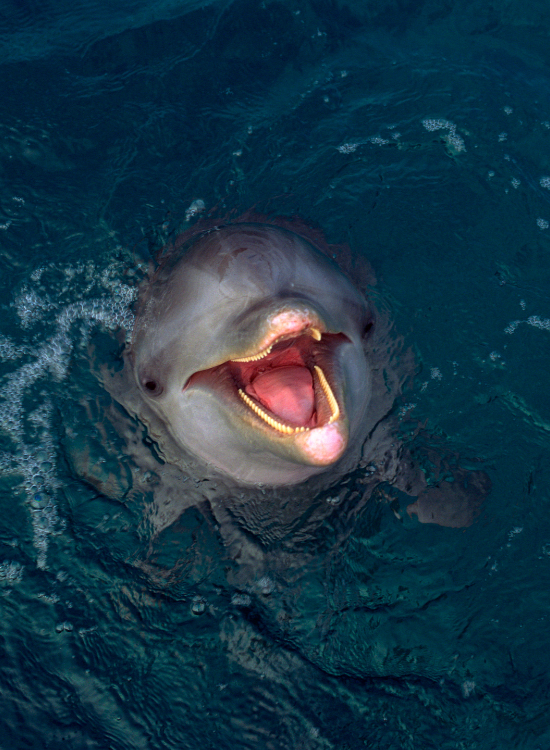
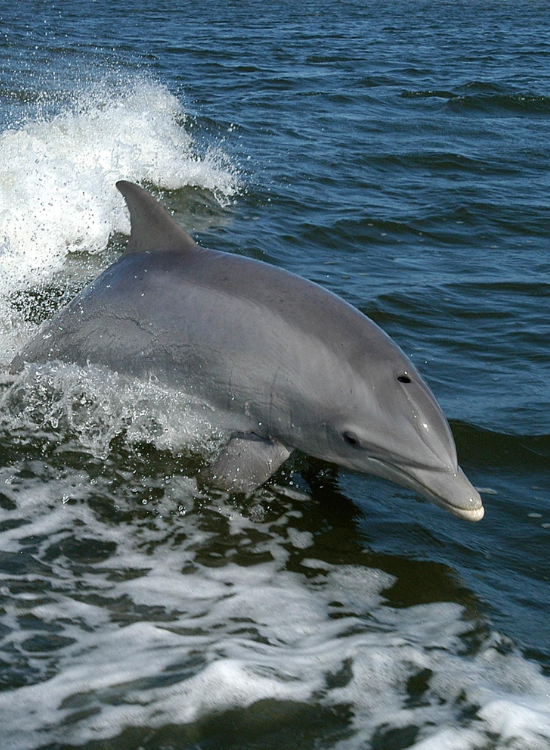
Their most distinctive feature is their rostrum – the bottle-shaped snout that houses 18-26 pairs of conical teeth perfectly designed for grasping slippery fish. Unlike human teeth, dolphin teeth don’t have enamel but are covered in cementum, making them incredibly durable for their fish-heavy diet.
The dorsal fin, tall and curved, serves multiple purposes beyond just looking impressive. It helps with thermoregulation, acts as a rudder for precise maneuvering, and provides individual identification markers for researchers – each dolphin’s dorsal fin is as unique as a human fingerprint.
Their coloration follows a counter-shading pattern: dark gray to nearly black on the dorsal (top) side and lighter gray to white on the ventral (bottom) side. This camouflage helps them blend in whether viewed from above against the dark ocean depths or from below against the bright surface.
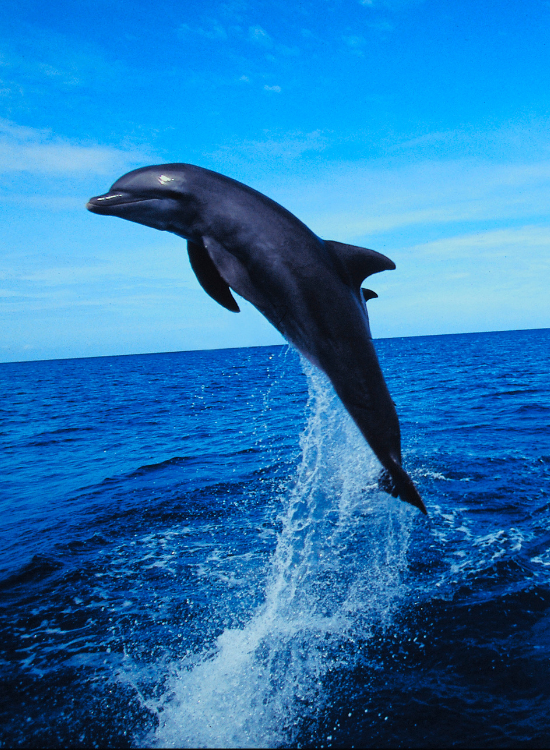
Perhaps most remarkably, their streamlined body shape allows them to reach speeds of up to 25 mph and leap as high as 20 feet out of the water – a behavior that serves purposes from play to prey stunning to parasite removal.
4. Echolocation – Nature’s Most Sophisticated Sonar System
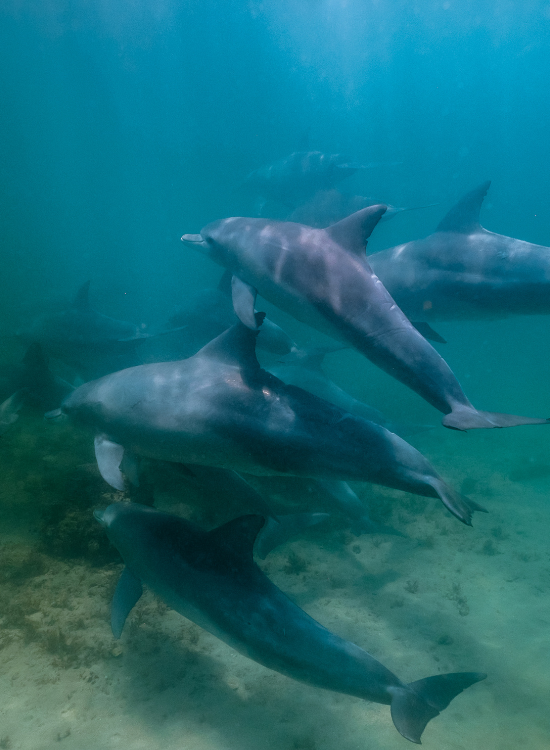
One of the most fascinating aspects of bottlenose dolphin behavior is their use of echolocation, a biological sonar system that puts human technology to shame. Dolphins produce high-frequency clicks through specialized structures in their foreheads called the melon and phonic lips.
These sound waves travel through the water and bounce back from objects, providing dolphins with detailed three-dimensional maps of their environment. They can determine not just the location and size of objects, but also their internal structure, density, and even the emotional state of other dolphins.
The sophistication of dolphin echolocation is mind-boggling. They can detect objects buried in sand, distinguish between different types of fish, and even “see” inside other dolphins’ bodies. Some researchers believe dolphins can echolocate so precisely that they can detect pregnancy in their pod mates.
This natural sonar system works effectively at distances up to 100 meters and allows dolphins to navigate and hunt in complete darkness or murky water where vision would be useless. It’s one of the key adaptations that has made dolphins such successful marine predators.
The clicks used for echolocation are different from the whistles and squeaks dolphins use for communication, demonstrating the remarkable versatility of their vocal abilities.
5. Intelligence That Rivals Our Own
Bottlenose dolphins consistently rank among the most intelligent animals on Earth, with cognitive abilities that continue to surprise scientists. They possess self-awareness, as demonstrated by their ability to recognize themselves in mirrors – a test that only a handful of animal species pass.
Their problem-solving abilities are legendary. In the wild, dolphins have been observed using tools, with some populations in Australia using marine sponges as foraging tools to protect their rostrums while searching for food in rocky areas. This behavior is culturally transmitted from mothers to daughters, representing one of the few examples of tool use being passed down through generations in marine mammals.
Dolphins also demonstrate remarkable creativity and adaptability. They’ve been observed creating and playing games, teaching these games to other dolphins, and even modifying the rules over time. Their play behavior isn’t just fun – it’s a crucial part of learning and social bonding.
Their memory capabilities are extraordinary. Dolphins can remember the signature whistles of individuals they haven’t encountered for over 20 years, suggesting they have social memories that span decades.
Perhaps most impressively, dolphins show evidence of metacognition – thinking about thinking. They can assess their own knowledge and make decisions based on their confidence levels, a ability once thought to be uniquely human.
6. Complex Social Structures and Communication
Dolphin societies are incredibly sophisticated, with social structures that vary based on habitat, food availability, and population density. Bottlenose dolphins live in what scientists call “fission-fusion” societies, where group composition changes throughout the day as individuals come and go.
These groups, called pods, can range from just a few individuals to over 100 dolphins, though typical group sizes are 10-30 individuals. Pods often include juvenile groups, which consist of young dolphins learning social and survival skills. Within these larger communities, dolphins form various types of relationships: mother-calf bonds that can last for years, male alliances that cooperate in mating strategies, and female networks that share childcare responsibilities. Nursery groups, made up of mothers and their calves, are a common social structure among bottlenose dolphins. Young dolphins play an important role in the pod as they develop social skills and learn from older members. Adult males often form alliances and compete for mates, establishing dominance hierarchies within the group. Adult females are key to maintaining social cohesion and caring for offspring.
Communication among bottlenose dolphins involves a sophisticated system of sounds, body language, and possibly even chemical signals. Each dolphin develops a unique signature whistle – essentially their name – which they use to identify themselves and maintain contact with pod members.
Dolphins can imitate each other’s signature whistles, effectively “calling” specific individuals. They also use burst-pulse sounds for emotional expression and echolocation clicks for navigation and hunting. Body language, including leaping, tail slapping, and various swimming patterns, adds another layer to their communication repertoire.
Recent research suggests dolphins may even have regional dialects, with populations in different areas developing distinct vocal characteristics that are passed down through generations.
7. Cosmopolitan – Habitat Distribution Spans the Globe!
Common bottlenose dolphins are found throughout the world in both offshore and coastal waters, including harbors, bays, gulfs, and estuaries of temperate and tropical waters. They are present in both coastal and offshore waters, with some populations inhabiting the open ocean far from land. This global distribution makes them one of the most widespread cetacean species.
Bottlenose dolphins inhabit waters from the surface down to depths of 500 meters, though they show preferences for certain habitat types. Coastal populations tend to favor shallow, warm waters near shore, relying on shallow waters for feeding and social activities. Shallow water habitats are especially important for mothers and calves, providing safety from predators and abundant prey. Offshore populations roam the open ocean in search of deeper-water prey.
The species shows remarkable adaptability to different marine environments. They’re found in tropical coral reefs, temperate coastal waters, estuaries where rivers meet the sea, and even in some river systems. Bottlenose dolphins also prefer warm temperate waters in addition to tropical regions. This habitat flexibility is one reason for their worldwide success as a species.
Different populations have adapted to their local environments in fascinating ways. For example, dolphins in the Bahamas have developed techniques for hunting in shallow seagrass beds, while populations off the coast of Argentina engage in intentional stranding to catch seals on beaches. Distinct populations are also found along the Pacific coast, with regional differences in genetics and behavior. Bottlenose dolphins are present along the Atlantic coast of the United States, which serves as a key habitat, and their range extends along the East Coast from Massachusetts to Florida.

8. Diverse Diet and Sophisticated Hunting Strategies
Bottlenose dolphins are opportunistic carnivores with remarkably diverse diets that vary by location and season. Their menu includes fish, squid, shrimp, and crustaceans, with individual dolphins sometimes specializing in particular prey types.
Their hunting strategies are as varied as their diet. Dolphins use cooperative hunting techniques that require coordination and communication between pod members. In some areas, they engage in “fish herding,” where groups of dolphins work together to drive schools of fish into tight balls, taking turns to feed.
One of the most spectacular hunting behaviors is “strand feeding,” observed in populations along the southeastern United States coast. Dolphins intentionally beach themselves on mudflats to catch fish, using their powerful tails to propel themselves back into the water.
Some dolphins have learned to take advantage of human activities, following fishing boats to feed on discarded bycatch or learning to recognize the sounds of fishing activity. While this shows remarkable adaptability, it also puts them at risk of boat strikes and entanglement in fishing gear.
The use of tools in foraging represents another level of hunting sophistication. The sponge-using dolphins of Australia aren’t the only tool users – some populations use shells, seaweed, and other objects to aid in foraging.
9. Reproduction and Life Cycle Challenges
Bottlenose dolphin reproduction is a slow process that makes populations vulnerable to decline. Females don’t reach sexual maturity until 5-10 years of age, and males mature even later at 8-13 years. This late maturity means it takes a long time for populations to recover from losses.
The gestation period lasts approximately 12 months, and mothers typically give birth to a single calf. Twins are extremely rare and usually don’t survive. The mother-calf bond is incredibly strong, with nursing continuing for 18-20 months and some calves staying with their mothers for 3-6 years. Dolphins are known for their strong social bonds, and pod members sometimes assist an injured dolphin by supporting or protecting it, demonstrating their social and compassionate behaviors.
Female dolphins typically reproduce every 3-6 years, which is a slow reproductive rate compared to many other marine mammals. This extended calving interval reflects the significant investment mothers make in each offspring, teaching them essential survival skills including hunting techniques, social behaviors, and predator avoidance. Reproductive seasons vary depending on geographic location and environmental conditions, so the timing of mating and calving can differ between populations.
Calves are born tail-first (unlike most mammals) and must surface immediately to breathe. They’re born with innate swimming abilities but rely entirely on their mothers for protection and food during their first year of life. Bottlenose dolphins display complex mating behavior, including courtship rituals and mate selection strategies, which play a crucial role in successful reproduction.
In the wild, bottlenose dolphins can live 40-50 years, though average lifespans are often shorter due to various threats. This longevity, combined with their slow reproductive rate, means that population impacts from human activities can have long-lasting effects.
10. Interactions with Other Species – Dolphins in the Wider Marine Community
Bottlenose dolphins are not only social within their own pods but also play an active role in the broader marine community, interacting with a variety of other species. These highly intelligent marine mammals have been observed forming temporary alliances with other dolphins, such as the Indo-Pacific bottlenose dolphin and the pacific bottlenose dolphin, especially in regions where their ranges overlap. Their social flexibility extends to interactions with other marine mammals, including pilot whales and humpback dolphins, where they may engage in cooperative behaviors like joint hunting or even playful encounters.
In some cases, bottlenose dolphins find themselves in competition with other toothed whales and beaked whales, particularly when food resources are scarce. These interactions can be complex, ranging from peaceful coexistence to displays of dominance or competition for prey. In the Mediterranean and Black Seas, bottlenose dolphins have even developed unique relationships with humans, working alongside fishermen to herd fish into nets—a remarkable example of interspecies cooperation that benefits both dolphins and people.
These diverse interactions highlight the adaptability and intelligence of bottlenose dolphins, allowing them to thrive in dynamic marine environments. Their ability to communicate, cooperate, and sometimes compete with other species underscores their important role in the intricate web of ocean life.
11. Economic Importance – How Bottlenose Dolphins Impact Human Societies
Bottlenose dolphins are more than just charismatic marine mammals—they are also valuable contributors to local and global economies. Their presence in coastal waters draws thousands of tourists each year, fueling a thriving industry of dolphin-watching tours, eco-adventures, and visits to marine parks. In places like Sarasota Bay, resident bottlenose dolphins have become iconic attractions, supporting jobs and businesses that depend on healthy dolphin populations.
Beyond tourism, bottlenose dolphins help maintain the balance of marine ecosystems, which in turn supports commercial fisheries and other marine industries. By regulating fish populations and contributing to the health of their habitats, these dolphins provide ecosystem services that have far-reaching economic benefits. However, the same human activities that benefit from bottlenose dolphins, such as coastal development, fishing, and recreation, can also pose risks to their survival.
Sustainable management and conservation of bottlenose dolphin populations are essential to ensure that their economic and ecological benefits continue for generations to come. By protecting these remarkable marine mammals, we not only safeguard a vital part of our natural heritage but also support the livelihoods and well-being of coastal communities around the world.

12. Bottlenose Dolphins and the Web of Life – Their Role in Marine Biodiversity
As apex predators, bottlenose dolphins are key players in the complex web of marine life. By preying on fish, squid, and crustaceans, they help regulate the populations of these species, maintaining the delicate balance of marine food webs. Their presence influences the behavior of other marine animals, from sea turtles to marine birds, and can even affect the distribution of other predators, such as sharks.
Bottlenose dolphins also serve as important indicators of ocean health. Changes in their populations, behavior, or health can signal broader environmental issues, including the impacts of climate change, pollution, and overfishing. Scientists study bottlenose dolphins to gain insights into the overall state of marine ecosystems, using their findings to inform conservation strategies and protect marine biodiversity.
By understanding the role of bottlenose dolphins in the ocean’s web of life, we can better appreciate the interconnectedness of all marine animals and the importance of preserving healthy, balanced ecosystems. Protecting bottlenose dolphins means protecting the rich diversity of life that makes our oceans so extraordinary.
Conservation Status and Protection Under the Marine Mammal Protection Act
All bottlenose dolphins are protected under the Marine Mammal Protection Act, a landmark piece of legislation that makes it illegal to harass, hunt, capture, or kill marine mammals without specific permits. According to the MMPA, it is illegal to harm, harass, touch, feed, restrain, and even to approach marine mammals in the wild.
While bottlenose dolphins as a species aren’t considered endangered, many individual populations face significant threats. Some specific stocks in need of additional protections are designated as depleted or strategic. For example, Barataria Bay bottlenose dolphins are considered a strategic stock under the Marine Mammal Protection Act, facing threats from habitat alteration and pollution. Additionally, some dolphin species are classified as endangered species under various environmental laws, highlighting their vulnerability and the ongoing need for conservation efforts.
The biggest threats to bottlenose dolphins include:
- Habitat degradation and habitat destruction from coastal development, shoreline modification, infrastructure projects, and pollution, which can lead to loss of critical areas and negatively impact dolphin health
- Bycatch and entanglement in commercial fishing gear, which can cause injury or death
- Interactions with fishing vessels, where dolphins may cooperate with fishers or face risks from gear and bycatch
- Boat strikes in areas with heavy marine traffic
- Pollution, including plastic debris and chemical contaminants
- Climate change affecting prey distribution and habitat quality
- Noise pollution from shipping and industrial activities
- Unusual mortality events, which are unexpected die-offs often linked to environmental factors and require careful monitoring to assess population health
- Harmful algal blooms (such as red tide), which can expose dolphins to biotoxins and contribute to strandings and mortality
Conservation efforts focus on reducing these threats through regulations, habitat protection, research, and public education. The Marine Mammal Protection Act has been largely successful in preventing direct hunting and harassment, but indirect threats continue to challenge dolphin populations.
12. The Future of Bottlenose Dolphin Research and Conservation
Current research on bottlenose dolphins is revealing new insights into their intelligence, social behavior, and ecological needs. Scientists are using advanced technologies like drone surveys, genetic analysis, and acoustic monitoring to study dolphins in ways that minimize disturbance while maximizing data collection.
Emerging research areas include:
- Cognitive studies exploring dolphin self-awareness and problem-solving abilities
- Communication research investigating the complexity of dolphin language
- Conservation genetics identifying population structures and connectivity
- Climate change impacts on dolphin distribution and prey availability
- Pollution effects on dolphin health and reproduction
Conservation strategies are evolving to address modern challenges. Marine protected areas are being established to safeguard critical habitats, while fishing gear modifications are reducing bycatch. International cooperation is increasing to protect dolphins that migrate across national boundaries.
Citizen science programs are engaging the public in dolphin monitoring and conservation, creating a network of observers who can report sightings and strandings. Educational outreach continues to build support for dolphin protection while promoting responsible wildlife viewing.
The future of bottlenose dolphins depends on our ability to balance human needs with wildlife conservation. As we learn more about these remarkable animals, our responsibility to protect them only grows stronger.
Protecting Our Ocean’s Most Intelligent Ambassadors
Bottlenose dolphins represent far more than charismatic marine life – they’re indicators of ocean health, subjects of groundbreaking scientific research, and ambassadors for marine conservation. These 12 facts only scratch the surface of what makes these animals so remarkable.
From their complex genus tursiops classification to their sophisticated social behaviors, from their global distribution to their conservation challenges, bottlenose dolphins continue to surprise and inspire us. Their intelligence rivals our own in many ways, their social structures teach us about cooperation and communication, and their adaptability demonstrates the remarkable resilience of marine life.
As we face an uncertain future for our oceans, bottlenose dolphins serve as both a success story and a warning. The Marine Mammal Protection Act has shown that strong conservation measures can work, but ongoing threats require continued vigilance and action.
Whether you encounter bottlenose dolphins through research, eco-tourism, or conservation efforts, remember that these encounters come with responsibility. By supporting sustainable practices, respecting marine protected areas, and advocating for continued protection, we can ensure that future generations will have the opportunity to marvel at these incredible marine mammals.
The story of bottlenose dolphins is still being written, and we all have a role to play in ensuring it has a happy ending. Every action we take to protect our oceans helps safeguard the future of these remarkable animals and the marine ecosystems they call home.