There is a specific kind of silence you only find in a frosted Swedish forest at dusk. During my year as a biology student in Scandinavia, I spent countless hours in those woods. I wasn’t there to study foxes specifically, but they have a way of finding you.
I’ll never forget the evening a flash of fiery orange broke the grey twilight. It was a Red Fox (Vulpes vulpes). It paused for a heartbeat, locked eyes with me with a chillingly intelligent gaze, and then simply vanished into the pines. That split-second encounter taught me more about their ‘ghost-like’ nature than any textbook ever could
Foxes are members of the dog family, scientifically known as the Canidae family, which also includes dogs, wolves, and jackals.
In this guide, we’re going beneath the surface. We’ll explore the world’s most fascinating fox varieties, from the species you know to the obscure breeds you don’t, and look at the evolutionary ‘superpowers’ that helped them conquer every corner of the globe.”
The Evolution of the Fox: Why So Many Different Kinds of Foxes?
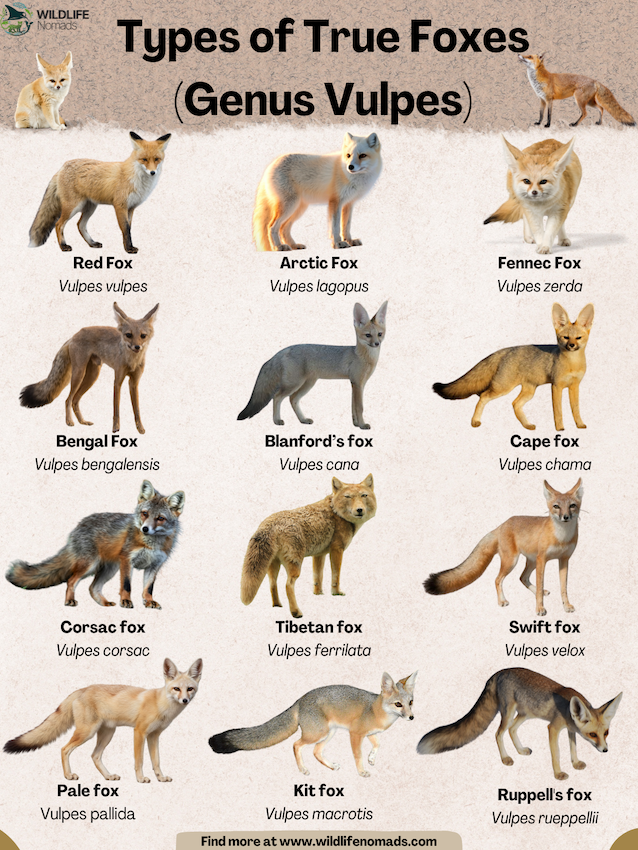
To understand all the kinds of foxes we see today, we have to look back about 7 to 10 million years. Foxes are part of the Canidae family, but they split off from the lineage that led to wolves and dogs quite early. This split created the tribe Vulpini.
While wolves evolved for endurance and pack hunting, foxes took a different path. They became the “specialists” of the canine world. Evolution favored a smaller, more solitary hunter that could exploit niches other predators ignored. This is why we have how many different types of foxes are there today, roughly 12 “true foxes” and about 25 “false foxes.” Foxes live in a wide range of habitats, from arctic tundra to deserts and forests, demonstrating their adaptability; foxes live on every continent except Antarctica.
They developed “vertical-slit” pupils (like cats) for nocturnal hunting and light frames for extreme agility. Whether it’s the thick, insulating fur of the Arctic fox or the massive heat-dissipating ears of the Sahara’s residents, every type of fox is a masterclass in adaptation.
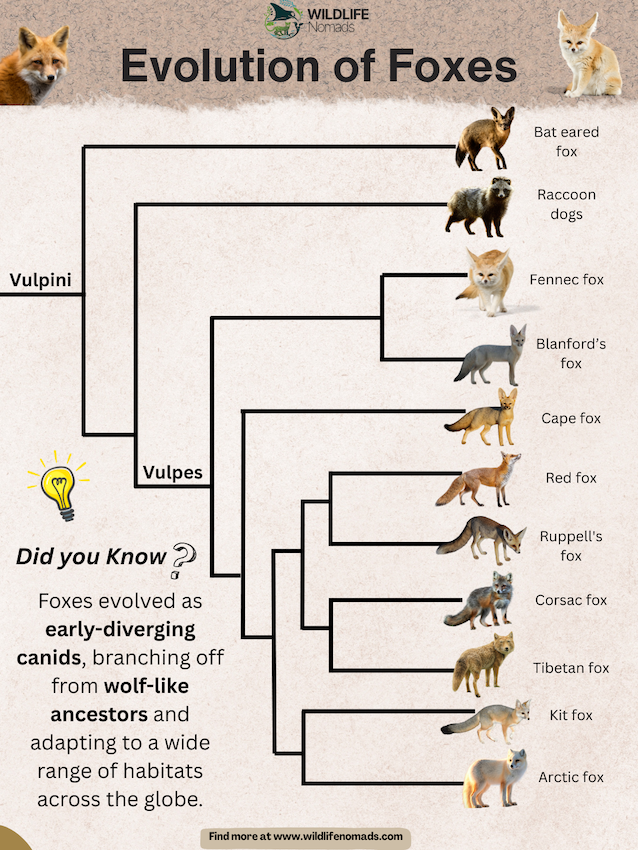
The 12 “True Foxes” (Genus Vulpes)
In the scientific world, when we talk about “true foxes,” we are referring to the genus Vulpes. Foxes are characterized by their slender bodies, bushy tails, and sharp features, including pointed ears and snouts. Most fox species are solitary and only come together during the breeding season or when raising their young. These are the quintessential foxes.
1. The Red Fox (Vulpes vulpes) I Witnessed in Sweden
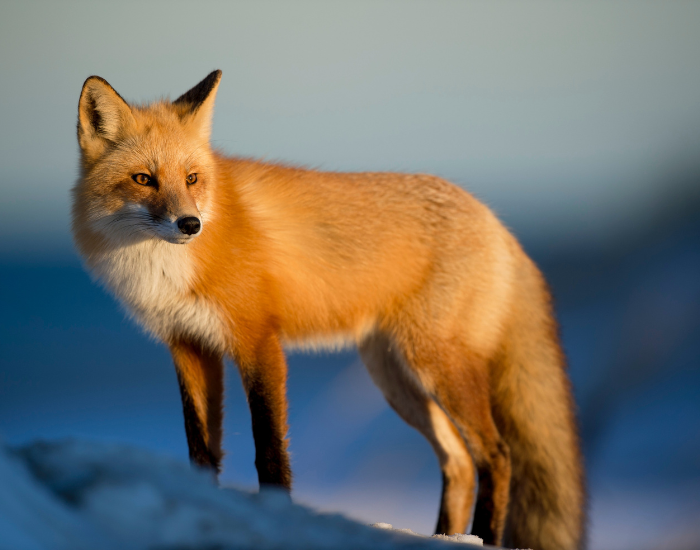
The Red Fox (Vulpes vulpes) is the undisputed champion of the family. As the most widespread member of the genus, it’s likely the face you picture when you hear the word ‘fox.’ These clever generalists have claimed almost the entire Northern Hemisphere, largely due to an incredible knack for problem-solving.
The defining trait of red foxes is their white-tipped tail. Regardless of coat color variation, which includes silver foxes, cross foxes, and melanistic forms, that white tip remains constant. Adult red foxes typically weigh 8 to 13 pounds, though some individuals reach 25 pounds.
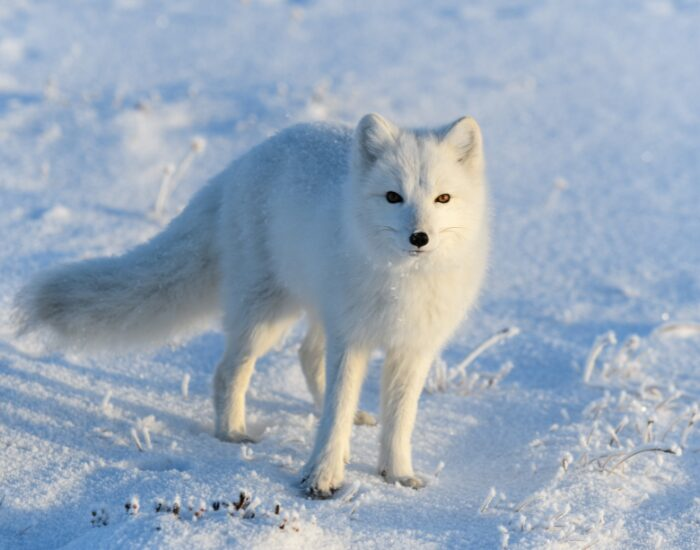
2. The Arctic Fox (Vulpes lagopus)
The Arctic fox, also known as the polar fox or snow fox, is nature’s ultimate cold-weather survivalist. Living in the harsh tundra regions of the Arctic, these foxes (Vulpes lagopus) are adapted to temperatures as low as -76°F (-60°C), with a thick insulating fur that changes color for camouflage. They possess a specialized circulatory heat exchange system in their paws that prevents frostbite, allowing them to walk on ice indefinitely.
They have the warmest fur of any mammal, with a thermal conductivity so efficient they don’t begin to shiver until temperatures drop below -70°C. Their fur changes from brown in summer to white in winter for camouflage, aiding their survival in snowy environments. They’re also opportunistic feeders, following polar bears to scavenge seal carcasses. The Arctic fox faces threats from climate change and competition with the Red fox, although its conservation status is classified as ‘least concern.’
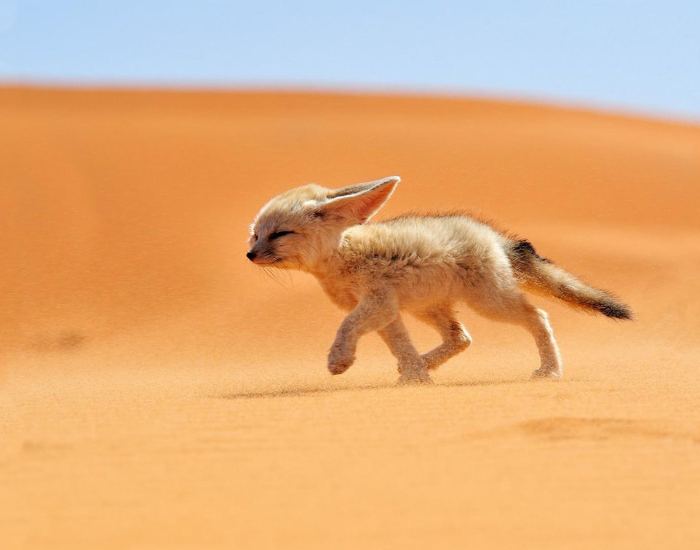
3. The Fennec Fox (Vulpes zerda)
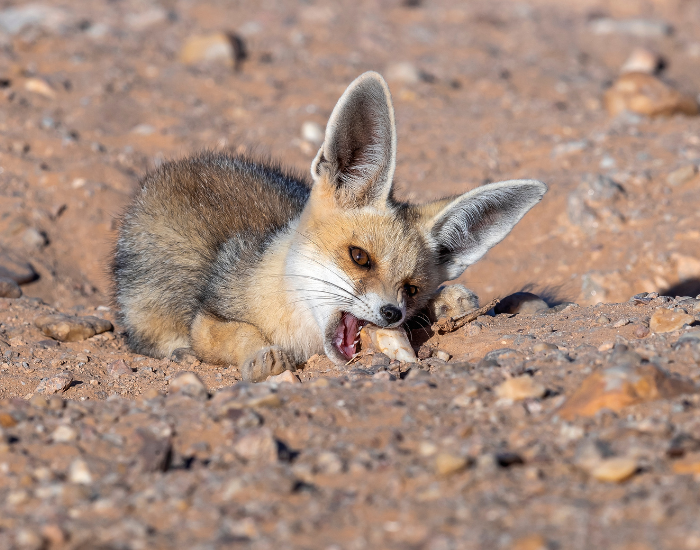
Among small fox species, none compare to the fennec fox. Weighing only 2 to 3 pounds, the fennec is the smallest canid in the world. Native to the Sahara Desert and North Africa, these diminutive foxes possess the largest ears relative to body size of any canid, a true animal of the desert.
But those iconic ears aren’t merely for show. They serve as cooling systems, dissipating heat in scorching desert temperatures. These foxes can also hear prey moving underground, including insects and small rodents (like jerboas). They dig extensive burrow systems in sand dunes, where they spend the hottest parts of the day. Fennec foxes may share their habitat with other animals adapted to desert life, such as sand cats, gerbils and reptiles. Their diet requires specific nutrients found in raw meat, which is essential for their health in the wild and in captivity.
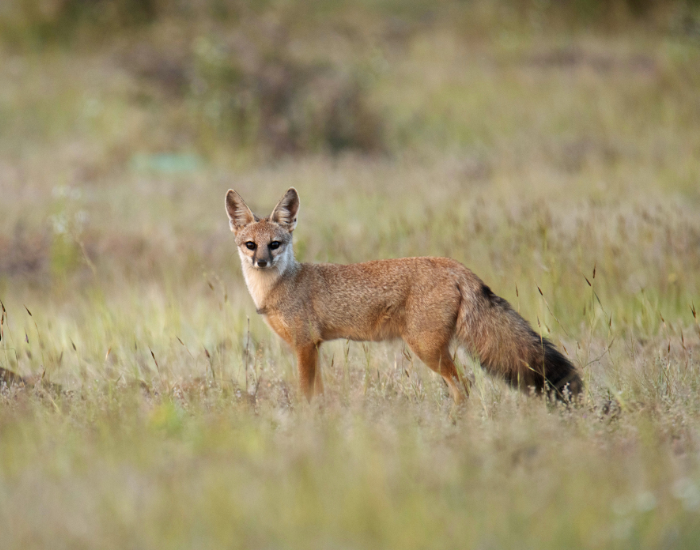
4. The Bengal Fox (Vulpes bengalensis)
Also known as the Indian fox, this species is endemic to the Indian subcontinent. Bengal foxes inhabit open grasslands, scrublands, and semi-arid regions from the Himalayan foothills to southern India. They are smaller than red foxes, typically weighing 5 to 9 pounds.
These foxes prefer open habitats with short grass and sparse vegetation. They are primarily insectivorous, feeding on beetles, grasshoppers, and other invertebrates, though they also hunt small mammals and birds. Bengal foxes are monogamous, with pairs defending territories year-round.
Sadly, Bengal foxes face significant threats from habitat loss due to agricultural expansion. They’re also hunted for their body parts, which are used in traditional medicine.
5. Blanford’s Fox (Vulpes cana)
This species is arguably the most cat-like of all true foxes. Native to the Middle East and parts of Central Asia, Blanford’s foxes inhabit rocky mountainous terrain from Israel and Saudi Arabia to Afghanistan. They possess semi-retractable claws and hairless foot pads, making them expert rock climbers. Like other foxes, Blanford’s foxes are characterized by their slender bodies, bushy tails, and pointed ears. Their bushy tail not only aids in balance while navigating rocky cliffs but also provides warmth during cold nights.
Blanford’s foxes can jump between cliff ledges with astonishing grace, rivaling mountain goats. They’re strictly nocturnal and primarily frugivorous, with fruit comprising up to 70% of their diet during certain seasons. They also eat insects, small vertebrates, and carrion.
6. The Cape Fox (Vulpes chama)
The Cape fox holds a unique distinction as the only true fox species found in southern Africa. These silvery-gray foxes inhabit the arid regions of South Africa, particularly the Karoo and surrounding areas. They are strictly nocturnal, making them a rare sight even for experienced wildlife observers.
Cape foxes are the smallest of all Vulpes species in Africa, weighing just 4 to 8 pounds. They feed primarily on small mammals, birds, insects, and occasionally plant matter. Their diet varies seasonally based on prey availability.

7. The Corsac Fox (Vulpes corsac)
Living in the vast steppes of Central Asia, the Corsac Fox—also known as the steppe fox—is found from Kazakhstan to Mongolia. These foxes are notably more social than most fox species, sometimes living in loose communities. They’re well-adapted to extreme continental climates with harsh winters and hot summers, and are closely associated with arid, open grassland regions like deserts and steppes.
Corsac foxes can survive long periods without water, obtaining moisture from their prey. During severe winters, they may migrate hundreds of kilometers to find food. They feed on small mammals, particularly voles and ground squirrels, as well as birds, insects, and plant material.
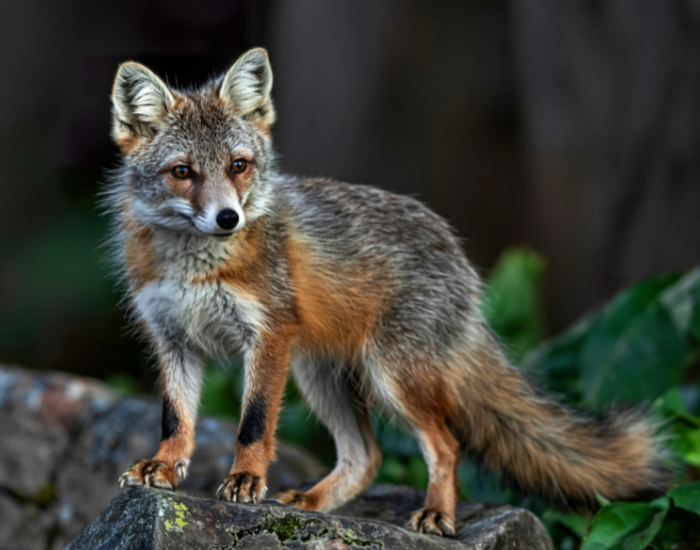
8. The Tibetan Sand Fox (Vulpes ferrilata)
If there were a contest for the most distinctive face, the Tibetan sand fox—also known as the Tibetan fox, would win hands down. These foxes inhabit the high-altitude Tibetan Plateau at elevations of 2,500 to 5,200 meters. Their square-shaped face results from dense fur and robust jaw structure, adaptations for the harsh plateau environment.
Tibetan sand foxes primarily hunt Tibetan pikas, which comprise up to 95% of their diet. They often hunt cooperatively with brown bears, following the bears as they dig out pika burrows. This remarkable mutualistic relationship benefits both species.
These foxes mate for life and share parental duties equally. Both parents provision the young and defend their territory. Despite living in remote areas, Tibetan sand foxes face threats from rodent poisoning campaigns that reduce their primary prey.
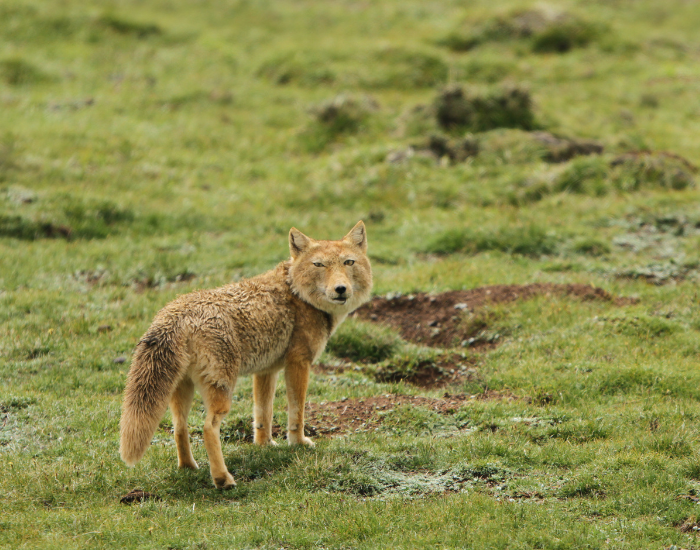
9. The Swift Fox (Vulpes velox)
Native to the short-grass prairies of North America, swift foxes are built for speed. They reach velocities of 30 mph, which they use to escape predators like coyotes, golden eagles, and badgers. These foxes once ranged across the Great Plains from Canada to Texas.
However, habitat conversion and predator control programs nearly eliminated swift foxes by the mid-20th century. Conservation efforts, including captive breeding and reintroduction programs, have helped populations recover in some areas. They remain threatened in Canada and parts of the northern United States.
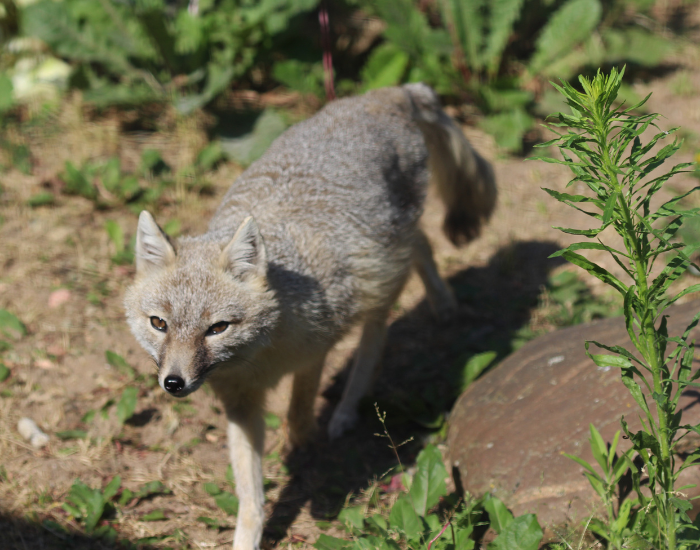
10. The Kit Fox (Vulpes macrotis)
Often confused with the swift fox, the kit fox is the desert adaptation found in the southwestern United States and Mexico. Kit foxes have larger ears and a slightly smaller frame compared to swift foxes. These differences reflect adaptations to hotter, more arid environments.
Kit foxes inhabit deserts and scrublands, where they dig extensive burrow systems with multiple entrances. These dens provide refuge from extreme temperatures and predators. Like fennec foxes, kit foxes have furry paws that protect them from hot sand.
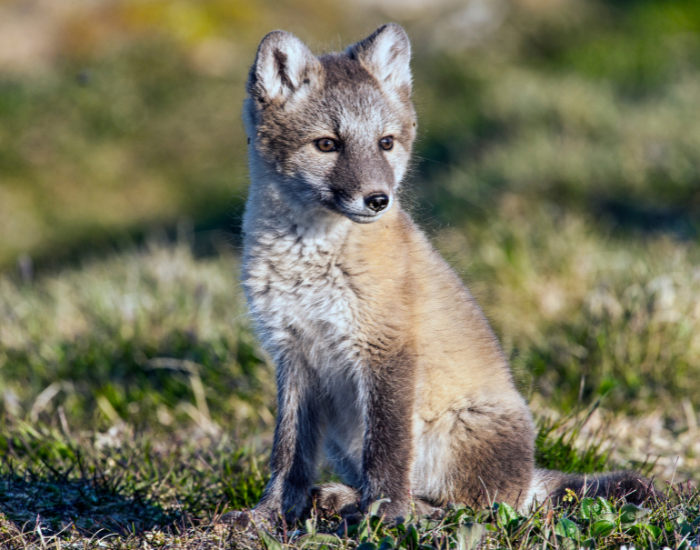
11. The Pale Fox (Vulpes pallida)
One of the least-studied fox species, the pale fox inhabits the Sahel region of Africa, from Senegal to Sudan. Their pale, sandy coat provides excellent camouflage in desert scrub and semi-arid savanna. These foxes are highly adapted to water scarcity.
Pale foxes dig complex burrow systems, sometimes with chambers 15 feet underground. They’re primarily nocturnal, emerging at dusk to hunt rodents, birds, and insects. Plant matter, including fruits and seeds, supplements their diet.
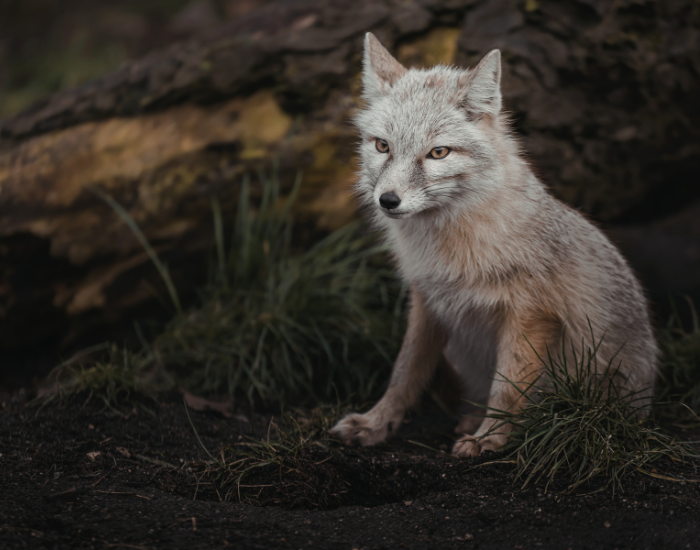
12. Rüppell’s Fox (Vulpes rueppellii)
Found across North Africa and the Middle East, Rüppell’s foxes are incredibly resilient to extreme heat and drought. They can alter their metabolism to conserve energy during food shortages. These foxes inhabit sandy and rocky deserts from Morocco to Afghanistan.
Rüppell’s foxes have specialized kidneys that produce highly concentrated urine, minimizing water loss. They obtain most water from their food, which includes insects, small mammals, birds, and plant material. They’re also facultative scavengers, they are known to eat carrion when available.
These foxes are monogamous, with pairs sharing territories year-round. They’re highly vocal, using a variety of sounds for communication. Despite inhabiting remote areas, Rüppell’s foxes face threats from hunting and habitat degradation.
South American Foxes: The Unique Canids of the Southern Hemisphere
When most people picture a fox, the image that comes to mind is often the fiery coat of the red fox or the snow-white fur of the arctic fox. But travel to the wild landscapes of South America, and you’ll discover a whole new branch of the fox family tree, one that’s just as fascinating, but often overlooked. These are the South American foxes, members of the genus Lycalopex, and while they aren’t “true foxes” like those in the genus Vulpes, they share many of the same clever traits and bushy tails that make foxes so beloved.
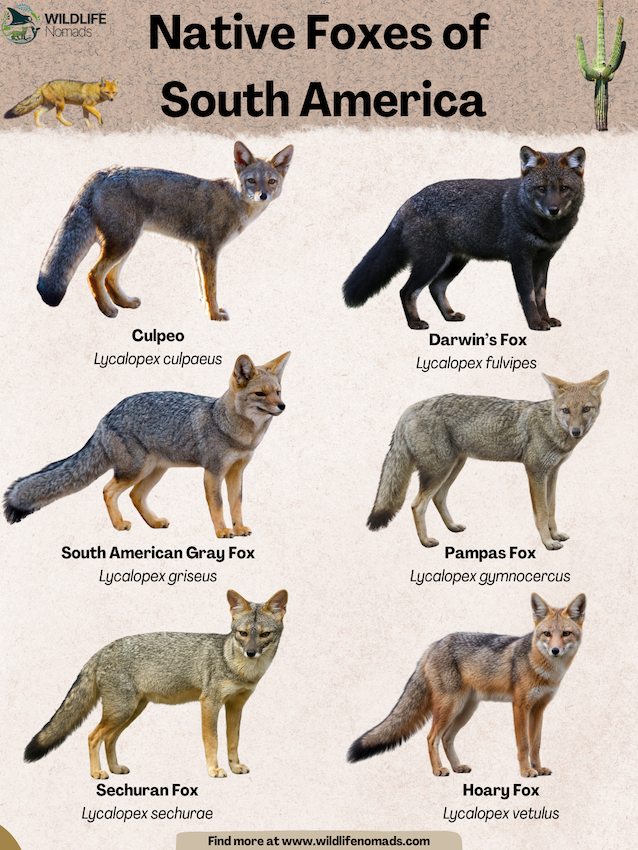
13. The Culpeo (Lycalopex culpaeus)
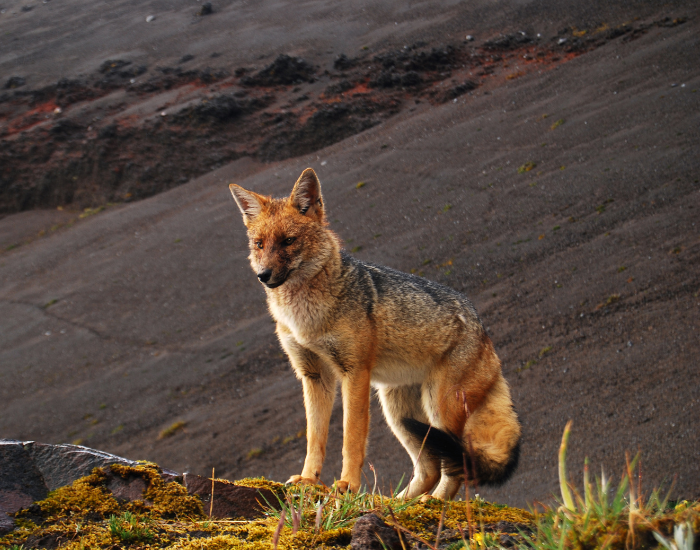
As the heavyweight of the South American group, the Culpeo roams the Andes mountains and vast grasslands from Ecuador down to the tip of Argentina. With its thick, tawny coat, it looks remarkably like a Red Fox but on a much larger scale. It’s a master of adaptation; whether hunting small mammals or foraging for local plants, the Culpeo is a vital architect of its ecosystem.
14. Darwin’s Fox (Lycalopex fulvipes)
A true rarity, critically endangered and found only in a few remote forests of Chile. This small, primarily nocturnal fox sports a dark brown coat and a black-tipped tail. Solitary by nature, Darwin’s fox is highly vulnerable due to its limited range and ongoing habitat loss, making it one of the most threatened species in the fox family.
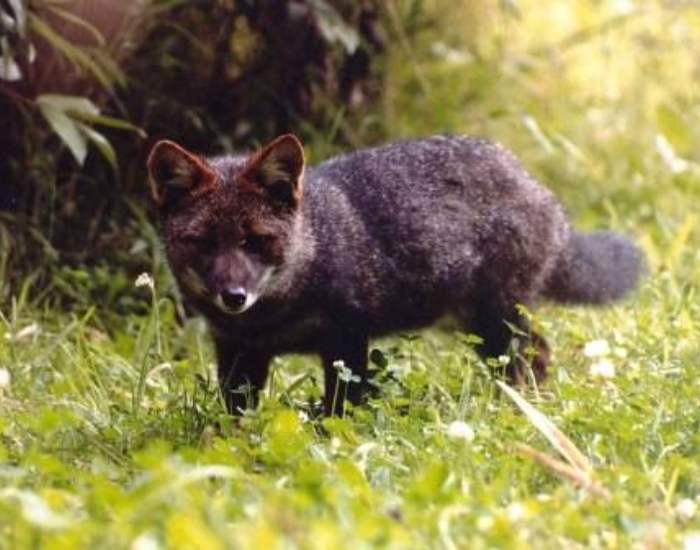
15. The South American Gray Fox (Lycalopex griseus)
Sometimes called the Patagonian fox, is a nimble and agile resident of southern South America, including Argentina, Chile, and Uruguay. Its grayish-brown fur and black-tipped tail help it blend into the landscape as it hunts small mammals, voles, birds, and insects. Like many other foxes, it is primarily nocturnal and often seen darting through the underbrush at dusk.
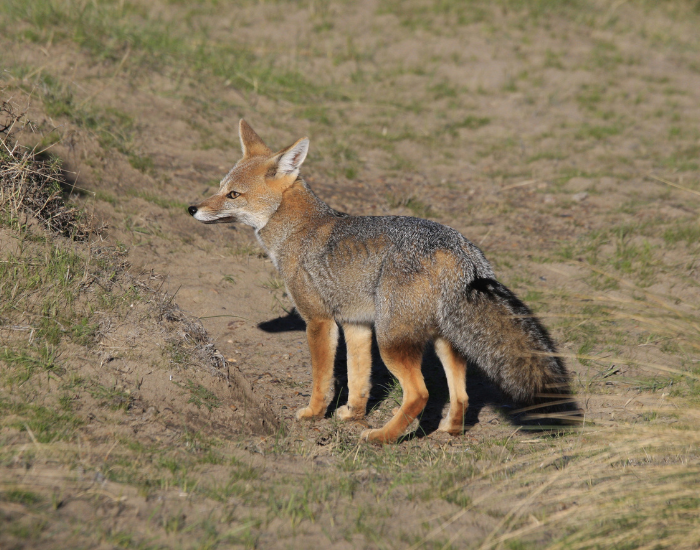
16. The Pampas Fox (Lycalopex gymnocercus)
True to its name, this fox is right at home in the vast Pampas grasslands. It has earned a reputation for speed and solitary hunting. While many species struggle with human expansion, the Pampas Fox has shown a surprising ability to persist even in regions heavily altered by farming.
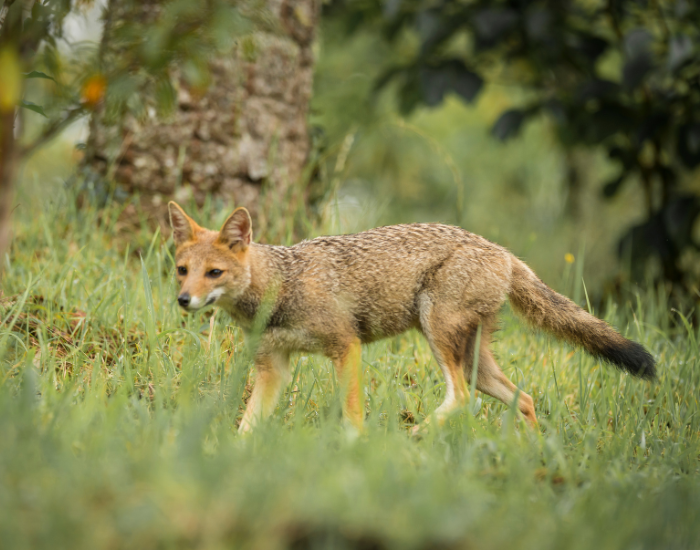
17. The Sechuran Fox (Lycalopex sechurae)
A desert specialist through and through, the Sechuran lives in the dry forests and sandy expanses of Peru and Ecuador. What fascinates me most about them is their survival strategy; they are renowned for their ability to thrive with very little water, getting most of their hydration from the insects and small rodents like wild guinea pigs they hunt at night.
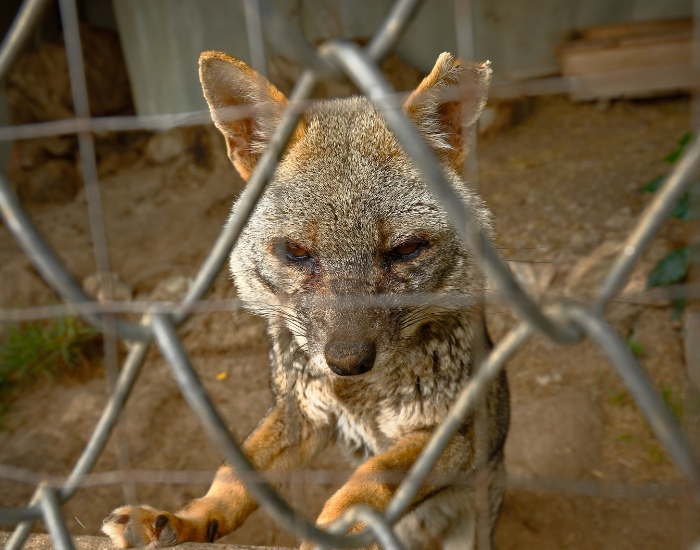
18. The Hoary Fox (Lycalopex vetulus)
Last but not least is the smallest of the South American bunch. Native to the savannas of central Brazil, the Hoary Fox is named for its “frosted” or hoary coat. They are petite, agile, and act as a natural pest control, feeding heavily on insects like beetles.
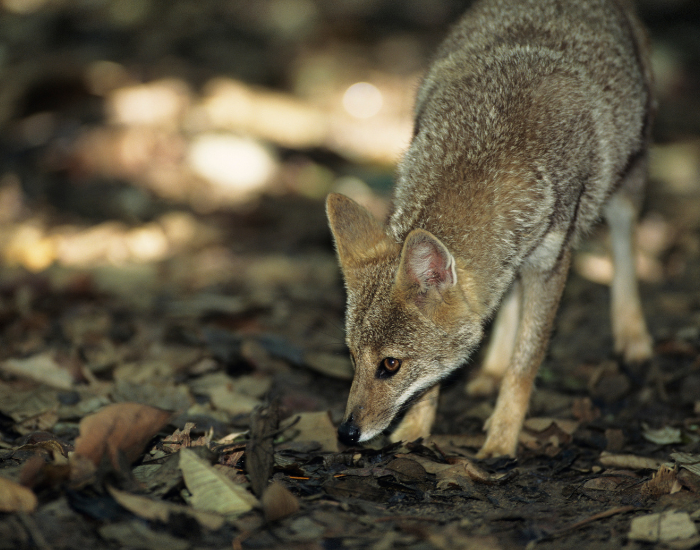
Iconic “False Foxes”: The Outsiders You Must Know
While the Vulpes genus holds the “true” title, there are several other foxes breeds that are just as iconic. These belong to different genera but share the fox-like appearance.
- The Gray Fox (Urocyon cinereoargenteus): Found from southern Canada through Central America and into South America, the gray fox inhabits a variety of environments, including forests, rocky areas, and woodlands. They are often associated with prairie dog habitats, benefiting from the burrow systems created by these ecosystem engineers.
- The Island Fox (Urocyon littoralis): This is the rarest type of fox. Found only on the Channel Islands off California, they are a descendant of the Gray Fox but evolved into a “dwarf” species due to island isolation.
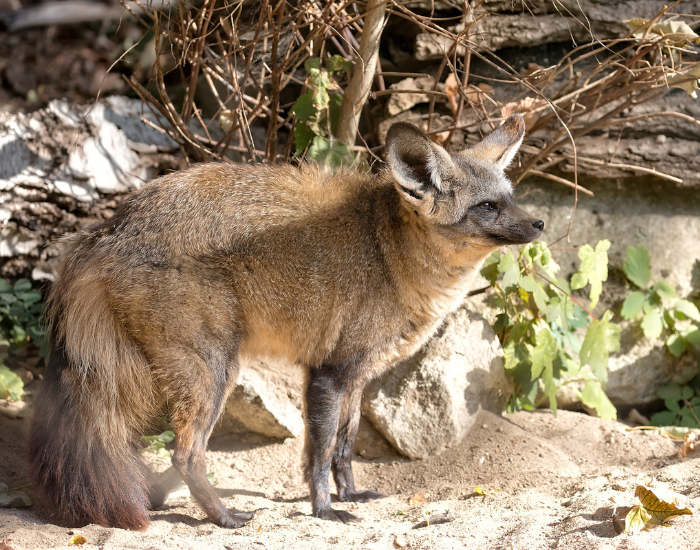
- The Bat-Eared Fox (Otocyon megalotis): Found in eastern and southern Africa, these foxes are unique because 80% of their diet consists of harvester termites. They use their massive ears to listen for insects crawling underground and often live in small family groups, which helps them raise their young and maintain social bonds.
- The Crab-Eating Fox (Cerdocyon thous): Native to South America, the crab-eating fox is highly adaptable and occupies a wide range of habitats, from savannas to forests. Its diet is carnivorous and includes crabs, small mammals, fruits, and insects. This species is known for its flexible behavior and ability to thrive in diverse environments.
Why We Must Care About “All Foxes”
While the Red Fox is doing just fine, many of its cousins are on the brink. The Island Fox was nearly wiped out by golden eagle predation and canine distemper before a massive recovery effort by the National Park Service.
Climate change is also creating a “clash of the foxes.” As the Arctic warms, the larger Red Fox is moving further north, outcompeting the smaller Arctic Fox for dens and food. This is a clear example of how changing ecosystems can shift the balance of different types of foxes overnight.
FAQs About Fox Species
There are approximately 37 species classified as foxes across multiple genera. The genus Vulpes contains 12 species of true foxes, while other genera include around 25 additional species.
The red fox is generally the largest true fox, with some individuals weighing up to 30 pounds. However, the culpeo or Andean fox (a “false fox”) can reach 30 pounds in southern populations.
The gray fox is the primary tree-climbing fox species, possessing rotating wrists and semi-retractable claws. Some reports suggest red foxes occasionally climb trees, though this is rare and limited.
Conservation status varies significantly by species. Red foxes and several others are listed as Least Concern, while Darwin’s fox is Critically Endangered, and several subspecies face serious threats.
Most foxes are omnivorous, eating small mammals, birds, insects, fruits, and carrion. The bat-eared fox specializes in insects, while Tibetan sand foxes focus almost exclusively on pikas.
References:
Akash, M., Rokonuzzaman, M., Ahmed, S., Alam, M. S., & Allen, M. L. (2026). Den-site behavior of Bengal foxes (Vulpes bengalensis) reveals persistent use, social interactions, and coexistence in shared spaces. Ecology and Evolution, 16(4), Article e73371. https://doi.org/10.1002/ece3.73371.
Cossíos, E. D. (2010). Lycalopex sechurae (Carnivora: Canidae). Mammalian Species, 42(848), 1–6. https://doi.org/10.1644/848.1
Clark, H. O., Murdoch, J. D., Newman, D. P., & Sillero-Zubiri, C. (2009). Vulpes corsac (Carnivora: Canidae). Mammalian Species, (832), 1–8. https://doi.org/10.1644/832.1
Gray A, Zhuk AS, Kamler JF, Edwards CW, Figueiró HV and Koepfli K-P (2024) The complete mitogenome of the Cape fox, Vulpes chama (Canidae: Mammalia). Front. Ecol. Evol. 12:1291268. doi: 10.3389/fevo.2024.1291268
Muñoz-Pedreros, A., Yáñez, J., Norambuena, H. V., & Zúñiga, A. (2018). Diet, dietary selectivity and density of South American grey fox, Lycalopex griseus, in Central Chile. Integrative zoology, 13(1), 46–57. https://doi.org/10.1111/1749-4877.12260
Silva-Rodríguez, E, Farias, A., Moreira-Arce, D., Cabello, J., Hidalgo-Hermoso, E., Lucherini, M. & Jiménez, J. (2016). The IUCN Red List of Threatened Species 2016: e.T41586A107263066. https://dx.doi.org/10.2305/IUCN.UK.2016-1.RLTS.T41586A85370871.en.