

There are few animals that capture the imagination quite like the fennec fox. This tiny, enchanting creature, with its disproportionately large ears and huge, dark eyes, looks like a mythical being sprung straight from the sands of the Sahara Desert. It’s a fennec fox animal that sparks immediate curiosity, leading many of us to search online for “what is a fennec fox?” or “what are 5 facts about a fennec fox?”
However, the fennec fox (Vulpes zerda) is far more than just a cute face and an interesting tidbit. Taxonomically, the fennec fox belongs to the order Carnivora and is a member of the Canidae family, placing it within the carnivora family alongside other dog-like mammals. It is a true marvel of evolution, a living, breathing case study in extreme adaptation and survival.
In this deep dive, we’ll uncover 12 incredible facts about the fennec fox, explore the critical role its unique biology plays in its survival, and address some of the most common questions people have about this charismatic small fox.
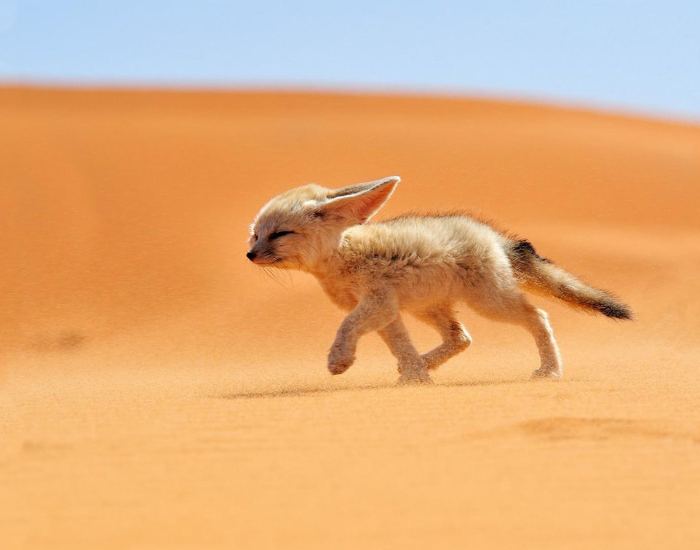
1. They are the smallest species of fox in the world
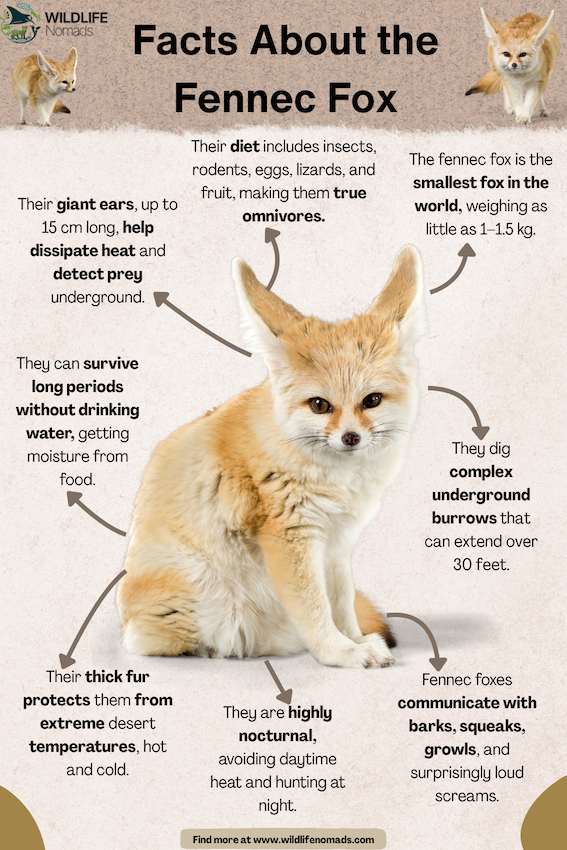
The fennec fox holds the title of the smallest fox species on Earth. Adult fennec fox individuals weigh barely 1 to 1.5 kilograms. They stand only about 20 cm (8 inches) at the shoulder. This tiny body size is actually an advantage in the desert. Smaller animals lose heat more efficiently and require less food to survive. Therefore, being small helps them thrive in one of the world’s most extreme environments.

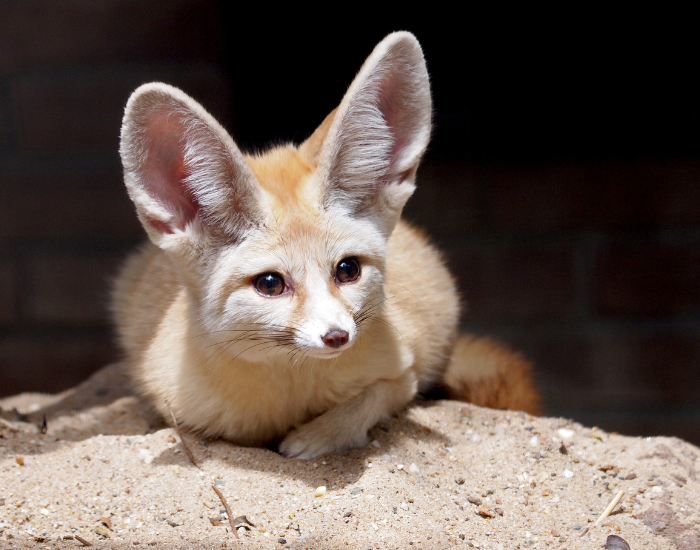
2. They have the largest ears relative to body size of any canid
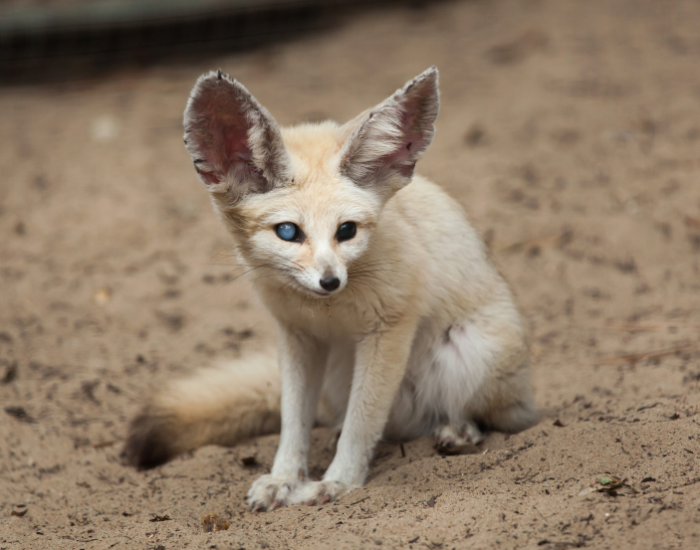
If you’ve ever seen a picture of an adult fennec fox, you know its most prominent feature: those magnificent enormous ears. These large ears can grow up to 15 cm (6 inches) long. However, these aren’t just for show. They serve two critical functions for survival in the Sahara Desert.
First, the blood vessels in the thin skin of the ears are close to the surface. This allows the fox to rapidly dissipate excess body heat into the cooler desert air. In addition, these massive ears grant the fennec fox animal exceptional hearing. They can detect the movements of underground prey, such as insects and small rodents, moving beneath the sand. Imagine being able to hunt by sound through several inches of hot sand, a skill essential for a successful desert predator.
3. They can survive long periods without drinking water
One of the most remarkable facts about the fennec fox is its ability to survive without free-standing water for extended periods. These desert dwellers have evolved to extract all the moisture they need from their diet. The fox gets the majority of its hydration from the food it eats. This primarily includes plants, fruits, tubers, insects, and small vertebrates.
Furthermore, fennec foxes have highly specialized kidneys that are exceptionally efficient at retaining water. They produce very concentrated urine, minimizing water loss. Their bodies are truly built to conserve water efficiently in the harsh desert environment.
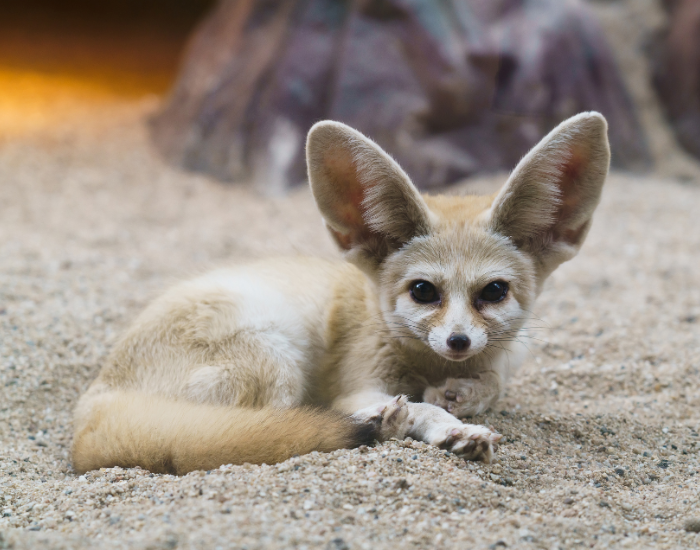
4. They Dig Complex Underground Burrows to Escape Extreme temperatures
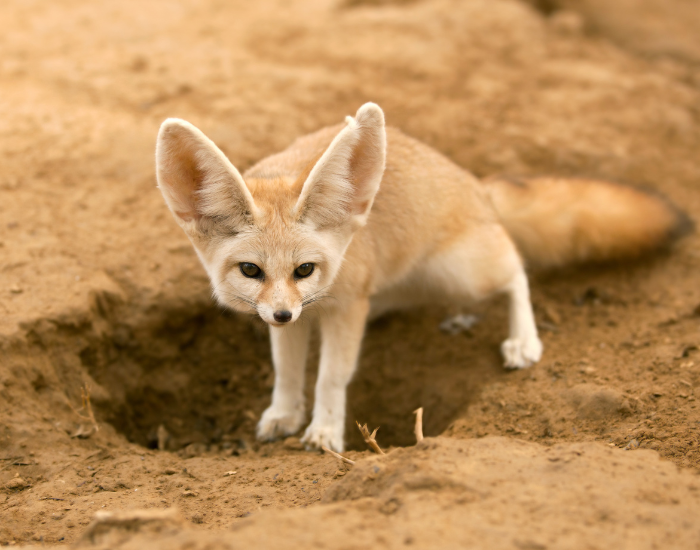
To survive the extreme temperature swings of the desert, where temperatures can soar above 40°C (104°F) during the day and plunge during cold nights, the fennec fox is a phenomenal burrower. They construct complex den systems, often dug into stable sand dunes or amongst scrub vegetation.
These underground sanctuaries offer insulation and maintain a much more stable, cooler temperature than the air above. This provides a vital refuge from the midday desert heat and a safe nursery for kits. In fact, these dens are often shared by the entire family unit. Sometimes they connect with other burrows to form a network of safe spaces. This highlights the importance of cooperation in such a harsh environment.
5. They live Throughout the Sahara Desert in North Africa
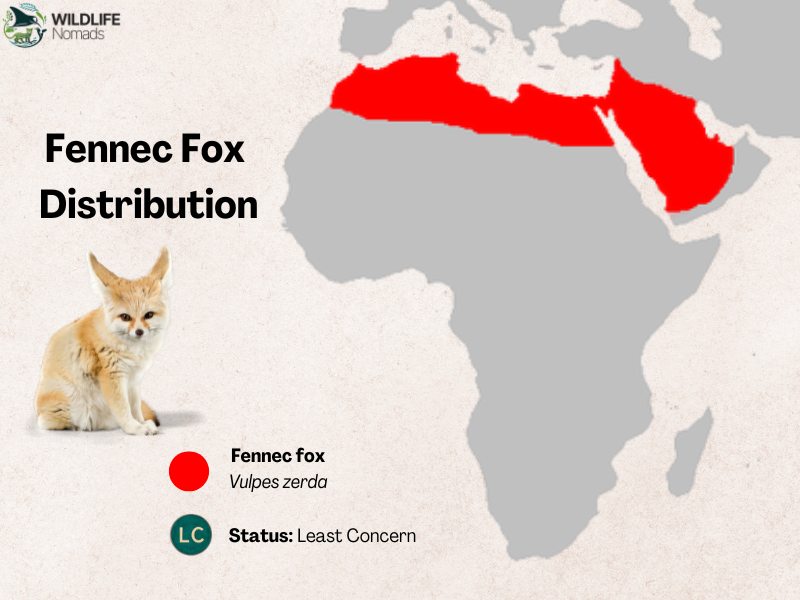
The fennec fox is a desert specialist. Its distribution spans across North Africa, covering the vast, arid expanse of the Sahara Desert. This includes countries like Morocco, Algeria, Tunisia, Libya, and Egypt. Therefore, when people search for “algeria tunisia and egypt” in relation to wildlife, fennec foxes are often the subject. The range extends throughout the Sahara, from Morocco Algeria Tunisia in the west to the Western Sahara and northern Africa’s eastern reaches.
These small fox species have adapted to semi desert habitats and sandy deserts where few other mammals can survive. They are true icons of the desert environment.
6. They are Primarily Nocturnal Animals that Hunt at Night
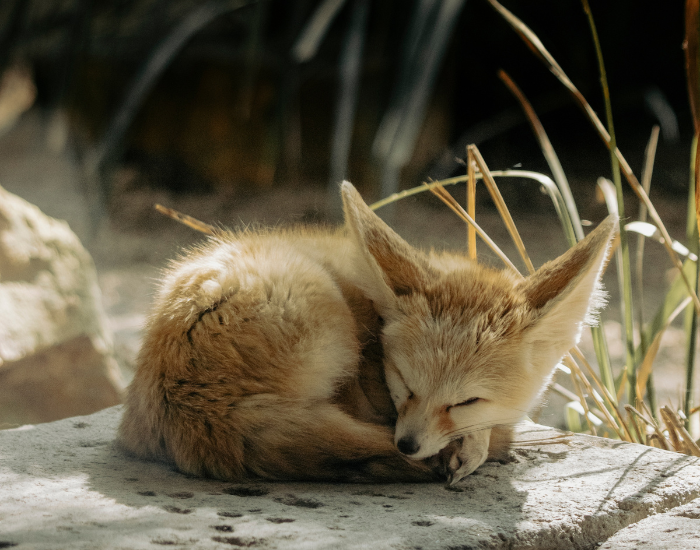
As nocturnal animals, fennec foxes primarily emerge from their burrows to forage after sunset. This strategy helps them avoid the intense daytime heat and hot sun. It also takes advantage of the cooler cold nights when many of their prey items are also active.
Their incredible sense of hearing is their most important hunting tool. It allows them to pinpoint the exact location of underground prey rustling or burrowing beneath the sand before making a quick, efficient strike. The small but powerful jaws and sharp teeth of the adult fennec fox are perfect for dispatching small prey quickly.
7. They have Thick Fur on Their Paws that Protects them from hot Sand
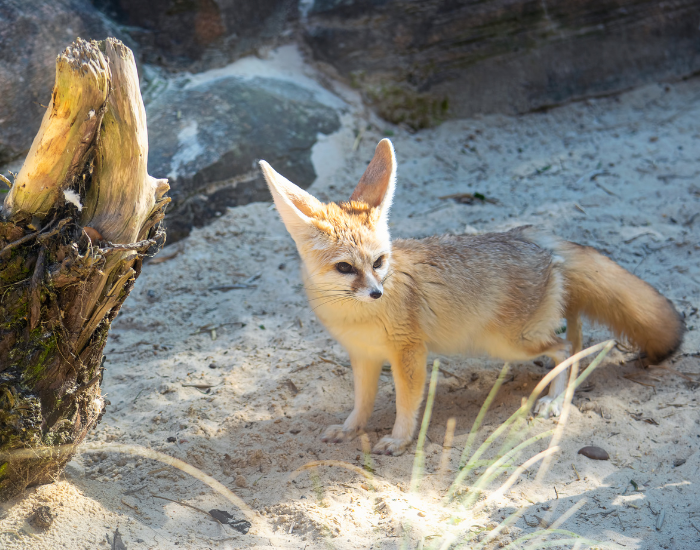
Look down at the feet of a full grown fennec fox. You’ll see another crucial adaptation. Their paw pads are covered in thick fur. This acts like natural snowshoes, protecting their feet from the blazing-hot sand during the day. It also gives them excellent traction when running across loose dunes.
In addition, their thick fur and soft, sand-colored fur covering their entire body allow them to blend seamlessly with the desert environment. This wooly undercoat acts as insulation, too. It keeps them warm during dramatically cold desert nights and protects them from the intense heat during the day.
8. They Live in Social Family Groups, unlike most Fox Species
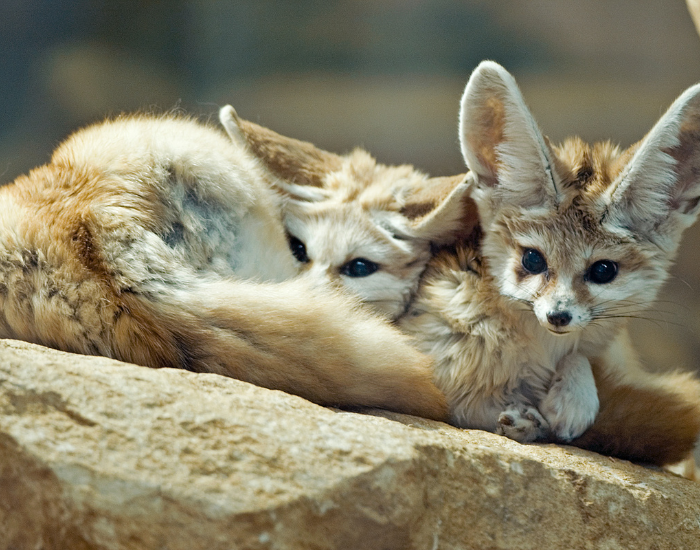
Unlike many other solitary fox species, the fennec fox is highly social. They live in family groups, which typically consist of a mated pair, their current litter of kits, and sometimes older offspring. Multiple family groups may live in proximity, creating loose communities of desert dwellers. In fact, family groups of up to ten individuals may share den complexes.
Furthermore, fennec foxes are generally monogamous and mate for life, forming strong pair bonds. This partnership is crucial for raising young in a challenging habitat. They use a wide range of vocalizations to communicate, including chirps, chattering, squeaks, growls, and howls. These social animals are known for being particularly vocal, especially during the mating season.
9. They are Omnivores with a Diverse Desert Diet
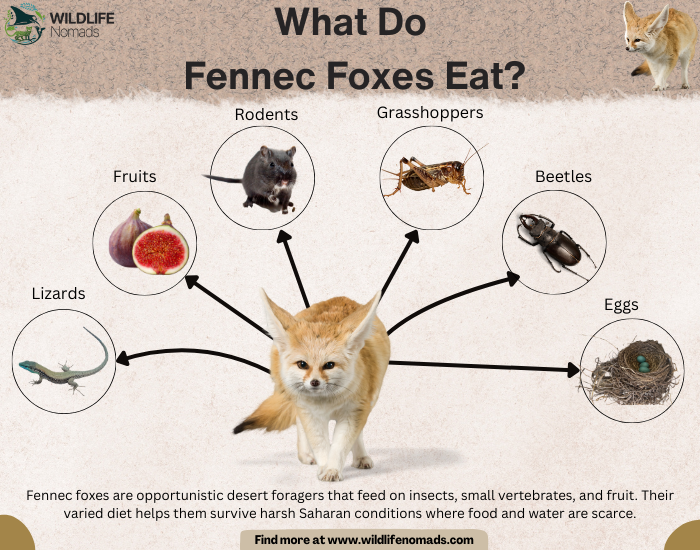
The fennec fox is classified as an omnivore. This means its diet is diverse and opportunistic, which is a major advantage in a resource-scarce desert environment. Their diet includes insects such as locusts, beetles, and grasshoppers. Small rodents also feature prominently as hear prey.
In addition, they eat rodents, lizards, geckos, small birds, and even bird eggs for protein. Plant matter like roots, tubers, berries, desert grasses, and fruits provide essential water and nutrients. This varied diet helps them survive in an environment where food sources are unpredictable.
10. They have a Gestation Period of Approximately 50 Days
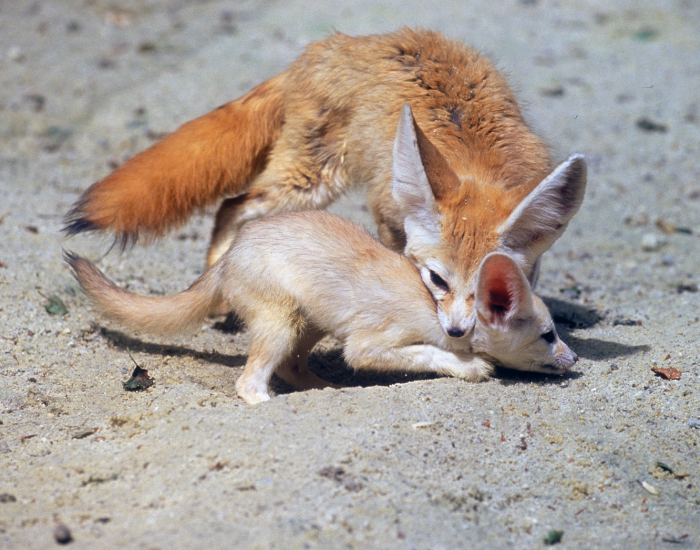
Breeding season for fennec foxes occurs annually in January and February. The breeding season for fennec foxes is typically once a year, occurring in winter months. After a gestation period of around 50 days (approximately four to six weeks), females give birth to litters consisting of 2-5 kits after a gestation period of about 50 days. The female gives birth to a litter of 2-5 blind, helpless kits. Fennec fox kits are born fully furred. Both parents are involved in raising the young.
The father brings food to the den until the kits are old enough to venture out and learn to hunt. Males provide food to the female until the pups are about 4 weeks old. This cooperative parenting is essential for survival. Observation of these animals shows they are exceptionally playful and curious. This social play is essential for developing hunting and social skills in their young. Kits reach sexual maturity at 10 months old.
11. They can Live up to 14 Years in Captivity but Face Challenges as Exotic Pets
In the wild, fennec foxes can live up to 10 years. Survival is challenging due to predation and harsh climate conditions. However, with a protected environment and consistent care in captivity, they can live up to 14 years. Some cases report lifespans of up to 16 years.
The endearing appearance of the fennec fox has led to increased interest in the exotic pet trade. However, keeping them as exotic pets is complicated. These are not domesticated animals. Their instinctive behaviors, digging, nocturnal activity, and high-pitched vocalizations, do not align with a typical home environment. They must have an escape-proof, sand-filled enclosure where they can satisfy their innate need to burrow and mark their territory.
In many places, keeping an exotic pet like a fennec fox is illegal or requires special permits. Sourcing an animal from a reputable breeder is crucial to avoid supporting the illegal pet trade and illegal wildlife trade. They are generally not extremely aggressive, but they are wary. Fennec foxes are friendly to humans only if socialized from birth. Even then, they still retain a cautious, flighty temperament.
12. The Fennec’s Evolutionary Roots
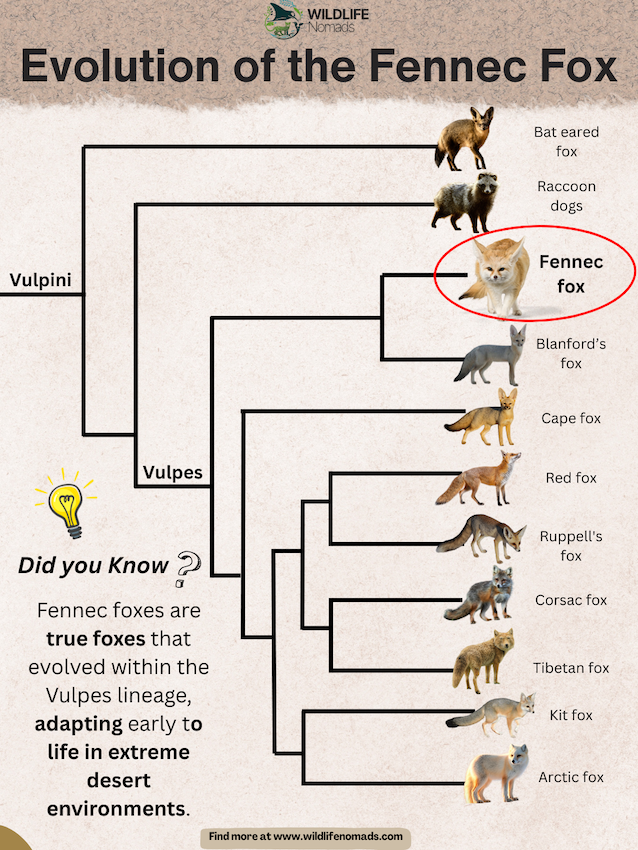
Although the fennec fox (Vulpes zerda) is instantly recognisable for its oversized ears, it is firmly part of the true fox (Vulpes) lineage. Genetic evidence shows it shares common ancestry with other foxes such as the kit fox and Arctic fox, all of which diversified to exploit very different environments, from scorching deserts to frozen tundra. The fennec represents one of the most extreme examples of desert adaptation within this group.
Interestingly, the fennec fox sits alongside a broader family of fox-like canids that evolved in parallel rather than directly together. Species like the bat-eared fox branched off early with specialised diets, while the tanuki (raccoon dog) split even earlier from fox-like ancestors, forming one of the most ancient canid lineages still alive today. Together, these species highlight how flexible and evolutionarily successful fox-like canids have been across vastly different habitats.
13. They are listed as “Least Concern” but still face conservation threats
The fennec fox is currently listed by the IUCN Red List as “Least Concern” or “of Least Concern.” This means its population is relatively stable across its vast range. However, this classification doesn’t mean they face no threats.
Human expansion, mining, and other industrial activities are slowly reducing their habitable range. Permanent human settlements encroach on semi desert habitats and desert environments, leading to habitat loss. In addition, although not an overwhelming threat to the species as a whole, the illegal capture of young foxes for the exotic pet and illegal wildlife trade is a localized threat. Climate change and extreme heat may also affect their prey availability and habitat quality.
Conservation efforts focus on creating protected areas, establishing national parks and reserves that limit human activity in core fennec fox habitat. Education and raising awareness about the unique biodiversity of the Sahara help protect both the species and threatened species in the broader African wildlife ecosystem.
Natural Predators of the Fennec Fox
Despite their exceptional adaptations, fennec foxes are not at the top of the food chain. Their small size makes them vulnerable to larger predators in the desert environment. They face threats from various African wildlife.
Large owls, particularly the powerful Eagle Owl, are a significant threat. They especially target young kits or a foraging fennec fox at night. Jackals and hyenas, as larger canids, will prey on fennec foxes. However, their small size and ability to quickly burrow often provide an escape. Larger African wildcats like caracals and other medium-sized predators also pose threats to these small carnivores.
Their greatest defense is their agility, speed, and superb hearing. This allows them to detect danger early. Their capacity to disappear quickly into their complex, protective burrows also helps them evade predators.
FAQs About Fennec Foxes
No, fennec foxes are not typically aggressive. They are naturally shy, wary, and flighty (prone to running away). In captivity, they may nip or bite if they feel threatened. However, they are not known for being inherently hostile.
With proper care, a fennec fox lifespan in captivity can reach up to 14 years. Some reported cases document lifespans of up to 16 years.
Fennec foxes are famous for their enormous ears and for being the smallest fox in the world. They are also renowned as a symbol of resilience and adaptation in the harsh desert environment.
Fennec foxes live throughout the Sahara Desert in North Africa. Their range includes Morocco, Algeria, Tunisia, Libya, Egypt, and other regions of northern Africa. They thrive in sandy deserts and scrub vegetation areas.
A Desert Icon of Adaptation
The fennec fox is truly an icon of the Sahara. From its massive, cooling ears to its fur-padded paws and water-wise kidneys, every aspect of the fennec fox animal is perfectly engineered for survival. It thrives in one of the world’s most extreme environments.
Its story is a reminder of the awe-inspiring power of evolution and the sheer tenacity of life. Whether you’re interested in the fennec fox for its cute appearance or its fascinating biology, it deserves our respect and attention.
What can you do?
If you’re inspired by this incredible creature, consider supporting organizations like the WWF that work to protect desert habitats. Education is also key. Share the real science behind the fennec fox to help combat misinformation about exotic pets and promote ethical wildlife appreciation.
Find a Fennec Fox in the Wild:
Find safari recommendations to fins a fennec fox in the wild with trsuted partners:
This blog is reader-supported. When you buy experiences through links listed on this site, we may earn an affiliate commission.