
If you’ve ever spent a night under the stars in the African savanna or the rugged landscapes of Eurasia, you’ve likely heard it: a high-pitched yipping sound that pierces the silence. That’s the song of the jackal, one of the most misunderstood yet brilliantly adaptable members of the animal kingdom, often sharing the stage with species like the bat-eared fox, fennec fox, Ethiopian wolf, and even hyenas, jackals occupy a fascinating middle ground in the predator hierarchy.
Often cast as the “shifty” sidekick in folklore or mere scavengers in nature documentaries, jackals animals are actually sophisticated predators, devoted partners, and evolutionary survivors. They aren’t just “diet wolves” or “tall foxes.” Instead, they belong to a specialized lineage that has mastered the art of living in the margins.
In this deep dive, we’re peeling back the layers of the animal jackal to see what makes them tick, why they’ve earned such a complex reputation, and how they manage to thrive where others falter.

1. They Are the Ultimate “Middle-Child” of the Canidae Family
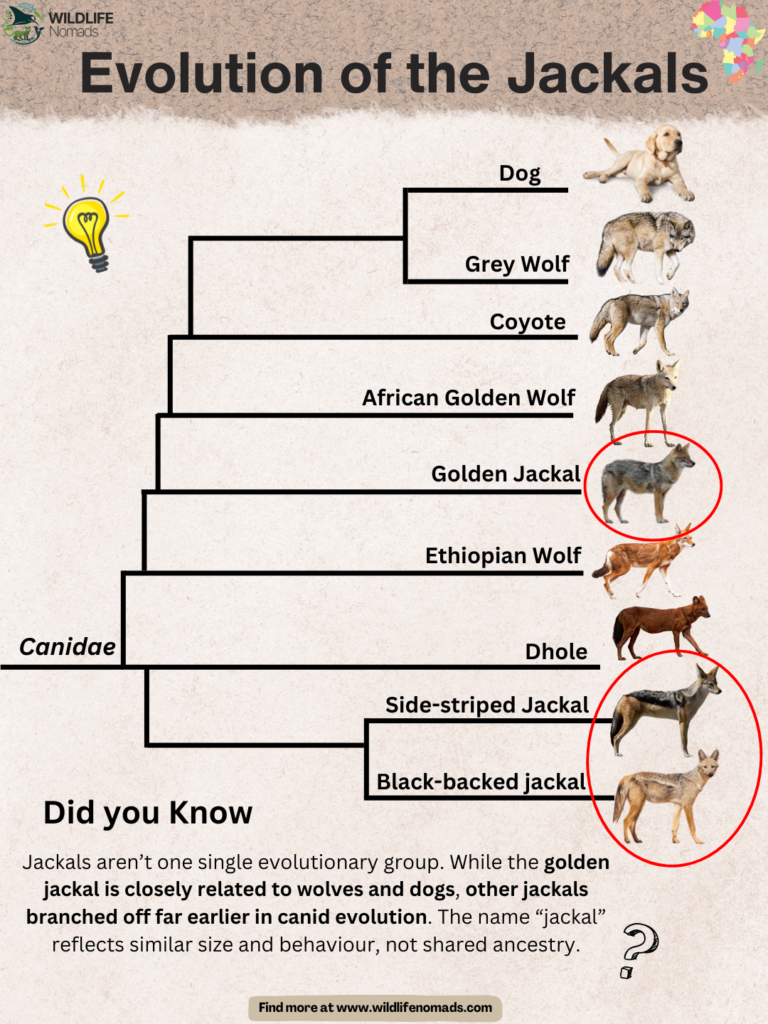
When we talk about the jackal families, we’re looking at the family canidae. This group includes your domestic dogs, the massive grey wolf, the coyotes live in North America, and the nimble fox.
So, what is a jackal exactly? In the taxonomic hierarchy, jackals fall into the genus canis, the same genus as the wolf and domesticated dogs. However, they occupy a unique niche. They are smaller than wild dogs but more robust than most foxes.
If the wolf is the heavy-hitter and the fox is the stealthy rogue, the jackal is the versatile “all-rounder” of the canine world. Therefore, their position in the animal kingdom reflects millions of years of adaptation to specific ecological niches.
2. There Are Three Species (And One Imposter!)
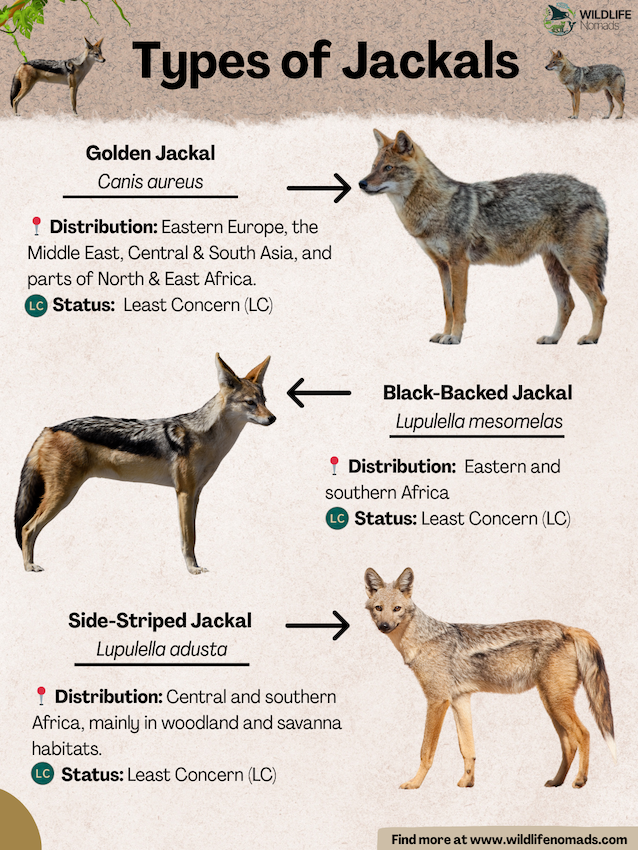
While people often use the term “jackal” as a catch-all, there are actually three species recognized traditionally, plus a recent genomic surprise.
Golden Jackal (Canis aureus): The most widespread, found across southeastern Europe, the Middle East, south asia, and East Africa. The golden jackal live in diverse habitats from open savannas to moist savannas.
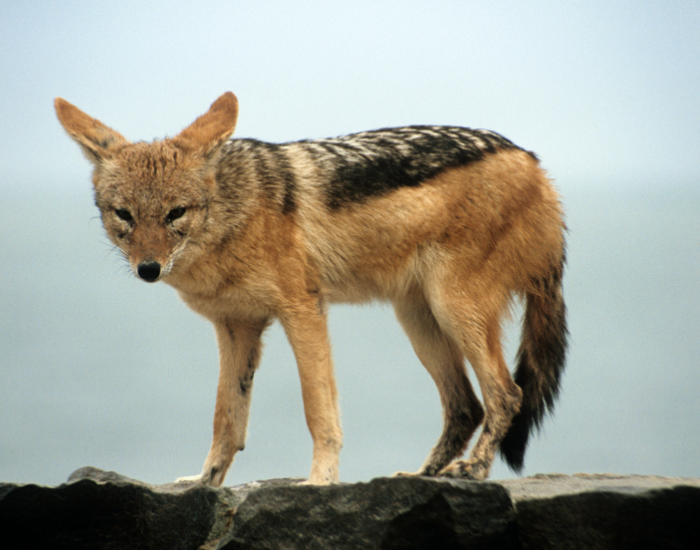
Black-Backed Jackal (Lupulella mesomelas): Famous for the black hair and white-flecked “saddle” on its back. The black backed jackal is the most aggressive hunter of the bunch, found primarily in the southern tip of Africa and East Africa.
Side-Striped Jackal (Lupulella adusta): The shyest of the trio, the side striped jackal often inhabits tropical africa and moist savannas. Side striped jackal lives in more wooded areas compared to other jackal species.
The Plot Twist: A New Wolf Species
Recent studies revealed that the “African Golden Jackal” isn’t actually a golden jackal at all. In fact, it’s closely related to the grey wolf! It has since been renamed the African Golden Wolf. This discovery showcases convergent evolution, where different species develop similar traits because they inhabit similar environments.
3. The Golden Jackal is an International Traveler
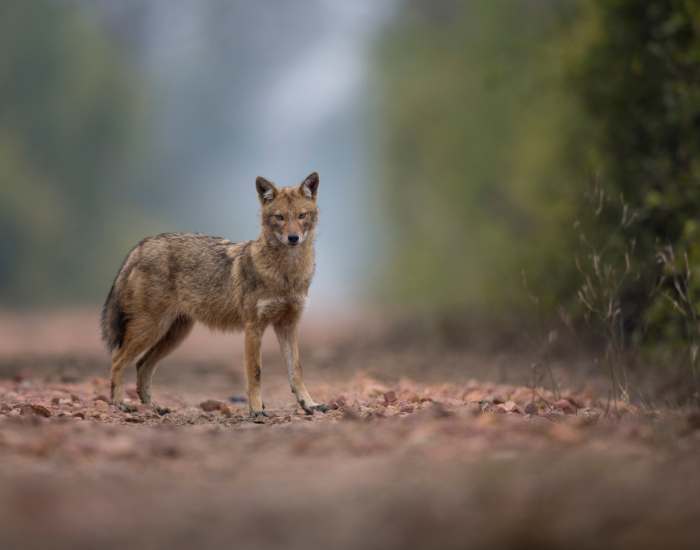
The golden jackal live in an incredibly wide range of territories. Unlike other jackal species that are confined to Africa, the golden jackal (scientific name canis aureus) is a master colonizer.
You’ll find them in north and east africa, but they’ve also made themselves quite at home in the arid grasslands of India and the “edge” habitats, wetlands, and open shrublands of southeastern Europe. In addition, golden jackals live in regions extending to the middle east. Currently, golden jackals are expanding their range deep into Western Europe, likely due to climate change and the decline of larger predators like wolves.
These common jackal populations demonstrate remarkable adaptability. They are the opportunists, thriving where other animals kills or struggles.

4. They Are Built for the Long Haul
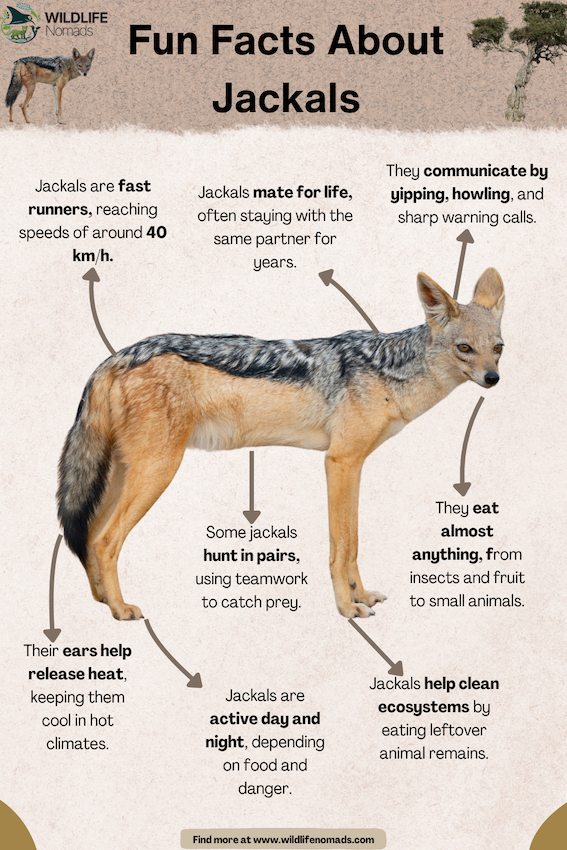
Looking at the physical description of a jackal, you’ll notice they are built for endurance. They have long, spindly legs and large paws, which are perfect for trotting across open savannas for miles.
Jackal length: Usually 27–33 inches, with significant tail length.
Bushy tail: Measuring 10–14 inches, providing balance and communication signals.
Weight: A lean 11–26 pounds, optimized for speed and endurance.
Their jackal fur is also a masterpiece of camouflage. The golden jackal has a pale gold or yellowish-brown coat, while the side striped jackal features light gray fur with a subtle white stripe along the flank. These colors allow them to vanish into the arid grasslands at a moment’s notice.
The black backed jackal sports distinctive black hair along its back, making it easily recognizable. However, all jackal species share the characteristic bushy tail that helps them maintain balance during high-speed chases.

5. They Mate for Life (The Ultimate Power Couple)
In the wild animal jackal world, loyalty is everything. Unlike many other mammalian species, jackals are primarily monogamous. Once a male and female pair up, mated pairs usually stay together for life.
This isn’t just about “romance”, it’s a survival strategy. Raising jackal pups is a two-person job. They defend their territory together, engage in cooperative hunting, and share the burden of feeding the young.
A female golden jackal will give birth to two to four pups (though some litters can have one to nine pups). The gestation period lasts approximately 57 to 70 days. The mated pairs work tirelessly to ensure pup survival in harsh environments where most jackal pup deaths occur in the first few weeks.
6. “Big Brother” is Watching: The Helper System
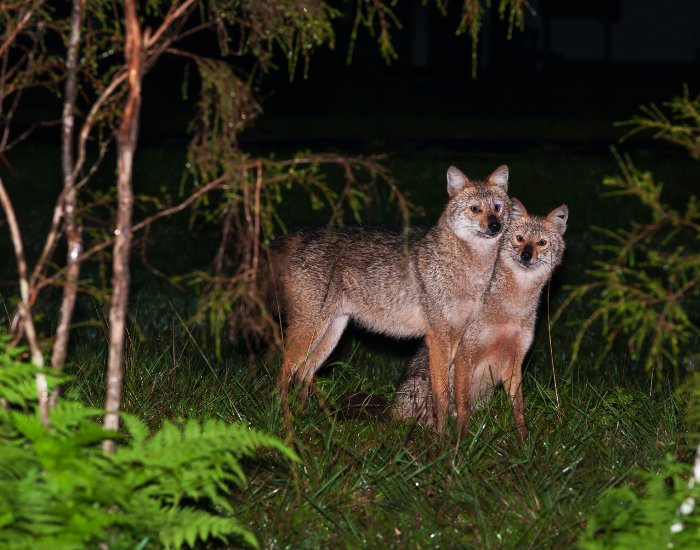
One of the most fascinating aspects of jackal behavior is the “helper” system. Often, the younger siblings from a previous year’s litter will stay behind to help their parents raise the newborn pups.
These helpers bring back regurgitated food for the mother and the pups, allowing the female jackal to stay in the den and keep the pups eyes open to danger. Statistics show that the presence of just one helper significantly increases pup survival rates.
It’s a beautiful example of cooperative hunting and family unity in the animal kingdom. This behavior is particularly common in both golden jackals live populations and black backed jackal communities. The younger siblings learn essential hunting and parenting skills while contributing to the family’s success.
7. They Have a “Very Varied Diet” (And We Mean Very)
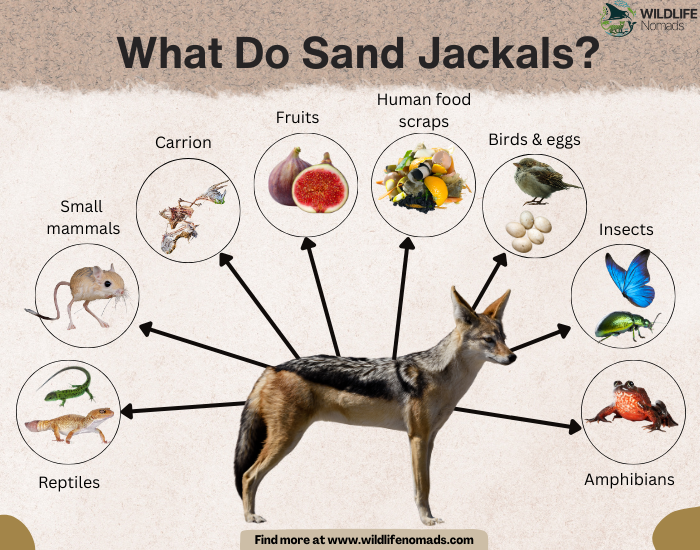
If you’re wondering what is jackal food, the answer is: almost anything. Jackals are opportunistic omnivores. While they are categorized as carnivores, their stomach is a biological furnace that can handle a very varied diet.
Animal Food: They hunt ground dwelling birds, rodents, hares, and even young gazelles. Other animals kills are also fair game when jackals scavenge.
Plant Food: About 46% of a golden jackal’s diet can consist of fruits, berries, and other vegetation. This dietary flexibility helps them survive in diverse habitats.
Scavenging: They are famous for cleaning up animal carrion left by lions or leopards. This scavenging behavior is crucial in the animal diversity web.
Human Interaction: In some regions, they have been known to scavenge human trash. However, contrary to some urban legends about jackals eat humans, they don’t regularly prey on people.
The question “do jackals eat humans” arises frequently. In reality, jackals rarely attack humans and certainly don’t hunt them for food. They are savvy enough to know that where there are humans, there is often accessible food waste.
8. The “Yipping” Language of the Savanna
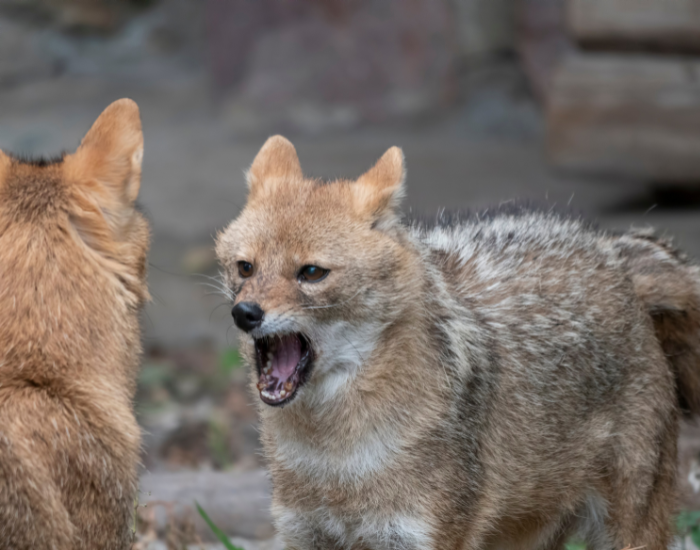
Jackals are incredibly vocal animals. The name “jackal” actually comes from the Persian word shaghāl, which mimics their distinctive yipping sound.
They use a complex system of howls, barks, and “woofs” to communicate. Each jackal species has its own dialect. The black backed jackal is known for a high-pitched siren-like howl, while the side striped jackal is a bit more melodic.
These sounds aren’t just for show. Instead, they use them to defend their territory, warn of predators, and locate their partners in the dark. The yipping sound carries across the open savannas, allowing jackals to maintain contact over long distances.
9. Ancient Mythology: The Head of a Jackal
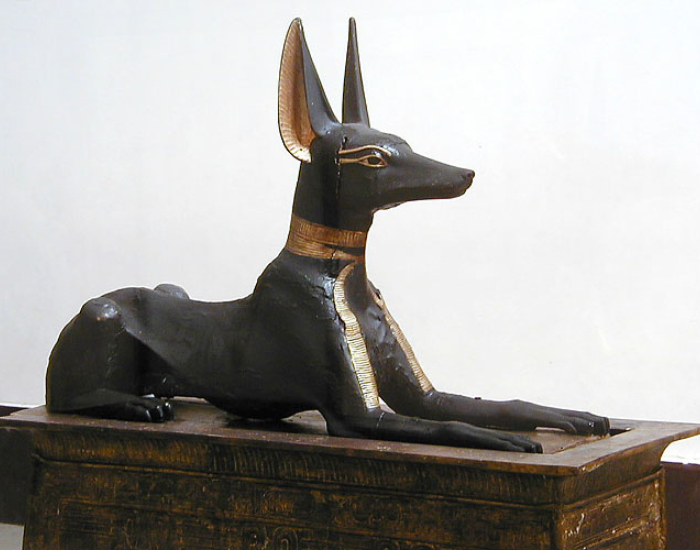
The egyptian god anubis is perhaps the most famous jackal in history. Depicted with the head of a jackal, Anubis was the god of mummification and the afterlife.
Why a jackal? Ancient Egyptians observed jackals hanging around cemeteries and tombs. While we might see that as “creepy” today, the Egyptians saw it as the jackal acting as a guardian of the dead.
This is where the jackal reputation for being “evil” or “dark” likely started. However, in reality, they were seen as protectors and guides in many ancient cultures. The egyptian god anubis represented protection, not malevolence, showing how cultural perspectives shape our understanding of these remarkable animals.
10. They Are Masters of the “Side-Hustle” (Scavenging)
While they are excellent hunters, jackals are the undisputed kings of the scavenge. They will follow lions or hyenas for miles, waiting for the “big guys” to finish their meal at other animals kills sites.
This behavior requires critical thinking and nerves of steel. A jackal has to be fast enough to dart in and grab a piece of animal carrion without getting crushed by a lion’s paw.
This “clever” nature is why they are often portrayed as tricksters in African and Indian folklore, similar to the role of coyotes live in Native American stories. However, scavenging is actually a brilliant, energy-saving survival strategy that reduces the risks associated with hunting dangerous prey.

11. Life Starts in the Dark
A jackal’s gestation period is relatively short—about 57 to 70 days. Pups are born blind and stay in the underground den for the first few weeks. This vulnerable period is critical for survival.
About ten days: That’s when their pups eyes open, allowing them to begin exploring their immediate surroundings.
Two months: They start eating solid food, often regurgitated food provided by the parents and helpers.
Six months: They begin hunting on their own, learning essential survival skills.
Despite the protection of their parents and younger siblings acting as helpers, most jackal pup deaths occur in these early weeks. Predators like eagles, hyenas, and even other jackal species pose constant threats. The female jackal remains vigilant during this period, rarely leaving the den.
The transition from newborn pups with closed eyes to independent hunters takes about ten days for eye opening and several months for full development. This extended parental care is one reason why mated pairs and family helpers are so crucial to jackal survival.

12. Conservation: The “Least Concern” Heroes
The good news is that most jackal species are currently listed as Least Concern by the IUCN. They are incredibly resilient. Whether it’s the southeastern europe forests, the open savannas of tropical africa, or the southern tip of Africa, jackals find a way to survive.
However, they do face threats. Human-wildlife conflict is the biggest issue. Because they sometimes prey on livestock, farmers often view them as pests. This perception leads to persecution, even though jackals play a vital role in the ecosystem.
The adaptability of jackals means they can thrive in various habitats, from arid grasslands to moist savannas and even near human settlements. This resilience gives them an advantage in a rapidly changing world.
FAQ: Your Burning Jackal Questions Answered
It’s closer to a dog! While they look fox-like, they belong to the genus canis, making them closely related to wolves and domestic dogs. They share more genetic similarity with wild dogs than with foxes.
Mostly because of their scavenging habits and their presence in graveyards in ancient times. People often mistake scavenging for “cowardice,” but in nature, it’s actually a brilliant, energy-saving survival strategy. The association with the egyptian god anubis also contributed to their mysterious reputation.
There are three species: Canis aureus (Golden), Lupulella mesomelas (Black-backed), and Lupulella adusta (Side-striped). Each occupies different ecological niches across Africa, Europe, and Asia.
Technically no, but they share a common ancestor. They are like “cousins” in the canine family tree. The genus canis includes both wolves and jackals, showing their close evolutionary relationship.
No, jackals rarely attack humans and don’t hunt them for food. While they may scavenge human trash, they pose minimal threat to people. The myth about jackals eat humans is largely unfounded.
Respect the Scavenger
The animal jackal is far more than a background character in a safari documentary. They are the survivors of the animal kingdom, bridging the gap between predator and scavenger, between myth and reality.
From the golden jackal live in the Himalayan foothills to the black backed jackal patrolling the Kalahari, these animals prove that you don’t have to be the biggest or the strongest to win at life. Instead, you just have to be the smartest and the most adaptable.
Their very varied diet, cooperative hunting strategies, and strong family bonds make them one of the most successful mammalian species on Earth. The mated pairs and younger siblings working together demonstrate that cooperation often trumps competition in nature.
The next time you hear that yipping sound in the distance, remember: you’re listening to a lineage that has survived for 5 million years. Not bad for a “middle child,” right?
Find a Safari to see Jckals in the Wild
Here is a list of our recommended Safari tours with trusted partners so you can spot a cheetah and many other animals in the wild:
This blog is reader-supported. When you buy experiences through links listed on this site, we may earn an affiliate commission.
Further Reading
- 12 Fascinating Sand Cat Facts
- Bat-Eared Foxes: The Remarkable Termite Hunters
- 10 Facts About the Fascinating World of the Genet