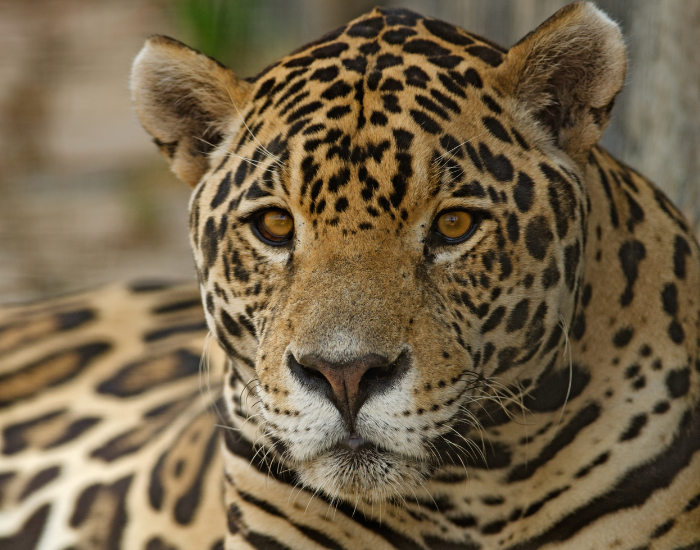
Have you ever scrolled through nature photos, paused on an image of a sleek, spotted creature with an impossibly long tail, and wondered what exactly you were looking at? These captivating animals blend the grace of a feline with features resembling a mongoose. The genet animal represents one of the most intriguing yet least understood small carnivores on Earth.
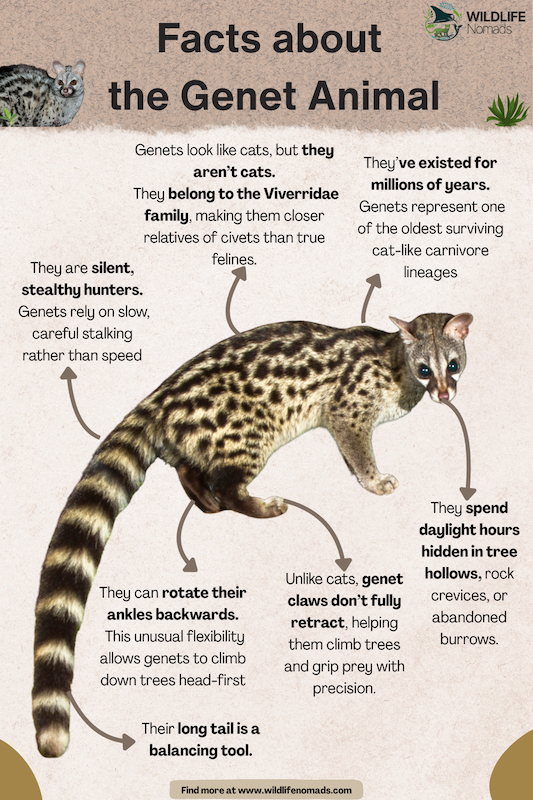
Often mistakenly called a genet cat and grouped with all the other wildcats of Africa, this species is very strange. Although they have a feline appearance and share some traits with true cats, genets are not members of the cat family (Felidae); instead, they belong to the Viverridae family and only resemble cats in appearance. It’s a creature of nocturnal stealth and exceptional agility. Through scientific research, we’ll explore ten essential facts that illuminate this remarkable species.
By the time you finish reading, you’ll understand where the genet belongs on the tree of life. You’ll also appreciate the complex conservation challenges and ethical considerations surrounding these incredible animals.

1. The Genet Belongs to the Viverridae Family, Making It Unique Among Small Carnivores
Many people ask whether a genet is a cat or a dog. The answer is neither. Despite the common nickname “genet cat” and their feline appearance, genets are not members of the Felidae family (true cats) or Canidae family (dogs and foxes).
Genets belong to the Viverridae family, which they share with civets and palm civets. This family is part of the order Carnivora. Genets are actually more closely related to civets, binturongs, and hyenas than to members of the cat family, despite their similar appearance. Therefore, they are distant relatives of cats, dogs, and bears. However, they occupy a much more ancient branch of the carnivore family tree.
Scientists consider the Viverridae to be among the closest living mammals to the extinct common ancestor of the entire Carnivora order. The common genet (Genetta genetta) has a slender body, pointed muzzle, large eyes, and retractable claws. These traits make it appear cat-like. Nevertheless, their physical and genetic lineage clearly places them with civets and mongooses.
If you see a genet in the wild, you are looking at a living piece of evolutionary history. This distinct classification is key to understanding its unique behaviors and adaptations.

2. Genet Species Are Native to Africa, with the Common Genet Also Found in Southern Europe
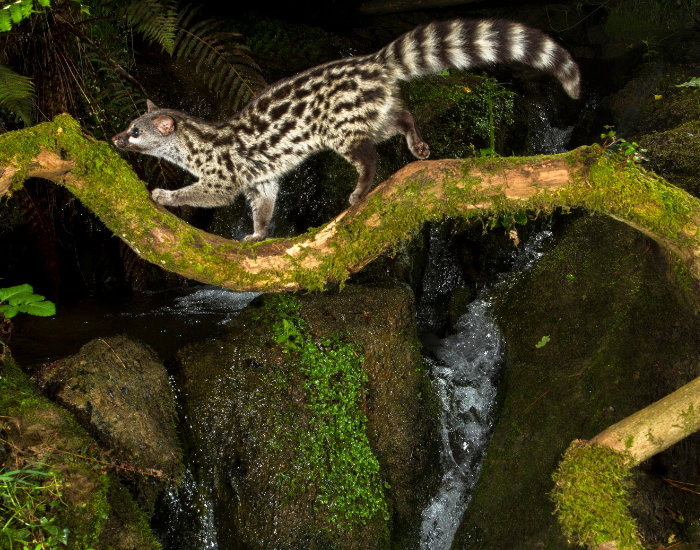
When you think of genets, you probably picture the African savanna. The vast majority of the approximately 14 to 17 recognized genet species are indigenous to Africa. These animals span all the ecosystems from Africa, from rainforests to savannas.
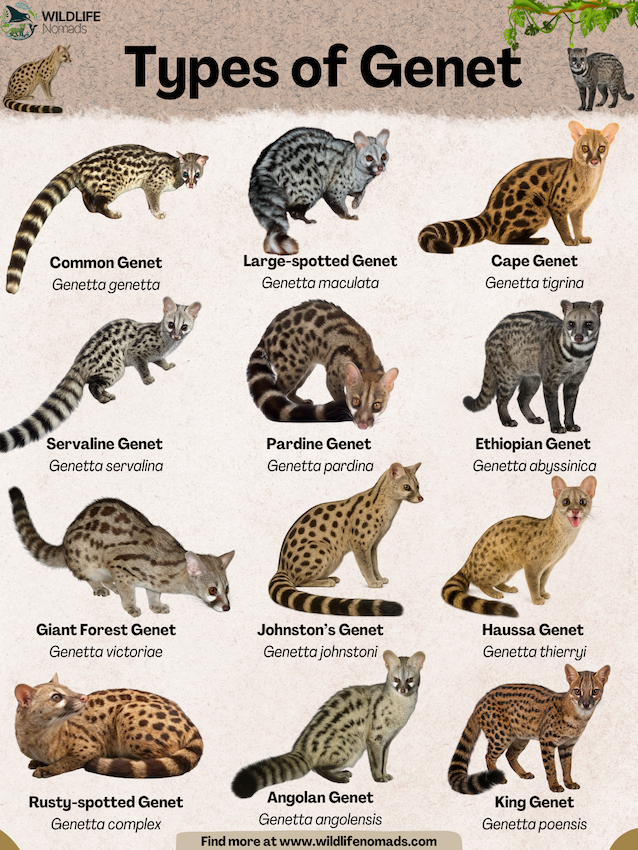
The Cape genet (Genetta tigrina) thrives in the well-watered wooded habitats of southern Africa. Other species are found throughout sub-saharan Africa and north Africa. The small-spotted genet is common in various regions across the continent. The Ethiopian genet (G. abyssinica) is found in Ethiopia and neighboring countries such as Eritrea, Somalia, Djibouti, and Sudan.
The common genet is the only species that has successfully established itself outside of Africa. Specifically, it lives in southwestern Europe, including the Iberian Peninsula in Spain and Portugal, and parts of France. Genets are also native to parts of the Middle East, further expanding their natural range beyond Africa and Europe. Scientific consensus suggests humans introduced it from north Africa as a semi-domestic animal for rodent control between 1,000 and 1,500 years ago.
Genets are habitat generalists, like cats or dogs. This means they thrive in diverse environments. While they prefer wooded habitats, including forests, savannas, and dense riverine vegetation, they also adapt to areas near human settlements. They are even found on rocky outcrops.

3. Genets Are Opportunistic Omnivores That Hunt Rodents, Birds, Insects, and Small Reptiles
The genet is a lean hunting machine. It’s perfectly adapted for a carnivorous, nocturnal lifestyle. However, classifying their diet purely as carnivorous is too simplistic.
While classified as carnivores in the biological order, genets are actually opportunistic omnivores. Their diet includes small mammals, especially rodents (like elephant shrews or hyraxes), which helps control vermin populations. They also eat birds and their eggs, reptiles, and insects. Studies on the diet of the common genet in Spain show that mammals, arthropods, and even food from plants (primarily fruit) form significant portions of their meals. Young genets begin to eat solid food at around six weeks old.
As largely nocturnal animals, genets use their keen eyesight and acute hearing to hunt at night. They are renowned for their agility. They often use a quick, cat-like pounce and a swift bite to the neck to catch prey. This hunting style resembles techniques observed in the Felidae family.
This adaptability in diet and hunting style explains why genets have been so successful in diverse habitats across Africa and Europe.

4. Genets Possess Unique Adaptations Including Retractable Claws, a Dorsal Crest, and Scent Glands
The genet is equipped with natural adaptations that ensure its survival as a nocturnal, solitary predator.
Just like true cats, genets have semi-retractable claws. This means they keep them sharp for climbing and grasping prey. They retract them when walking to minimize noise and wear.
Many genet species, including the small-spotted genet, possess a prominent ridge of hair along their back. This is called the dorsal crest. When threatened or alarmed, the genet erects this crest. This makes it look instantly larger and more intimidating to potential predators like leopards, owls, or pythons.
Similar to civets, genets possess perineal glands that produce a musky secretion. They use this scent marking, as well as scent glands on their flanks, to communicate territory, sexual status, and social messages. It’s their sophisticated, invisible social network.
Genets have highly flexible spines. This allows them to twist, turn, and squeeze into tight spaces with remarkable ease. They are also the only viverridae known to stand on their hind legs in a vertical stance. They use their long tails for balance, which helps them survey their surroundings.
These adaptations are critical survival mechanisms. They allow the genet animal to thrive as a stealthy, solitary operator in the wild.

5. The Genet Lives a Solitary, Nocturnal Life with Brief Social Interactions
Understanding genet behavior in the wild is crucial. This is especially important when discussing the ethics of captivity. Which considering how many videos are populating social media feed, it is highly relevant.
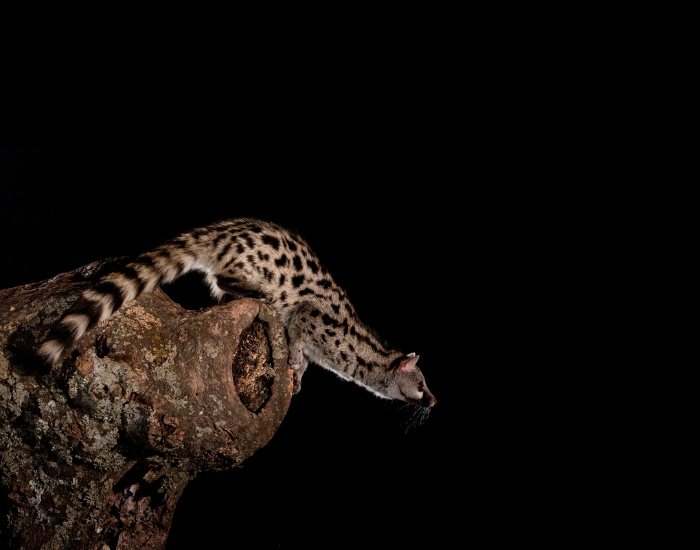
Genets are predominantly nocturnal. This means they are active at night and rest during the day. They hide in dark places like hollow logs, tree cavities, or dense underbrush. Therefore, spotting one in the wild is a rare treat.
Adult genets are generally solitary animals. Individuals maintain separate territories. Males are slightly larger than females and may have larger territories. Interactions between adults are brief. These primarily occur during the breeding season, when genets breed and establish temporary associations for mating. The only significant, sustained social bond exists between a female and her young.
Female genets give birth to litters of one to five kittens. Gestation lasts about 10 to 11 weeks. Birth often occurs in safe dens. Female genets are devoted mothers. They care for their offspring alone. The kittens remain dependent until around four to five months of age. Genets become sexually mature and capable of breeding at about one year old. At that point, the mother begins to encourage their independence.
This fiercely independent and highly territorial nature is critical. We must consider this when examining the topic of exotic pets and wild animals in captivity.
6. Genets Are Not Naturally Aggressive but Can Display Defensive Behaviors When Threatened
The question of whether genets are aggressive is complicated. It largely depends on the difference between their wild instincts and their behavior in human care.
In the wild, genets are shy, elusive, and non-confrontational. Their primary defense is to avoid detection. When cornered, they display defensive behaviors. These include raising the dorsal crest, growling, clicking, and potentially releasing their foul-smelling secretion. This threat display is designed to deter a predator, not initiate an attack.
Genets will bite if they feel their life is in danger. However, they are not inherently aggressive towards humans in the wild.
Problems arise when these wild instincts clash with a domestic environment. Genets, even when hand-raised as kittens, retain their wild nature. They are territorial and mark their territory with their musky scent glands. In captivity, this means marking your home. They are also nocturnal, meaning they are active and hunt at night.
This high energy, combined with territorial behaviors, often leads to actions that owners interpret as aggression. In reality, these are natural, hard-wired instincts. Understanding this distinction is essential for anyone considering pet genets.
7. Genets Are Not Suitable as Pets Due to Their Wild Nature and Complex Needs
The allure of owning a unique, spotted animal is undeniable. However, we must apply a critical, ethical lens to the question: Can a genet be a pet? Specifically, are genets good pets?
The biggest misconception about owning a genet as a pet is that it can be domesticated like a dog or cat. Genets are wild animals. They have not undergone generations of selective breeding necessary to become truly domestic. They are driven by solitary, nocturnal, and territorial instincts. Most genets kept as pets are the common, rusty-spotted, or Cape genet species.
They require large, complex, escape-proof outdoor enclosures with ample vertical climbing space. The enclosure must be secure enough that the whole body of the genet cannot fit through any openings. A typical home is inadequate. They need a specialized, protein-rich, omnivorous diet that replicates their natural prey. This is difficult and expensive to maintain.
The British Veterinary Association and various wildlife rescues stress that it’s nearly impossible to meet the complex social and spatial needs of wild animals in domestic settings. This leads to stress, poor welfare, and behaviors owners perceive as aggressive.
The consensus from conservationists and exotic animal welfare experts is clear. Genets are not recommended as pets for most people. Their wild nature, complex needs, and territorial habits make them unsuitable for domestic life.
8. The Legality of Owning Genets Varies by Location, with Significant Ethical Concerns
If you’re asking whether you can own a genet or if genets are legal, the answer varies dramatically by location.
The legality of owning a genet changes depending on the state or county. Some states or counties prohibit their ownership completely. Others allow it with permits. There is no consistent federal law regarding their possession as pets.
Regardless of legality, there is a significant ethical cost. The exotic pet trade is often linked to inhumane breeding practices. In some cases, it involves illegal capture of animals from the wild. This depletes native populations and disrupts ecosystems.
If you want to support this species, focus on reputable wildlife charities or conservation projects that protect genets in Africa. Supporting organizations that work on habitat preservation is far more impactful and ethical. This approach benefits genets live in the wild rather than keeping an animal whose needs you cannot fully meet.

9. Most Genet Species Are Classified as Least Concern, Though Some Face Localized Threats
In the broader context of wildlife conservation, how are genets faring?
The common genet and several other genet species are currently classified as Least Concern on the IUCN Red List. Their wide distribution, adaptability, and relatively stable populations contribute to this status.
However, this positive status is not universal. Some specific species, such as Bourlon’s genet, which inhabits West Africa, are listed as Near Threatened due to their limited range and specific habitat requirements. Johnston’s genet, also found in West Africa, is considered Vulnerable, with its populations threatened by ongoing habitat loss. The king genet is a particularly rare and poorly known species, and is currently listed as Data Deficient on the IUCN Red List due to limited scientific knowledge about its population and threats.
The large spotted genet (G. maculata) is distributed widely across sub-Saharan Africa and is distinguished from the small-spotted genet by its larger size and spot pattern. The aquatic genet is a mysterious species presumed to have a piscivorous diet, with a limited known range, and major threats to its survival have not yet been identified. Other species, such as the crested servaline genet, are also listed as Vulnerable or Near Threatened. Habitat loss from deforestation and conversion of land for agriculture threatens these populations.
The biggest ongoing threat comes from human-wildlife conflict. Genets occasionally prey on poultry. This leads to retaliatory killings by farmers. They are also hunted in some areas of Africa for their fur or for use in traditional medicine. Road-kill is a significant source of mortality, especially in Europe where the common genet coexists with human infrastructure.
10. Genets Play a Vital Ecosystem Role Through Pest Control and Seed Dispersal
While small, the genet animal plays a vital and often overlooked role in ecosystem health.
As prolific hunters of rodents and insects, genets act as natural pest control. This is particularly beneficial near human settlements where they help keep vermin populations in check. This role provides economic and ecological benefits for people living in Africa and Europe.
By consuming fruit and plants as part of their omnivorous diet, genets help disperse seeds through their droppings. This is an essential ecological service. It aids in the regeneration and diversity of vegetation in their habitats. This links their survival to the health of forests and savannas.
Genets are also prey for larger carnivores and raptors. They form a crucial link in the food web. Their absence would destabilize population dynamics of both their prey and their predators.
The genet demonstrates that all creatures, regardless of size, are integral to the balance of nature. Their presence supports healthy, functioning ecosystems across their range.

Frequently Asked Questions About Genets
Neither. The genet is a member of the Viverridae family. It is related to civets and mongooses. People often call it a genet cat due to its appearance. However, it is not a true cat.
In the wild, genets are shy and elusive. In captivity, their natural territorial, nocturnal, and solitary instincts can manifest as unpredictable or challenging behaviors. However, they are not naturally aggressive towards humans.
Technically yes, but it is highly discouraged by experts. Genets are wild animals with complex needs for space, diet, and enrichment. These are nearly impossible to meet in a domestic setting.
Yes. All genet species are native to Africa. However, the common genet was introduced to southwestern Europe centuries ago by humans.
Supporting Conservation Over Captivity
The genet animal is a masterpiece of evolution. From its striking spotted coat and retractable claws to its role as a nocturnal hunter and seed disperser, this creature stands as a powerful symbol of nature’s ingenuity.
We’ve learned that the genet is emphatically not a domestic animal. It is a wild spirit best appreciated from a distance. While the common genet is generally stable, local threats like habitat loss and human-wildlife conflict mean our attention and support remain vital.
The biggest takeaway is this: the true value of the genet lies not in its appeal as an exotic pet. Rather, it lies in its fundamental role in the wild ecosystems of Africa and Europe. Let’s commit to supporting conservation initiatives that protect these magnificent animals and their habitats.
Find a Genet in the Wild
Genets are widespread through Africa, so the probabilities of spotting one in a Safari are not zero. They are nocturnal, so it may be hard, as they tend to be elusive, but here is a list of our recommended tours with trusted partners so you can spot a cheetah and many other animals in the wild:
This blog is reader-supported. When you buy experiences through links listed on this site, we may earn an affiliate commission.