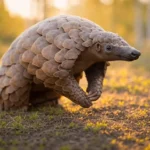

Meet the Hyracoidea: Africa’s Understated Rock Stars
Have you ever considered the tiny creatures that truly defy expectation in the animal kingdom? Forget the flashy and big predators for a moment. Today, we’re diving into the world of one of Africa’s most unassuming mammals: the hyrax, belonging to the scientific order Hyracoidea.
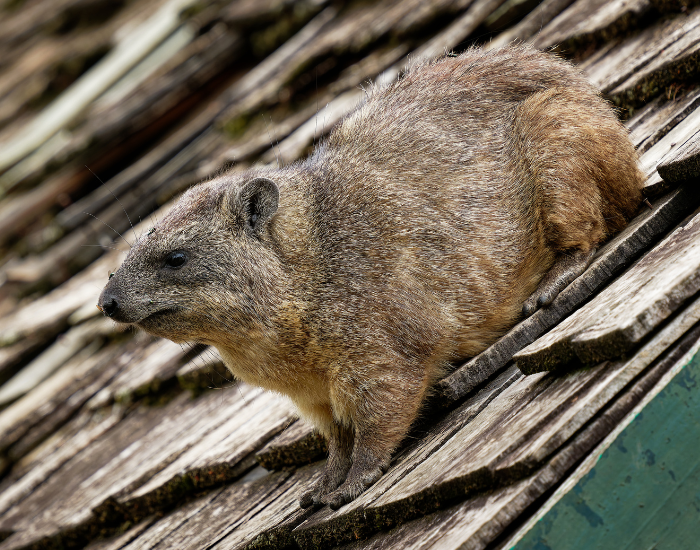
Rock hyraxes are often mistaken for large rodents. In fact, their appearance is often compared to a large guinea pig, with a small, rounded body and short ears, which helps explain why people confuse them with rodents. However, this comparison misses their true evolutionary story. These furry, herbivorous mammals are common across parts of Africa and the Middle East. In particular, the rock hyrax (Procavia capensis) thrives in these regions.
Therefore, looking at a rock hyrax animal sunbathing on a boulder and seeing just a “rock rabbit” means missing an evolutionary masterpiece. These critters hold the key to some of the most surprising twists in Earth’s biological history.
Ready to have your mind blown by these remarkable “dassies”? Let’s explore the world of rock hyraxes and uncover 12 incredible secrets about this small but mighty beast.
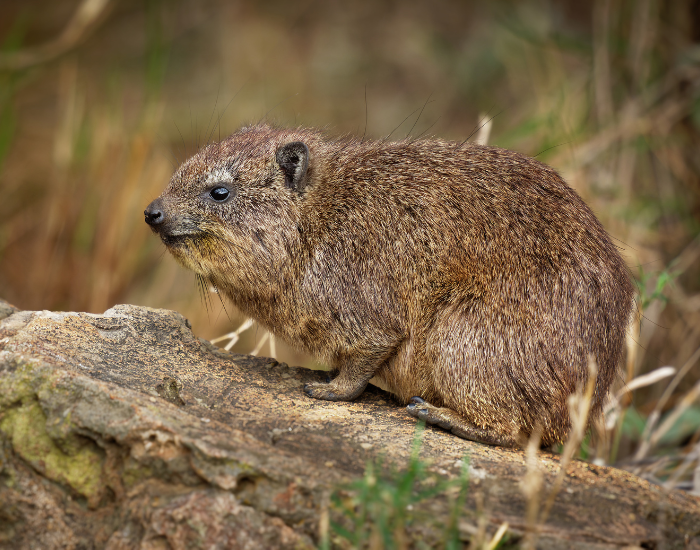
1. The Shocking Truth: Rock Hyraxes Are NOT Rodents
This is the number one question people ask. It’s also the most important misconception to dispel right away.
Rock hyraxes, despite their short ears and stocky body, are definitively not rodents. Moreover, they’re not lagomorphs either. The small mammals of the order Hyracoidea have their own ancient lineage that stretches back millions of years.
In addition to their tusk-like incisors, hyraxes share notable similarities in skull structure with elephants. Both animals have comparable features in their skulls, such as the arrangement of teeth and adaptations related to their diet and evolutionary lineage.
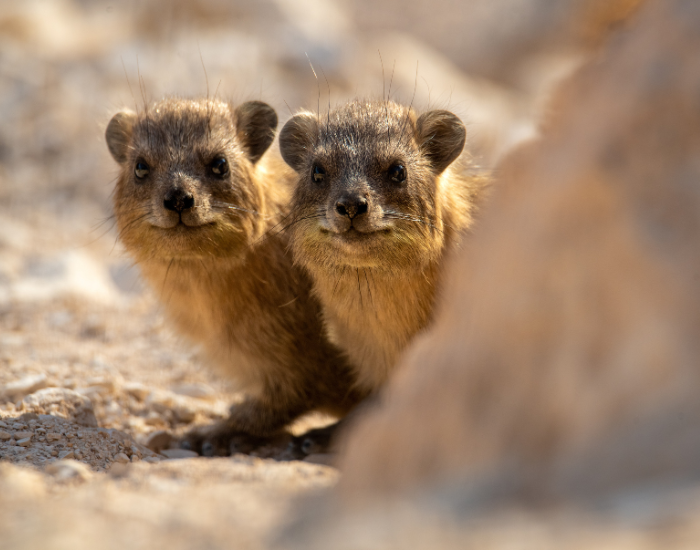
The Evolutionary Twist: Elephants Are Their Closest Relatives
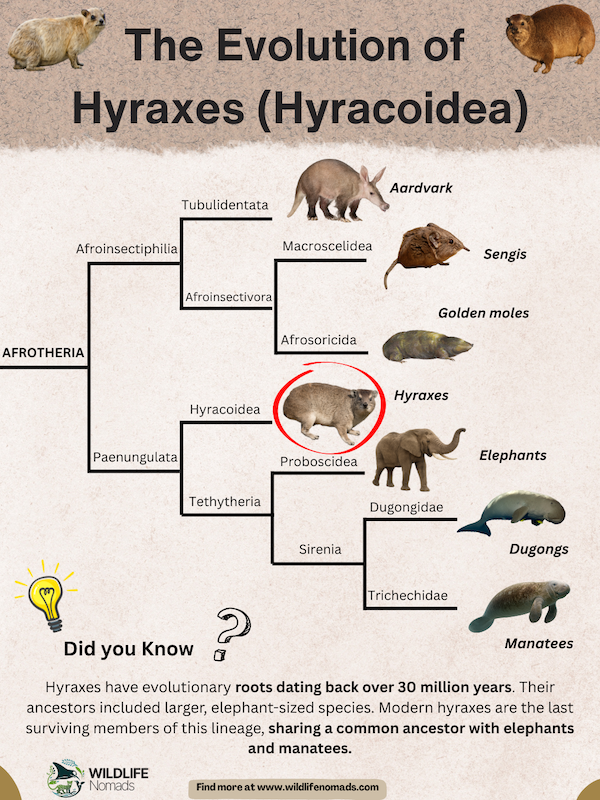
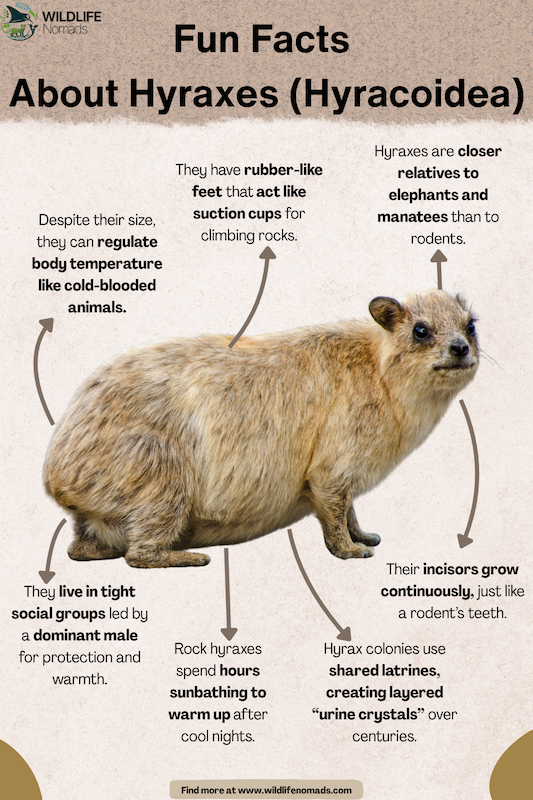
So, if rock hyraxes aren’t rodents, what are they? Prepare yourself for this revelation: the hyrax’s closest living relatives are elephants (Proboscidea) and manatees and dugongs (Sirenia).
Shared Ancestry
Rock hyraxes belong to a superorder of mammals called Afrotheria. This group originated in Africa millions of years ago. Consequently, all members share deep genetic connections despite their vastly different appearances.
Physical Similarities
Believe it or not, rock hyraxes and elephants share anatomical features:
Tusk-like Incisors: Rock hyraxes have two large incisor teeth that grow continuously. These resemble miniature tusks, similar to their colossal cousins. In fact, these tiny tusks are a defining feature of the hyrax family.
The evolutionary journey connecting these vastly different creatures is stunning. In addition, this comparison powerfully reminds us that looks can be deceiving in nature. The rock hyrax procavia capensis carries the genetic signature of giants within its compact frame.
2. Rock Hyraxes Have Gravity-Defying Feet
The nickname “dassie” (Afrikaans for “rock badger”) is commonly used in Southern Africa. Their amazing climbing ability is key to their survival in rocky areas.
The feet of rock hyraxes are one of the most remarkable features of Hyracoidea. Their forefeet have four toes, each with stumpy toes and hoof-like nails, which are specialized for gripping rocky surfaces. These adaptations make them excellent at rock climbing, allowing them to navigate sheer, rocky surfaces and vertical cliffs with ease.
3. Hyrax Species: The Full Lineup
The order Hyracoidea is less species-rich than you might think. However, its members are diverse in lifestyle and habitat preferences.
Five Living Hyrax Species
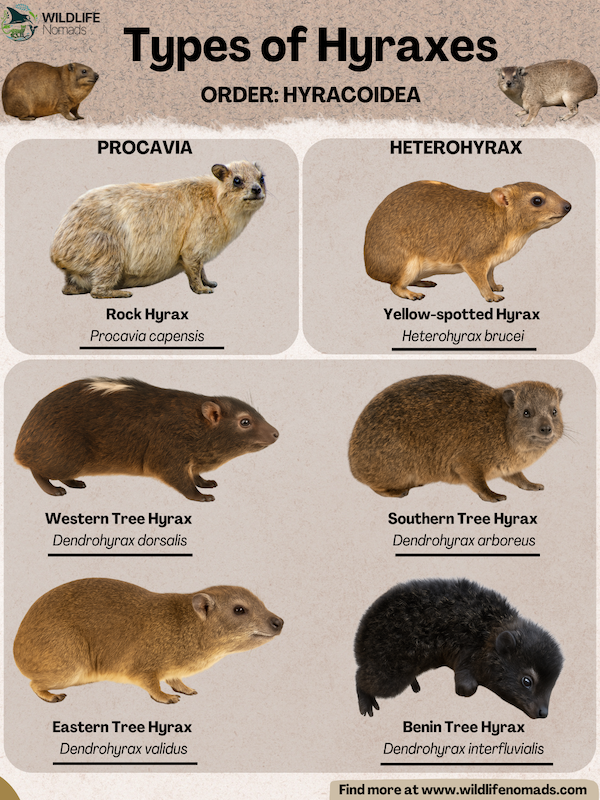
There are currently five recognized living species. All belong to the family Procaviidae, grouped into three genera:
Procavia capensis (The Rock Hyrax or Cape Hyrax): This is the most widespread species. Also known as the cape hyrax, it is found throughout southern Africa and the Arabian Peninsula. Rock hyraxes thrive in open, rocky habitats across sub-Saharan Africa and the Arabian Peninsula. Consequently, they’re the most studied members of the hyrax family.
Heterohyrax brucei (The Yellow-spotted Hyrax or Bush Hyrax): This species often coexists with rock hyraxes on the same rocky outcrops. However, the bush hyrax tends to occupy slightly different microhabitats. Group members of both species sometimes intermingle during feeding times.
Dendrohyrax Species (The Tree Hyraxes): This genus includes several forest-dwelling, mostly nocturnal species:
- Southern Tree Hyrax (D. arboreus) — Found across eastern and southern Africa’s forests and woodlands.
- Western Tree Hyrax (D. dorsalis) — Inhabits West and Central African rainforests.
- Eastern Tree Hyrax (D. validus) — Restricted to coastal forests of East Africa, including Tanzania and Kenya.
- Benin Tree Hyrax (D. interfluvialis) — A newly described species (2022), found in the forests between the Niger and Volta Rivers in West Africa. It is distinguished by its unique calls and subtle skull differences.
In southern Africa, the rock hyrax’s scientific name is often associated with the local term “dassie.” Therefore, the terms rock hyrax, Cape hyrax, and rock dassie refer to the same animal in common usage.
4. Why Do Rock Hyraxes Scream? Complex Communication
If you’ve ever been near a rocky outcrop in Africa at dusk, you might have heard what sounds like a blood-curdling scream. Don’t worry—it’s usually just rock hyraxes communicating.
The famous, loud, repeated calls of rock hyraxes serve several critical purposes. In particular, the bush hyrax is known for its distinct “waa-waa” call that echoes across rocky landscapes.
Functions of Hyrax Calls
Alarm Calls: Loud, high-pitched barks and shrieks warn the colony of predators. These alerts protect group members from threats like eagles, leopards, or snakes. Consequently, the immediate retreat of rock hyraxes to their rock crevices demonstrates the effectiveness of this warning system.
Territorial Markers: Rock hyraxes use calls to advertise territory. In particular, the dominant male makes these announcements regularly. Therefore, rival males understand which areas are claimed.
Vocal Signatures: A fascinating study on rock hyrax procavia capensis calls was published where researchers revealed that male calls contain rich information about social status, body size, and stress hormones. In essence, it’s like a detailed biological LinkedIn profile delivered at high volume.
These complex vocalizations demonstrate the sophisticated social structure of rock hyraxes. Adult females and adult males both participate in this communication system, though males are typically more vocal.
5. Rock Hyraxes Are Nature’s Little Solar Panels
One of the most essential characteristics of rock hyraxes is their unique approach to thermoregulation. The Hyracoidea order exhibits what scientists call “imperfect endothermy” or behavioral thermoregulation.
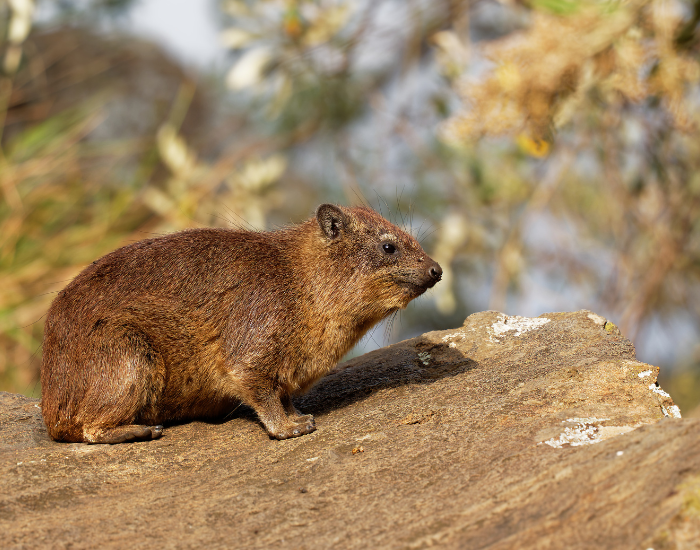
Rock hyraxes are often seen sunbathing on rocks in the early morning or late afternoon, using the sun’s warmth to regulate their body temperature. They also huddle together in groups to conserve heat during cooler periods.
In fact, rock hyraxes spend a significant portion of their daily activity pattern as time resting or basking in the sun, just like cold blood animals (for example amphibians or crocodiles). This resting behavior is crucial for thermoregulation, predator avoidance, and social interactions.
6. What is a Rock Hyrax in the Bible? The “Coney” Mystery
For those wondering about biblical references, the answer lies in ancient observation and translation.
Biblical References to Hyraxes
The animal referred to as the “coney” (or “shaphan” in Hebrew) in certain English Bible translations is widely believed to be the rock hyrax. These passages appear in Leviticus 11:5 and Proverbs 30:26.
The biblical text classifies the coney as an animal that “cheweth the cud, but divideth not the hoof.” This led to the misconception that rock hyraxes are ruminants. However, modern science proves this is not accurate.
The Scientific Truth
The Misconception: The error likely arose because rock hyraxes often move their jaw in a rhythmic, chewing motion. This happens even when they’re not eating. Therefore, ancient observers may have believed they were chewing cud.
The Scientific Fact: Rock hyraxes are hindgut fermenters with a complex, multi-chambered stomach. However, they are not true ruminants that chew cud. Their digestive system processes tough vegetation differently than cattle or sheep.
The biblical passage also correctly identifies hyraxes as “feeble folk” that “make their houses in the rocks.” This perfectly describes the small, social Hyracoidea seeking shelter in their natural rocky habitat. Indeed, rock crevices provide essential protection for these vulnerable mammals.
7. The Dorsal Gland: A Secret Chemical Weapon
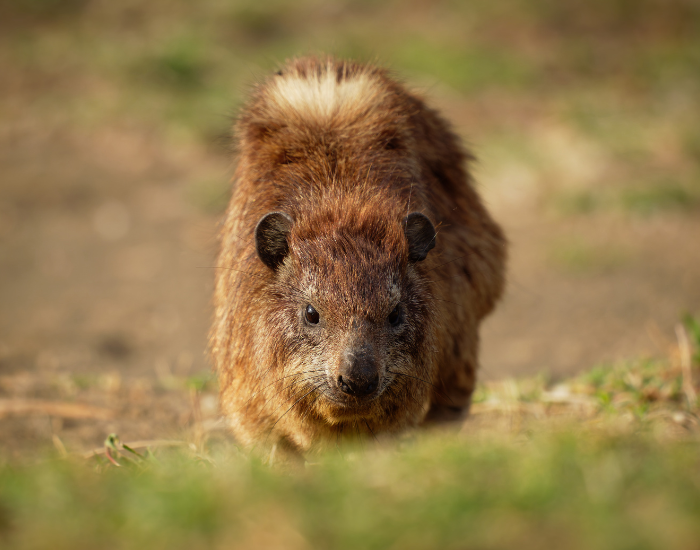
If you look closely at an adult hyrax’s back, you’ll spot something unusual. There’s a patch of longer, distinctively colored hair, often black or yellow. This covers an organ known as the dorsal gland. Rock hyraxes use this gland to mark rocks and trees, depositing scent as a way to communicate and establish territory within their colonies.
8. Where Do Rock Hyraxes Live? The Ultimate Survivor Habitat
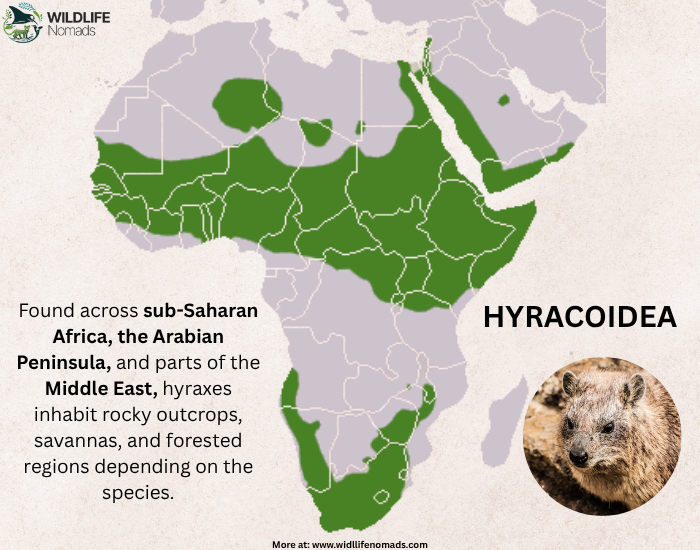
The rock hyrax Procavia capensis has a remarkably wide distribution. Their range extends from the Cape of South Africa all the way up into the Arabian Peninsula and the Middle East. In southern Africa, they are also commonly known as rock dassies, a name that reflects their local significance and cultural references. Rock hyraxes, or rock dassies, are often found inhabiting rocky outcrops, where they utilize rock shelters that provide protection from predators and harsh weather conditions.
The survival of rock hyraxes hinges on a single environmental feature: rocks. Without suitable rocky formations, populations cannot establish themselves.
Rocky Outcrops (Kopjes): These isolated granite and sandstone formations offer a network of protective spaces. Rock crevices, caves, and overhangs provide shelter from predators and harsh weather. Consequently, these areas support the highest densities of rock hyraxes.
Mountain Cliffs: Rock hyraxes are adept high-altitude climbers. In fact, they’re found at elevations up to 4,200 meters (about 14,000 feet) above sea level. Mount Kenya hosts thriving populations at these extreme heights.
Urban Adaptability: Surprisingly, rock hyraxes have adapted to urban environments. They often make homes in rock walls, drainage pipes, and gaps under buildings.
9. Diet: Rock Hyraxes Are Efficient, Speedy Grazers
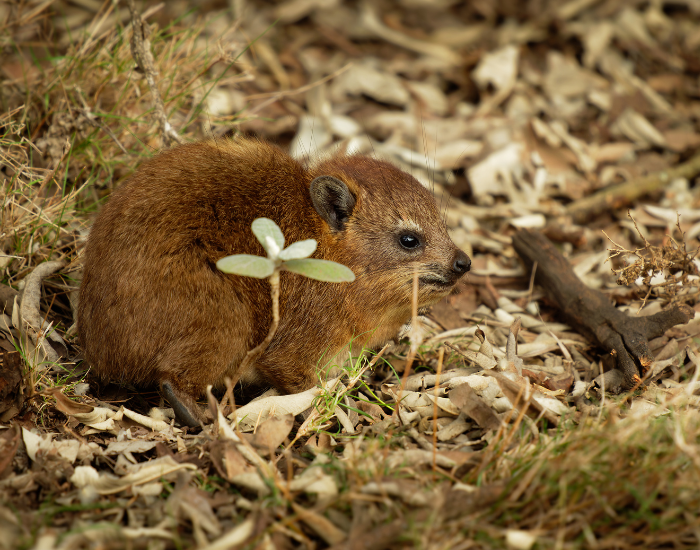
As herbivores, rock hyraxes have adapted to a challenging vegetarian lifestyle in often-arid environments. During the wet season, their diet consists mostly of grass, which becomes their primary food source when it is abundant. When the grass dries out, they switch to eating fruits and leaves. Rock hyraxes consume a variety of plant species, including Lobelia, citrus leaves, and other regional flora, reflecting their flexible foraging behavior.

10. Social Structure: The Dominant Male and His Harem
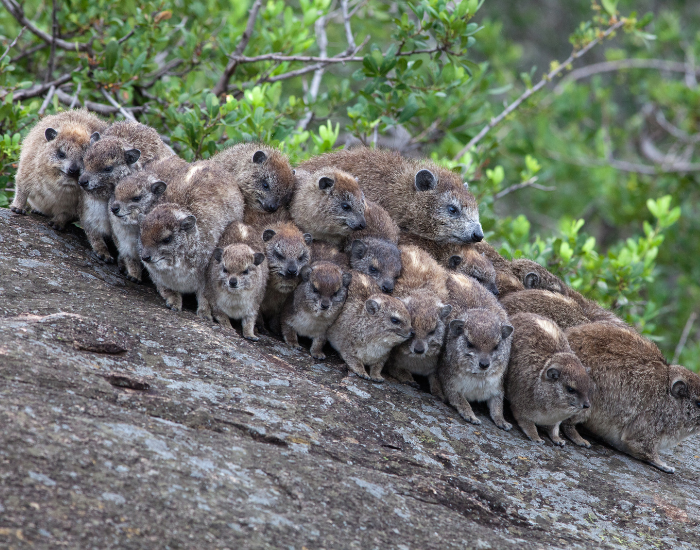
Rock hyraxes are intensely social animals. The basic family unit consists of an adult male, several adult females, and their offspring, forming the core social structure within the colony. They live in colonies that can range from a few individuals up to 80 members, and these large colonies demonstrate complex social organization. However, a more typical, cohesive unit contains about 10-20 individuals.
Colony Organization
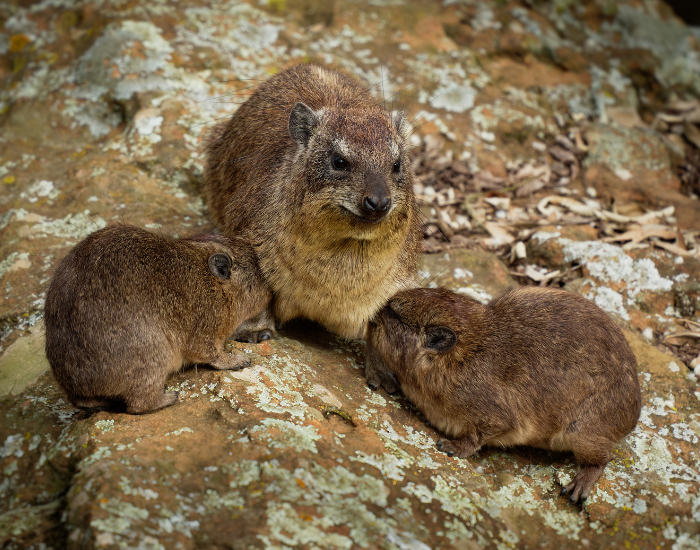
The Harem: The core of any rock hyrax colony is a harem structure. Several related adult females and their young form the foundation. Typically, a single territorial male rules this group. This dominant male is responsible for defending the territory against rival males. Therefore, he must constantly assert his dominance to maintain breeding rights.
Family Bonds: Adult females within the colony are highly philopatric. This means they stay in their birth group throughout their lives. Consequently, this reinforces familial and social ties across generations. In addition, female rock hyraxes practice communal babysitting. Group members share responsibility for watching young hyraxes while mothers forage.
Bachelor Groups: Peripheral males who don’t control harems often form bachelor groups. These groups typically occupy the edges of established territories. Furthermore, young males eventually leave their birth colonies to join these bachelor groups. They wait for opportunities to challenge territorial males and establish their own harems.
Vigilance System: The colony’s safety is a group effort among all members. Individual rock hyraxes take turns as sentries, watching for threats from high lookout points. This “safety in numbers” strategy is crucial for survival. Predators like Verreaux’s Eagles rely heavily on rock hyraxes for food. Therefore, constant vigilance by group members is essential.
11. Rock Hyrax Reproduction: A Marathon Pregnancy
For a small mammal, rock hyraxes have an unexpectedly long gestation period. This is another similarity they share with their massive relatives, the elephants. Adult hyraxes reach reproductive maturity after attaining adult size and sufficient body weight, which typically occurs around 16 to 18 months of age. During early development, juvenile hyraxes consume hyrax poop to acquire essential gut bacteria needed for digesting plants, supporting their growth until they reach adult size. Adult hyraxes play key roles in social structure, territoriality, and mating within their colonies.
12. Are Rock Hyraxes Aggressive? Understanding Their Behavior
The question of aggression in rock hyraxes requires nuanced understanding. Generally, they are not aggressive towards humans unless they feel trapped or threatened. Rock hyraxes are shy and wary of people and predators under normal circumstances.
Male Rivalry: During the breeding season, the male rock hyrax displays territorial behavior, often engaging in vocalizations and using their larger tusks in disputes with rivals to compete for mates.
Self-Defense: When threatened by predators, hyraxes rely on their agility and ability to hide in crevices, but predators can inflict fatal wounds during attacks, highlighting their vulnerability despite their defensive behaviors.
Conservation Status
In terms of conservation, the rock hyrax procavia capensis is currently listed as Least Concern on the IUCN Red List. This is encouraging news. The population remains stable with no major immediate threats to the species as a whole.
However, local populations of rock hyraxes can face significant challenges:
Predation Pressure: Rock hyraxes are a crucial food source for large birds of prey. In particular, Verreaux’s Eagles depend heavily on them. Land predators like leopards and pythons also hunt rock hyraxes regularly. Therefore, predation significantly impacts population dynamics in certain areas.
Conservation Efforts: Organizations like the African Wildlife Foundation work to protect rock hyrax populations. They focus on habitat protection and restoration efforts. In addition, conservation tourism initiatives provide economic incentives for local communities to protect these animals. Furthermore, education and outreach programs raise awareness about the importance of conserving African mammals, including rock hyraxes.
FAQ: Answering Your Rock Hyrax Questions
Hyracoidea is the scientific order of small, herbivorous mammals found in Africa and the Middle East. Commonly known as hyraxes or dassies, this order contains a single living family, Procaviidae. The hyrax family includes six distinct hyrax species adapted to various habitats.
No, rock hyraxes are definitively not rodents. Despite superficial similarities, they belong to an entirely different evolutionary lineage. Genetically and anatomically, rock hyraxes are more closely related to elephants (Proboscidea) and manatees (Sirenia) than to any rodent species.
While rock hyraxes may look cute, they are wild animals with complex needs. They have demanding social and environmental requirements that are difficult to meet in captivity. Furthermore, rock hyraxes can be aggressive when threatened. Their unique diet and waste management make them unsuitable and often illegal as pets. They belong in their natural rocky habitat where they can thrive.
Yes, they are identical! “Dassie” is the common Afrikaans name used in Southern Africa for the rock hyrax. The term “klipdassie” literally means “rock badger.” Therefore, “dassie,” “rock hyrax,” and “rock dassie” all refer to the same animal: Procavia capensis.
Appreciating the Miniature Animals
The Hyracoidea truly represents a marvel of evolution. These small, social, sun-loving creatures carry the surprising genetic signature of giants. Often dismissed as mere rock rabbits, rock hyraxes embody millions of years of specialized adaptation.
The next time you encounter rock hyraxes—or see a picture of one sunning itself on stone—take a moment to appreciate their remarkable evolutionary journey. From their specialized feet with sweat glands to their deep connection with elephants, these animals demonstrate nature’s creativity.
Further Reading:
- 10 Facts About the Fascinating World of the Jerboa
- Wild at Heart: 12 Fascinating Facts About the Caracal
- Top 10 Facts You Need to Know About Black-Footed Cats