
The Barbary lion once roamed the Atlas Mountains of North Africa with a majesty that captivated ancient Romans and North African sultans alike. Today, this subspecies exists only in captivity, leaving behind a legacy of mystery.
As someone who has dedicated years to studying strange wildlife, from the elusive Okapi, to the prehistoric look of the Saiga antelope, and the hippy chimps: the Bonobos of the Congo, I find the story of the Atlas lion particularly compelling. These weren’t your typical savanna-dwelling lions. They were mountain kings adapted to a cooler, more rugged environment than their sub-Saharan cousins.
Let’s explore the history, biology, and current status of one of the most legendary big cat from Africa’s wild cats.
1. The Barbary Lion is Extinct in the Wild
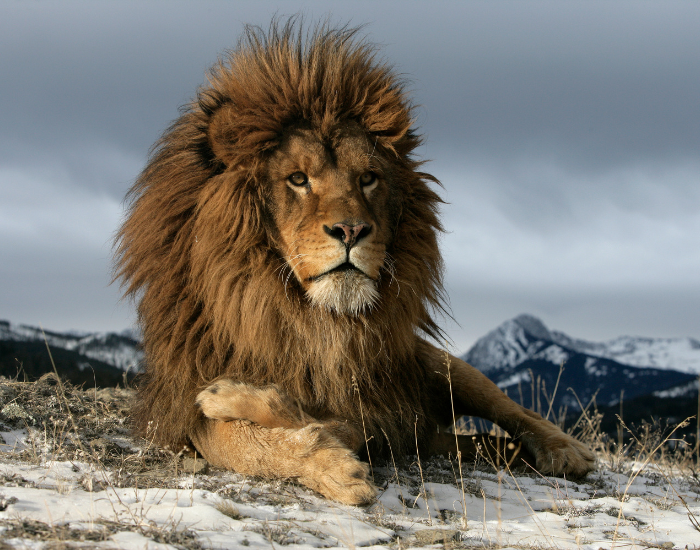
The wild Barbary lion disappeared from North Africa in the mid-20th century. Sighting records revealed that small populations may have persisted longer than previously thought. The last confirmed sighting occurred in 1942, which was the last recorded shooting of a wild Barbary lion near Tizi n’Tichka in the Moroccan part of the Atlas Mountains. However, some wildlife researchers believe small populations survived in remote Algerian forests until the early 1960s.
Human expansion gradually destroyed their natural habitat. Colonial hunters sought them as trophies. Local communities killed them to protect livestock. The Barbary lion was eradicated following the spread of firearms and bounties for shooting lions. By the 1920s, the wild Barbary lion population had already diminished to critically low numbers.
The Barbary lion was considered a distinct lion subspecies until 2017.
2. Barbary Lions Were Massive Predators
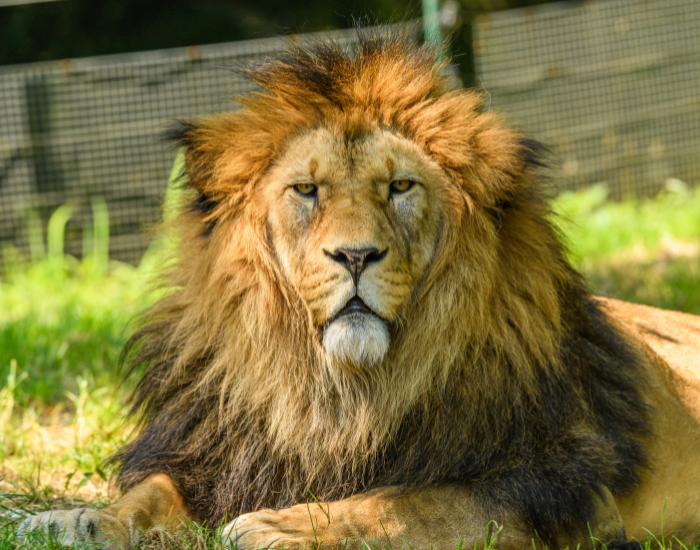
The Barbary lion earned its reputation as one of the largest lion subspecies ever recorded. Adult male lions could reach impressive sizes that rivaled the largest modern African lions.
Historical hunter accounts from the 19th century claimed males weighed between 270 to 300 kg (approximately 600 to 660 pounds). However, modern scientists consider these field measurements questionable. More reliable museum specimens suggest adult male lions probably measured 2.3 to 2.8 meters (7.5 to 9.2 feet) in total length. Most likely, an adult male Barbary lion weighed around 230 kg (500 pounds), similar to large male lions from East Africa,a region significant in lion evolution and genetic diversity.
In contrast, smaller African predators like cheetahs, servals, and sand cats evolved very different body plans, prioritizing speed, stealth, or desert survival over raw strength.
These lions developed robust builds suited for mountainous terrain. Their powerful forelimbs helped them navigate rocky slopes. Unlike savanna lions that chase prey across flat grasslands, Atlas lions ambushed prey in rugged landscapes.
3. Their Dark Manes Made Them Instantly Recognizable
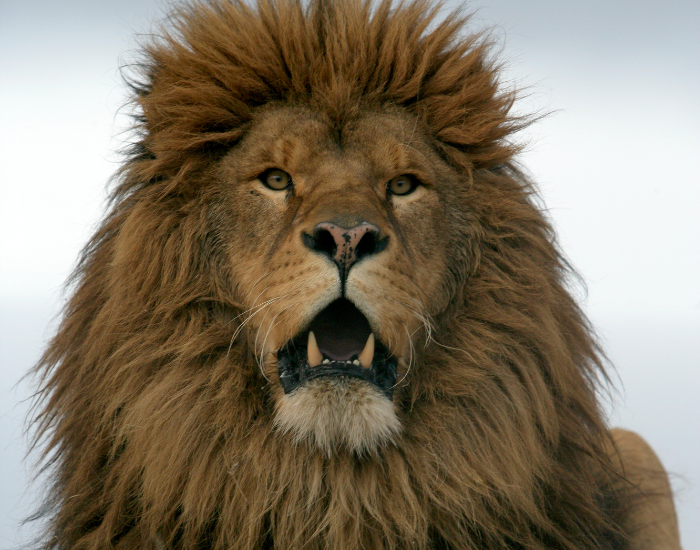
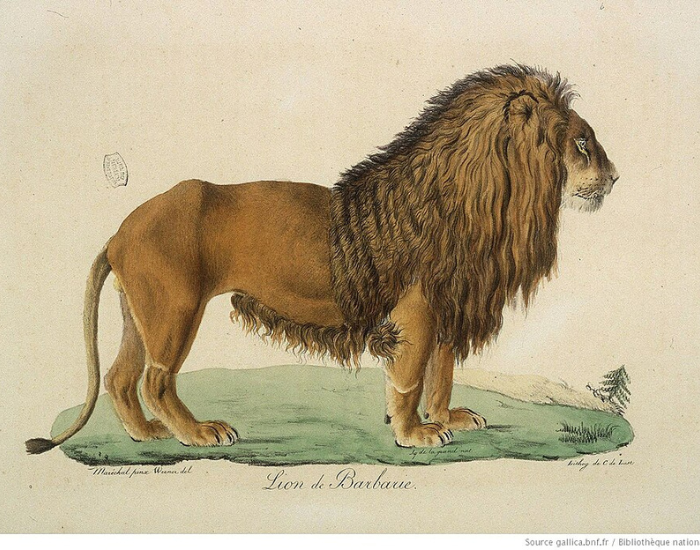
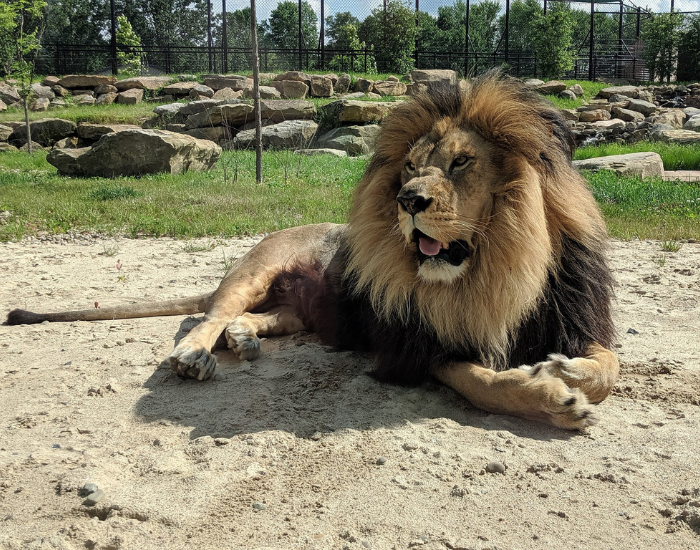
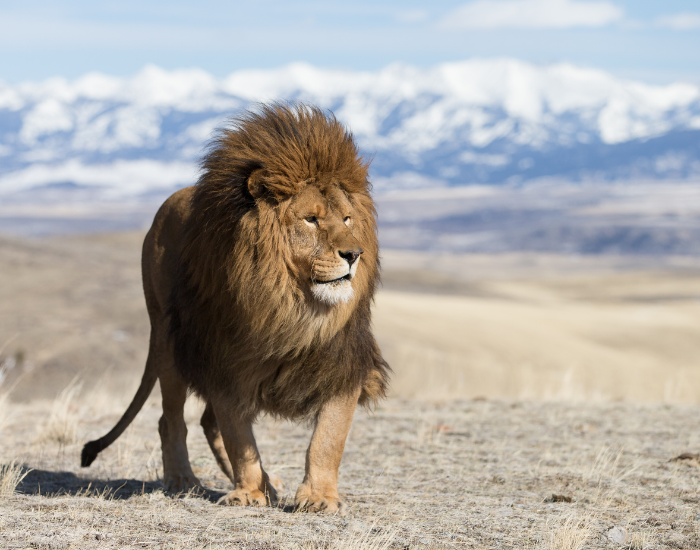
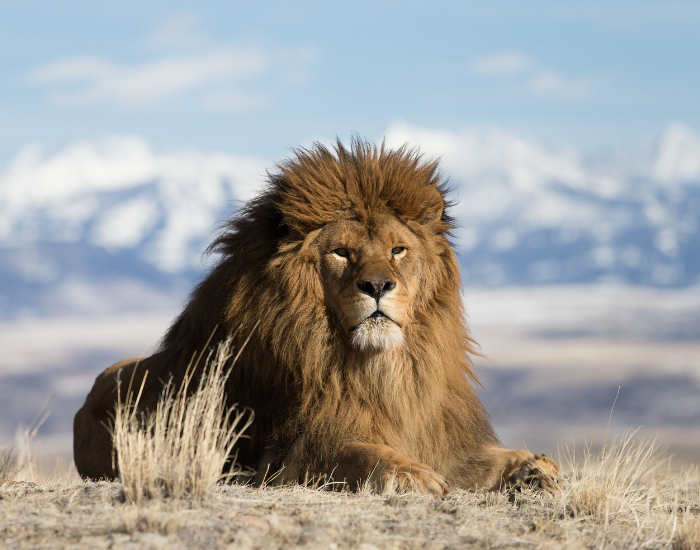
The most distinctive feature of male Barbary lions was their extraordinary dark lion manes. The Barbary lion was known for its long and dark mane that extended to its shoulders and belly, which was an adaptation to colder winter temperatures. These manes extended well beyond the head and neck. They often covered the shoulders, chest, and belly.
The dark coloration ranged from deep brown to nearly black. Some people called them “black lions” because of this dramatic appearance. The dense mane likely served multiple purposes in the cooler mountain climate.
Scientists debate whether genetics or environment primarily influenced mane development. Research suggests both factors played important roles. The cold winters of the Atlas Mountains may have encouraged fuller mane growth compared to warmer African regions.

4. Roman Gladiatorial Games Decimated Early Populations
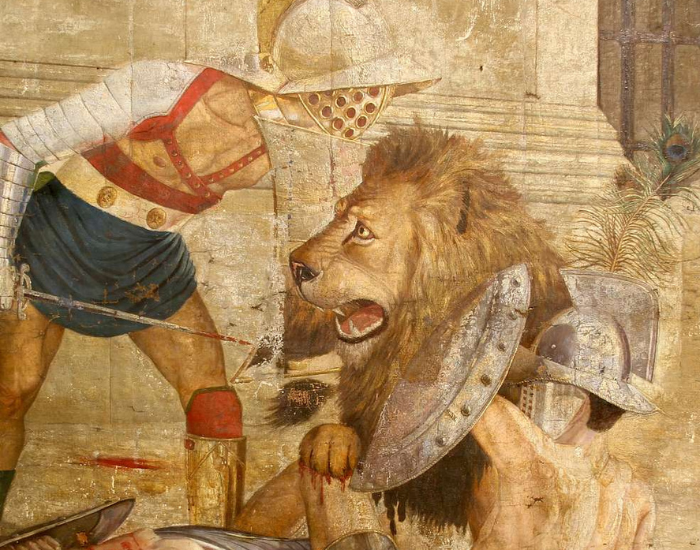
Long before modern extinction, Barbary lions faced a devastating threat from ancient Rome. The Roman Empire captured thousands of North African lions for gladiatorial games. These events took place in arenas across the empire, with the Colosseum being the most famous venue.
Historical records indicate Romans transported lions from Carthage and other North African ports. The scale of extraction was enormous. Some estimates suggest tens of thousands of wild animals, including many lions, died in these spectacles.
This early pressure fragmented lion populations centuries before firearms arrived. The genetic impact alone was significant. It reduced breeding diversity across the Barbary Coast long before the final extinction push.
5. Morocco’s Royal Menagerie Preserved a Lineage
Why is Morocco called the Atlas Lions? The answer connects to both the national football team and a royal conservation effort. For centuries, the Barbary lion was a primary symbol of royal power, with Moroccan sultans and kings keeping them in royal menageries to symbolize authority. Moroccan sultans maintained private lion collections for centuries.
Tribes would present captured lions to the Moroccan sultan as gifts of loyalty. These Moroccan lions formed a royal captive collection, which became an unexpected sanctuary. When wild populations collapsed, this captive collection represented the only remaining genetic reservoir and has played a significant role in conservation and genetic studies.
Today, the Rabat Zoo in Morocco houses descendants of these royal Moroccan lions. European zoos in Belfast and London also maintain populations believed to have Barbary ancestry. However, determining pure bloodlines remains challenging after decades of captive breeding.
6. They Lived in Small Family Groups
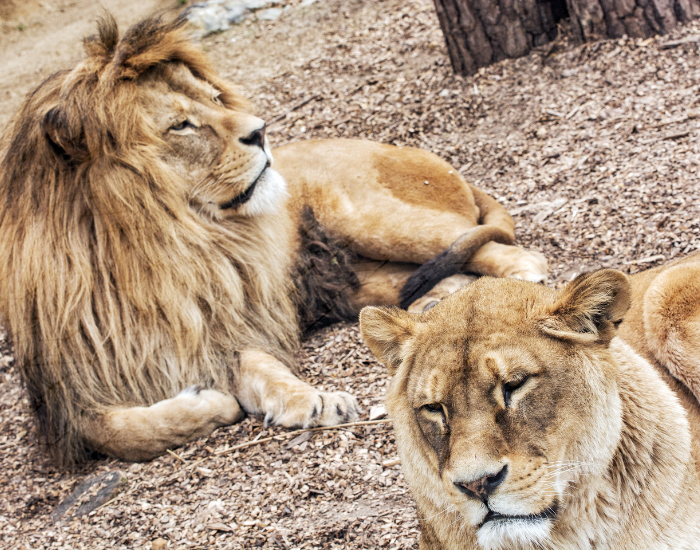
Unlike the large prides common in sub-Saharan Africa, Barbary lions formed smaller social structures. The mountainous terrain and scattered prey distribution influenced this behavior.
Wildlife researchers studying historical records found Atlas lions often traveled in pairs or small family groups. A typical unit might include an adult male, one or two females, and their cubs. This contrasted sharply with Serengeti or Masai Mara prides that sometimes contain 20 or more lions.
The Atlas lion’s social behavior adapted to their environment. Hunting strategies differed from plains lions. They relied more on ambush tactics in rocky terrain than long-distance pursuits across open ground.
7. Conservation Efforts Focus on Captive Populations
Several European museums and natural history institutions preserve Barbary lion specimens. These collections provide valuable genetic and morphological data. Scientists use museum specimens to study skull structure, bone density, and other physical characteristics.
Cat specialists and wildlife research organizations now coordinate breeding programs. The goal is maintaining genetic diversity among captive populations. Conservation efforts include maintaining a studbook of lions believed to be descendants of the Barbary lion in captivity, which are managed as part of a captive collection. Some experts propose selective breeding to enhance Barbary characteristics in zoo lions.
An ambitious atlas lion project aims for eventual reintroduction. This would require extensive habitat restoration in Morocco’s Atlas Mountains. Local communities would need support to coexist with large predators again.
8. They Hunted Different Prey Than Savanna Lions
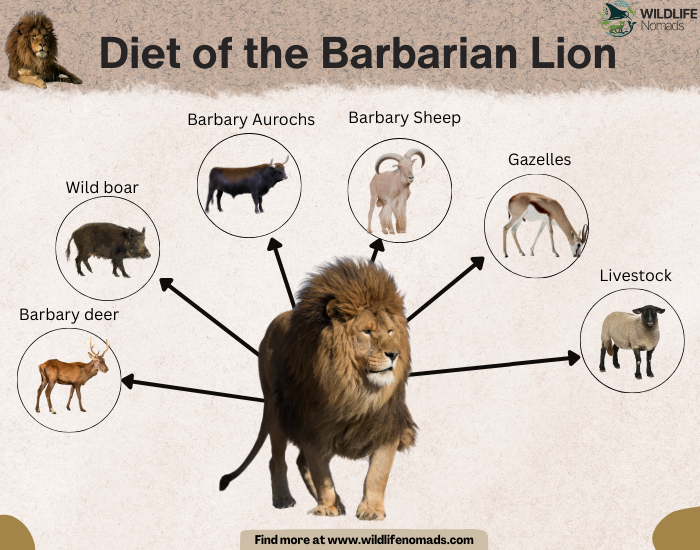
The Barbary lion’s diet reflected its mountain habitat. Instead of wildebeest, giraffes, and zebras, these lions hunted Barbary sheep, deer, wild boars, and they were occasional scavengers. The Barbary stag represented a significant prey species before it also faced extinction pressures.
Northern subspecies of antelope also featured in their diet. During winter months, prey became scarcer. Lions likely supplemented their diet with smaller mammals. They would occasionally raid livestock, bringing them into conflict with human settlements.
Archaeological evidence from lion hunt sites reveals varied prey remains. This adaptability helped Barbary lions survive in diverse habitats across North Africa. However, as human activities reduced prey populations, lions had fewer resources.
9. They Adapted to Mediterranean Climate
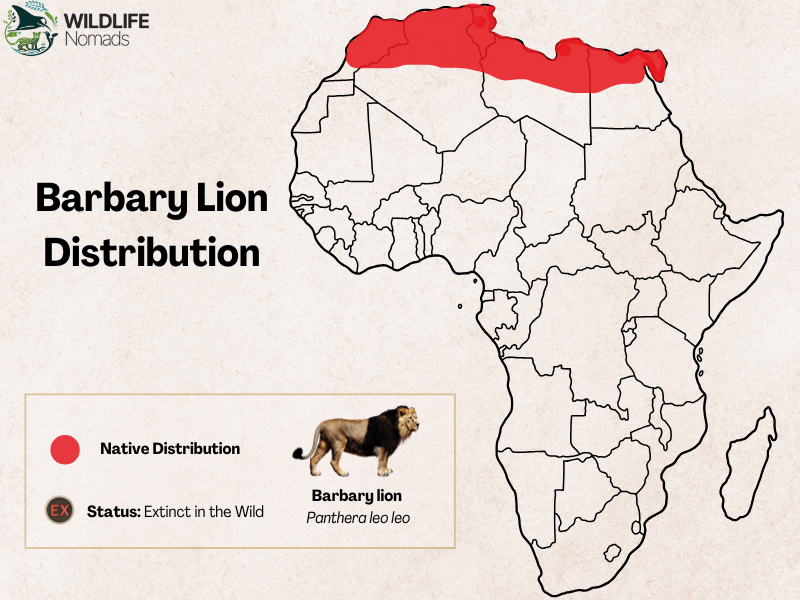
These lions once ranged across the entire Barbary Coast. The Barbary lion, also known as the Egyptian lion in some historical accounts, was found throughout Northern Africa, including Morocco, Algeria, Tunisia, Libya, and Egypt. National borders influenced their distribution and conservation, as political changes and territorial boundaries affected their habitat range and movement. The Atlas Mountains served as their primary stronghold.
Most people associate lions with hot African savannas. The Barbary lion lived in a dramatically different environment, specifically adapting to Morocco’s Atlas Mountains. The Atlas Mountains experience cold winters with snowfall. Summer temperatures remain moderate compared to the Sahara.
This climate influenced multiple aspects of lion biology. Beyond the famous dark mane, these lions developed thicker coats. Their metabolism adjusted to seasonal temperature fluctuations. During winter, they conserved energy when prey was less abundant.
The Mediterranean forests and scrublands of North Africa, including those in Morocco’s Atlas Mountains, provided cover and water sources. These lions inhabited an ecological niche distinct from other African lions. Some scientists consider them uniquely adapted to temperate rather than tropical conditions. You can find more about Africa’s Ecosystems in our ebook!
10. The Genetic Link to Asiatic Lions
Genetic testing of captive lions has revealed complex ancestry. Many animals show mixed heritage from different lion subspecies, including comparisons with lions from central and west Africa in genetic studies. However, some individuals display genetic markers consistent with historical Barbary populations.
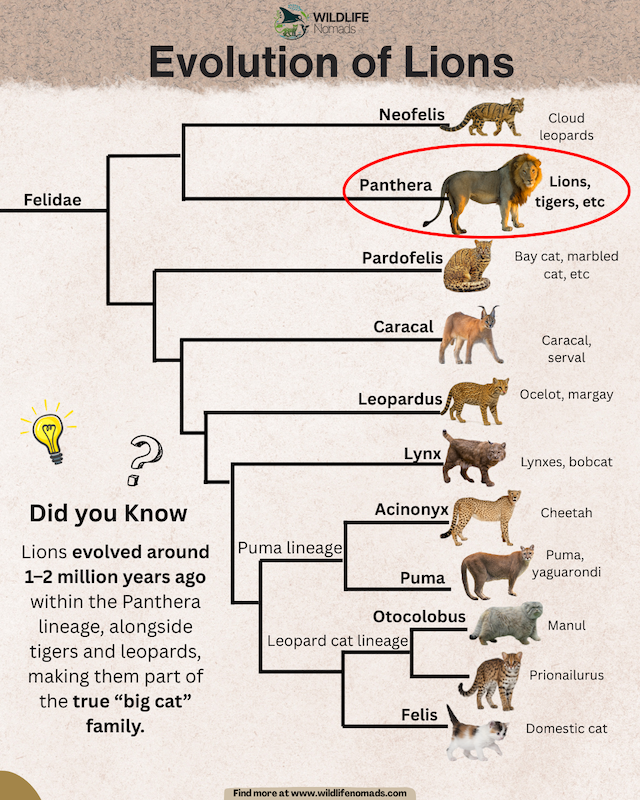
Lions belong to the Panthera lineage, the group of “true big cats” that evolved the ability to roar. This lineage includes lions, tigers, leopards, and jaguars, and split early from smaller cat groups like cheetahs, caracals, and domestic cats.
Current genetic studies have revealed something fascinating: the Barbary lion and the Asiatic lion are so closely related that they belong to the same subspecies group. This connection helps us understand lion evolution and provides a potential roadmap for using Asiatic lion data to help conserve the remaining Barbary descendants.
The cat classification task force continues evaluating zoo lions. They use DNA analysis combined with physical measurements. Some experts consider Barbary lions and Asiatic lions to belong to the same subspecies, Panthera leo leo, due to their genetic similarities. The goal is identifying animals most likely to carry authentic Barbary genetics. These specimens become priorities for breeding programs focused on conservation.
11. They May Return to the Wild Someday
Despite being extinct in the wild, hope remains for Barbary lion reintroduction. Conservation organizations have proposed releasing captive-bred lions into protected areas, with the goal of reestablishing wild lions in their natural habitat. The Atlas Mountains could once again support wild lion populations if conditions allow.
The Atlas Lion Project was developed in the 1990s to reintegrate lions into the wild, but it has been on hold since then due to lack of funding and interest. However, NEW developments in recent conferences planned for 2025/2026 to evaluate reintroduction feasibility!
Several challenges must be addressed first. Habitat restoration requires protecting forests and preventing overgrazing. Prey species like Barbary deer and the Aoudad need population recovery. Local human communities must be willing partners in coexistence efforts.
Similar reintroduction programs with other species offer encouraging examples. The Arabian oryx returned to the wild after captive breeding. Large carnivore reintroductions in Europe, wolves in California, and snow leopards in Asia demonstrate feasibility. With sufficient resources and commitment, the roar of Atlas lions might return to North African mountains.

12. Their Legacy Lives in Modern Culture
The Barbary lion remains an enduring symbol of North African heritage and is often regarded as the ‘lion king’ in regional cultural symbolism, influencing popular iconography, including references in Disney’s ‘The Lion King.’ Morocco’s national football team proudly carries the “Atlas Lions” nickname, with supporters frequently wearing T-shirts featuring a lion’s face or donning lion suits to celebrate their team.
Ancient civilizations recorded these lions in art and literature. In Ancient Egypt, the lion-headed deity Sekhmet was venerated as a protector of the country. Roman historians wrote about their ferocity in arenas. Arab poets praised their nobility. Medieval European travelers described encounters with “black lions” in North Africa, and during medieval Europe, Barbary lions became the template for European heraldic lions, appearing on royal crests to signify kingship over nature.
Compared to other lions, the Barbary lion holds a unique place in both cultural and historical significance, standing apart from other lions across Africa due to its deep integration into North African identity. The situation in West Africa today mimics the historical decline and genetic isolation of lion populations in North Africa, with micro-populations facing similar threats and raising concerns about conservation and the importance of captive populations as genetic links.
Frequently Asked Questions About Barbary Lions
No wild Barbary lions remain alive today. They are extinct in the wild since the mid-20th century. However, captive populations in zoos potentially carry Barbary genetics. The Rabat Zoo and several European institutions maintain these descendants.
Barbary lions possessed distinctive dark manes extending over their shoulders and bellies. They were among the largest lion subspecies. These lions adapted to mountainous terrain and Mediterranean climates rather than tropical savannas. Their unique ecology set them apart from other African lions.
The Barbary lion’s range covered North Africa from Morocco to Egypt. The Atlas Mountains of Morocco and Algeria formed their primary habitat. They also inhabited forests and scrublands along the Barbary Coast. Some populations existed in Libya and northwestern Egypt.
Museum specimens show adult male Barbary lions measured between 2.3 to 2.8 meters (7.5 to 9.2 feet) in total length. Reliable estimates suggest they weighed around 230 kg (500 pounds). Historical hunter accounts claiming weights of 270-300 kg are considered exaggerated by modern zoologists.

The Path Forward for Atlas Lion Conservation
The story of the Barbary lion serves as both warning and inspiration. We lost a magnificent predator to unchecked hunting, habitat destruction, and ultimately, military conflict, its final demise is thought to be the result of the French-Algerian War. Yet the species’ genetic legacy persists in zoos and captive collections.
Modern conservation science offers tools our ancestors lacked. Genetic analysis can identify the most valuable breeding animals, especially among northern lions, which are crucial for maintaining the genetic diversity of lion populations in Northern Africa. Habitat restoration techniques could recreate suitable environments. Community-based conservation approaches might win local support for coexistence.
The remaining lions connect us to a vanished ecosystem. Northern Africa once supported not just lions but Barbary leopards, Atlas bears, and other megafauna. Most of these species are now extinct. The Barbary lion, as a representative of northern lions, offers our last chance to restore a piece of this lost wilderness.
Until then, we must preserve what remains and work toward that possibility.
See the closest living relatives!
Barbary lions are extinct in the wild, but their genetic cousins still roam Africa. As a biologist, I only recommend tours that follow strict ethical guidelines to ensure we don’t disturb wildlife. These are the three tours/ partners I trust most based on their conservation records:
This blog is reader-supported. When you buy experiences through links listed on this site, we may earn an affiliate commission.