
There are few places on Earth that leave an indelible mark on your soul quite like the African savanna.Tthe Masai Mara Africa experience is fundamentally different. It’s not just a collection of animals; it’s a theater of life played out on an epic, cinematic scale. Here, you are invited to explore the diverse wildlife, landscapes, and cultural experiences that make Masai Mara Africa truly unique.
If you’re planning a trip, you’re not just booking a holiday; you’re investing in a lifetime memory.
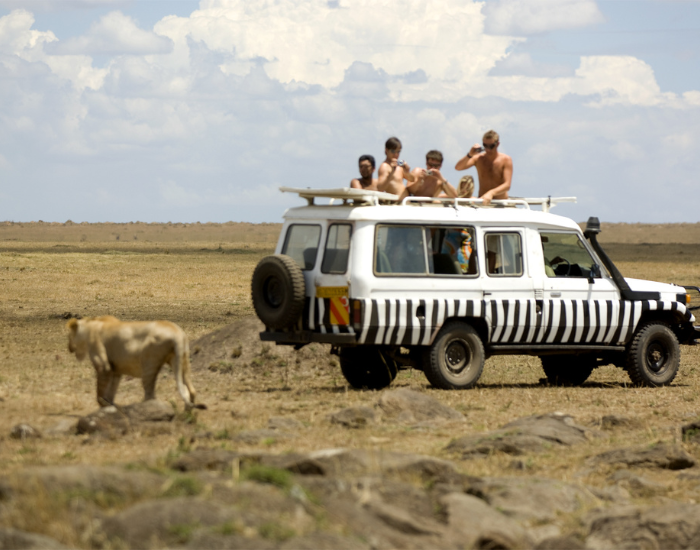
Get to Know The Masai Mara National Reserve: Why It’s the Heart of Africa
The Masai Mara National Reserve is in southwestern Kenya’s Narok County. It is a premier global destination for African wildlife and cultural immersion. This reserve is the most famous part of the sprawling Greater Serengeti Ecosystem. This ecosystem shares 25,000 square kilometers of protected land with Tanzania.
The Mara’s fame rests on three pillars:
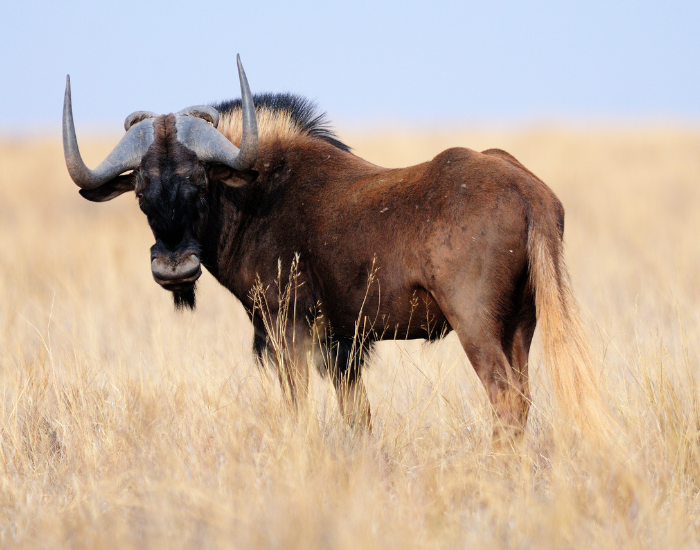
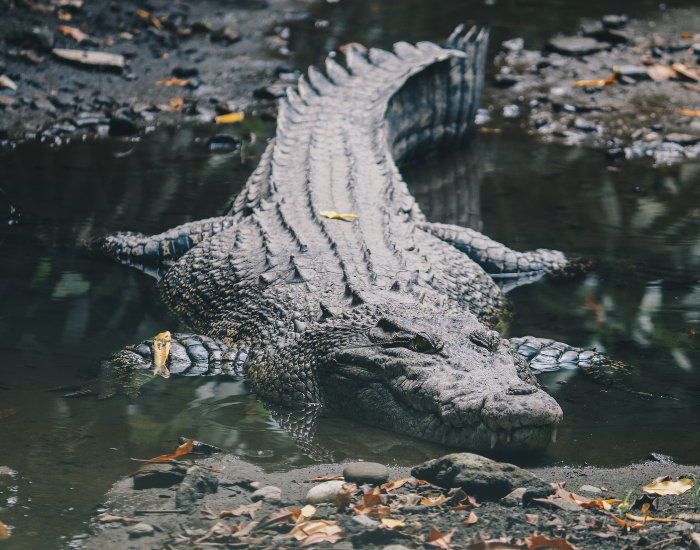
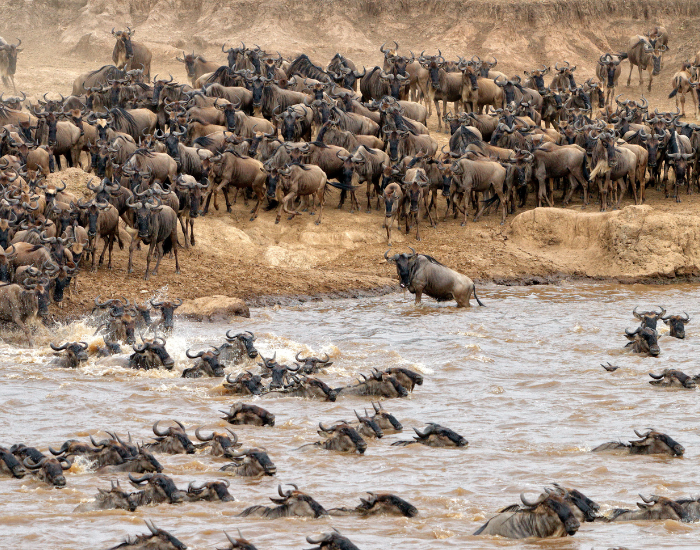
- The Great Wildebeest Migration: An annual, UNESCO-recognized natural spectacle where over two million wildebeest, zebra, and gazelles travel in search of grazing land, culminating in the dramatic, crocodile-infested crossings of the Mara River. It’s often called one of the Seven Natural Wonders of Africa.
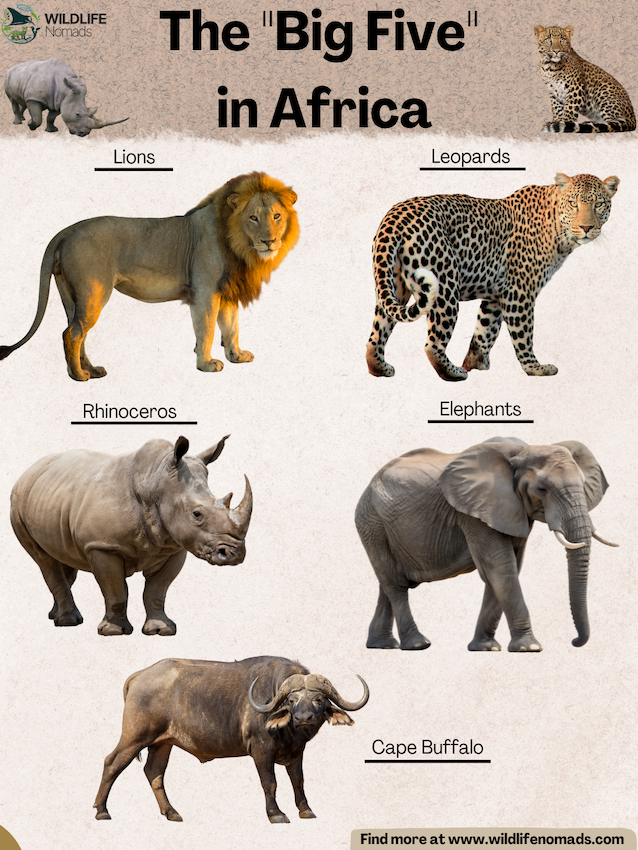
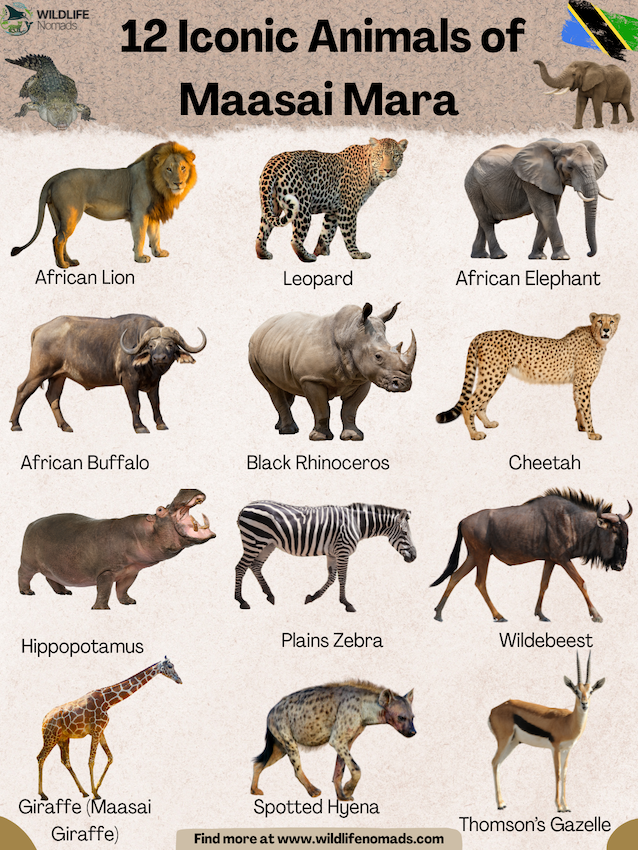
- Unparalleled Wildlife Density: Unlike many other parks, the Mara boasts an exceptionally high concentration of animals year-round. This is one of the few places where seeing the legendary Big Five (lion, leopard, rhinoceros, elephant, and buffalo, and hippopotamuses, in a single day is a realistic goal.
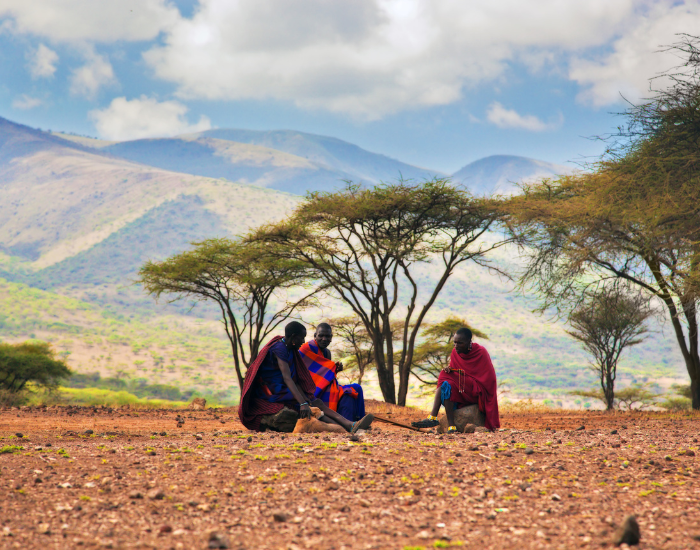
- The Maasai People: The reserve is named in honor of the ancestral inhabitants, the Maasai, whose distinctive customs and cultural connection to the land are integral to the safari experience.
The Critical Safari: Understanding the Mara’s Conservation Landscape
When planning a safari, you must understand the difference between the Masai Mara National Reserve and the surrounding Conservancies. This is not just a geographical distinction. It is a critical choice that impacts conservation, crowd control, and your overall safari experience.
Ongoing conservation initiatives in the region play a vital role in preserving the Masai Mara’s wildlife and natural habitats, making them a key aspect of the area’s appeal to visitors and wildlife enthusiasts.
Reserve vs. Conservancies: A Critical Distinction
In Mara North, the community model works. It’s a remarkable example of conservation success. Maasai landowners are compensated monthly to keep their land open for wildlife, reversing habitat fragmentation. Conservancies provide direct benefits to the local community, such as income and educational opportunities, while supporting sustainable tourism.
Put simply: A reserve protects wildlife, but a conservancy protects wildlife and supports local people at the same time. It’s like the difference between visiting someone’s house versus being invited in as a guest, one keeps things safe, but the other builds a relationship and helps everyone thrive.
Planning the Perfect Kenya Masai Mara Trip
A successful safari is all about timing and preparation. Here is the actionable advice you need to plan your ultimate safari adventure.
Which Month is Best for Masai Mara Safari?
The best time depends entirely on your priority: The Migration or solitude.
| Timeframe | Key Feature | Pros | Cons |
|---|---|---|---|
| Peak Season: July – October | The Great Wildebeest Migration, with dramatic Mara River crossings. | Highest concentration of predators, best chance to see a crossing, dry weather for easy wildlife viewing. | Highest prices, most crowded (especially at crossing points), requires booking 1+ year in advance. |
| Shoulder Season: June & November | Transitional months. Migration possible in June; short rains in November. | Excellent rates, good game viewing, lower crowds, greener landscapes. | River crossings less guaranteed than in August/September. |
| Green Season: January – March | Calving Season (thousands of baby animals born). | Lowest prices, beautiful light for photography, fewer vehicles, high predator activity due to easy prey. | Rain can make some roads difficult (4×4 required), the Migration herds are absent. |
If your budget allows, aim for September or October. You will still witness massive herds and the potential for a crossing. However, the intense vehicle congestion of July and August often subsides. If you are a serious photographer, consider the January-March calving season. This offers high predator action with lush backgrounds.
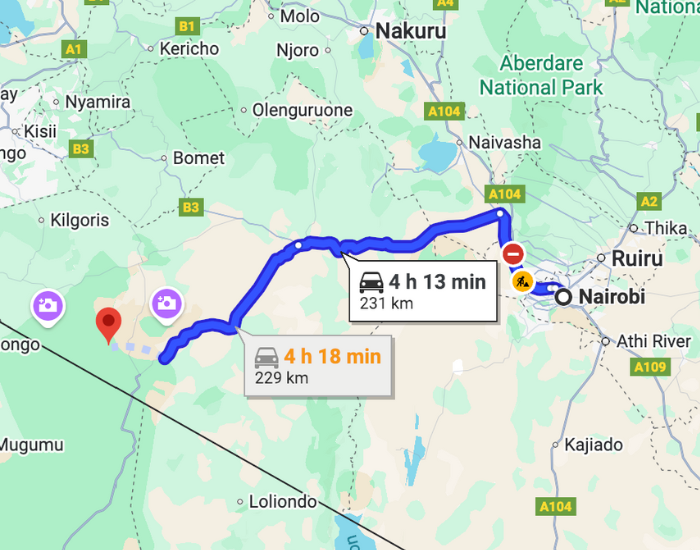
How Long Is It From Nairobi to Maasai Mara?
The journey to the Maasai Mara Africa begins in Nairobi, and you have two primary options:
- Flying (Recommended):
- Time: 45 minutes to 1 hour, typically from Wilson Airport (WIL) in Nairobi.
- Cost: ~$300–$550 round-trip per person.
- Actionable Advice: This is the most efficient and comfortable option. You land directly at one of the Mara’s several airstrips (like Kichwa Tembo or Keekorok), and your camp vehicle meets you immediately for a short game drive transfer. It maximizes your time for actual wildlife viewing.
- Driving (Budget Option):
- Time: 5.5 to 6.5 hours, depending on traffic and the entrance gate.
- Cost: ~$80–$150 per person for a shared shuttle, or higher for a private 4×4.
- Actionable Advice: The drive offers spectacular views of the Great Rift Valley, but the last 70-100 kilometers are often on rough dirt roads. Choose this only if you prioritize saving money and don’t mind a long, potentially dusty journey. Ensure your tour operator uses a reliable, well-maintained 4×4 vehicle.
Navigating the Maasai Mara’s 12-Hour Rule
A crucial piece of planning advice that has changed how safaris operate is the new 12-hour rule in Maasai Mara. This regulation, implemented by the Narok County Government, is aimed at regulating park usage and generating more revenue for conservation efforts.
What is the 12-hour rule for Maasai Mara?
Previously, park entry tickets were valid for a 24-hour period. Now, tickets are typically valid for a maximum of 12 hours within a specific window, usually from 6:00 AM to 6:00 PM.
- Day Visitors: If you are staying outside the reserve, you must enter and exit between 6 AM and 6 PM.
- Overnight Guests (Inside Reserve): Even if you pay the required overnight fee (which is separate from the 12-hour ticket fee), you are often required to exit the park by 10:00 AM on the day of your departure unless you purchase a new 12-hour ticket.
Insight: This rule necessitates meticulous planning. If you want a morning game drive on your check-out day, you often need to pay for a new, full-day ticket, which drastically increases the total safari cost. This is another reason why staying in the private conservancies, which have different rules and often allow for greater flexibility (like all-day drives, walking, and night drives), is worth the higher nightly rate.
| Safari Tier | Typical Cost (Per Person) | Accommodation Type | Experience Level |
|---|---|---|---|
| Budget | $800 – $1,200 | Basic tented camps, public campsites. Shared road transport. | Focus is purely on game viewing; minimal frills. |
| Mid-Range | $1,500 – $2,500 | Comfortable tented camps (often outside the main reserve), private 4×4 vehicle access. | Good balance of comfort, quality guiding, and manageable safari cost. |
| Luxury | $3,000 – $5,000+ | Exclusive lodges or camps (often in private conservancies), high-end service, private flights, hot air balloon rides included. | Premium access, few vehicles, off-road driving permitted. |
Is Masai Mara Worth the Money?
Absolutely. Here’s why a trip to the Masai Mara Africa is a true investment:
- Guaranteed Quality: Unlike many parks where sightings can be hit-or-miss, the sheer density of wildlife in the Mara ensures you will see spectacular animal interactions.
- Direct Conservation Impact: A significant portion of your safari cost goes directly into protecting the ecosystem and supporting the Maasai community. When you pay a conservancy fee, you are literally funding the coexistence of people and wildlife.
- The Unforgettable Moments: I remember being on a guided walk in a conservancy, far from the jeeps, when a young giraffe suddenly ambled out from the trees, curious but calm. That silence, broken only by the crunching of dry grass and the presence of such a magnificent animal in its natural habitat, is an experience you simply cannot put a price tag on. It is the core reason the kenya masai mara is unparalleled.
This are our Recommended tour to the Masai Mara:
Mara River and the Ecosystem: The Lifeblood of the Reserve
The Mara River is the beating heart of the Masai Mara National Reserve. It shapes the landscape and sustains the extraordinary abundance of African wildlife. This river draws visitors from around the world. Winding through the Mara, it is more than a scenic landmark. It nourishes the grasslands and supports the migration of over two million wildebeest. The river also provides a vital water source for countless animals, including elephants, buffalo, lions, and leopards.
Each year, the Mara River becomes the stage for one of nature’s most dramatic spectacles: the great wildebeest migration. As the herds surge north from Serengeti National Park into the Mara National Reserve, they must brave the river’s powerful currents and the jaws of waiting crocodiles.
The Great Wildebeest Migration: An Epic of Survival
While the entire migration loop takes place over the Serengeti-Mara ecosystem year-round, the segment that occurs in Masai Mara Africa is the most renowned: the terrifying Mara River crossing.
Actionable Advice for Migration Viewing:
- Patience is King: You could wait for days for a crossing to begin. Bring a good book and be prepared to sit.
- River Crossings are Unpredictable: The animals can gather for hours and then decide to cross somewhere else, or not at all. Keep your schedule flexible if this is your primary goal.
- Book Well-Located Safari Camps: For the best chance to witness the migration and dramatic river crossings, book safari camps situated close to the main crossing points. These camps fill up quickly during peak season, so reserve early.
- Respect the Animals (and the Rule of Three): During peak migration, traffic can be intense. Ethical guides adhere to a rule limiting the number of vehicles near a sighting. Insist that your guide respects the animals’ space and the park’s regulations.
The Big Cat Density: Finding the Elusive Leopard
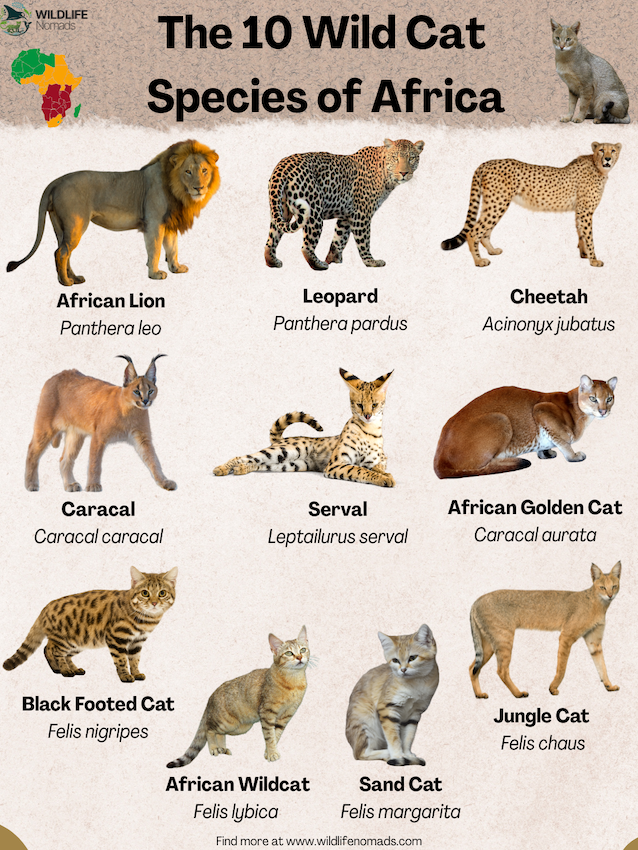
The kenya safari masai mara is legendary for its big cat population. For years, the BBC’s Big Cat Diary series cemented the Mara’s reputation as the easiest place to find lions, cheetahs, and leopards.
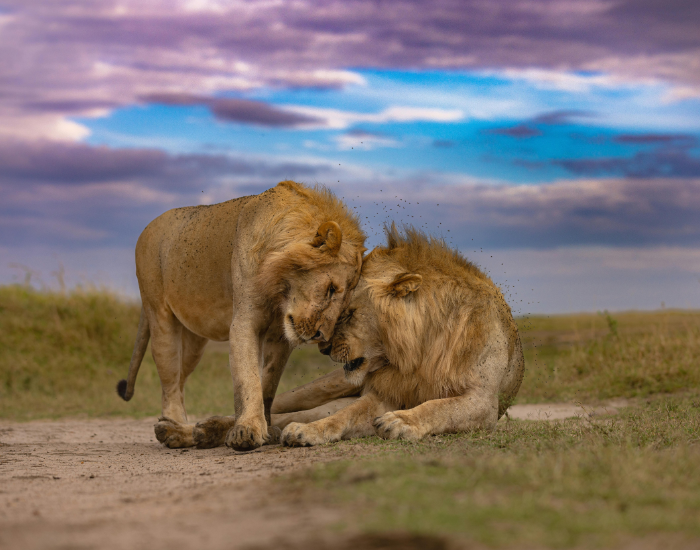
- Lions: They are everywhere. You will see large prides, often napping during the heat of the day. Early morning and late afternoon game drives are best for seeing them hunt or socialize.
- Cheetahs: The open plains are perfect for spotting these magnificent sprinters. They are often seen perched on termite mounds, scanning the horizons for gazelles.
- Leopards: Always the most challenging to spot. They are elusive, solitary, and often hide their kills high up in sausage trees or large acacia trees. A skilled guide is essential for locating them.
Beyond the Game Drive: Activities for a Richer Experience
While the 4×4 game drive is the cornerstone of any Masai Mara Africa trip, there are a few incredible experiences, such as guided nature walks, that can elevate your safari adventure to legendary status.
1. The Hot Air Balloon Safari Experience
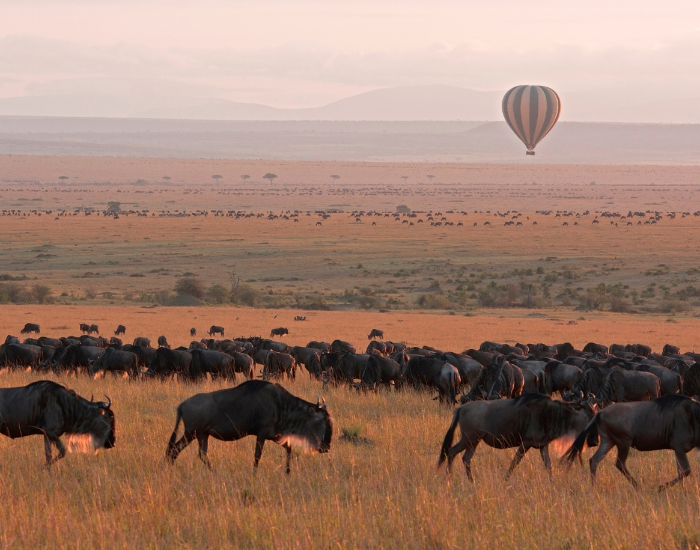
There’s no view more iconic than the sun rising over the savanna as you drift silently above in a hot air balloon, enjoying a bird’s eye view of the Masai Mara at sunrise.
- The Schedule: The experience typically begins before dawn. You are driven to the launch site, float for about an hour over the plains, and upon landing, are treated to a champagne breakfast served right in the bush.
- Why It’s Worth the Cost (Approx. $450-$600 USD): From the air, you grasp the sheer vastness of the Mara. You can spot entire herds of elephants moving like shadows across the dawn landscape. It is the quintessential, once-in-a-lifetime photo opportunity and a peaceful contrast to the bumpy, high-intensity game drives.
Tour Recommendations:
2. Walking Safaris and Night Drives
These two activities are generally only permitted in the private Conservancies, offering another powerful reason to consider staying there.
- Walking Safaris: Stepping out of the vehicle and onto the savanna floor, led by an armed, expert Maasai guide, changes everything. My research on forest ecology taught me to focus on the small things—the insects, the soil, the plants—but on a walking safari, you get a masterclass in the big picture.
- Night Drives: Many of the Mara’s most intriguing animals are strictly nocturnal, like the Aardvark, Bat-eared Fox, and various small African wild cats, like servals, caracals, or black footed cats. Driving after the sun sets with a spotlight reveals a completely different side of the Masai Mara Africa, showing the secret life of the savanna’s shy residents.
3. Cultural Visits with the Maasai People
Visiting a local Maasai village (enkang) is a vital, but sensitive, part of the kenya safari masai mara experience. It’s an opportunity to learn about the Maasai’s distinctive pastoralist way of life, traditional songs, and the impressive adumu (jumping dance).
Actionable Advice: Choose a visit organized through your high-quality lodge or conservancy camp. For a premium, immersive experience, consider staying at a masai mara safari camp, which offers luxury amenities and close proximity to the park’s main attractions. These are usually structured to ensure the community benefits directly and that the interaction is respectful and authentic, moving beyond a simple tourist spectacle. Learning about the role of the Maasai in the conservation model, how they choose wildlife over fences, is the key to understanding the success of the modern Mara.
Tour Recommendations:
Essential Pre-Trip Checklist (Practical Logistics)
While the planning focuses on the Big Five and the Migration, a few practical details are vital for smooth travel to Kenya:
- Visa and Passport: All visitors require an official Kenya e-Visa, which must be applied for and approved online prior to arrival. Your passport must be valid for at least six months beyond your intended departure date and have a minimum of two blank consecutive pages.
- Currency and Tipping: The local currency is the Kenyan Shilling (KES), but camps and guides widely accept newer US Dollar bills (printed post-2006). Tipping is a customary and expected part of the safari industry.
- Driver/Guide: Budget approximately $10–$20 USD per guest, per day.
- Camp Staff (General Tip Box): Budget approximately $5–$10 USD per guest, per day.
- Health and Safety: Malaria is endemic to the region. Consult your doctor about anti-malarial prophylaxis well before departure. Carry a basic medical kit, insect repellent, and stay strictly within your safari vehicle unless advised by your armed guide.
- Packing Essentials: Stick to neutral colors (khaki, tan, olive) to minimize disturbance to wildlife; avoid bright colors like white and red. A high-quality pair of binoculars (8×42 or 10×42) is non-negotiable. Kenya uses the Type G plug (UK style) for electronics.
FAQs about Masai Mara Africa
The Masai Mara is globally famous for its exceptional concentration of wildlife, particularly its large population of the Big Five, and for hosting the most dramatic section of the Great Wildebeest Migration, where millions of animals cross the crocodile-filled Mara River between July and October.
A: The best months for a Masai Mara Africa safari are July through October if you prioritize seeing the Great Wildebeest Migration. For fewer crowds, lower safari cost, and to witness the calving season with high predator action, visit between January and March (the Green Season).
The 12-hour rule in Masai Mara mandates that park entry tickets are valid for a maximum of 12 hours, typically from 6:00 AM to 6:00 PM. This regulation is in place to manage tourism and increase funding for conservation efforts.
By road, the journey from Nairobi to the Masai Mara takes about 5.5 to 6.5 hours to the main gates. By air, it is a quick and scenic flight of only 45 to 60 minutes from Wilson Airport to one of the Mara’s various airstrips.
Investing in Your Masai Mara Africa Legacy
The Masai Mara Africa is more than a destination; it is an active, vibrant ecosystem that requires our attention, respect, and investment. As a biologist, I’ve seen firsthand how fragile these wild places can be, but the Mara, with its pioneering conservancy model and the powerful dedication of the Maasai people, stands as a beacon of hope for conservation efforts across the continent.
When you plan your visit to some of the best national parks in kenya safari masai mara, remember that the choices you make, from selecting a camp in a conservancy to adhering to the 12-hour rule, all contribute to the legacy of this incredible place. Your safari adventure is not just about watching the spectacle; it’s about helping to protect it.
Go, be amazed, and tell the story of the Mara.
This blog is reader-supported. When you buy experiences through links listed on this site, we may earn an affiliate commission.