

The Hawaiian Islands showcase an extraordinary collection of hawaii animals that captivate visitors and researchers alike. These isolated Pacific islands host remarkable animals from hawaii that evolved in complete isolation for millions of years. The animals unique to hawaii represent some of the world’s most fascinating examples of evolutionary adaptation, with many species native to hawaii found nowhere else on Earth.
Hawaiian wild animals inhabit diverse ecosystems ranging from pristine coral reefs to volcanic peaks. The islands’ remote location, over 2,000 miles from the nearest continent, created unique conditions that allowed native hawaiian species to develop distinct characteristics. Today, visitors discover what animals live in hawaii through national parks, marine sanctuaries, and protected wilderness areas that preserve these remarkable creatures.

Native Land Mammals: Hawaii’s Rarest Residents
The hawaiian hoary bat
This bat stands as one of only two native land mammals calling the Hawaiian Islands home. This remarkable species migrated to Hawaii thousands of years ago and adapted to island life. The hoary bat inhabits forests across the main Hawaiian islands, feeding on insects during nocturnal hunting flights. These animals native to hawaii face threats from habitat loss and wind turbines, making conservation efforts crucial for their survival.

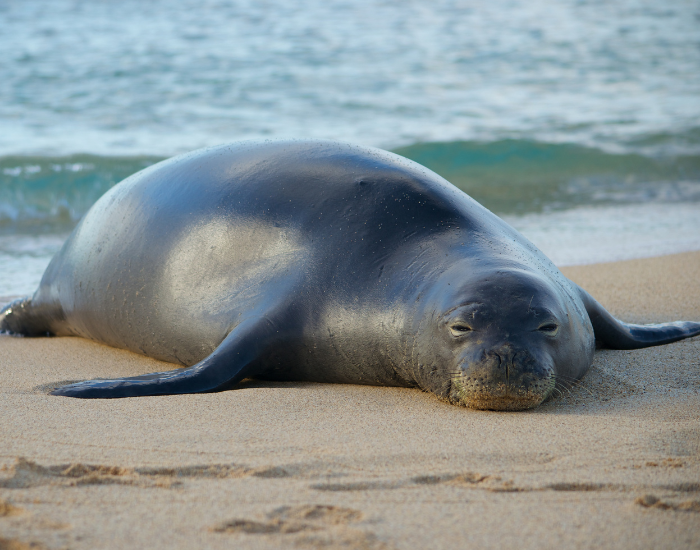
The hawaiian monk seal
One of the most uniques types of seal in the world. It represents the other native land mammals species, though these magnificent animals from hawaii spend most of their lives in marine environments. Monk seals haul out on beaches throughout the Hawaiian Islands to rest, give birth, and nurse their pups. Only approximately 1,100 Hawaiian monk seals remain in the wild, making them one of the world’s most critically endangered marine mammals.
Marine Life of Hawaiian Waters
Hawaiian marine life showcases incredible diversity in the warm waters surrounding the islands. Green sea turtle populations thrive in Hawaiian coastal areas, where they feed on seaweed and rest on sandy beaches. These sea turtles migrate thousands of miles between feeding and nesting areas, making Hawaiian waters critical habitat for Pacific populations.
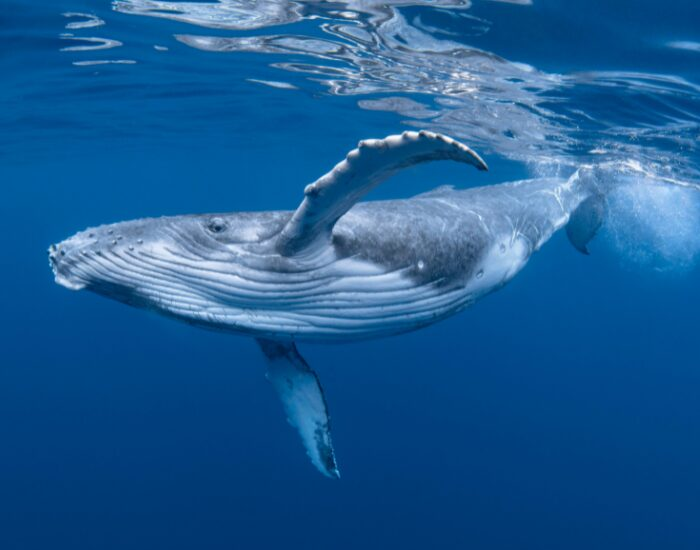
Humpback whales
These whales transform Hawaiian waters during winter months as they migrate from Alaska to breed and calve. These magnificent whales create spectacular displays through breaching, tail slapping, and singing behaviors. Whale watching has become a cornerstone of Hawaii’s eco-tourism industry, allowing visitors to observe these magnificent animals in their natural habitat.
Spinner dolphins
They inhabit Hawaiian waters year-round, entertaining observers with their acrobatic displays. These intelligent marine mammals hunt in deep waters at night and rest in shallow bays during daylight hours. The hawaiian monk seal shares coastal habitats with dolphins, creating opportunities for visitors to observe multiple native species during single excursions.

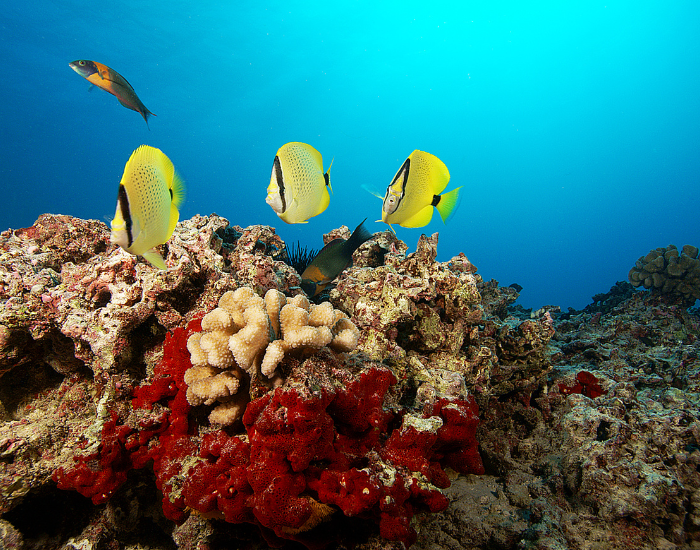
Reef fish
Populations flourish in Hawaiian coral reef ecosystems, supporting both marine life diversity and local fishing communities. Kauai and other islands maintain healthy reef systems that provide food for countless species while protecting shorelines from wave erosion.
Endemic Bird Species: Feathered Treasures
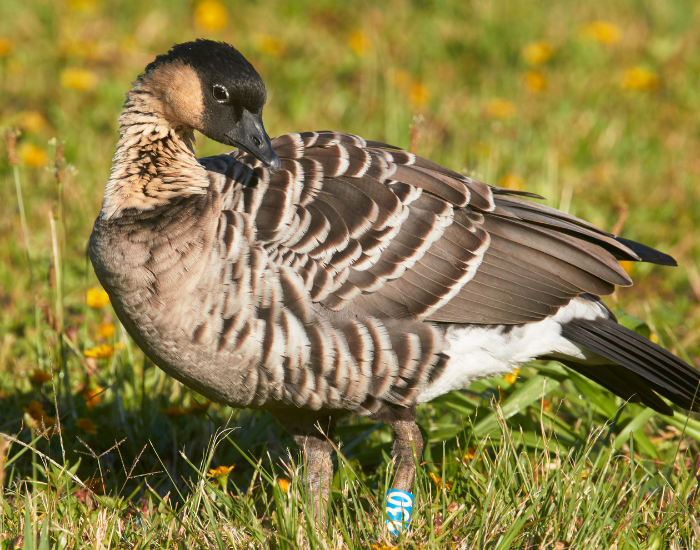
Hawaiian Goose or Nene
Hawaii’s state bird, the hawaiian goose or Nene, represents one of the most successful conservation stories among native birds. Once reduced to fewer than 30 individuals, intensive management efforts have restored Nene populations to over 2,500 birds. These animals unique to hawaii inhabit volcanic landscapes on the big island, maui, and kauai, where they graze on native grasses and shrubs.
Hawaiian Crow
The hawaiian crow, known locally as ‘Alalā, exists only in captivity after becoming extinct in the wild. Conservation programs work tirelessly to reintroduce these intelligent birds to native forests. Hawaiian crow populations once thrived in dry and mesic forests, where they dispersed seeds and controlled insect populations.
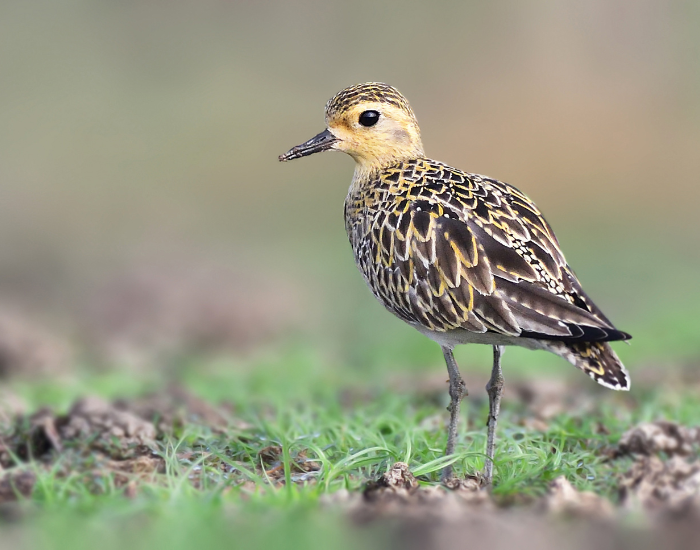
Pacific golden plover
Populations migrate between Hawaii and Alaska each year, spending winter months in Hawaiian wetlands and grasslands. These wetland birds arrive in Hawaii during late summer and remain until spring, when they return to Arctic breeding grounds. Bird species like the golden plover connect Hawaiian ecosystems to global migration networks.
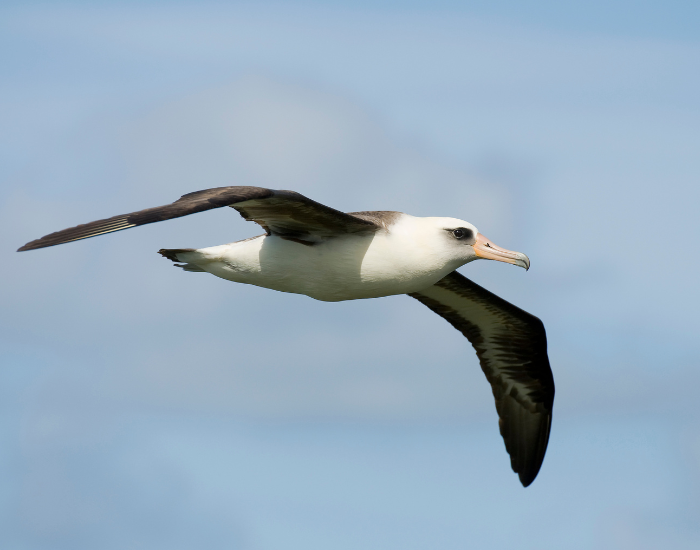
Laysan albatross
Populations nest primarily on Northwestern Hawaiian Islands, where they raise chicks on remote atolls. These incredible seabirds spend most of their lives soaring over open ocean, returning to hawaii only to breed. Native birds like the Laysan albatross face threats from plastic pollution and climate change impacts on nesting colonies.
Forest Ecosystems and Mountain Wildlife
High on Mauna Kea, you’ll find some of Hawaii’s most unique species adapted to life at extreme elevations. One standout is the palila, a critically endangered honeycreeper that relies completely on māmane trees for both food and nesting. It’s a perfect example of the delicate, specialized relationships that have developed in Hawaii’s forests over millions of years.
Hawaiian forests are also famous for their dazzling variety of honeycreepers. All descended from a single finch ancestor, these birds have evolved into an incredible range of species. The bright red ʻiʻiwi, the songful ʻapapane, and the adaptable ʻamakihi all have distinct bill shapes, diets, and habitats. Together, they help pollinate native plants and keep insect populations in check.
Insects, too, are vital to these ecosystems. They pollinate flowers, recycle nutrients by breaking down organic matter, and serve as a key food source for many birds. Unfortunately, invasive species like Jackson’s chameleons prey heavily on native insects, while other introduced animals compete for space and resources.
Despite ongoing conservation efforts, Hawaii’s forest wildlife still faces serious threats from habitat loss and invasive predators. Feral cats, rats, and other introduced species continue to put pressure on native populations, making protection and restoration work more important than ever.

Marine Sanctuaries and Protected Waters
The Northwestern Hawaiian Islands make up one of the largest marine protected areas on the planet, offering a safe haven for unique wildlife found nowhere else. This remote chain is home to more than 7,000 Hawaiian monk seals, the majority of the species’ global population. These seals rely on the pristine atolls here for pupping, molting, and foraging.
Across the main Hawaiian Islands, national park designations protect both land and sea habitats. Hawai‘i Volcanoes National Park, for example, stretches from the ocean all the way up to volcanic peaks, creating a mosaic of ecosystems that support countless native species. Park rangers keep a close watch on these populations and run conservation programs to safeguard endangered wildlife.
Surrounding coral reefs are another treasure, alive with dazzling marine biodiversity. Hawaiian waters host reef fish that exist nowhere else in the world, including the Hawaiian cleaner wrasse and Hawaiian dascyllus. These reef dwellers have evolved traits that set them apart from their Pacific relatives.
Seabirds also thrive in these islands. Great frigatebirds nest across the Northwestern Hawaiian Islands, raising their chicks in low-shrub colonies. Famous for their aerial skills, they can soar for hours without a single wingbeat. In fact, many seabird species depend on these remote islands as vital breeding grounds.
Threats to Native Wildlife
Introduced animals pose the greatest threat to native hawaiian species across all ecosystems. Feral cats kill millions of birds annually, while rats consume eggs and nestlings of ground-nesting species. Invasive species like mongooses, pigs, and goats degrade habitat and compete with native wildlife for resources.
Habitat destruction continues to impact animals native to hawaii as development pressures increase. Coastal development eliminates nesting beaches for sea turtles and hawaiian monk seals, while urban expansion fragments forest habitats. Climate change compounds these pressures by altering precipitation patterns and increasing storm intensity.
Pollution affects both terrestrial and marine hawaiian wild animals. Plastic debris in the ocean impacts seabirds and marine mammals, while agricultural runoff degrades coral reef ecosystems. Light pollution disorients seabirds and disrupts natural behaviors of nocturnal species.
Disease outbreaks threaten native birds populations, particularly forest species with no evolutionary resistance to introduced pathogens. Avian malaria and pox virus have devastated honeycreeper populations, forcing many species into high-elevation refugia where mosquito vectors cannot survive.
Where to See Wildlife in Hawaii?
Hawai‘i Volcanoes National Park is one of the best places to spot native species in the wild. As you hike the trails, keep an eye out for the Hawaiian goose (nēnē), the Hawaiian hawk, and a variety of colorful forest birds. Park rangers also lead programs that dive into conservation efforts and the ongoing work to restore native ecosystems.
From December through April, whale watching is a highlight across the islands. This is when humpback whales migrate to Hawaiian waters, and tours give you the chance to see them breaching, tail slapping, or swimming with calves. Most operators follow strict guidelines to make sure these encounters don’t disturb the whales.
Snorkeling and diving trips reveal a completely different side of Hawaii’s wildlife. You might swim alongside green sea turtles, admire schools of vibrant reef fish, or, if you’re lucky, catch spinner dolphins gliding through shallow bays. The reefs are alive with color and movement, making every dive a new discovery.
Wildlife experiences aren’t limited to one island. National parks and reserves on O‘ahu, Maui, and beyond protect everything from coastal wetlands to mountain forests. Each habitat offers a new chance to encounter native animals and better understand Hawaii’s incredible biodiversity.
For the Geeks, Science and Research
Scientific research programs throughout Hawaii study native species ecology, behavior, and conservation needs. Researchers track hawaiian monk seal movements using satellite tags, revealing important foraging areas and migration patterns. This information guides marine protected area designations and fishing regulations.
Bird species studies focus on understanding habitat requirements and population dynamics of endangered honeycreepers. Research on disease resistance may help develop strategies for protecting forest birds from introduced pathogens. Captive breeding programs for hawaiian crow rely on behavioral research to improve release success rates.
Marine life research examines coral reef health, fish population dynamics, and climate change impacts on Hawaiian ecosystems. Scientists monitor reef fish communities to assess ecosystem health and guide fisheries management decisions. Ocean temperature monitoring helps predict coral bleaching events and guide conservation responses.
Native wildlife genetics research reveals evolutionary relationships among Hawaiian species and their continental relatives. This information helps scientists understand how animals unique to hawaii adapted to island environments and guides conservation planning for related species.
Frequently Asked Questions
The hawaiian monk seal and green sea turtle are among the most iconic hawaii animals. The Nene or hawaiian goose serves as hawaii’s state bird and represents successful conservation efforts for native hawaiian species.
Only two native land mammals exist in Hawaii: the hawaiian hoary bat and hawaiian monk seal. However, numerous native birds, marine life species, and insects evolved in the hawaiian islands over millions of years.
The Nene or hawaiian goose serves as hawaii’s state bird and represents the most recognized native species. The hawaiian monk seal also holds special significance as one of only two native land mammals.
The tiger shark represents the largest natural predator in Hawaiian waters. On land, introduced animals like feral cats and dogs pose the greatest predatory threats to native wildlife.
Animals native to hawaii include the hawaiian monk seal, hawaiian hoary bat, green sea turtle, Nene, hawaiian crow, and numerous bird species like honeycreepers. Marine life includes many endemic reef fish and the Hawaiian spinner dolphin.
Hawaii is most famous for the hawaiian monk seal, green sea turtle, and humpback whales that migrate to Hawaiian waters. The Nene as hawaii’s state bird also represents the islands globally.
Hawaii doesn’t have an official national animal, but the Nene serves as hawaii’s state bird. The hawaiian monk seal could be considered Hawaii’s most iconic marine mammal.
.jpg)