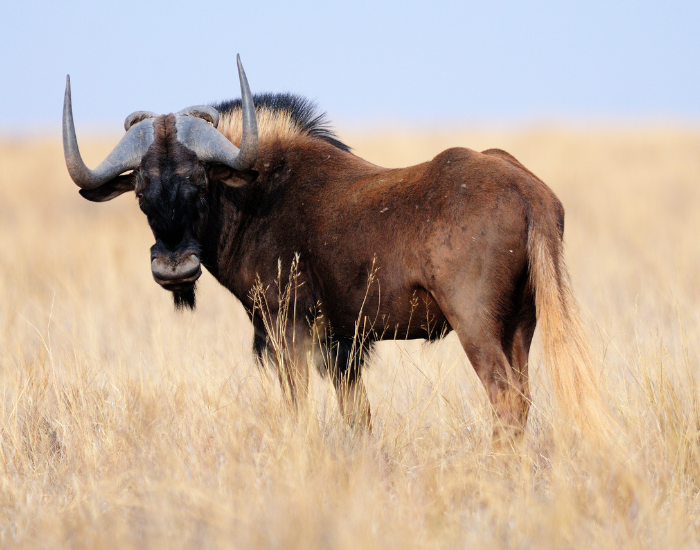
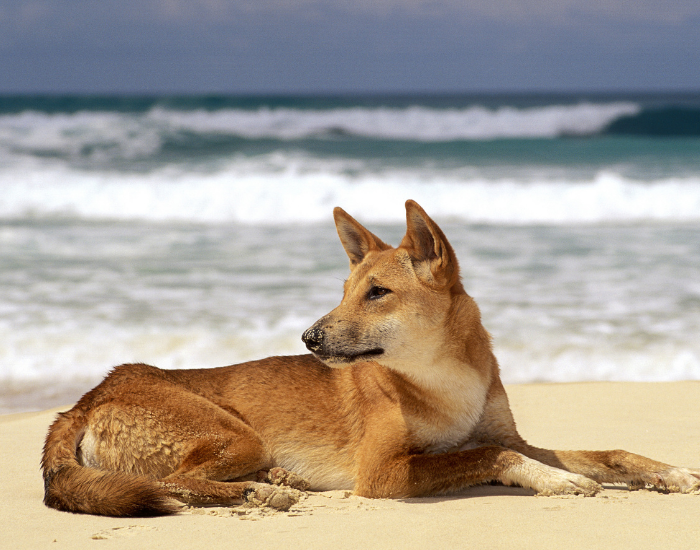
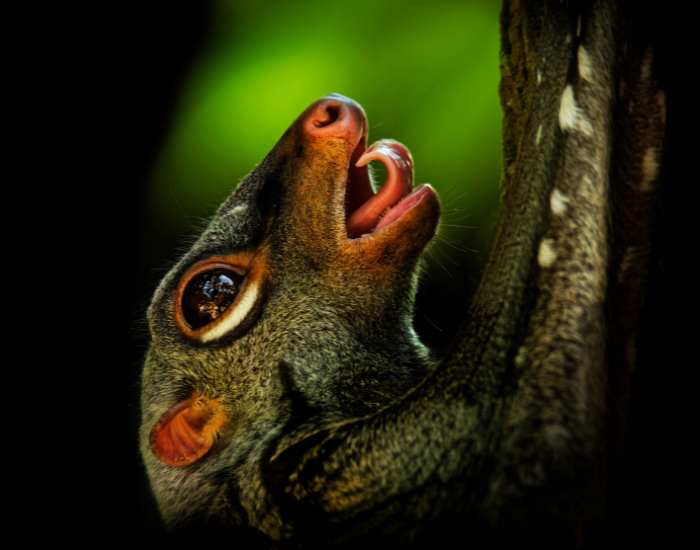
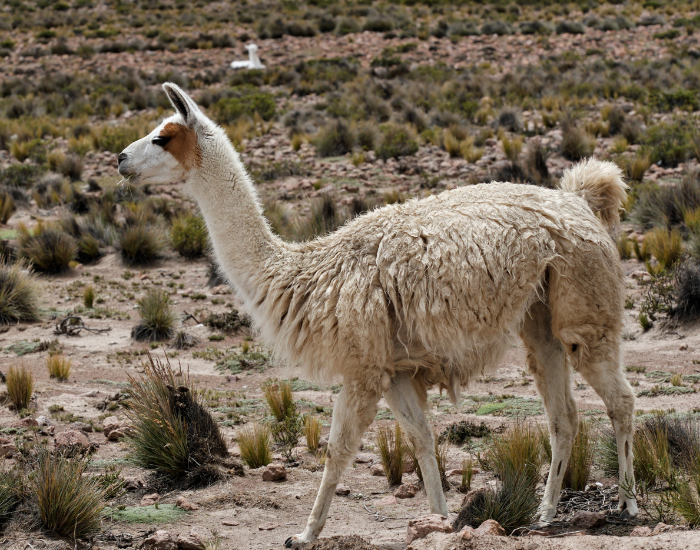
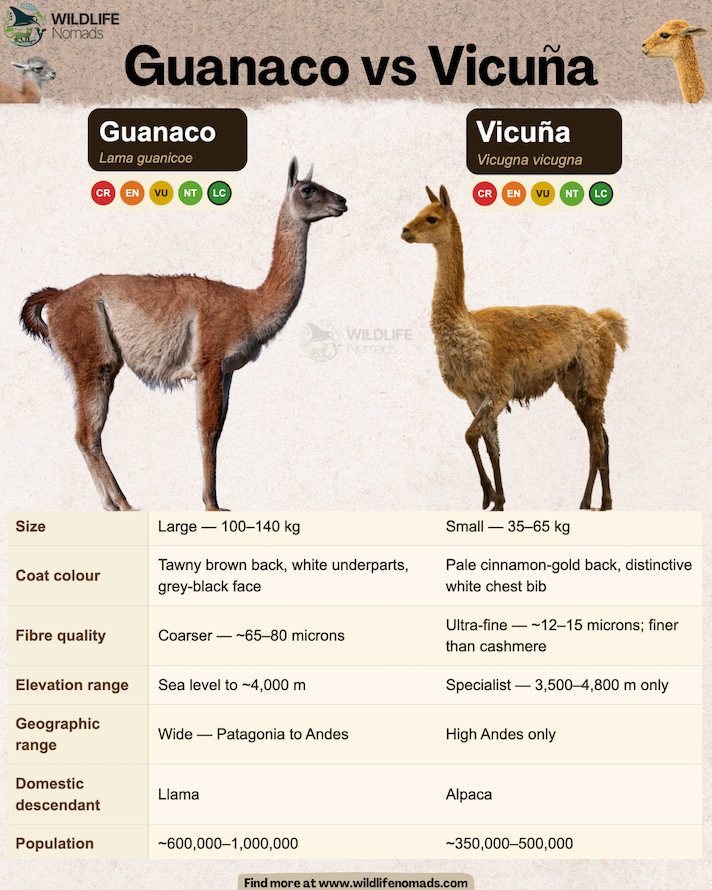
When our Wildlife Nomads team member Jackie returned from Argentina, her camera roll told a story. She had spent weeks traveling toward the Andes, winding through the vast Andean landscape, enormous mountains stretching endlessly in every direction. Along the way, she photographed dozens of elegant camelids with a long neck and slender frame grazing on windswept plains. “I found the vicuna!” she messaged me. I looked at the photos and smiled.
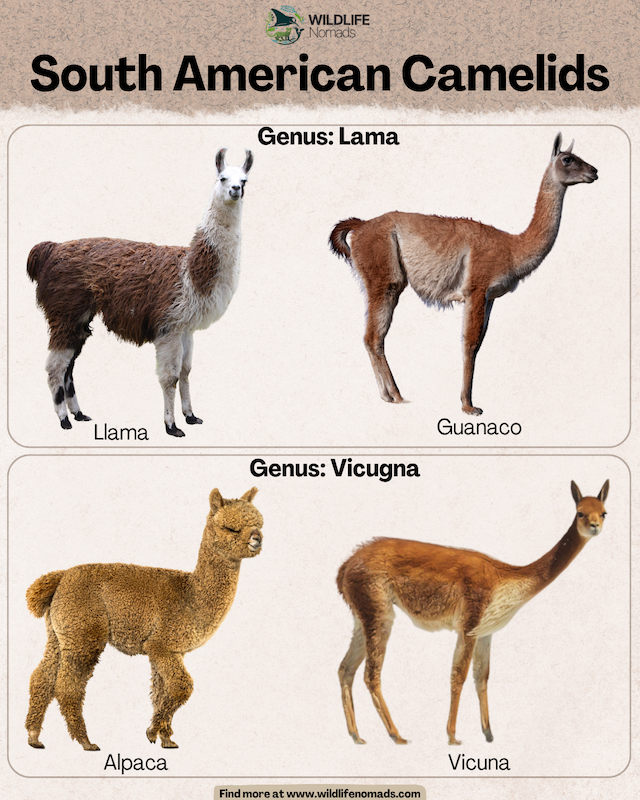
Those graceful animals were actually guanacos, the vicuna’s untamed cousin. The real vicuna lives higher, farther, and in one of the most extreme environments on Earth. That mix-up sparked a deeper dive into one of the most fascinating and misunderstood creatures of the Andes mountains, and everything I share here comes from years of studying these animals and their relatives, from llamas and alpacas in Peru to guanacos across Patagonia.
1. The Vicuña Produces the Finest Fiber on the Planet
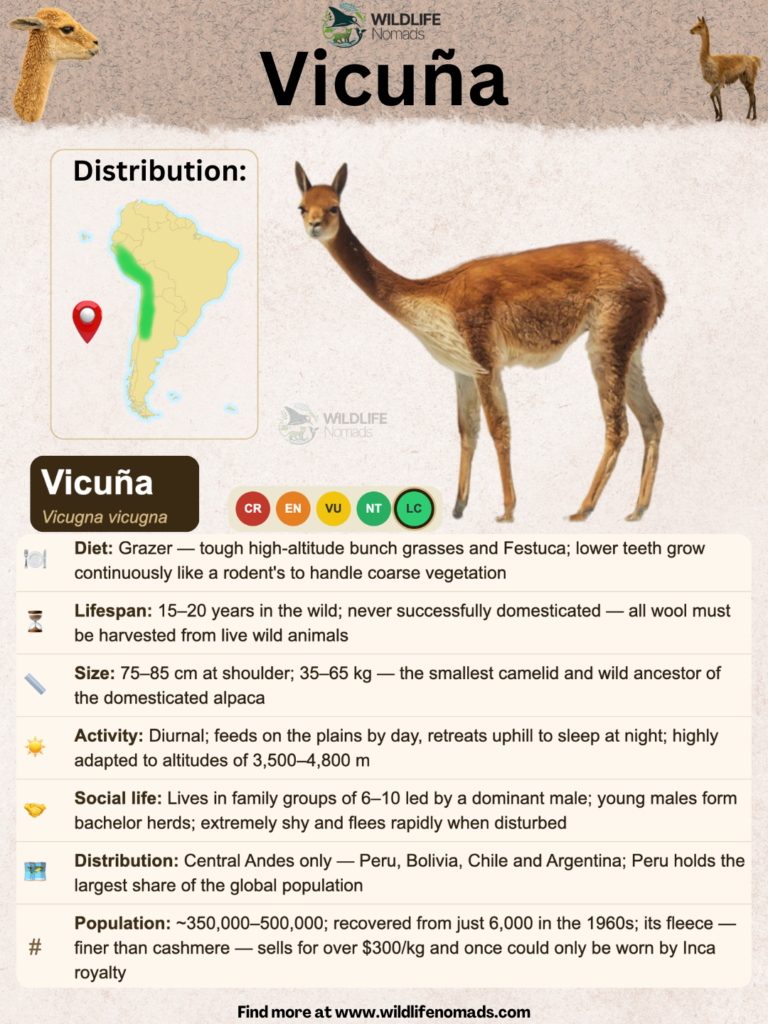
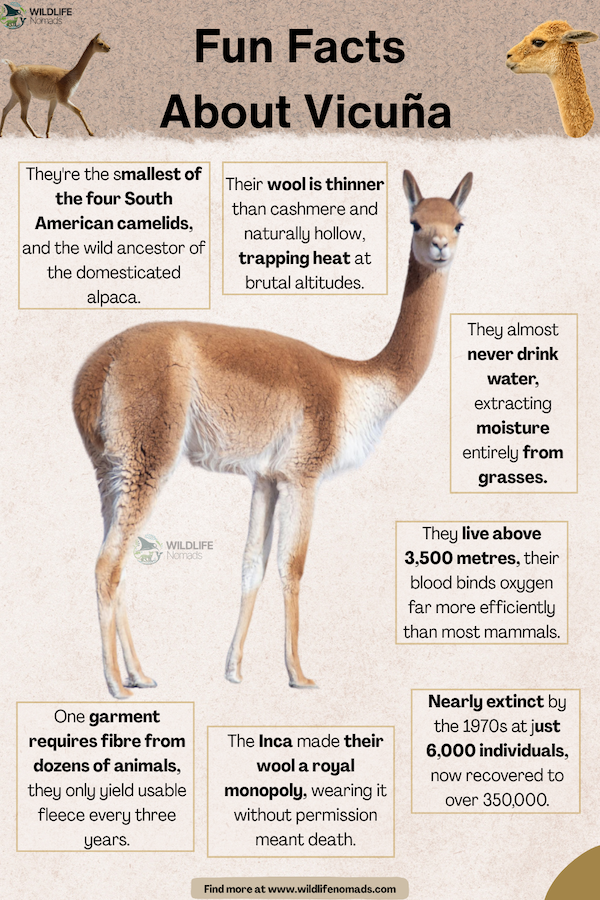
If you’ve ever wondered what is vicuna and why it commands such absurd prices, the answer starts at the microscopic level. Vicuna fiber measures just 12 to 13.5 microns in diameter. For comparison, the best cashmere runs 15 to 19 microns. Baby alpaca wool sits around 18 to 22 microns. That makes vicuña wool the finest natural animal fiber ever measured, finer than anything a llama, alpaca, or guanaco can produce.
This extremely fine wool creates a fabric so soft it almost feels liquid against your skin. The Italian luxury house Loro Piana has built an empire around it, selling vicuña clothing like scarves for $4,000 and coats exceeding $20,000. Raw vicuña wool costs $400 to $600 per kilogram, compared to just $5 for standard sheep wool. The vicuña’s fleece is extremely expensive for good reason: each animal produces only about 200 grams of usable fiber per shearing, and shearing happens only once every two to three years.
2. Vicuñas Nearly Vanished
The vicuña’s conservation story ranks among the most dramatic in wildlife history. During the Inca Empire, strict laws protected these animals. Only Inca royalty could wear vicuna wool garments. After Spanish colonization, those protections vanished. By the 1960s, vicuñas had been heavily hunted to the brink of extinction. The vicuña population crashed to roughly 6,000 individuals across the entire Andean region.
Then something extraordinary happened. Bolivia, Chile, and Argentina joined Peru in signing conservation agreements. Governments established reserves. Andean communities took ownership of protection efforts. Conservation programs modeled on the ancient Inca chaccu — where local communities round up wild vicuñas, shear their wool, and release them unharmed — gave people economic incentives to protect rather than poach.
Today, the vicuña population has recovered to approximately 350,000 animals. The IUCN reclassified the vicuna from endangered to least concern in 2008. Conservation efforts proved that a creature on the edge can bounce back when science, policy, and communities align.
3. The Vicuna Is the Ancestor of the Alpaca
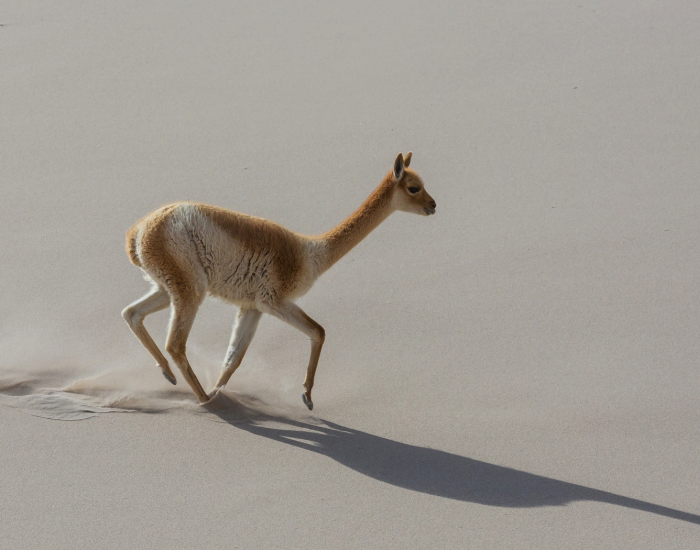
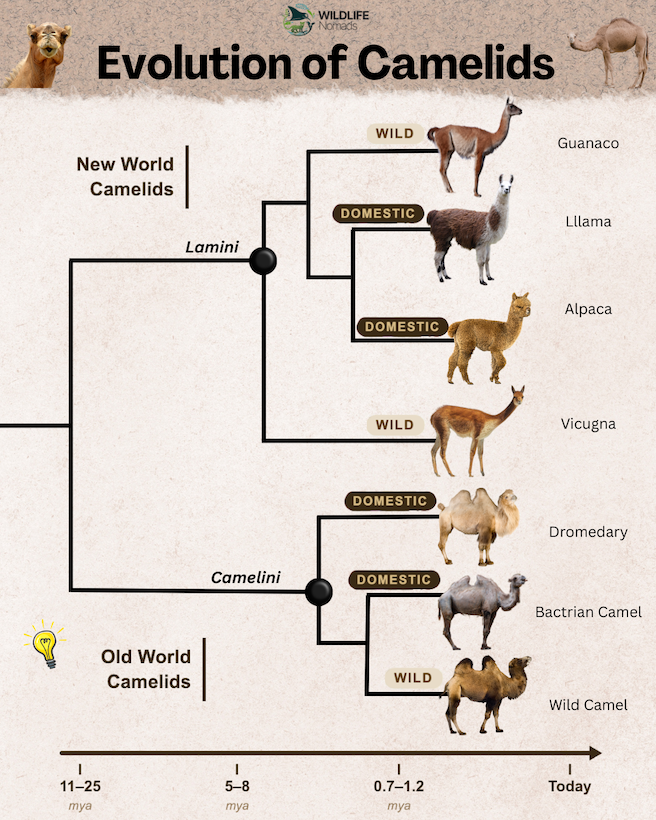
Here’s a fact that surprises most people. Genetic analysis published in the Proceedings of the Royal Society confirmed that vicuñas are the wild ancestor of domesticated alpacas. Researchers examining DNA from both found that alpaca and vicuna share remarkably high genetic similarity through microsatellite markers.
The domestication happened roughly 6,000 to 7,000 years ago in the Peruvian Andes. The story gets more complex from there. Recent genomic research suggests the alpaca may actually be a hybrid, originating from cross-breeding between vicuñas and the ancestor of the guanaco approximately 6,300 years ago. Unlike alpacas, which have been selectively bred for thousands of years, vicuñas retain their original genetic blueprint. And unlike llamas, which were domesticated from guanacos as pack animals, vicuñas have stubbornly resisted every attempt at domestication.
4. They Live at Extreme Altitudes Most Animals Cannot Survive
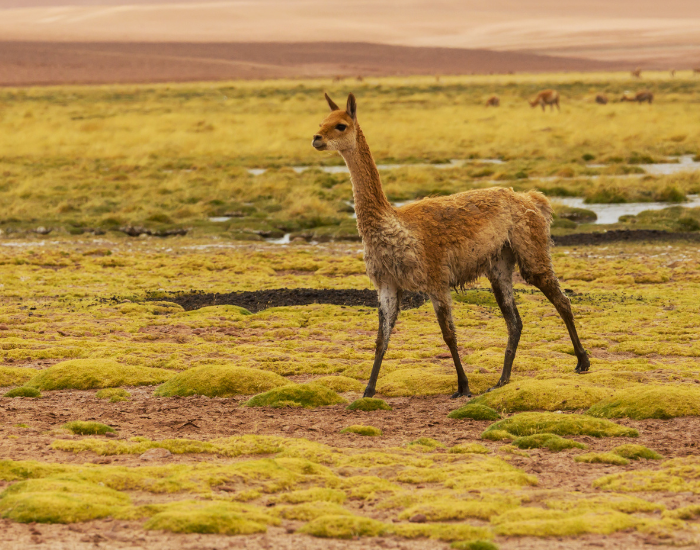
Where do vicunas live? Picture the harshest high-altitude grasslands in the world. Vicuñas inhabit elevations between 3,200 and 4,800 meters above sea level across the high Andes. Their natural habitat spans the alpine grasslands of Peru, Bolivia, Chile, Argentina, and Ecuador. Most vicuñas live in Peru, with significant populations across the Argentine altiplano and the central Andes.
Jackie described the Andes as a vast landscape full of enormous mountains — and she was right about the scenery. Yet the vicuña’s natural habitat sits even higher than where she traveled. These animals thrive in rocky terrain where temperatures swing from scorching daytime sun to below-freezing nights. High altitudes mean thin air, intense UV radiation, and limited food availability. The vicuna’s environment would challenge most mammals. Yet this graceful animal has evolved specifically for these conditions, with specialized blood that carries oxygen far more efficiently than its llama or guanaco cousins.
5. Their Blood Carries a Biological Superpower
Speaking of oxygen, the vicuna’s blood contains oval-shaped red blood cells, unlike the round cells found in most mammals. This unique adaptation allows their hemoglobin to bind oxygen more effectively at high altitudes where the oxygen pressure is 40% lower.
Their red blood cell count is also significantly higher than comparable mammals. This biological advantage means vicuñas can sprint, graze, and maintain alertness in the thin air of the high mountains without the altitude sickness that would debilitate humans. I’ve watched similar adaptations in other high-altitude creatures, and the vicuna’s system remains one of the most elegant solutions nature has engineered. Llamas share some of these blood adaptations, which makes sense given their shared camelid ancestry, but the vicuña’s efficiency at extreme elevation remains unmatched.

6. Vicuñas Have a Unique Dental Feature Among Camelids
Among South American camelids, vicuñas stand alone with their continuously growing lower incisors. Alpacas and llamas have teeth that grow to a set length and stop. Vicuna teeth keep growing throughout their lives, similar to rodent incisors.
This adaptation reflects their diet of tough, short grasses in the Andean highlands. The abrasive silica content in alpine grasses wears teeth down rapidly. Without ever-growing incisors, vicuñas would lose their ability to graze effectively within just a few years. It’s a small detail, but it reveals how precisely this animal has adapted to its niche.
The vicuña is one of the smallest members of the camel family, yet this wild species’ dental specialization outperforms its larger relatives, including llamas, guanacos, and even true camels, in this harsh grassland environment.
7. They Maintain Separate Territories for Eating and Sleeping
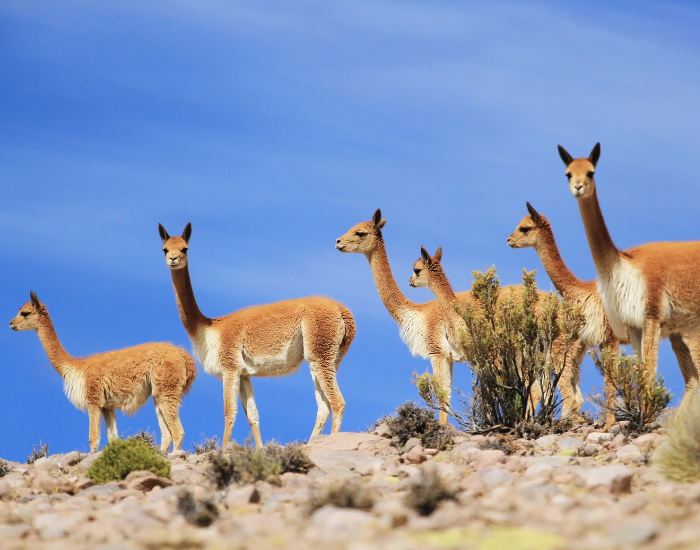
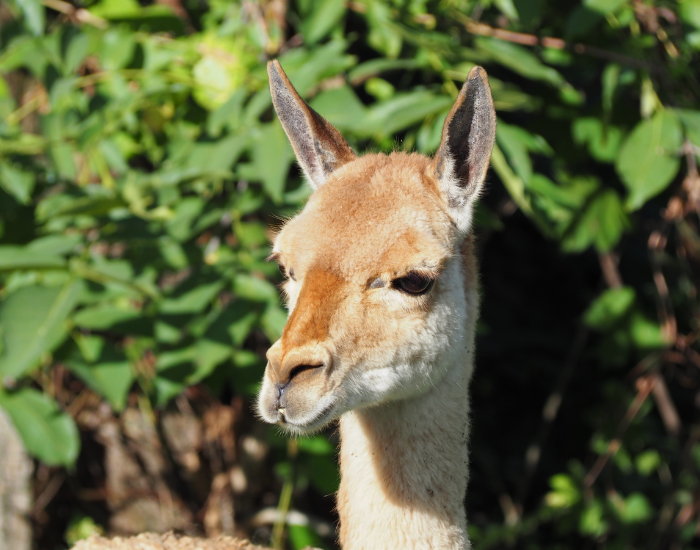
Vicuña social behavior is remarkably sophisticated. A dominant male defends two distinct territories, feeding territory at lower elevation and a separate sleeping territory higher up the mountain. Family groups typically consist of one territorial male, five to fifteen females, and their young.
Males who fail to secure their own territory join bachelor groups, loose associations of young or displaced males waiting for their chance. The territorial male stays on constant alert, scanning for threats. When he spots danger, he gives a sharp alarm call. The rest of the family group runs while he positions himself between the threat and his family. It’s a system built on vigilance and sacrifice. Pumas account for roughly 50% of vicuña calf deaths and 91% of adult mortality. Andean foxes also prey on young vicuñas, and habitat loss from human presence adds increasing pressure on these family groups.
8. The Vicuña Appears on Peru’s Coat of Arms
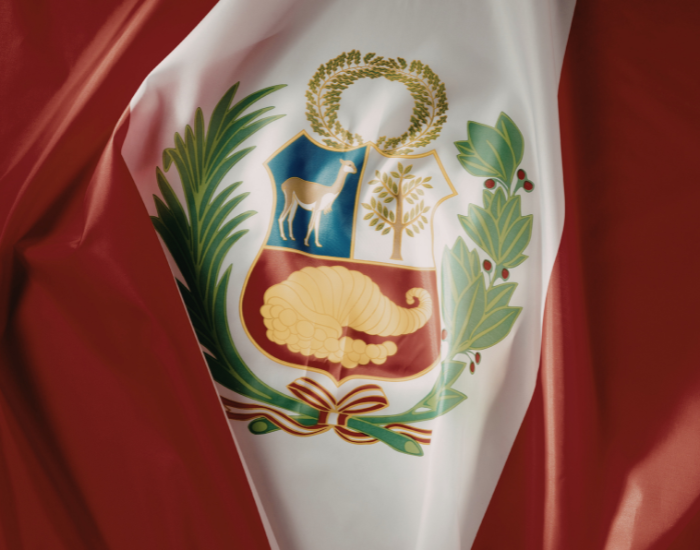
The vicuña holds a place of honor as Peru’s national animal. It appears on the Peruvian coat of arms, representing the country’s animal kingdom, a tradition dating back to 1825 when Simón Bolívar established the national shield. The Peruvian coat features the vicuna alongside the cinchona tree and a cornucopia, symbolizing the nation’s natural wealth.
This cultural significance stretches back much further. During the Inca Empire, the vicuna was considered sacred. Inca rulers organized ceremonial roundups called chaccu, where entire communities would herd vicuñas into enclosures, shear their wool, and release them. Only royalty could wear the resulting vicuña clothing. Killing a vicuna carried severe punishment. That ancient reverence informs modern conservation programs across the Andean region, where communities once again manage sustainable vicuña fiber harvesting.
9. Their Natural Color Tells a Survival Story
The vicuna’s coat displays a distinctive two-tone pattern: light brown on the back and sides, fading to white on the chest and belly. This natural colour serves multiple purposes. The lighter underside reduces visibility against the bright sky when predators look upward. The warm cinnamon tones on top blend seamlessly with the dry grasslands of the altiplano. Guanacos share a similar coloring pattern, which explains why Jackie confused them so easily.
Beyond camouflage, that coat provides extraordinary insulation. Vicuna wool traps air in microscopic pockets, creating warmth far beyond what the fiber’s weight would suggest. Indigenous Andean communities have known this for millennia, using vicuña fiber to create warm clothing suited for the brutal high-altitude climate. The vicuña’s slender body and long legs might suggest vulnerability to cold, yet that ultra-fine fleece keeps core body temperature stable even when nighttime temperatures plummet well below freezing. The natural colour of the fleece cannot be replicated artificially, which adds to its value as an extreme luxury material.
10. Vicuña Dung Creates Biodiversity Hotspots
Research published in Scientific Reports revealed a surprising ecological role for vicuñas. These animals use communal latrines, designated spots where the entire group deposits dung. Scientists found that soils around these latrines contained significantly more moisture, organic carbon, nitrogen, and phosphorus compared to surrounding barren ground.
In areas where glaciers are retreating due to climate change, vicuna dung accelerates plant colonization by as much as a century. The communal latrines essentially create biodiversity oases in otherwise lifeless deglaciated terrain. This discovery reframes the vicuna from a passive grazer into an active ecosystem engineer. Their presence directly shapes the natural environment of the high Andes, making conservation efforts even more critical as glaciers continue retreating across the central Andes.
11. They Cannot Be Domesticated… And People Have Tried
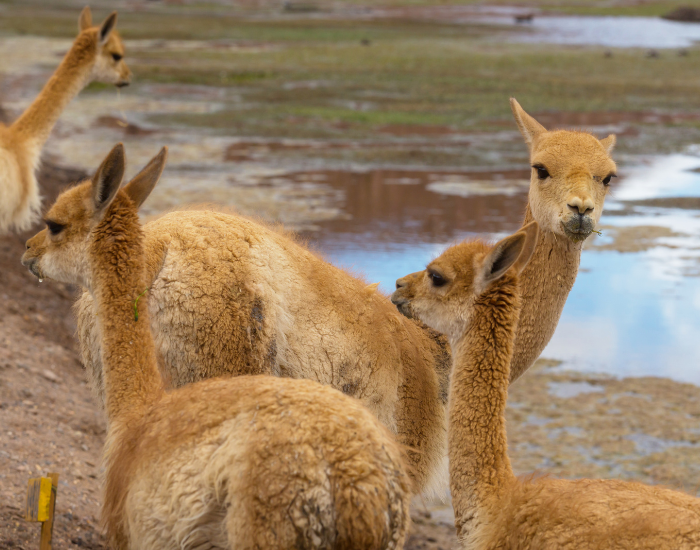
Unlike alpacas and llamas, vicuñas have never been successfully domesticated. Despite thousands of years of human interaction, vicuñas remain untamed. Their temperament simply doesn’t allow it. They panic in enclosed spaces, refuse to breed reliably in captivity, and their stress responses make handling dangerous for both animal and handler.
This resistance to domestication is precisely why vicuña wool remains so rare and highly valued. You cannot farm vicuñas the way you farm alpacas and llamas. Every gram of vicuña fiber must come from free-ranging animals captured, shorn, and released, the same basic process the Inca used. Domesticated camelids like alpacas produce far more fiber annually, but none match the fineness of vicuña fleece. International trade in vicuña fiber operates under CITES regulations, ensuring that harvesting supports rather than threatens populations across Bolivia, Chile, and Argentina.
12. The Vicuña Lifespan Reveals a Tough Existence
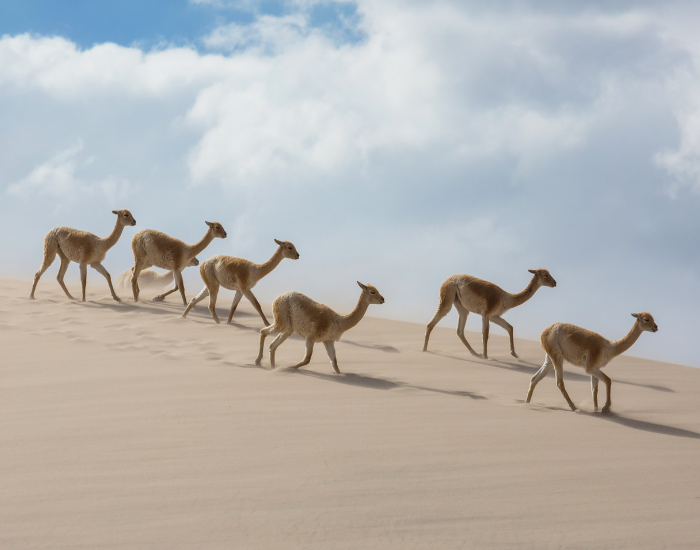
How long does a vicuna live? The vicuña lifespan ranges from 15 to 20 years in the mountains. In captivity, the oldest recorded vicuna reached 24 years and 9 months. Those numbers mask a harsh reality, though. Many vicuñas die within their first year from predation, starvation, or disease.
Life at high altitudes demands extraordinary resilience. Pumas hunt relentlessly. Food availability fluctuates with seasonal rainfall. Sarcoptic mange outbreaks can devastate populations. Despite these challenges, this wild species has persisted for millions of years. Genetic studies suggest vicuñas and guanacos diverged from their common ancestor two to three million years ago. Both species are ancient survivors of the Andes, long predating human civilization in the region. The vicuna species demonstrates remarkable evolutionary staying power.
13. Luxury Brands Turned Vicuña Wool Into a Conservation Engine
Vicuña wool has become synonymous with extreme luxury in high fashion. Loro Piana leads the way, transforming vicuña fiber into coats that retail for $25,000 and scarves that cost more than most people’s monthly rent. However, the real story isn’t the price tag. It’s the system behind it.
The commercialization of vicuña wool operates under some of the tightest regulations in the textile industry. International agreements and national laws ensure that only wool from sustainably managed populations enters the global market. Luxury brands work directly with Andean communities and conservation organizations to source vicuña fiber responsibly. In my experience studying wildlife economies, this model stands out. The demand for vicuña wool funds the very conservation efforts that protect the animal.
Local communities earn income from managed shearing programs, which gives them a direct financial stake in keeping vicuña populations healthy. That partnership has turned luxury consumption into a genuine force against habitat loss and poaching. The vicuña stands as a rare example of how high-end fashion and sustainability can reinforce each other — each garment representing not just elegance, but a commitment to environmental stewardship across the Andes.
FAQs about Vicunas
The vicuna animal (Vicugna vicugna) is a South American camelid and the smallest member of the camelid group. Vicuñas are closely related to alpacas, llamas, and guanacos. They live in the high Andes mountains at elevations above 3,200 meters and produce the finest wool on Earth. Unlike their domesticated relatives, vicuñas have never been tamed.
The vicuna is an untamed animal, while the alpaca is its domesticated descendant. Vicuñas are smaller, with a more slender body and longer legs proportionally. Vicuña fiber (12 microns) is significantly finer than alpaca wool (18–30 microns). Alpacas have been selectively bred for over 6,000 years and come in 22 color varieties, while vicuñas display only their characteristic cinnamon and white natural colour.
Vicuñas are no longer classified as endangered. After their population crashed to roughly 6,000 in the 1960s due to being heavily hunted, coordinated conservation efforts helped the vicuña population recover to approximately 350,000. The IUCN now lists the vicuna’s conservation status as “Least Concern.” Threats from poaching, habitat loss, and climate change mean continued conservation programs remain essential.
The vicuna represents something rare in conservation: a genuine success story that’s still unfolding. From the edge of extinction to thriving populations across the high Andes, the vicuña proves that determined, community-driven protection works. Whether you’re drawn to the science behind their extraordinary wool, their ancient cultural significance, or their role as ecosystem engineers in a changing climate, the vicuna rewards deeper attention. Next time someone shows you a photo from the Andes and says “look at this vicuña” — check twice. It might just be a guanaco.
Where to See Vicuñas in the Wild?
Here is a list of 3 tours where you can see and experience them. As a biologist, I only recommend tours that follow strict ethical guidelines to ensure we don’t disturb wildlife. These are the three tours/ partners I trust most based on their conservation records:
This website is reader-supported. When you buy experiences through links listed on this site, we may earn an affiliate commission.
References:
Acebes, P., Vargas, S., & Castillo, H. (2022). Sarcoptic mange outbreaks in vicunas (Cetartiodactyla: Camelidae): A scoping review and future prospects. Transboundary and Emerging Diseases, 69(5), e2476–e2487. https://doi.org/10.1111/tbed.14479
Arzamendia, Y., Baldi, R., Rojo, V., Vilá, B., & Orozco, M. (2018). Vicugna vicugna. The IUCN Red List of Threatened Species 2018: e.T22956A145360542. https://doi.org/10.2305/IUCN.UK.2018-2.RLTS.T22956A145360542.en
Diaz-Maroto, P., Rey-Iglesia, A., Cartajena, I., Núñez, L., Westbury, M. V., Varas, V., Moraga, M., Campos, P. F., Orozco-terWengel, P., Marin, J. C., & Hansen, A. J. (2021). Ancient DNA reveals the lost domestication history of South American camelids in Northern Chile and across the Andes. eLife, 10, Article e63390.https://doi.org/10.7554/eLife.63390
Fan, R., Gu, Z., Guang, X., Marín, J. C., Varas, V., González, B. A., & Wang, J. (2020). Genomic analysis of the domestication and post-Spanish conquest evolution of the llama and alpaca. Genome Biology, 21(1), 159. https://doi.org/10.1186/s13059-020-02080-6
Kadwell, M., Fernandez, M., Stanley, H. F., Baldi, R., Wheeler, J. C., Rosadio, R., & Bruford, M. W. (2001). Genetic analysis reveals the wild ancestors of the llama and the alpaca. Proceedings of the Royal Society B: Biological Sciences, 268(1485), 2575–2584. https://doi.org/10.1098/rspb.2001.1774
Reider, K. E., Bueno de Mesquita, C. P., Anderson, K., Schmidt, S. K., & Garibotti, I. A. (2024). Wild Andean camelids promote rapid ecosystem development after glacier retreat. Scientific Reports, 14, Article 31913. https://doi.org/10.1038/s41598-024-83457-6
Torres, M. E., Puig, S., Novillo, A., & Ovejero, R. (2015). Vigilance behaviour of the year-round territorial vicuña (Vicugna vicugna) outside the breeding season: influence of group size, social factors and distance to a water source. Behavioural processes, 113, 163–171. https://doi.org/10.1016/j.beproc.2015.02.006
Vilá, B., & Arzamendia, Y. (2022). Weaving a vicuña shawl. Pastoralism : research, policy and practice, 12(1), 46. https://doi.org/10.1186/s13570-022-00260-6