When most people think of frogs, they picture small green amphibians on lily pads. Most frogs share common traits such as smooth skin, insect-based diets, and distinctive croaking sounds. However, the tomato frog defies this expectation entirely. This red-vibrant species from Madagascar looks remarkably like a ripe garden tomato.
The tomato frog, scientifically known as Dyscophus antongilii, (although there are other two sepcies that you will be introduced later) stands out among amphibians worldwide. Its bright red coloration serves as a warning to potential predators. In this article, we’ll explore 12 essential facts about tomato frogs including their native habitat, unique characteristics, and conservation status.

1. Tomato Frogs Live Only in Madagascar
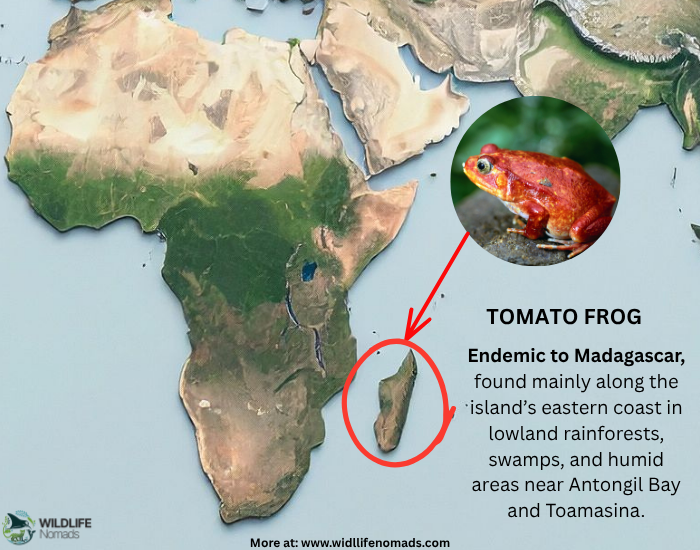
Tomato frogs live exclusively in Madagascar, specifically in the northeastern region. The species Dyscophus antongilii occurs naturally around Antongil Bay. This area features dense rainforest and abundant water sources essential for survival.
The native habitat of tomato frogs includes several distinct environments. As cold blooded animals, they prefer lowland areas with consistent moisture and moderate temperatures, and are found from sea level up to about 600 meters elevation. The eastern rainforest belt of Madagascar supports the largest populations.
Tomato frogs inhabit swamp forests throughout their range in Madagascar. These wetland areas provide ideal conditions for survival and reproduction. The species also frequents freshwater pools formed during heavy rainfall and prefers calm, slow-moving water. In addition, tomato frogs adapt well to modified landscapes near human settlements. They often appear in rural gardens, agricultural ditches, and urban areas.
Shallow pools play a vital role in the tomato frog life cycle. These temporary water bodies form during Madagascar’s rainy season. Female tomato frogs deposit their eggs in these shallow pools exclusively. Slow-moving water sources also attract breeding adults during reproduction periods. Throughout the year, tomato frogs need access to moisture for skin health since they absorb water through their permeable skin.
2. Female Tomato Frogs Are Much Larger Than Males
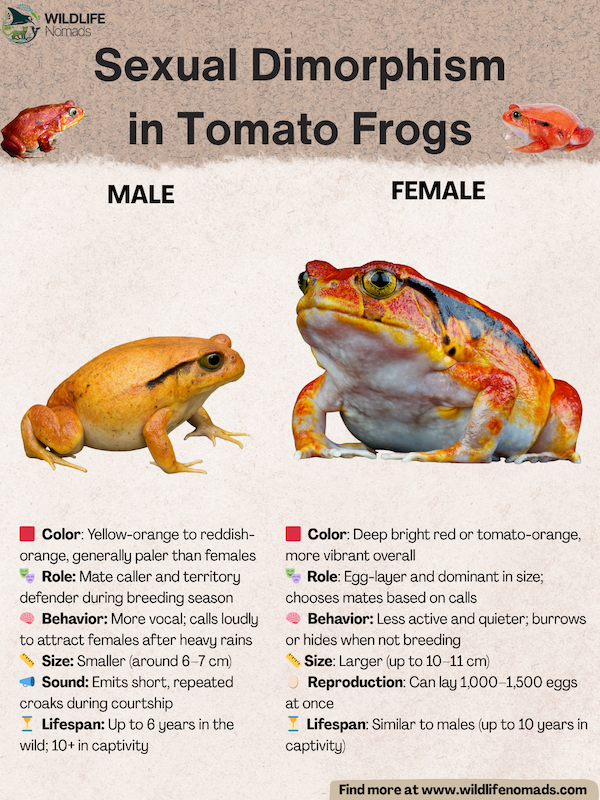
Female tomato frogs grow significantly larger than males of the species. Adult females reach approximately 10.5 centimeters in length at maturity. In contrast, males typically measure only 6.5 centimeters when fully grown. This size difference, called sexual dimorphism, appears obvious when observing groups.
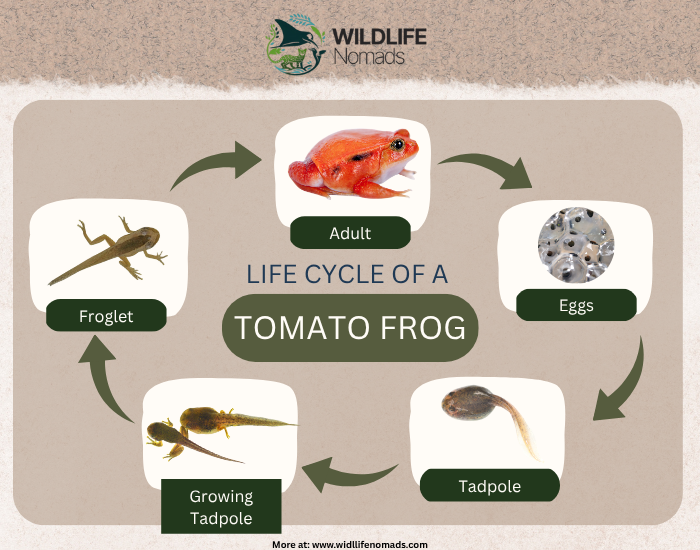
Larger females display more vibrant red coloration compared to males. Males often exhibit duller orange or yellowish-orange skin tones. The tomato frog species shows dramatic color variation between sexes. This difference helps observers distinguish between male and female tomato frogs in the wild or captivity.
Both sexes feature lighter undersides, typically off-white or pale yellow. Some individuals display dark bands along their flanks separating colors. These markings create a distinct boundary between dorsal and ventral surfaces. The overall body shape remains plump and round, contributing to their tomato-like appearance.
Tomato frogs are closely related to other species in the Dyscophus genus, sharing similar anatomical and behavioral traits.
3. Their Bright Red Color Is a Warning Signal
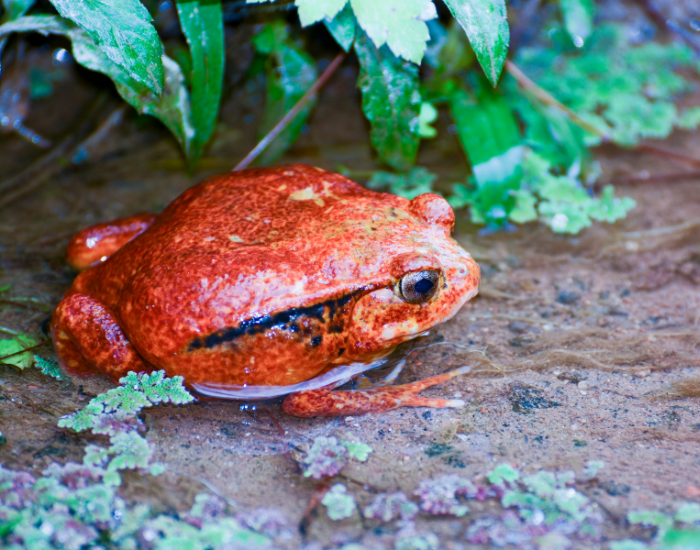
The red color of tomato frogs serves an important biological function. This bright coloration acts as aposematism, warning potential predators of danger. Many toxic species throughout nature use similar warning colors to deter predators.
Young tomato frogs hatch with much duller coloration than adults. Juvenile frogs appear brownish or pale yellow initially after metamorphosis. The characteristic red color develops gradually as they reach sexual maturity. This color change signals their transition to producing defensive secretions.
The glossy, vibrant appearance makes them instantly recognizable in their habitat. This visibility helps predators learn to avoid tomato frogs after negative encounters. The warning coloration has proven highly effective as an evolutionary adaptation. Combined with their defensive secretions, the bright color ensures survival in Madagascar.
4. Tomato Frogs Are Poisonous, Not Venomous
Many people ask whether tomato frogs pose danger to humans or pets. The answer requires understanding the difference between venomous and poisonous organisms. Tomato frogs are poisonous, not venomous, meaning they don’t inject toxins like snakes.
In addition to their defenses, tomato frogs are ambush predators. They hunt by patiently waiting for prey to pass by before striking, often at night.
When threatened, tomato frogs produce a white substance from skin glands. This thick, sticky secretion serves as their primary defense mechanism. The white substance acts primarily as an irritant to potential predators. It creates a glue-like consistency that gums up mouths and eyes. Most predators release the frog immediately after encountering this secretion.
Humans can experience allergic reactions when exposed to tomato frog secretions. The white substance may cause localized swelling or skin irritation. However, serious medical complications rarely occur from casual contact. Washing thoroughly with soap and water usually resolves these symptoms quickly.
The toxic secretion primarily serves to deter predators in the wild. Snakes and small mammals learn to avoid tomato frogs after unpleasant encounters. This defense strategy proves highly effective in their native Madagascar habitat.
5. They Puff Up When Threatened
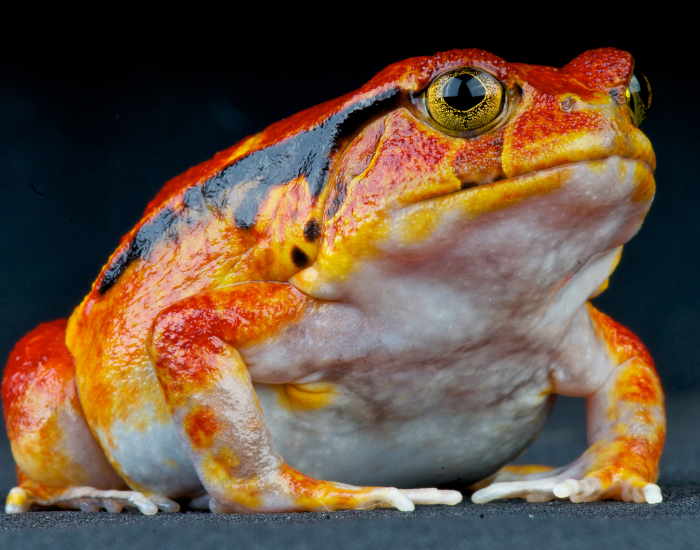
Tomato frogs inflate their bodies when feeling threatened by danger. This puffing behavior makes them appear larger and more difficult to swallow. The inflated appearance also enhances their resemblance to actual tomatoes, which gives the species its common name.
Combined with their bright red color, the puffing creates an effective deterrent. Predators often hesitate before attacking such obviously defended prey items. This gives the tomato frog valuable time to escape or release secretions. The behavior demonstrates an important survival adaptation among amphibian species.
Many frogs use similar inflation tactics when confronted by threats. However, few combine this with such vibrant warning coloration as the tomato frog. The dual defense of visual warning and physical inflation maximizes survival chances. This adaptation has helped the species persist despite habitat pressures in Madagascar.
6. Breeding Occurs During Madagascar’s Rainy Season
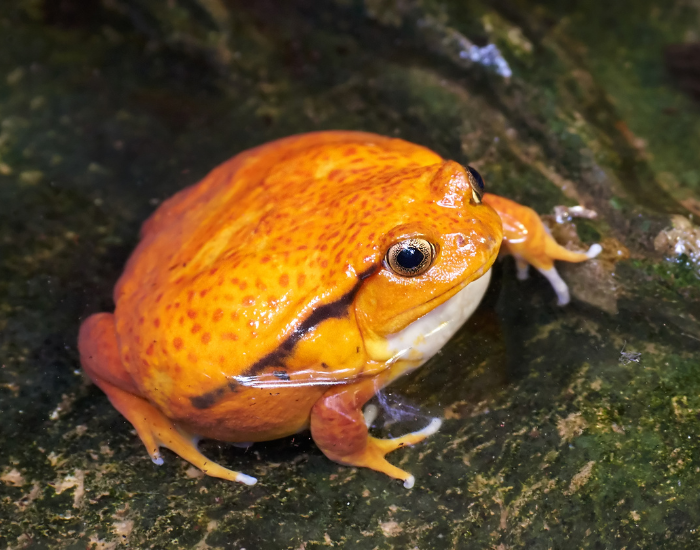
The tomato frog breed during Madagascar’s heavy rainfall periods.While Reproduction typically occurs during February and March, during Madagascar’s rainy season, research has shown that reproduction occurs throughout the year. Male calling behavior has been documented in all months during both wet and dry seasons, and egg clutches have been found in eleven out of twelve months in monitored populations around Maroantsetra.
Males calling produce low, booming calls throughout the night during breeding season. These vocalizations help females locate suitable mates in dense vegetation. Female tomato frogs select males based on call quality and territory location. A single female can produce up to 1,500 eggs per breeding event.
Black and white eggs appear in large masses on water surfaces. Females lay eggs on the water surface to initiate the life cycle. The eggs are laid after copulation and rainfall, remaining vulnerable to numerous threats including predators and heavy rainfall. Fast development helps maximize survival during this critical stage.
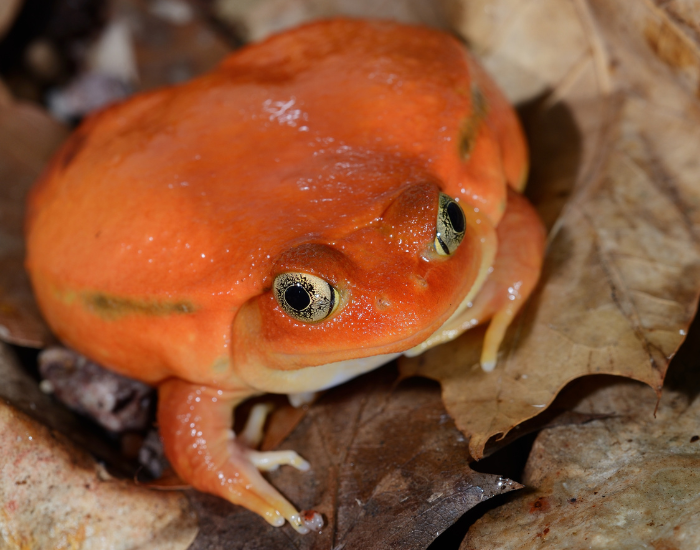
7. Tadpoles Transform in Just 45 – 60 Days
Tomato frog tadpoles hatch from eggs at approximately 6 millimeters in length. These tiny larvae appear brownish and function as filter feeders. They consume microscopic algae and organic particles suspended in water. The tadpole stage lasts roughly 45 days before metamorphosis begins.
Insect larvae and other small invertebrates may prey on vulnerable tadpoles. Pollution or low oxygen levels can kill entire populations quickly. This vulnerability highlights the importance of protecting freshwater pools in Madagascar. Clean, oxygen-rich water remains essential for healthy development.
After 45 to 60 days, tadpoles begin transforming into small juvenile frogs. Young tomato frogs leave the water and begin hunting small invertebrates. Their diet consists primarily of tiny insects and other arthropods. As they grow, they consume progressively larger prey items.
Female tomato frogs reach sexual maturity between 2 – 4 years of age. Males likely mature somewhat earlier, though exact timing varies. Once mature, they participate in the annual breeding cycle. In captivity with proper care, tomato frogs typically can live up to 11 years.
8. Tomato Frogs Make Good Beginner Pets
Tomato frogs make excellent pets for those new to amphibian keeping. Their care requirements remain relatively straightforward compared to other exotic species. The pet trade now offers primarily captive-bred tomato frogs rather than wild-caught specimens. This shift benefits both conservation efforts and individual animal health significantly.
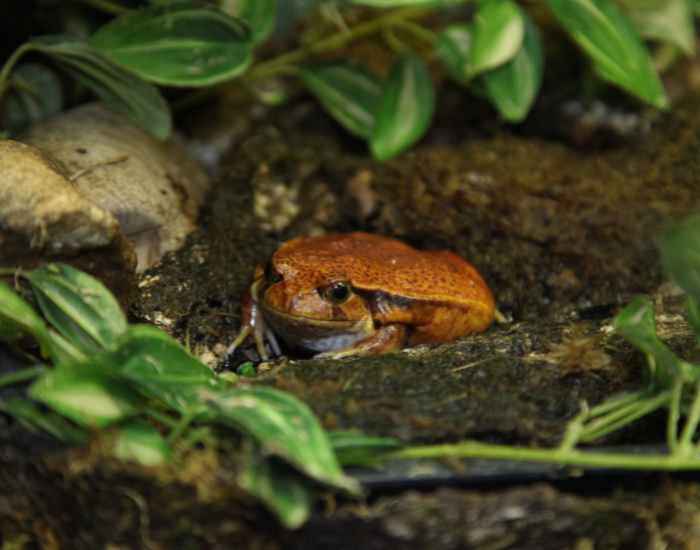
Beginners should understand that tomato frogs are nocturnal species with limited activity. They spend most daylight hours buried in substrate or hiding. Observation happens primarily during evening feeding times. However, they work best as display animals rather than interactive pets.
A single adult tomato frog requires a minimum 10-gallon terrarium for adequate space. However, a 20-gallon long tank provides better enrichment and living conditions. Focus on horizontal floor space rather than vertical height for these terrestrial amphibians. The enclosure must include substrate suitable for burrowing behavior.
Plantation soil, coconut fiber, or similar materials work well for substrate. Substrate depth should reach at least 2 to 3 inches throughout. Temperature regulation remains important for healthy tomato frogs in captivity. Maintain daytime temperatures between 70 and 80 degrees Fahrenheit. Nighttime temperatures can drop slightly but should stay above 65 degrees.
9. They Need High Humidity and Shallow Water
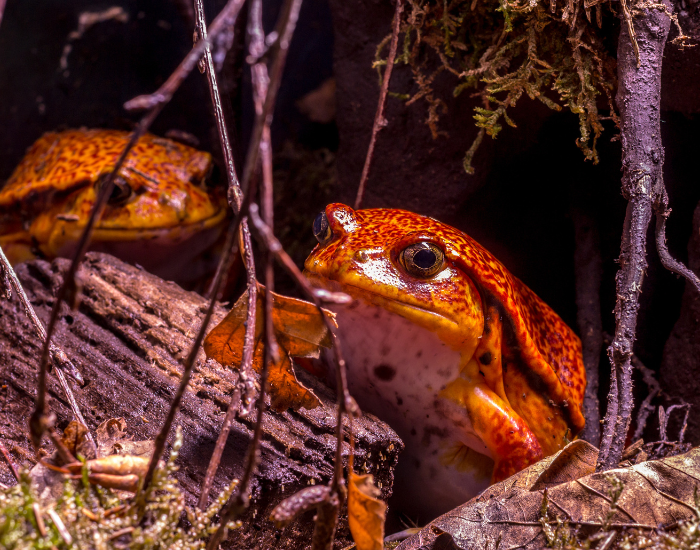
High humidity between 65 and 85 percent suits tomato frogs best. Regular misting once or twice daily helps maintain appropriate moisture levels. A humidity-retaining substrate also contributes to stable environmental conditions. This replicates their natural swamp forest habitat in Madagascar.
Provide a shallow water dish large enough for soaking but safe. Tomato frogs are poor swimmers despite their semi-aquatic nature in wild habitats. Deep water poses a drowning risk for these primarily terrestrial amphibians. Always use dechlorinated water in both misting and water dishes.
Chlorine and chloramines damage the permeable skin of tomato frogs rapidly. Water conditioners remove these chemicals effectively before use in enclosures. Cork bark, driftwood logs, and artificial caves create essential hiding spots. Multiple hiding options reduce stress and encourage natural behaviors in captivity.
10. Tomato Frogs Are Insectivores With Specific Nutritional Needs
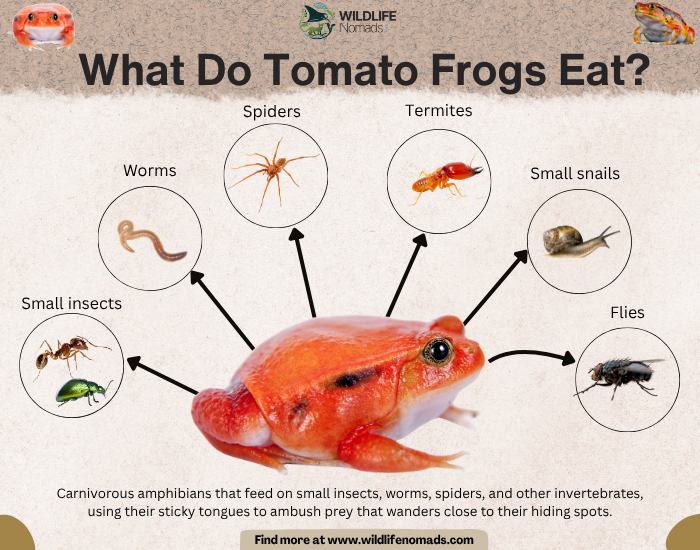
Tomato frogs are insectivores requiring a varied diet of live prey exclusively. Crickets form the staple food for most captive tomato frogs worldwide. However, variety prevents nutritional deficiencies and maintains feeding interest over time. Dubia roaches provide excellent nutrition and are readily accepted by most specimens.
Mealworms can supplement the diet but should be offered in moderation only. Their high fat content makes them unsuitable as a primary food source. All feeder insects require dusting with calcium powder before feeding. Calcium with vitamin D3 should be applied several times weekly for healthy growth.
A comprehensive multivitamin supplement should be used once weekly as well. This ensures tomato frogs receive essential vitamins and trace minerals. Gut-loading feeder insects before offering improves their nutritional value substantially. Feed insects high-quality vegetables and grains beforehand.
Adult tomato frogs typically eat every 2 to 3 days in captivity. Younger frogs may require daily feeding to support rapid growth rates. Offer appropriately sized prey items that fit easily in the frog’s mouth. Food items should be no larger than the space between the eyes.
11. Handling Should Be Avoided
Avoid handling tomato frogs except when absolutely necessary for health checks or cleaning. Frequent handling causes significant stress that can compromise immune function. Stressed amphibians become more susceptible to disease and other health problems.
Human hands contain oils, soaps, lotions, and other chemicals harmful to frogs. These substances absorb readily through the permeable skin of amphibian species. Even clean hands may carry residues that cause illness in sensitive frogs.
When handling becomes unavoidable, always wear disposable powder-free gloves. This protects both you from potential allergic reactions and the frog from contaminants. Keep handling time brief and support the frog’s body gently throughout. Tomato frogs may release their sticky white substance when picked up defensively.
This secretion can cause skin irritation or allergic reactions in some people. Wash hands thoroughly immediately after any contact with tomato frog secretions. Most people experience only minor, temporary irritation from exposure. However, the defensive behavior represents natural survival instinct, not aggression.
12. Three Species Make Up the Tomato Frog Family
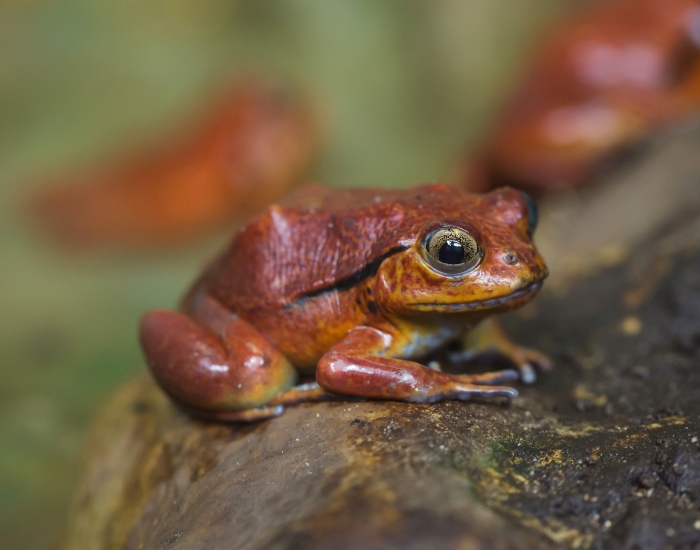
While this guide focuses on Dyscophus antongilii, the tomato frog family actually includes three distinct species, all endemic to Madagascar. Each species has unique characteristics and geographic distributions that set them apart.
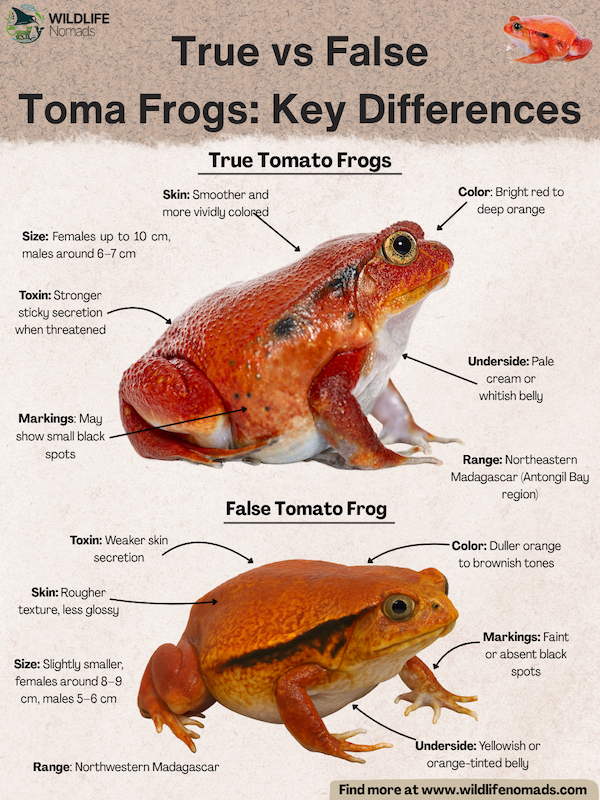
- Dyscophus antongilii, commonly known as the “true” tomato frog or Madagascar tomato frog, displays the brightest and most vibrant red coloration of all three species. This is the species featured throughout this guide, found naturally around Antongil Bay in northeastern Madagascar. Females exhibit the most striking red hues, making them the most visually impressive of the group.
- Dyscophus guineti, often called the “false” tomato frog or Sambava tomato frog, represents the species most commonly available in the pet trade. Despite being labeled “false,” these frogs still display attractive reddish-orange coloration, though typically less vibrant than D. antongilii. Their widespread availability in captive breeding programs makes them the most familiar tomato frog to pet keepers worldwide.
- Dyscophus insularis, known as the Antsouhy tomato frog, differs dramatically from its relatives in appearance. This species displays brown coloration rather than the characteristic red or orange tones. Due to its less striking appearance and limited range, D. insularis remains unavailable in the pet trade and is rarely encountered even by researchers in Madagascar.

13. Conservation Status Requires Continued Attention
The IUCN Red List currently classifies Dyscophus antongilii as Least Concern overall. This status reflects a 2017 reassessment that upgraded the species from Near Threatened. The change acknowledged apparent abundance in certain parts of their Madagascar range. However, the tomato frog has previously been considered an endangered species due to population declines, and this classification should not suggest the species faces no conservation challenges.
Deforestation in Madagascar continues destroying tomato frog habitat at alarming rates. Agricultural expansion, logging, and human settlement encroach on remaining forest areas. Swamp forests face particular pressure from drainage for rice cultivation in Madagascar. Their destruction eliminates critical breeding grounds for tomato frog populations.
Pollution of freshwater pools and slow-moving water sources threatens egg survival rates. Agricultural runoff introduces pesticides harmful to developing tadpoles and adults. Urban pollution adds additional contaminants that accumulate in fragile ecosystems. These potential threats, including habitat loss, pollution, and disease, continue despite the improved conservation status.
The chytrid fungus Batrachochytrium dendrobatidis poses a potential catastrophic threat. This fungal pathogen has devastated frog populations globally in recent decades. While not yet widespread in Madagascar, introduction could prove devastating for tomato frogs. Madagascar’s isolation has protected native amphibian species from many global diseases historically.
Similar Species: How to Tell Tomato Frogs Apart
Tomato frogs are easily recognized by their brilliant red-orange coloration, a feature that not only makes them stand out but also serves as a warning to potential predators about their toxicity. Female tomato frogs, in particular, display the most vibrant red shades on their backs, while males tend to be more orange or yellowish. Some individuals may also have distinctive black spots scattered across their backs, adding to their unique appearance.
To distinguish tomato frogs from similar species, look for two prominent dorsolateral folds running down their backs and a pale, almost white underside. Unlike some other frogs, the forefeet of tomato frogs are not webbed, and the webbing on their hind feet is minimal. These physical traits, combined with their plump, rounded bodies and striking coloration, make them relatively easy to identify.
If you’re unsure whether a frog is a true tomato frog, consulting resources from the Conservation Biology Institute or seeking advice from reputable experts in the pet trade can help ensure accurate identification. Recognizing these key features is essential, especially for those interested in keeping tomato frogs as pets or studying them in the wild.
Frequently Asked Questions About Tomato Frogs
No, the tomato frog is not venomous because it doesn’t inject toxins. Instead, it secretes a thick white substance from its skin that can irritate predators and cause mild allergic reactions in humans.
Yes, tomato frogs make popular pets, especially captive-bred varieties from established programs. They are relatively easy to care for as amphibian species go.
You should avoid touching tomato frogs unless absolutely necessary. Handling causes stress and chemicals on human hands can absorb through their skin and harm them.
Tomato frogs inflate their bodies when threatened. This makes them appear larger and harder to swallow for predators while enhancing their warning display.
In captivity with proper care, tomato frogs typically live 6 to 10 years. Wild specimens probably have shorter lifespans due to predation and environmental challenges.
Female tomato frogs reach approximately 10.5 centimeters in length. Males typically measure around 6.5 centimeters when fully grown, showing significant sexual dimorphism.
Protecting Madagascar’s Vibrant Frog
The tomato frog is one of Madagascar’s most distinctive amphibian species. Its bright red coloration and unique defensive adaptations make it instantly recognizable. However, this charismatic species faces ongoing conservation challenges requiring continued attention and action.
The future of the Tomato Frog depends on balancing human interests with conservation needs. Protecting their native habitat in Madagascar’s rainforests remains paramount for long-term survival. Through informed action and dedicated conservation work, we can ensure tomato frogs continue thriving for generations to come.

Further Reading
- Top 12 Types of Salamanders You Must Know
- Hellbender Habitat: Inside the World of America’s Giant Salamander
- Sonoran Desert Toad: Nature, Myth, and Mystery in the Desert
Find Wildlife Experiences in Madagascar
This blog is reader-supported. When you buy experiences through links listed on this site, we may earn an affiliate commission.