I think everyone has a personal story with a vulture. Most people see them as the grim reapers of the sky—hunched figures in dark brown feathers waiting for the inevitable. Depending on where you live, it might be a Turkey Vulture rocking unsteadily on a thermal in the US, or a King Vulture appearing like a feathered deity in the Amazonian canopy.
But as a biologist, I see something entirely different. When I see a vulture or a hyena, I don’t see a “garbage eater.” I see a high-performance ecological engine. I see nature’s most efficient recycler.
I’ll never forget a field trip to the rugged mountains of Baja, Mexico, back when I was at university. We were there to witness the conservation program for the California condor, one of the most magnificent scavenger animals on Earth. Watching these large birds, with their massive ten-foot wingspans, was transformative. But the story behind their near-extinction was a gut punch. They weren’t dying because they were being hunted directly. Instead, they were dying from lead poisoning.
Hunters would shoot animals, and the scavengers would move in to clean up. However, tiny fragments of lead from the bullets remained in the remains. For a condor, a single meal of contaminated meat can be a death sentence. It made me realize how vulnerable these “tough” animals actually are. In this deep dive, we’re going to look at the various types of vultures, the vulture species that roam our planet:

World Vultures: A Global Overview
When people ask, “How many types of vultures are there?” the answer is 23. These species are split into two groups that aren’t actually close relatives—a classic case of convergent evolution.
- Old World Vultures (Accipitridae): Found in Africa, Europe, and Asia. They are cousins to eagles and hawks.
- New World Vultures (Cathartidae): Found in the Americas. While once thought to be related to storks, DNA now shows they occupy their own unique evolutionary branch.
The Specialist Stars
- The Bone Eater: The Bearded Vulture (Lammergeier) is the only bird that lives on a diet of 80% bone. They drop bones from heights to shatter them into digestible pieces.
- The Tool User: The Egyptian Vulture uses stones to crack open ostrich eggs—one of the few birds documented using tools.
- The Heavyweight: The Andean Condor can weigh up to 33 lbs, making it the heaviest soaring bird on the planet.
The “Buzzard” Confusion
In the US, “buzzard” is slang for a vulture. However, in Europe, a Buzzard is a hawk (Buteo). If you tell a European biologist you saw a buzzard eating a carcass, they’ll look at you very strangely!
Why They Matter in 2026
Vultures are a “dead end” for diseases. Their stomach acid is so potent it can neutralize anthrax, botulism, and cholera. In regions where vulture populations crashed—like India in the 1990s due to the drug diclofenac—rabies cases skyrocketed as feral dogs filled the vacuum.
This is a vital story. We need to stop seeing them as omens of death and start seeing them as the guardians of public health.
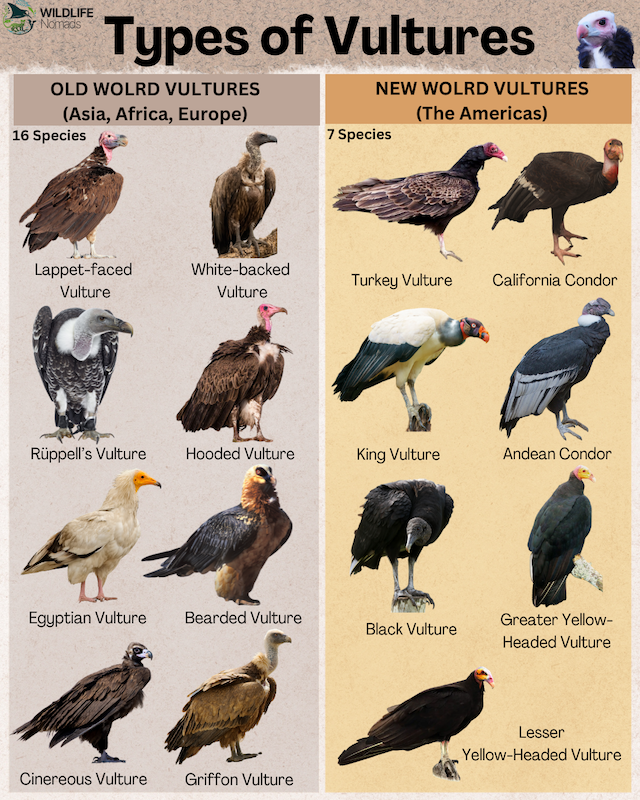
Old World Vultures: The Kings of the Savannah and Peaks
Old world vultures inhabit a massive geographic range, from the middle east to central africa and the high peaks of the Himalayas. They lack the incredible sense of smell found in some of their American cousins, instead relying on razor-sharp eyesight to find a carcass.
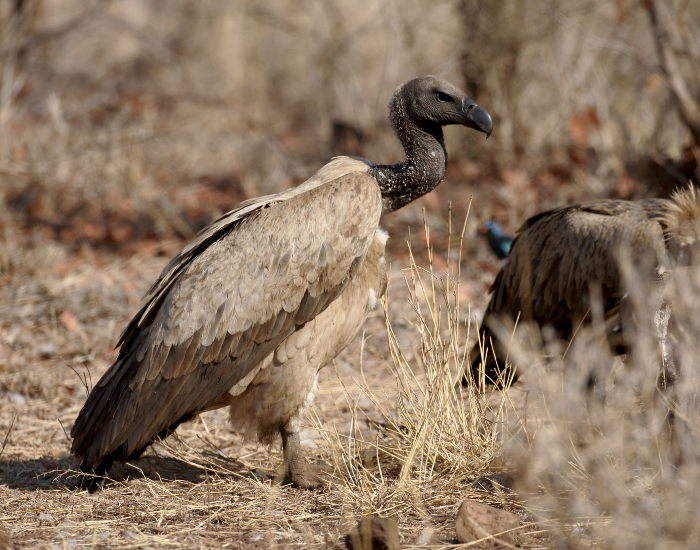
1. African White-Backed Vulture (Gyps africanus)
The african white backed vulture is the quintessential “savannah vulture.” White backed vultures are often seen in documentaries on the africa savanna, crowded around a lion’s kill, playing a crucial role as scavengers in the ecosystem.
- Range: Native to Africa, they are widespread across sub saharan africa.
- Identification: Look for the pale, almost white patch on the lower back that contrasts with their dark brown feathers.
- Status: Sadly, white backed vultures are critically endangered due to habitat loss and unintentional poisoning, making their conservation especially important.
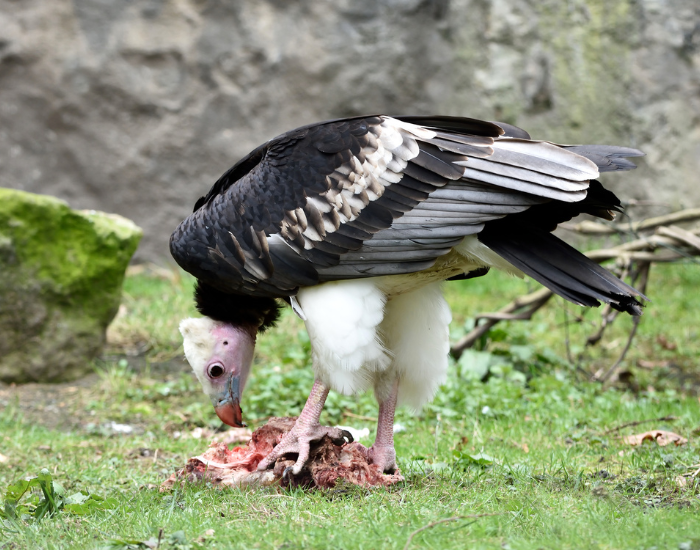
2. White-Headed Vulture (Trigonoceps occipitalis)
In my travels through southern africa, the white headed vulture always stood out. They are more solitary than the griffon vulture types, and they have a striking pink beak and a white downy “hat.” They are often the first to arrive at a kill but are easily bullied by larger vulture species.
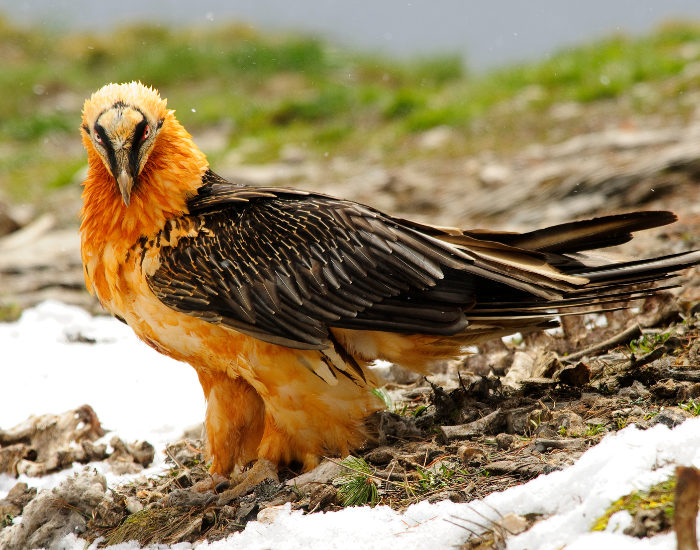
3. Bearded Vulture (Gypaetus barbatus)
Often called the Lammergeier, the bearded vulture is a specialist. Unlike other kinds of vultures, its diet consists of bones. I’ve watched these birds in the Pyrenees drop large bones onto rocky cliffs to shatter them into marrow-rich shards.
- Threats: They face significant threats from wind turbines and lead poisoning.
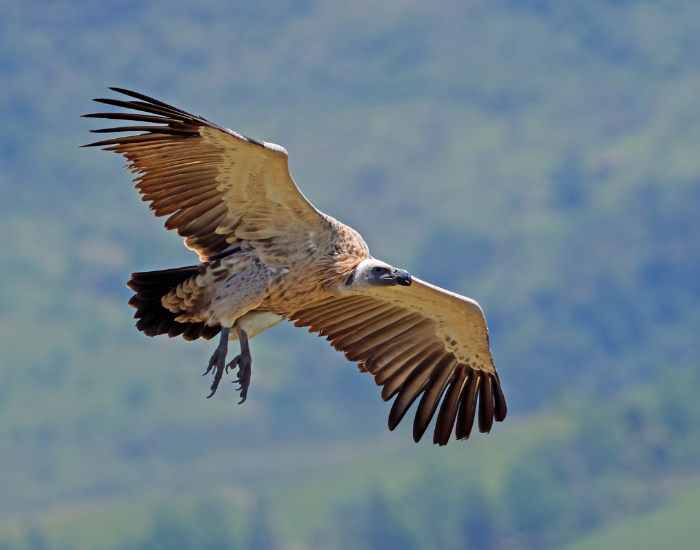
4. Cape Vulture (Gyps coprotheres)
Found primarily in southern africa, the cape vulture nests in large groups on high cliffs. They are massive birds and play a vital role in cleaning up dead livestock in farming areas. They are currently listed as Vulnerable, with vulture populations declining due to electrocution on power lines.
5. Griffon Vulture (Gyps fulvus)
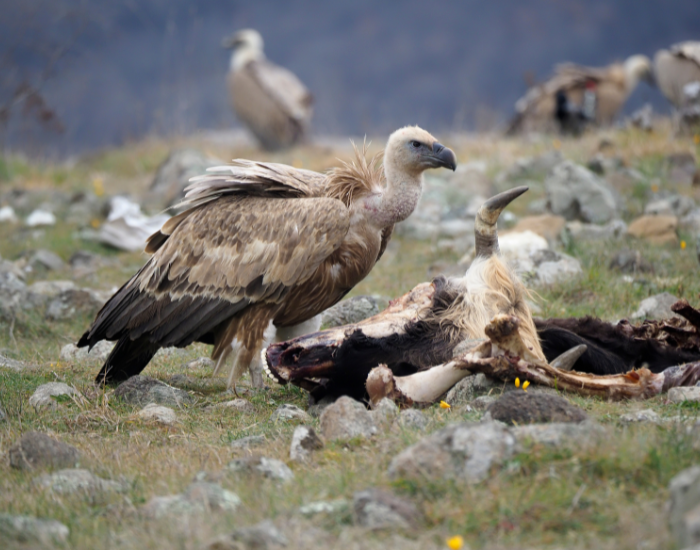
The griffon vulture is the most iconic eurasian vulture. You can find them from Spain to India. They are highly social and can strip a carcass in minutes. If you’re ever in the mountains of Europe, these are the different vultures you’ll see circling in “kettles.”
6. Indian Vulture (Gyps indicus)
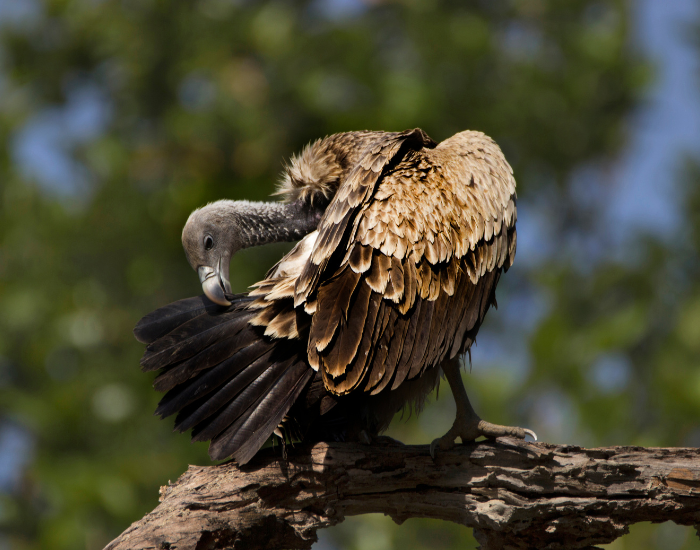
The story of the gyps indicus is a tragic one. In south asia, vulture populations crashed by over 99% in the 1990s because of a drug called diclofenac used in cattle. The white-rumped vulture (Gyps bengalensis), native to India and Southeast Asia, also suffered a dramatic population decline during this period. Without them, feral dogs moved into human settlements, leading to a massive spike in rabies cases. By 2026, “Vulture Safe Zones” in India have seen the first stable population increases in decades.
7. Lappet-Faced Vulture (Torgos tracheliotos)
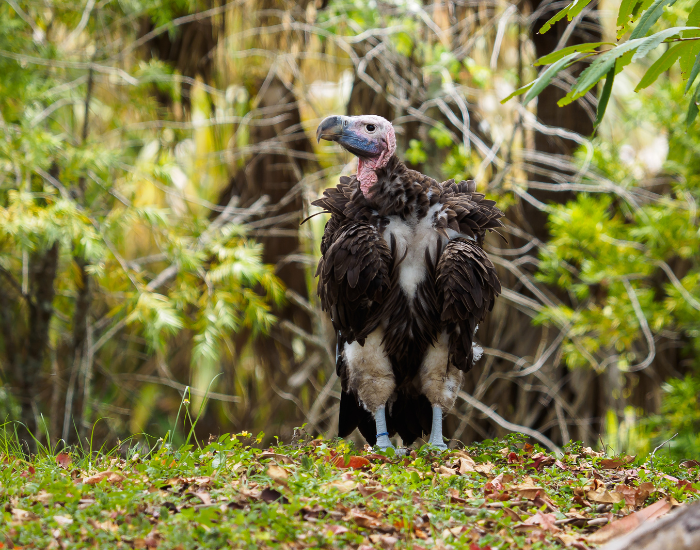
The powerhouse of the africa savanna. With a beak that can tear through the toughest hide, the lappet faced vulture is the one that opens the “package” for the smaller vulture breeds. I’ve seen them stare down jackals, they are undeniably the most aggressive vulture in Africa.
8. Egyptian Vulture (Neophron percnopterus)
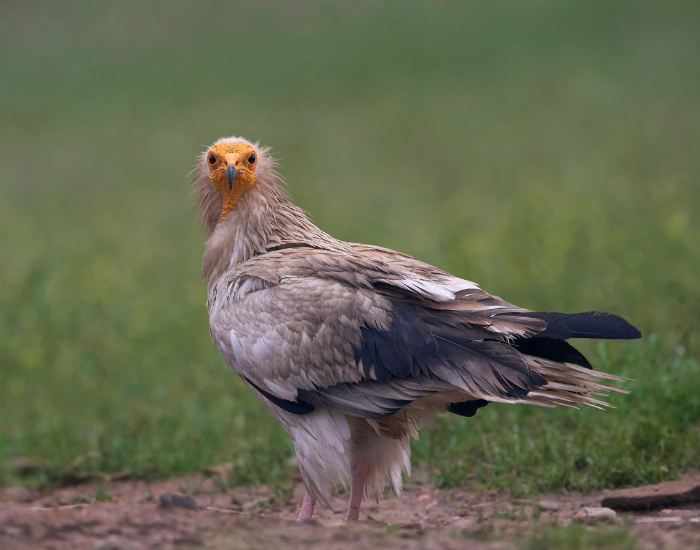
The “Pharaoh’s Chicken.” The Egyptian Vulture (Neophron percnopterus) is the only vulture known to use tools, specifically using stones to break open ostrich eggs. This smaller, white-plumaged scavenger has a distinctive yellow face and stands out among other vulture species. Egyptian Vultures are found in Europe, Africa, the Middle East, and India, making their range quite broad. They can also be seen at the San Diego Zoo Wildlife Alliance in California.
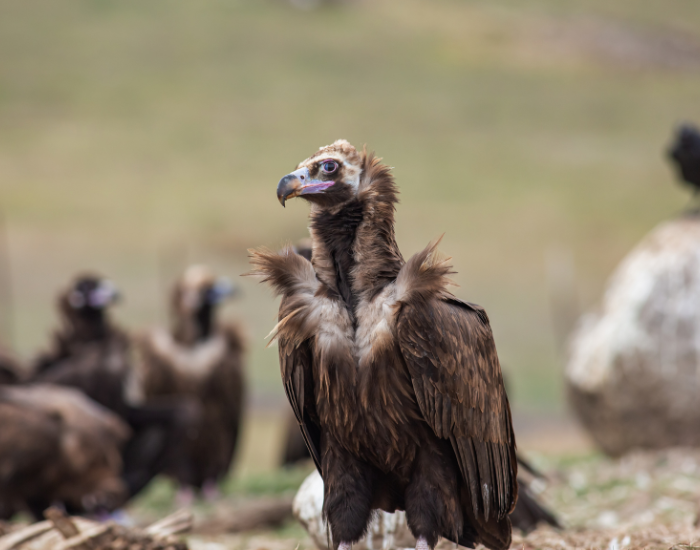
9. Cinereous Vulture (Aegypius monachus)
Cinereous vultures, also known as the monk vulture, are native to Southern Europe and Asia. Recognized by their ruff of feathers resembling a cowl, they are the largest vulture in Europe. These vultures are solitary nesters, often building a massive nest in trees rather than on cliffs. Cinereous vultures are sometimes seen in zoos and have cultural significance, including roles in funerary practices in some regions.
New World Vultures: The Western Specialists
The new world vultures are a distinct group. Some, like the turkey vulture (Cathartes aura), have a sense of smell so refined they can detect carrion hidden under a dense forest canopy.
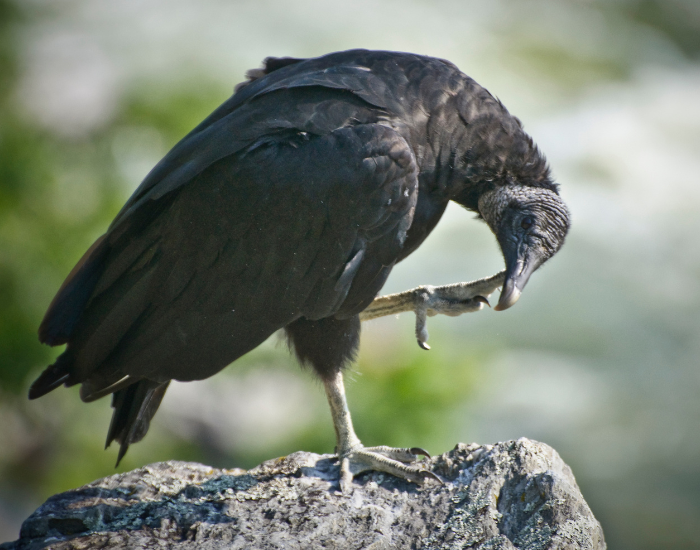
10. American Black Vulture (Coragyps atratus)
The american black vulture is highly social and often follows the turkey vulture to find food. While they lack the turkey vulture’s sense of smell, they make up for it with numbers and aggression. You’ll often find them roosting on abandoned buildings or near human settlements.
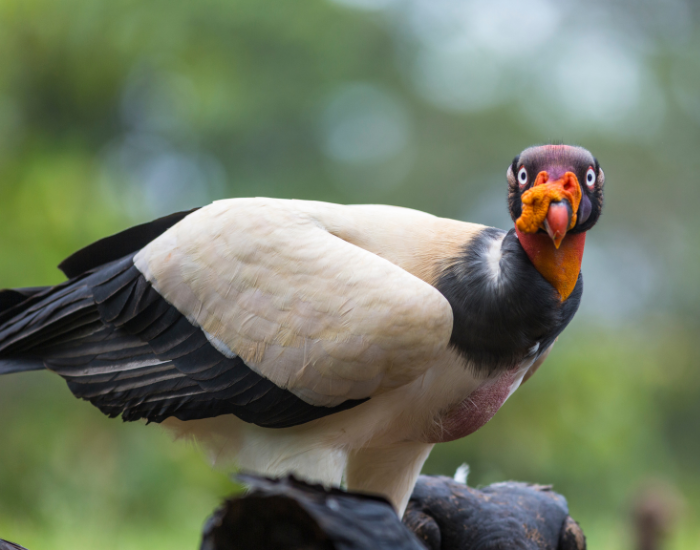
11. King Vulture (Sarcoramphus papa)
The king vulture is arguably the most beautiful of all vultures name lists. With a marble-white body and a head painted in vibrant oranges, reds, and purples, they look more like tropical parrots than scavengers. They live in the deep forests of south america.
12. Greater Yellow-Headed Vulture (Cathartes melambrotus)
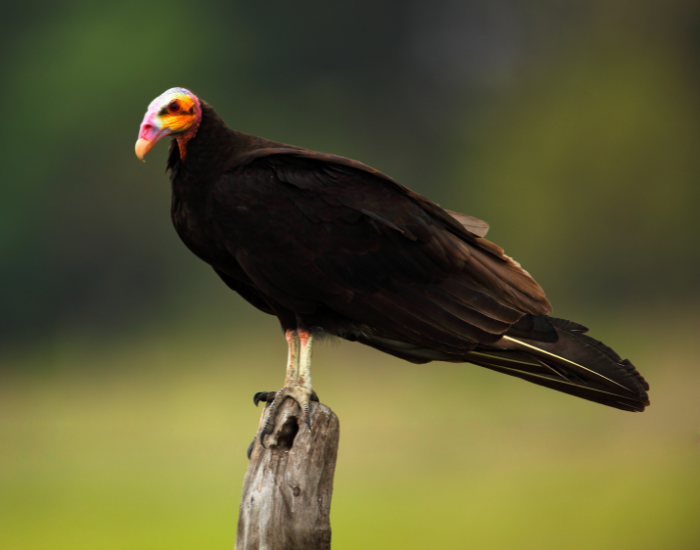
A specialist of the Amazon basin, the greater yellow headed vulture looks very similar to its turkey vulture cousin but prefers the humid, undisturbed rainforest. They are slightly larger and have a more golden-hued head.
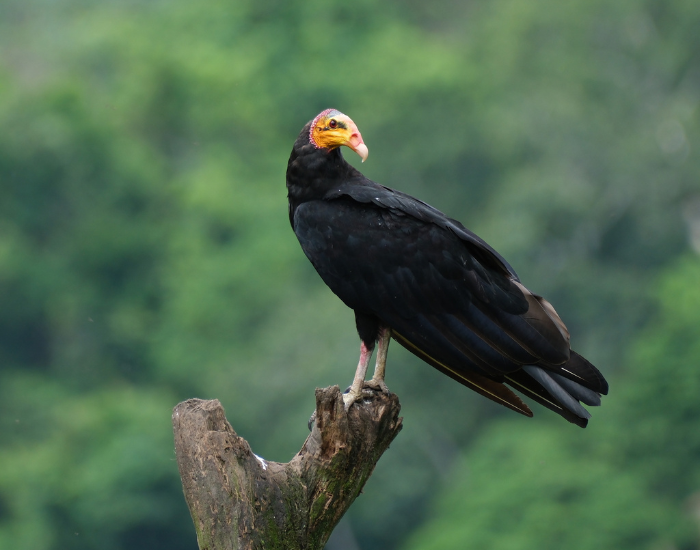
13. Lesser Yellow-Headed Vulture (Cathartes burrovianus)
Found in the grasslands and marshes of Central and south america, the lesser yellow headed vulture is a master of the low-level hunt. They glide just above the grass looking for dead animals, small reptiles, or even dead livestock.
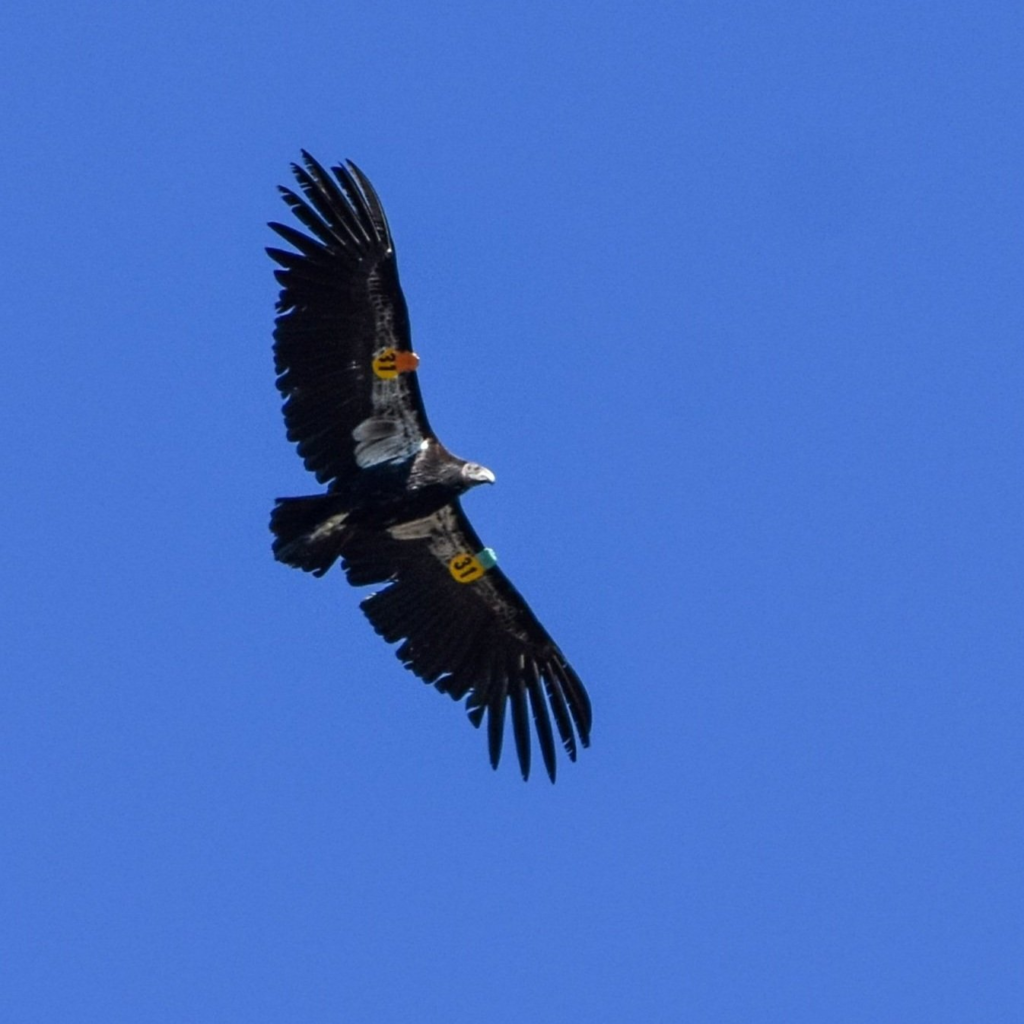
14. California Condor (Gymnogyps californianus)
As I mentioned from my time in Baja, the California condor is a miracle of conservation. They are the largest vulture (by wingspan) in North America. Thanks to captive breeding, their numbers are slowly climbing, though habitat degradation remains a concern.
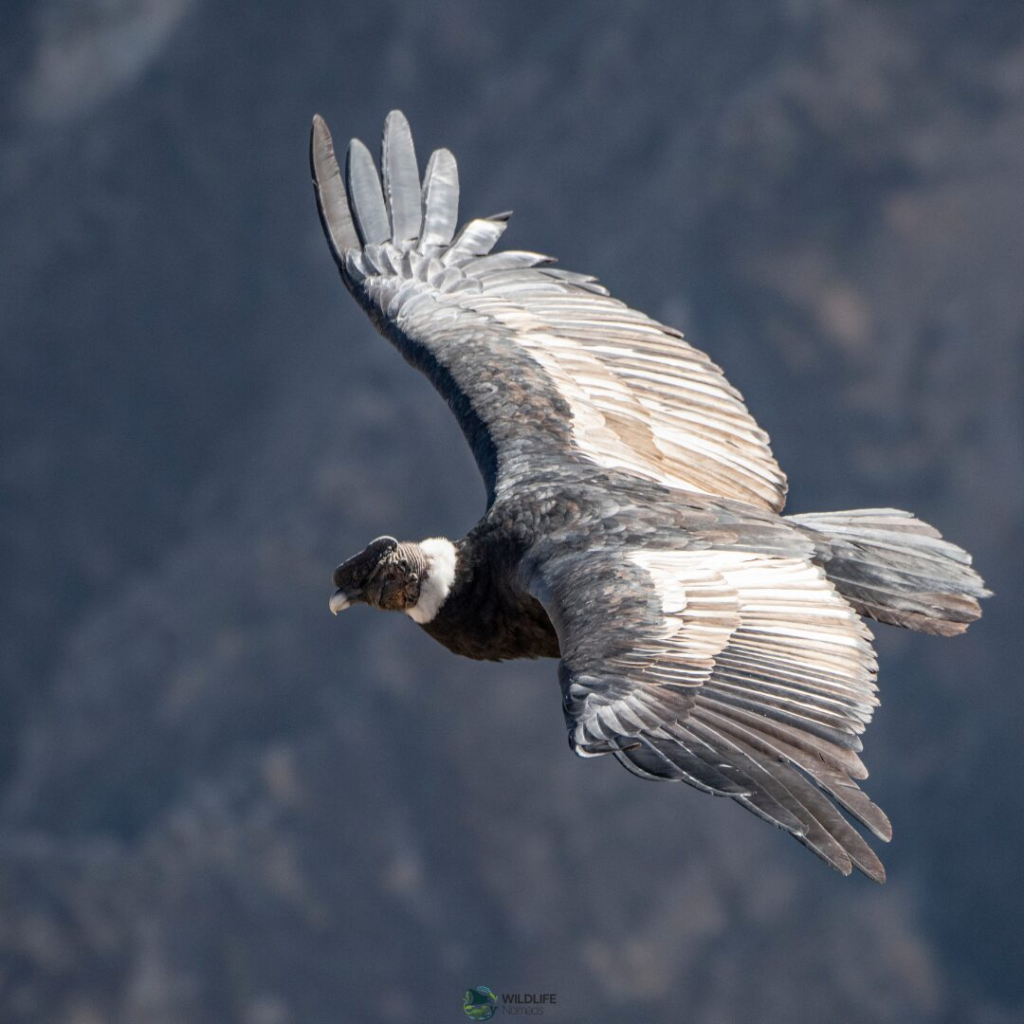
15. Andean Condor (Vultur gryphus)
Is a condor just a big vulture? Technically, yes! Andean condors, found in the Andes mountain range of South America across Chile, Ecuador, Argentina and other countries. They prefer open grasslands and alpine regions. The Andean Condor is the largest breed of vulture and the heaviest bird of prey in the world. Watching one of these giants soar over the Andes is a spiritual experience.
Andean Condors can be seen at the San Diego Zoo Wildlife Alliance, Los Angeles Zoo, and ABQ Bio Park in New Mexico.
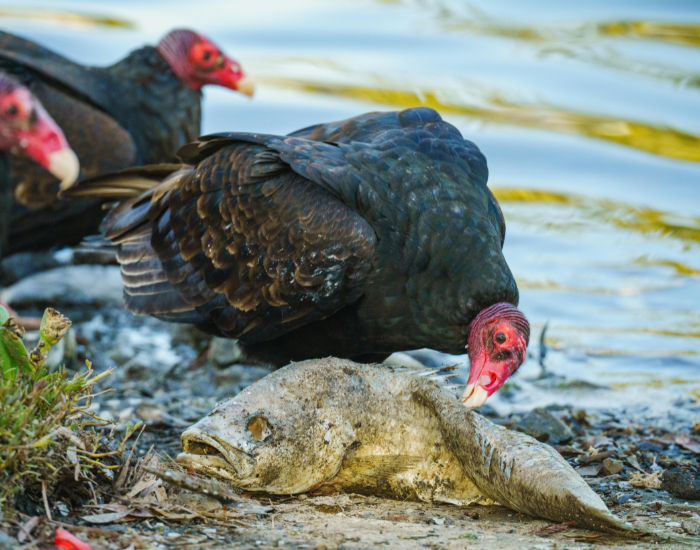
16. Turkey Vulture (Cathartes aura)
Turkey vultures are the most widespread of the New World vultures, ranging from southern Canada to the tip of South America. Often found rocking unsteadily on thermals, they are easily identified by their red, featherless heads and dark brown feathers. Unlike most other vulture species, they possess an incredible sense of smell to find carrion hidden under forest canopies. While often mistakenly called “buzzards” in the US, they are actually nature’s most efficient recyclers, frequently spotted near human settlements and along roadsides.
The Scavenger’s Burden
Vultures face an uphill battle. Whether it’s lead poisoning in the US, traditional medicine trades in Africa, or unintentional poisoning from carcass baits meant for predators, these birds are under fire.
In my work as a biologist, I’ve seen that the biggest hurdle to vulture conservation is their image. People love birds of prey such as bald eagles and caracaras (which I’ve written about [here]), but vultures are often ignored. However, they are a “dead end” for diseases. Their stomach acid is so potent it can neutralize anthrax, botulism, and cholera. Without them, our world gets a lot more dangerous.
FAQ: Your Vulture Questions Answered
There are three main kinds of vultures in the US: the Turkey Vulture, the Black Vulture, and the California Condor.
In the US, people often use “buzzard” to mean vulture. However, in Europe, a buzzard is actually a type of hawk (Buteo). If you tell a European biologist you saw a buzzard eating a carcass, they’ll be very confused!
The Andean Condor is the largest by weight and overall size, while the California Condor has the largest wingspan in North America. Among the Old World vultures, the Cinereous Vulture is the heavyweight champion.
The Lappet-faced vulture is widely considered the most aggressive vulture. They are large enough to drive away other scavengers like jackals and even smaller eagles from a kill.
Respecting the Clean-Up Crew
The next time you see a group of vultures circling, don’t think of death. Think of life. Think of a clean ecosystem and a bird that has spent millions of years perfecting the art of the soar. Whether it’s the nubian vulture in the desert, the white rumped vultures of Asia, or the palm nut vulture, which is native to Africa and is unique for its partly fruit-based diet—these birds are the unsung heroes of our planet.
In recent decades, vulture populations have declined dramatically, highlighting the urgent need for conservation efforts to protect these vital species.