
Zimbabwe, a landlocked country in southern Africa, is a hidden gem for safari enthusiasts, often eclipsed by other safari destinations in Africa, like south Africa, Tanzania or even Botswana. Africa’s unique and diverse wildlife makes it a prime safari and adventure destination, with iconic species and unspoiled natural environments that attract travelers from around the world.
Zimbabwe’s key attractions include its remarkable national parks, rich cultural heritage, and unique wildlife experiences, setting it apart as a must-visit destination. Among its treasures is Great Zimbabwe, a significant historical and archaeological site, with the Great Zimbabwe Ruins recognized as a UNESCO World Heritage Site and a testament to the country’s ancient civilization. With its diverse landscapes, rich cultural heritage, and abundant wildlife, Zimbabwe offers an unforgettable experience for those looking to explore Animals in Africa.
Zimbabwe is a destination that will leave you in awe. Zimbabwe’s world heritage sites, such as Victoria Falls and Mana Pools, are internationally recognized for their cultural and natural significance, adding prestige to the country’s tourism appeal. Matusadona National Park, a remote and rugged wildlife sanctuary located on the southern shore of Lake Kariba, is known for its black rhinos and notable lion prides. In this article, we will delve into the world of safari in Zimbabwe, exploring the best time to visit, community and conservation efforts, and what to expect from your safari adventure.
Why Visit Zimbabwe for a Safari
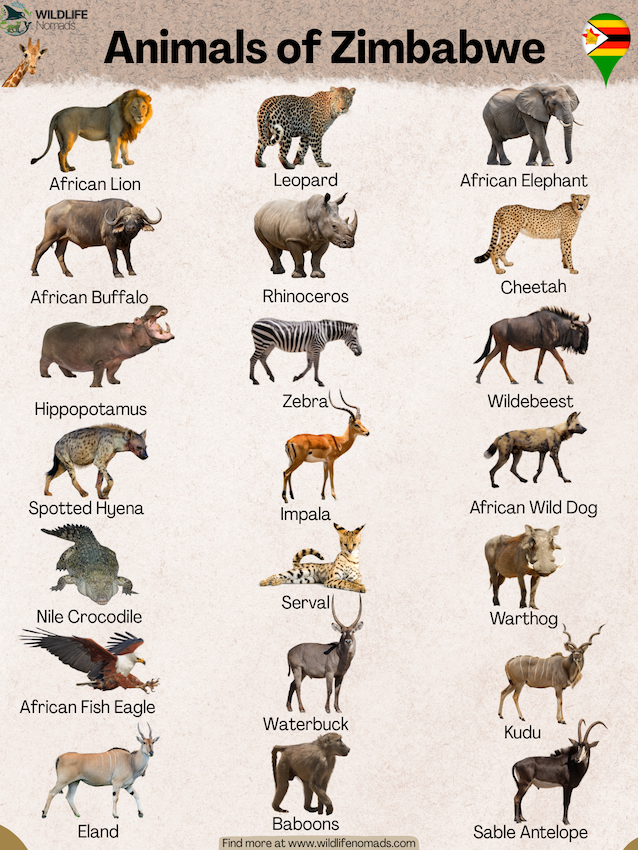
Zimbabwe’s natural heritage makes it a premier safari destination, offering a unique blend of wildlife viewing, conservation, and outdoor adventure. With over 350 species of mammals, 500 species of birds, and 131 fish species, Zimbabwe’s diverse ecosystems are a haven for nature lovers. The country’s national parks, including Hwange National Park, Mana Pools National Park, Matobo National Park, and Matusadona National Park, provide a safe haven for wildlife to thrive.
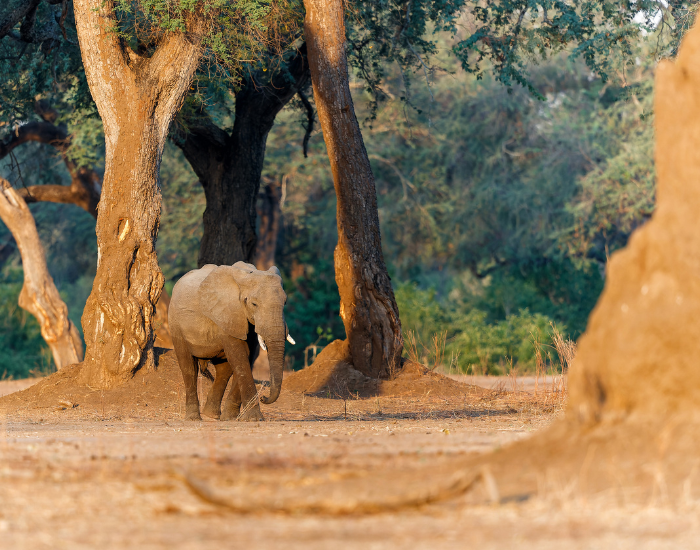
Hwange National Park is especially renowned for Mandavu Dam, a key wildlife viewing spot where large herds of elephants gather during the dry season. Matusadona National Park, located on the southern shore of Lake Kariba, is a remote and rugged wildlife sanctuary known for its accessibility challenges and significance as a haven for endangered species, including black rhinos and notable lion prides.
Visitors can participate in bush walks, game drives, and walking safaris, getting up close and personal with the incredible wildlife that calls Zimbabwe home. For those seeking a more exclusive experience, staying in a private concession offers access to activities such as off-road game drives, night drives, and guided nature walks that are not permitted in regular national parks.
Best Time to Visit Zimbabwe for a Safari
The best time to visit Zimbabwe for a safari is during the dry season, from June to September. This period offers cooler temperatures and ideal conditions for spotting wildlife, as animals congregate around waterholes.
The dry season also provides better visibility, making it easier to spot the incredible wildlife that Zimbabwe has to offer. However, the green season, from November to March, is also a great time to visit, as the landscapes are lush and green, and the wildlife is more active.
During the rainy season, increased rainfall transforms the landscape and attractions such as Chivilia Waterfalls, making the waterfalls especially impressive due to the higher water flow. Matusadona National Park offers unique wildlife viewing opportunities, especially during the dry season when animals congregate around Lake Kariba.
Planning Your Zimbabwe Safari
Planning a Zimbabwe safari can be an exciting yet overwhelming task. To ensure a memorable experience, consider the following tips:
- Timing is Everything: The best time to visit Zimbabwe for a safari is during the dry season, from June to September. During this period, the weather is cooler, and wildlife congregates around water sources, making it easier to spot animals.
- Choose Your Safari Style: Zimbabwe offers a variety of safari options, including walking safaris, game drives, and canoe safaris. Afternoon game drives are a key activity for maximizing wildlife viewing, as many animals are more active during this time. Decide which type of safari suits your interests and physical abilities.
- Select Your Destinations: Zimbabwe boasts several renowned national parks. Hwange National Park is famous for its large elephant herds, while Mana Pools National Park offers exceptional walking safaris along the Zambezi River. Matobo National Park is known for its unique rock formations and rhino tracking opportunities. For a more authentic and exclusive safari experience, consider exploring parks or reserves that are off the beaten track, where you can enjoy less crowded and more secluded adventures.
- Book Accommodations in Advance: From budget-friendly campsites to luxurious safari lodges, Zimbabwe has a range of accommodations to suit all preferences. Booking in advance ensures you secure the best spots.
- Work with Reputable Tour Operators: Consider partnering with a reputable tour operator to plan your safari. They can help create a customized itinerary, provide expert guides, and arrange transportation, ensuring a smooth and enjoyable experience.
1. Hwange National Park – Elephant Central
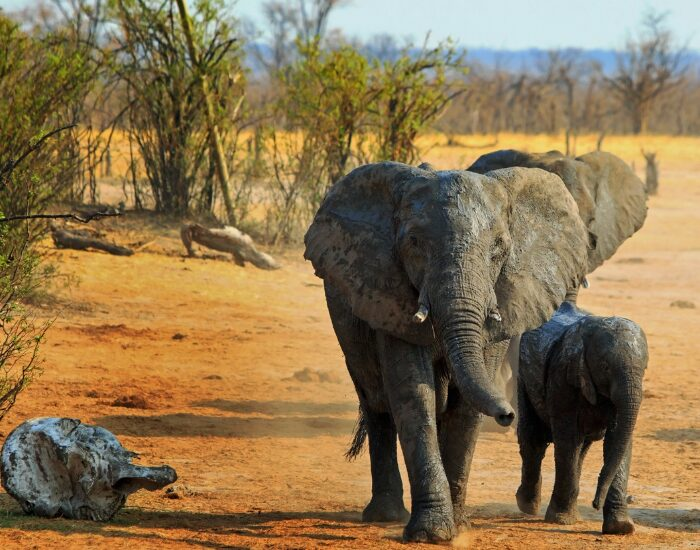
Hwange is Zimbabwe’s largest and most iconic national park, home to one of Africa’s densest elephant populations and renowned for its exceptional wildlife encounters. Covering over 14,600 square kilometers of mopane woodland, grassland, and seasonal pans, this park is a powerhouse for predators and prey alike. There are numerous Zimbabwe safari tours available, offering diverse packages and experiences for travelers. Hwange is especially famous for its large lion prides, thriving African wild dog population, and spectacular dry-season game concentrations around pumped waterholes.
Camp Hwange is a remote, wilderness-based lodging located within Hwange National Park, known for its proximity to a waterhole and excellent guiding services.
Game drives here deliver big cat sightings, while walking safaris introduce you to the bush at ground level, led by some of Africa’s most qualified guides.
Where to Watch: Ngweshla, Nyamandhlovu Pan, Kennedy Pans, and Linkwasha
Species to See: Elephants, lions, wild dogs, buffalo, roan and sable antelope
When to Visit: July to October for dry season game concentrations
Find a Safari in Hwange National Park
2. Mana Pools National Park – Wilderness by the Water
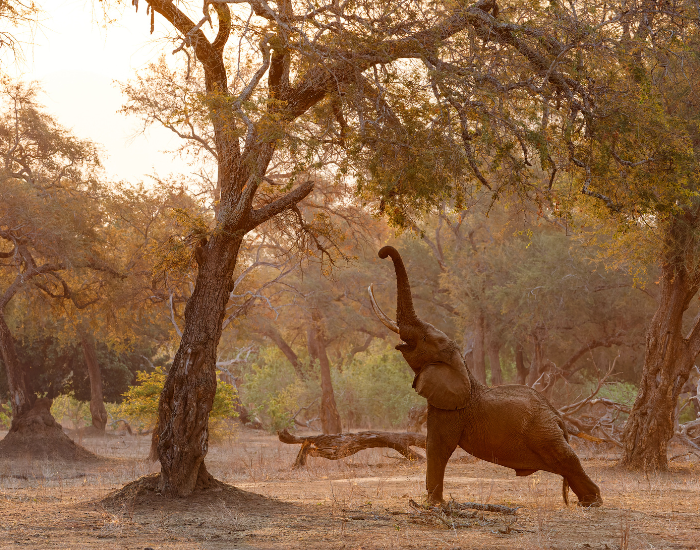
A UNESCO World Heritage Site, Mana Pools is known for its wild and remote Zambezi River setting and its unbeatable walking safaris. During the dry season, elephants are often seen standing on their hind legs to reach albida trees, an iconic sight for wildlife photographers. The river’s floodplains draw herds of impala, zebra, and waterbuck, which in turn attract lions and leopards.
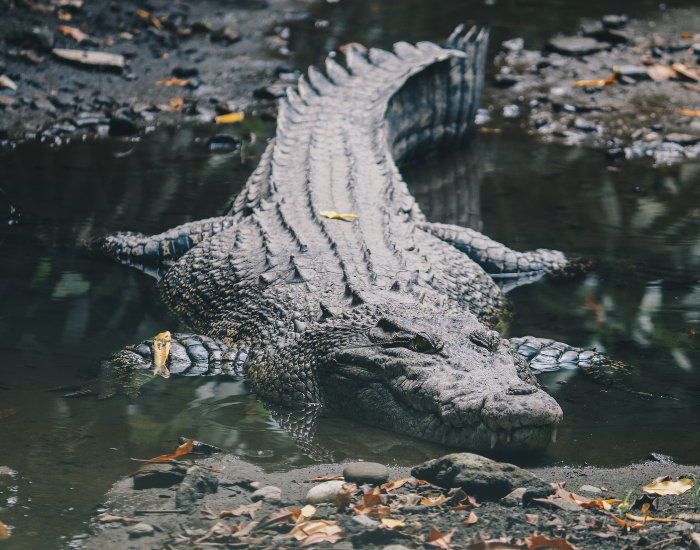
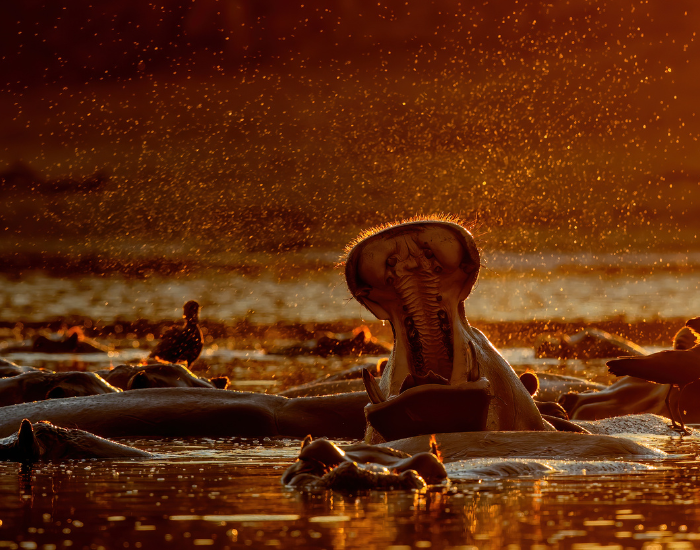
Canoe safaris along the Zambezi offer a completely different vantage point, expect hippos at eye level and crocs sunbathing on sandbanks.
Where to Watch: Nyamepi Camp, Chikwenya, Vundu Camp, Zambezi shoreline
Species to See: Elephants, lions, leopards, hippos, crocodiles, wild dogs
When to Visit: June to October for best visibility and predator activity
Find a Safari in Mana Pools National Park
3. Matobo National Park – Rock Art and Rhinos
Matobo’s striking granite hills hold spiritual and ecological significance, and some of the highest leopard densities in Zimbabwe. This park also offers rare chances to track both black and white rhinos on foot with expert rangers. The area is steeped in history, with ancient San rock paintings and the grave of Cecil Rhodes.
If you’re a birder, look up, Matobo is a raptor hotspot, home to Verreaux’s eagles and over 300 bird species.
Where to Watch: Whovi Wilderness Area, Maleme Dam, Rhodes’ Grave, caves with rock art
Species to See: Black and white rhinos, leopards, klipspringers, eagles, dassies, elephant shrews.
When to Visit: May to September for cooler temperatures and better tracking conditions
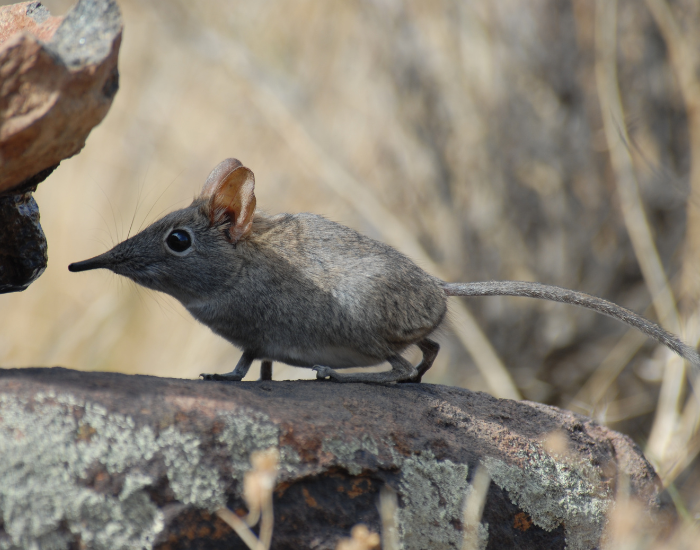
Find a Safari in Matobo National Park
4. Gonarezhou National Park – Zimbabwe’s Wild Frontier
Tucked into the southeast and forming part of the Great Limpopo Transfrontier Park, Gonarezhou means “Place of Elephants.” This is one of Zimbabwe’s least-visited parks, making it ideal for those seeking solitude and raw nature. Gonarezhou’s landscapes vary dramatically—from red sandstone cliffs to floodplains and baobab groves.
This is the park for experienced safari-goers, self-drivers, or anyone craving a deeper connection with Africa’s wild spaces.
Where to Watch: Chilojo Cliffs, Runde River Valley, Machaniwa Pan
Species to See: Elephants, nyala, kudu, wild dogs, lions, crocodiles
When to Visit: June to October when water is scarce and animals concentrate along rivers
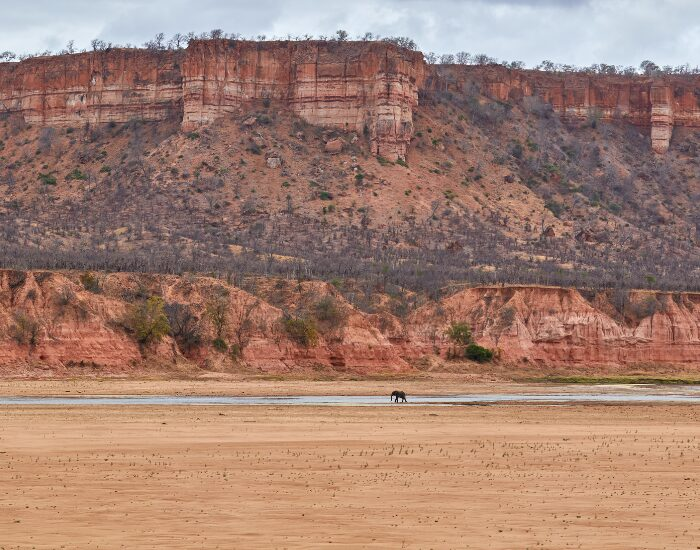
The iconic Chilojo Cliffs | Getty Images[/caption]
Find a Safari in Gonarezhou National Park
5. Zambezi National Park – Victoria Falls on Safari
If you’re short on time or combining a trip to Victoria Falls with safari, Zambezi National Park is your go-to. Located just upstream from the Falls, this park offers excellent game viewing along the Zambezi River with the added bonus of spectacular sunsets. Vic Falls is a must-visit destination, recognized as a UNESCO World Heritage Site and often featured in broader safari itineraries across Zimbabwe and neighboring countries. While smaller than other parks, it still delivers big game, birdlife, and tranquil riverside experiences.
Boat safaris, tiger fishing, and riverside sundowners make this park a solid choice for couples, families, and first-timers. River cruises are also a popular and scenic way to explore the area, offering a premium alternative to traditional safaris.
Where to Watch: Zambezi River Drive, Chamabondo Game Area
Species to See: Elephants, buffalo, giraffe, hippos, crocodiles, kudu
When to Visit: May to October for dry season game viewing and lower river levels
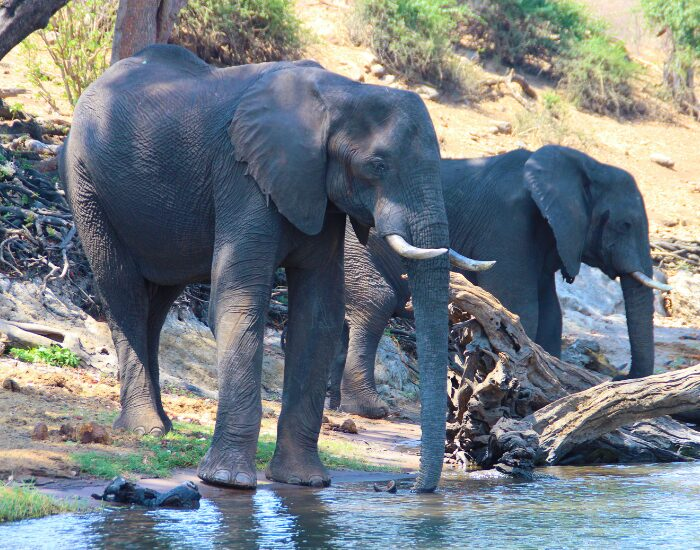
Chobe National Park, just across the border in Botswana, is another prime wildlife destination often combined with Zambezi National Park and Victoria Falls in regional safari tours.
Find a Safari in Zambezi National Park
Wildlife Viewing in Zimbabwe
Zimbabwe is a paradise for wildlife enthusiasts, offering some of the best wildlife viewing opportunities in Africa. The country’s diverse ecosystems support a wide range of species, including the iconic Big Five. Here are some top spots for wildlife viewing:
- Hwange National Park: As one of Africa’s largest national parks, Hwange is home to an impressive array of wildlife. Visitors can expect to see elephants, lions, giraffes, and a variety of antelope species. The park’s waterholes are prime spots for observing animals, especially during the dry season.
- Mana Pools National Park: Known for its picturesque setting along the Zambezi River, Mana Pools is a haven for wildlife. Elephants, lions, and leopards are commonly sighted, and the park is famous for its walking safaris, offering close encounters with nature.
- Matobo National Park: This park is renowned for its population of white rhinoceros and its dramatic granite landscapes. In addition to rhinos, visitors can spot leopards, eagles, and other bird species. The park’s ancient rock art adds a historical dimension to the wildlife experience.
- Victoria Falls National Park: Located near the iconic Victoria Falls, this park offers a mix of wildlife and stunning scenery. Elephants, lions, and giraffes are among the animals that can be seen, making it a great addition to any safari itinerary.
With its rich biodiversity and well-managed national parks, Zimbabwe provides unparalleled opportunities for wildlife viewing.
Community and Conservation Efforts in Zimbabwe
Zimbabwe’s commitment to responsible tourism is evident in its strong focus on community and conservation efforts. Zimbabwe’s national parks and wildlife reserves are managed by the Zimbabwe Parks and Wildlife Management Authority, which works closely with local communities to promote sustainable tourism practices. The leadership of president Robert Mugabe had a significant impact on Zimbabwe’s economic and social stability, which in turn influenced conservation and tourism; recent political changes have aimed to support recovery and strengthen these sectors.
Matusadona National Park, a remote and rugged wildlife sanctuary on the southern shore of Lake Kariba, plays a crucial role in the conservation of endangered species, including black rhinos. Many safari lodges and tour operators in Zimbabwe also support community-based initiatives, such as sponsoring schools, providing dental care, and installing solar water pumps. By visiting Zimbabwe, you are contributing to the conservation of the country’s incredible wildlife and supporting local communities.
Where to Stay in Zimbabwe
Zimbabwe offers a range of accommodations to suit all budgets and preferences, ensuring a comfortable and enjoyable safari experience. Here are some top options:
- Safari Lodges: These are the most popular accommodations for safari-goers. Safari lodges offer a range of amenities, including game drives, walking safaris, and canoe safaris. They provide a comfortable base from which to explore the surrounding wilderness.
- National Park Campsites: For budget-conscious travelers, national park campsites are an excellent option. These campsites offer basic facilities and the chance to immerse yourself in nature. Many campsites also provide guided game drives.
- Luxury Lodges: For those seeking a more indulgent experience, luxury lodges offer top-notch amenities such as fine dining, spas, and private game drives. These lodges provide a high level of comfort and personalized service.
- Victoria Falls Town: Located near the famous Victoria Falls, this town offers a variety of accommodations, including hotels, lodges, and guesthouses. Ilala Lodge is a well-located hotel near Victoria Falls, known for its comfortable rooms, friendly atmosphere, and quality food offerings. Staying in Victoria Falls Town allows easy access to the falls and nearby national parks, making it a convenient base for your safari adventure.
No matter your budget or preferences, Zimbabwe has accommodations that will enhance your safari experience.
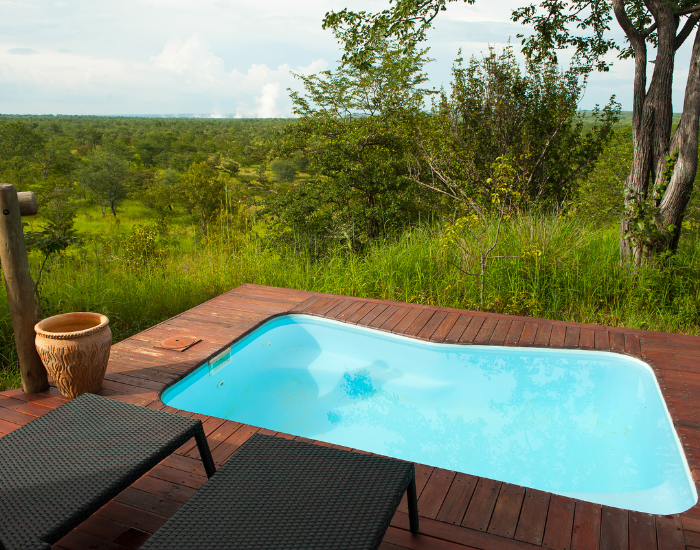
Plunge pool African safari | Photo by Steven Allan
Tips for Visiting Zimbabwe
To make the most of your Zimbabwe safari, consider the following tips:
- Health Precautions: Ensure you have all necessary vaccinations before traveling to Zimbabwe. Consult with your healthcare provider for recommendations.
- Sun Protection: Bring sunscreen, a hat, and sunglasses to protect yourself from the sun’s intense rays.
- Comfortable Clothing: Wear comfortable clothing and sturdy shoes suitable for game drives and walking safaris. Neutral colors are recommended to blend in with the environment.
- Photography Gear: Bring a camera and binoculars to capture the incredible wildlife and landscapes. Extra memory cards and batteries are also advisable.
- Respect Local Culture and Wildlife: Follow all instructions from your guides and park rangers. Respect the local culture and wildlife, and avoid disturbing animals.
- Weather Preparedness: Be prepared for variable weather conditions, including heat, cold, and rain. Pack accordingly to stay comfortable.
- Stay Hydrated: Bring a water bottle and drink plenty of water throughout the day to stay hydrated.
- Tipping: Tip your guides and park rangers for their excellent service. It is customary to show appreciation for their hard work and expertise.
Bonus: Malilangwe Wildlife Reserve – Private Luxury with Purpose
Though not as well-known, Malilangwe is a standout private reserve adjoining Gonarezhou. Managed by the Malilangwe Trust and Singita, it offers a high-end, conservation-driven safari experience. With just one lodge on 130,000 acres of wilderness, you’ll enjoy exclusive access to big game, rare species, and a safari that supports community and ecological projects.
Where to Watch: Singita Pamushana Lodge surroundings, dam viewpoints, sandstone hills
Species to See: Black rhino, sable antelope, lions, cheetahs, eland
When to Visit: Year-round, with June to October best for large mammals
Get Ready For Your Adventure!
Zimbabwe is a safari destination like no other, offering an unforgettable experience for those looking to explore the African savannah. With its diverse landscapes, rich cultural heritage, and abundant wildlife, Zimbabwe is a must-visit destination for any safari enthusiast. By visiting Zimbabwe, you are not only experiencing the incredible wildlife and natural beauty of the country, but also supporting community and conservation efforts. So why not start planning your Zimbabwe safari adventure today?
Don’t miss the chance to visit Matusadona National Park, a remote and rugged wildlife sanctuary on the southern shore of Lake Kariba, known for its significant conservation efforts and as a haven for endangered species like black rhinos and notable lion prides.