
Africa is synonymous with wildlife. If you’ve ever caught yourself daydreaming about the untamed beauty of animals in Africa, or if you are like me, you used to wonder every time you watched the “Lion King” this is your place.
Africa’s got it all, towering giraffes, stealthy cheetahs, and critters so rare they feel like myths. With over 2,500 species of birds (including birds like the amazing hornbills or the secretary bird) and over 6,400 mammals, it’s no wonder people are obsessed with wildlife animals in Africa. But it’s not just about the wow factor, many of these species are under threat, and how we engage with them matters.
Africa is also home to approximately 3,000 species of freshwater fish, particularly in regions like the East African Great Lakes, which are known for their high levels of biodiversity and number of endemic species, especially within the cichlid family.
Why Are Animals in Africa So Unique?
Africa’s wildlife stands out because of its sheer diversity and evolutionary quirks. Isolated by oceans and deserts, the continent became a natural lab for species to adapt in wild ways. From the Serengeti’s endless plains to Madagascar’s alien forests, animals in Africa have carved out niches you won’t find anywhere else. Think about it, no other place has the mix of megafauna, endemic oddballs, and amazing migrations that define wildlife in Africa.
For instance, there are four species of dik-diks found in eastern and southern Africa, and four species of giraffes, each with unique characteristics and habitats.
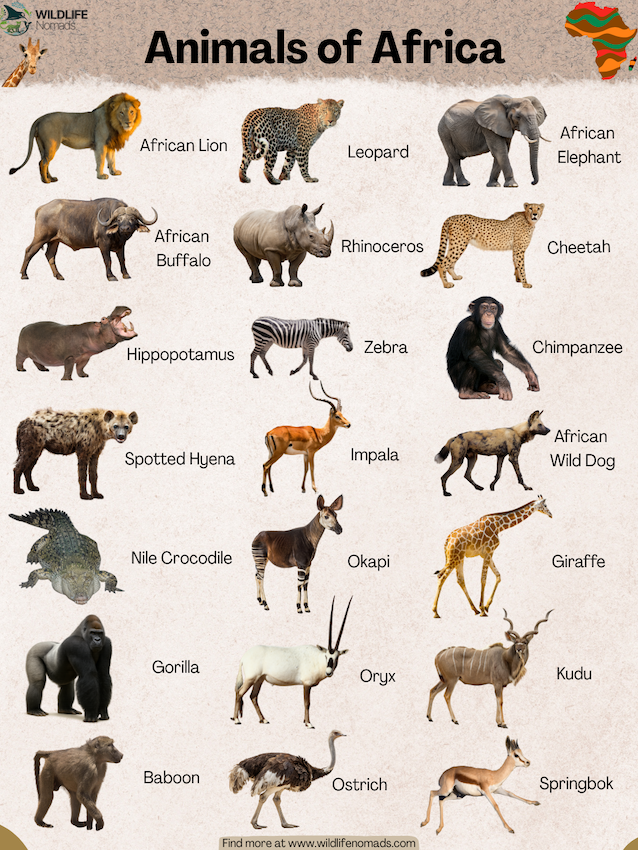
Wildlife Regions of Africa
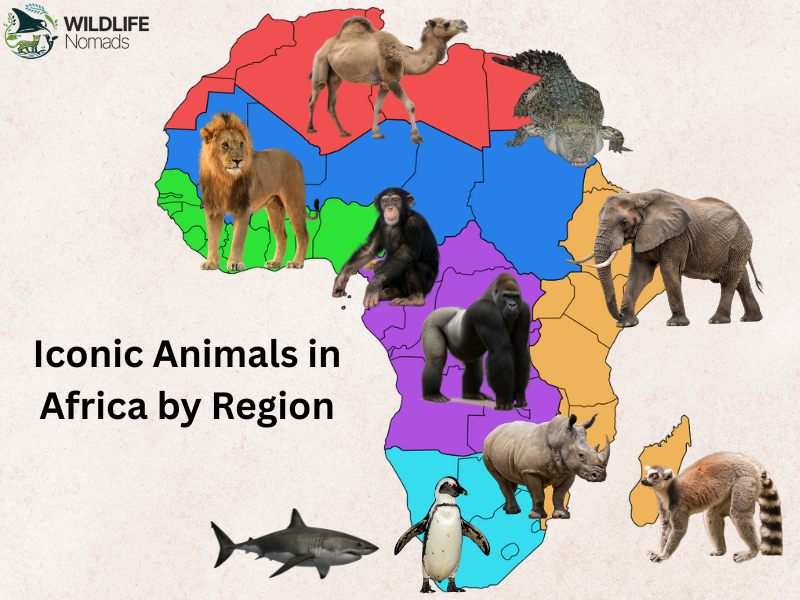
Africa’s wildlife is as diverse as its landscapes, and the continent can be divided into several distinct wildlife regions, each with its own unique characteristics and species.
- Southern Africa: This region is a wildlife enthusiast’s dream, home to a wide range of animals including lions, leopards, elephants, and giraffes. Iconic national parks like Kruger National Park in South Africa and Etosha National Park in Namibia offer some of the best wildlife viewing experiences.
- East Africa: Known for its abundant wildlife and world-famous national parks such as the Serengeti and Maasai Mara, East Africa is a hotspot for safari-goers. The region is renowned for the Great Migration, where millions of wildebeest and zebras traverse the plains in search of greener pastures.
- West Africa: This region is home to a diverse range of wildlife, including chimpanzees, gorillas, and elephants. The dense forests and savannas of West Africa provide a unique habitat for these animals, making it a fascinating region for wildlife exploration.
- Central Africa: The rainforests of Central Africa are teeming with life, including lowland gorillas, chimpanzees, and the elusive okapi. This region’s dense jungles and river systems create a rich and complex ecosystem that supports a wide variety of species.
- Eastern Africa: This region is known for its unique and endemic species, such as the Ethiopian wolf, rock hyrax, and the Somali ostrich. The highlands and arid landscapes of Eastern Africa provide a stark contrast to the lush rainforests and savannas found elsewhere on the continent.
Each of these regions offers a unique glimpse into the incredible diversity of African wildlife, making the continent a must-visit destination for nature lovers.
Southern Africa’s Unique Wildlife
Southern Africa is a region of remarkable biodiversity, home to a wide range of unique and endangered species. Among the most fascinating inhabitants are the African wild dogs, known for their highly social behavior and exceptional hunting skills. These wild dogs are found in only a few countries in the region, making them a rare and exciting sight for wildlife enthusiasts.
The region is also home to many iconic national parks, such as Kruger National Park in South Africa and Etosha National Park in Namibia. These parks provide sanctuary for a variety of wildlife, including the critically endangered black rhinoceros. With fewer than 6,000 individuals left in the wild, the black rhino is a symbol of the urgent need for conservation efforts.
- Meerkat
These charismatic desert dwellers live in cooperative family groups (matriarchs) and are often seen standing upright on lookout duty. - Cape Mountain Zebra
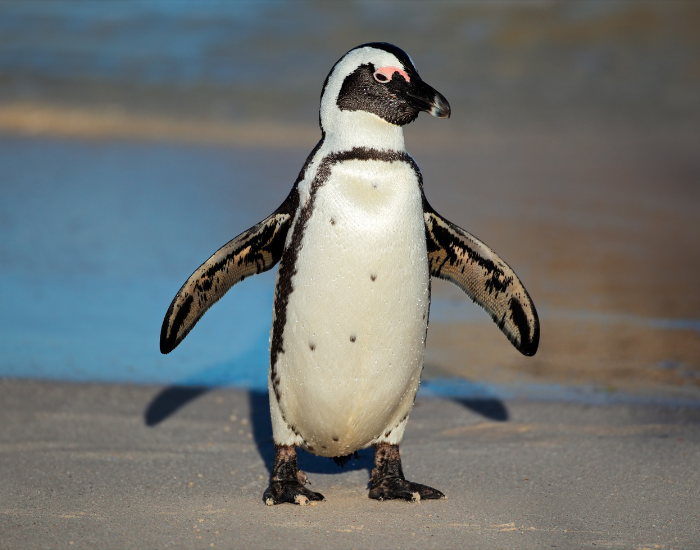
A striking, endangered zebra species found only in South Africa’s mountain ranges and fynbos ecosystems. - African Penguin
Southern Africa’s only penguin species, found along the coasts of South Africa and Namibia. - Caracal
A powerful and elusive cat known for its long ear tufts and incredible leaping ability. - Gemsbok / Oryx
An iconic antelope adapted to extremely arid environments, especially the Namib and Kalahari deserts.
What Animals Are Only Found in Africa?
Let’s kick off with a question that pops up all over Google: What animals in Africa are exclusive to this continent? Here’s a peek at some VIPs (Very Important Primates, Predators, and more):
- Okapi: This “forest giraffe” lurks in the Congo’s jungles, rocking zebra stripes and a giraffe-like neck. It’s a living fossil.
- Aardvark: A snouty, nocturnal digger found from Senegal to South Africa, nowhere else!
- Madagascar’s Lemurs: Over 100 species, like the ring-tailed lemur, call this island home and only this island home.
- Shoebill: A prehistoric-looking bird stalking East Africa’s swamps, think pelican meets dinosaur.
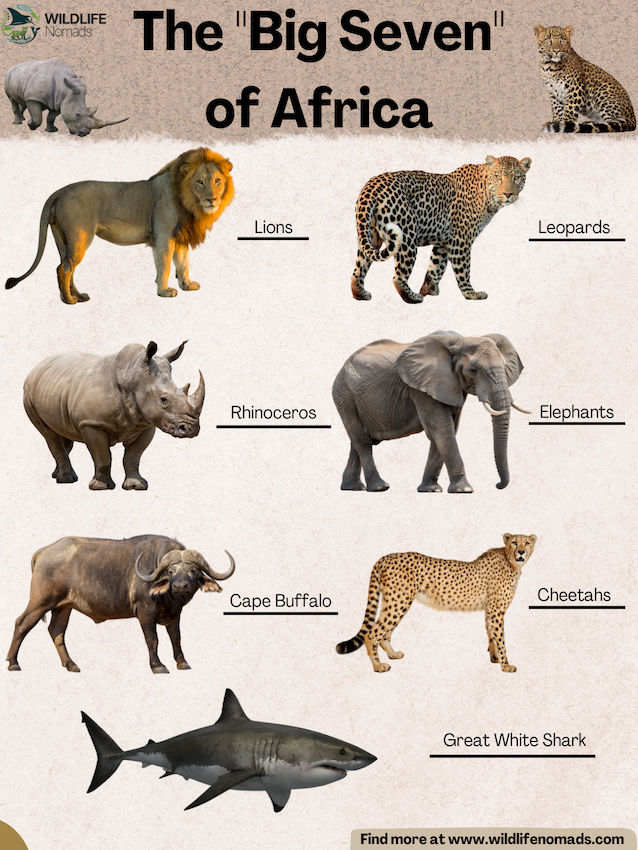
The Big 7: Africa’s Most Iconic Wildlife
Everyone has heard of the Big 5, the lion, leopard, elephant, rhinoceros, and Cape buffalo, but did you know Africa also has a Big 7? These seven species are considered the most sought-after animals to see in the wild.
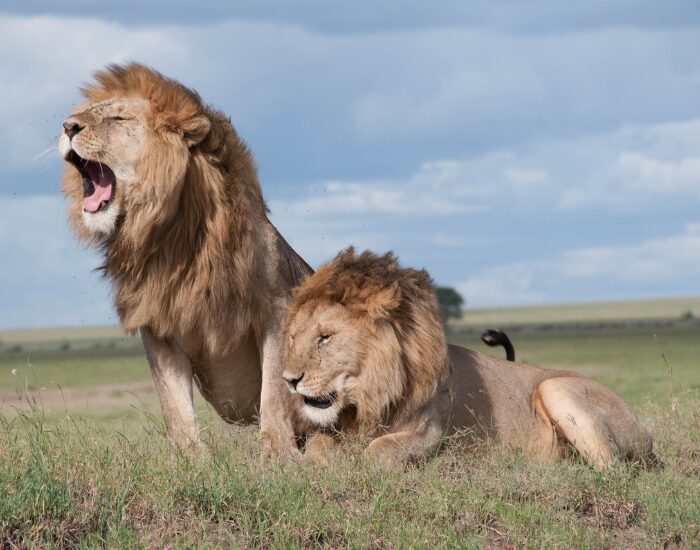
- Lion: The ultimate apex predator, lions dominate the African savanna. Best seen in Serengeti National Park (Tanzania) and Kruger National Park (South Africa).
- Leopard: Stealthy and elusive, leopards thrive in woodlands and rocky outcrops. Best seen in South Luangwa National Park (Zambia) and Sabi Sands (South Africa).
- African Elephant: The largest land mammal, found across Africa’s national parks, with Amboseli National Park (Kenya) offering breathtaking encounters.
- Rhinoceros: Both black and white rhinos are critically endangered. Hluhluwe-iMfolozi Park (South Africa) and Etosha National Park (Namibia) are top spots for sightings.
- Cape Buffalo: Known for their unpredictable nature, they roam in massive herds in Serengeti and Chobe National Park (Botswana).
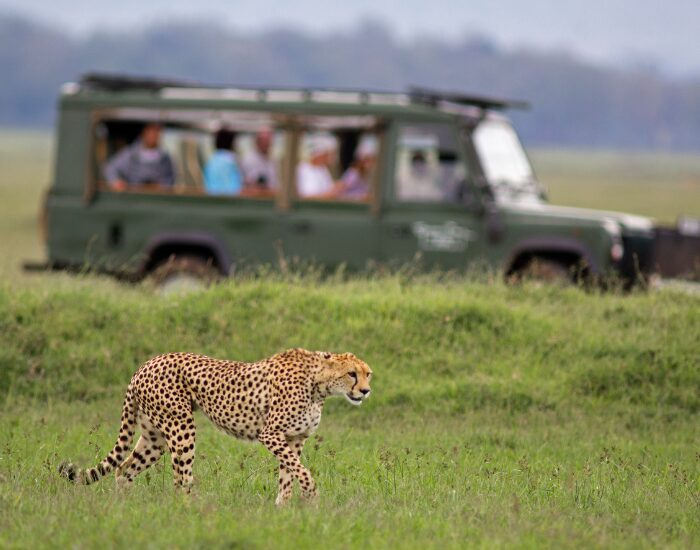
- Cheetah: The fastest land animal, best spotted in the Masai Mara (Kenya) and Kgalagadi Transfrontier Park (South Africa/Botswana).
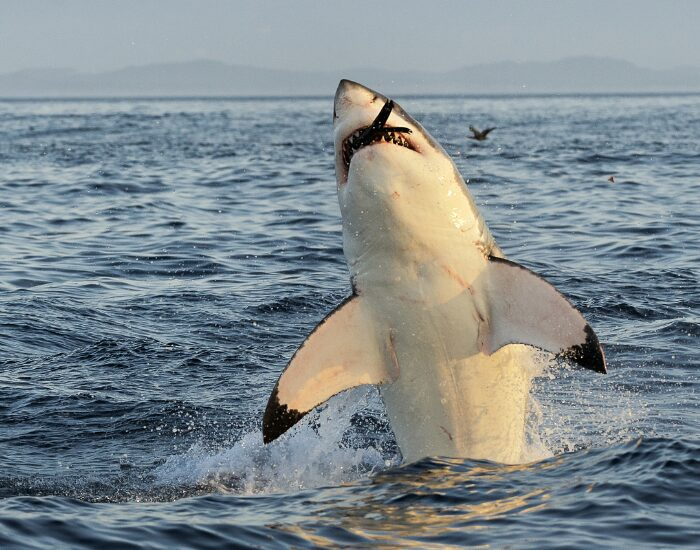
- Great White Shark : An apex predator of the ocean, best seen off the coast of South Africa’s Gansbaai and Mossel Bay. Have a look at more types of sharks.
Africa’s Magnificent Wild Cats: Beyond the Big Three
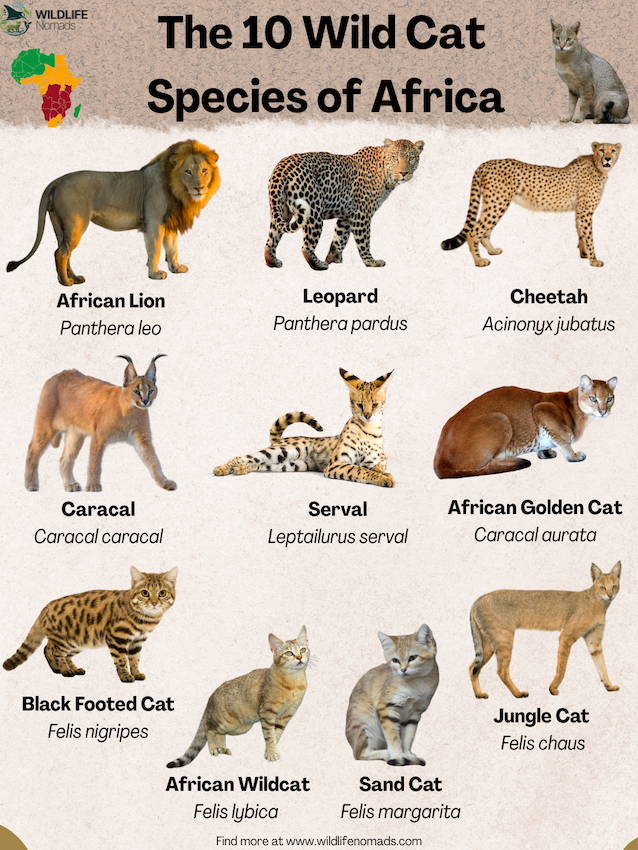
When people think of wild cats in Africa, lions, leopards, and cheetahs usually steal the spotlight, but the continent is home to an incredible diversity of feline species, each with unique adaptations and behaviors. From the tiniest hunters to rare color morphs, Africa’s wild cats are some of the most fascinating predators on Earth.
Serval: This long-legged, spotted beauty is a master jumper, leaping up to 10 feet in the air to snag birds mid-flight. Found in the savannas and wetlands, servals have the largest ears relative to body size of any cat. [Learn more about the amazing serval here].
Black-Footed Cat: Don’t let the cute face fool you, this pint-sized predator (weighing just 2-5 pounds!) is Africa’s deadliest cat with a 60% hunt success rate. Native to southern Africa’s arid regions, these nocturnal hunters are as fierce as they come. [Discover the black-footed cat’s incredible hunting skills].
White Lion: A rare color mutation of the African lion, white lions are breathtakingly beautiful and hold cultural significance in South African folklore. While not a separate species, these majestic cats face unique challenges in the wild. [Read about the mystical white lions of Africa].
Africa is home to 10 species of wild cats, ranging from the mighty lion to the elusive caracal caracal, and African golden cat. Each plays a vital role in their ecosystem, and many face threats from habitat loss and human-wildlife conflict.
What Is Africa’s Rarest Critically Endangered Species?
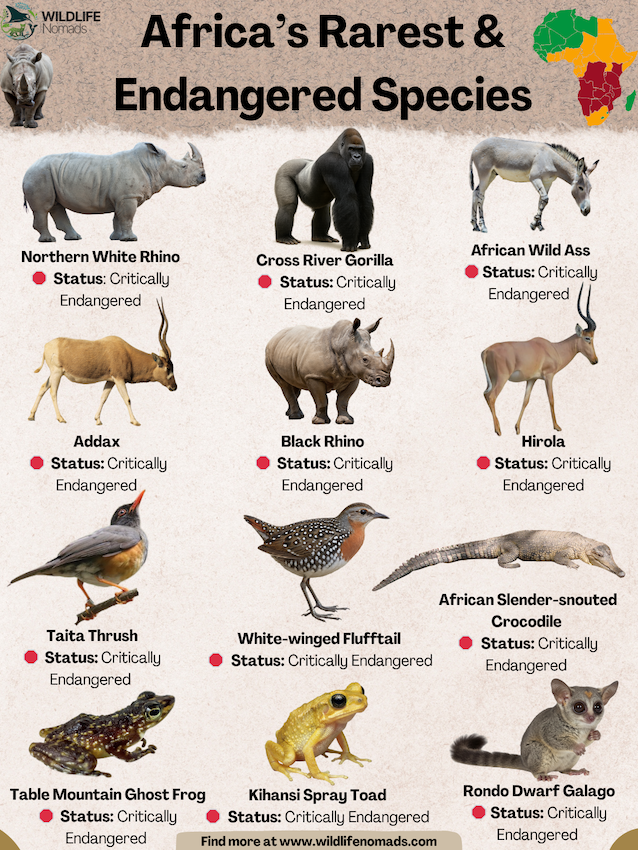
Africa’s rarest animal in Africa is a tough call, but the Northern White Rhino takes the crown, or rather, the tragedy. Only two females remain as of 2025, guarded in Kenya’s Ol Pejeta Conservancy. Functionally extinct in the wild, their story’s a stark reminder of poaching’s toll.
Other contenders?
Fossa – Madagascar’s top predator, resembling a mix between a cat and a mongoose.
Black Rhino: With fewer than 6,000 left in the wild, the black rhino is critically endangered.
Pygmy Hippopotamus: Found in West Africa, these small hippopotamuses are elusive and endangered. The West African pygmy hippopotamus inhabits the dense forests and swamps, facing threats from habitat destruction and hunting.
Ethiopian Wolf: The rarest canid in the world, with fewer than 500 individuals left.
Addax Antelope: This desert-dwelling antelope is critically endangered due to hunting and habitat loss.
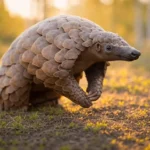
Pangolin: The world’s most trafficked mammal, pangolins are found in forests and savannas across Africa for example in Kruger National Park and Gorongosa National Park (Mozambique).
The Tana River Red Colobus: a shy monkey with fewer than 1,000 left
Okapi – A relative of the giraffe with zebra-like stripes, found only in the rainforests of the Democratic Republic of the Congo.
Shoebill Stork – A prehistoric-looking bird found in Uganda’s wetlands, especially in the Mabamba Swamp.
Aardvark – A nocturnal burrowing mammal, best seen in Tswalu Kalahari (South Africa).
Where Can You See Animals in Africa?
Ready to witness animals in Africa up close? Here we wrote a blog of some the Best Safari Destinations.
Do you want a summary? Here’s your hit list:
- Serengeti National Park, Tanzania: Endless plains host the Great Migration, millions of wildebeest, zebras, and predators.
- Kruger National Park, South Africa: Big Five central, with luxe lodges and DIY drives.
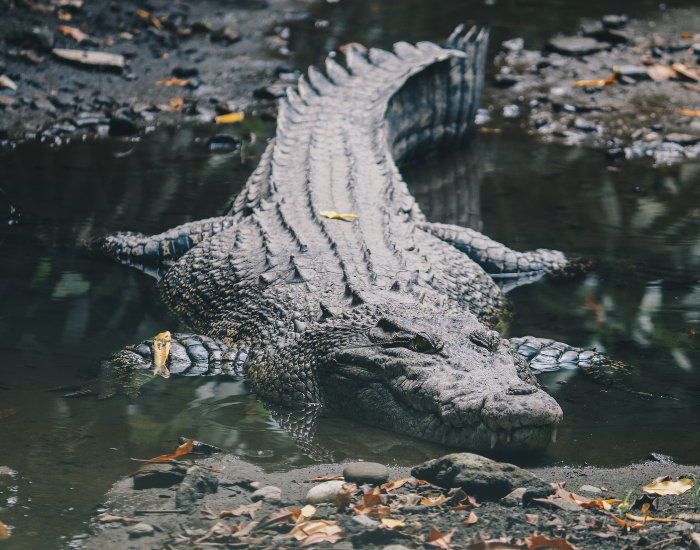
- Okavango Delta, Botswana: A watery wonderland for elephants, hippos, and crocs.
- Madagascar’s Rainforests: Lemurs, tomato frogs, and chameleons galore, 90% of its wildlife animals in Africa are endemic.
- Masai Mara, Kenya: Lions, cheetahs, and that iconic migration spillover.
- Virunga National Park, DR Congo – One of the few coutnries where you can see mountain gorillas in the wild.
Each spot’s a gateway to Africa wild animals in their element, choose based on your vibe!
Here are our recommendation to see African Animals:
The Apex Predators of Wildlife in Africa
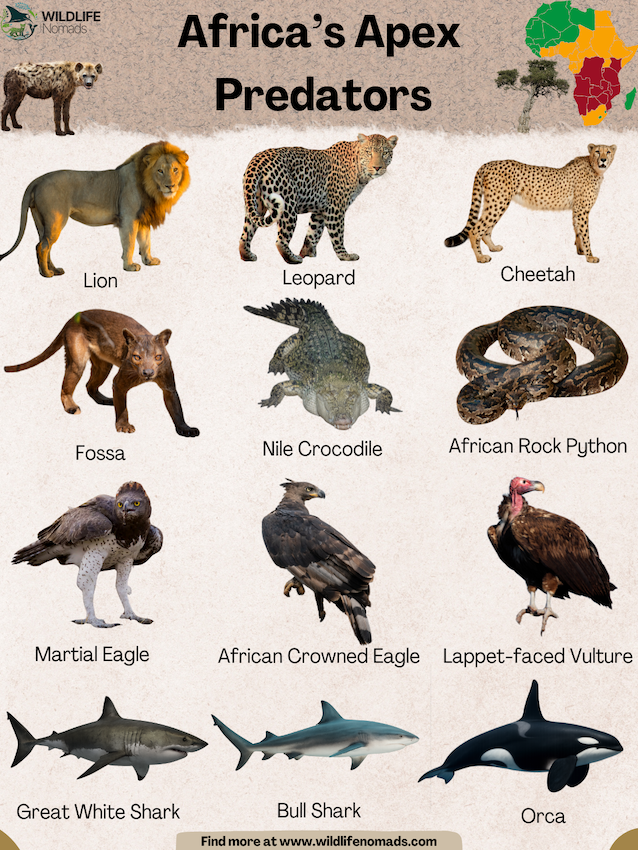
Who rules the food chain? Animals in Africa boast some fierce hunters:
Dragonfly: Okay, not a “big” predator, but these insects nail 97% of their prey, per entomology studies.
Lion: Pack power takes down buffalo and giraffes.
Leopard: Solo stealth masters, dragging prey up trees.
African Wild Dog: With a 60-90% hunt success rate, they’re pack-hunting champs.
Endangered Animals in Africa
Africa’s biodiversity varies wildly by region, and so do its endangered animals in Africa. Let’s zoom into a few standout countries to spotlight their at-risk wildlife animals in Africa, and why they need our help.
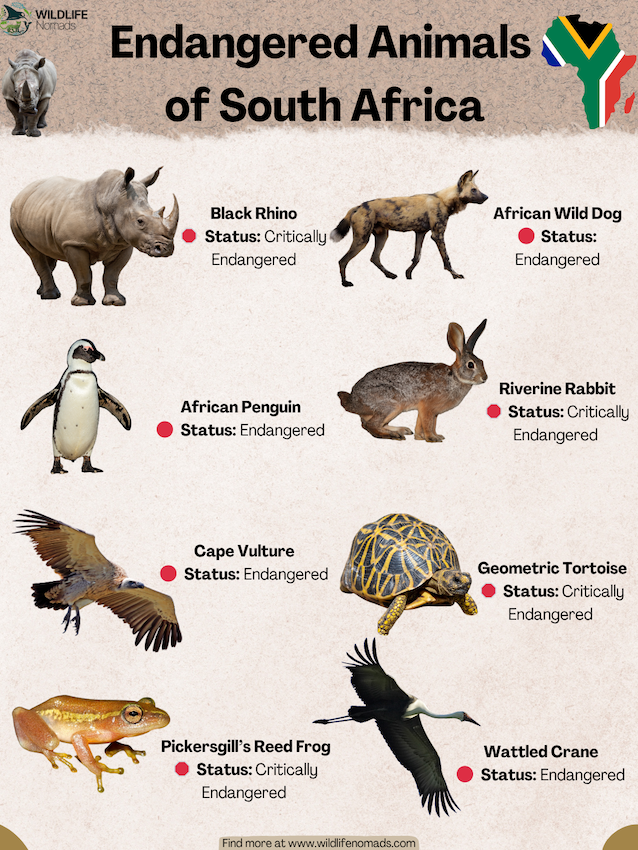
Endangered Animals of South Africa
South Africa’s a hotspot for Africa wild animals, but some are teetering on the edge:
- African Penguin: Found along the coast, these quirky birds face food shortages from overfishing and climate shifts. Numbers have crashed 60% in 30 years.
- Geometric Tortoise: A tiny, yellow-patterned gem with only 800 left, hit by habitat loss in the Western Cape.
- Riverine Rabbit: Fewer than 200 survive, squeezed by farming in the Karoo.
South Africa’s conservation efforts, like marine reserves, offer hope, but these wildlife in Africa stars need more.
Endangered Animals of Kenya
Kenya’s savannahs and forests host incredible animals in Africa, many at risk:
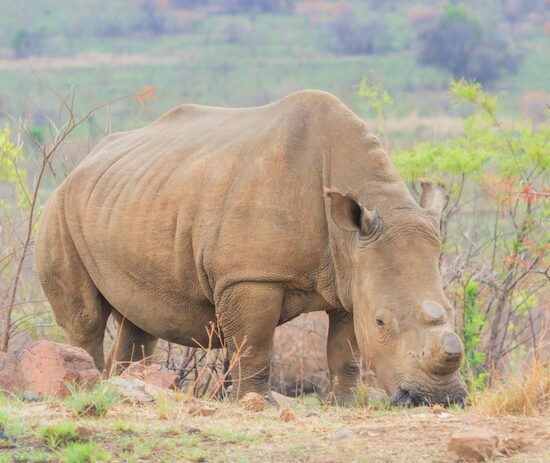
- Northern White Rhino: Down to two females at Ol Pejeta, poaching’s legacy.
- Grevy’s Zebra: With 1,900-2,450 left, they’ve lost 80% of their range to habitat loss and lion predation.
- Eastern Black Rhino: Critically endangered, clinging to parks like Tsavo.
Kenya’s conservancies, like those backed by African Wildlife Foundation, are lifelines for these Africa wild animals.
Endangered Animals of Madagascar
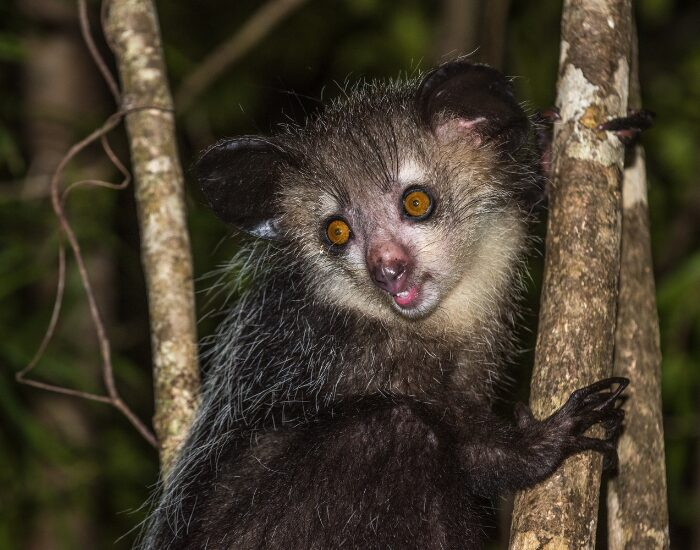
This island’s a world apart, with 90% of its wildlife in Africa found nowhere else:
- Aye-Aye: A freaky lemur with dwindling numbers due to deforestation and superstition-driven hunting.
- Fossa: A cat-like predator losing ground to habitat loss, fewer than 2,500 remain.
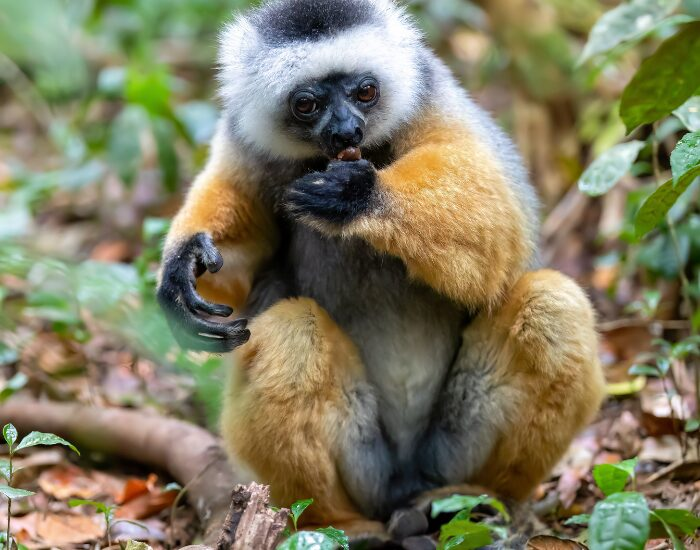
- Indri: The largest lemur, its haunting song is fading as forests shrink.
Madagascar’s isolation makes its animals in Africa uniquely vulnerable, every tree counts!
Endangered Animals of Democratic Republic of Congo
The DRC’s jungles hide endangered treasures:
- Okapi: Only 10,000-20,000 left, threatened by logging and conflict.
- Mountain Gorilla: Numbers are up to 1,000+, but habitat loss and poaching linger.
- Bonobo: Around 15,000 remain, hit by bushmeat hunting and war.
Efforts like Virunga National Park show promise for these wildlife animals in Africa.

Endangered Animals of Namibia
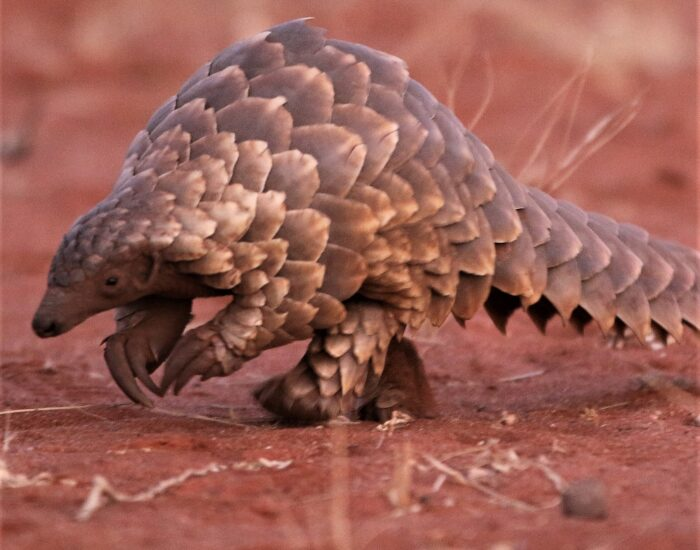
Namibia’s deserts and plains host rare Africa wild animals:
- Black Rhino: A stronghold with 2,000+, but poaching persists.
- Pangolin: All four African species are here, critically endangered by trafficking for scales.
- Cheetah: Vulnerable, with shrinking ranges despite Namibia’s conservation wins.
Namibia’s community conservancies are a model for saving wildlife in Africa
How Tourism Helps Wildlife Animals in Africa
Tourism’s a double-edged sword, but done right, it’s a lifeline for wildlife in Africa. In 2019, safari tourism generated $12.4 billion in East Africa, funding rangers and reserves, per a Conservation Biology study. Your trip to see an animal in Africa can bankroll habitat protection, pretty cool, right? Here’s how your visit can make a difference:
Wildlife Volunteering – Many reserves offer programs where tourists can assist with conservation efforts.
National Park Fees – Entrance fees contribute directly to anti-poaching patrols and habitat preservation.
Community-Based Conservation – Many safaris operate in partnership with local communities, providing jobs and education.
Eco-Tourism Lodges – Staying in eco-lodges ensures minimal environmental impact while supporting conservation programs.
Africa’s Diverse Ecosystems: From Mountains to Coral Reefs
Africa’s wildlife thrives across an incredible range of varied landscapes, each supporting unique species adapted to their environment. The continent’s ecosystems are as diverse as the animals that inhabit them.
Mountain Gorillas: Found in the dense bush and cloud forests of Central Africa, particularly around Lake Tanganyika and the Virunga Mountains, these gentle giants are one of Africa’s most iconic species. Gorilla beringei has two subspecies – the mountain gorilla and the eastern lowland gorilla, with populations concentrated in the southern part of their historic range.
Sub-Saharan Africa hosts everything from the open plains of the Serengeti to the coral reefs off the coast of Mozambique and Tanzania. Lake Malawi alone contains hundreds of endemic cichlid species, showcasing the continent’s incredible aquatic biodiversity.
The food chain in African ecosystems is complex and fascinating. Solitary creatures like leopards hunt alone, while large prey animals like wildebeest form massive herds for protection. Dung beetles play a crucial role in nutrient cycling, processing waste from large mammals like elephants and buffalo.
Other animals you might spot include the bushman rabbit (or riverine rabbit), one of the rarest mammals in South Africa, the bushman hare, and several species of other primates beyond the great apes, including baboons and vervet monkeys.
Conservation Challenges: Protecting Africa’s Wildlife
Africa’s wildlife faces numerous threats, but understanding these challenges is the first step toward protection.
Climate change is reshaping habitats across the continent, affecting everything from the limited areas where endangered species can survive to the timing of the Great Migration. Several subspecies of elephants, rhinos, and other large populations are vulnerable to these shifts.
Pan troglodytes (the common chimpanzee), found in one species across West and Central Africa, faces habitat loss as forests shrink. Meanwhile, the striped hyena, often misunderstood, plays a vital role as both scavenger and predator across northern and eastern Africa.
Some species are notoriously shy, making conservation efforts challenging. The okapi, for instance, lives in such remote parts of the Democratic Republic of Congo that population estimates are difficult. Other primates like the Moremi Game Reserve‘s baboons and the various monkey species found in several species across the continent each face unique pressures.
Let’s Protect One of the Most Biodiverse Places on Earth
There you have it, a wild ride through animals in Africa. From okapis and lemurs (Africa-only!) to the Big 7 (land and sea legends), the continent’s wildlife animals in Africa are a global treasure. We’ve answered your questions: the top five (lion, elephant, giraffe, rhino, cheetah), the rarest (northern white rhino), and how tourism fuels conservation. These Africa wild animals face big challenges, but with smart travel and support, we can keep their story alive.
References:
Plumptre, A., Nixon, S., Caillaud, D., Hall, J.S., Hart, J.A., Nishuli, R. & Williamson, E.A. (2016). Gorilla beringei ssp. graueri (errata version published in 2016). The IUCN Red List of Threatened Species 2016: e.T39995A102328430. https://dx.doi.org/10.2305/IUCN.UK.2016-2.RLTS.T39995A17989838.en.
Southern, L. M., Deschner, T., & Pika, S. (2021). Lethal coalitionary attacks of chimpanzees (Pan troglodytes troglodytes) on gorillas (Gorilla gorilla gorilla) in the wild. Scientific reports, 11(1), 14673. https://doi.org/10.1038/s41598-021-93829-x
Wilson, J. W., Mills, M. G., Wilson, R. P., Peters, G., Mills, M. E., Speakman, J. R., Durant, S. M., Bennett, N. C., Marks, N. J., & Scantlebury, M. (2013). Cheetahs, Acinonyx jubatus, balance turn capacity with pace when chasing prey. Biology letters, 9(5), 20130620. https://doi.org/10.1098/rsbl.2013.0620