During my master’s in conservation, I had a friend who spent her field seasons in northeastern South Africa working with white rhino. One night around a bush camp fire, she told me she’d just helped weigh a startled pangolin pulled from a poacher’s sack. She described the animal slowly uncurling, breath warm against her gloves, scales catching the firelight like polished armor. I have never seen pangolins in the wild myself. As a field biologist, though, I’ve followed every paper, seizure report, and scientific evidence trail I can find on pangolins for the last decade. Pangolins are, in my professional opinion, the most remarkable animals walking the planet right now.
This guide is the long-form answer I wish I had the first time I asked what is so special about a pangolin. Below are 10 pangolin facts that mix hard science with stories from biologists I trust, plus a clear look at why pangolins are endangered, where pangolins live, and how many pangolins are left.
1. Pangolins Are the Only Mammals on Earth Covered in Keratin Scales
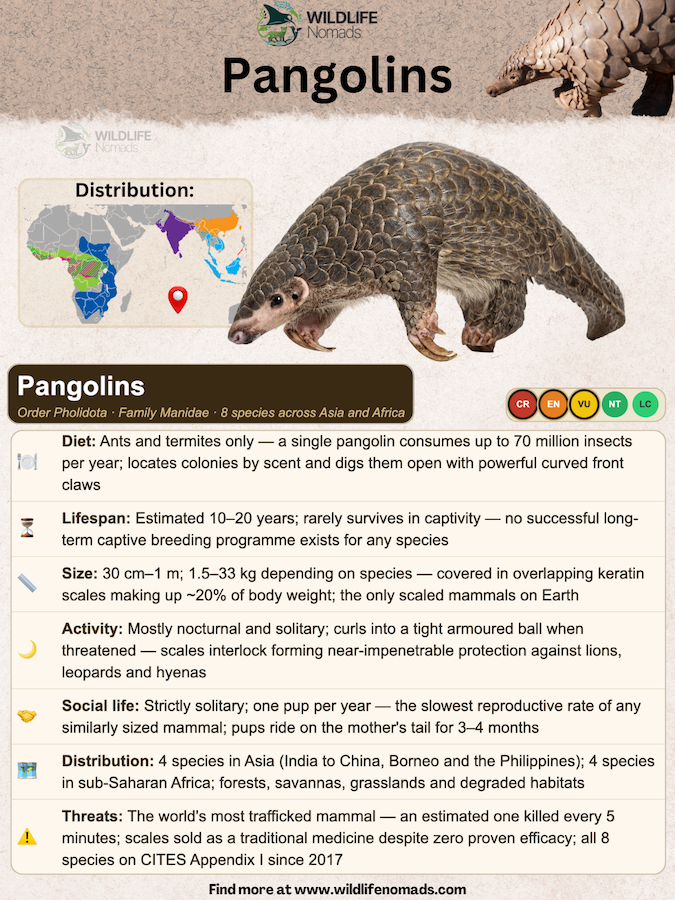
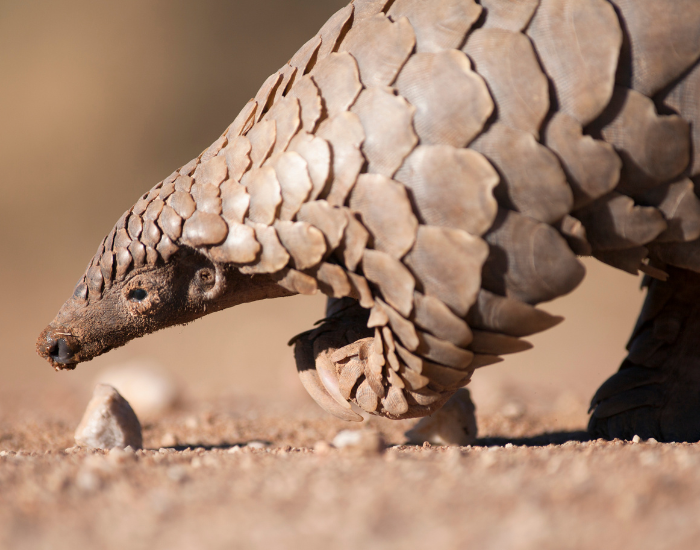
There are roughly 5,400 mammals in the world, and pangolins occupy a category of one. Pangolins are the only mammals wearing scales, and those scales are pure keratin, the same fibrous protein as your fingernails. Every other scaly creature you can name (snake, lizard, fish) wears a different material.
A single adult carries close to 1,000 overlapping scales, which account for roughly 20 percent of total body weight. Pangolins weigh anywhere from 2 to 33 kilograms depending on species. Pangolins moult and regrow scales throughout life, exactly like our nails. That alone earns pangolins a place in any honest list of pangolin facts.
2. There Are Eight Species of Pangolin, Split Between Two Continents
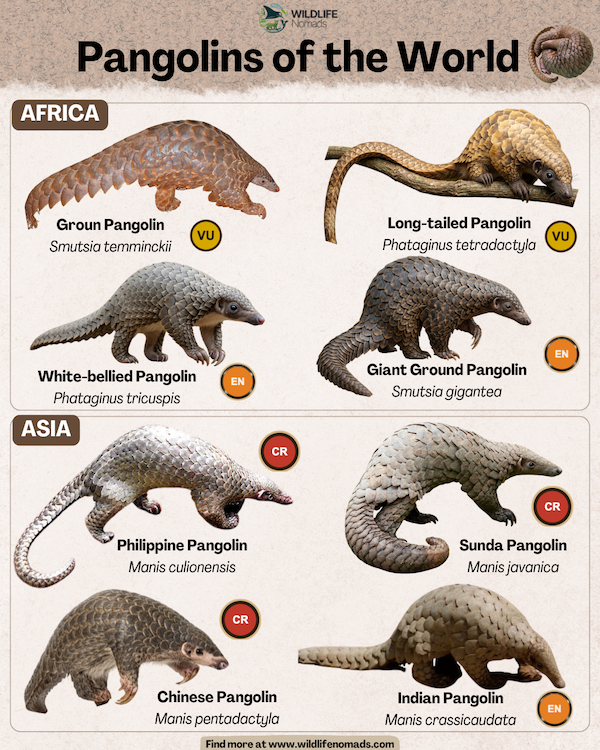
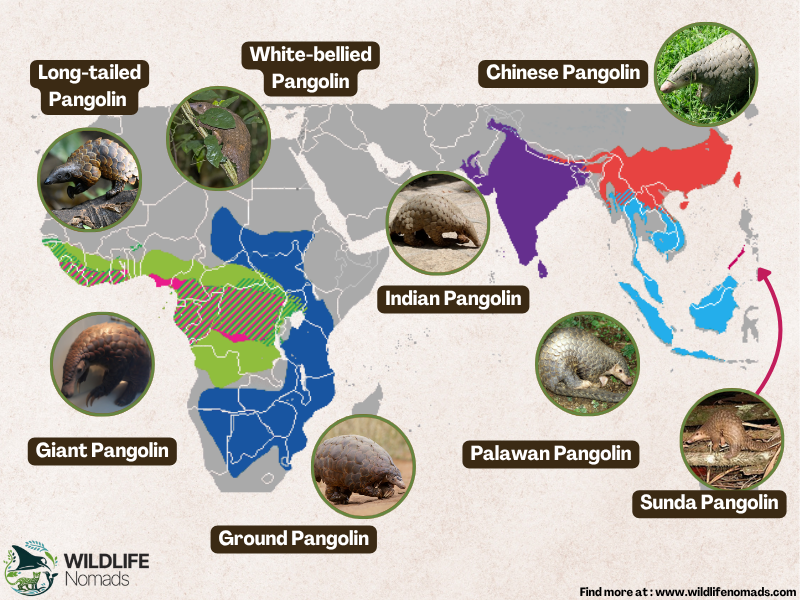
Most people assume pangolins are a single animal. They aren’t. There are eight pangolin species in total — four species in Asia, four species in Africa — and each occupies a different slice of habitat. Pangolins span South Asia, Southeast Asia, and most of sub-Saharan Africa.
You can see all species in the image below. The four Asian Pangolin species are the Indian pangolin (Manis crassicaudata), the Chinese pangolin (pangolin Manis pentadactyla), the Sunda pangolin or Malayan pangolin (Manis javanica), and the Philippine pangolin — also called the Palawan pangolin (Manis culionensis). The four African species are the Temminck’s ground pangolin or cape pangolin (Smutsia temminckii), the giant ground pangolin (Smutsia gigantea), the white-bellied pangolin or white bellied pangolin (Phataginus tricuspis), and the black-bellied pangolin, also written black bellied pangolin and known as the long-tailed pangolin or long tailed pangolin (Phataginus tetradactyla).
That diversity matters because pangolin conservation cannot be one-size-fits-all. The Chinese pangolin disappears into bamboo undergrowth. The giant ground pangolin lumbers across open woodland. The Sunda pangolin clings to lowland rainforest. The Indian pangolin survives in dry scrub. Each species of pangolin needs its own plan.
3. They’re Called Scaly Anteaters, but They’re Not Actually Anteaters
Pangolins are called scaly anteaters because they live on ants and termites and wear scales. The resemblance to South American anteaters is convergent evolution at work. Anteaters belong to the order Pilosa. Pangolins belong to Pholidota, their own order entirely.
The same logic applies to the aardvark (order Tubulidentata) and armadillos (order Cingulata). Aardvarks, anteaters, armadillos, and pangolins all converged on the ant-eating lifestyle from different evolutionary corners of the mammal tree. The scaly armor, however, is a pangolin original, no other group has matched it.
4. A Single Pangolin Devours Up to 70 Million Insects Per Year
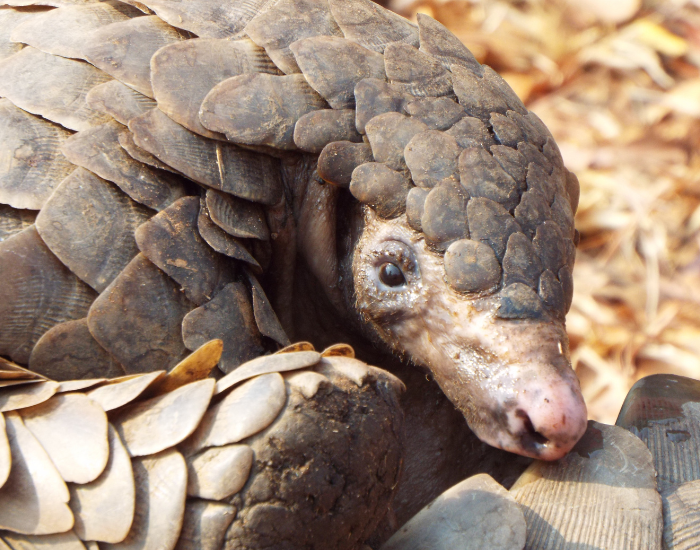
What do pangolins eat? Almost exclusively ants and termites. A single adult consumes up to 70 million insects in a year. As a result, pangolins act as natural pest controllers, regulating insect populations that would otherwise destroy crops and trees.
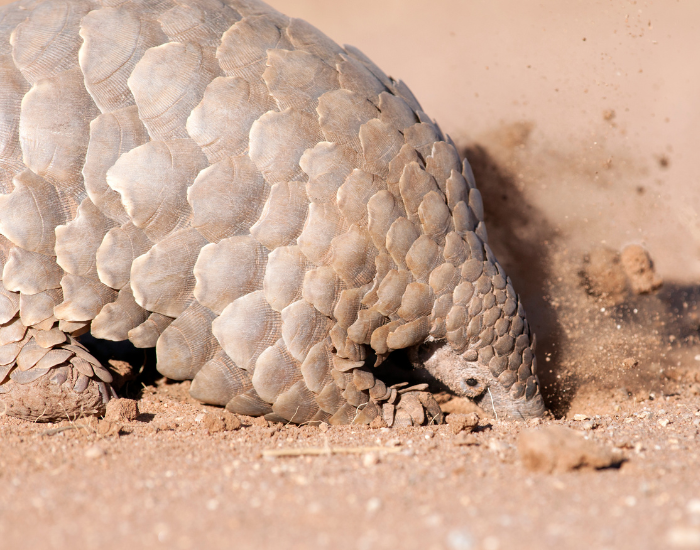
To feed, pangolins dig burrows into termite mounds with massive front claws, then probe with a tongue longer than the entire body in some species. That tongue anchors near the pelvis, not in the mouth. It’s the kind of fact that stops my students cold. Pangolins work a single termite colony in near silence for hours.
5. Where Pangolins Live: Forests, Savannas, and Burrows on Two Continents
Where pangolins live depends on the species. Across the savannas of Central Africa, the deciduous forests of Southeast Asia, the dry scrub of India, and the rainforest canopies of the Congo Basin, pangolins occupy habitats so varied that no two species share an identical niche.
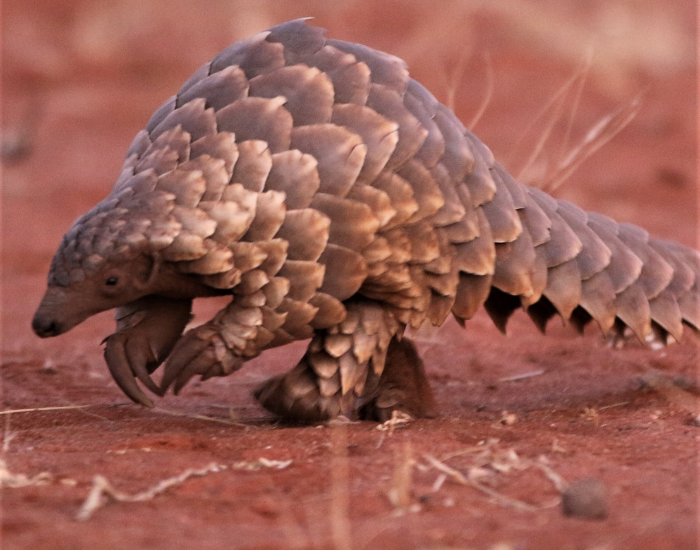
Ground-dwelling pangolins like the cape pangolin and the giant ground pangolin sleep in burrows they either dig themselves or borrow from aardvarks and warthogs. Tree-dwelling pangolins, the white-bellied pangolin and the black-bellied pangolin (also called the long-tailed pangolin), rarely touch the ground. These tree pangolins use prehensile tails to navigate the canopy.
6. When Startled, a Pangolin Curls Into a Living Fortress
The Latin name Manis comes from manes — the spirits of the dead — a nod to their ghostly nocturnal habits. The most famous behavior, though, is the curl. A frightened pangolin tucks its head between its legs and rolls into a tight ball, scales pointing outward. The word “pangolin” comes from the Malay penggulung, meaning “one who rolls up.”
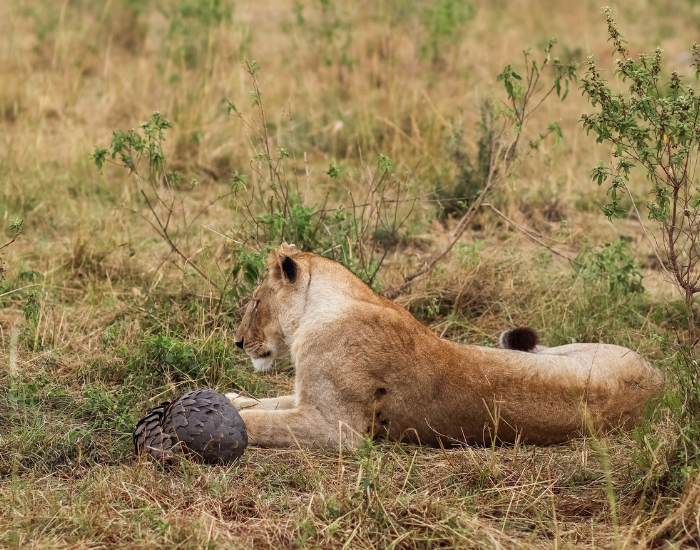
Lions and hyenas have been documented batting at curled pangolins for hours, unable to crack the armor. Tragically, this perfect defense is useless against the one predator that matters now, a person with a sack.
7. Pangolins Are the World’s Most Trafficked Mammal
This is the fact that haunts every conservation biologist I know. They are the most trafficked mammals on Earth, and they wear that grim title across all eight species. Pangolin trafficking dwarfs the illegal trade in elephant ivory and rhino horn combined. Pangolins are, by every measure, the world’s most trafficked mammal, the single most trafficked mammals in the illegal wildlife trade today.
Between 2016 and 2024, seizures linked to pangolin poaching involved an estimated 530,978 pangolins across 75 countries and 178 trade routes. Their scales accounted for 99 percent of all confiscated parts. The illegal wildlife trade is the single biggest driver keeping pangolins endangered, and pangolins remain at the top of every trafficking watchlist. A friend who consulted on cargo screening at OR Tambo airport once described intercepting 20 sacks of pangolin scales bound for Hong Kong, each sack a graveyard of trafficked animals.
8. Why Pangolins Are Going Extinct: The Traditional Medicine Demand
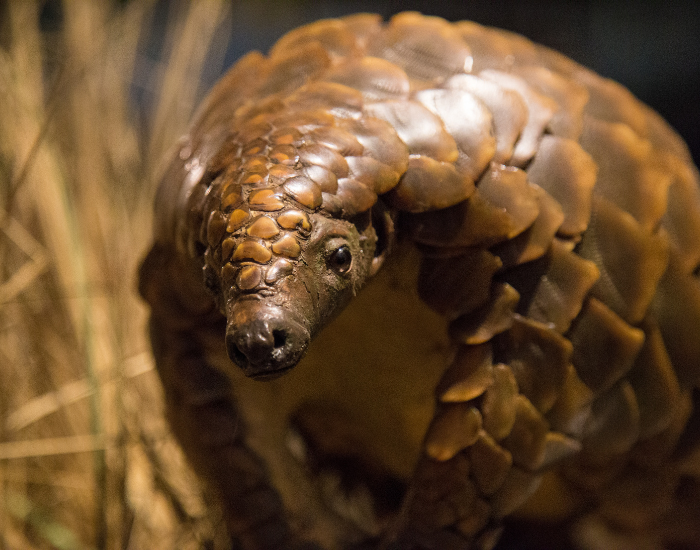
So why are pangolins going extinct? The answer is depressingly simple. Their scales are crushed and sold in traditional medicine markets across Asia, marketed as remedies for arthritis, lactation issues, and dozens of other unrelated complaints. None of these traditional medicine claims hold up to scientific evidence. The scales are keratin, chemically identical to fingernails. You could grind a pile of nail clippings and get the same biochemistry.
Pangolin meat is sold as a luxury dish in parts of Vietnam and southern China, signaling status more than nutrition. The combination of traditional medicine demand, luxury consumption, and a thriving exotic pet trade has driven Asian pangolin populations down by more than 80 percent in three generations.
International commercial trade in all eight species of pangolin has been banned under CITES Appendix I since 2017. Even so, the illegal wildlife trade has shifted rather than vanished. African pangolins now ship to Asia in record volumes, with containers of pangolin scales measured in tonnes. Encouragingly, some traditional medicine practitioners in Hong Kong and Taiwan have publicly distanced themselves from pangolin products, small wins, but real ones.
9. How Many Pangolins Are Left in the World? Almost Nobody Knows
The honest answer is that no one can give you a precise number for how many pangolins are left in the world. Pangolins are solitary, nocturnal, and notoriously hard to survey. The pangolin population estimates we have come from indirect data, burrow counts, camera traps, scat DNA, and seizure records.
The Chinese pangolin, Philippine, and Sunda pangolin are critically endangered, with declines exceeding 80 percent. The Indian pangolin is classified as endangered. African species — including the giant pangolin and the white-bellied pangolin, sit between vulnerable and endangered. Million pangolins-strong baselines may have existed historically, but only a small fraction of those numbers remains today.
Researchers agree time is short. Several species could be functionally extinct within two decades. They now sit firmly alongside the species featured in our list of endangered animals worth fighting for.
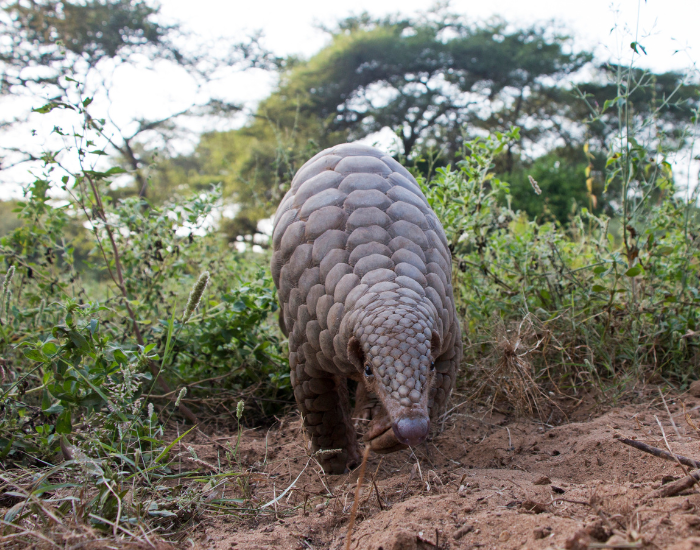
10. The Global Push to Protect Pangolins
Every third Saturday of February, World Pangolin Day brings biologists, rangers, and zoos together to push for pangolin conservation. Groups like the IUCN Pangolin Specialist Group, the African Pangolin Working Group, and the Tikki Hywood Foundation lead the rescue work. Pangolins rescued from traffickers are slowly rehabilitated and released, though survival rates remain low.
Baby pangolins, called pangopups, ride on their mother’s tail for the first months of life. That single image has done more for fundraising than any policy paper I’ve ever read. Baby pangolins are notoriously difficult to raise in captivity, which makes wild pangolins the only meaningful safety net for all eight species of pangolin.
If you want to help protect pangolins, the most effective conservation efforts are donation-driven: support frontline rangers and demand-reduction campaigns. Buying nothing derived from pangolin parts — and reporting anyone who tries to sell anything from pangolins — is the single most direct way to protect pangolins.
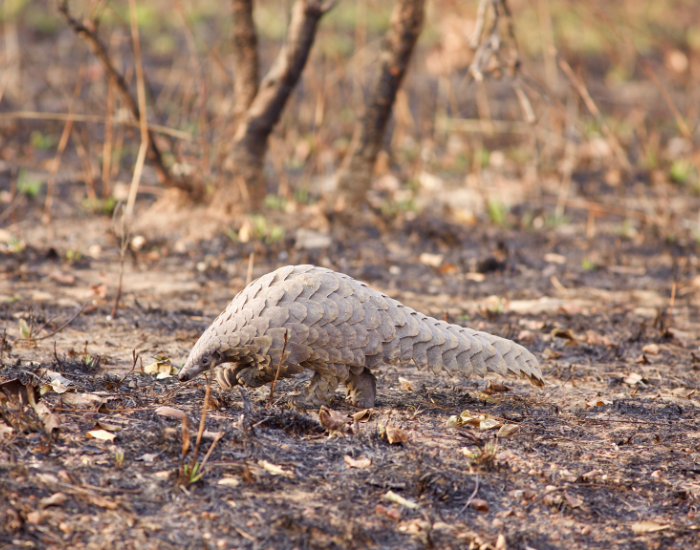
FAQs about Pangolins
Pangolins are the only mammals on Earth with true keratin scales. They eat almost exclusively ants and termites, curl into a near-impenetrable ball when threatened, and have tongues longer than their bodies. Pangolins are also the world’s most trafficked mammal, which makes their biology and their conservation crisis equally urgent.
No. Armadillos belong to the order Cingulata and live in the Americas. They belong to Pholidota and live in Africa and Asia. The two look alike thanks to convergent evolution, but they last shared a common ancestor more than 80 million years ago. Armadillo armor is bone with a keratin coating. Pangolin armor is pure keratin.
Pangolin scales and meat fuel a massive illegal trade. Scales are ground into powder for traditional medicine across Asia, despite no peer-reviewed support for any medicinal value. Meat is sold as a luxury dish, and live pangolins occasionally surface on the black-market pet circuit. International commercial trade in all eight pangolin species is banned under CITES.
They are solitary, shy wild animals. Pangolins are not aggressive — when frightened, they curl up rather than fight. That said, pangolins are not pets and do not thrive in human contact. Stress alone kills many pangolins rescued from trafficking. The best thing you can do is leave pangolins alone in the wild.
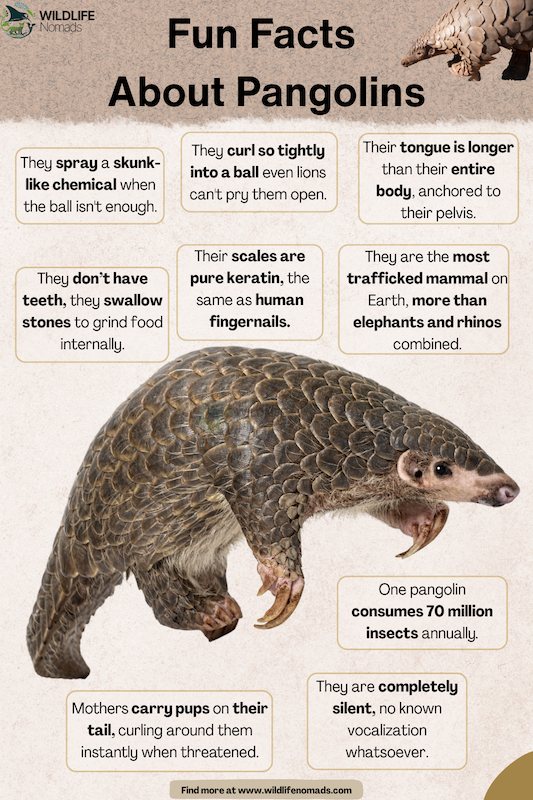
Pangolins are the quietest crisis in conservation
They are remarkable animals so few people have ever seen that their disappearance barely registers in public consciousness. Pangolins are an endangered species on paper, yet pangolin trafficking continues at roughly one animal every three minutes.
If this piece moved you, take a look at our wider coverage of animals of Africa, or read about the desert wildlife ecosystems that some african pangolins skirt the edges of. Pangolins also feature in our round-up of the weirdest animals on the planet, a fitting home. Next time you see a wildlife seizure headline, remember the scale of what’s being lost, and consider donating to the people putting boots on the ground. Pangolins cannot ask for help themselves.
References:
Challender, D. W. S., Heinrich, S., Shepherd, C. R., & Katsis, L. K. D. (2020). International trade and trafficking in pangolins, 1900–2019. In Pangolins: Science, Society and Conservation (pp. 259–276). Academic Press. https://doi.org/10.1016/B978-0-12-815507-3.00016-2
Heinrich, S., Wittmann, T. A., Prowse, T. A. A., Ross, J. V., Delean, S., Shepherd, C. R., & Cassey, P. (2016). Where did all the pangolins go? International CITES trade in pangolin species. Global Ecology and Conservation, 8, 241–253. https://doi.org/10.1016/j.gecco.2016.09.007
Ingram, D. J., Cronin, D. T., Challender, D. W. S., Venditti, D. M., & Gonder, M. K. (2019). Characterising trafficking and trade of pangolins in the Gulf of Guinea. Global Ecology and Conservation, 17, e00576. https://doi.org/10.1016/j.gecco.2019.e00576
Nash, H. C., Wong, M. H. G., & Turvey, S. T. (2016). Using local ecological knowledge to determine status and threats of the Critically Endangered Chinese pangolin (Manis pentadactyla) in Hainan, China. Biological Conservation, 196, 189–195. https://doi.org/10.1016/j.biocon.2016.02.025
Wang, Y., Turvey, S. T., & Leader-Williams, N. (2020). Knowledge and attitudes about the use of pangolin scale products in Traditional Chinese Medicine within China. People and Nature, 2(4), 903–912. https://doi.org/10.1002/pan3.10150
Zhang, M., Gouveia, A., Qin, T., Quan, R., & Nijman, V. (2017). Illegal pangolin trade in northernmost Myanmar and its links to India and China. Global Ecology and Conservation, 10, 23–31. https://doi.org/10.1016/j.gecco.2017.01.006