Wildlife Nomads


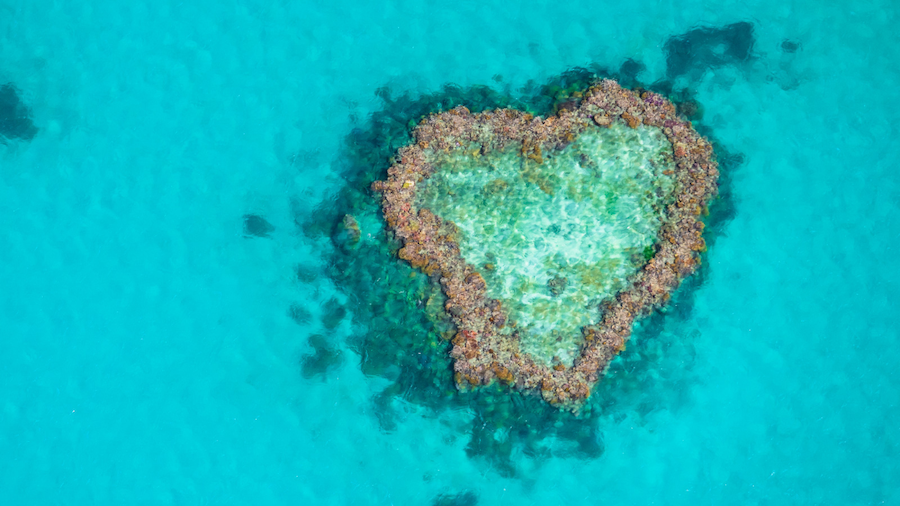
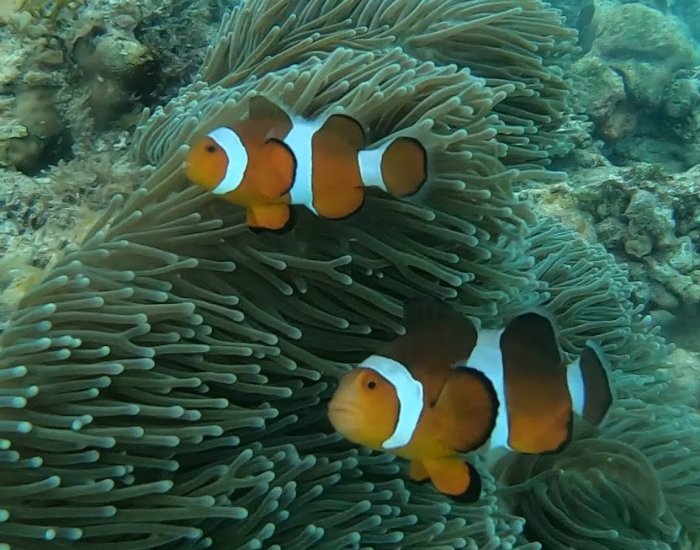
In 2019, I snorkelled the Great Barrier Reef for the first time. I saw my first wild clownfish there. I also saw my first bleached coral, ghost-white and silent among the colour.
That memory came back hard when the 2025 survey results landed. The Australian Institute of Marine Science (AIMS) reported the Great Barrier Reef’s worst year of coral loss on record. The northern and southern regions had their largest annual declines in 39 years of monitoring.
Then, in August 2026, came a twist. The reef had started to recover. Here’s what happened, what the numbers mean, and why scientists are still worried.
The Great Barrier Reef’s Worst Year: The Short Answer
- Record losses. In 2025, the northern and southern reef had their biggest one-year coral declines since monitoring began in 1986.
- The cause was heat. The 2024 summer brought the seventh mass bleaching since 1998, and the most widespread yet.
- The south was hit hardest. It lost about 31% of its coral cover in one year.
- Then some recovery. By 2026, northern coral cover had bounced back by about 17%.
- The warning stands. Scientists say fast regrowth hides a reef that is becoming less stable.
What Happened in 2024?
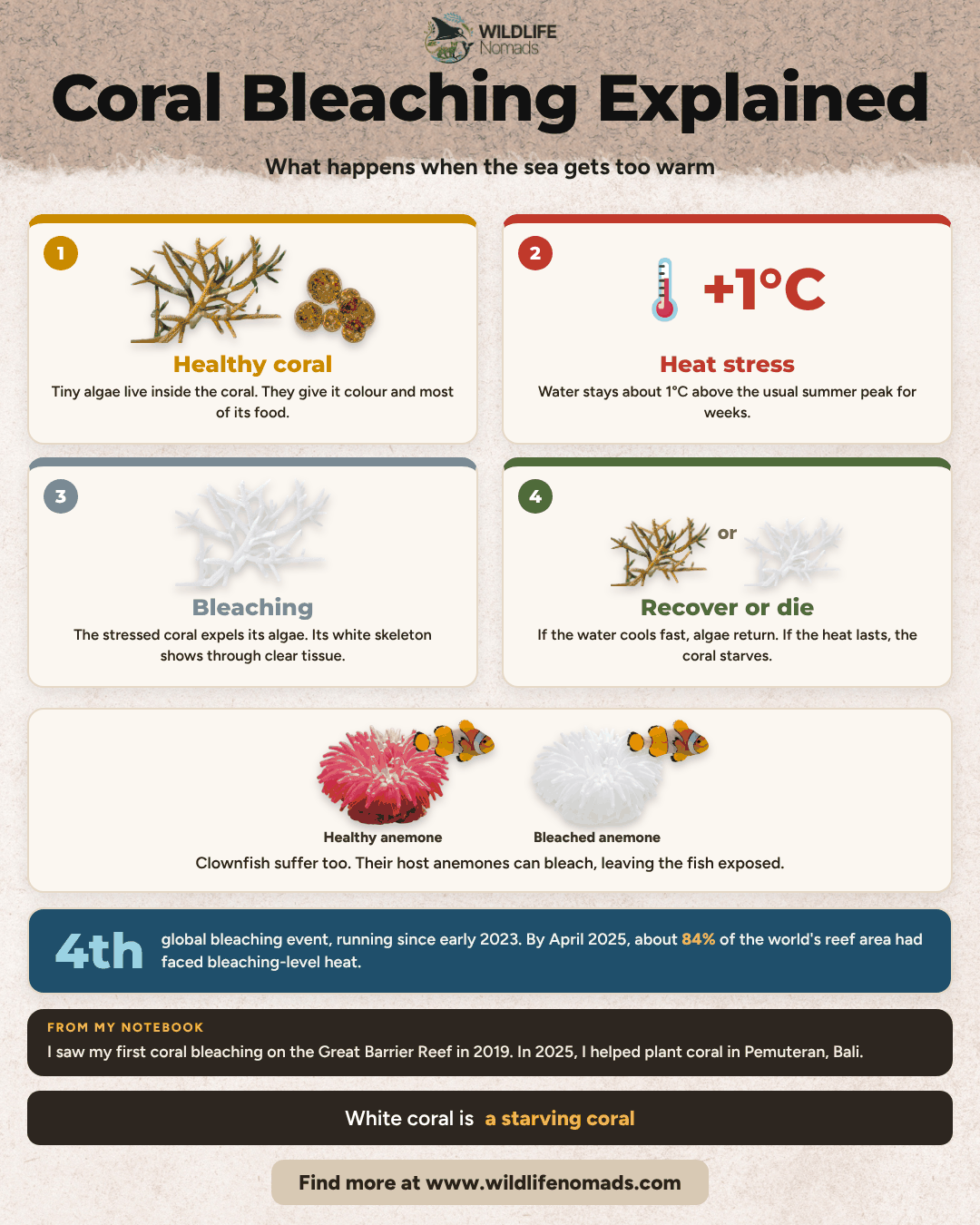
Corals live in a partnership with tiny algae inside their tissues. When the water gets too hot for too long, corals expel those algae. They turn white, and that’s bleaching. If the heat lasts, many corals starve and die.
In early 2024, heat built up across the reef, peaking in February and March. It caused the seventh mass bleaching on the Great Barrier Reef since 1998. A 2026 study in Coral Reefs called it the most spatially extensive bleaching the reef has recorded.
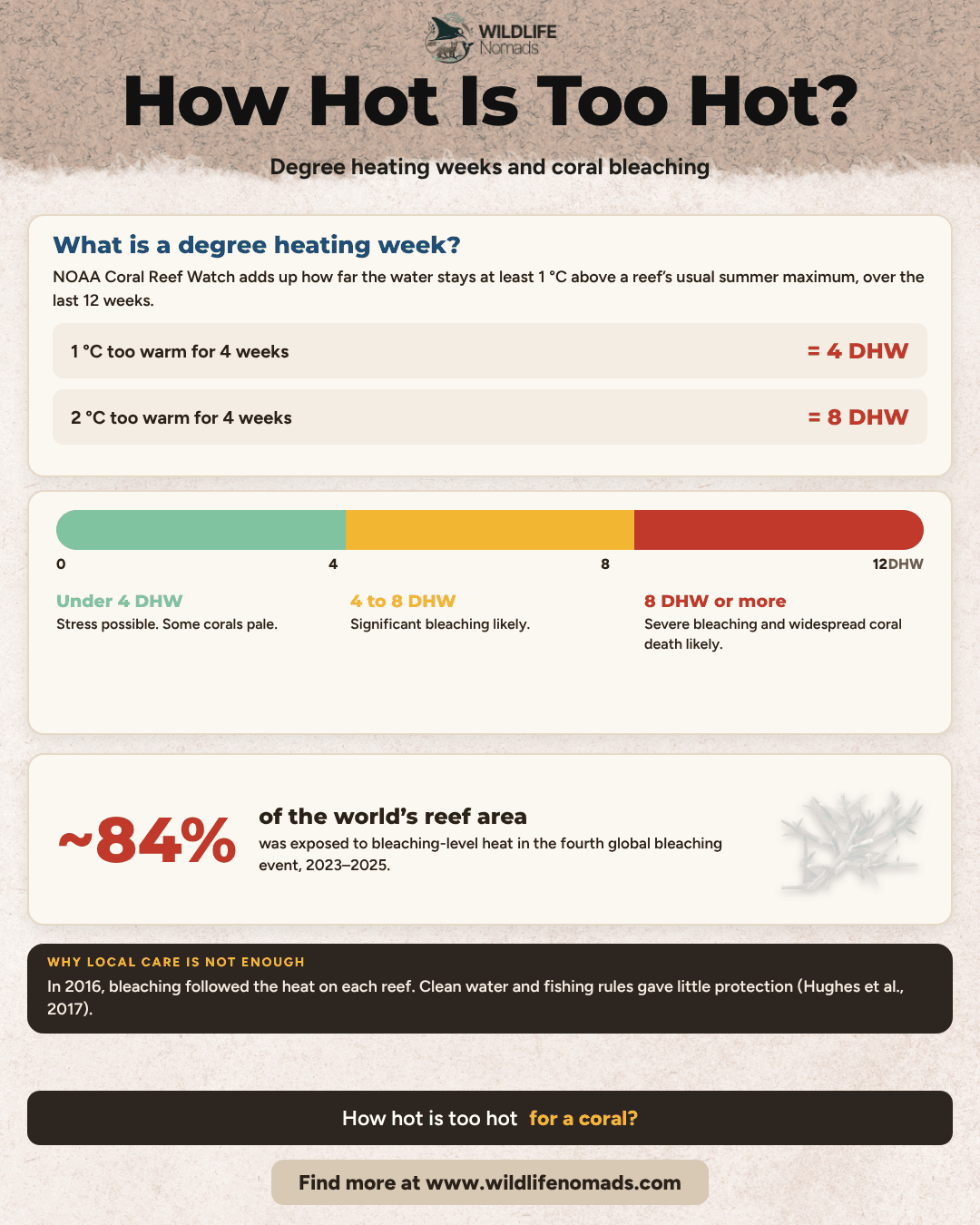
Scientists measure heat stress in “degree heating weeks”. The southern reef reached about 15.6, the highest recorded on the Great Barrier Reef. Cyclones Jasper and Kirrily and their flood plumes added extra stress further north.
The Numbers, Region by Region
AIMS splits the reef into three regions. Each year, its teams survey them by manta tow. A snorkeller is towed behind a boat and estimates coral cover.
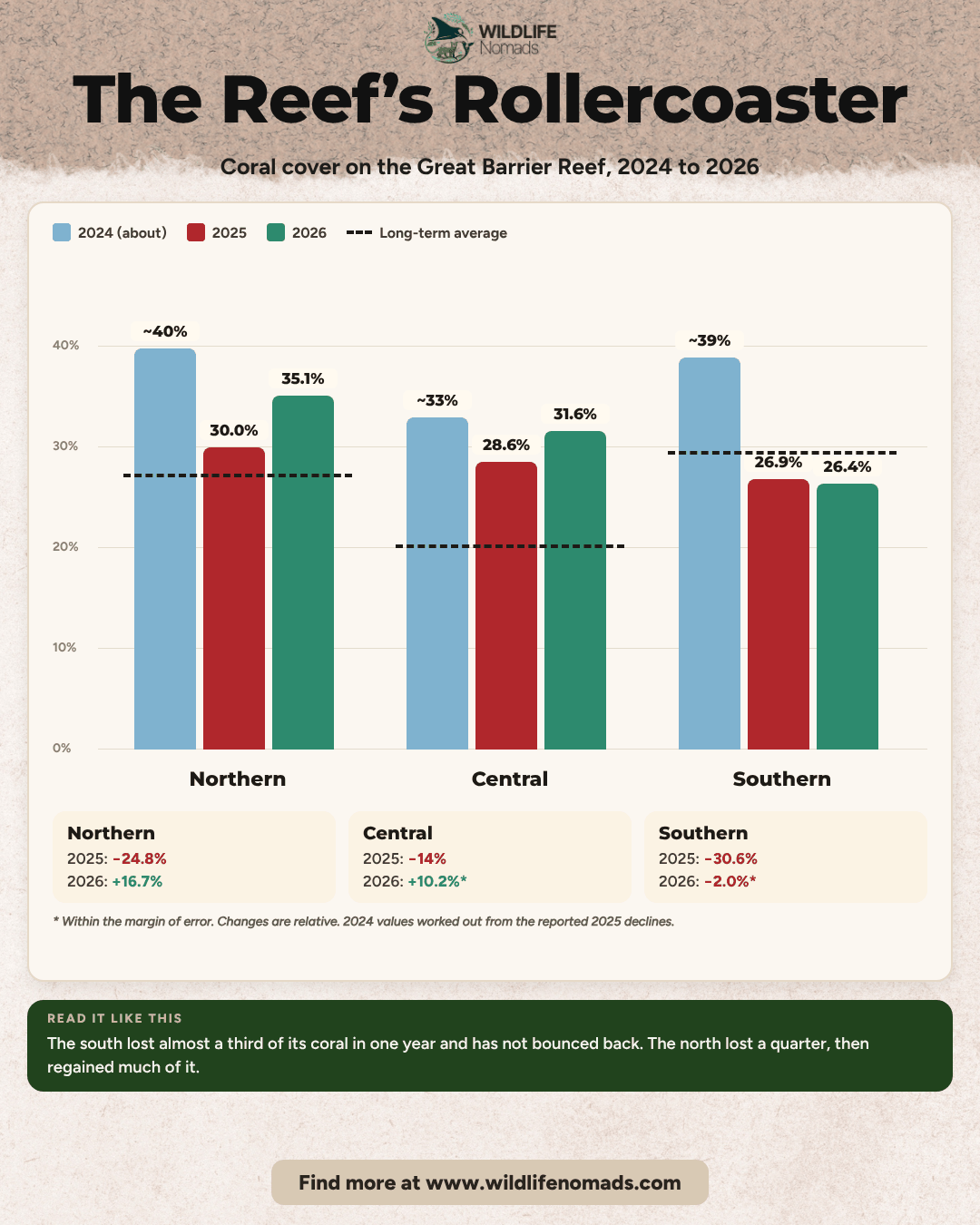
| Region | Coral cover 2025 | Change in one year |
|---|---|---|
| Northern | 30.0% | Down 24.8% |
| Central | 28.6% | Down 14% |
| Southern | 26.9% | Down 30.6% |
Those changes are relative. So the north lost about a quarter of its coral cover, and the south lost almost a third. For both regions, it was the largest single-year decline since 1986.
The losses were uneven. In the south, 27 of 38 surveyed reefs declined. In the central region, only 9 of 36 did.
Why the Losses Were So Big
Here’s the twist. The reef had just reached record-high coral cover. AIMS scientist Mike Emslie said the record losses came off a high base.
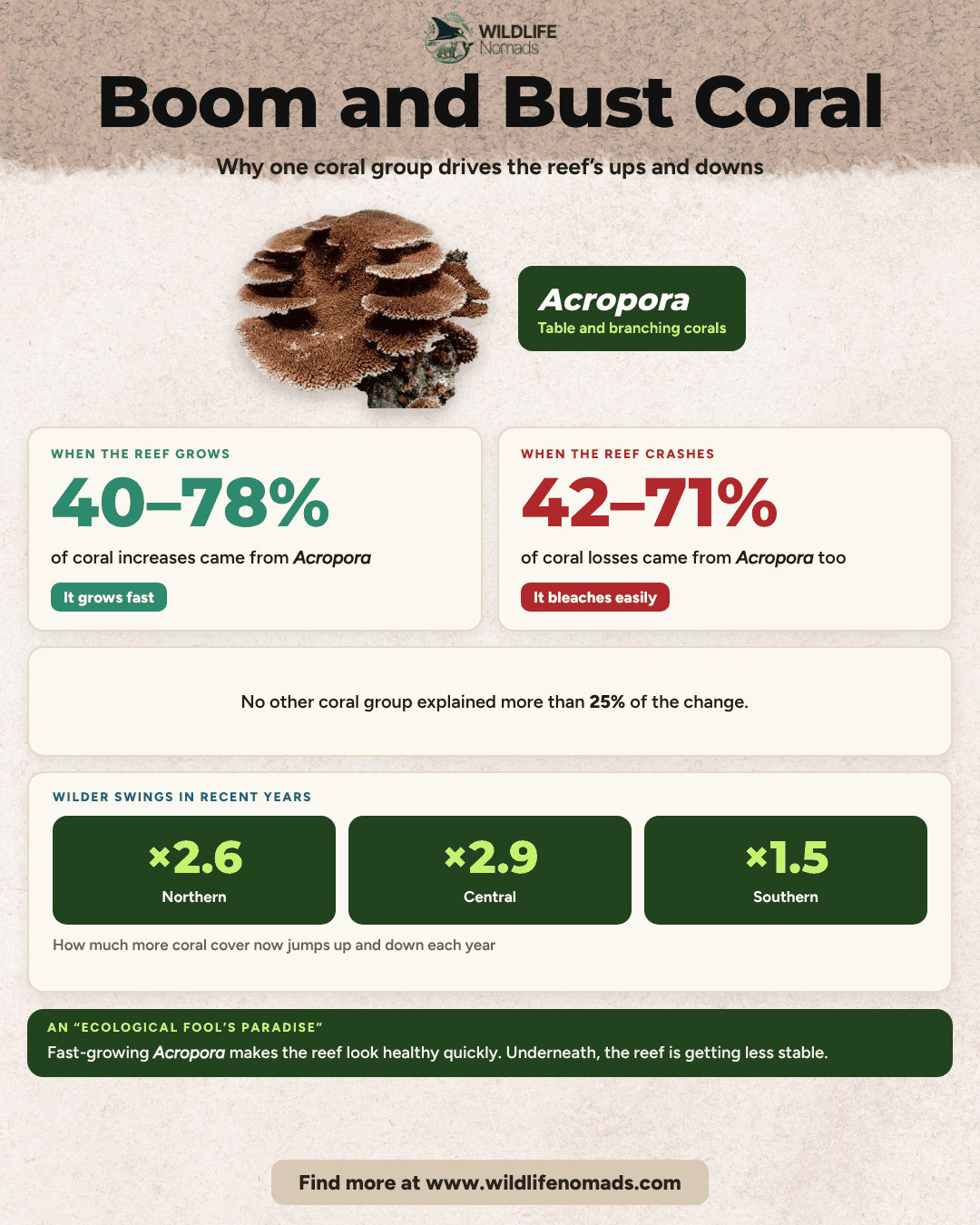
Most of that growth came from Acropora, the branching and table corals in our guide to coral types. They grow fast, so they drive recoveries. They also bleach easily, so they drive the crashes too.
Over 39 years, Acropora explained roughly 40 to 78% of coral increases. It also explained 42 to 71% of the declines. No other coral group explained more than 25% of the change.
The authors describe this as an “ecological fool’s paradise”. Fast regrowth makes the reef look healthy. Underneath, it is losing resilience.
2026: A Monsoon to the Rescue
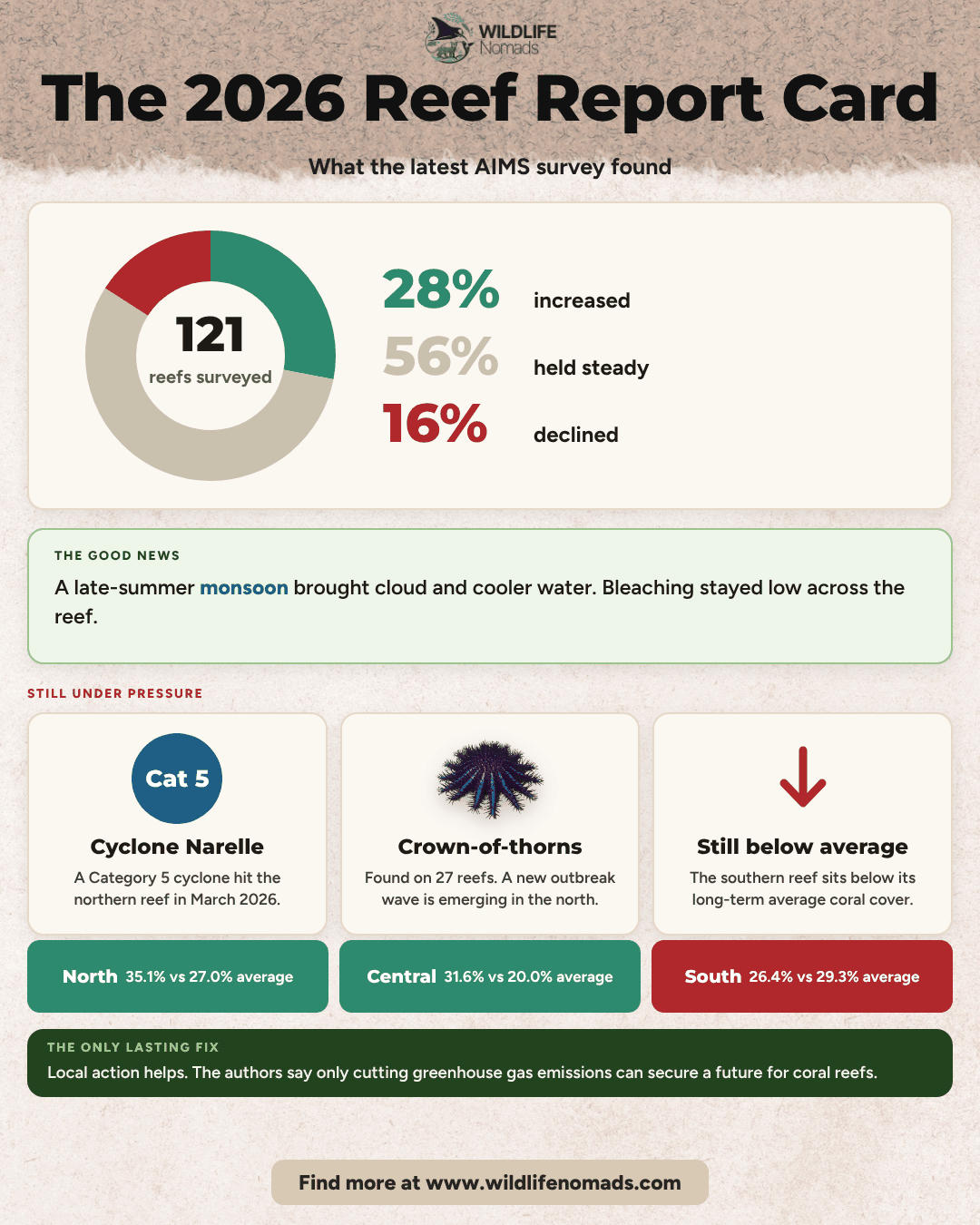
Now the good news. AIMS released its next report on 11 August 2026, after surveying 121 reefs. A late-summer monsoon had brought cloud and cooler water, which limited bleaching.
| Region | Coral cover 2026 | Change from 2025 |
|---|---|---|
| Northern | 35.1% | Up 16.7% |
| Central | 31.6% | Up 10.2% (within margin of error) |
| Southern | 26.4% | Down 2.0% (within margin of error) |
Across all reefs, 28% increased, 56% held steady and 16% declined. The northern and central regions sit above their long-term averages. The southern region is still below its average.
It wasn’t a calm year, though. Category 5 Cyclone Narelle hit the northern reef in March 2026. Crown-of-thorns starfish turned up on 27 reefs, and AIMS reports a new outbreak wave emerging in the north.
Why Scientists Are Still Worried
The reef is becoming more volatile. Year-to-year swings in coral cover rose sharply after about 2010. In the north, variability is now about 2.5 times higher than before.
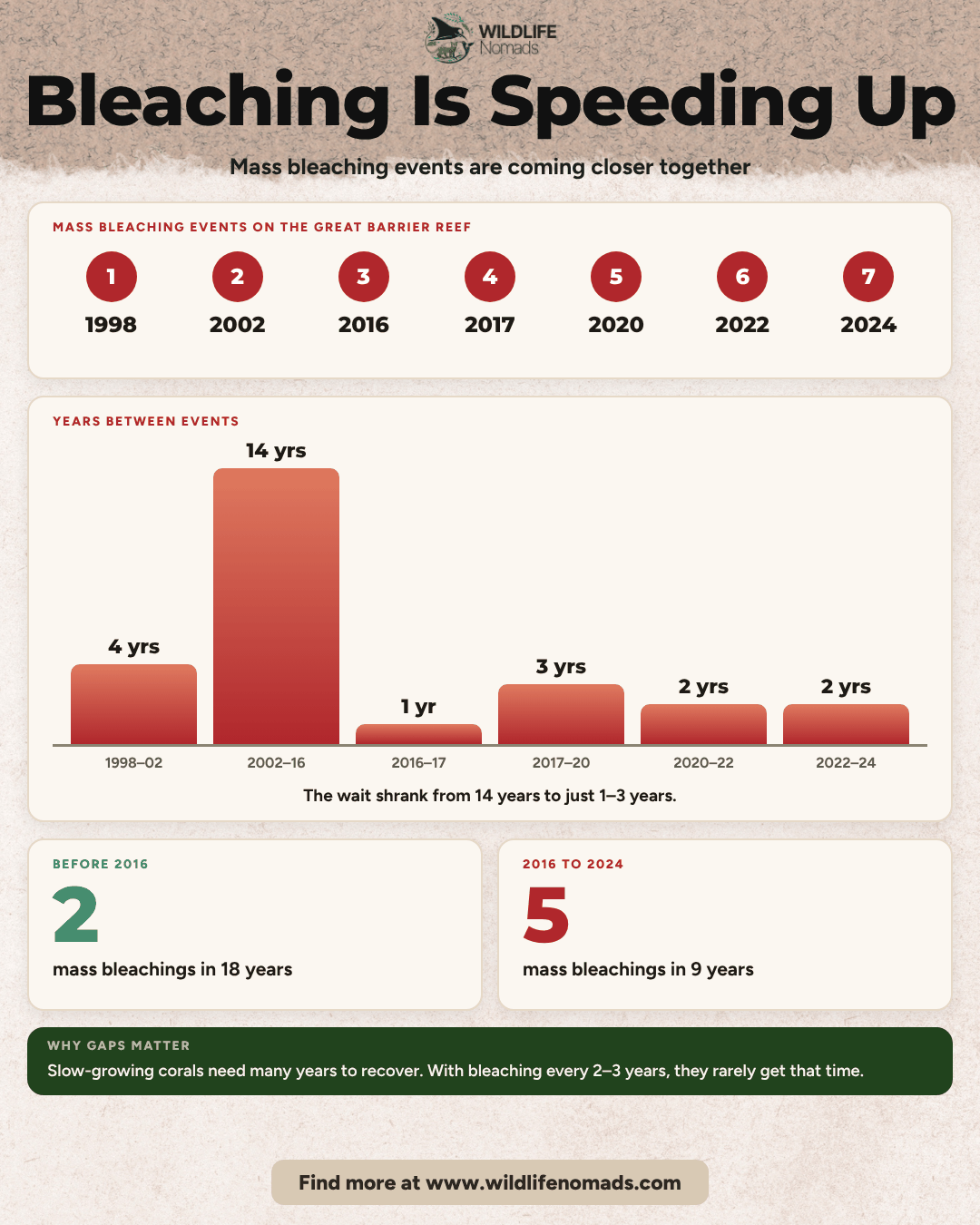
Bleaching events are also closer together. Mass bleaching hit in 1998 and 2002, then in 2016, 2017, 2020, 2022 and 2024. That leaves less time for slow-growing corals to recover.
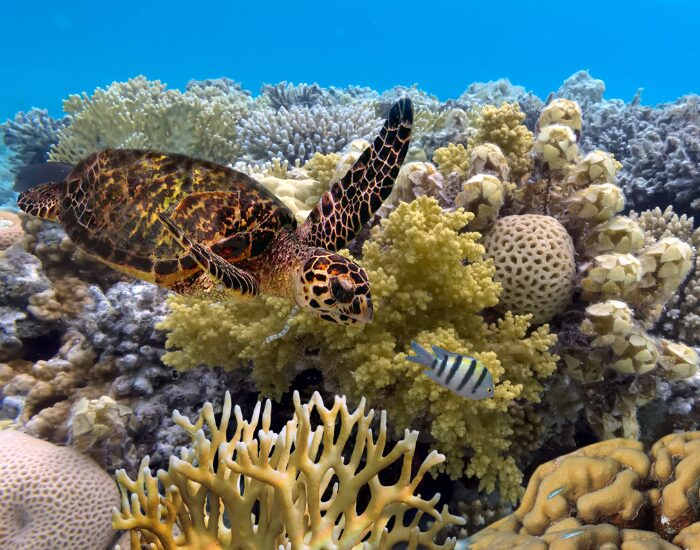
Coral loss affects everything that depends on the reef, from reef fish to turtles and the anemones that host clownfish. You can see how these connections work in our interactive coral reef tool.
The authors are blunt about the fix. Local action helps, but only cutting global greenhouse gas emissions can secure a future for coral reefs.
What I Have Seen Myself
Since that first trip, I’ve snorkelled the southern reef at Lady Elliot Island. The south is the region that lost the most in 2025, so these numbers feel personal.
In 2025, I joined a coral restoration project in Pemuteran, Bali, with the non-profit Metamorfosa Bali. Some areas were full of life thanks to restoration. Others were completely dead. That contrast taught me more than any report.
Reefs can bounce back, but only if we give them time. For more reef science, read my friend Iamania’s coral arrangement experiment. She is a coral reef researcher.
FAQs About the Great Barrier Reef’s Decline
It is under serious pressure, but it is not dead. In 2025 it had record coral losses in the north and south. By 2026, coral cover was recovering in the north, though scientists warn the reef is becoming less stable.
Mostly heat. The 2024 summer caused the seventh mass bleaching since 1998, the most widespread on record. Cyclones and flood plumes added stress in some areas.
In one year, the northern region lost about 25% of its coral cover. The southern region lost about 31%, and the central region about 14%.
Partly. The 2026 AIMS report found northern coral cover up 16.7%, helped by a cooling late-summer monsoon. The southern region stayed below its long-term average.
Bleaching happens when hot water makes corals expel the algae living in their tissues. The corals turn white and can starve and die if the heat lasts.
Mass bleaching hit in 1998, 2002, 2016, 2017, 2020, 2022 and 2024. The gaps between events are getting shorter.
A Reef Worth Fighting For
The Great Barrier Reef had its worst year on record, then showed it can still bounce back. Both things are true. What happens next depends on how fast the world cuts emissions.
If you visit, choose operators that care for the reef, and never touch coral. Then explore the reef from home in our coral reef tool, or find your next swim in our guide to the world’s best snorkelling spots.
References:
Ceccarelli, D. M., Emslie, M. J., Logan, M., et al. (2026). Substantial impacts from the 2024 summer reverse five years of coral cover gains on the Great Barrier Reef. Coral Reefs. https://doi.org/10.1007/s00338-026-02829-8
Australian Institute of Marine Science. (2025). Annual summary report of coral reef condition 2024/2025. AIMS
Australian Institute of Marine Science. (2026). Annual summary report of coral reef condition 2025/2026: Monsoon relief supports initial recovery from recent bleaching. AIMS