
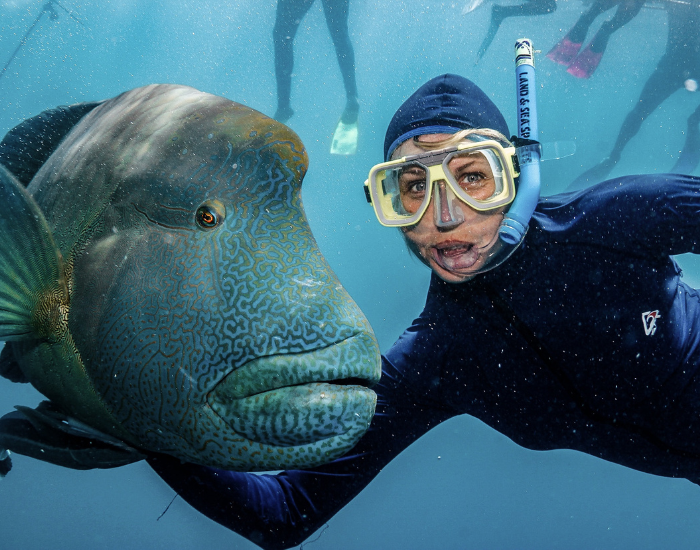
Honestly, when I first wrote this guide, I had snorkeled far fewer reefs. Since then, I’ve floated over coral in Indonesia, Thailand, the Philippines, Egypt and the Great Barrier Reef. Before that, the Caribbean was my first ocean classroom, since I grew up in Mexico.
Even now, entering a reef still feels like visiting another planet. Every time, I see juvenile fish sheltering in the coral. That’s why people call reefs the rainforests of the sea.
So, I rewrote this list of the world’s best snorkeling spots. I start with the places I know firsthand, then add the ones still on my list. You’ll also find when to go, where to swim and how to protect the reef.
🤿 Think you know the world’s reefs?
Twelve questions on mantas, triggerfish and shore snorkeling. Read on, then test yourself at the end.
Jump to the quiz ↓15 Best Snorkeling Destinations in the World
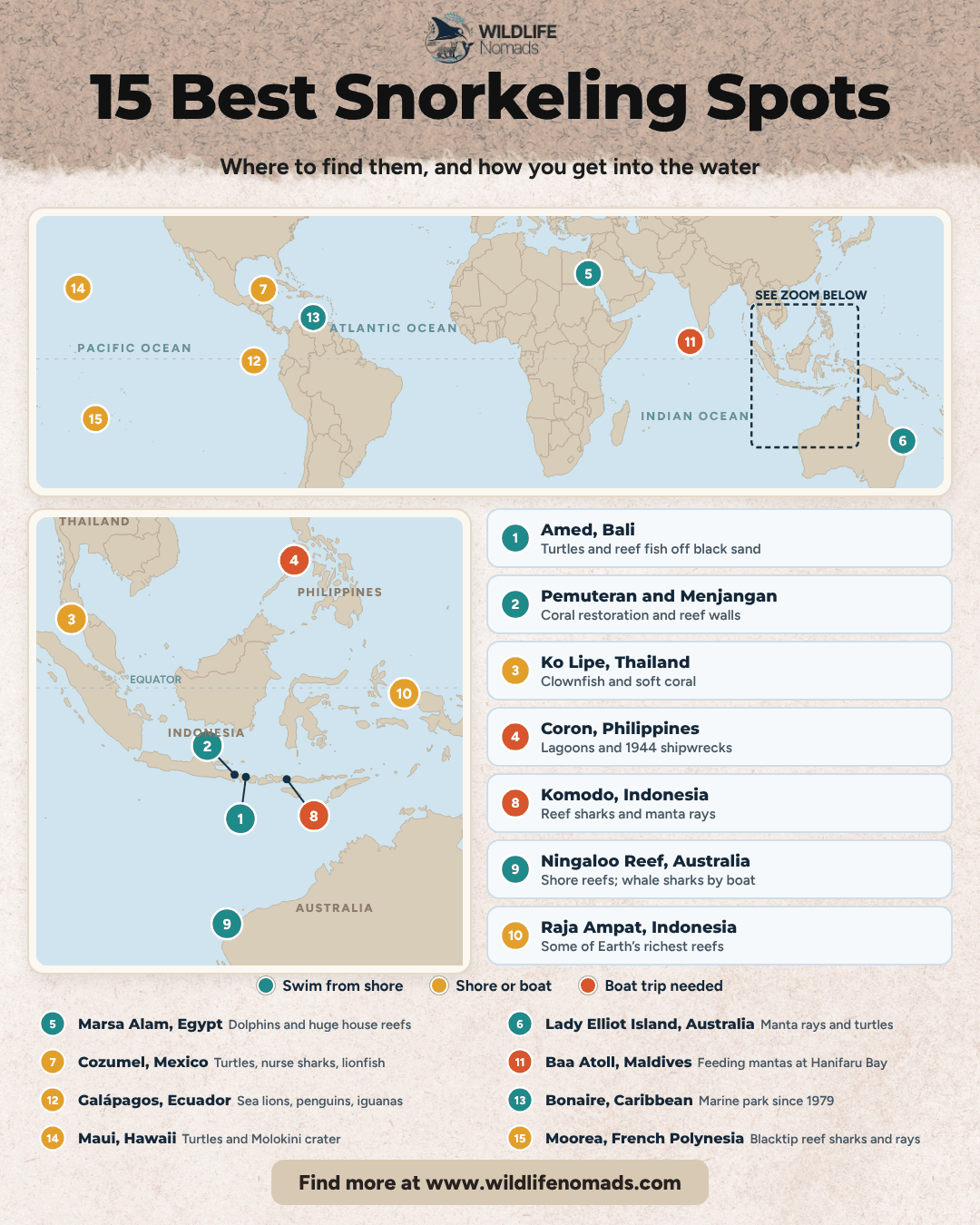
1. Amed, Bali, Indonesia
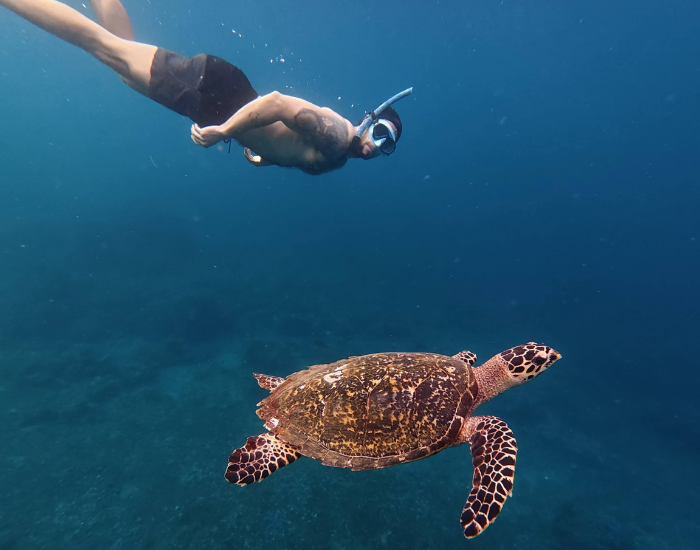
Amed is my favourite place to snorkel, full stop. In fact, I’ve been twice, and both times I stayed right in front of the beach. Between work hours, I simply grabbed my mask and swam out.
Best of all, you don’t need a tour. Instead, the reef starts a few metres from the black sand. Its coral is some of the most alive I’ve ever seen. It’s packed with reef fish and sea turtles.
Not every fish was friendly, though. A titan triggerfish chased me off its nest, and a tiny wrasse would not leave me alone. Read about triggerfish before you go, and swim sideways, not up, if one charges.
Where to snorkel: Jemeluk Bay, Lipah Beach and the Japanese shipwreck at Banyuning.
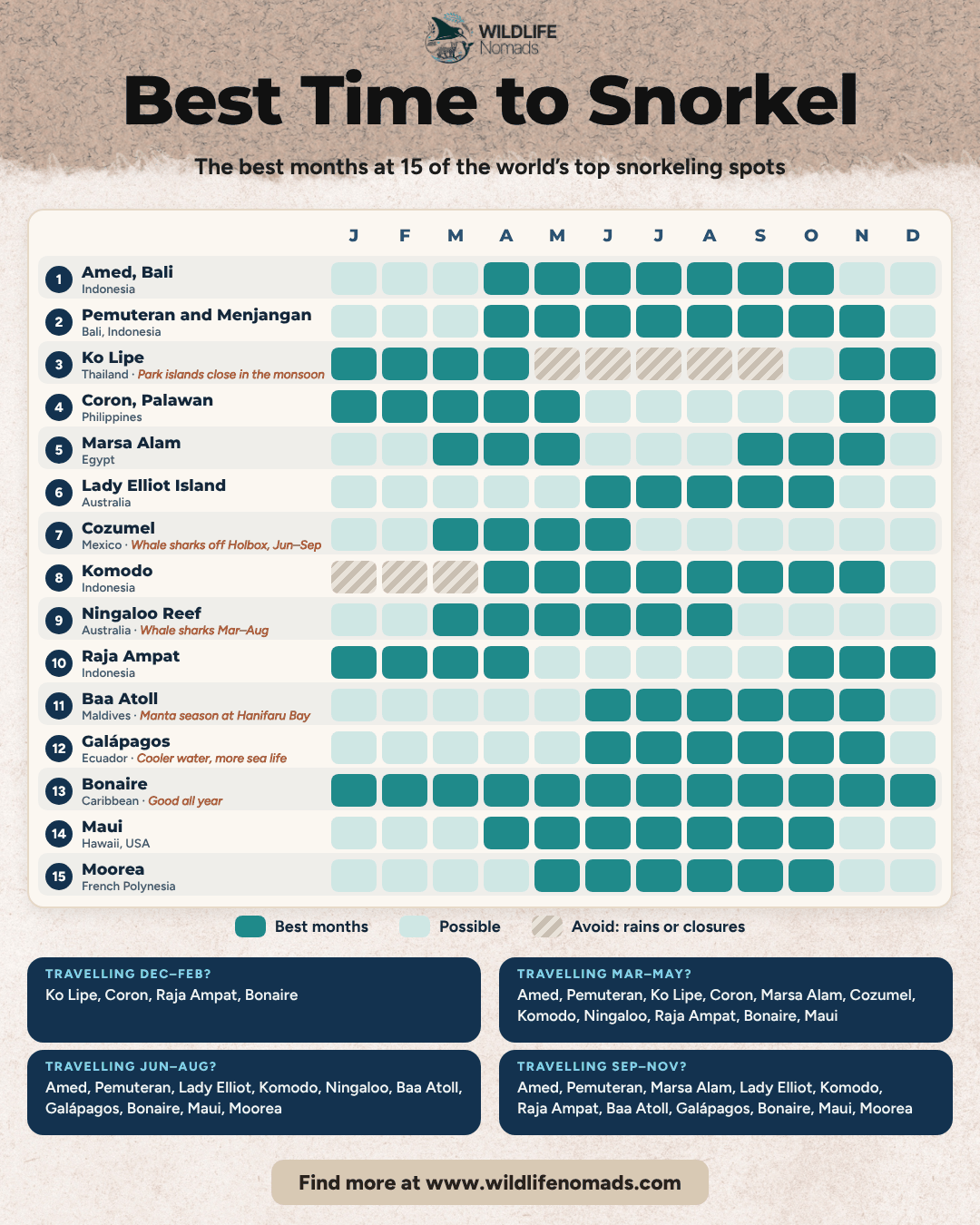
When to visit: April to October, during Bali’s dry season.
Find Snorkeling Tours in Amed
2. Pemuteran and Menjangan Island, Bali
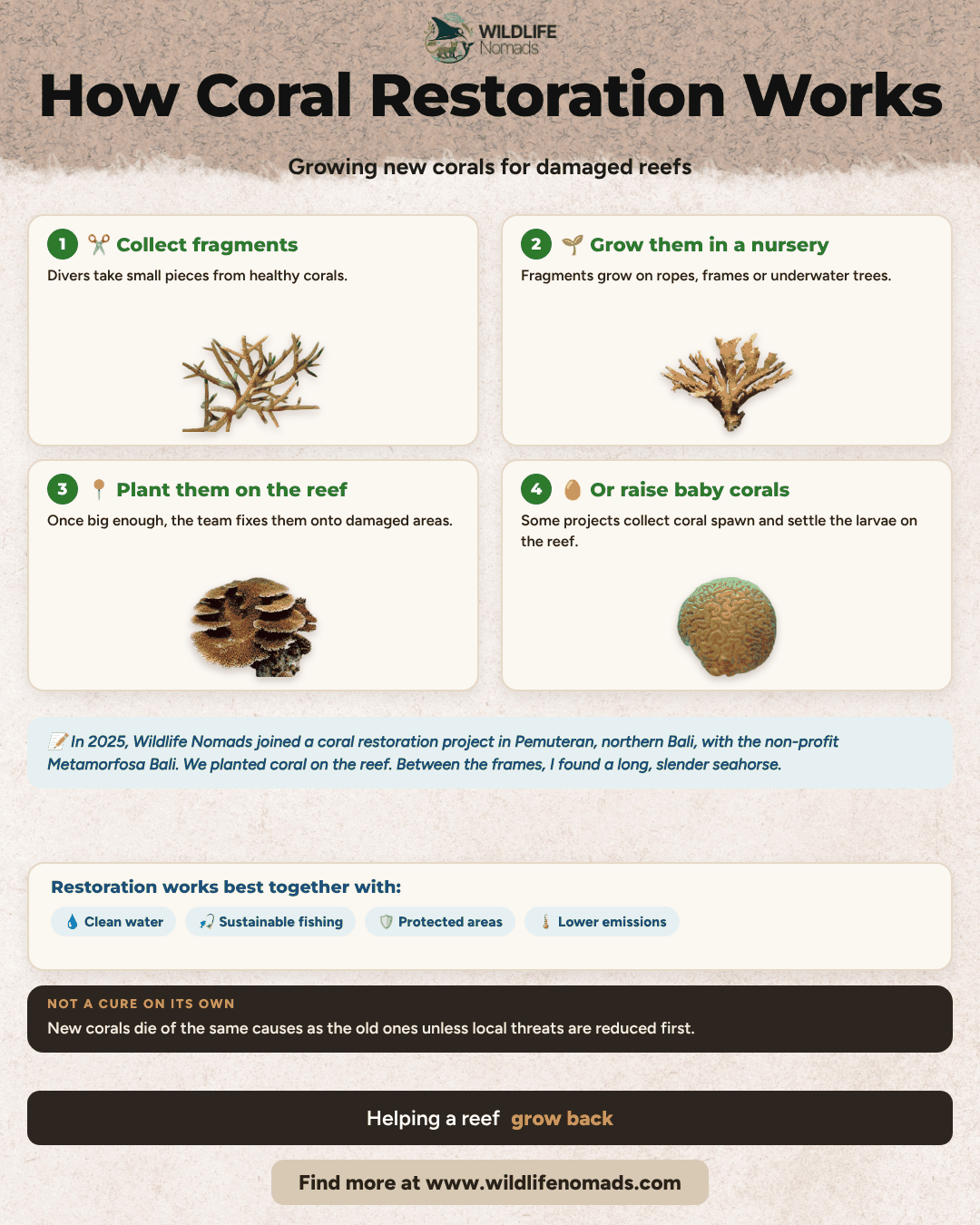
Later, in 2025, we planted coral in Pemuteran with the non-profit Metamorfosa Bali. Today, some areas there are bursting with life, thanks to years of restoration. However, others are completely dead.
Ultimately, that contrast taught me more than any textbook. Nearby, Menjangan Island sits inside West Bali National Park, a protected area. Also, its steep coral walls are a short boat ride away.
Where to snorkel: the restoration sites off Pemuteran beach and Menjangan Island.
When to visit: April to November.
3. Ko Lipe, Thailand
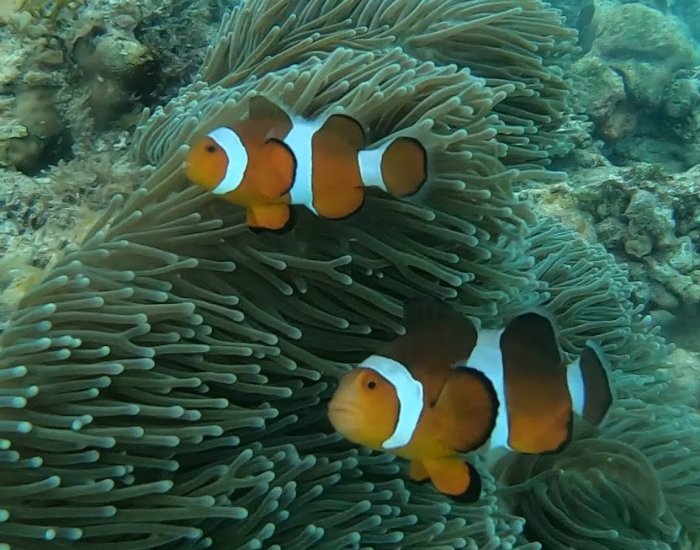
Ko Lipe, in southern Thailand, gave me so many clownfish that I lost count.
It also has some of the best soft coral and colorful fish I’ve ever seen. The island sits beside Tarutao National Marine Park, in the Andaman Sea. As a result, it’s great for both snorkeling and scuba diving. Compare it with the best scuba diving destinations in the world.
Where to snorkel: longtail boat trips to the islands around Ko Lipe.
When to visit: November to April. The nearby marine park islands close for the monsoon, from mid-May until about October. Ko Lipe itself stays open.
4. Coron and Black Island, Palawan, Philippines
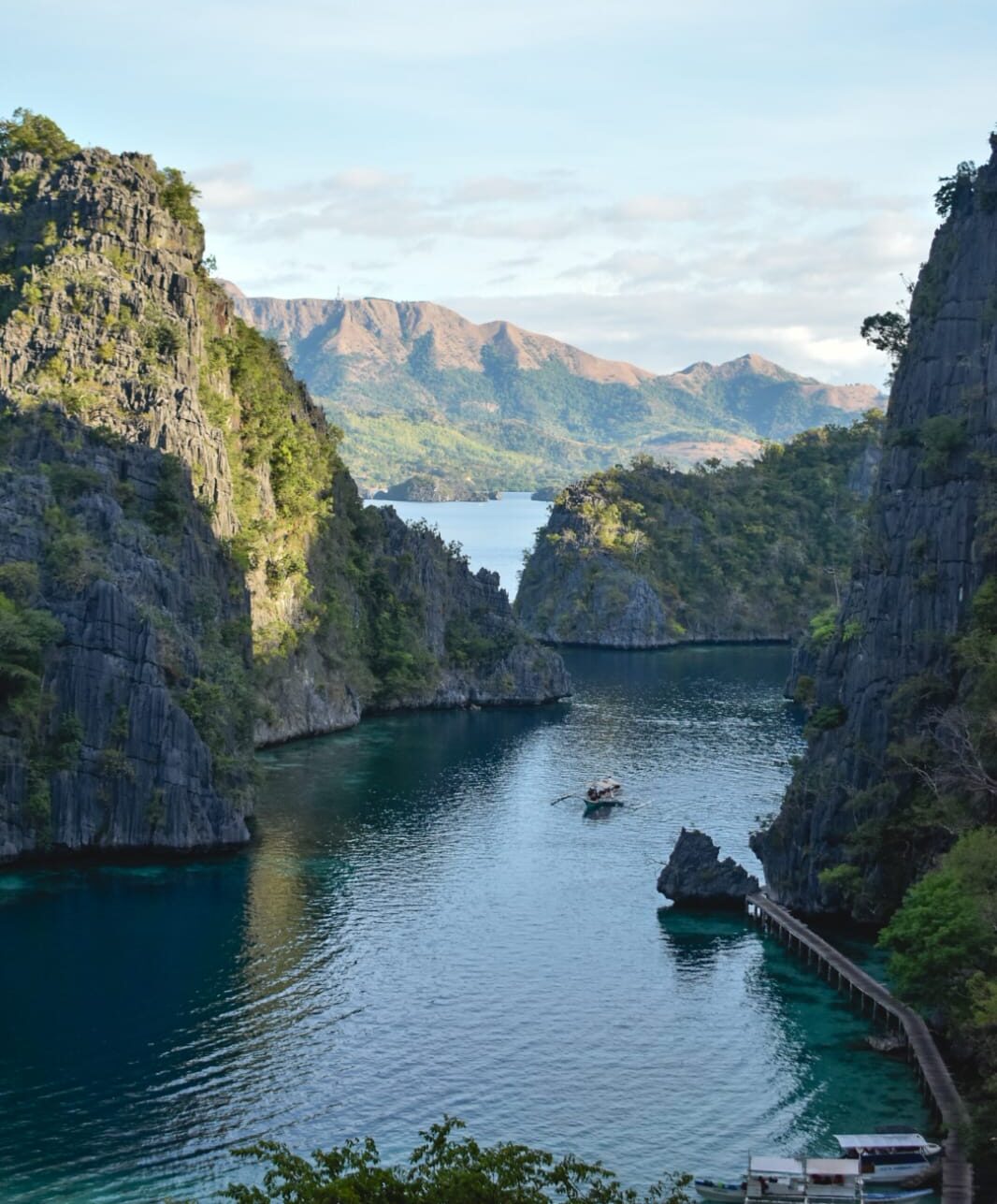
Palawan gave me some of the most beautiful coral I’ve seen, plus triggerfish and parrotfish everywhere. Unlike Amed, however, you always need a boat tour here. Still, the trips are worth it.
For example, Coron hides limestone lagoons and Japanese shipwrecks from 1944. On Black Island, I watched a Palawan monitor eat fish scraps beside a fisherman. Read about parrotfish before you go.
Where to snorkel: Siete Pecados Marine Park, Coral Garden and Twin Lagoon in Coron.
When to visit: November to May, in the dry season.
5. Marsa Alam, Red Sea, Egypt
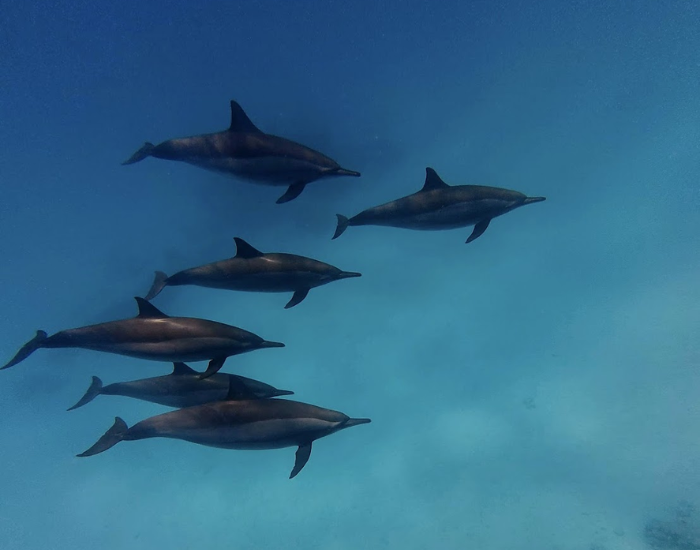
This year, I spent a week in Marsa Alam. It sits on Egypt’s Red Sea coast, sometimes called the Egyptian Riviera. I swam with dolphins and snorkeled a massive reef straight from the beach.
The Red Sea stays warm and clear, with lionfish, unicornfish and rays on most swims. I searched for dugongs but never found one. Next time.
Where to snorkel: house reefs at Marsa Alam, Abu Dabbab and Ras Mohammed further north.
When to visit: March to May or September to November. The winter months bring cooler water.
Find Snorkeling Tours in the Red Sea
6. Lady Elliot Island, Great Barrier Reef, Australia
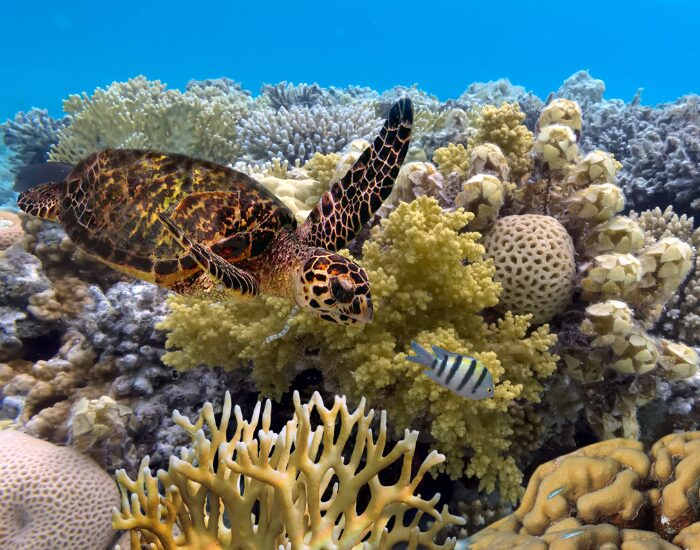
Of course, living in Australia, I had to include the Great Barrier Reef. It’s the world’s most extensive barrier reef system, with about 2,900 reefs over 2,300 km. Moreover, it’s a UNESCO World Heritage Site.
I’ve snorkeled Lady Elliot Island, the reef’s southernmost coral cay. It sits inside a green no-take zone and is famous for manta rays. See where to see manta rays. Further north, boats from Airlie Beach reach the Whitsunday Islands, while Cairns and Port Douglas serve the outer reefs.
Meanwhile, back in 2019, the reef showed me my first clownfish and my first bleached coral. Explore it from home in our Coral Reef Explorer.
When to visit: June to October for clear water and less rain.
Find Snorkeling Tours in the Great Barrier Reef
7. Cozumel and the Mexican Caribbean
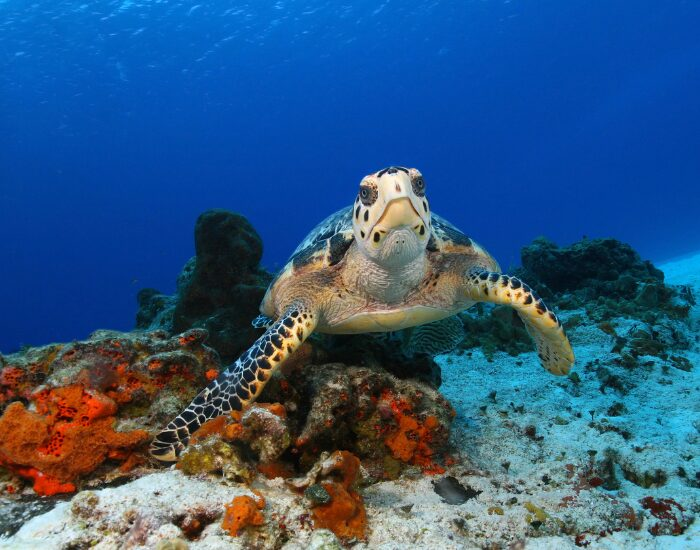
As a Mexican, the Caribbean is home water for me. Cozumel sits on the Mesoamerican Reef, the second-largest barrier reef in the world. It’s also one of the best scuba destinations in the Caribbean.
Over the years, around the Yucatán, I’ve seen nurse sharks, turtles and lionfish. Once, for instance, I watched two sea turtles fight a juvenile nurse shark for a big fish head. Off Holbox, I also swam with whale sharks.
Where to snorkel: Palancar Reef, a famous dive site, plus Columbia Shallows and Chankanaab Park.
When to visit: March to June, though snorkeling is good year-round. Whale sharks visit Holbox from about June to September.
Find Snorkeling Tours in Cozumel
8. Komodo National Park, Indonesia
Komodo is famous for its dragons, yet its water is just as wild. Specifically, we spent three days on a liveaboard, and I saw whitetip reef sharks close to shore. Baby sharks patrolled the shallows, proof that reefs are nurseries.
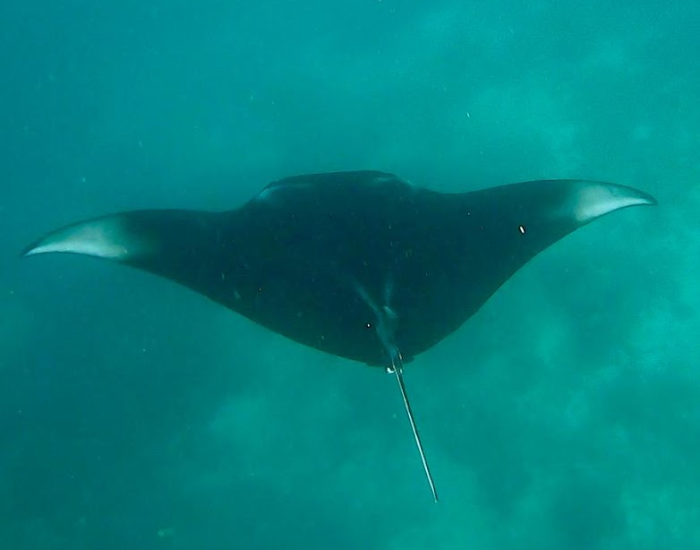
Because strong currents bring plankton, manta rays gather here too. Read my Komodo dragon facts for the land side.
Where to snorkel: Pink Beach, Kanawa Island and Manta Point.
When to visit: April to November. Avoid the January to March rains.
Find Snorkeling Tours in Komodo
9. Ningaloo Reef, Western Australia
Soon, Ningaloo will be the next stop on our lap around Australia. Notably, it’s one of the world’s largest fringing reefs, so the coral starts right off the beach.
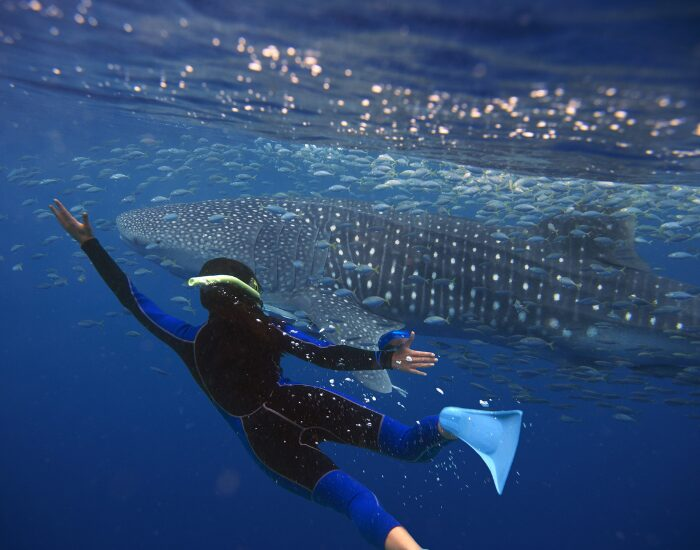
In particular, Turquoise Bay offers some of the best shore snorkeling anywhere. From about March to August, whale sharks also visit the outer reef.
When to visit: March to August, during whale shark season.
10. Raja Ampat, Indonesia
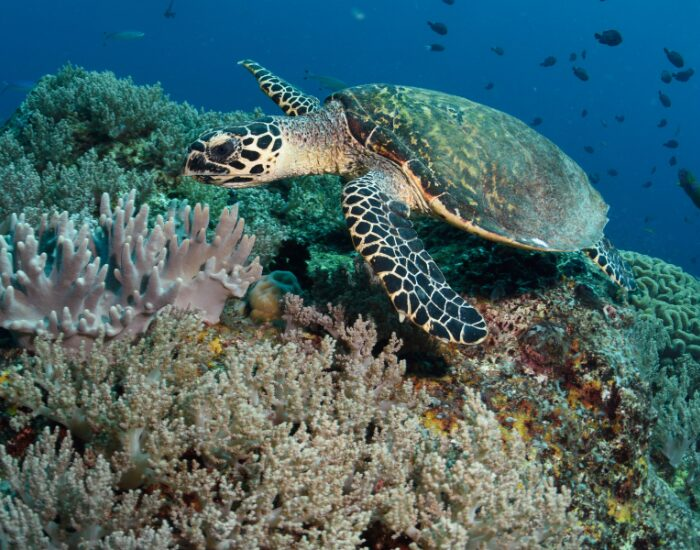
Above all, Raja Ampat, off the western tip of New Guinea, sits at the heart of the Coral Triangle. It has some of the highest marine life diversity on Earth. It’s still on my list.
Where to snorkel: Cape Kri, Kri Island and Misool.
When to visit: October to April, for calm seas.
11. Baa Atoll, Maldives
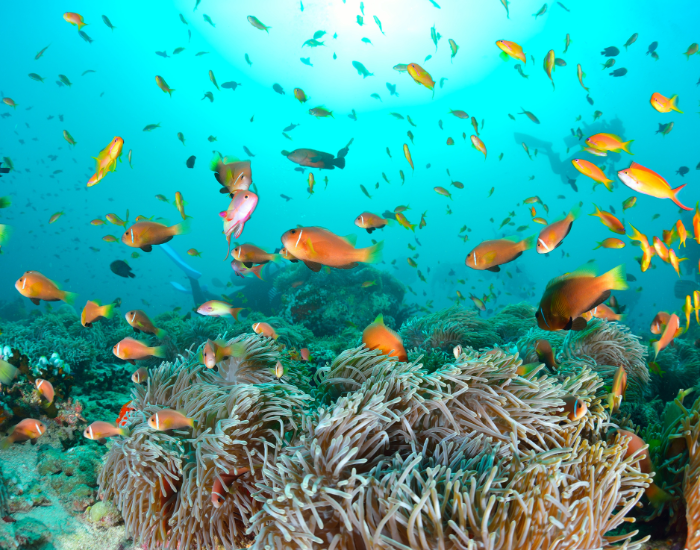
Additionally, this UNESCO Biosphere Reserve in the Indian Ocean holds Hanifaru Bay. During plankton blooms, dozens of manta rays and sometimes whale sharks feed in the small bay.
Today, only snorkelers may enter, and numbers are strictly limited. Book early.
When to visit: June to November, for peak manta season.
Find Snorkeling Tours in the Maldives
12. Galápagos Islands, Ecuador
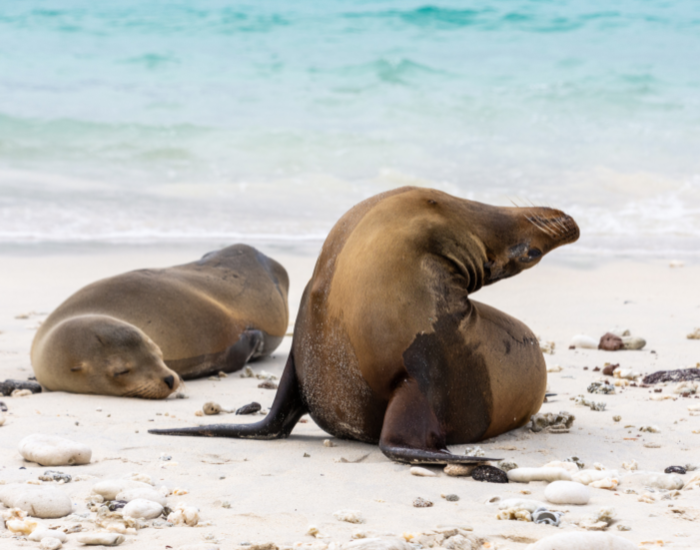
In the Galápagos, you swim with sea lions, penguins and marine iguanas. My partner, part of the Wildlife Nomads team, dived with hammerheads in the Galápagos.
Where to snorkel: Devil’s Crown and Kicker Rock. Bartolomé is easier for beginners.
When to visit: June to November brings cooler water and richer sea life.
Find Snorkeling Tours in the Galápagos
13. Bonaire, Caribbean Netherlands
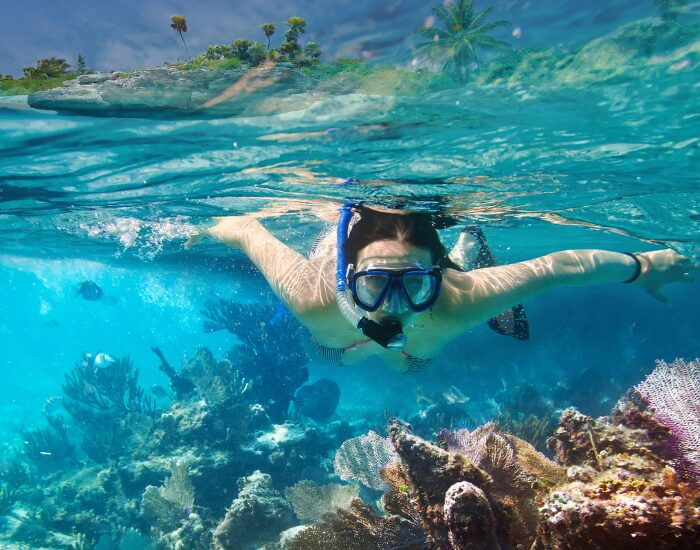
Likewise, Bonaire is a Caribbean island built for shore snorkeling. Its whole coastline has been a marine park since 1979. Reefs start steps from the road, and many resorts have their own house reef.
Where to snorkel: 1000 Steps, Bari Reef and Klein Bonaire.
When to visit: year-round, with calm conditions most of the time.
Find Snorkeling Tours in Bonaire
14. Maui, Hawaii
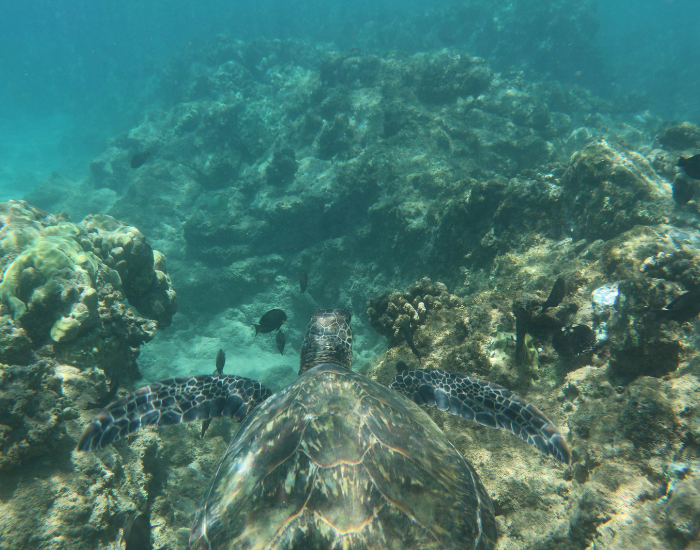
Maui mixes green turtles, spinner dolphins and volcanic reefs. For example, Molokini, a half-sunken crater, often has visibility of 30 metres or more. See more animals from Hawaii.
Where to snorkel: Molokini, Turtle Town and Honolua Bay.
When to visit: April to October, for calmer seas.
15. Moorea, French Polynesia
Similarly, Moorea’s shallow lagoons suit beginners. In the Pacific Ocean shallows, you’ll meet blacktip reef sharks, parrotfish and friendly stingrays on sandbanks. Learn about stingrays first.
When to visit: May to October, in the dry season.
Best Shore Snorkeling Spots
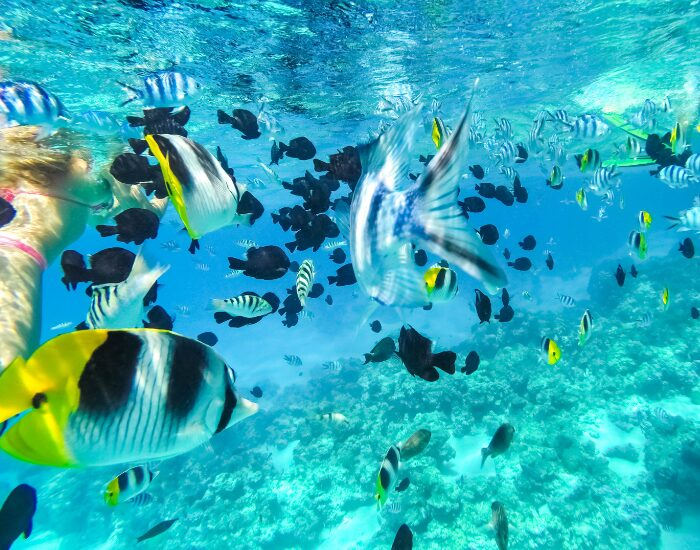
In fact, shore snorkeling lets you skip the boat and swim straight in. These best spots need only fins and a mask:
- Honolua Bay, Maui: a marine reserve with turtles and tropical fish.
- The Baths, Virgin Gorda: granite boulders and clear pools in the British Virgin Islands.
- Anse Source d’Argent, Seychelles: giant granite boulders and calm, shallow water.
- Two Step, Hawaiʻi Island: lava-rock entry on the largest island in Hawaii.
- Turquoise Bay, Ningaloo: a gentle drift over colorful coral.
- Amed, Bali: my favourite, right outside the door.
The Coral Triangle: Heart of Marine Biodiversity
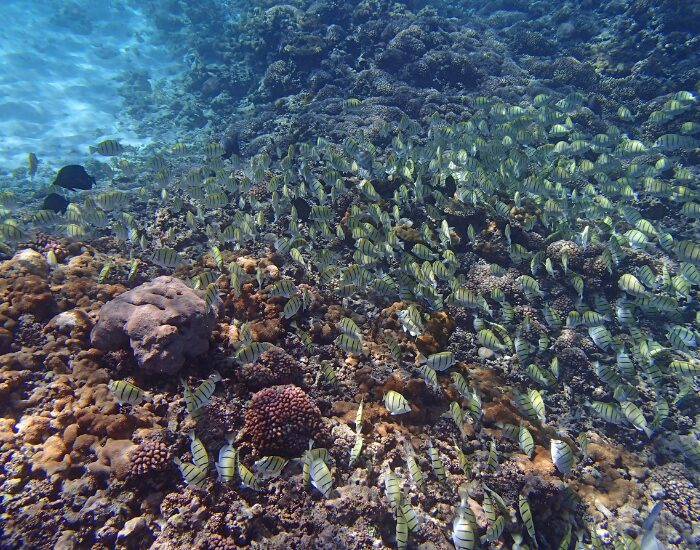
The Coral Triangle spans the western Pacific waters of six countries. They are Indonesia, Malaysia, the Philippines, Papua New Guinea, the Solomon Islands and Timor-Leste. Scientists call it the Amazon of the seas.
In fact, it holds about 600 coral species and more than 2,000 reef fish species. Six of the seven sea turtle species live there too. That’s why so many of my favourite snorkeling spots sit inside it.
Where Is the Clearest Water to Snorkel?
For pure visibility, Iceland‘s Silfra fissure clearly wins. Its glacial water often reaches over 100 metres of visibility. However, it’s cold enough to need a drysuit.
Instead, for warm waters, try Aitutaki Lagoon in the Cook Islands or Bora Bora’s lagoon. Indeed, both glow turquoise over shallow sand and coral.
Which Ocean Is Best for Snorkeling?
Overall, the Pacific wins for sheer variety, from the Coral Triangle to Hawaii. Next, the Indian Ocean follows, with the Maldives, Seychelles and Ningaloo.
Meanwhile, the Atlantic Ocean gives us the Caribbean, where calm, clear reefs suit beginners. Still, wherever you go, choose places with protected, colorful coral reefs.
Is There Good Snorkeling on the Gold Coast?
Yes, on a small scale. I’ve snorkeled Tallebudgera Creek and met wobbegong sharks and stingrays. Cook Island, just south of the border, is an aquatic reserve with turtles.
For coral, though, head north to the Great Barrier Reef, or south to Lady Elliot Island.
How to Snorkel Responsibly
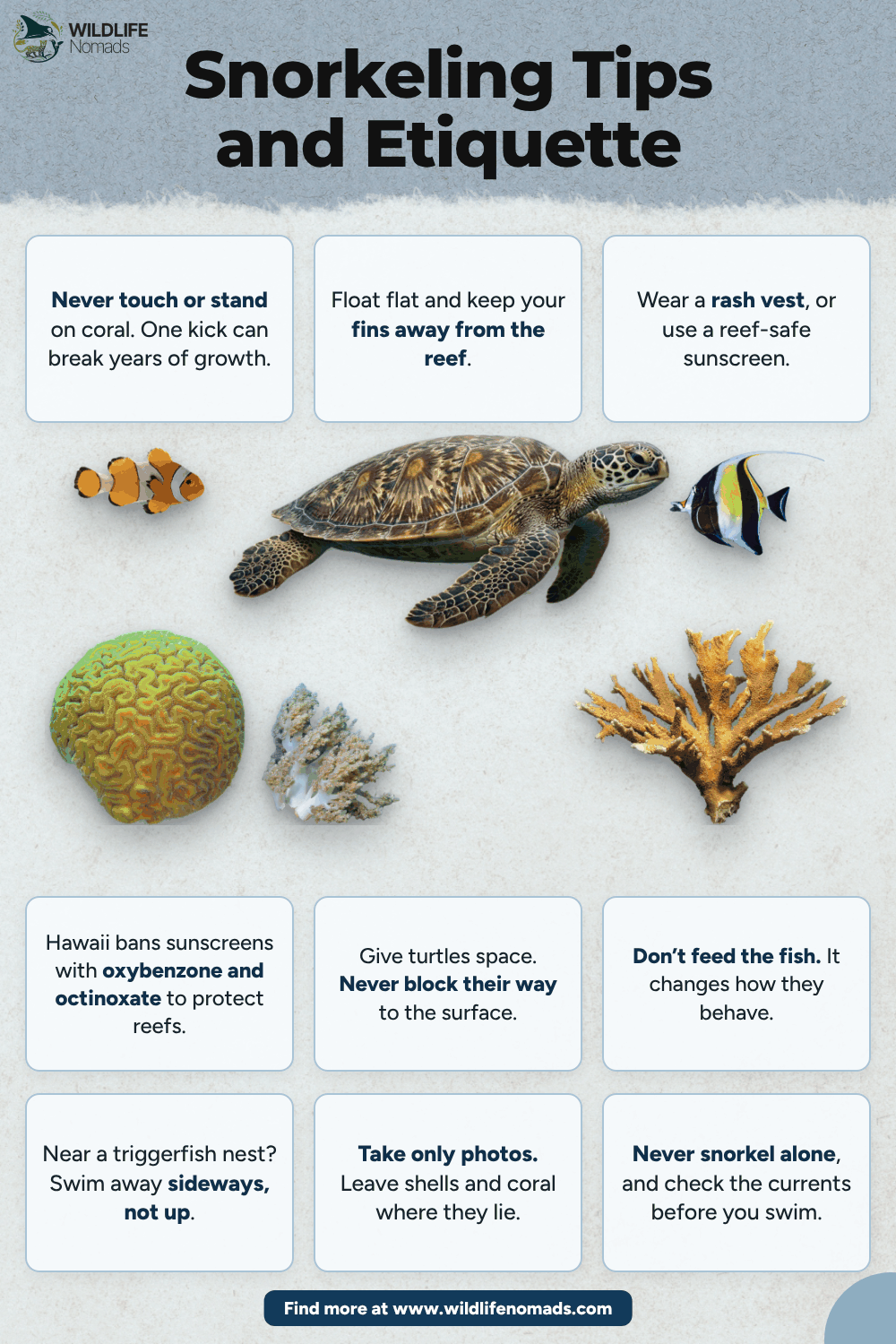
- Never touch or stand on coral. Even a fin kick can break years of growth.
- Use reef-safe sunscreen or wear a rash vest instead.
- Keep your distance from turtles, sharks and dolphins.
- Choose responsible operators for boat excursions and liveaboards.
- Respect triggerfish nests. If one charges, swim away horizontally.
Finally, pollution is the other threat. In Bali, I swam beside plastic bags over beautiful coral. One study found coral touching plastic was far more likely to get sick. Read how ocean pollution affects sea animals.
FAQs About the Best Snorkeling Spots
It depends on what you want to see. Raja Ampat and the Coral Triangle have the richest reef life, while the Great Barrier Reef is the largest reef system. For easy shore snorkeling, Amed in Bali and Bonaire are hard to beat.
Silfra in Iceland often has more than 100 metres of visibility, but the water is near freezing. For warm, clear water, try Aitutaki in the Cook Islands, Bora Bora or the Red Sea.
The Pacific Ocean has the greatest variety, including the Coral Triangle, Hawaii and French Polynesia. The Indian Ocean offers the Maldives, Seychelles and Ningaloo. The Atlantic gives you the Caribbean.
Yes, on a small scale. Cook Island and Tallebudgera Creek offer turtles, rays and wobbegong sharks. For coral reefs, head to the Great Barrier Reef or Lady Elliot Island.
Not always. In Amed, the reef starts a few metres from the beach, so you can swim straight out. Menjangan Island and some sites around Nusa Penida need a boat.
Never touch or stand on coral, and don’t chase or feed wildlife. Use reef-safe sunscreen or a rash vest. Give nesting triggerfish space and swim away horizontally if one charges.
Pack Your Mask and Go
The best snorkeling spot is the one that makes you forget time. For me, that’s still Amed, where the reef waits outside the door.
Wherever you swim, leave the reef as you found it. Then come back and tell me your favourite spot in the comments. If you dive too, read about scuba diving in Mexico.
Find Snorkeling Tours in the World!
This website is reader-supported. When you book a wildlife experience through links listed on this site, we may earn an affiliate commission.
References:
Lamb, J. B., Willis, B. L., Fiorenza, E. A., Couch, C. S., Howard, R., Rader, D. N., True, J. D., Kelly, L. A., Ahmad, A., Jompa, J., & Harvell, C. D. (2018). Plastic waste associated with disease on coral reefs. Science, 359(6374), 460–462. https://doi.org/10.1126/science.aar3320
Veron, J. E. N., Devantier, L. M., Turak, E., Green, A. L., Kininmonth, S., Stafford-Smith, M., & Peterson, N. (2009). Delineating the Coral Triangle. Galaxea, Journal of Coral Reef Studies, 11(2), 91–100. https://doi.org/10.3755/galaxea.11.91