There’s something almost magical about a chameleon. Their hypnotic eyes, slow-motion movements, and ever-changing colors feel like something dreamt up by evolution’s most imaginative artist. During my time working at a zoo, I helped care for a pair of veiled chameleons, tiny, alien-like reptiles that could shift from lime green to golden yellow in seconds. Every day, they reminded me just how extraordinary nature can be.
In this deep dive, we’ll explore what makes chameleons so unique: their anatomy, behaviors, and habitats, plus a look at ten remarkable species you should know.
1. What Exactly Is a Chameleon?
Chameleons are a family of lizards belonging to the scientific family Chamaeleonidae. There are over 150 known species, ranging from the finger-sized pygmy chameleons of the genera Brookesia (Brookesia spp.) of Madagascar to the impressively large Parson’s chameleon (Calumma parsonii).
They are found primarily in Madagascar and sub-Saharan Africa, though a few species live in southern Europe, the Middle East, and parts of Asia. About half of all chameleon species are endemic to Madagascar, while the rest are distributed across the Old World, including Africa, Asia, and parts of Europe. The veiled chameleon (Chamaeleo calyptratus), for instance, calls the Arabian Peninsula home, particularly Yemen and Saudi Arabia’s dry plateaus.
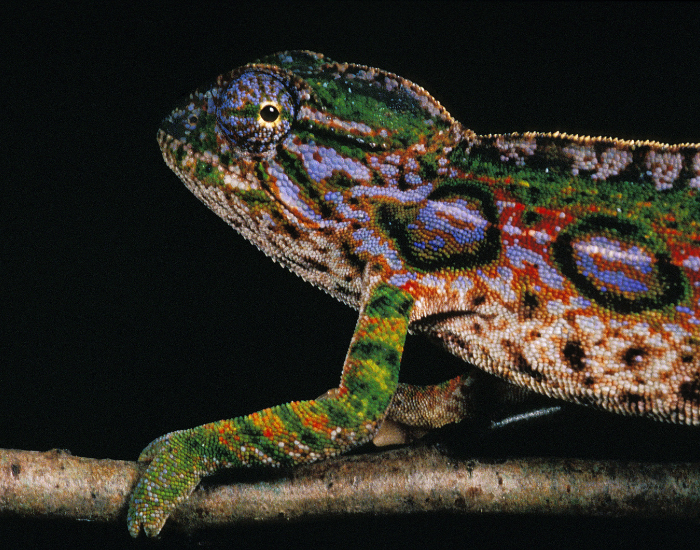
What makes chameleons instantly recognizable are their prehensile tails, zygodactylous feet (each foot has five toes, grouped for grasping branches, with two toes pointing forward and two backward), projectile tongues, and independently rotating eyes, a perfect toolkit for an arboreal, insect-hunting lifestyle.
2. Color Change: Not Just for Camouflage
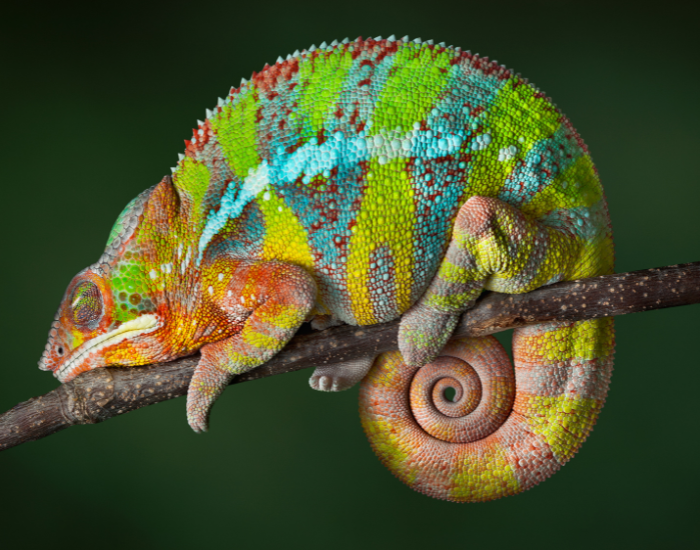
It’s easy to assume a chameleon changes color only to blend in, but the truth is far more complex. Chameleons’ remarkable colour change ability is a form of communication and thermoregulation.
Underneath their skin are specialized nanocrystals within pigment cells called iridophores. By adjusting the spacing of these crystals, a chameleon can alter how light reflects off its skin, switching from bright emerald to deep brown or even electric blue in seconds.
- Bright colors often signal dominance or courtship.
- Darker tones can indicate stress, aggression, or an effort to absorb heat. Chameleons may also display a blackish green hue when threatened or after mating.
- During social displays, males may flash blue and yellow spots or stripes to intimidate rivals.
In short, their color is as much about mood and message as it is about blending in.
3. The Incredible Tongue: Nature’s High-Speed Weapon
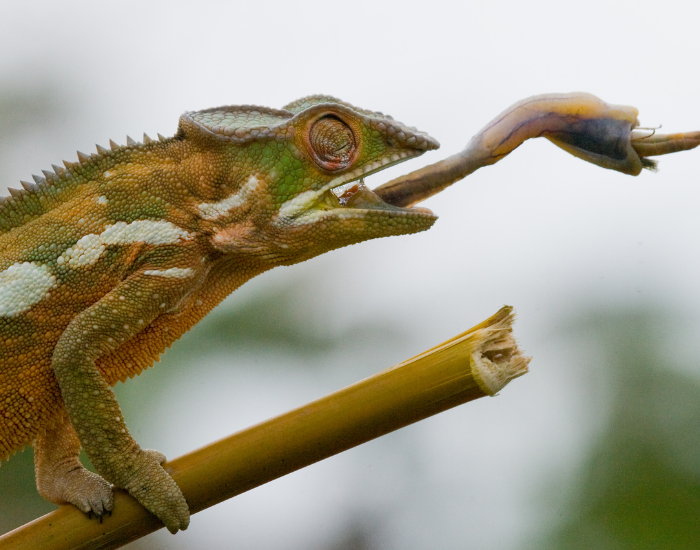
One of the most astonishing features of the chameleon is its sticky tongue, which can extend up to twice its body length and strike in less than a second.
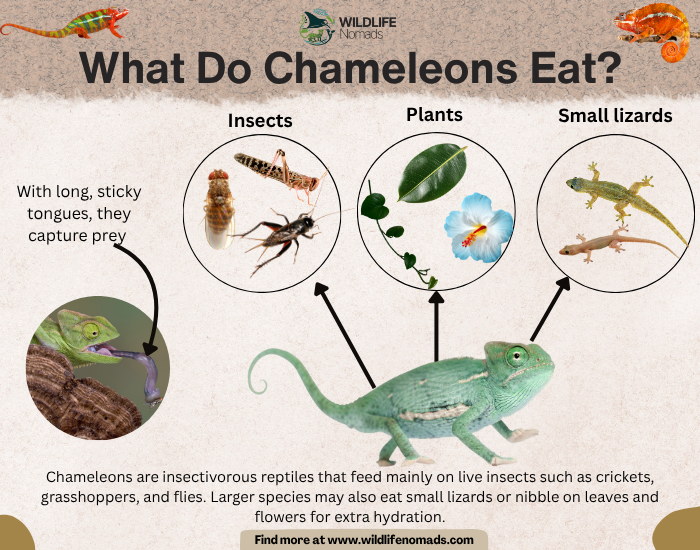
Chameleons use their specialized, rapidly projectable tongue along with the unique ability of the chameleon’s eyes to rotate and focus independently, providing a 360-degree view, to accurately capture prey from a distance. At the tip, a suction-cup-like pad traps insects mid-air, crickets, grasshoppers, and even the occasional small bird or lizard. The elastic recoil mechanism gives it unbelievable speed and precision, making chameleons formidable hunters despite their slow pace.
In captivity, veiled chameleons thrive on a diet of live insects like crickets, mealworms, and wax worms, dusted with calcium supplements to prevent metabolic bone disease.
4. Habitat and Distribution
Different species of chameleons live across diverse habitats:
- Veiled chameleons inhabit dry plateaus and mountain valleys of Yemen and Saudi Arabia.
- Jackson’s chameleons thrive in the humid forests of East Africa (and now Hawaii, where they’re an invasive species).
- Parson’s chameleons prefer rainforests in Madagascar.
- Pygmy chameleons are ground-dwellers that blend in among leaf litter.
Most species are arboreal, spending their lives climbing branches and using their prehensile tails for balance and grip. Temperature is critical to their survival—typically, the enclosure should maintain an appropriate ambient temperature between 75–95°F for overall health, with a well-placed basking spot reaching up to 100°F to allow chameleons to regulate their body temperature.

5. Chameleon Behavior and Communication
Chameleons are mostly solitary animals. They only come together during the breeding season, and even then, males can become aggressive competitors.
Their color changes, body postures, and gentle head bobs are part of a rich behavioral language. Males use their bold hues to warn rivals, while receptive females may show subtle pastel tones to indicate readiness to mate.
They also exhibit fascinating thermoregulatory behaviors, basking in sunlight to warm up or moving into shade to cool down. Their calm, calculated movements are not laziness but a stealth strategy: avoiding detection by both prey and predators. When threatened or stressed, some chameleons may curl into a tight fetal position as a defensive response, remaining in this posture until they feel safe enough to uncurl and resume normal activity.
6. Life Cycle: From Egg to Adult
Chameleons undergo incomplete metamorphosis, they hatch looking like miniature adults rather than going through a larval stage.
Female veiled chameleons lay eggs, typically producing between 30 to 90 eggs at a time. They lay eggs by burying them in moist soil, and depending on the temperature and humidity, incubation can last six to nine months.
After hatching, juvenile chameleons grow rapidly, shedding their delicate skin frequently. They typically reach sexual maturity between four to six months of age.
Adult lifespan varies by species:
- Veiled chameleons live around 5 to 8 years in captivity.
- Parson’s chameleons can live up to 10 years or more.

7. Diet and Feeding Habits
Chameleons are primarily carnivorous, feeding on a wide range of insects. Larger species may also eat plant material, including dandelion leaves, to aid digestion.
Their favorite meals include:
- Crickets
- Grasshoppers
- Wax worms
- Mealworms
- Moths
- Small flies
Pet owners often use gut-loaded insects (fed nutritious food) and dust them with a calcium supplement, with or without vitamin D, to maintain proper chameleon health. In the wild, chameleons use their UVB exposure to synthesize vitamin D naturally.
8. Chameleons in Captivity: Are They Good Pets?
The veiled chameleon is one of the most popular pet chameleon species, admired for its stunning color range and manageable temperament.
However, owning a chameleon is not for beginners. They require:
- A large, well-ventilated enclosure
- UVB light and heat lamp to simulate sunlight
- A temperature gradient (75–95°F)
- Humidity levels around 50–60%
- A consistent misting system for hydration
Veiled chameleons should not be housed with other animals or reptiles, as this can lead to stress and aggression.
Chameleons don’t usually enjoy being handled, they prefer observing you from the safety of a branch. When stressed, they may display dark colors or even hiss. A chameleon’s bite is rare but not venomous; it’s more of a warning than an attack.
Many essential supplies for veiled chameleons, such as insects and habitat equipment, can be found at a reputable pet store.
If properly cared for, veiled chameleons can live up to eight years, but poor conditions (low humidity, lack of UVB light, or nutrient deficiencies) can drastically shorten their lifespan.
9. Invasive Species and the Pet Trade
Some chameleons, like the veiled chameleon and Jackson’s chameleon, have become invasive in regions like Hawaii and Florida, after being released or escaping captivity. Compared to other chameleons, veiled and Jackson’s chameleons are more commonly found in the pet trade and have a higher potential to establish invasive populations.
These introductions threaten local ecosystems by preying on native insects and competing with indigenous reptiles.
The pet trade is a double-edged sword, it raises global awareness but also fuels unsustainable collection. Responsible ownership, captive breeding, and proper education are essential for the welfare of both pet chameleons and wild populations.
10. Chameleon Intelligence and Sensory Abilities
Chameleons aren’t traditionally “smart” in the way we measure mammals, but they show remarkable spatial awareness and precision targeting.
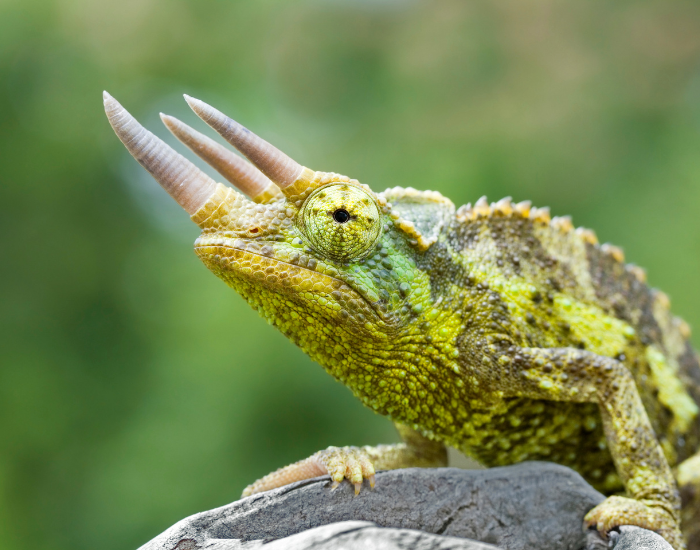
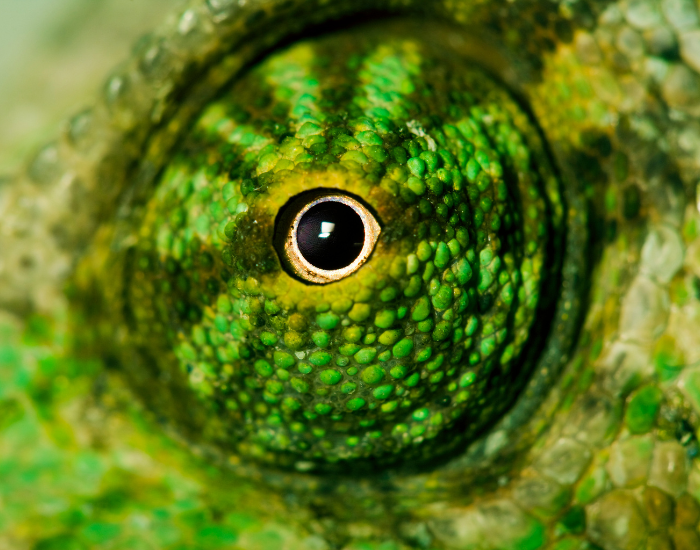
Their independently moving eyes can scan in different directions simultaneously, giving them a 360-degree view without moving their heads. When hunting, both eyes lock forward to focus on the prey, creating depth perception for that famous tongue strike. This visual ability is far more advanced than in other lizards, making chameleons unique among their reptilian relatives.
Their color vision is exceptional, extending into the ultraviolet range. Combined with their slow, deliberate movements, this makes them surprisingly efficient and strategic hunters.
11. Conservation and Threats
While many species remain stable, others, especially Madagascar endemics, are facing threats from deforestation, climate change, and the pet trade. Many chameleons have evolved diverse adaptations to avoid potential predators, such as color change and camouflage, which highlight the remarkable variability within chameleon species.
For example:
- Parson’s chameleon is listed as Near Threatened by the IUCN.
- Brookesia micra, one of the world’s smallest reptiles, is vulnerable due to habitat loss.
Conservation organizations, including the WWF and Durrell Wildlife Conservation Trust, are working to protect Madagascar’s forests and chameleon diversity.
Public education plays a major role, knowing where your pet comes from and supporting captive breeding programs can help reduce wild capture.
12. Why Chameleons Matter
Beyond their charm, chameleons are ecological indicators. Their sensitivity to environmental changes makes them valuable for studying ecosystem health.
They control insect populations and are part of delicate food webs, linking forest canopies to the ground layer. Their evolutionary adaptations, like color change, prehensile tails, and ballistic tongues, inspire biomimicry research in robotics and materials science.
In caring for chameleons at the zoo, I remember watching one slowly curl its tail as it reached for a branch, its eyes shifting independently like miniature radars. It was an elegant reminder of nature’s quiet intelligence, every motion deliberate, every adaptation earned through millennia of evolution.
While all chameleons share their trademark traits, color-shifting skin, slow deliberate movements, and that incredible tongue, their diversity is astonishing. From giant forest dwellers in Madagascar to tiny leaf chameleons hidden in the undergrowth, each species tells a different story of adaptation. Here are ten of the most fascinating chameleons you should know, showcasing the full spectrum of this remarkable reptile family.

10 Notable Chameleon Species You Should Know
1. Veiled Chameleon (Chamaeleo calyptratus)
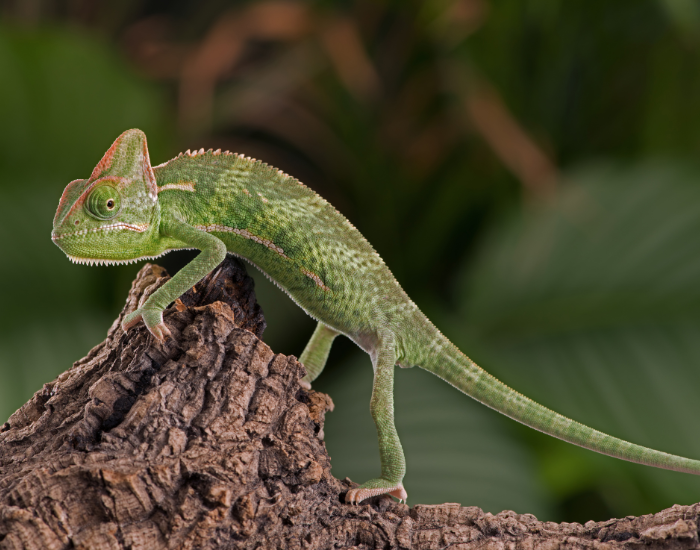
Native to the Arabian Peninsula, this species is famous for its tall casque and exceptional adaptability to captivity. Veiled chameleons display more tolerance for handling than most other chameleon species, making them popular among enthusiasts.
2. Jackson’s Chameleon (Trioceros jacksonii)
Featuring three distinctive horns on its head, this East African native commands attention. Jackson’s chameleons are particularly vulnerable to invasive species issues in Hawaii, where escaped pets established thriving populations.

3. Parson’s Chameleon (Calumma parsonii)
Ranking among the largest chameleons in the world, this Madagascar endemic can reach impressive sizes. Parson’s chameleons command high prices in the pet trade, creating conservation concerns for wild populations.
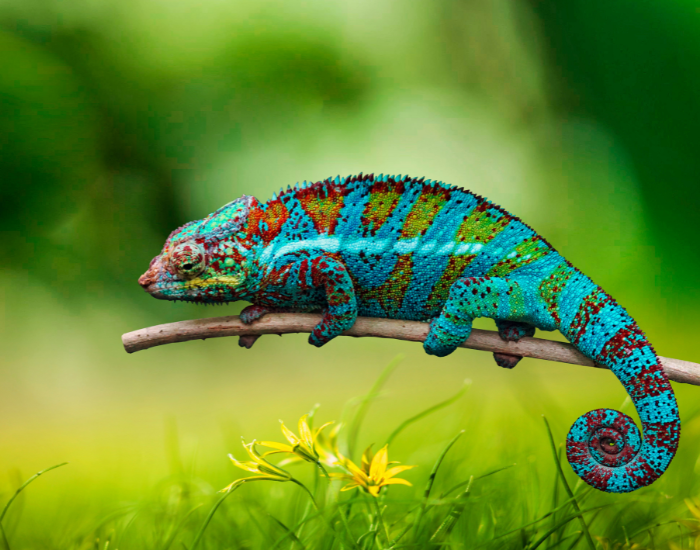
4. Panther Chameleon (Furcifer pardalis)
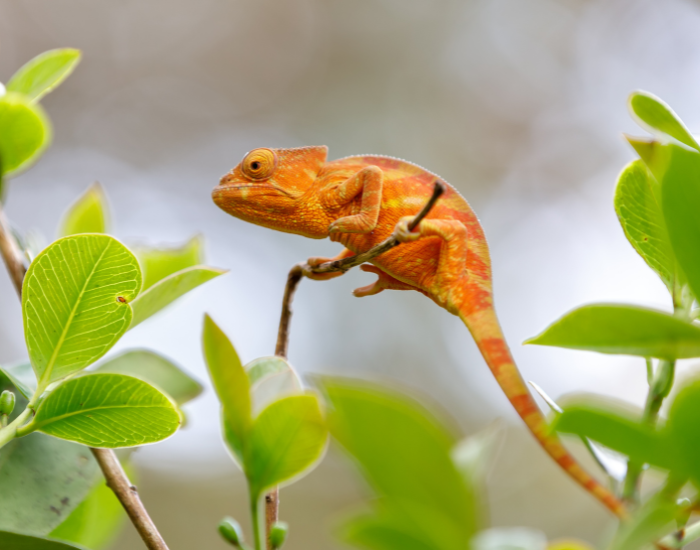
Famous throughout the chameleon community for its brilliant color variations, this species displays different patterns across Madagascar’s diverse regions. Males showcase more dramatic coloring than females of the same species.

5. Nosy Hara leaf (Brookesia micra)
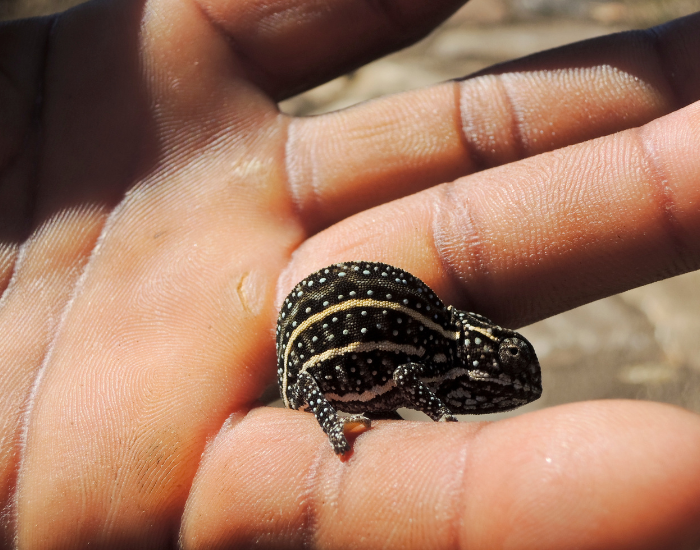
This tiniest chameleon barely reaches the size of a fingernail, one of nature’s most remarkable miniatures. Its survival depends entirely on protecting its small island habitat from development and climate change.

6. Carpet Chameleon (Furcifer lateralis)
Featuring vibrant females with striking red, yellow, and turquoise markings, this species demonstrates the color diversity within chameleon populations. Males display more muted coloration than their showy female counterparts.
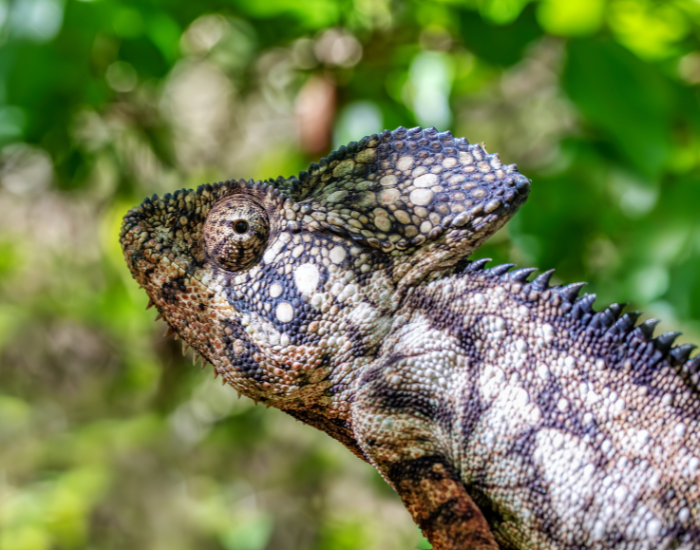
7. Oustalet’s Chameleon (Furcifer oustaleti)
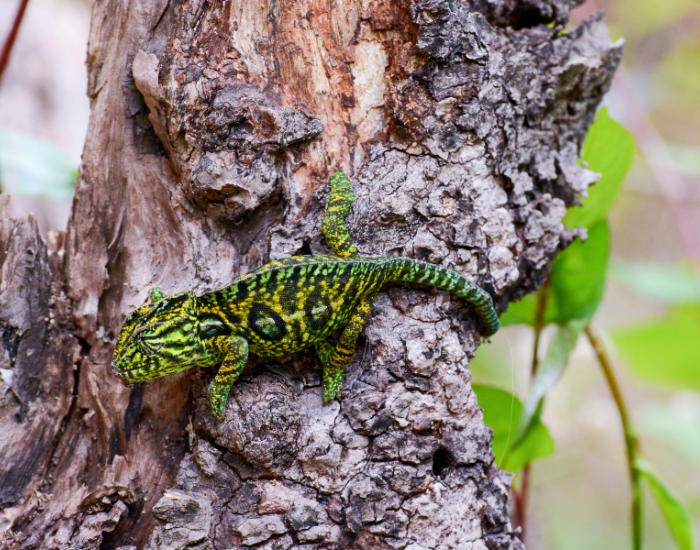
This robust Madagascar species thrives in open areas where most chameleons struggle. Oustalet’s chameleons represent successful adaptation to semi-arid conditions.
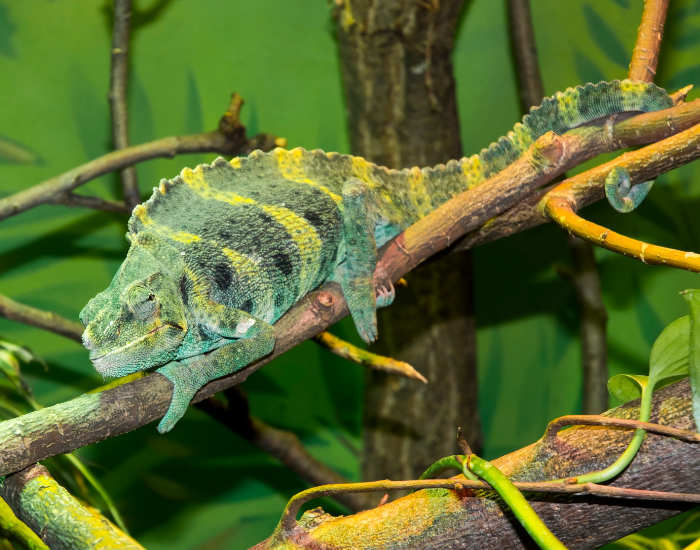
8. Meller’s Chameleon (Trioceros melleri)
Often called the “giant one-horned chameleon,” this species reaches up to 60 centimeters in length. Meller’s chameleons represent some of the largest terrestrial chameleons found in nature.
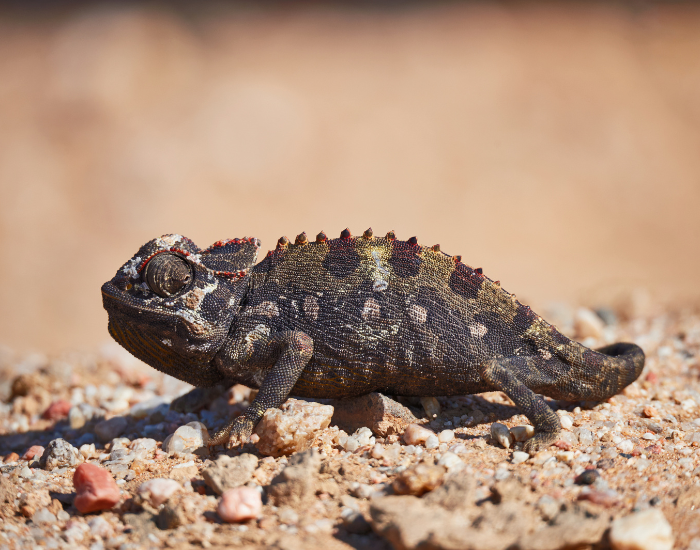
9. Namaqua Chameleon (Chamaeleo namaquensis)
This desert specialist from southwestern Africa showcases remarkable adaptation to harsh, arid conditions. Namaqua chameleons survive where other chameleon species cannot establish populations.
10. Elephant-Eared Chameleon (Calumma brevicorne)
Native to Madagascar’s lush rainforests, the Elephant-Eared Chameleon stands out for the large, ear-like flaps behind its head and its vivid green and turquoise hues. This striking species uses its broad frills for display and camouflage, blending seamlessly among the foliage while remaining one of the island’s most visually captivating reptiles.

11. Fischer’s Chameleon (Kinyongia fischeri)
Native to the cloud forests of Tanzania and Kenya, Fischer’s chameleon is instantly recognizable for its elongated nose horn and lime-green body streaked with turquoise and yellow. Its vivid contrasts and gentle demeanor make it a standout species in both the wild and terrariums.

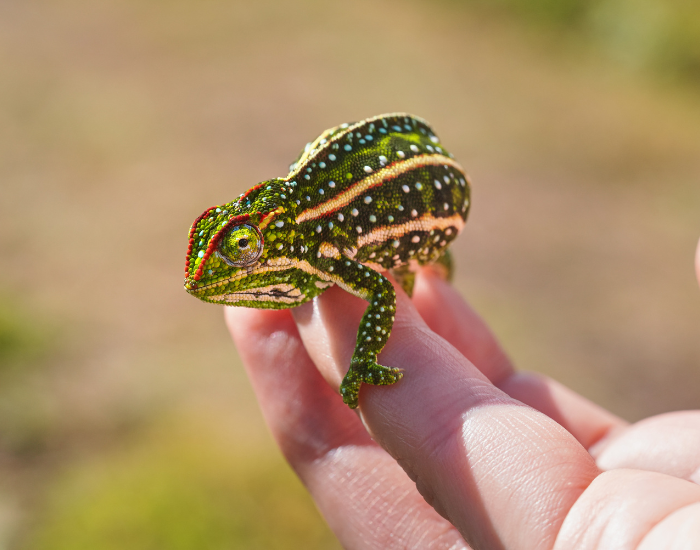
12. Malagasy Jewel Chameleon (Furcifer campani)
Endemic to Madagascar’s central highlands, this small yet spectacular species lives up to its name with emerald, orange, and sapphire bands shimmering along its body. Often seen basking on shrubs after rain, it’s one of nature’s most dazzling miniature gems.
Chameleon Health and Common Illnesses
Caring for a chameleon, especially a veiled chameleon (Chamaeleo calyptratus), means paying close attention to their health and environment. These remarkable reptiles, with their bright colors and prehensile tails, are sensitive creatures that thrive only when their specific needs are met. In the pet trade, veiled chameleons are popular for their striking blue and yellow spots and manageable size, but they’re also prone to certain health issues if their care isn’t just right.
Metabolic bone disease is one of the most common problems, particularly in male veiled chameleons. This condition, caused by a lack of calcium and vitamin D3, leads to soft, fragile bones and can make climbing or even standing difficult. Since male veiled chameleons tend to be larger and grow faster, they need extra attention to their diet—live insects like crickets and mealworms dusted with calcium are essential.
Respiratory infections are another concern, often triggered by poor ventilation, high humidity, or an improper temperature range in the enclosure. Adult chameleons may develop wheezing or lethargy if their environment isn’t carefully maintained. On the other hand, young chameleons are especially vulnerable to dehydration and low blood sugar (hypoglycemia) if they don’t eat enough or can’t find water droplets to drink.
Chameleons shed their skin regularly, and this natural process can be stressful—especially if the humidity level is too low. A stuck shed can lead to skin infections or restrict blood flow to their toes and prehensile tail. Maintaining the right humidity and offering a varied diet of green insects and other live insects helps support healthy shedding.

Quick FAQ About Chameleons
They’re famous for their color-changing ability, independently moving eyes, and long sticky tongues used to catch prey.
Yes, chameleons are a specialized group of lizards from the family Chamaeleonidae.
No, they are non-poisonous and pose no threat to humans.
They can be rewarding pets for experienced reptile keepers but require precise care—temperature, humidity, UVB light, and diet are crucial.
Depending on the species, age, and breeder, prices typically range from $100 to $400.
Not really. Most prefer minimal handling and can become stressed if over-handled.
Primarily insects—crickets, mealworms, wax worms, and occasionally plant matter or fruit.
They’re native to Madagascar, Africa, and parts of the Arabian Peninsula, with introduced populations elsewhere.
Evolution’s Living Artworks
Chameleons are a testament to nature’s creativity, living artworks shaped by millions of years of adaptation. From their color-shifting skin to their precision tongues and silent grace, they remind us that evolution’s brilliance often hides in plain sight.
Whether you’re admiring one in a rainforest or a terrarium, take a moment to appreciate the elegance of this lizard that can both vanish and shine, a perfect paradox in scales.
Further Reading
- Madagascar’s Lemurs Need You
- 12 Fascinating Facts About the Boa Constrictor
- 12 Fascinating Facts About Monitors Lizards