My First Encounter with Nature’s Ocean Jewels
When I first encountered sea slugs during a marine biology field trip in Sweden, none of us expected such tiny creatures to captivate our entire group. The morning was cold, with heavy Baltic air carrying salt and fog. Our boots crunched over slick rocks as we peered into shallow waters, searching for marine life.
Our instructor lifted a small jar of seawater. Inside floated what looked like a drifting petal, translucent, frilled, and impossibly delicate. A nudibranch, he explained, a type of sea slug. Under the lamp’s glow, its naked gills unfurled like lace, and we paused to capture the delicate colors and textures of the nudibranch in that moment.
That was the day I learned one of the ocean’s greatest secrets: beauty doesn’t always roar like a whale. Sometimes it crawls quietly across rocks, shimmering with every color imaginable.
What Are Sea Slugs? Understanding These Soft-Bodied Marine Animals
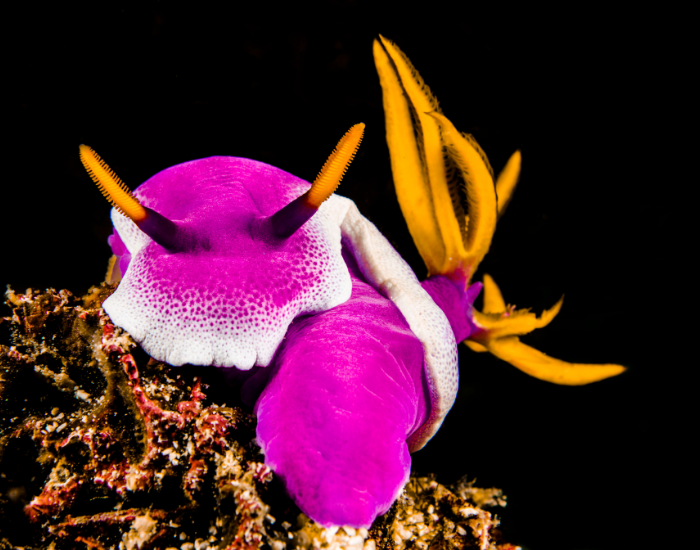
Sea slugs, sometimes called ocean slugs, water slugs, or nudibranchs, are soft-bodied marine mollusks. They are a type of gastropod, a large group of mollusks that includes both marine and land species such as snails and slugs. Gastropods are known for their diversity, with sea slugs representing the exclusively marine forms that have adapted to life in the ocean. Sea slugs are often described as slug-like due to their soft bodies and lack of a prominent shell, which distinguishes them from many other gastropods. They are sometimes confused with other animals, such as sea cucumbers, but are distinct because of their gastropod lineage.
Unlike their shelled cousins, most sea slugs have either lost their shells through evolution or retained only a vestigial remnant inside their bodies. Many sea slugs are in the process of losing their shells, an evolutionary trend among some gastropods. Over 1,500 known sea slug species exist across tropical reefs, temperate kelp forests, and even the deep sea. Many species display a dizzying array of colors and shapes, with unique forms and adaptations, from electric-blue dragons to leaf-green algae mimics.
Not all sea slugs are nudibranchs, but all nudibranchs are sea slugs. The broader term sea slug commonly refers to several other species beyond nudibranchs, such as sea hares, sacoglossans, pleurobranchs, and side-gilled slugs. These groups represent a large group of gastropods with a wide variety of forms, feeding habits, and ecological roles. Common names like ‘dragon’ or ‘clown’ are used to describe their vibrant appearance, making them more memorable and easier to identify.

Understanding this classification helps researchers and marine enthusiasts identify species more accurately.
Classification Snapshot:
- Phylum: Mollusca
- Class: Gastropoda
- Subclass: Heterobranchia
- Groups Included: Nudibranchs, sea hares, sacoglossans, side-gilled slugs
Types of Sea Slugs Around the World
The diversity of sea slugs rivals that of coral reef fish. Some groups of sea slugs are closely related, sharing evolutionary traits that reflect their common ancestry. Each type displays unique adaptations and behaviors that allow them to thrive in different marine environments.
Nudibranchs: The Showstoppers of the Sea
The word nudibranch means “naked gills,” referring to their exposed, feathery respiratory organs, also known as naked gill structures. These nudibranch species are the most colorful and recognizable sea slugs found from the Arctic to Antarctica. On their heads, nudibranchs have tentacles that serve as important sensory organs, helping them detect chemicals and movement in the water.
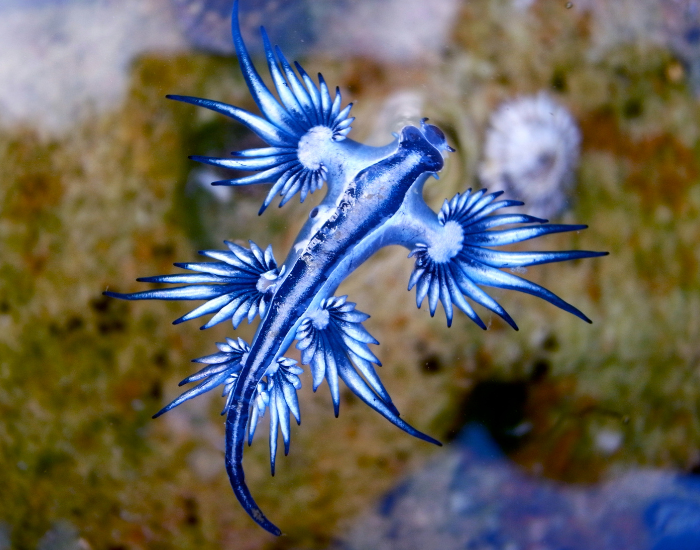
The Spanish dancer nudibranch (Hexabranchus sanguineus) undulates like red silk in tropical reefs. This species can grow longer than a human forearm, making it one of the largest sea slugs. The blue dragon (Glaucus atlanticus), by contrast, floats upside-down at the ocean’s surface. It preys on jellyfish and steals their venomous stinging cells for self-defense.
Nudibranchs exhibit extraordinary color variations depending on their diet and local environment. Their bright pigmentation serves as a warning to predators that they’re toxic or unpalatable. The cerata or gill structures on their backs can be of varying lengths, adding to their unique and striking appearance.
Sea Hares: Gentle Giants of Shallow Waters
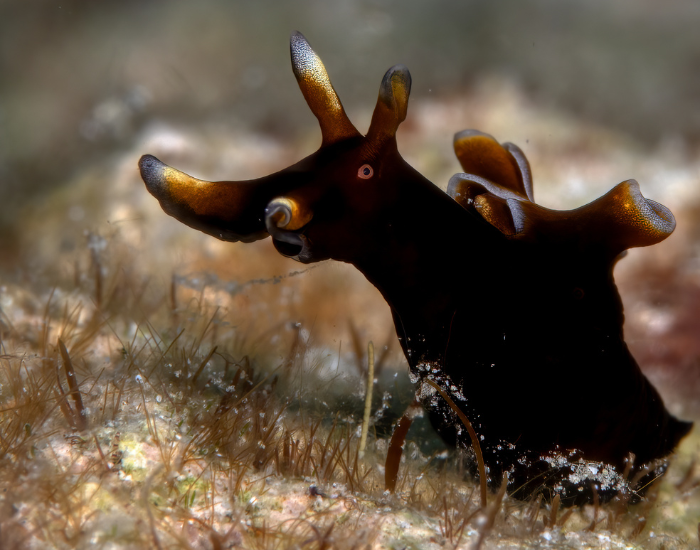
Sea hares (Aplysiomorpha) are larger, soft-bodied sea slugs that graze on algae in shallow marine habitats. When threatened, they release a purple ink similar to that of squids, a chemical smokescreen to escape predators. This purple ink is produced by the mantle, a specialized tissue that plays a key role in their defense mechanisms.
Sea hares can be found in many forms, varying in size and shape. Some species grow up to 30 cm long, making them among the biggest sea slugs in the ocean. These creatures have become invaluable to marine research, particularly in neurobiology studies. Scientists study sea hares because their giant neurons helped researchers understand learning and memory formation.
Sacoglossans: The Solar-Powered Sea Slugs
Sacoglossans are small green aquatic slugs capable of kleptoplasty, the ability to steal chloroplasts from algae they eat. These remarkable creatures “borrow” sunlight like plants, producing energy through photosynthesis for weeks.
The Elysia chlorotica, sometimes called the emerald elysia, is the best-known example of this half-animal, half-plant existence. This species can photosynthesize independently after consuming algae, making it a unique marine animal. Scientists remain fascinated by how this ability challenges our definitions of what distinguishes plant from animal life.
One of the strangest discoveries came in 2021 when Japanese researchers documented Elysia cf. marginata decapitating itself and growing a new body. The head continues to crawl and feed using photosynthesis while regenerating organs over several weeks. No other animal is known to perform such a feat.
Pleurobranchs: The Side-Gilled Slugs
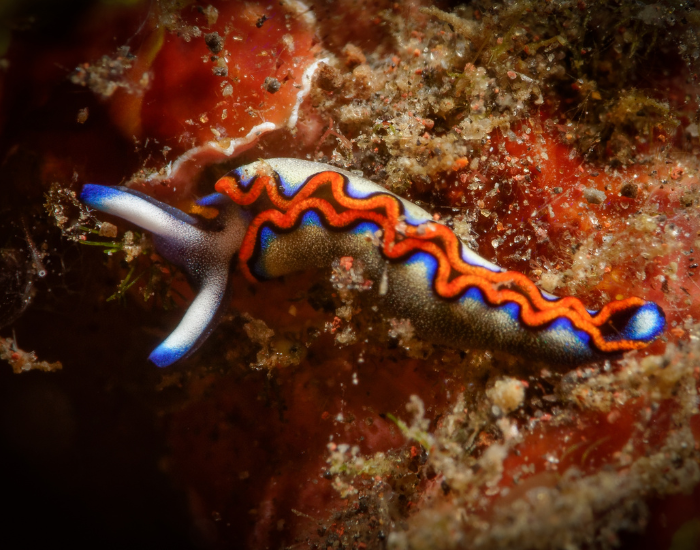
Unlike nudibranchs, pleurobranchs keep their gills tucked on one side of the body. They are often less showy than their nudibranch cousins. These species feed on sponges and other sessile prey, using perfect camouflage against rocky surfaces.
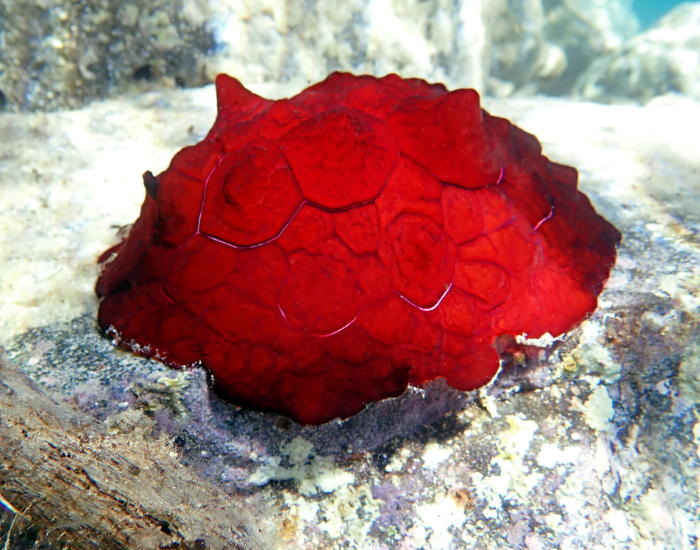
Unique Adaptations and Defenses of Sea Slugs
Beneath their beauty lies an evolutionary arms race. With no shells to hide behind, sea slugs evolved extraordinary defenses that help them survive in competitive marine environments.
Bright Colors That Warn Predators
Many sea slugs display vivid hues in blues, yellows, and oranges as a warning sign to potential predators. This is called aposematism, a visual signal that screams “I taste terrible!”
Species feeding on toxic sponges or jellyfish store those poisons in their own tissues. This transforms them into living warnings that predators quickly learn to avoid. Their bright coloration tells predators to stay away or suffer consequences.
Stolen Stingers: Using Jellyfish Weapons
Some species, like the blue dragon, eat jellyfish and retain their nematocysts (stinging cells). These cells travel through the slug’s digestive system and lodge in specialized sacs on its cerata, finger-like appendages on the body.
When touched, the sea slug can deliver a sting even more potent than its prey’s original one. This natural theft-and-reuse mechanism represents one of nature’s most clever survival strategies. The blue dragon’s venom is particularly dangerous; its sting can cause welts and painful reactions in humans.
Chemical Warfare and Mimicry Tactics
Certain sea slugs synthesize toxic or acidic secretions that deter predators such as fish and crabs. Others mimic the appearance of unpalatable species or blend perfectly into corals and sponges.
These defences allow sea slugs to thrive despite their lack of protective shells. Combined with their soft-bodied structure, these adaptations make them formidable survivors in the ocean.

Sea Slug Behavior and Habitat Preferences
Sea slugs inhabit nearly every ocean habitat, from shallow coral reefs to deep-sea vents. They are mostly benthic, meaning they crawl along the sea floor, but some drift near the surface in open waters.
Adults of many sea slug species can be distinguished from juveniles by their larger size and fully developed features, such as prominent rhinophores and the absence of tube feet.
Diet and Feeding Habits
Most sea slugs are carnivorous animals that feed on specialized prey. They consume sponges, hydroids, anemones, jellyfish, bryozoans, and sometimes other sea slugs. Their radula, a ribbon of tiny teeth, scrapes food off rocks or coral effectively.
Sacoglossans focus on algae, blending herbivory with photosynthesis in a unique survival strategy. This dietary diversity allows different species to thrive in various marine environments and water depths.

Reproduction and Egg Laying Patterns
Sea slugs are simultaneous hermaphrodites, each individual possesses both male and female reproductive organs. As hermaphrodites, sea slugs can mate with any other individual of their same species. When they mate, two slugs align and exchange sperm, doubling their chances of producing offspring successfully.
They lay spiral ribbons of eggs, often forming delicate, flower-like coils attached to rocks and seagrass. Depending on species and temperature, larvae hatch in 5 to 50 days. These larvae drift as plankton before settling in suitable habitats to begin their benthic existence.
Predators and Survival Strategies
Despite their toxins and colors, sea slugs face predation from crabs, fish, sea spiders, and larger nudibranchs. Their survival relies on stealth, toxins, camouflage, and sometimes sheer luck in avoiding detection by predators.
Ecological Importance of Sea Slugs in Marine Ecosystems
Sea slugs are vital links in the marine food web. They control sponge and algae populations, preventing any single species from dominating reef environments. They provide food for predators higher in the food chain, supporting marine biodiversity.
Most importantly, sea slugs serve as bio-indicators of reef health. They react quickly to water-quality changes and environmental stress. Scientists monitor sea slug populations to detect ecosystem problems before larger species show visible decline.
Sea slugs help maintain healthy reef ecosystems by recycling nutrients through the food web. Their presence indicates thriving, balanced ocean environments where diverse species coexist successfully.

10 Fascinating Facts About Sea Slugs
- They can photosynthesize. Some sacoglossans act like solar panels, using stolen chloroplasts from algae.
- They breathe through their skin and gills. Those frilly structures on their backs serve important respiratory functions.
- Some glow in the dark. Bioluminescent pigments help them confuse predators in deep-sea environments.
- Their colors can change. Depending on diet or light exposure, pigments shift in intensity and hue.
- They have no blood, just hemolymph. Oxygen diffuses directly through tissues without a circulatory system.
- They’re found worldwide. From Arctic kelp forests to tropical reefs and temperate zones.
- They inspired neurobiology research. Sea hares’ giant neurons helped scientists understand learning and memory formation that earned Eric Kandel a Nobel Prize.
- They can regenerate entire organs. Including heart and digestive tissue damaged by predators or disease.
- Some are huge. The Spanish dancer can exceed 60 cm in length, rivaling many fish species.
- Sea bunnies are a bit like rabbits in appearance, but they’re actually sea slugs. Their fluffy look and ear-like structures cause confusion, but they belong to the marine gastropod family.
- They are climate health indicators. Shifts in sea slug diversity often mirror reef decline and ocean warming.

Why Scientists Are Obsessed with Sea Slug Research
Scientists study sea slugs for multiple compelling reasons—from their neurobiology to their chemical defenses. During scientific expeditions, sea slug specimens are collected from their natural habitats, preserved, and later examined in laboratories or stored in research collections for further study. These research efforts have yielded groundbreaking discoveries about marine life and evolution.
Medical Research Applications
Compounds extracted from sea slugs’ prey have shown antibacterial, antifungal, and even anti-cancer properties in laboratory testing. The Aplysia genus, or sea hares, was pivotal in understanding memory and synaptic plasticity. This research earned Eric Kandel a Nobel Prize and revolutionized neuroscience.
Evolutionary Insights
The ability of sacoglossans to photosynthesize blurs the boundary between plant and animal. This offers crucial clues to endosymbiosis, how different organisms merge at a cellular level. Understanding these processes helps explain the evolution of complex life.
Climate Change Monitoring
Because sea slugs are sensitive to temperature and pollution, sudden population changes can warn scientists of ecosystem stress. They serve as early warning systems before larger species show visible decline. Monitoring sea slug diversity helps predict broader ocean health problems.
FAQ About Sea Slugs
Most sea slugs are harmless to humans, but some like Glaucus atlanticus can deliver a painful sting. Never handle one without understanding its species first.
It’s best not to touch sea slugs. Oils from human skin can damage their delicate tissues, and some store venom from jellyfish prey. Looking is always better than touching.
While some species of sea hare are eaten in certain cultures, most sea slugs are toxic or unpleasantly flavored. They’re definitely not seafood for the curious traveler.
The Spanish dancer (Hexabranchus sanguineus) can exceed 60 cm in length, making it the largest. By contrast, the tiniest species are just a few millimeters long.
Species like the blue dragon and Glaucilla marginata store venomous stinging cells from jellyfish. Their sting can cause welts but is rarely dangerous to healthy humans.
They help maintain healthy reef ecosystems, recycle nutrients, and serve as bio-indicators for ocean changes. Their presence indicates thriving marine environments.
Small Wonders with Big Ecological Impact
Sea slugs remind me why I fell in love with marine biology in the first place. Years after that Swedish field trip, I’ve encountered these ocean creatures again, fluttering through coral gardens in Southeast Asia, gliding over volcanic sand in the Pacific, and hiding beneath kelp in Norway.
Each time, their otherworldly colors stop me in my tracks. These soft-bodied animals display adaptations that challenge everything we thought we knew about marine life and survival.
These creatures may be small, but their ecological importance is enormous. They challenge our ideas about beauty, adaptation, and even what it means to be an animal. Their existence reminds us that the ocean still holds countless mysteries waiting to be discovered.
Next time you’re snorkeling or exploring a tide pool, take a closer look. The ocean’s most brilliant masterpieces might be crawling just beneath your feet.
Further Reading
- Echinoderms: The Spiny-Skinned Architects of the Ocean
- Giant Ocean Sunfish: 12 Fascinating Facts
- Stone Fish: 12 Shocking Facts