
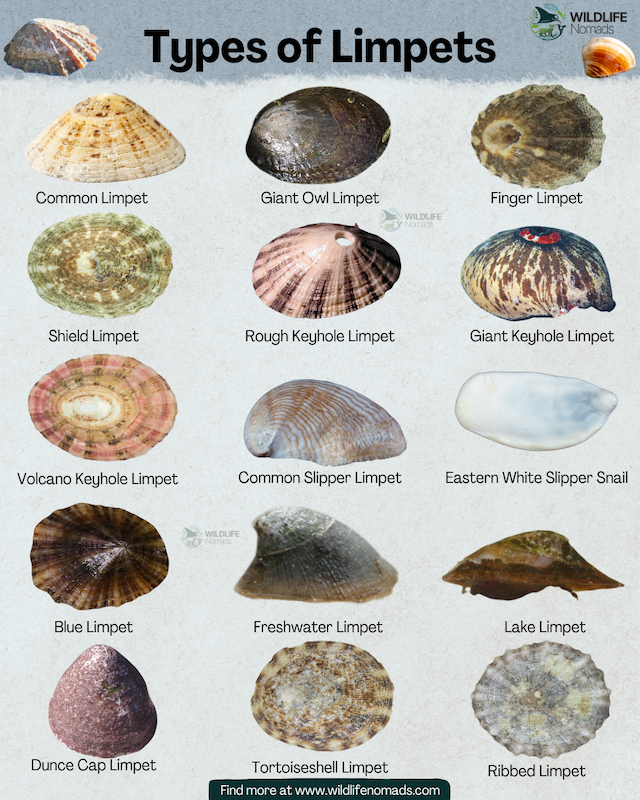
I remember the first time I truly noticed limpets. I was on a shore in western Europe, hoping to find flashy coral fish or vivid sea anemones. Instead, what caught my eye were dozens of cone shaped shells clamped to every rock surface in sight. They looked unremarkable at first. However, once I knelt down and paid attention, I realized these limpets were everywhere, and their biology was anything but boring. Limpet teeth turn out to be the strongest biological material ever tested. Their radula can scrape algae off bare rock with more tensile strength than spider silk. That discovery changed how I see these creatures forever. Here are 15 types of limpets that showcase just how diverse, tough, and wild these gastropods really are.
What Makes a Limpet a Limpet?
The name limpet is not a formal scientific classification. It refers to any snail species with a broadly conical shell and a muscular foot that clamps onto hard surfaces. Various extremely diverse groups of gastropods have independently evolved the same basic shape. True limpets, keyhole limpets, slipper limpets, and freshwater limpets belong to extremely diverse groups that are often distantly related.
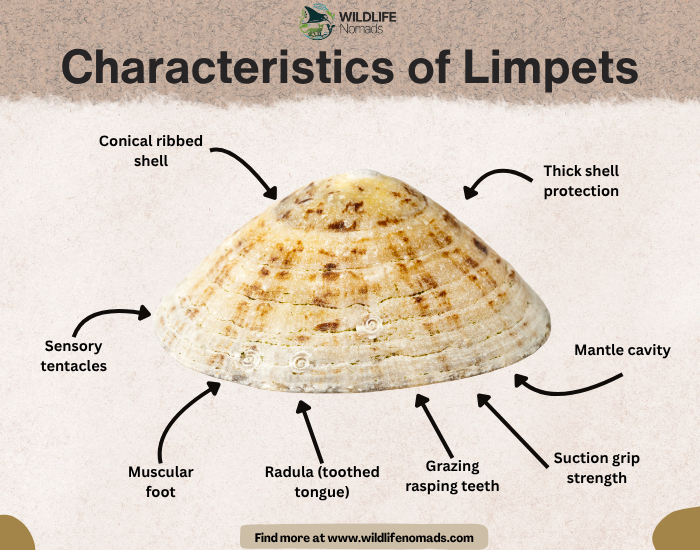
They share that cone shaped shell not because of ancestry, but because the basic shape works brilliantly on wave-battered rocks. Most limpets use a ribbon-like radula lined with iron-reinforced limpet teeth to feed. They cling with a single muscular foot, breathe through gills, and generally return to a favourite spot after each feeding trip at low tide.
1. Common Limpet (Patella vulgata)
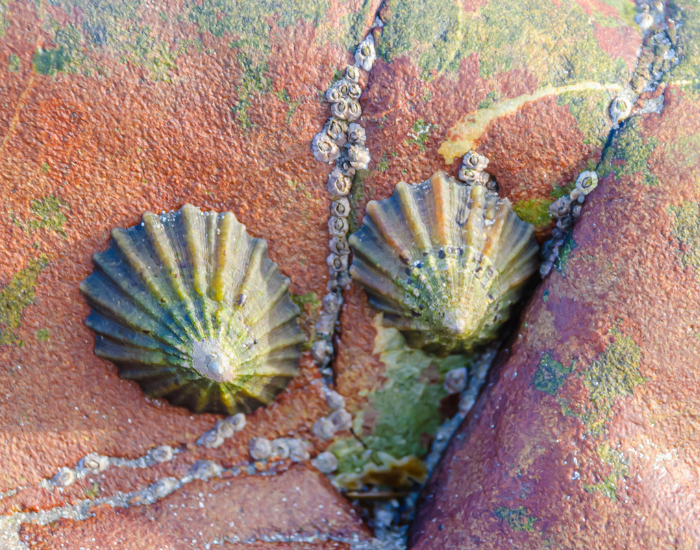
The common limpet is the species most people picture. Patella vulgata occupies rocky shores across western Europe, from Norway to Portugal. Its conical shell is brownish with faint ribs, growing up to 7 cm. The common limpet lives in the mid intertidal zone, clamping down at low tide to trap moisture beneath the shell edge. At high tide, it roams the rock surface to scrape algae, leaving a visible mucus trail behind.
Each common limpet returns to the exact same home scar afterward. In my time going to beaches along the British coast, I have watched hundreds of these animals locked onto bare rock like tiny armored sentinels. The common limpet’s scientific name Patella vulgata translates to “common dish.” Predators like starfish, crabs, and shorebirds target the common limpet regularly, yet its grip on the surface delivers up to 75 pounds of force per square inch. The common limpet is among the most abundant invertebrates on any European shore. No other limpet species on this list matches its sheer numbers across western Europe.
2. Giant Owl Limpet (Lottia gigantea)
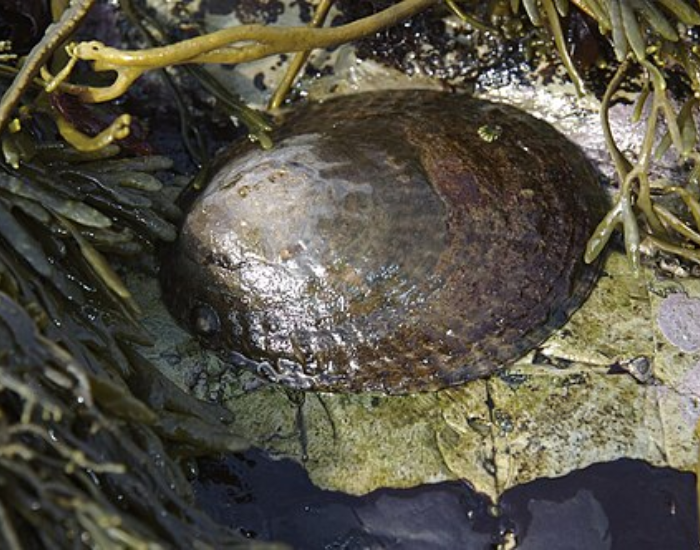
One of the largest true limpets in the world, the giant owl limpet reaches 10 cm. I first encountered this species on the coast of Southern California. The shell is dark brown with lighter owl-eye markings, and the foot is a striking gray and black underneath. Lottia gigantea is fiercely territorial. Each individual maintains a personal garden of algae on the rock surface, physically pushing other invertebrates and snails away from its patch.
By contrast, most other limpets wander freely. Indigenous peoples along this shore harvested these limpets for thousands of years, California shell middens contain enormous quantities of Lottia gigantea remains. The common names for this species are straightforward: giant owl limpet, or sometimes simply owl limpet.
3. Finger Limpet (Lottia digitalis)
The finger limpet is small but resilient. Lottia digitalis lives on exposed rocks along the Pacific coast, earning its common names from the ribbed, finger-like ridges on its shell. The shell rarely exceeds 3 cm and ranges from gray to brown with white ribs. Lottia digitalis thrives in the high intertidal, tolerating extreme wave energy and prolonged air exposure.
Interestingly, Lottia digitalis shells vary based on position, taller and more ribbed in the splash zone, flatter in sheltered crevices. Understanding Lottia digitalis taught me how microhabitat shapes shell form in marine limpets.
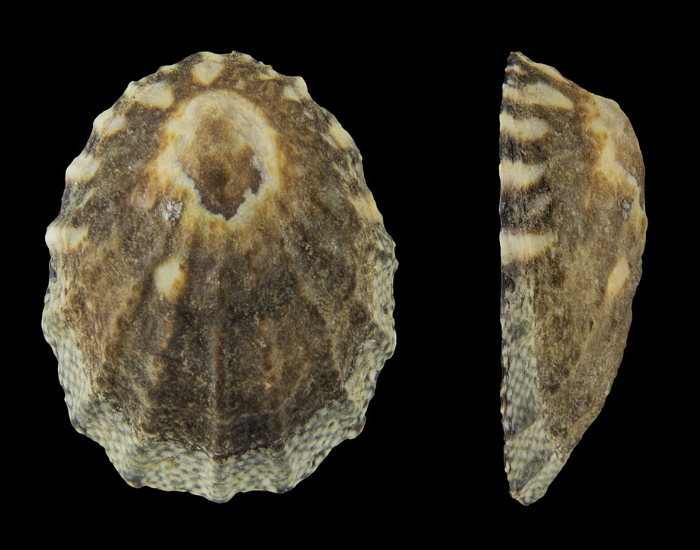
4. Shield Limpet (Lottia pelta)
The shield limpet sits alongside Lottia digitalis on many Pacific shores. Its shell is smooth, dark brown to green, and broadly conical, up to 5 cm. Shield limpets live lower on the shore, generally below the splash zone.
They feed on algae from rocks and kelp fronds alike. Finding shield limpets and finger limpets on the same rock tells you about local conditions. The common names reflect the shell: pelta means “small shield.” This species scrapes algae from the surface with impressive efficiency.
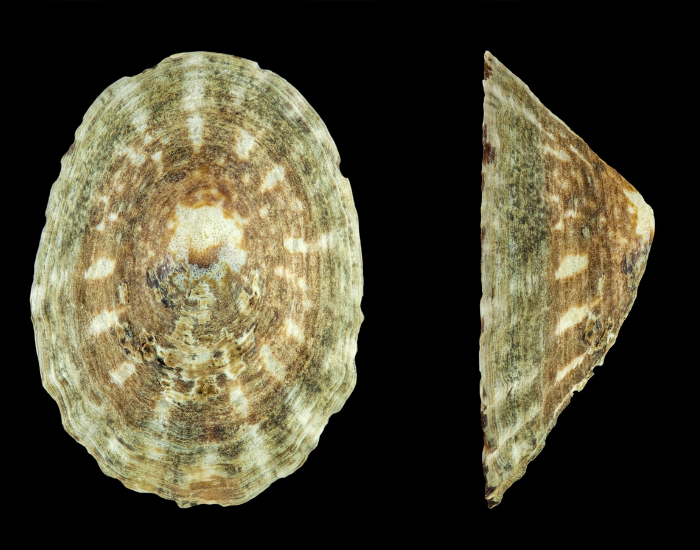
5. Rough Keyhole Limpet (Diodora aspera)
Keyhole limpets look dramatically different from true limpets. Instead of a sealed conical shell, keyhole limpets have an oval opening at the apex. Diodora aspera uses this hole to expel water after passing it over its gills.
The shell is white to gray with radial ribs, reaching 7 cm. Rough keyhole limpets occupy the low intertidal and subtidal zones along the Pacific coast. These keyhole limpets feed on sponges and encrusting organisms rather than algae. I have found them tucked under ledges where the water stays cool and shaded.
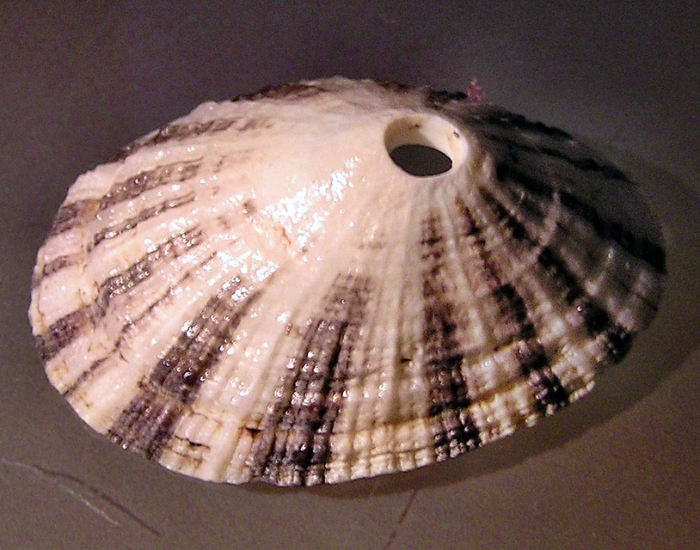
6. Giant Keyhole Limpet (Megathura crenulata)
The showstopper among keyhole limpets. The giant keyhole limpet grows up to 13 cm, but the real spectacle is its black mantle that almost entirely covers the shell. When I first spotted one off in California, I thought I was looking at a nudibranch or some kind of sea slug. The shell underneath is small, white, and oval. Giant keyhole limpets live in subtidal habitats, grazing on sponges attached to rocks. This creature produces keyhole limpet hemocyanin, used in medical immunology research. They can live over 20 years, finding one feels like discovering a relic of the ocean floor.

7. Volcano Keyhole Limpet (Fissurella volcano)
Among smaller keyhole limpets, the volcano keyhole limpet earns its common names from a shell resembling a tiny volcanic cone. The shell is pinkish with radiating ribs, typically 2–4 cm. Fissurella volcano inhabits the intertidal zone from California to Mexico.
Water flows in under the shell edge, passes over respiratory membranes, and exits through the apex, the same respiratory trick all keyhole limpets share. I have spotted them nestled into crevices on rocks during low tide. Their small size makes them easy to miss, yet they are abundant organisms on many Pacific shores.
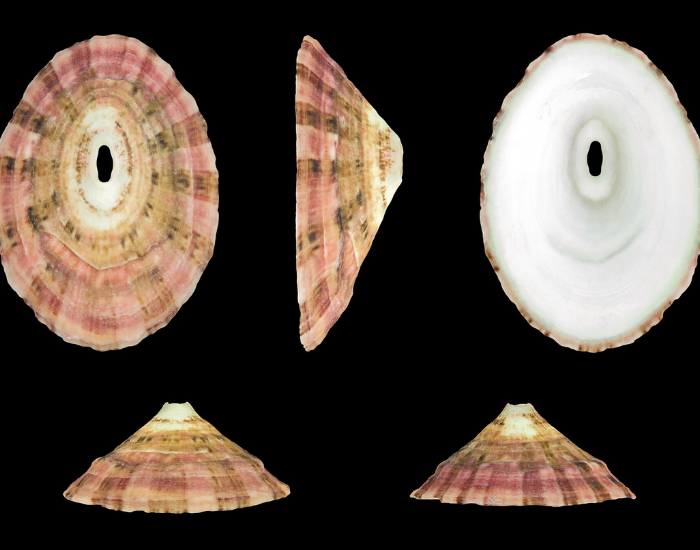
8. Common Slipper Limpet (Crepidula fornicata)
Slipper limpets are the odd ones out. The common slipper limpet has a flat shell with a shelf underneath, looking like a tiny boat. Slipper snails, another of their common names, stack on top of each other in chains of up to twelve. The largest slipper snails sit at the bottom and are always female. All slipper snails start life as males and transition to female as they age and grow. Slipper limpets originally come from the Atlantic coast of North America. However, slipper snails have invaded European waters and now blanket shellfish beds across western Europe.
Unlike true limpets, slipper snails feed by filtering food particles from water using mucus sheets. Females release eggs into currents, and larvae drift before settling on hard surfaces. Slipper snails have become a major research focus. Slipper limpets lack a cone shaped shell entirely, yet their common names persist because they cling to hard surfaces like any limpet species.
9. Eastern White Slipper Snail (Crepidula plana)
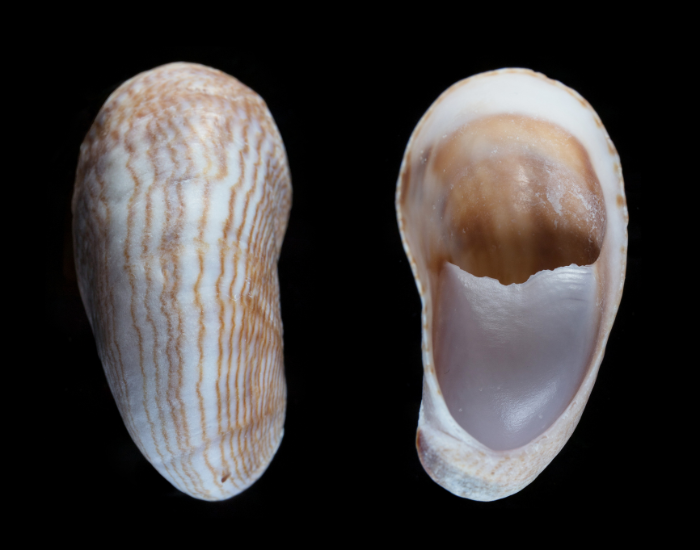
While the common slipper limpet stacks high, the eastern white slipper snail hides inside empty shells of other snails, particularly moon snails and whelks. This slipper snail has a flat, nearly transparent white shell. You can hold a shell in your hand and miss it entirely. Slipper snails of this type range from eastern Canada to Brazil in sand and shallow waters. Like other slipper limpets, they are sequential hermaphrodites. Larvae settle and the adult snail rarely exceeds 3 cm.
10. Blue Limpet (Patella caerulea)
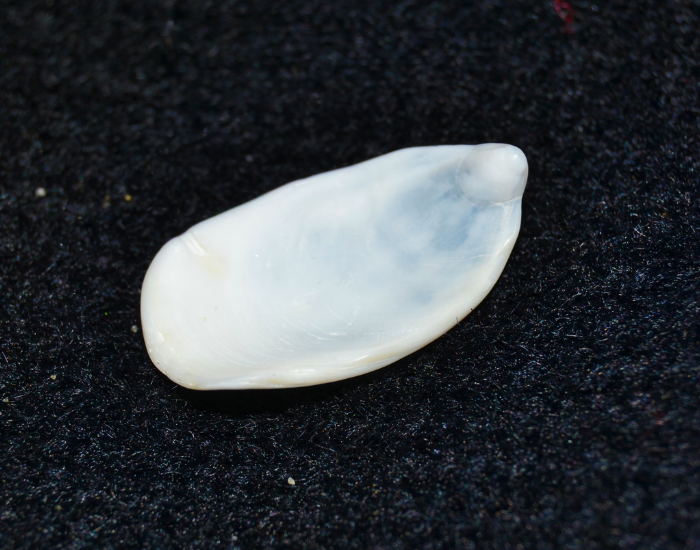
The blue limpet is a Mediterranean gem among true limpets. Its shell shows striking blue tones with a pearlescent interior. Patella caerulea clings to rocks in the low intertidal zone across the Mediterranean sea. In my travels along the Italian coast, I noticed these limpets concentrated near pools where algae growth stays thick and green.
The blue limpet scrapes algae from the surface using a radula reinforced with iron minerals. Its eggs follow a broadcast spawning strategy, with larvae drifting before settling on bare rock.
11. Freshwater Limpet (Ancylus fluviatilis)
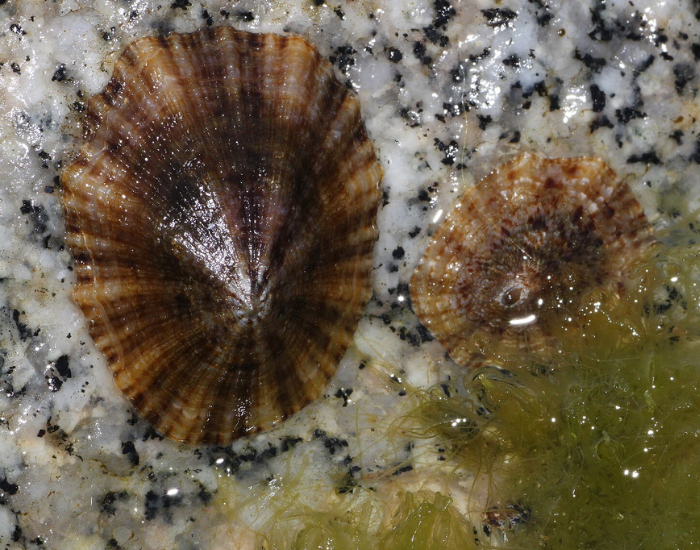
Not all limpets live in the ocean. The freshwater limpet breaks the marine mold entirely. Ancylus fluviatilis is a pulmonate river limpet, a snail species that breathes air through a modified lung, not gills. Its shell is tiny (under 1 cm), brown, and conical. These limpets cling to rocks and stones in fast-flowing rivers across Europe.
They scrape algae and biofilm from the rock surface. I found them on river stones in Wales, flipping rocks to reveal dozens of these miniature creatures on the underside. The pulmonate river limpet shows how the limpet body plan evolved in freshwater habitats too.
12. Lake Limpet (Acroloxus lacustris)
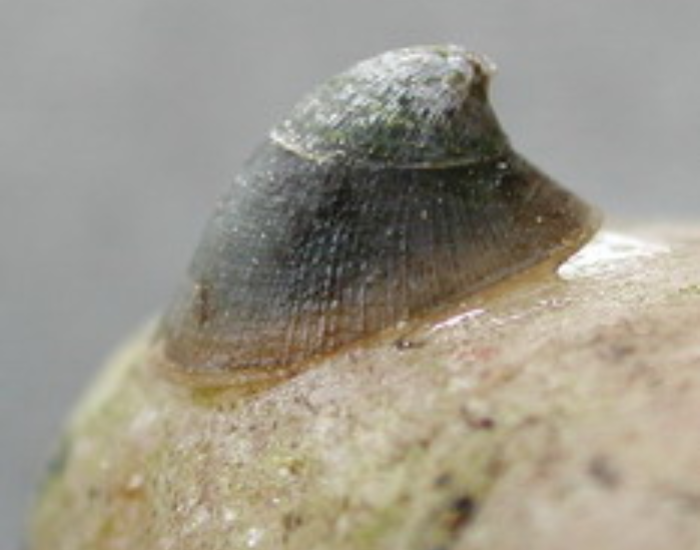
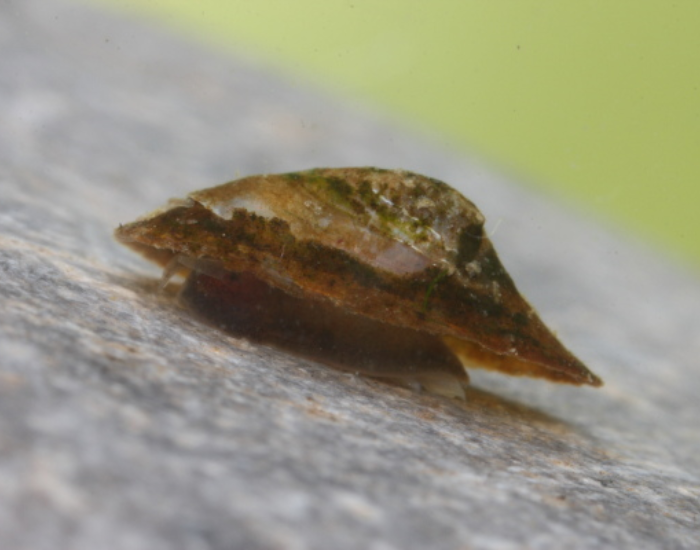
The lake limpet takes things into still-water territory. Acroloxus lacustris prefers slow rivers, lakes, and ponds across Europe. The shell is flatter and more elongated, almost leaf-shaped, rarely exceeding 7 mm. These organisms graze on algae growing on submerged plants, stones, and hard surfaces.
Like other pulmonate snails, this species can breathe air at the surface. Colleagues in freshwater ecology describe finding them on undersides of lily pads. This tiny animal proves this lifestyle adapts to quiet waters just as well as crashing waves.
13. Dunce Cap Limpet (Acmaea mitra)
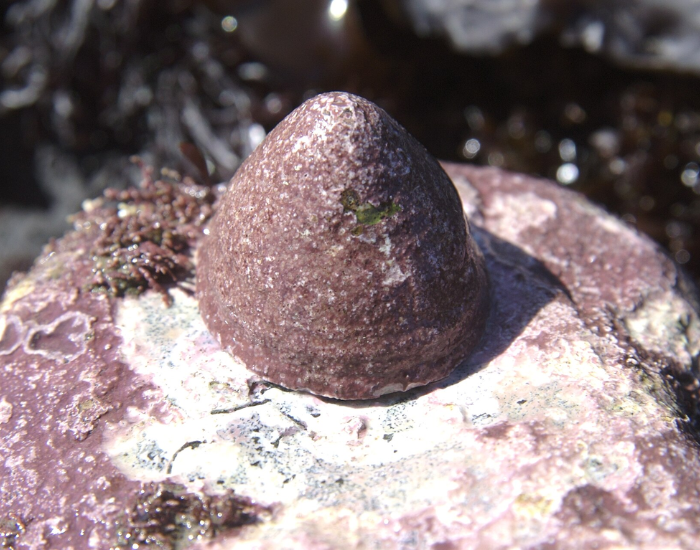
The dunce cap limpet stands out with its tall, steeply conical shell. Pure white and smooth, it genuinely looks like a tiny dunce cap on the rock. Acmaea mitra lives in subtidal zones along the Pacific coast, from Alaska to Baja California. This creature feeds primarily on coralline algae, giving its habitat a pink, crusty surface. Predators like crabs and other invertebrates target this species, but the tall shell makes it harder to pry off.
14. Tortoiseshell Limpet (Testudinalia testudinalis)
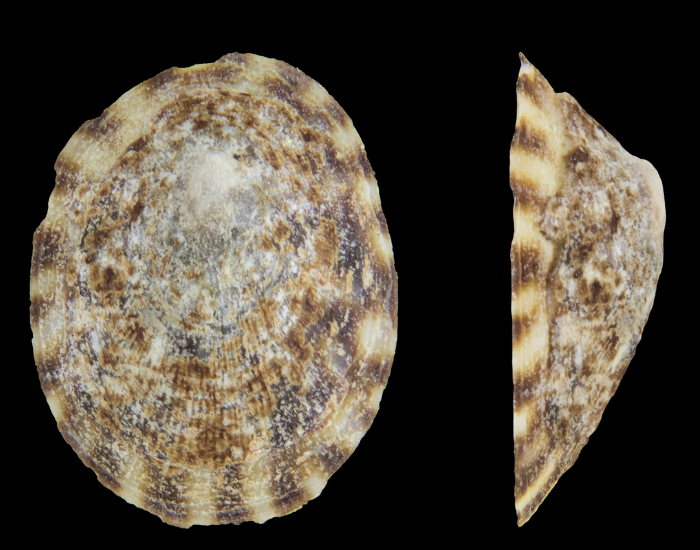
The tortoiseshell limpet occupies Atlantic intertidal rocky shores from the Arctic to New England and northern Europe. Beautiful brown and cream markings on the shell resemble a tortoise’s pattern, hence the common names.
The shell is small (2–3 cm) with a low profile. Tortoiseshell limpets inhabit the intertidal zone, feeding on algae from kelp and bare rock. I have spotted them grazing near New England rock pools. They produce eggs through broadcast spawning, and larvae settle onto rocks after drifting in ocean currents. This animal helps control algae growth across its habitat.
15. Ribbed Limpet (Cellana tramoserica)
The ribbed limpet represents the Southern Hemisphere’s contribution to the true limpets. Cellana tramoserica lives on exposed coasts in southeastern Australia. Its shell features pronounced radial ribs, brown coloring, and a star-shaped pattern. Ribbed limpets grow to about 6 cm. They feed when waters recede, leaving grazing trails on rocks. Common predators include crabs and shorebirds on these shores.
I have encountered ribbed limpets on sandstone platforms near Sydney, where they dominate the shore alongside barnacles. The adult snail shows strong homing behavior, returning to a home scar just like the common limpet does. The common limpet and the ribbed limpet share this behavior across opposite hemispheres. Cellana tramoserica is one of the most studied limpet species in marine biology due to its abundance.
FAQs About Limpets
Limpet teeth contain goethite, an iron-based mineral woven into chitin fibers. This gives them a tensile strength of nearly 5 GPa, stronger than spider silk. Limpets use their radula, lined with rows of these teeth, to scrape algae off rocks. The teeth self-sharpen as they wear.
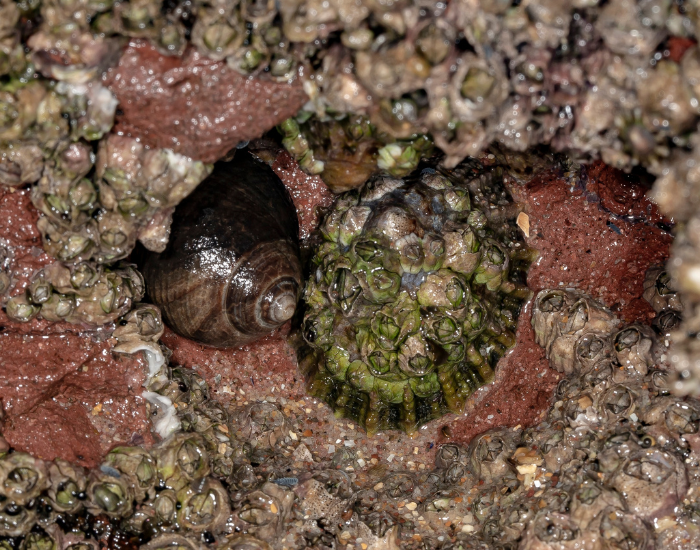
Most limpets are active grazers that roam rocks when the water rises, gliding on their muscular foot along a mucus trail. However, many return to a specific home scar between trips. The common limpet navigates back with remarkable precision. When exposed, it clamps down to avoid drying out.
Yes. Freshwater limpets like Ancylus fluviatilis and lake limpets like Acroloxus lacustris thrive in rivers, streams, and lakes. These are pulmonate snails that breathe air rather than using gills. They mirror marine limpets by grazing algae from submerged rocks.
Limpets are snails. They are gastropods within Mollusca. The name limpet simply describes snails that evolved a conical shell and a clinging lifestyle, rather than carrying a coiled shell. Mollusks including these creatures represent one of the most diverse animal groups on Earth.
The Overlooked Wonders Beneath Your Feet
Limpets rarely make the highlight reel. We go to the beach dreaming of parrot fish and sea anemones, walking right past organisms with the strongest teeth in the biological world. That is the whole point of Wildlife Nomads, to show that planet Earth is Pandora, hiding jaw-dropping biology in the most unassuming creatures.
Every species on this list has survived millions of years of crashing waves and relentless predators. Next time you find yourself near rocks at low tide, kneel down and look at the shells and the grazing trails on the surface. You are looking at one of evolution’s most successful experiments.
References:
Barber, A. H., Lu, D., & Pugno, N. M. (2015). Extreme strength observed in limpet teeth. Journal of the Royal Society Interface, 12(105), 20141326. https://doi.org/10.1098/rsif.2014.1326
Branch, G. M., & Odendaal, F. (2003). The effects of marine protected areas on the population dynamics of a South African limpet, Cymbula oculus, relative to the influence of wave action. Biological Conservation, 114(2), 255–269. https://doi.org/10.1016/S0006-3207(03)00045-4
Blanchard, M. (2009). Recent expansion of the slipper limpet population (Crepidula fornicata) in the Bay of Mont-Saint-Michel (Western Channel, France). Aquatic Living Resources, 22(1), 11–19. https://doi.org/10.1051/alr/2009004
Firth, L. B., & Crowe, T. P. (2010). Competition and habitat suitability: small-scale segregation underpins large-scale coexistence of key species on temperate rocky shores. Oecologia, 162(1), 163–174. https://doi.org/10.1007/s00442-009-1441-7
Nakano, T., & Ozawa, T. (2007). Worldwide phylogeography of limpets of the order Patellogastropoda: Molecular, morphological and paleontological evidence. Journal of Molluscan Studies, 73(1), 79–99. https://doi.org/10.1093/mollus/eym001
Yasuda, K., & Ushio, H. (2016). Keyhole limpet hemocyanin induces innate immunity via Syk and Erk phosphorylation. EXCLI journal, 15, 474–481. https://doi.org/10.17179/excli2016-488