The kangaroos lifted their heads all at once. I had stepped into a big open meadow in Bellingen near Coffs Harbour, and dozens of eyes turned to me. A minute later they went back to grazing, and I stood there counting until I lost track.
We have all walked through a meadow at some point. Most of us file it under “empty grass”, a dull landscape next to a rainforest or a coral reef. However, that idea falls apart the moment you slow down. On my Australia lap, almost every open grassy patch has held kangaroos and birds. Look closer, and small reptiles, insects and arachnids appear.
Below, I explain what actually makes a meadow, then walk you through 16 animals region by region.
What Makes a Meadow a Meadow?
A meadow is an open habitat dominated by grasses and wildflowers, with few or no trees. Botanists describe that mix as grasses plus non woody plants, mostly flowering herbs called forbs. Shrubs may creep in at the edges, but they never form a canopy.
Something always keeps the trees out. In farmland, people cut the grass for hay. In the mountains, deep snow and a short summer do the job. Along rivers, flooding resets the vegetation every few years.
Meadows can be wet or dry depending on local hydrology. They also change dramatically through the seasons. Spring brings germination and new growth, summer brings flowers, and winter strips everything back to brown stems.
The Main Types of Meadow
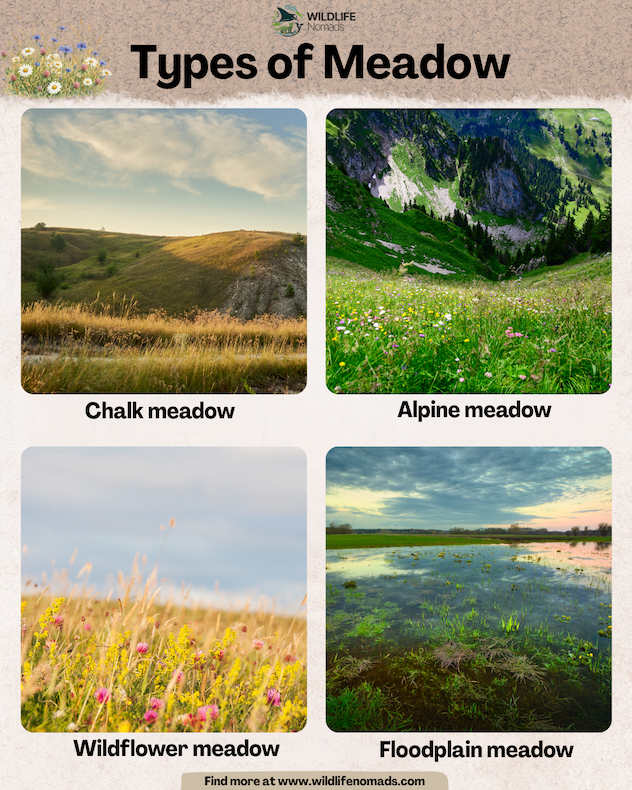
Meadows come in many types, and the UK names its meadow habitats with real precision. Many exist only because humans cut hay there for centuries. A hay meadow is an agricultural meadow cut for hay in summer and not grazed regularly. In June, the best ones fill with oxeye daisies and buttercups.
Upland hay meadows grow in northern England and Scotland, with a remarkable diversity of grasses. Chalk meadows sit on alkaline soils and host plants found almost nowhere else. Managed grasslands like these hold the world records for plant species per square metre.
Floodplain meadows grow on river floodplains and hold reeds, rushes and marsh orchids. They often grade into wetlands and other habitats. An alpine meadow grows above the treeline, where snowmelt waters a brief and explosive summer bloom. Finally, a wildflower meadow can be natural or artificially created by gardeners, councils or conservation groups so pollinators can thrive.
Australia complicates things. We rarely say “meadow” here. Instead, we talk about native grasslands, grassy woodland and open paddocks. Drought and fire shape them more than snow does. Ecologically, though, many work the same way.
Meadow vs. Field vs. Forest
“Field” describes how people use land. An open field might grow wheat, hold cattle or sit fallow. A meadow describes plant communities, built on grasses and wildflowers growing together over decades.
Pasture overlaps with both, but livestock keep it grazed, while a hay meadow gets mown. By contrast, forests have a closed canopy of trees. Leave most lowland meadows alone, and shrubs and then woodland gradually take over.
Animals of Australian Meadows and Grasslands
Years ago, I pointed at a raptor over an open field and called it an eagle. A colleague corrected me: a brown falcon. That lesson stuck. Open country hides more than it shows, and you have to look twice.
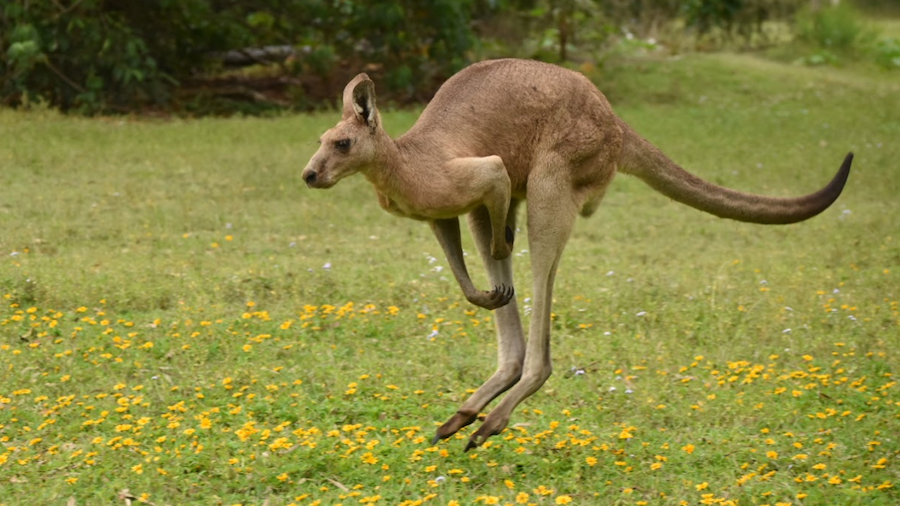
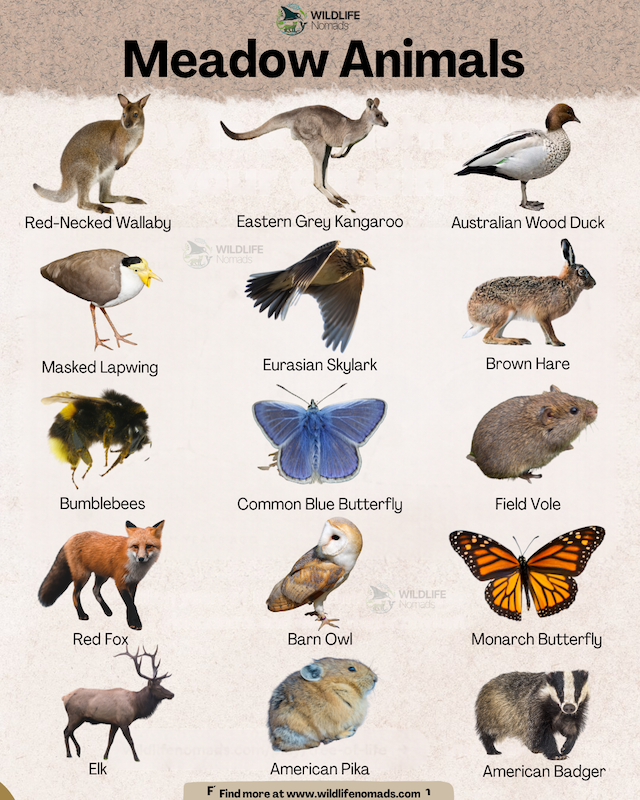
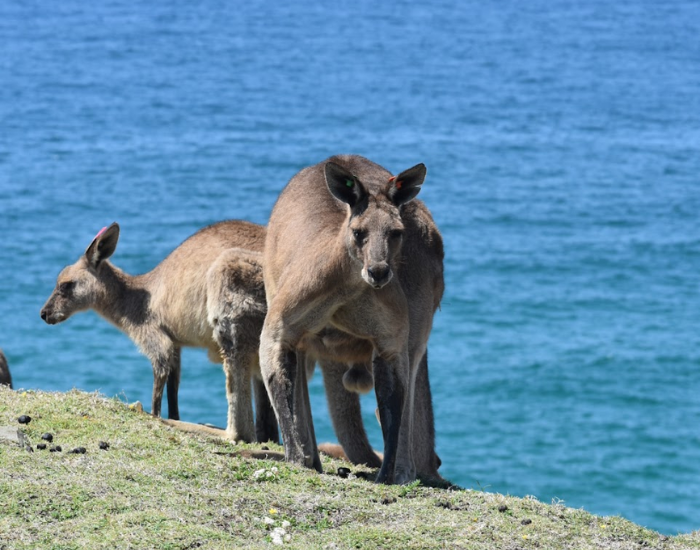
1. Eastern Grey Kangaroo (Macropus giganteus)
Eastern grey kangaroos are grazers, and short grass is their kitchen. They feed mostly at dawn and dusk, then rest in the shade through the heat of the day. Mobs can number several dozen where there is an abundance of grass.
The Coffs Harbour meadow had more kangaroos than I could count. Interestingly, grazing kangaroos shape the meadow itself. They keep the grass short, which favours some small wildflowers and opens ground for birds.
2. Red-Necked Wallaby (Notamacropus rufogriseus)
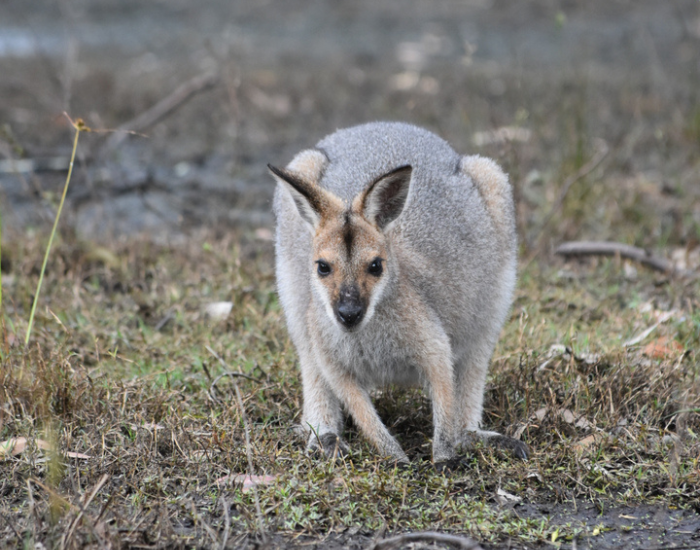
Wallabies prefer the grassland edge, where grass meets cover. The red-necked wallaby grazes in clearings at dusk, then slips back into the shrubs. Look for its reddish shoulders and dark muzzle.
I see them regularly at Coombabah Lakelands on the Gold Coast. On my lap, the first one appeared on the access road to Pebbly Beach. If you mix them up with kangaroos, my wallaby vs kangaroo guide sorts it out.
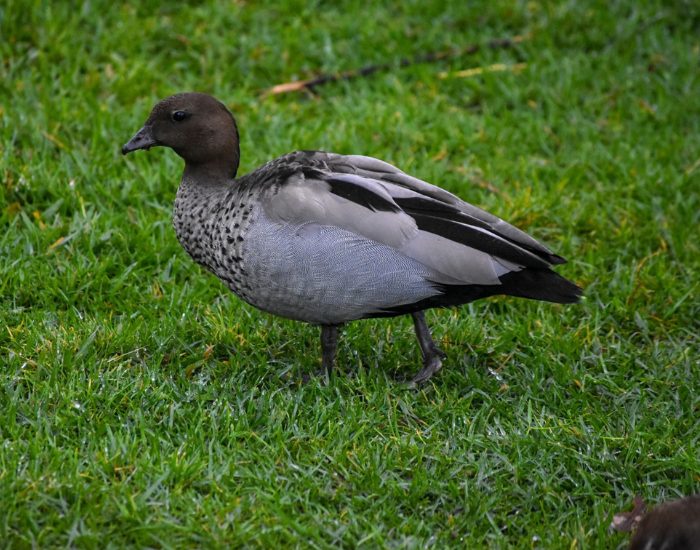
3. Australian Wood Duck (Chenonetta jubata)
Here’s a duck that would rather walk than swim. The Australian wood duck grazes on grass, clover and seeds, often far from open water. Pairs nest in tree hollows, sometimes well away from any dam.
At Coombabah, wood ducks graze the grassy areas alongside the wallabies. They belong to the wider family of waterfowl, yet they behave more like small geese on a lawn.
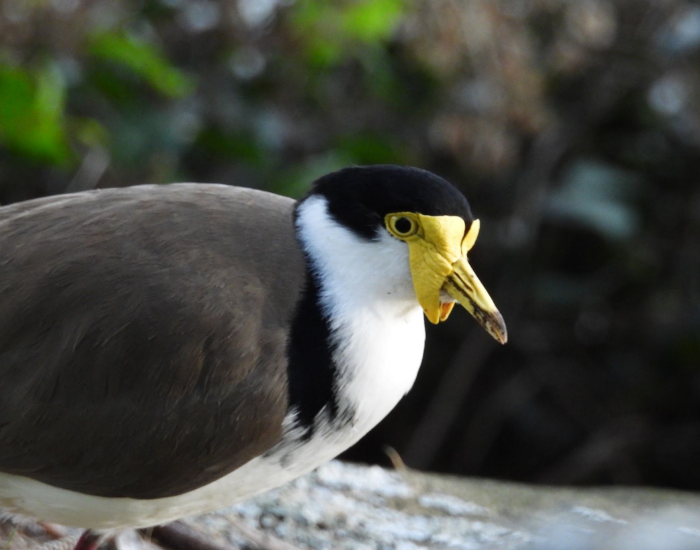
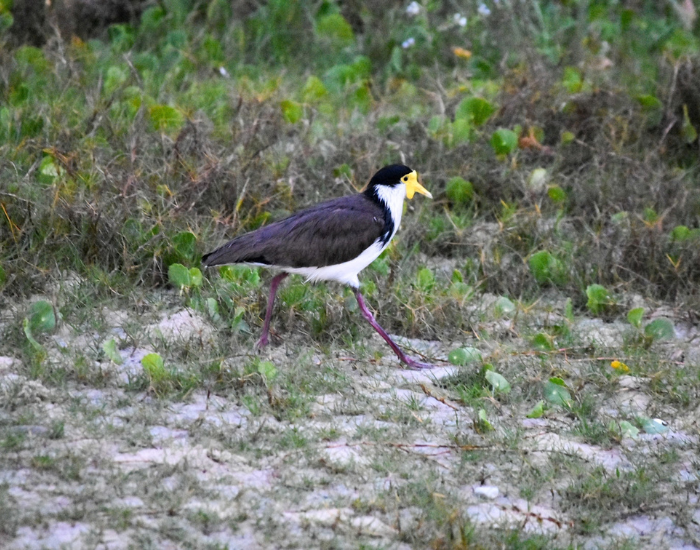
4. Masked Lapwing (Vanellus miles)
The masked lapwing nests directly on the ground. A shallow scrape in short grass is enough. Parks, sports ovals and even roundabouts serve as nesting sites, and both parents defend the eggs with loud swoops.
I logged them at Coombabah and again at Evans Head. Look closely at the wing, and you will spot a small yellow spur. It looks dramatic, but swooping lapwings rarely make contact.
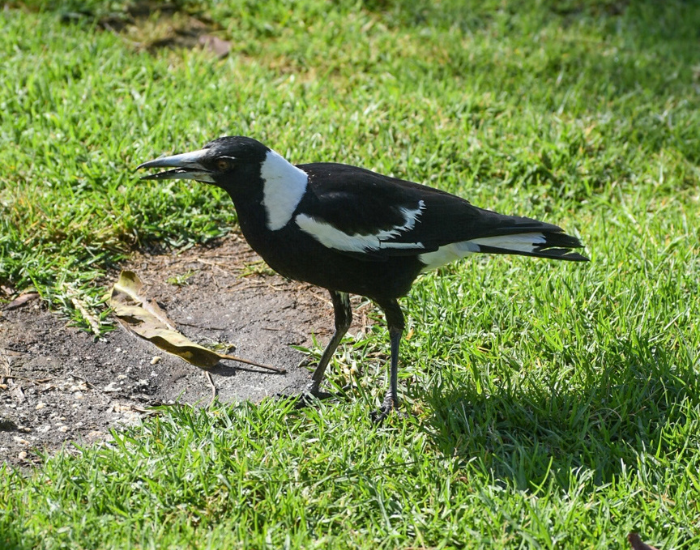
5. Australian Magpie (Gymnorhina tibicen)
The Australian magpie works a paddock like a farmer. It walks in straight lines, pauses, listens, then stabs the soil. Usually it comes up with a beetle larva.
Despite the name, it is not a true magpie, as my types of magpies guide explains. At Coombabah, magpies feed alongside the lapwings.
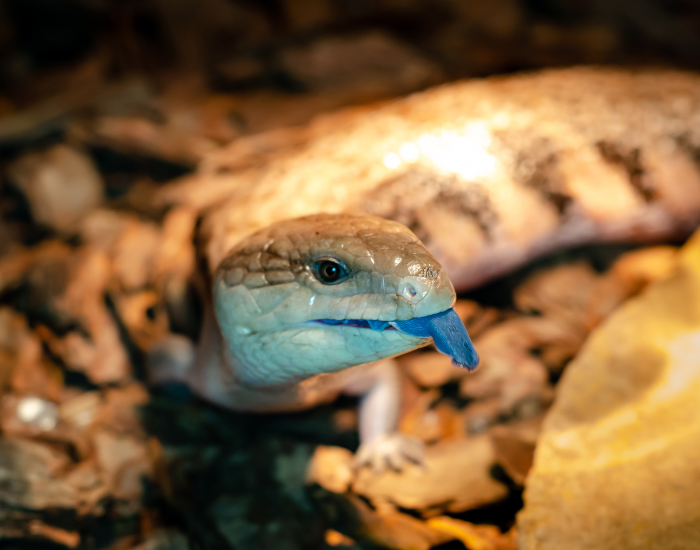
6. Eastern Blue-Tongued Lizard (Tiliqua scincoides)
Pay attention to the grassy edges, and reptiles start to appear. The eastern blue-tongued lizard forages in long grass for snails, insects and fallen fruit. When threatened, it flashes that cobalt tongue and hisses.
Blue-tongues give birth to live young rather than laying eggs. They also tolerate gardens well, which makes them one of the meadow creatures people meet most often.
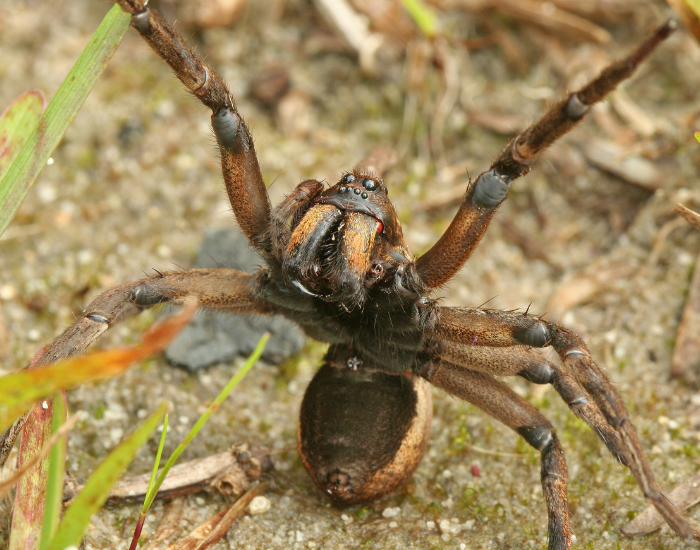
7. Wolf Spiders (Family Lycosidae)
Wolf spiders hunt across the ground without webs. Many dig burrows among the grasses and wait at the entrance at night. Sweep a head torch across the grass after dark, and their eyes shine back like dew drops.
Females carry their egg sac on their spinnerets. After hatching, the spiderlings ride on their mother’s back for days. My spider species guide covers more ground hunters like them.
Animals of UK and European Hay Meadows
The UK’s meadows tell a sobering story. Since the 1930s, over 97% of wildflower meadows have disappeared, according to Plantlife. Fewer than 15,000 hectares of lowland meadow remain.
Between 1960 and 2013, England lost 47% of surveyed semi-natural grassland sites. Legal protection worked, though: protected sites kept 91% of their grassland. Intensive farming drives most of that decline. Fertiliser, reseeding and heavier grazing make traditional hay meadows increasingly rare. Climate change adds pressure on meadows globally. Yet European grasslands still rank among the continent’s richest habitats.
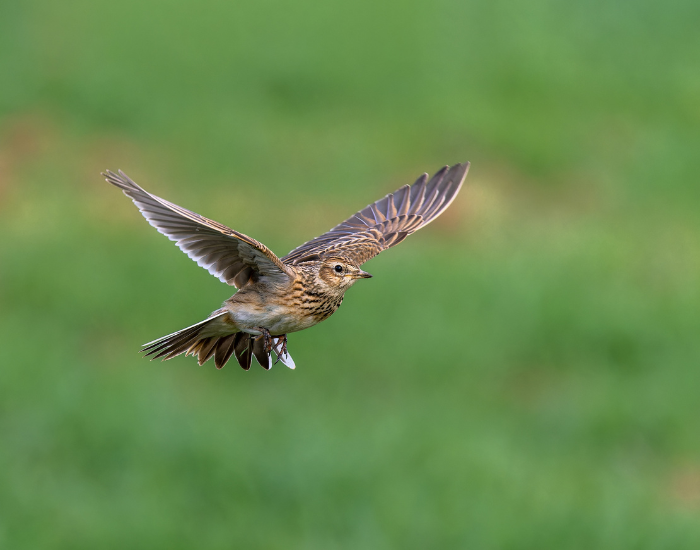
8. Eurasian Skylark (Alauda arvensis)
The skylark sings while hovering high above the grass, sometimes for minutes without a break. It nests in a cup on the ground, hidden among grasses. That makes it vulnerable to early mowing.
In Sweden, I ran a small experiment with friends for an ecology course. We measured how a predator on an open plain changed birds’ foraging time. The birds spent more time watching and less time eating. Ground birds like skylarks live with that trade-off every day.
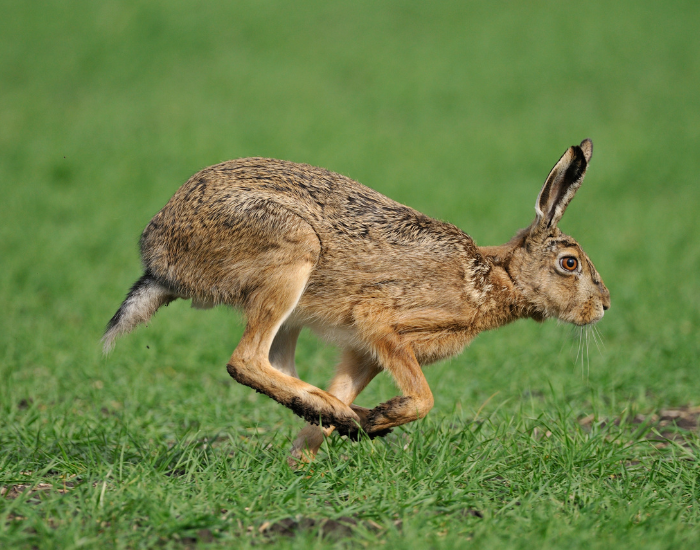
9. European Brown Hare (Lepus europaeus)
Brown hares rely on speed rather than burrows. Their young, called leverets, arrive fully furred with eyes open, tucked into a shallow dip in the grass. The famous spring “boxing” usually involves a female fending off an eager male.
Hares are not big rabbits, as my rabbit facts post explains. Interestingly, settlers introduced brown hares to Australia in the 1800s.
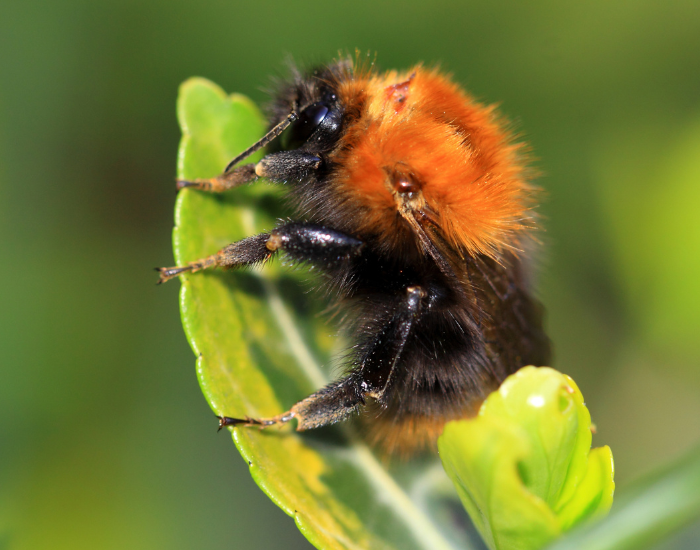
10. Bumblebees (Bombus spp.)
Bumblebees are the heavy lifters among grassland pollinators. Their long tongues reach deep into clover and knapweed flowers. They also fly in cool weather that grounds many other bees. Pollinator declines threaten wild plants and crops alike.
The great yellow bumblebee (Bombus distinguendus) shows what meadow loss costs. It once ranged widely across the UK. Today it survives mainly in flower-rich grasslands on Scotland’s far north coast and islands.
At university, I helped a professor plant a pollinator garden of native Mexican flowers. As it filled in, bumblebees, moths, other insects and spiders moved in. Even a small patch can flourish when you give it the right plants.
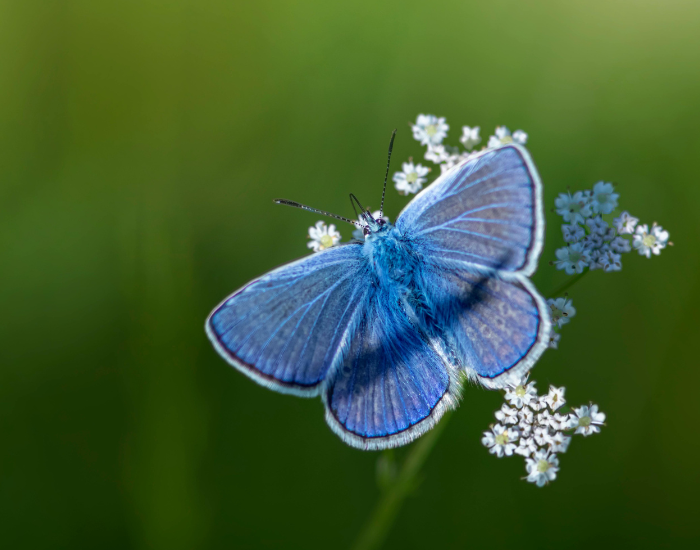
11. Common Blue Butterfly (Polyommatus icarus)
Males glow violet-blue. Females look mostly brown, with a little blue dusting. Both appear in sunny meadows from late spring through summer.
The caterpillars feed mainly on bird’s-foot trefoil, a low yellow flower of unimproved grassland. No trefoil, no common blues. For other species in this group, see my guide to blue butterflies.
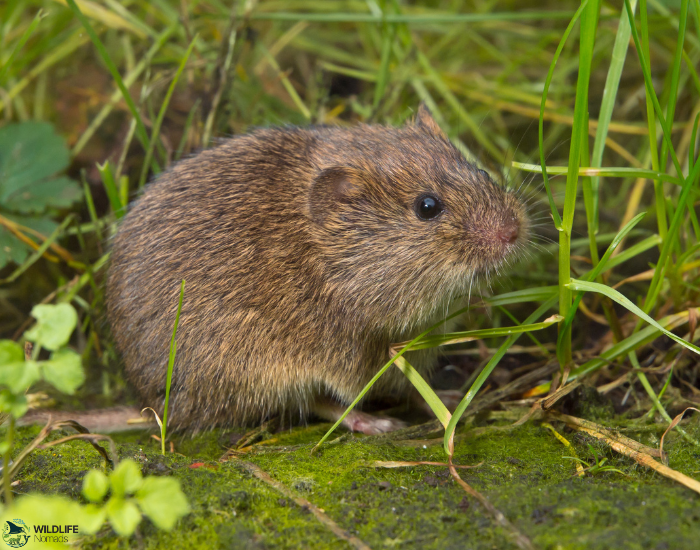
12. Field Vole (Microtus agrestis)
Field voles cut runways through rough grass along field margins and ditches. They eat grass stems and leaves, and a female can raise several litters in one summer. In good years, their population booms, then crashes again.
That boom-and-bust cycle drives much of the meadow food web. Kestrels, weasels, foxes and owls all track vole numbers. Interestingly, kestrels can see ultraviolet light reflecting off vole urine trails, so the runways give voles away. You can read more about these rodents in my types of voles article.
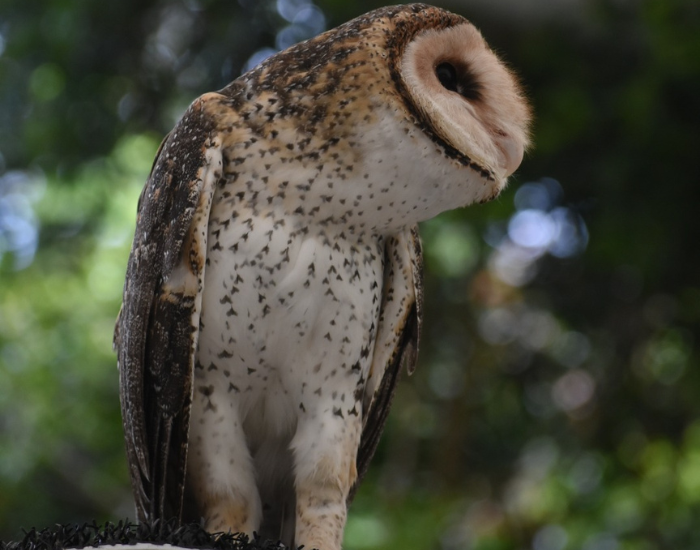
13. Barn Owl (Tyto alba)
Barn owls hunt low over rough grassland at dusk, listening more than looking. Their heart-shaped face works like a satellite dish, funnelling sound to ears set at slightly different heights. As a result, they can pinpoint a vole under the grass in total darkness.
In Britain, field voles make up most of a barn owl’s diet. When vole numbers crash, owls raise fewer chicks. That predator–prey link shows the ecological balance of a meadow in action.
Animals of Alpine and North American Meadows
Mountain meadows burst to life once the snow melts. Hiking around Vancouver, I once had an American black bear cross the trail in front of me. In early summer, bears like that one graze subalpine meadows for fresh greens before the berries ripen.
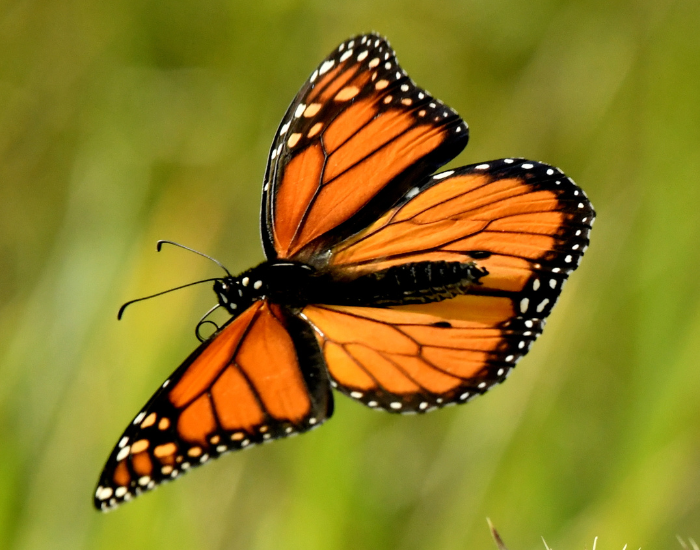
14. Monarch Butterfly (Danaus plexippus)
Monarch caterpillars eat only milkweed, a common plant of North American meadows and prairies. Without that milkweed, the famous migration has nothing to start from. You can follow the whole route on my monarch migration map.
I grew up in Mexico. At about ten, I visited a monarch sanctuary in Michoacán, and the sheer number of butterflies stayed with me. Those overwintering millions all began life on milkweed thousands of kilometres north.
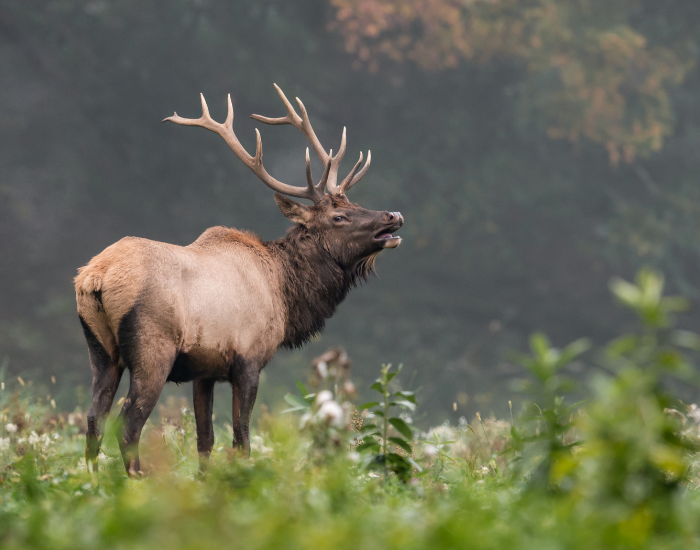
15. Elk (Cervus canadensis)
Elk graze open meadows in summer and move to lower valleys for winter. In Yellowstone National Park, the National Park Service lists elk as the park’s most abundant large mammal. Their grazing trims grasses and shrubs.
16. American Pika (Ochotona princeps)
The pika looks like a hamster but belongs to the rabbit order. It lives in rock piles beside alpine meadows. All summer, it gathers flowers and grasses into “haypiles” to eat through the winter.
Pikas do not hibernate. They also overheat easily, and warm summers stress them. As a result, climate change has pushed some populations uphill or wiped them out locally. Few animals connect hay and climate as clearly.

Why Meadows Matter
Grasses and wildflowers act as the primary producers in meadow ecosystems, capturing solar energy for everything else. They form the base of local food webs, feeding small mammals, birds, insects and larger herbivores. Predators then keep those herbivores in check, and that balance holds the whole system together. My food web game shows how quickly it unravels when one link disappears.
Below ground, the work continues. Dense grass roots form a carpet that stabilises soil and provides shelter. Decaying plant material makes meadow soil rich in organic matter.
Grasslands hold roughly a third of the carbon stored on land. That makes them crucial for global carbon stores. Meadows prevent flooding, too. Floodplain meadows soak up rain and slow the water before it reaches towns. Pollination mutualism links plants and insects: flowers trade nectar for pollen delivery. Over 700 species of flowering plants grow in grassy meadows and fields, according to the charity Plantlife.
Frequently Asked Questions
A meadow is an open habitat dominated by grasses and wildflowers, with few or no trees. Mowing, grazing, snow, flooding or poor soils stop woodland from taking over. Most meadows contain a rich mix of grasses and non woody flowering plants.
The main types are hay meadows, upland hay meadows, chalk meadows, floodplain meadows and alpine meadows. Wildflower meadows can be natural or artificially created for conservation and gardens. Each type has its own soils, plants and wildlife.
Yes, with time and the right seed. Kew’s Millennium Seed Bank conserves 98% of the UK’s bankable flora. Its UK Native Seed Hub supplies seed for meadow restoration projects. Restored meadows cut fertiliser use and help preserve biodiversity.
Meadow Ecosystems & Wildlife Challenge 🌾
Ten fun photo-based True/False and Multiple Choice questions to test what you’ve learned about meadows around the world!
Multiple Choice
Go and Sit in a Meadow
A meadow’s beauty draws you in, but its animals have learned to blend in. Once you spot the lapwing scrape, the spider’s eyeshine or the pika’s haypile, open grass never looks the same again.
So next time you pass one, stop for ten minutes. Walk the mown paths at dusk, and listen for the skylark or the magpie. Nature rewards patience there. Then tell me in the comments what you found. Next, try my guides to savanna animals, woodland animals and a wildlife-friendly garden.
References:
Bai, Y., & Cotrufo, M. F. (2022). Grassland soil carbon sequestration: Current understanding, challenges, and solutions. Science, 377(6606), 603–608. https://doi.org/10.1126/science.abo2380
Bengtsson, J., Bullock, J. M., Egoh, B., Everson, C., Everson, T., O’Connor, T., O’Farrell, P. J., Smith, H. G., & Lindborg, R. (2019). Grasslands—more important for ecosystem services than you might think. Ecosphere, 10(2), e02582. https://doi.org/10.1002/ecs2.2582
Habel, J. C., Dengler, J., Janišová, M., Török, P., Wellstein, C., & Wiezik, M. (2013). European grassland ecosystems: Threatened hotspots of biodiversity. Biodiversity and Conservation, 22(10), 2131–2138. https://doi.org/10.1007/s10531-013-0537-x
Potts, S. G., Imperatriz-Fonseca, V., Ngo, H. T., Aizen, M. A., Biesmeijer, J. C., Breeze, T. D., Dicks, L. V., Garibaldi, L. A., Hill, R., Settele, J., & Vanbergen, A. J. (2016). Safeguarding pollinators and their values to human well-being. Nature, 540(7632), 220–229. https://doi.org/10.1038/nature20588
Ridding, L. E., Redhead, J. W., & Pywell, R. F. (2015). Fate of semi-natural grassland in England between 1960 and 2013: A test of national conservation policy. Global Ecology and Conservation, 4, 516–525. https://doi.org/10.1016/j.gecco.2015.10.004
Wilson, J. B., Peet, R. K., Dengler, J., & Pärtel, M. (2012). Plant species richness: The world records. Journal of Vegetation Science, 23(4), 796–802. https://doi.org/10.1111/j.1654-1103.2012.01400.x