The first time I spotted a blue tongued lizard in Australia, I was walking through my very first job in Sydney, only a few months after I’d arrived in Australia. I was out in the field at a nature reserve when we noticed movement of a chunky, slow-moving lizard crossed the path, near the base of a tree deep in the bush. My first thought was it must have been a water dragon, but my coworkers told me it was a blue-tongue, so I crouched quietly for almost ten minutes, waiting to catch a glimpse. Sure enough, when it finally flicked out its tongue, the flash of cobalt-blue was impossible to miss.
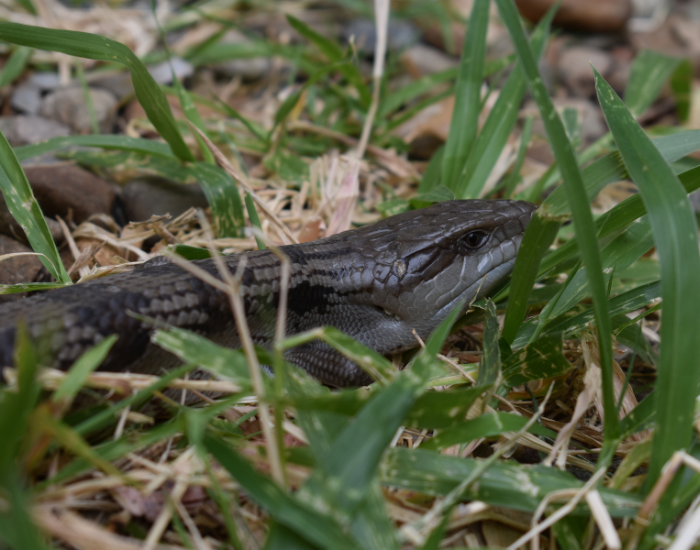
Its thick body, stumpy short legs, and that striking flash of cobalt-blue tongue, it was impossible not to stop and stare. I also noticed a distinctive black stripe running from its eye to the side of its neck, a key feature of these blue tongued reptiles. Years later, living in Queenland, I noticed these reptiles more often in suburban gardens and even basking on warm rocks in my backyard! That familiarity makes them one of the most iconic reptiles in Australia, yet they’re full of surprises most people don’t know.
So, let’s dive into 12 fascinating facts about these blue tongues, blending science, fieldwork stories, and conservation insights.
1. Blue-Tongue Lizards Belong to the Skink Family
The blue-tongue lizard scientific name is Tiliqua scincoides, a member of the skink family. Despite their hefty size compared to most skinks, they share the same smooth, shiny scales and short legs. Their skin contains small bone plates beneath the overlapping scales, which add extra protection and structural support.
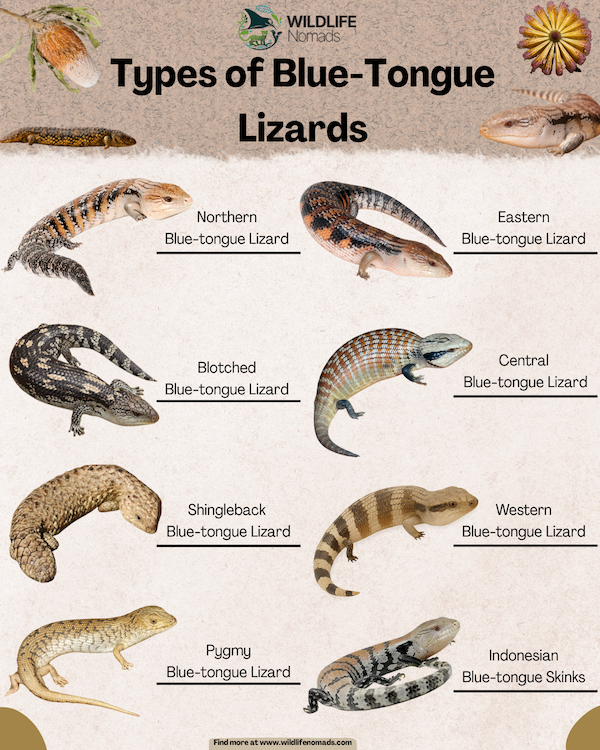
There are several species, including the eastern blue tongue, skink and the northern blue-tongue skink, each with slight differences in colour, habitat, and distribution across Australia. The blotched blue and blotched blue tongue are distinct species, easily recognized by their dark brown or black base color with large, light-colored blotches on their backs. Other species of blue-tongued lizards also display different behaviors and unique adaptations, further illustrating the diversity within this group.
2. That Bright Blue Tongue is a Defense Mechanism
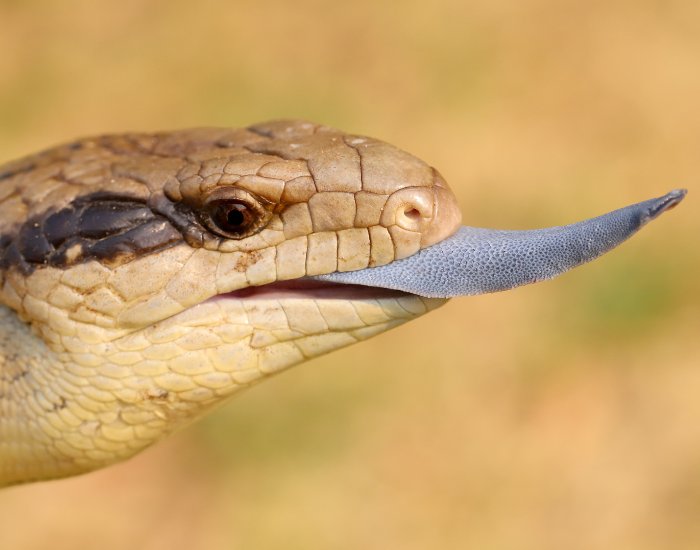
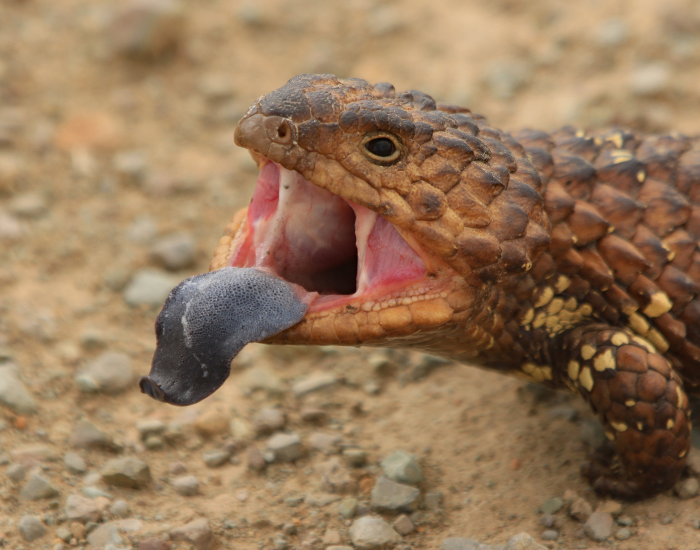
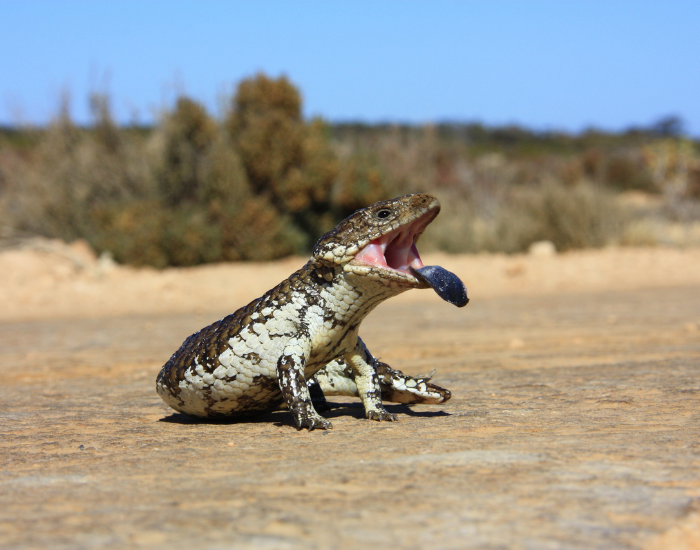
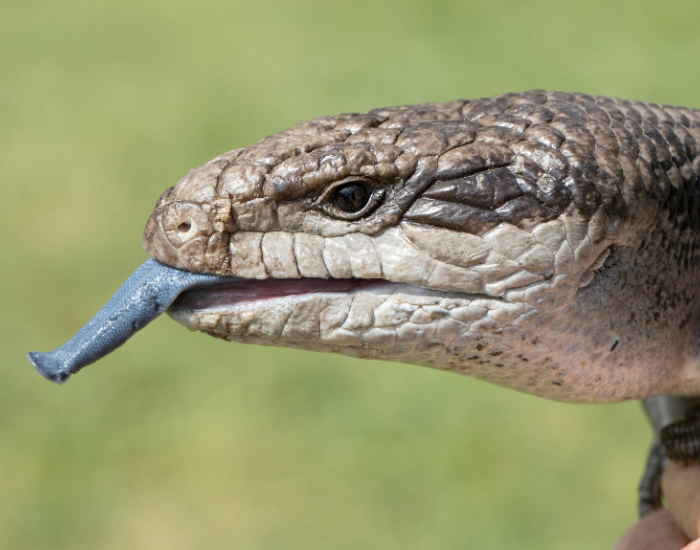
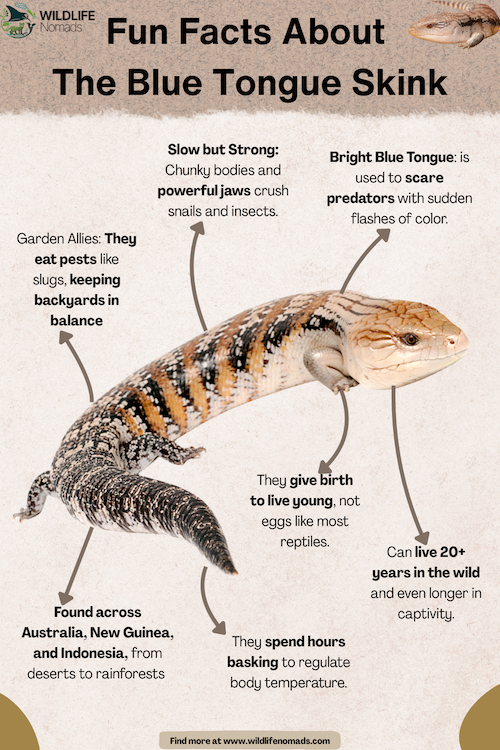
When threatened, the blue tongued lizard opens its mouth wide and flashes a vivid blue tongue. It contrasts sharply against their otherwise pale brown or brown mouth lining. This display startles predators, giving the lizard just enough time to scuttle into cover. Blue tongued lizards use this bluffing tactic as one of nature’s most effective defense mechanisms among reptiles.
3. Blue-Tongue Lizards Live Across Australia
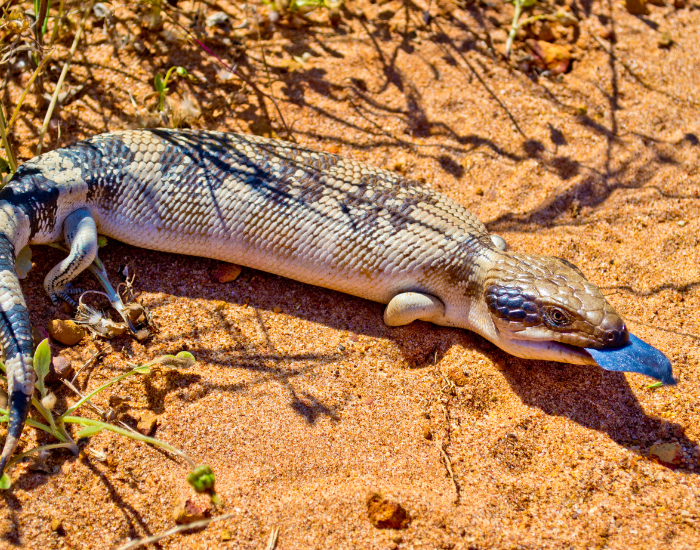
So, where are blue tongue lizards found? They inhabit a wide range of environments: suburban gardens, bushland, forests, and semi-arid regions. They are commonly found in the coastal plain and lower Blue Mountains regions, especially near Sydney and throughout New South Wales. From eastern and northern Australia to South Australia and New South Wales, they adapt easily to human-altered landscapes, often turning up in garden beds, under leaf litter, or even in shelter sites like horizontal pipes and rocks. These lizards often seek shelter on the ground under large objects such as rocks and logs. These adaptable reptiles thrive in both natural habitat and urban environments.
4. They Control Pests in Your Garden
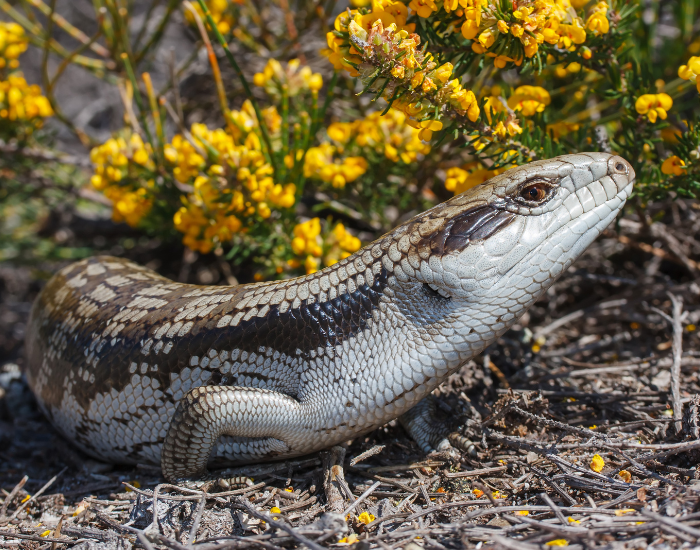
Gardeners quietly appreciate these blue tongues. A blue-tongue lizard’s habitat often overlaps with backyards, where their feeding habits include feasting on snails, slugs, beetles, and other insects. Some even eat snail shells directly, using their strong jaw muscles to crack through the protective coating. In captivity, high-quality dog food is often recommended as part of a balanced diet for blue-tongued lizards, reflecting their omnivorous dietary needs. Having one around is natural pest control at its best, as these reptiles can consume large quantities of garden pests.
5. They’re Not Poisonous or Venomous
One of the most common questions: Is a blue-tongue lizard poisonous? The answer is no. blue Tongue Lizard are not one of the venomous animals in Australia. They have strong jaw muscles, but no venom glands. Their bite may hurt if provoked, but they rarely attack unless cornered. While they show very little aggression, they can deliver a painful bite when defending themselves.
6. They’re Surprisingly Long-Lived
The life expectancy of a blue-tongue lizard is impressive for a reptile, often 15–20 years in the wild and up to 30 in captivity. Adult blue tongues, as mature and adaptable reptiles, benefit from a slow metabolism and hardy nature, which contribute to this longevity. These reptiles are among the largest members of the skink family, and their size as adult blue tongues contributes to their extended lifespan. However, adult blue tongues still face threats from large predatory birds such as brown falcons and laughing kookaburras, as well as large snakes, which are significant predators in both wild and suburban environments.
7. Blue-Tongue Lizards Give Birth to Live Young
Unlike many reptiles that lay eggs, blue tongues give birth to live young. A female can produce 10–15 offspring in one of the largest litters among Australian skinks. These babies are independent from the moment they’re born, perfectly miniature versions of the adults with fully functional blue tongues.
8. They’re Docile, But Can Defend Themselves
So, are blue-tongue lizards aggressive? Not really. Most show very little aggression and prefer to bluff with their blue tongue display. However, if grabbed, they can deliver a painful bite using their powerful jaw muscles. When threatened, a blue-tongued lizard may also drop its tail to escape predators, a defense mechanism known as autotomy. The tail can regrow over time, although it may look different from the original. Their robust tails also serve as storage for water and nutrients, which is important for their survival. Their body temperature regulation also plays a role in their generally calm demeanor.
9. Blue-Tongue Lizards Keep Snakes Away?
There’s a popular belief that blue tongues keep snakes away. While it’s not scientifically proven, their presence may reduce snake numbers indirectly by competing for the same prey. These reptiles don’t attract snakes, a myth worth debunking. Both species may share similar shelter sites, but blue-tongue lizards pose no threat to or attraction for snakes.
10. They’re Masters of Urban Survival
Their ability to thrive in suburban gardens speaks to their adaptability. I’ve seen them basking in the middle of Sydney suburbs, blending seamlessly into lawns and leaf litter. Blue-tongued lizards can squeeze through small holes in fences and garden structures to access new habitats or escape predators. Their resilience is a reminder of how some reptiles adjust well to human-dominated landscapes, finding warm spots on concrete and rocks for temperature regulation.
11. They Have Distinct Colours and Patterns
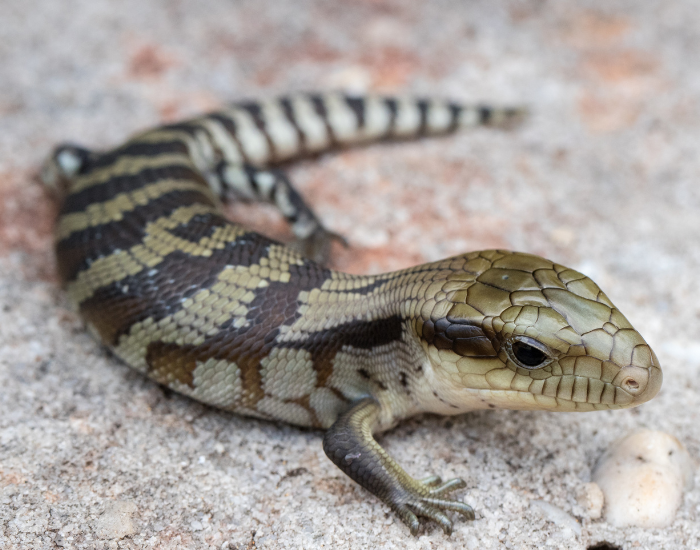
Blue tongue lizard colours vary by species. The eastern blue tongue skink tends to have broad dark brown bands across its body, while northern species are paler with more delicate markings. Some have blotched patterns, others more uniform tones of pale brown or grey. The skin patterns help with camouflage in their natural habitat.
12. They’re Part of Australian Culture
Known colloquially as “blueys,” these lizards are deeply familiar to Australians. Whether it’s spotting one crossing a road or keeping one as a pet (legal with a licence in some states), they’re embedded in cultural memory as harmless, helpful neighbours. These blue tongues represent successful coexistence between reptiles and humans in Australia.
What Do Blue-Tongue Lizards Eat?
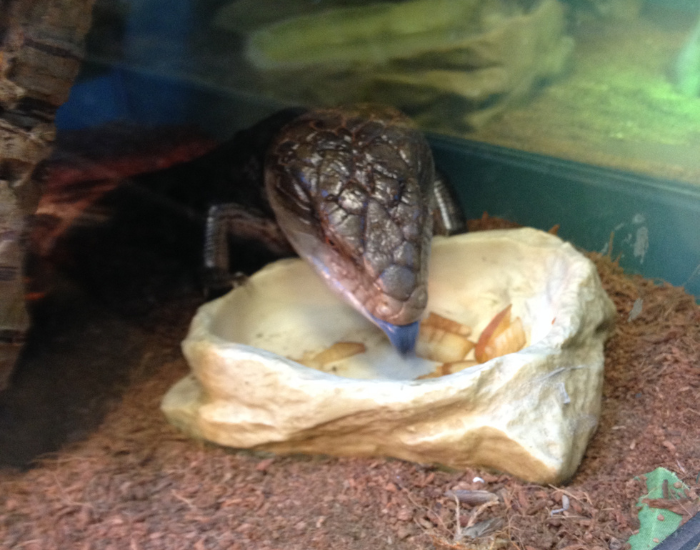
Blue-tongue lizards are true omnivores, enjoying a varied menu that includes both plants and animals. In the wild and in suburban gardens, they feast on a mix of vegetation, berries, flowers, and a wide range of insects. One of their favorite snacks is the common garden snail, and thanks to their strong jaw muscles, blue tongue lizards can easily crush snail shells to get to the tasty meal inside. This makes them excellent allies in controlling garden pests like snails, slugs, and beetles. If you want to encourage blue tongue lizards to visit your garden, providing a safe environment with plenty of natural food sources—such as worms or curl grubs—can help. Just remember, a balanced diet is essential for their health, so whether in the wild or as pets, blue tongue lizards need a mix of plants, insects, and the occasional treat to thrive.
Keeping Blue-Tongue Lizards Healthy
If you’re thinking about keeping blue-tongue lizards as pets, creating the right environment is key to their well-being. These lizards need a spacious enclosure with good ventilation, plenty of hiding spots like rocks and leaf litter, and access to both shade and warmth. Since blue tongue lizards are ectothermic, they rely on external sources like the sun or a heat lamp to regulate their body temperature. A healthy diet should include a variety of fruits, vegetables, and insects, along with a source of calcium to support strong bones. Providing a habitat that mimics their natural environment, complete with places to bask and hide, will help your blue tongue lizard feel secure and stay active. With the right care, these remarkable reptiles can live long, healthy lives and bring a touch of the Australian bush into your home.
Are Blue-Tongue Lizards Under Threat?
While blue-tongue lizards are not currently listed as threatened, they do face several challenges in the wild. Habitat loss and fragmentation from urban development can limit their access to food and shelter. The use of snail baits and other garden chemicals poses a serious risk, as these substances can be toxic to blue tongue lizards. Domestic dogs and feral cats are another threat, as are accidents with lawn mowers and garden tools. Fortunately, organizations like the Australian Museum are working to raise awareness about the importance of protecting blue tongue lizards and their habitats.
Recent Research on Blue-Tongue Lizards
A 2022 study published revealed fascinating insights into the vision of the shingleback blue-tongue lizard (Tiliqua rugosa). Researchers found that these lizards have enhanced short-wavelength sensitivity, meaning their eyes are especially tuned to detect blue and ultraviolet light. This adaptation is particularly intriguing because it likely helps them detect and respond to their own vivid blue tongues, which they use in threat displays against predators. Unlike other lizards that rely heavily on UV-sensitive photoreceptors, the blue-tongue’s visual system enhances short-wavelength detection through a unique combination of factors, including modified photoreceptors and the absence of certain light-filtering oil droplets.
FAQ: Blue-Tongue Lizards
No, they are not venomous or poisonous. Their defense is bluff and bite, not toxins. Their strong jaw muscles can deliver a painful bite, but it’s non-toxic.
Do blue-tongue lizards keep snakes away?
Not directly. They don’t repel snakes, but their presence doesn’t attract them either. Both species are independent reptiles.
Leave it be! They’re harmless, control garden pests, and will move on by themselves. They prefer warm areas and shelter sites but won’t stay permanently.
The average blue-tongue lizard size is 30–60 cm in total length, making them among the largest members of the skink family in Australia. Their body is robust with short legs.
Yes, but regulations vary by state. Always check local wildlife laws before keeping one. Pet blue tongues can live up to 30 years and require proper warm environments.
Blue-tongue lizards are ectothermic and cannot generate their own body heat. They rely on basking in the sun or using external heat sources to raise their body heat and stay active, especially in cooler weather.
Blue-tongue lizards can be affected by reptile ticks, which often attach under their scales or inside the ear canal. Nematode worms are also common parasites, typically found in their faecal pellets. Both are specific to reptiles and can impact their health.
What We Can Learn from Blue-Tongue Lizards
For me, the blue-tongue lizard represents more than just another reptile. It’s a symbol of adaptability and coexistence. Watching these blue tongues thrive in both wild bushland and suburban gardens reminds us that some species can find balance with human development, if we give them space and respect.
Next time you see one basking in the sun or flashing that unforgettable blue tongue, pause and appreciate a creature that’s been part of Australia’s natural heritage for millennia. These remarkable reptiles continue to adapt and survive, from the coastal plains to urban environments, proving their resilience among Australian wildlife.
Further reading:
- Echidna Animals: 12 Amazing Facts You Should Know
- Crocodiles of Australia