If you ever go to Mexico, do yourself a favor and look beyond Cancún. I grew up here, and over the years I’ve made it to 25 of the country’s 31 states, from the jungles of Chiapas and the Riviera Maya to the Pacific beaches of Oaxaca and Baja California. The variety still surprises me. Mexico is not just cactus and desert like the movies show.
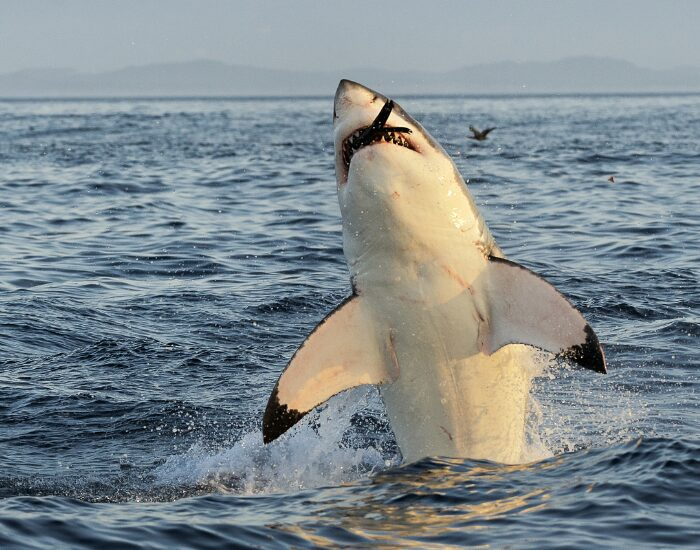
I’ve watched gray whales breach off the Baja peninsula, swum near sea lions and rays in the same trip, then flown south to spot dolphins and nesting sea turtles along the Oaxaca coast. I’ve seen spider monkeys crash through the canopy in Chiapas, hummingbirds feeding at altitude in San Luis Potosí, and sharks cruising the reefs of the Caribbean. Each region delivers a completely different cast of animals.
That’s because Mexico is one of the most biologically diverse countries on Earth, landscapes range from tropical rainforests and arid deserts to lush wetlands and coral reefs. As a recognized biodiversity hotspot, it ranks among the top nations for reptile species and holds an impressive number of endemic animals found nowhere else in the world. Its position, bridging North, Central, and South America, creates a natural corridor where species from all three regions converge.
This blend of evolutionary history and ecological richness makes Mexico a treasure trove for wildlife enthusiasts. From iconic jaguars steeped in cultural significance to some of the smallest birds in the world, the animals of Mexico are as diverse and captivating as the country itself.
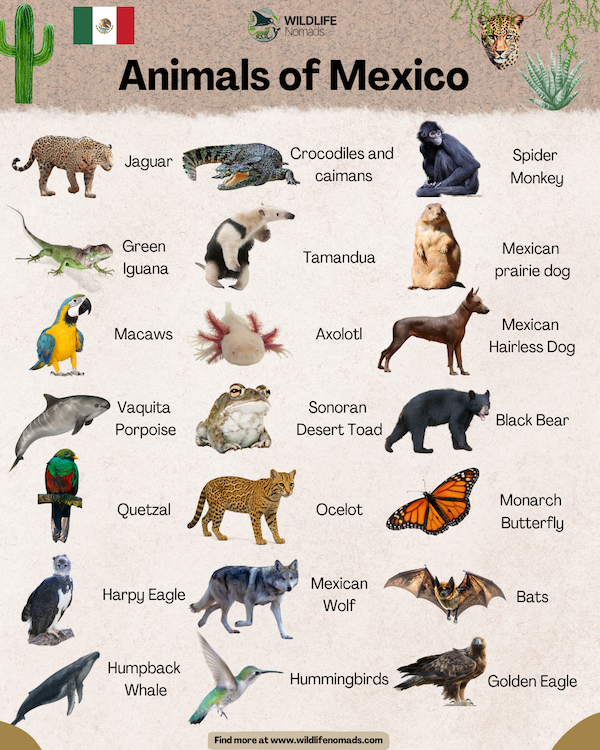
Below is a guide to the iconic wildlife in Mexico and the animals you can actually see if you visit this country.
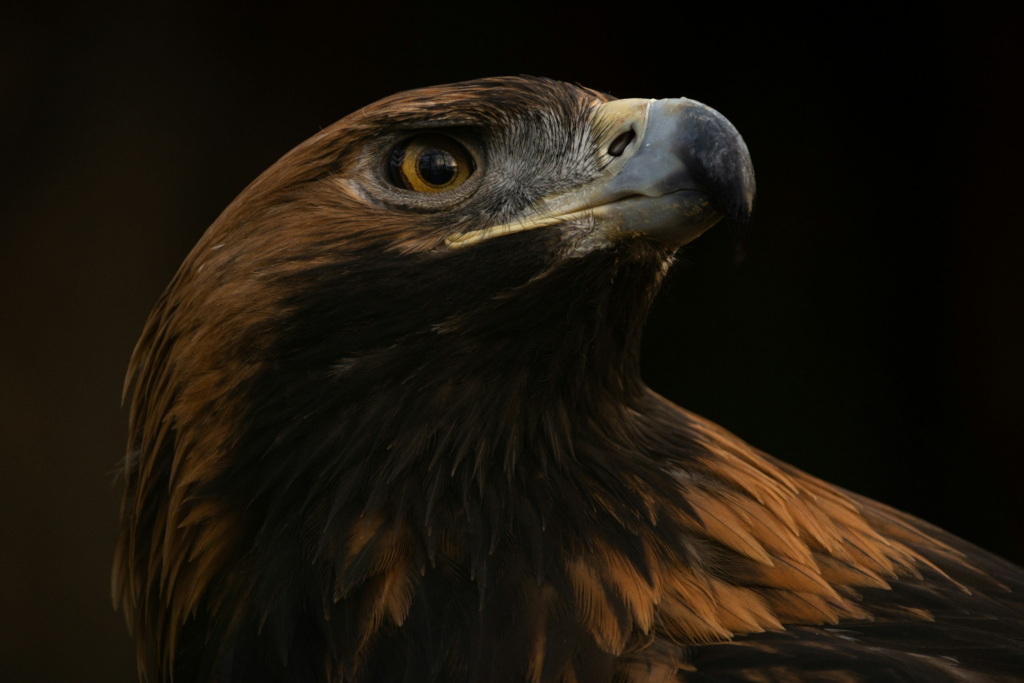
1. The Golden Eagle
If you have ever seen the Mexican flag, you porbably have seen an eagle. But it is not any type of eagle. It is Mexico’s national animal, the Golden Eagle (Aquila chrysaetos). This type of bird of prey, famous in Mexican culture, very well known as it is featured on the nation’s flag where it is eating a snake while standing over a cactus. This bird thrives in the mountainous regions and deserts of Mexico, hunting small mammals with a lot of precision thanks to its exceptional eyesight. As many top predators, it plays a vital role in balancing ecosystems by controlling rodent populations.
In Mexican folklore and mythology, the golden eagle is often associated with the sun and the gods, embodying divine power and protection. The Aztecs, one of Mexico’s ancient civilizations, believed that the eagle was a messenger of the gods, guiding them to the site where they would establish their great city, Tenochtitlán, now Mexico City.
2. Jaguars
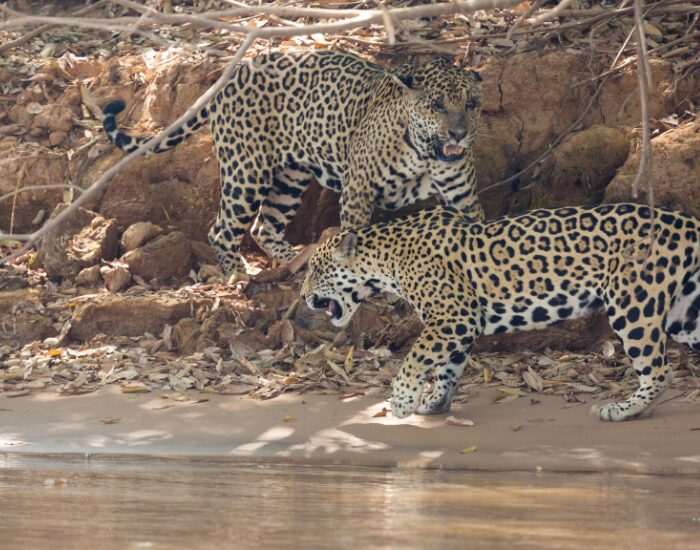
The jaguar (Panthera onca) is the largest wildcat in the Americas and it is a keystone species of Mexico’s tropical rainforests and wetlands, primarily in the Yucatán Peninsula and Chiapas. As one of the prominent wild cat species in the region, jaguars are very well known for their elusive behavior (hard to spot in the wild) and powerful hunting skills, maintaining the health of their ecosystems by regulating prey populations.
Jaguars also hold profound cultural significance. In many Mesoamerican civilizations, including the Maya and Aztec, the jaguar was revered as a symbol of power, protection, and the spiritual world, often featured in mythology and art. With habitat destruction posing a significant threat, conservation programs work tirelessly to ensure their survival while preserving their cultural legacy.
3. Harpy Eagle
The harpy eagle (Harpia harpyja) is not often associated with Mexico; however, this eagle can be found in the dense rainforests of Central and South America, including southern Mexico. Its peculiar appearance is the reason why it was named after the harpies of Greek mythology, which according to the myths, were bird-like creatures with the faces of women. This bird of prey has an amazing wingspan of up to 2 meters, making it a fascinating sight. This type of eagle preys on monkeys and even sloths, playing an essential role in maintaining the balance of the rainforest ecosystem.

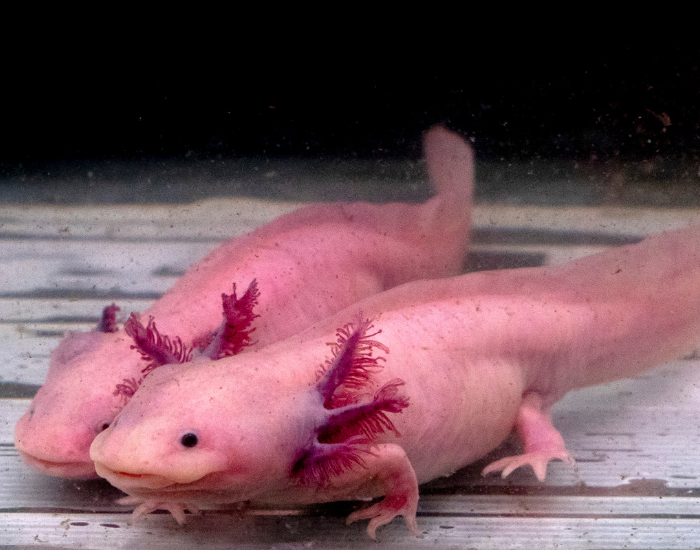
4. Axolotl (Ambystoma mexicanum)
The axolotl, often referred to as the “Mexican walking fish,” is one of the most interesting creatures native to Mexico. Despite its name, the axolotl is a salamander, a type of amphibian and not a fish. It has been in the media due to the remarkable ability to retain its larval features throughout its life, a phenomenon called neoteny in Biology.
Found exclusively in the lake systems of Xochimilco and Chalco near Mexico City, this unique salamander can regenerate entire limbs, spinal cords, and even parts of its heart and brain, making it a subject of extensive medical research. Historically, the axolotl held cultural significance in Aztec mythology as a representation of the god Xolotl. Unfortunately, this endangered species is critically endangered due to habitat loss, pollution, and the introduction of invasive species.
Conservation programs, interest in scientific research and captive breeding initiatives makes it unlikely it will go extinct, but the preservation of Xochimilco’s canals are essential for ensuring the survival in the wild.
If you find yourself in Mexico here we recommend an experience to spot them so you can get to know them and spread information about their uncertain future.
5. The Vaquita – Endangered Species
The vaquita (Phocoena sinus), is the world’s most endangered marine mammal and one of the most critically endangered porpoise species, residing in the northern Gulf of California. Here, I wrote another blog entry about new research showing some potential good news for its future.
With fewer than 10 individuals remaining, this small porpoise faces critical challenges due to bycatch in illegal fishing practices. Global efforts are underway to protect the vaquita and its habitat from further degradation but to be honest, the future of the species is very uncertain, a highly likely it will become extinct.

6. Ocelots – The Wild Cat
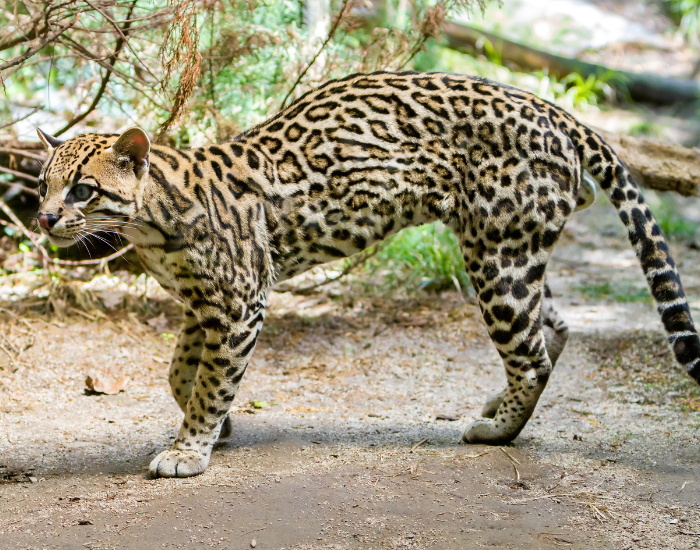
For the cat lovers, the ocelot (Leopardus pardalis) is the perfect wild cat among the diverse wild animals in Mexico. It is a medium-sized wildcat with a spotted coat, roaming in Mexico’s forests and savannas. These nocturnal predators are skilled hunters of small mammals and birds, contributing to the balance of their ecosystems. Though once heavily hunted for their pelts, conservation measures have helped stabilize some populations.
7. Northern Tamandua
The northern tamandua (Tamandua mexicana) is a small arboreal anteater, often spotted in tropical forests and mangroves across Mexico and Central America. Their movements and behaviour kind of resembles sloths. This solitary creature uses its prehensile tail and strong claws to climb trees and access ant and termite colonies. Its diet and unique foraging habits based on ants make it a key player in pest control within its habitats.

8. Mexican Wolf: Endangered Species
The Mexican wolf (Canis lupus baileyi) is one of the fascinating Mexican animals and the smallest subspecies of the gray wolf, as well as the most endangered wolf in the world. It is native to northern Mexico and after near extinction in the wild, reintroduction programs have helped stabilize its population in carefully monitored reserves.
In March 2024, there were around 257 Mexican gray wolves in the wild in the US and 45 in Mexico. As many apex predators, Mexican wolves play a vital role in regulating prey populations and maintaining healthy ecosystems.

9. Monarch Butterflies
Every winter, millions of monarch butterflies (Danaus plexippus) make their way to Mexico’s central highlands to overwinter in the oyamel fir forests, showcasing the incredible wildlife Mexico has to offer. This extraordinary migration is a testament to nature’s resilience and a vital ecological event, as monarchs are critical pollinators.
It is not very well know but there are migratory and non-migratory monarch butterflies, with non migratory living short periods of time. Habitat loss and climate change threaten this delicate journey, emphasizing the importance of cross-border conservation efforts. On 2024, Netflix Mexico aired a new show called “The Guardian of the Monarchs” showing the fight of the local activists to safeguard their sanctuary.
You can visit the sancturay to spot them here.

10. Green Iguanas
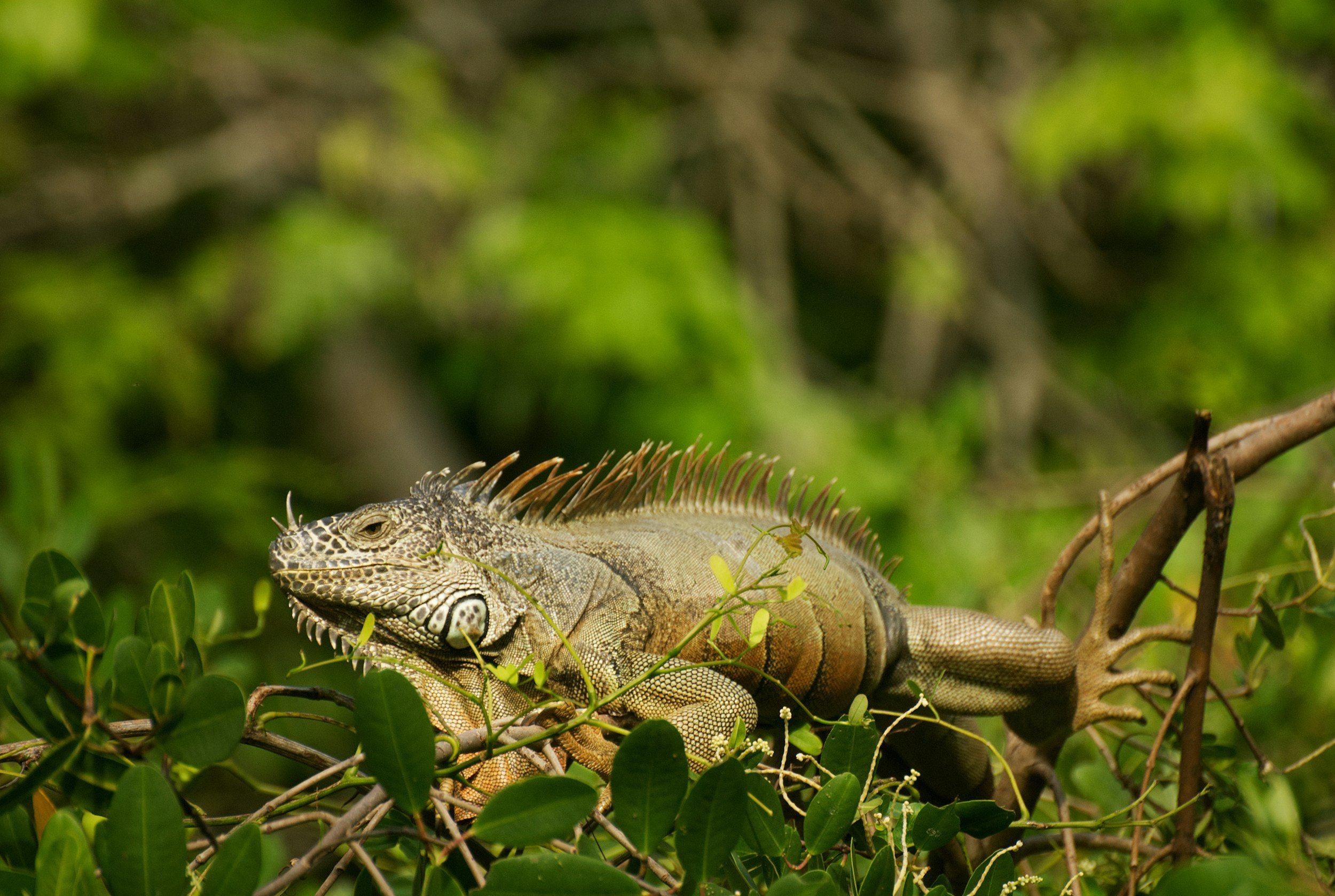
If you are not from Latin America, the green iguana can be quite a strange creature. (Iguana iguana). This dinosaur-looking reptile can be found in Mexico’s tropical regions and Costa Rica, and it is a true master of adaptation. These herbivorous lizards are often seen basking in trees or along rivers, where they contribute to seed dispersal and forest regeneration. Historically, it was valued as a food source, with indigenous communities utilizing its meat in traditional dishes, a practice that continues in some rural areas today.
Beyond its culinary ties, the green iguana is often associated with folklore and local traditions, symbolizing adaptability and resilience. Despite their resilience, illegal pet trade and habitat loss pose ongoing threats.
11. Agouti
The agouti (Dasyprocta punctata) is a very cute and small rodent native to Mexico and Central America. As many small rodents, it plays a role in maintaining the balance of tropical and subtropical ecosystems. Resembling an oversized guinea pig, this herbivorous animal is most commonly found in dense forests and along riverbanks, where it forages for fruits, seeds, and nuts. The agouti is particularly known for its role in seed dispersal, as it often buries excess food, inadvertently aiding in the growth of plants and trees. Their activities ensure the survival of tree species, making them unsung heroes of the ecosystem.

12. Quetzal, The Mesoamerican Bird
One of the most beautiful birds in Mexico and the Americas: The resplendent quetzal (Pharomachrus mocinno). With its iridescent feathers and long tail plumes, the quetzal holds profound cultural significance in Central America, particularly among ancient Mesoamerican civilizations like the Aztecs and Maya, who revered it as a symbol of freedom and divine power. The bird’s feathers were often associated with the gods and were used to adorn ceremonial attire, including the headdresses of royalty and high priests. Killing a quetzal was considered a grave offense, reflecting its sacred status. Beyond its cultural significance, the quetzal aids in seed dispersal, contributing to forest regeneration.

13. Military Macaw
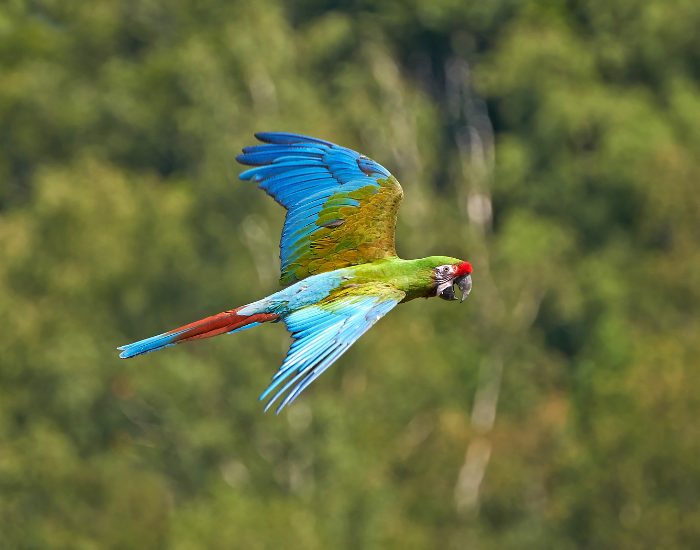
The military macaw (Ara militaris) is a striking and intelligent bird species found in the tropical forests of Mexico. Known for its bright green plumage and distinctive call, this bird is a popular sight among birdwatchers. The military macaw’s vibrant feathers and social behavior make it a fascinating subject for observation and study.
It is often featured in traditional Mexican art and folklore, symbolizing strength and resilience. The bird’s presence in the wild is a testament to the health of its natural habitat, highlighting the importance of conservation efforts to protect these vital ecosystems.
14. Scarlet Macaw
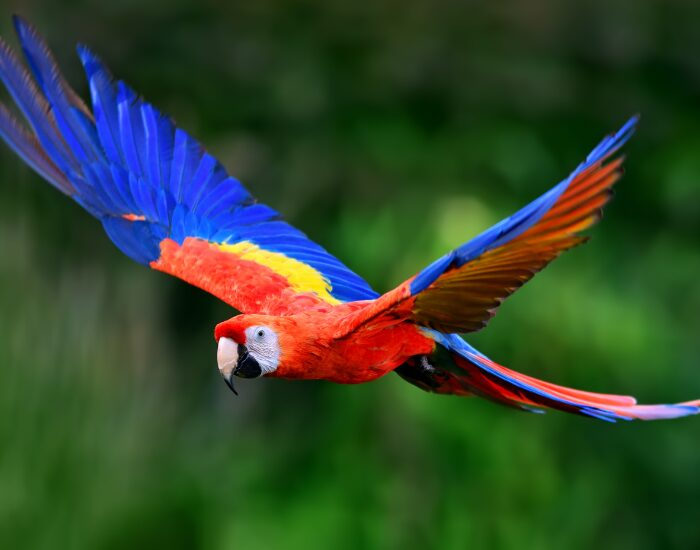
The scarlet macaw (Ara macao) is another type of macaw found in the tropical regions of Mexico. With its bright red, blue, and yellow feathers, this bird is a breathtaking sight to behold. The scarlet macaw’s striking appearance and graceful flight have made it a beloved symbol of freedom, beauty, and creativity.
In Mexican folklore, the scarlet macaw is often associated with magical powers and revered as a mystical creature. Its vibrant colors and lively personality have inspired countless stories and artistic representations, making it an integral part of Mexico’s cultural heritage. The bird’s role in seed dispersal also underscores its ecological importance, contributing to the health and regeneration of tropical rainforests.
These iconic birds, along with the majestic golden eagle, are an integral part of Mexico’s rich cultural heritage and natural biodiversity. Their presence in the wild is a reminder of the country’s incredible ecological wealth and the need to protect and preserve these precious species for future generations.
15. Crocodiles and Caimans
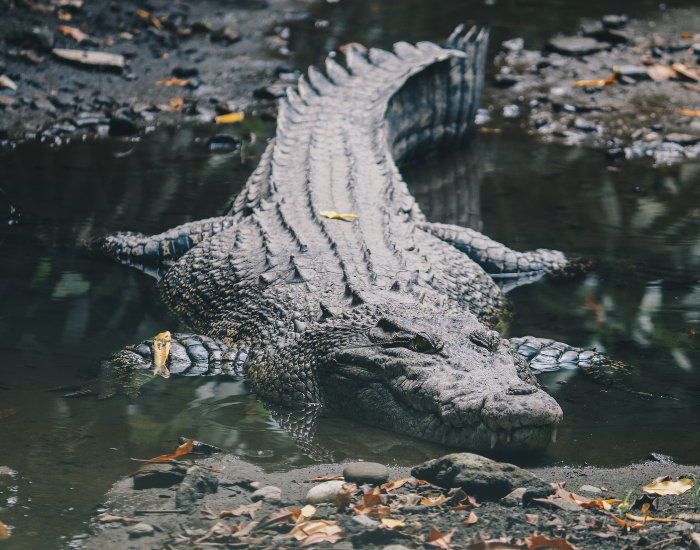
If you have been in a tourist destination in Mexico, you probably have seen wild crocodiles in the wild, like the Yucatan Peninsula. Mexico’s wetlands and coastal lagoons are home to the American crocodile (Crocodylus acutus) and spectacled caiman (Caiman crocodilus). These reptiles are apex predators, maintaining aquatic ecosystems by controlling fish and other prey populations. Ecotourism initiatives highlight their ecological importance while promoting coexistence.
One of the best places to see Crocodiles in Mexico is in Huatulco, Oxaca. Here, you can book an experience.

16. Humpback Whales: The Ocean Giants
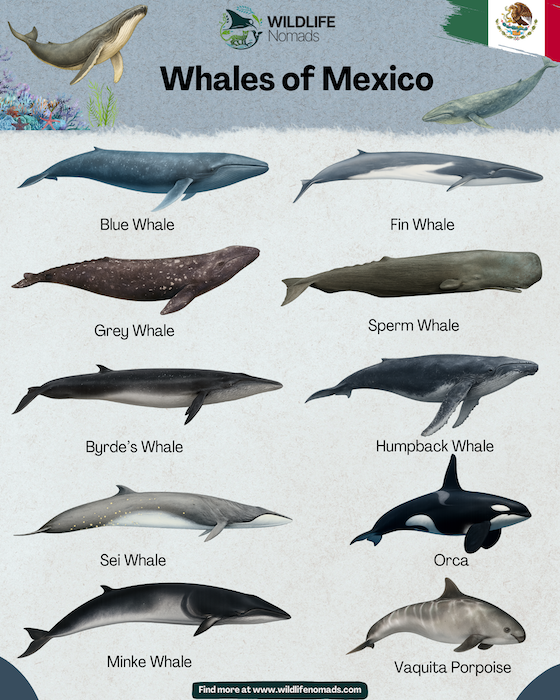
Each winter, many whales, including the humpback whales (Megaptera novaeangliae) migrate thousands of kilometers from their feeding grounds in the Arctic to the warm waters of Mexico, including Baja California and Puerto Vallarta, where they give birth and nurture their calves. This makes Mexico’s waters critical for the survival of the species.
Their acrobatic breaches and haunting songs attract tourists and marine biologists. These whales play a vital ecological role as ecosystem engineers. Their nutrient-rich fecal plumes, often referred to as “whale pumps,” fertilize plankton, which forms the base of the marine food web and contributes to carbon sequestration.
17. Bats: Guardians of Agave
Have you ever drink Tequila? Well, you can thank one of these fruit bats, not very well like by many people due to its appearence and life habits. Mexico’s bats, including the lesser long-nosed bat (Leptonycteris yerbabuenae), are critical for pollinating agave plants, essential for tequila production. These nocturnal animals also control insect populations, underscoring their importance in agriculture and ecosystem health.

The Secret about Mexico’s Biodiversity: its Geographic Location
Mexico is strategically located in North America. It borders the United States to the north and Belize and Guatemala to the southeast. To the west lies the Pacific Ocean, while the Gulf of Mexico is to the east.
This unique location gives Mexico an extraordinary variety of ecosystems. You can find everything from arid deserts and lush forests to towering mountains and long coastlines. Each landscape supports diverse plants and animals, making Mexico one of the most biologically rich countries in the world.
The country’s geography creates many natural habitats, each full of life. In the deserts of northern Mexico live hardy species such as the Mexican prairie dog and the elusive Mexican wolf. The tropical rainforests of the south are home to the jaguar and the resplendent quetzal. Along the coasts and wetlands, you’ll find the critically endangered vaquita and humpback whales migrating to Baja California’s warm waters.
This biodiversity is not only beautiful but also vital for ecological health. The way species interact with their environment keeps ecosystems stable and resilient. These connections highlight why conservation efforts are essential to protect Mexico’s natural treasures.
Preserving Mexico’s Wildlife Heritage
Mexico’s wildlife is both diverse and culturally significant. Yet it faces serious threats from habitat loss, deforestation, and urban growth. These pressures put many species at risk. The lush jungles and vibrant forests that shelter animals like the jaguar, Mexican wolf, and harpy eagle are disappearing fast.
Conservation is key, not only to save species but also to protect the services these habitats provide. Forests and wetlands regulate climate, store carbon, filter water, and support local communities. Protecting Mexico’s ecosystems is about more than saving wildlife. It is also about preserving cultural identity and securing the future of one of the world’s most important biodiversity hotspots.
Find Wildlife Tours in Mexico
This blog is reader-supported. When you buy experiences through links listed on this site, we may earn an affiliate commission.
References:
Adamson, C. J., Morrison-Welch, N., & Rogers, C. D. (2022). The amazing and anomalous axolotls as scientific models. Developmental dynamics : an official publication of the American Association of Anatomists, 251(6), 922–933. https://doi.org/10.1002/dvdy.470
Jiménez López, M. E., Palacios, D. M., Jaramillo Legorreta, A., Urbán R., J., & Mate, B. R. (2019). Fin whale movements in the Gulf of California, Mexico, from satellite telemetry. PLOS ONE, 14(1), e0209324. https://doi.org/10.1371/journal.pone.0209324
Mittelman, P., Dracxler, C. M., Santos-Coutinho, P. R. O., & Pires, A. S. (2021). Sowing forests: A synthesis of seed dispersal and predation by agoutis and their influence on plant communities. Biological Reviews, 96(6), 2423–2445. https://doi.org/10.1111/brv.12761
Trejo-Salazar, R. E., Gámez, N., Escalona-Prado, E., Scheinvar, E., Medellín, R. A., Moreno-Letelier, A., Aguirre-Planter, E., & Eguiarte, L. E. (2023). Historical, temporal, and geographic dynamism of the interaction between Agave and Leptonycteris nectar-feeding bats. American Journal of Botany, 110(9), e16222. https://doi.org/10.1002/ajb2.16222
Wootton, A., Enríquez, P. L., & Pineda Diez de Bonilla, E. (2026). Spaciotemporal relations between quetzal abundance and cloud forest habitat characteristics in El Triunfo Biosphere Reserve, Mexico. Ornithology Research, 34(9). https://doi.org/10.1007/s43388-026-00273-4