Your Guide to Seeing These Ocean Giants Up Close
Hello! I already wrote about some of the best places to see animals in Mexico, but this blog article will dedicated to one of the most intelligent, and favourite animals of many people: Whales. And Mexico, wihtout a doubt, is one of the best places to watch Whales in the world.
Picture this: you’re floating on crystal-clear waters off Mexico’s Pacific coast when suddenly, a 40-ton humpback whale breaches just meters from your boat, its massive body suspended in mid-air before crashing back into the ocean with a thunderous splash. This isn’t just a dream – it’s the reality of mexico whale watching, one of the most spectacular wildlife experiences our planet has to offer.
Mexico’s coastlines serve as natureki’s highway for some of the world’s most magnificent marine mammals. Every year, thousands of whales migrate thhurough Mexican waters, transforming the country into one of the globe’s premier whale watching destinations. But here’s what many travelers don’t realize: timing and location are everything when it comes to witnessing these oceanic giants in action.

Ecotourism and Conservation
Mexico’s whale-watching industry has grown hand in hand with conservation initiatives. This interplay supports local livelihoods, from panga boat operators in Baja’s coastal villages to research projects collaborating with local communities. Marine protected areas (e.g., Cabo Pulmo National Park or certain sections of the Sea of Cortez) also help maintain fish stocks and healthy ecosystems that sustain whales’ feeding and breeding needs. By choosing certified sustainable tour operators and lodging, visitors directly contribute to marine research and habitat preservation.
What Kind of Whales Are in Mexico?
Mexico’s Pacific waters are a playground for some of the ocean’s most incredible creatures. Here’s a rundown of the heavy hitters you’ll encounter during whales Mexico season:
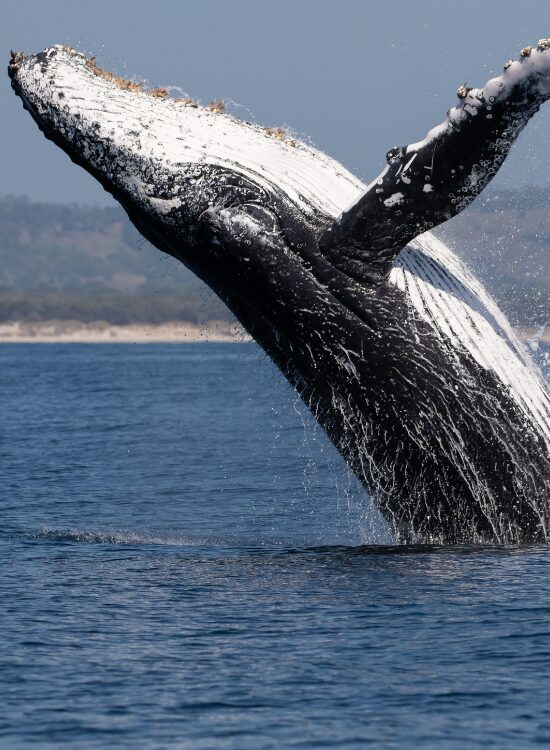
1. Humpback Whales: The Acrobats of the Sea
Humpback whales steal the show with their spectacular breaching displays, tail slapping, and complex songs. These 50-foot performers migrate to Mexican waters specifically for mating and calving, making winter months ideal for witnessing their most dramatic behaviors.
Male humpbacks sing elaborate songs that can last up to 30 minutes and be heard for miles underwater. Each population has its own unique “dialect,” and songs evolve throughout the breeding season.
2. Gray Whales: The Friendly Giants
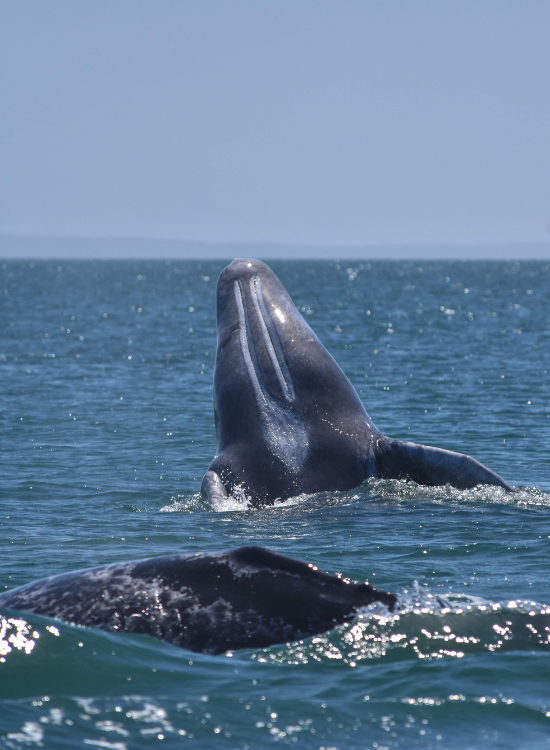
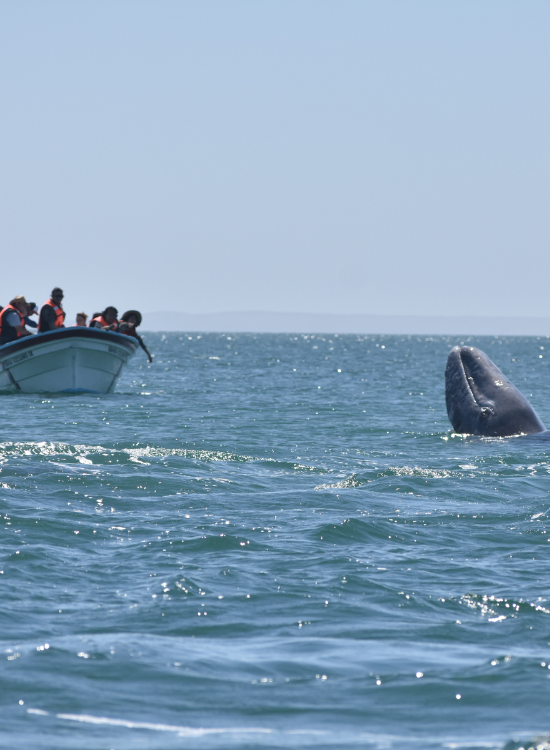
Gray whales hold a special place in Mexican waters due to their unique behavior. These “friendly” whales where once hunted almost to extinction, but now, they actively seek human interaction, a behavior unique to Baja California. Mothers often bring their calves close to boats, seemingly curious about human visitors.
These 40-foot giants undertake one of the longest migrations in the animal kingdom, traveling over 12,000 miles round-trip from Alaska to Mexico. Their mottled gray appearance and distinctive heart-shaped blow make them easily identifiable.
3. Blue Whales: The Gentle Giants
Blue whales represent the ultimate whale watching prize. At up to 100 feet long and weighing as much as 200 tons, they’re the largest animals ever known to exist. Their blue-gray coloration and distinctive heart-shaped blow distinguish them from other species.
The Sea of Cortez serves as a crucial feeding ground for blue whales, where they consume up to 4 tons of krill daily during their stay in Mexican waters.
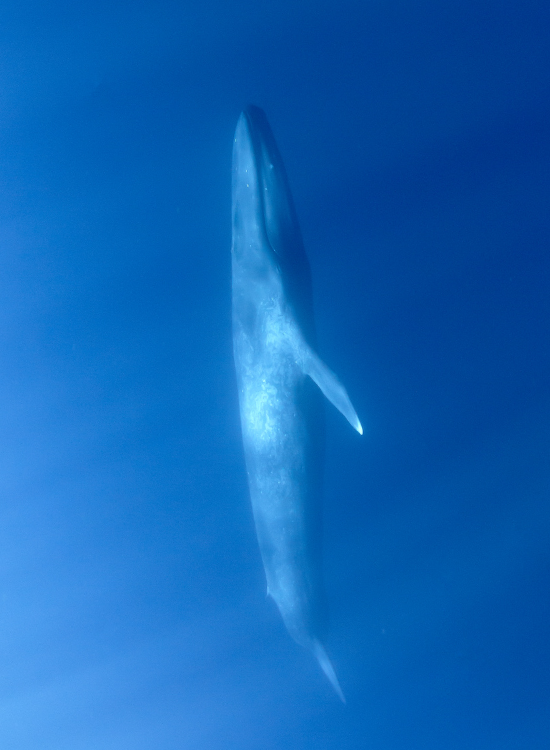
4. Bryde’s Whale (Balaenoptera edeni)
Pronounced “broo-dus,” these whales are more subtle in their presence, often found in warmer coastal waters throughout Mexico’s Pacific side. Due to their sleeker build and smaller group sizes, they’re a bit trickier to track, but tour operators in Bahía de Banderas occasionally spot them feeding.

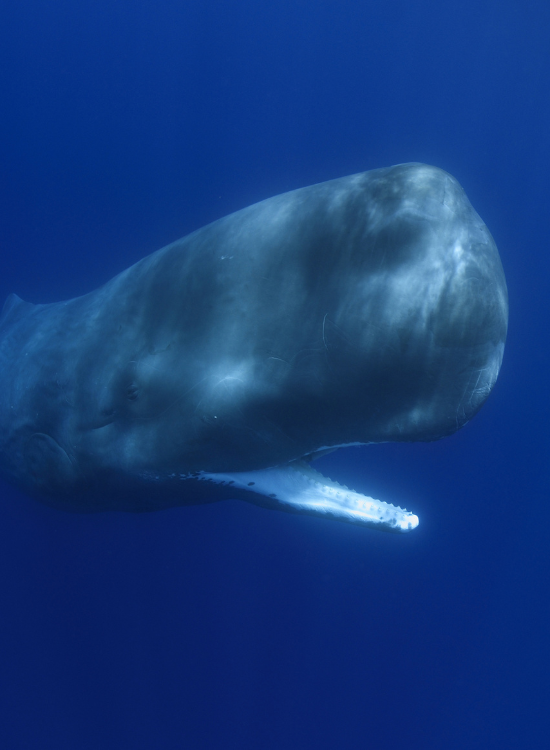
5. Sperm Whale (Physeter macrocephalus)
Though less frequently targeted by casual whale-watchers, sperm whales roam deeper waters of the Sea of Cortez and off the coast of Oaxaca. Observers sometimes glimpse these whales at the surface, resting between deep dives that can exceed 1,000 meters.
That’s just the start, Mexico’s waters also host smaller cetaceans like dolphins and the occasional sperm whale. According to a 2019 study in Marine Mammal Science, Mexico’s Pacific boasts one of the highest cetacean diversities globally
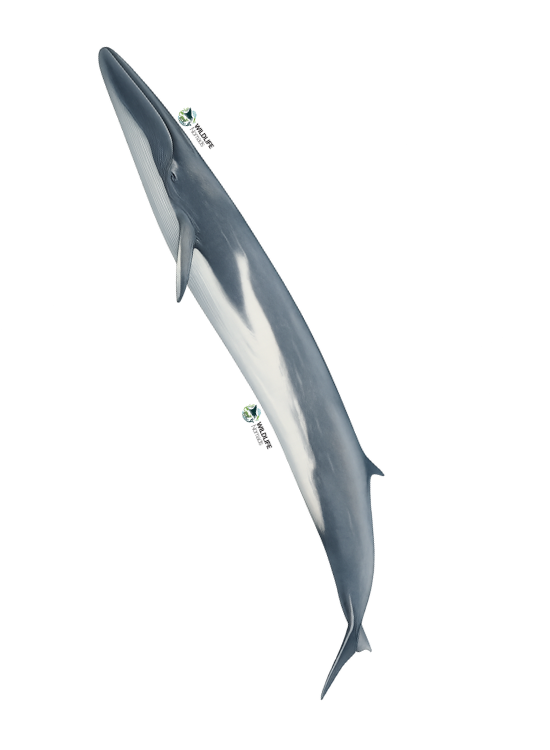
6. Fin Whales: The Greyhounds of the Sea
Fin whales, the second-largest whale species, can reach speeds of 25 mph, earning them the nickname “greyhounds of the sea.” Their asymmetrical coloring – dark on the left side of the jaw, light on the right – makes them easily identifiable.
Best Places for Mexico Whale Watching: A Regional Breakdown
Baja California Peninsula: The Crown Jewel of Whale Migration in Mexico
The Baja California Peninsula stands as the undisputed champion of mexico whale watching. The region is famous for its ‘friendly’ gray whales, which actively seek human interaction, a behavior unique to Baja. Beyond gray whales, Baja is also one of the best places to see blue whales, fin whales, humpbacks, and even sperm whales in the rich waters of the Sea of Cortez.
Magdalena Bay emerges as a critical habitat where gray whales come to mate and give birth. The bay’s protected status ensures minimal human interference, creating an authentic wildlife sanctuary. Tour operators here focus heavily on responsible tourism practices, offering intimate encounters with mother whales and their newborn calves.
Loreto Bay National Park provides another exceptional venue, where the Sea of Cortez meets the Pacific Ocean. This unique geography creates upwelling currents that attract diverse marine life, making it a hotspot for multiple whale species.
Find Whale watching Tours in Baja California Peninsula
Cabo San Lucas: Where Desert Meets Ocean Giants
What is the best month to see whales in Cabo San Lucas? The answer is January through March, when humpback whales dominate the waters around this famous resort destination. Cabo’s unique position at the tip of Baja California provides access to both Pacific and Sea of Cortez whale populations.
The town offers everything from intimate panga boat experiences to luxury yacht excursions. Cabo San Lucas consistently delivers encounters with gray whales, humpback whales, and occasionally the massive blue whale. The dramatic backdrop of the famous Arch adds an Instagram-worthy element to an already spectacular experience.
Puerto Vallarta: Humpback Whale Capital of Mexico
What is the best month for whale watching in Puerto Vallarta? December through March marks peak season, with January and February offering the most consistent sightings. Puerto Vallarta’s Banderas Bay serves as a crucial breeding and nursing ground for humpback whales, earning it recognition as one of Mexico’s most reliable whale watching destinations.
What months are whales in Puerto Vallarta? The season typically runs from mid-December through late March, with some early arrivals spotted as early as November and stragglers remaining into April. The bay’s deep waters and abundant food sources create ideal conditions for these acrobatic giants.
Cancun and the Caribbean Coast: A Different Whale Watching Experience
What time of year can you see whales in Cancun? Unlike the Pacific coast, Cancun’s whale watching focuses primarily on whale sharks (technically not whales, but the world’s largest fish) from June through September. However, pilot whales and sperm whales can occasionally be spotted in deeper Caribbean waters year-round.
When can I see whales in Cancun? For traditional whale species, winter months offer the best opportunities when migrating humpbacks pass through Caribbean waters. However, the experience differs significantly from Pacific coast encounters due to deeper waters and different migration patterns.
La Paz: Blue Whale Paradise
La Paz in Baja California Sur offers something truly special – the chance to encounter blue whales, the largest animals ever to exist on Earth. During whale-watching experiences in La Paz, visitors can see blue whales, humpback whales, and gray whales, with opportunities to swim near them under strict guidelines.
The Sea of Cortez’s nutrient-rich waters support massive populations of krill, the primary food source for blue whales. February through April provides the best opportunities to witness these 100-foot giants feeding in their natural habitat.
When Can You See Whales in Mexico? Understanding Whale Season in Mexico
The magic of whale season in mexico unfolds primarily between December and April, when multiple species converge on the country’s warm Pacific waters. However, the specific timing varies dramatically depending on which species you’re hoping to encounter and where you plan to watch them.
Gray whales begin their epic journey from Alaska in November, arriving in Mexican waters by December and staying through the end of March. Meanwhile, the prime whale-watching season runs from December to April, with February through April being the sweet spot when most species are present.
Here’s the breakdown of when different species grace Mexican waters:
Gray Whales: January through April (peak: February-March) Humpback Whales: December through March (peak: January-February)
Blue Whales: February through March (Sea of Cortez) Fin Whales: Year-round in Sea of Cortez, peak December-April
The reason for this winter migration? Whales mexico waters provide the perfect nursery. These warm, nutrient-rich seas offer ideal conditions for mating, calving, and nursing young – a stark contrast to the frigid feeding grounds of Alaska and the North Pacific.that Baja’s lagoons are “one of the world’s most important whale nurseries”. So, if you’re plotting a trip, February’s your golden ticket—maximum whale action guaranteed!
Best Time for Whale Watching in Mexico: A Month-by-Month Guide
December: Early arrivals begin appearing, particularly gray whales starting their migration and humpbacks reaching breeding areas.
January: Peak activity begins with multiple species present. Gray whale mothers with calves become common in lagoons.
February: Absolute prime time for mexico whale watching. All major species are present, weather conditions are ideal, and whale behavior is at its most active.
March: Continued excellent conditions with whales beginning to prepare for northward migration. Blue whale sightings peak in the Sea of Cortez.
April: Migration patterns shift as whales begin returning north, but encounters remain frequent, especially with departing gray whales and their calves.
Where Do Whales Migrate to in Mexico?
Whale migration in mexico follows predictable patterns driven by breeding and feeding cycles. Gray whales target the shallow, warm lagoons of Baja California – particularly Magdalena Bay, San Ignacio Lagoon, and Laguna Ojo de Liebre – for calving and nursing.
Humpback whales prefer the deeper bays along Mexico’s Pacific coast, with Banderas Bay (Puerto Vallarta) and the waters around Cabo San Lucas serving as primary destinations. These areas provide the warm, protected waters necessary for successful reproduction.
Blue whales concentrate in the Sea of Cortez, where upwelling currents create massive blooms of krill and small schooling fish. This “aquarium of the world” supports not only blues but also fin whales, sperm whales, and over 30 other marine mammal species.
Choosing the Right Whale Watching Experience
Small Boat vs. Large Vessel: Pros and Cons
Panga Boats (Small Boats):
- More intimate experience with closer approaches
- Better maneuverability for following whale movements
- Lower environmental impact
- Can access shallow areas where mothers nurse calves
- More susceptible to weather and sea conditions
Large Tour Boats:
- Greater stability and comfort
- Better facilities (bathrooms, shade, refreshments)
- Higher vantage points for spotting
- More suitable for families with young children
- Less flexible for following whale movements
What to Look for in a Tour Operator
Responsible whale watching starts with choosing the right operator. Look for companies that:
- Hold proper permits and certifications
- Follow international whale watching guidelines
- Maintain safe distances (100 meters minimum)
- Limit time spent with individual whales
- Employ knowledgeable naturalist guides
- Support local conservation efforts
- Use eco-friendly vessels and practices
Cost Expectations and Value Considerations
mexico whale watching tour prices vary dramatically based on location, vessel type, and duration:
Budget Options ($40-80 USD):
- Basic panga boat tours (2-3 hours)
- Shared transportation
- Minimal amenities
Mid-Range Options ($80-150 USD):
- Semi-private tours with better boats
- Bilingual guides
- Light refreshments included
- Photo opportunities prioritized
Premium Experiences ($150-400+ USD):
- Private charters
- Luxury vessels with full amenities
- Professional photography services
- Multi-day packages
- Hydrophone equipment for hearing whale songs
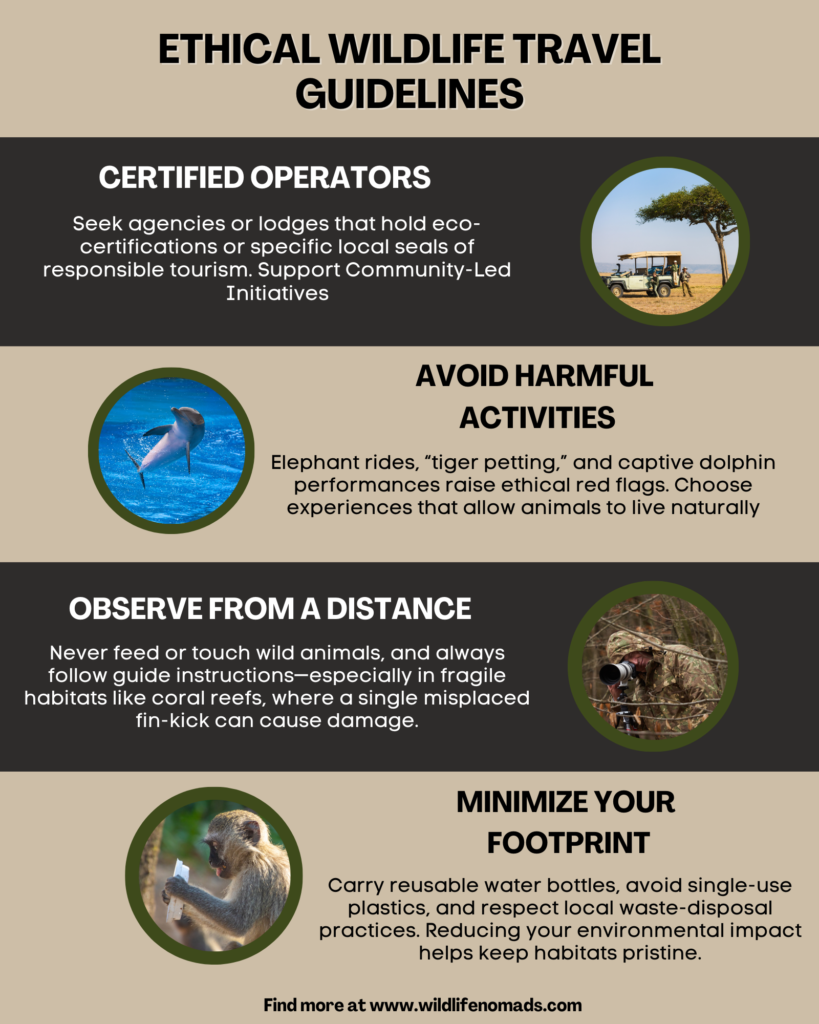
Responsible Whale Watching: Protecting the Giants
The success of mexico whale watching depends on sustainable practices that prioritize whale welfare over tourist satisfaction. Mexico has implemented strict regulations governing whale watching activities, but responsible tourism requires cooperation from operators and visitors alike.
Key Guidelines:
- Maintain minimum distances (100 meters for most species)
- Limit interaction time (30 minutes maximum per whale)
- Avoid loud noises and sudden movements
- Never attempt to touch or feed whales
- Respect nursing mothers and calves by maintaining greater distances
Conservation Impact: Tourism revenue directly funds whale research and conservation efforts throughout Mexico. Many tour operators contribute portions of their profits to organizations studying whale populations, migration patterns, and habitat protection.
Planning Your Mexico Whale Watching Adventure
Pre-Trip Preparation
Weather Considerations: Pacific waters can be rough, especially during winter months. Pack motion sickness remedies even if you don’t typically get seasick.
What to Bring:
- Polarized sunglasses and hat
- Reef-safe sunscreen (required by law in many areas)
- Waterproof camera or phone case
- Light jacket for early morning tours
- Binoculars for distant sightings
Booking Strategy: Reserve tours in advance during peak season (February-March), but maintain flexibility for weather-dependent cancellations.
Maximizing Your Chances
Best Times of Day: Early morning tours (7-10 AM) often provide calmer seas and more active whale behavior before winds pick up.
Weather Windows: Choose days with minimal wind and clear visibility. Local operators can provide guidance on optimal conditions.
Multiple Attempts: Consider booking multiple tours if your schedule allows. Whale behavior is unpredictable, and each outing offers unique opportunities.
Beyond Whales: Mexico’s Marine Biodiversity
While whales steal the spotlight, mexico whale watching tours frequently encounter incredible marine diversity:
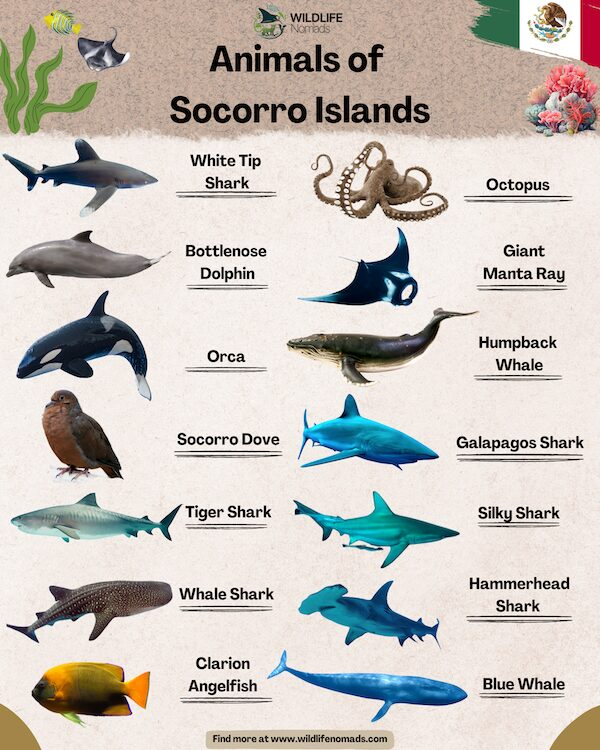
Dolphins: Multiple species including bottlenose, spinner, and Pacific white-sided dolphins Sea Lions: Playful California sea lions frequent many whale watching areas Manta Rays: Giant Pacific mantas glide through the same waters as whales Whale Sharks: The world’s largest fish shares Mexican waters seasonally Sea Turtles: Multiple species including olive ridley, hawksbill, and leatherback turtles
This biodiversity transforms whale watching tours into comprehensive marine wildlife experiences that justify Mexico’s reputation as a world-class eco-tourism destination.
Seasonal Variations and Climate Considerations
El Niño/La Niña Effects: Climate patterns significantly impact whale migrations and food availability. El Niño years often result in later arrivals and different distribution patterns, while La Niña years typically produce more predictable migrations.
Hurricane Season Impact: While whale season occurs outside hurricane season, late-season storms can affect water temperatures and prey distribution, influencing whale behavior.
Local Weather Patterns: Each region experiences unique microclimates that affect tour conditions:
- Baja California: Generally calmer conditions, but occasional strong winds
- Puerto Vallarta: More tropical climate with higher humidity
- Cabo San Lucas: Desert climate with minimal rainfall but potential for rough seas
The Future of Mexico Whale Watching
Mexico’s whale watching industry continues evolving toward more sustainable and educational experiences. Recent developments include:
Technology Integration: Hydrophone systems allow tourists to hear whale songs, while underwater cameras provide glimpses beneath the surface without disturbing animals.
Research Partnerships: Many tour operators now collaborate with marine biologists, allowing tourists to contribute to citizen science projects through photo identification and behavior documentation.
Community Involvement: Indigenous communities increasingly participate in whale watching tourism, sharing traditional knowledge while benefiting economically from conservation efforts.
Climate Change Adaptation: Operators are adapting to shifting migration patterns and timing changes potentially linked to climate change, emphasizing the importance of flexible, knowledgeable guides.
Making the Most of Your Mexican Whale Adventure
The magic of mexico whale watching extends far beyond the moment a whale breaches beside your boat. It’s about connecting with nature’s largest creatures in their natural habitat, understanding the delicate balance of marine ecosystems, and supporting conservation efforts that ensure future generations can experience the same wonder.
Each whale encounter tells a story – of epic migrations spanning thousands of miles, of ancient instincts driving modern behaviors, and of the remarkable recovery of species once pushed to the brink of extinction. When you witness a gray whale calf taking its first breaths in a Baja lagoon or hear the haunting songs of humpback whales in Puerto Vallarta’s bay, you’re participating in one of nature’s most incredible cycles.
The best time for whale watching in mexico isn’t just about optimal weather conditions or peak migration timing – it’s about understanding that every moment spent in the presence of these ocean giants is a privilege that comes with responsibility. By choosing ethical operators, respecting wildlife guidelines, and supporting conservation efforts, whale watchers become part of the solution to protecting these magnificent creatures for future generations.
Common Questions About Whales in Mexico
Cancún is more famous for whale sharks (the largest fish in the sea), but humpbacks, Bryde’s whales, and even orcas appear sporadically. If you’re set on a guaranteed whale encounter, the Pacific side is more consistent.
While no wildlife encounter is 100% guaranteed, certain hotspots—like Baja lagoons for gray whales—offer extremely high success rates during peak months. Many local operators post seasonal sighting statistics.
It depends on the area. Popular hubs, such as Los Cabos or Puerto Vallarta in February, can see tours fill up quickly. Booking a week or two in advance is usually wise, especially if you have limited travel days.
Humpbacks and gray whales top the list in terms of frequency, though the Pacific lagoons are specifically known for gray whales. Humpbacks can be found along much of the Pacific coastline.
Do you Want to Experience Whale Watching in Mexico?
See our recommendations below. If you are looking for other animal and wildlife experiences, yoi can visit our recommendations here: Wildlife Tours.
This website is reader-supported. When you book a wildlife experiences through links listed on this site, we may earn an affiliate commission.