

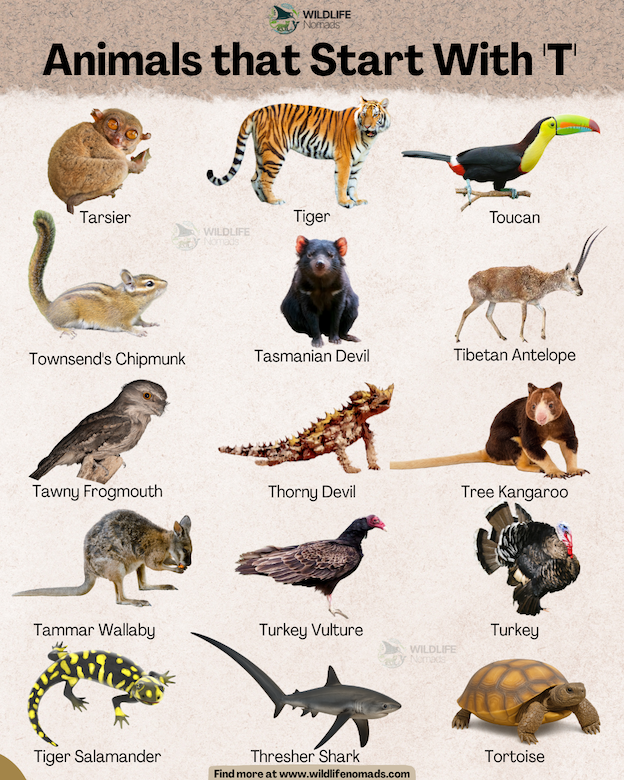
Have you ever been playing that game where someone shouts a letter and you scramble for animal names? It happened to me last week with my niece on a road trip. She picked T. I rattled off twenty species before my coffee got cold. The letter T is a treasure trove in the animal kingdom, packed with iconic predatory animals, bizarre primates, and creatures most people have never heard of.
Mammals: Predators, Marsupials, and Primates
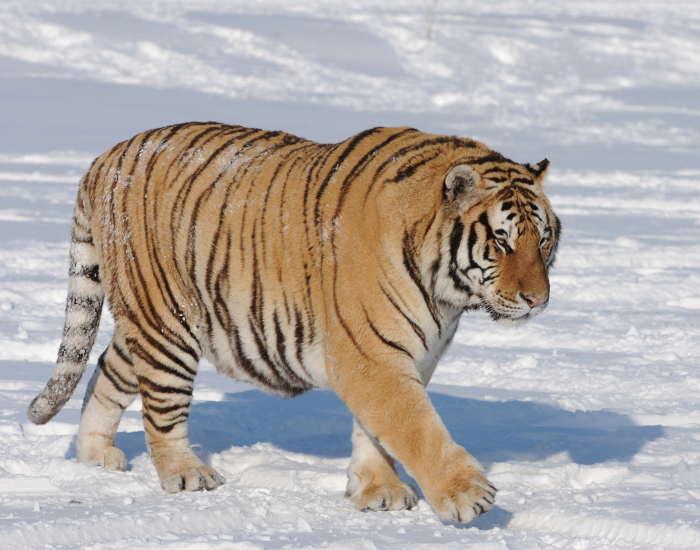
1. Bengal Tiger
The tiger is the world’s largest cat species and one of the most well known animals on Earth. With its orange coat and bold black stripes, the tiger is an apex predator capable of taking down a water buffalo three times its weight. Fewer than 4,000 tigers remain, making it one of the most iconic endangered animals on the planet. Tigers carry deep cultural weight across Asia, symbolizing power, courage, and royalty. Read my full piece on Bengal tiger facts for more.
2. Tasmanian Devil
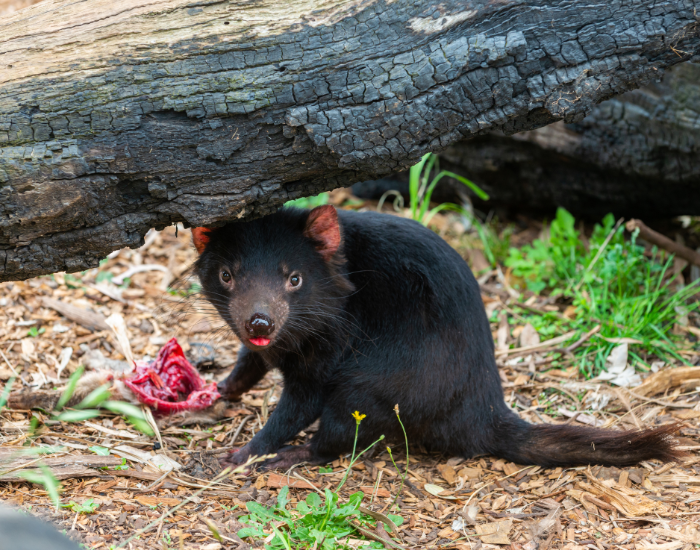
The Tasmanian devil is a carnivorous marsupial native to Tasmania and one of the loudest animals beginning with the letter T. Its growls can rattle a tin shed at fifty meters. On a road trip to Tasmania in 2022, I watched two devils tear into a carcass at the Bonorong Wildlife Sanctuary, and the racket was unreal.
Devils are scavengers and living predators rolled into one. They eat everything: bones, fur, the lot. A contagious facial tumor disease has decimated wild populations since the 1990s. For context, see my posts on animals of Australia and what are marsupials.
3. Tapir
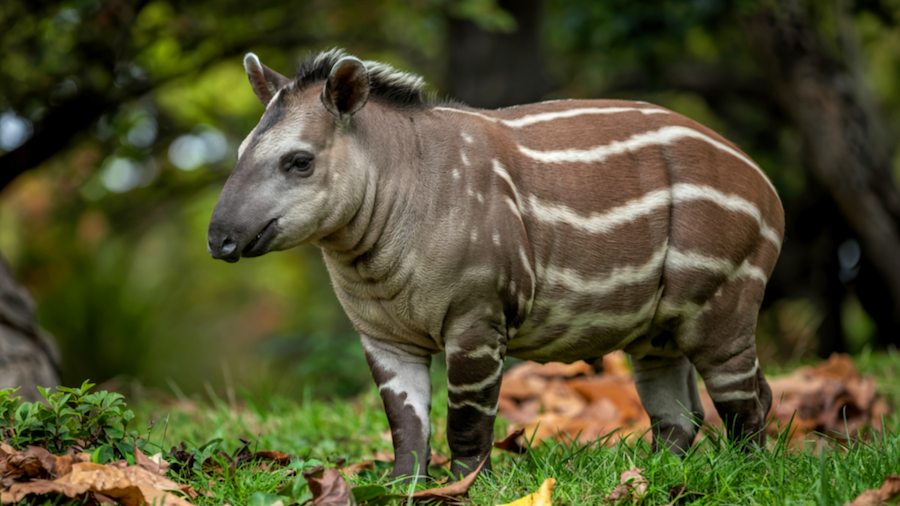
Tapirs are large, pig-like herbivorous animals with flexible, prehensile noses and a deep evolutionary history. There are five species of tapir, including the Brazilian tapir from South America and the Malayan tapir from southeast Asia.
Tapirs are crucial seed dispersers in the tropics and are closely related to horses and rhinos rather than pigs. Most species are threatened by deforestation. Dive deeper into facts about the tapir.
4. Tarsier
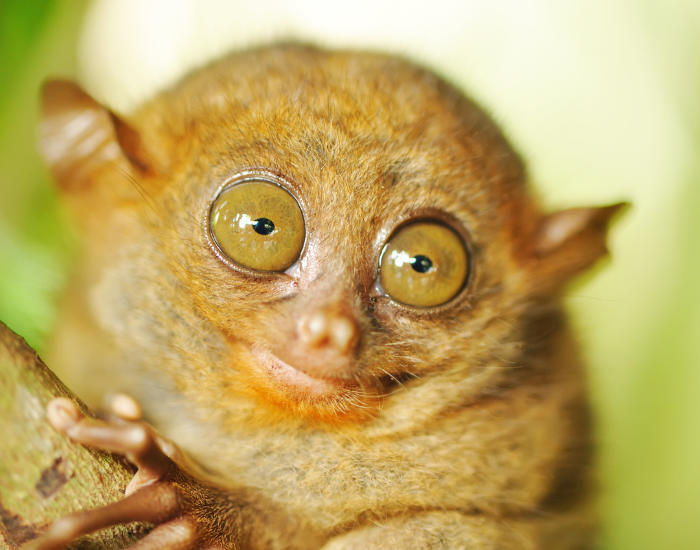
Tarsiers are tiny nocturnal animals and count among the strangest primates alive. Their eyes are larger than their brains, with each eyeball weighing more than the entire cranium can hold.
Tarsiers are entirely carnivorous, eating tiny insects, lizards, and small birds. They sit among the smallest animals beginning with T.
5. Tonkin Snub-Nosed Monkey
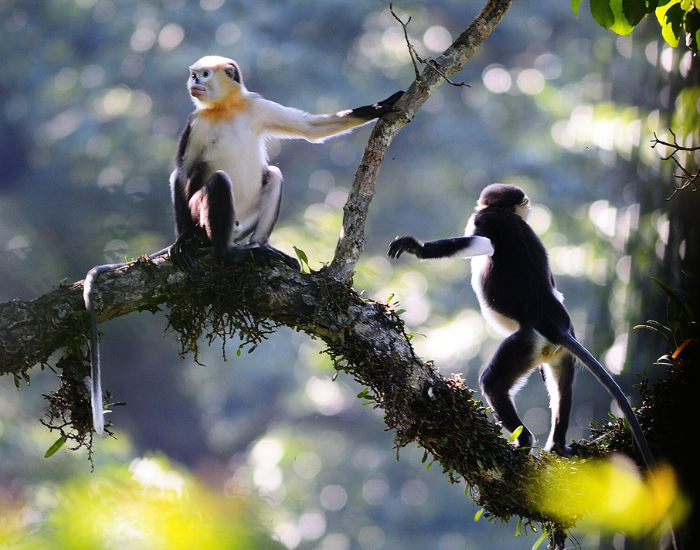
The Tonkin snub-nosed monkey is one of the rarest animals that lists rarely include, and one of the rarest primates anywhere. Fewer than 250 individuals survive in northern Vietnam, hidden in limestone karst forests.
Their upturned, almost cartoonish noses make them unmistakable. Habitat destruction and hunting have pushed them to the brink. This is what critically endangered animals start to look like once human pressure peaks.
6. Tapanuli Orangutan
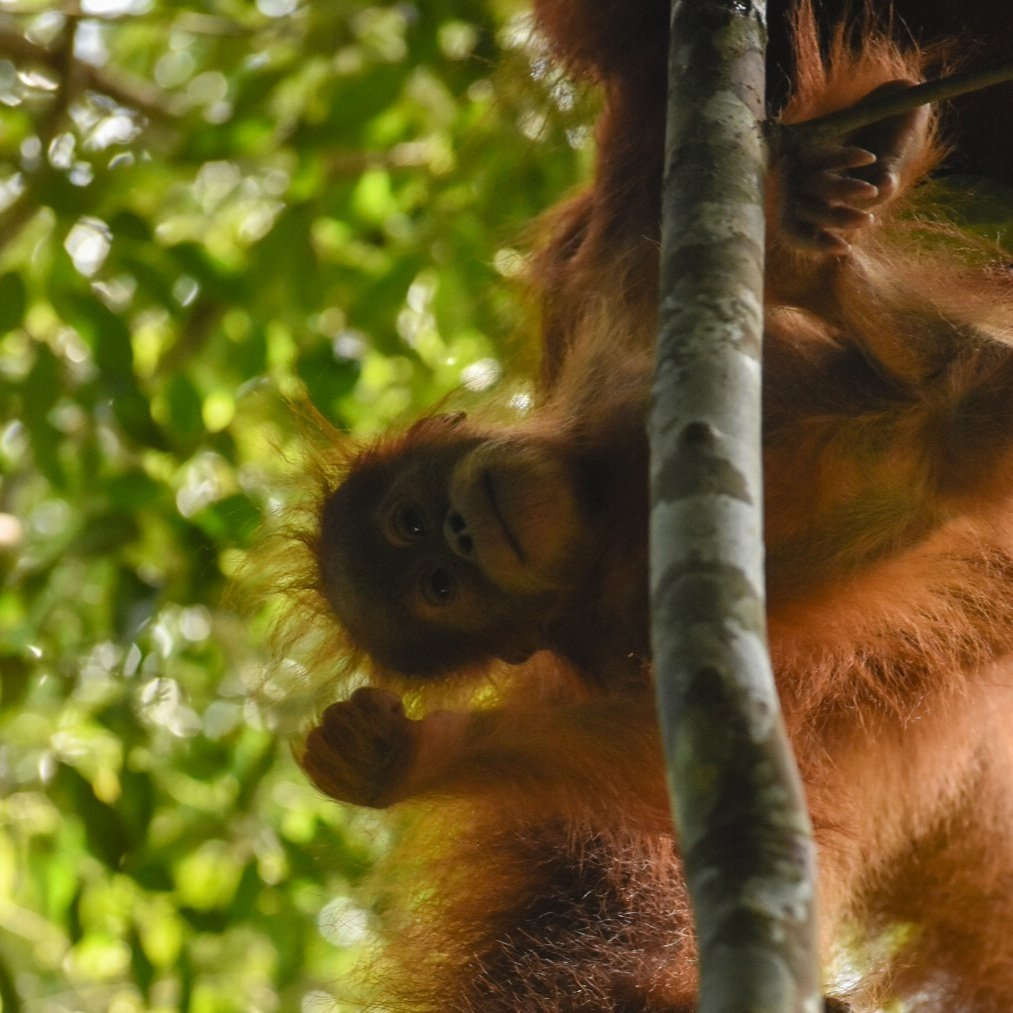
Recognized as a separate species in 2017, the Tapanuli orangutan is the rarest great ape on Earth. Only around 800 individuals survive in an isolated patch of Sumatran rainforest in southeast Asia. A planned hydroelectric dam threatens nearly a third of their habitat.
The Wildlife Nomads team travelled to North Sumatra in 2024 to find them, and we did. Watching a Tapanuli orangutan move through the Batang Toru canopy is something I will never forget, the population is so small that every individual sighting feels statistically improbable. Their discovery rewrote what scientists thought they knew about orangutan evolution and proved that even popular animal groups still hide major secrets.
7. Emperor Tamarin
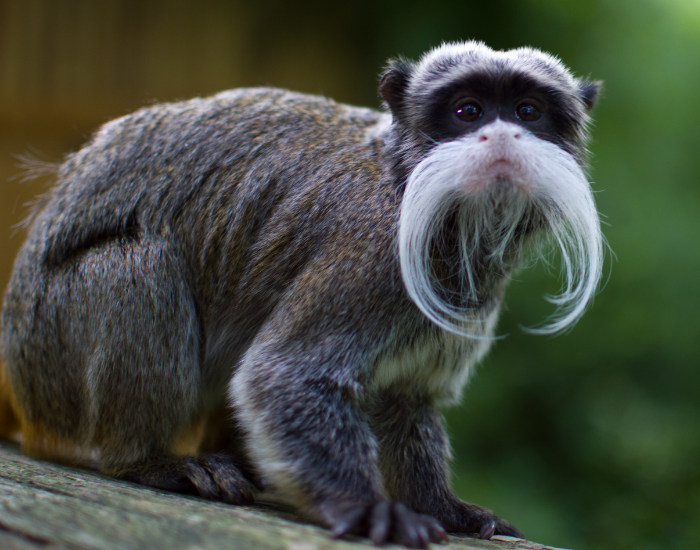
Tamarins are small monkeys found in Central and South America, with around fifteen recognized species across various species groups. The emperor tamarin earned its name from its glorious white mustache, which supposedly resembled Kaiser Wilhelm II’s facial hair.
Tamarins eat fruit, sap, and tiny insects. They are highly social, vocal, and constantly aware of predators above and below. Each troop carries its own story, I once spent two hours watching a single family argue over a single ripe fig.
Birds: Tropical Color and Nocturnal Stealth
8. Toucan
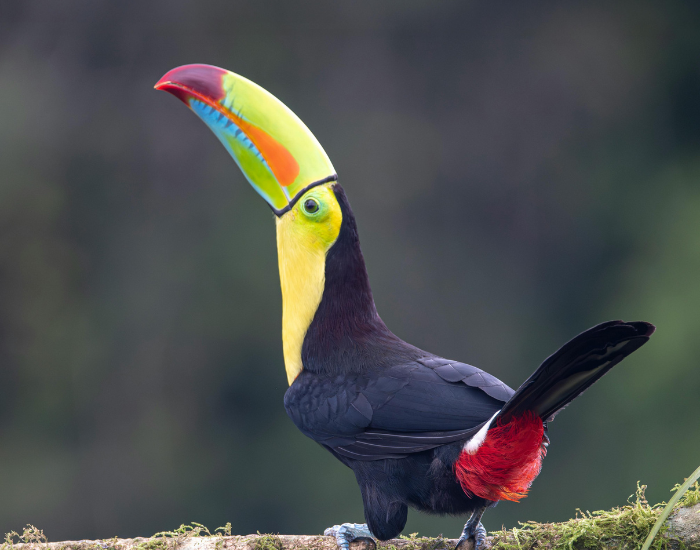
Toucans are brightly colored birds found in Central and South America, instantly recognizable by their enormous beaks. Those beaks are not just decoration. They help toucans reach fruit on thin branches and regulate body temperature by shedding heat.
I once watched a keel-billed toucan in South East Mexico swallow a fig whole, then sit motionless for ten minutes while it digested. They look clumsy in flight but glide with surprising precision between canopy gaps.
9. Tawny Frogmouth
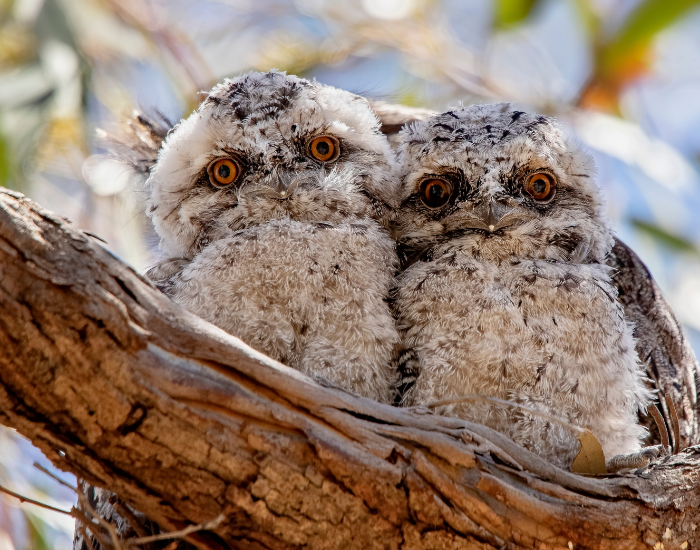
The tawny frogmouth is one of Australia’s most underrated nocturnal creatures—the kind of bird you only truly appreciate after a few night drives. People often mistake it for an owl… but it is more closely related to nightjars. Its bark-mimicking plumage makes it nearly invisible during the day.
10. Turkey Vulture
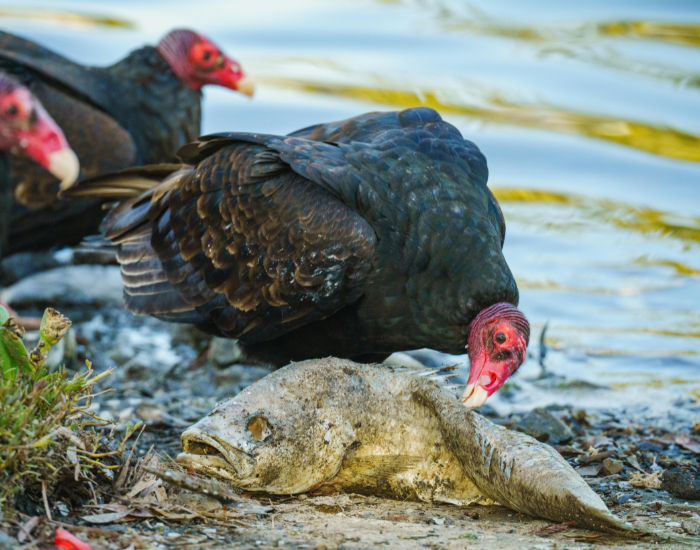
The turkey vulture is one of nature’s great recyclers, a scavenger with one of the keenest senses of smell among birds. They can detect a carcass from over a mile away. Turkey vultures live across the Americas, often hunting open savannas, deserts, and grasslands. I watch them in Baja riding thermals in lazy spirals.
Sea Animals: Two Iconic Sharks
11. Thresher Shark
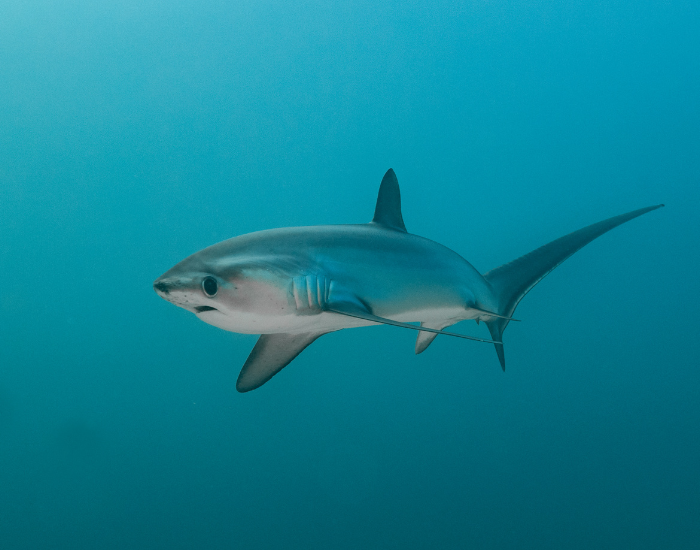
The thresher shark is easily one of the most extraordinary marine species on our list. It uses its enormous, scythe-like tail to whip to stun schools of fish before eating them. The Wildlife Nomads Team have dived with threshers off Malapascua Island in the Philippines, watching them rise from deep water at sunrise to visit cleaning stations. Three species of thresher exist, and all are listed as vulnerable or Endangered. Read thresher shark facts for the full breakdown.
12. Tiger Shark
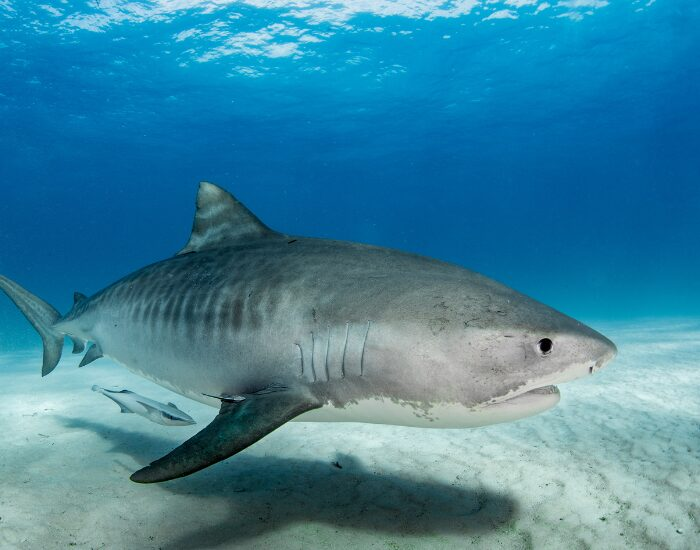
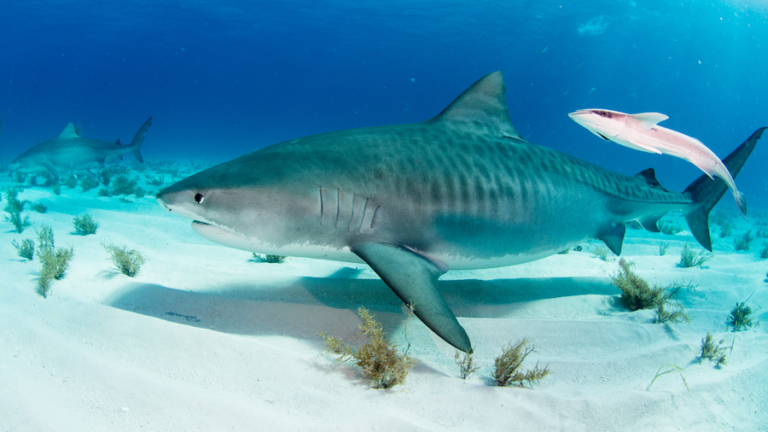
The tiger shark is a large, predatory fish that can reach lengths over 18 feet, making it one of the largest sea animals and the largest animal among T-named ocean predators. Tiger sharks are responsible for the second highest number of recorded shark attacks on humans, after great whites. They will eat almost anything, license plates have been found in their stomachs. They are calmer than their reputation suggests, but never careless company.
Reptiles and Amphibians
13. Tortoises: Galapagos Tortoise
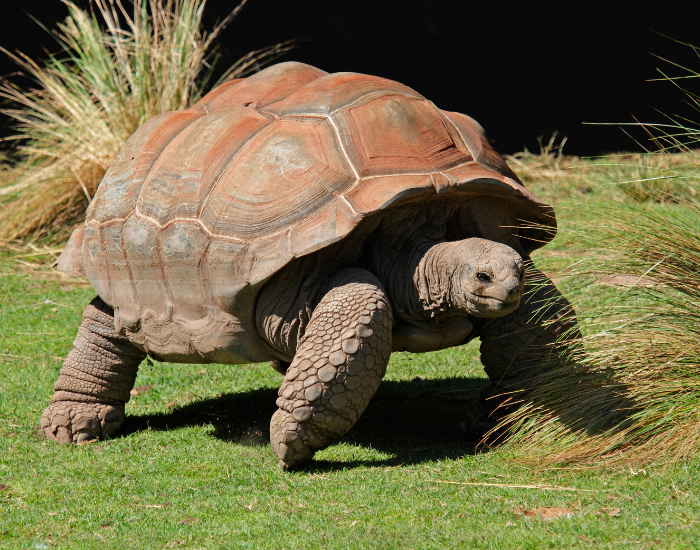
Tortoises are the world’s longest-living land animals, with some species surviving over 150 years. Reptiles start to feel ancient when you stand next to a Galapagos tortoise. There are still individuals alive today who hatched before electricity reached most homes.
Jackie visited Santa Cruz Island in 2023 and watched a 200-kilogram male slowly cross a trail. He gave zero acknowledgment that she existed. Around 45 tortoise species live worldwide today.
14. Tiger Salamander
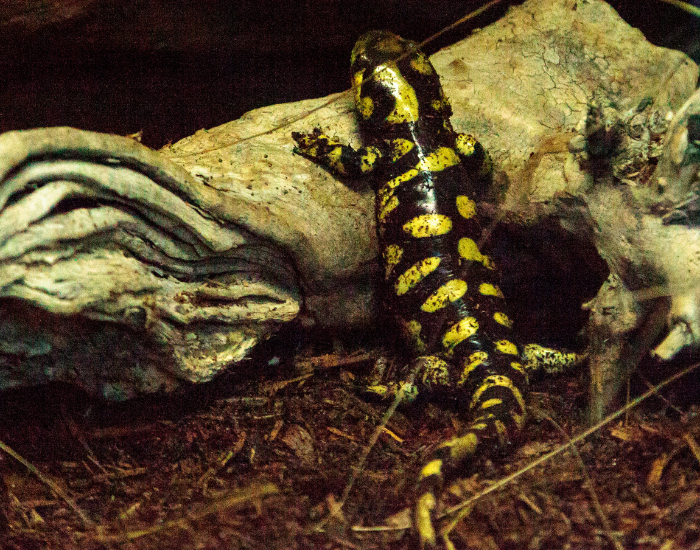
The tiger salamander is one of the largest terrestrial salamanders in North America, recognized by its yellow blotches across a dark body. Amphibians start to feel surreal when you find one in the wild. They live mostly underground and only emerge during heavy rain.
15. Australian Tree Frog
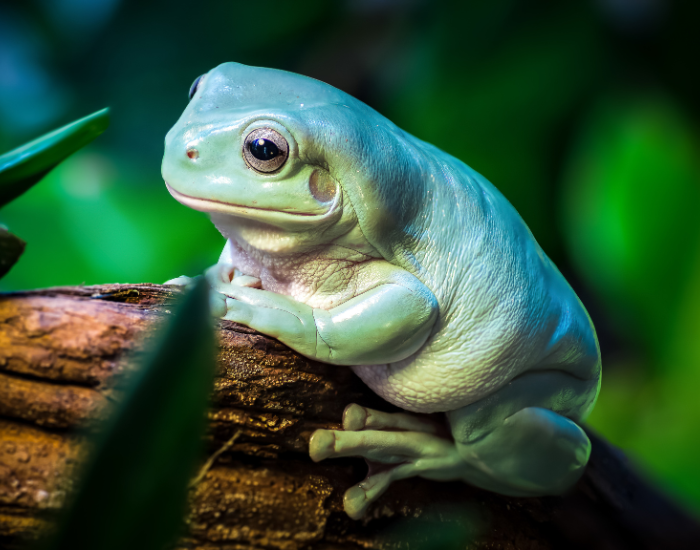
Tree frogs are some of the most diverse amphibians on the planet. The Australian green tree frog clings to my back porch most evenings during the wet season. Tree frogs use sticky toe pads to grip slick surfaces, and many species change color to regulate temperature.
I have written about three tree frog species: the eastern gray tree frog, the Australian white tree frog, and the Cuban tree frog. Each tree frog teaches me something different about how amphibians adapt to wildly different climates.
More Animals That Start With T Worth Knowing
The list above could easily double. Here are a few more animals that start with a T that deserve a quick mention.
The thorny devil is a small Australian lizard covered in spikes that channels morning dew along its skin straight to its mouth. I have watched a thorny devil drink standing in a puddle. The thorny devil eats ants almost exclusively, sometimes 3,000 in a single sitting. Few reptiles start with such bizarre adaptations.
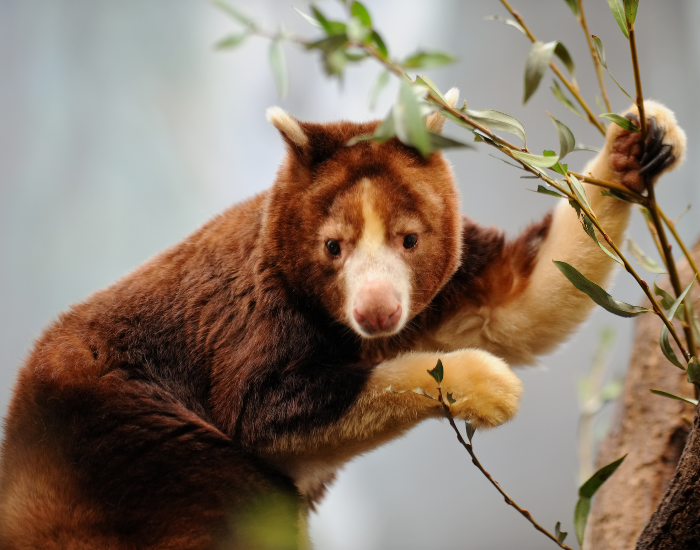
The tree kangaroo is a forest-dwelling marsupial from New Guinea and far northern Australia that climbs like a poorly engineered monkey. Tree kangaroo populations are declining fast from hunting and logging.
The tawny owl is Europe’s most familiar nocturnal raptor, while the insect world gets incredibly exciting once you meet the tiger beetle, among the fastest insects on Earth, sprinting at 9 km/h chasing prey. The tardigrade, also called a water bear, survives radiation, vacuum, and boiling water.
T also covers the most famous extinct predatory dinosaur, T. rex, plus the thornback ray in temperate seas and the Trinidad poison frog in South America. For freshwater fish, tetras dominate aquarium tanks worldwide.
Domesticated animals start with T as well. The tuxedo cat is a coat pattern rather than a breed, while the Tibetan terrier is an ancient herding dog from the Himalayan plateau. These domesticated animals start to remind us that T is not only about wilderness.
The Letter T can be Found in Every Branch of Life
From the apex tiger prowling Asian forests to the bizarre Tapanuli orangutan clinging to a single Sumatran ridge, the letter T offers a window into nearly every branch of the animal kingdom.
Pick one species above and look it up tonight. Better yet, plan a trip to actually see it. If you want to keep exploring, my pieces on Bengal tigers, tapir field notes, and thresher sharks are good next stops. Drop your favorite T animal in the comments — I read every one.
References:
Nater, A., Mattle-Greminger, M. P., Nurcahyo, A., Nowak, M. G., de Manuel, M., Desai, T., … & Krützen, M. (2017). Morphometric, behavioral, and genomic evidence for a new orangutan species. Current Biology, 27(22), 3487–3498. https://doi.org/10.1016/j.cub.2017.09.047
Goodrich, J., Lynam, A., Miquelle, D., Wibisono, H., Kawanishi, K., Pattanavibool, A., & Karanth, U. (2015). Panthera tigris. The IUCN Red List of Threatened Species. https://doi.org/10.2305/IUCN.UK.2015-2.RLTS.T15955A50659951.en
Oliver, S. P., Turner, J. R., Gann, K., Silvosa, M., & D’Urban Jackson, T. (2013). Thresher sharks use tail-slaps as a hunting strategy. PLOS ONE, 8(7), e67380. https://doi.org/10.1371/journal.pone.0067380
Rigby, C.L., Barreto, R., Carlson, J., Fernando, D., Fordham, S., Francis, M.P., Herman, K., Jabado, R.W., Liu, K.M., Marshall, A., Pacoureau, N., Romanov, E., Sherley, R.B. & Winker, H. (2019). Alopias pelagicus. The IUCN Red List of Threatened Species 2019: e.T161597A68607857. https://dx.doi.org/10.2305/IUCN.UK.2019-3.RLTS.T161597A68607857.en.
Hawkins, C. E., Baars, C., Hesterman, H., Hocking, G. J., Jones, M. E., Lazenby, B., & Wiersma, J. (2006). Emerging disease and population decline of an island endemic, the Tasmanian devil Sarcophilus harrisii. Biological Conservation, 131(2), 307–324. https://doi.org/10.1016/j.biocon.2006.04.010




.jpg)