This website is reader-supported. When you book wildlife experiences through links on this site, we may earn an affiliate commission.
I was born in Oaxaca and lived in Mexico for 26 years. Even so, I’m still discovering how wild my own country is.
As a biologist, I’ve watched gray whales in Baja and condors over its mountains. I’ve also swum with whale sharks off Holbox. However, I have never seen a wild quetzal, and that bird is still on my list.
Below are the 17 best places to see wildlife in Mexico, with the best time to visit each. For every place, I also suggest wildlife tours you can book.
🇲🇽 Where in Mexico would you go?
Twelve questions on whale sharks, monarchs and quetzals. Read on, then test yourself at the end.
Jump to the quiz ↓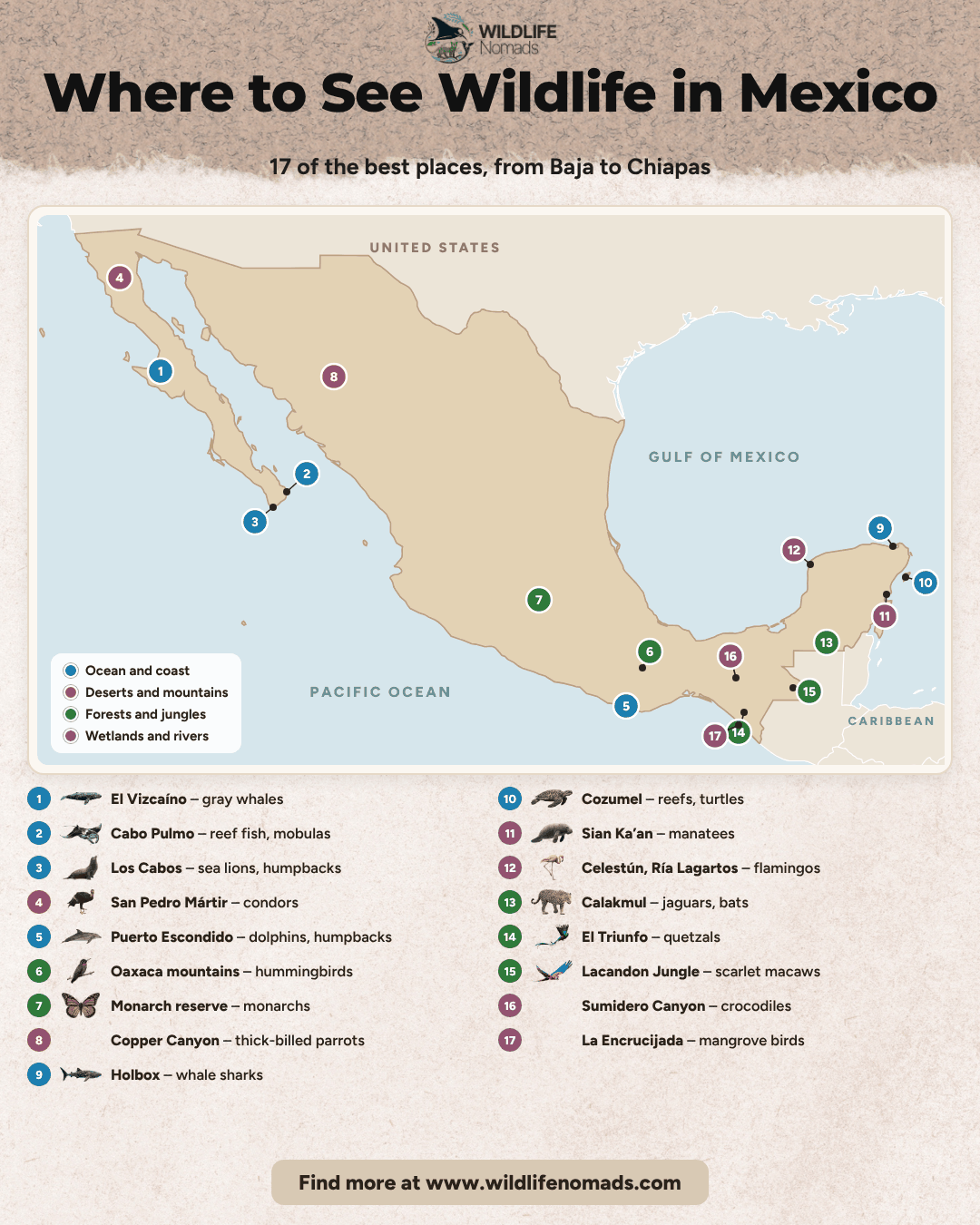
Why Is Mexico So Rich in Wildlife?
Mexico is one of the world’s megadiverse countries, home to roughly a tenth of all known species. Mexico’s animals range from desert specialists to rainforest jaguars.
It is especially rich in reptiles. A 2025 review counted 964 native reptile species, plus 435 amphibians. In fact, many of them live nowhere else on Earth.
The reason is geography. Mexico bridges North and South America, so species from both continents meet here. Deserts, cloud forests, coral reefs and lagoons also fit inside one country. As a result, you’ll find jaguars in tropical forests, gray whales in Pacific lagoons and macaws over the jungle canopy.
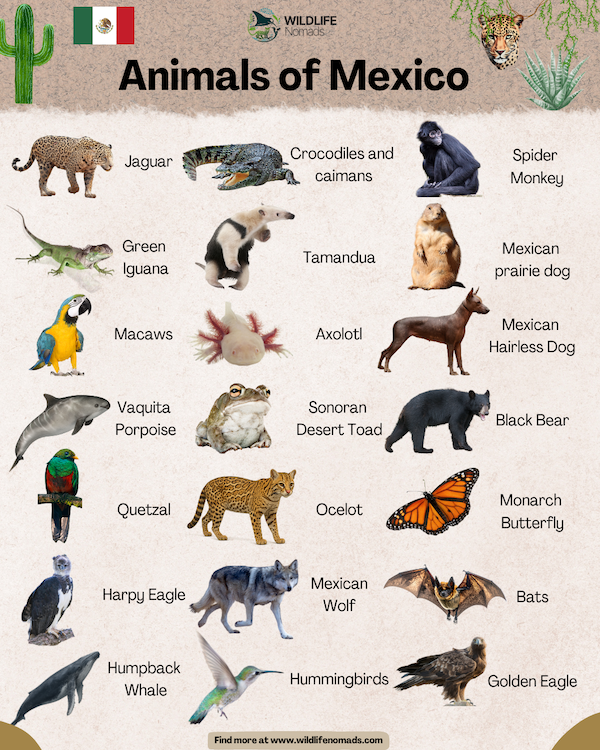
Mexico Wildlife Calendar at a Glance
| Place | State | Top wildlife | Best time |
|---|---|---|---|
| El Vizcaíno | Baja California Sur | Gray whales | January to March |
| Cabo Pulmo | Baja California Sur | Reef fish, bull sharks, mobula rays | June to November |
| Los Cabos | Baja California Sur | Sea lions, humpback whales | December to April for whales |
| Sierra de San Pedro Mártir | Baja California | California condors | Spring and autumn |
| Puerto Escondido | Oaxaca | Dolphins, humpbacks, sea turtles | December to April for whales |
| Oaxaca’s mountains | Oaxaca | Hummingbirds | Year-round |
| Monarch Butterfly Reserve | Michoacán and State of Mexico | Monarch butterflies | January and February |
| Copper Canyon | Chihuahua | Thick-billed parrots, black bears | October to April |
| Holbox | Quintana Roo | Whale sharks, flamingos | Late June to August |
| Cozumel | Quintana Roo | Coral reefs, sea turtles | Year-round |
| Sian Ka’an | Quintana Roo | Manatees, crocodiles, birds | November to April |
| Celestún and Ría Lagartos | Yucatán | American flamingos | December to February |
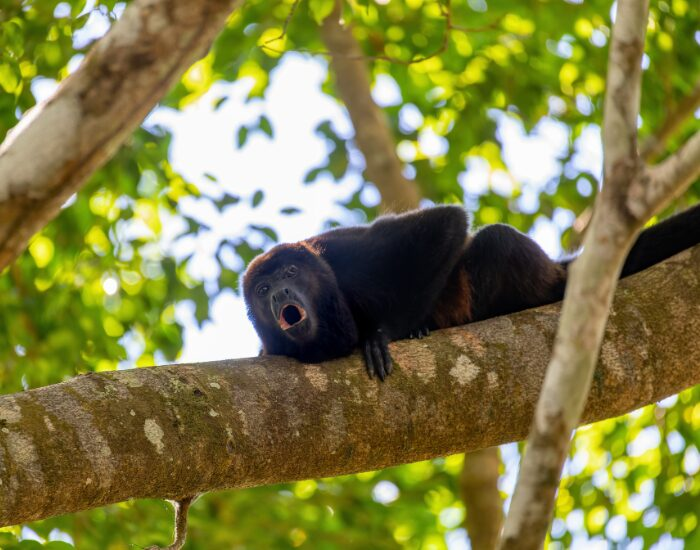
| Calakmul | Campeche | Jaguars, howler monkeys, bats | November to April |
| El Triunfo | Chiapas | Resplendent quetzals | March to May |
| Lacandon Jungle | Chiapas | Scarlet macaws, tapirs | November to April |
| Sumidero Canyon | Chiapas | Crocodiles, spider monkeys | December to May |
| La Encrucijada | Chiapas | Mangrove birds, crocodiles | December to May |
1. El Vizcaíno Biosphere Reserve, Baja California Sur
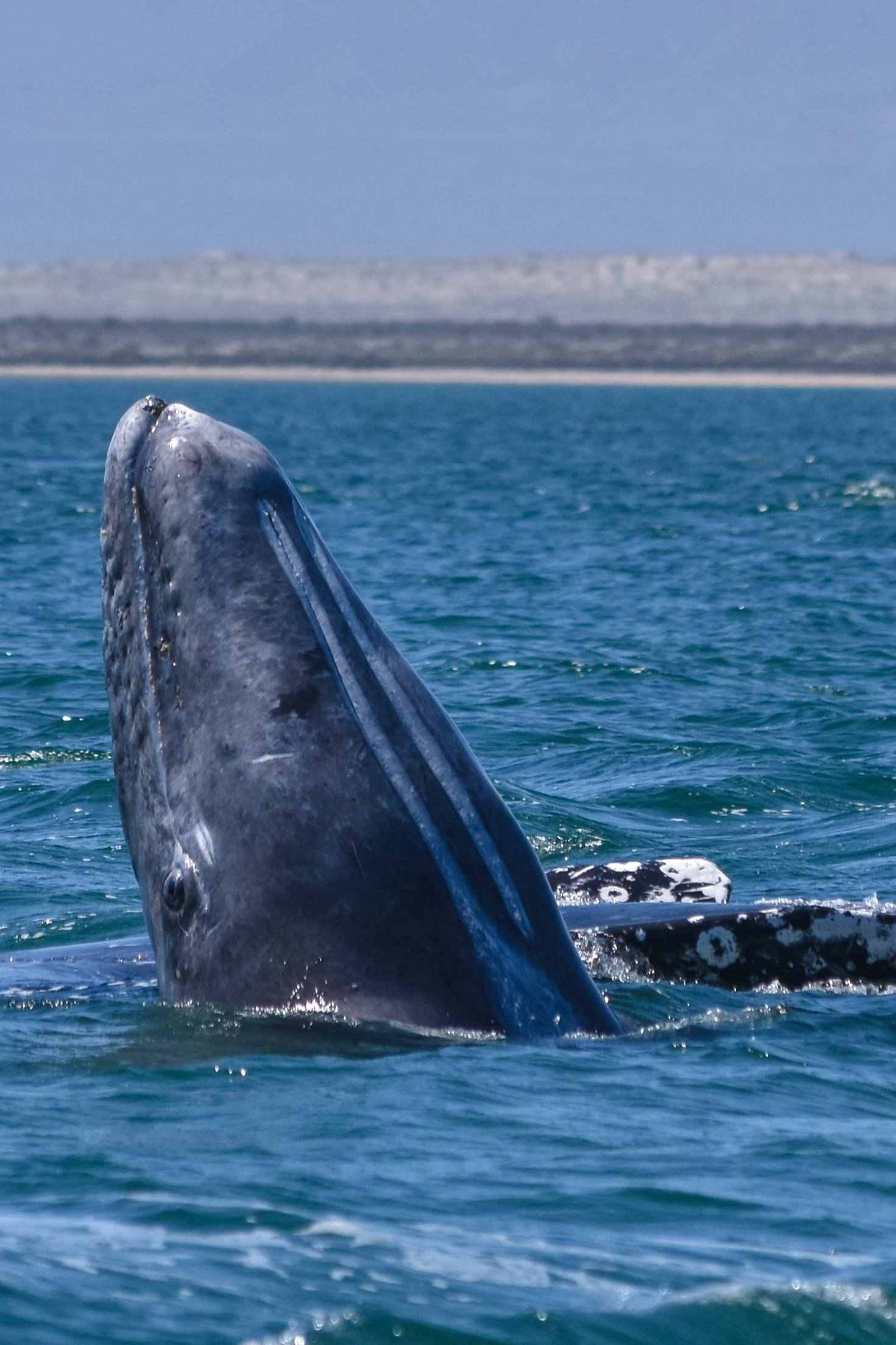
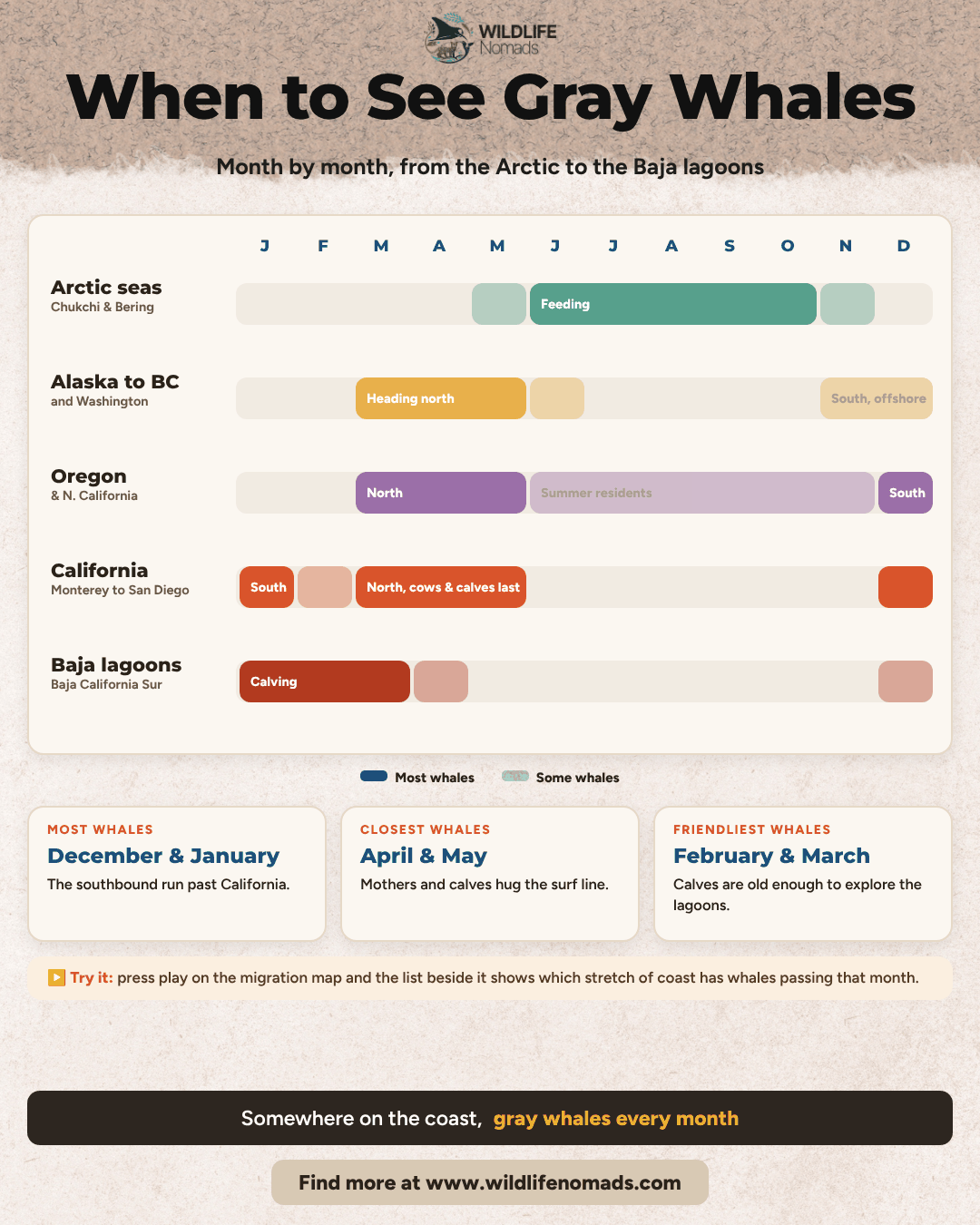
El Vizcaíno protects the lagoons where gray whales give birth. Each winter, they swim up to about 10,000 km from the Arctic to Ojo de Liebre and San Ignacio lagoons.
Gray whales are especially close to my heart. In my final undergraduate semester, I spent three weeks in Baja on a field trip. In one lagoon, a mother surfaced beside our small boat. Then she eased her calf towards us, within arm’s reach. Afterwards, a friend of mine cried.
Sadly, these whales are struggling. NOAA estimated about 13,000 in 2025, the lowest count since the 1970s. Scientists link the decline to changing Arctic food supplies. Read my story of gray whale ecotourism in Mexico and follow their journey on our gray whale migration map.
On land, also look for coyotes, hawks and the endangered peninsular pronghorn.
Best time to visit: January to March, when mothers and calves fill the lagoons.
Recommended Wildlife Experiences in Baja California Sur
2. Cabo Pulmo National Park, Baja California Sur
Cabo Pulmo is a true conservation success story. In 1995, local fishing families backed a no-take marine park.
As a result, the fish came back. Between 1999 and 2009, fish biomass rose by 463%. Marine ecologist Enric Sala, one of my inspirations, co-authored that study.
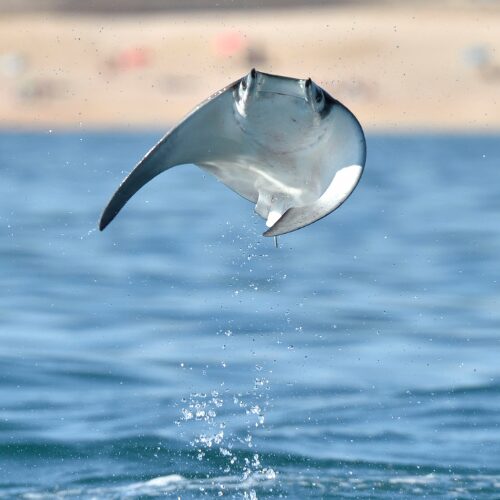
I have also scuba dived here myself. Today, divers meet huge schools of fish, bull sharks, sea lions and leaping mobula rays. Explore more sites in my guide to scuba diving in Mexico.
Best time to visit: June to November, when the water is warmest.
Recommended Wildlife Experiences in Cabo Pulmo National Park
3. Los Cabos, Baja California Sur
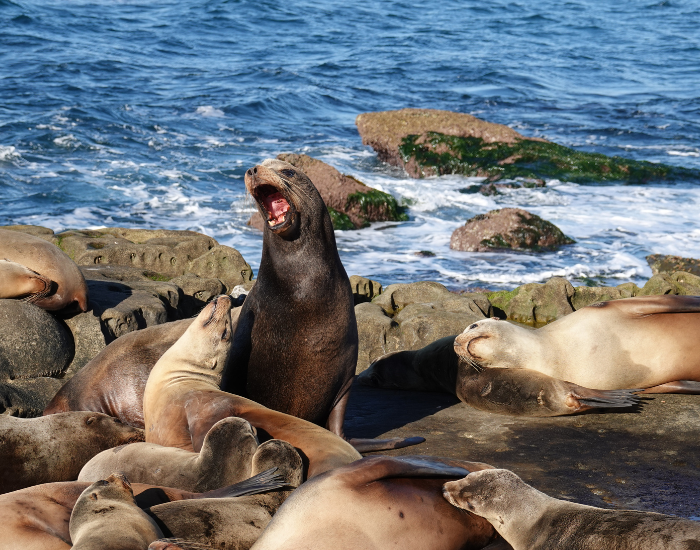
At the tip of the Baja Peninsula, the Pacific meets the Sea of Cortez. There, I first watched California sea lions lounging on the rocks near Land’s End.
From December to April, humpback whales also arrive to breed. In fact, you can often see them blowing and breaching from the shore. Learn more in my guide to whale watching in Mexico.
Best time to visit: Year-round for sea lions; December to April for humpbacks.
4. Sierra de San Pedro Mártir, Baja California
These pine-covered mountains hold Baja’s highest peaks, such as Picacho del Diablo. They are also home to one of conservation’s great comebacks.
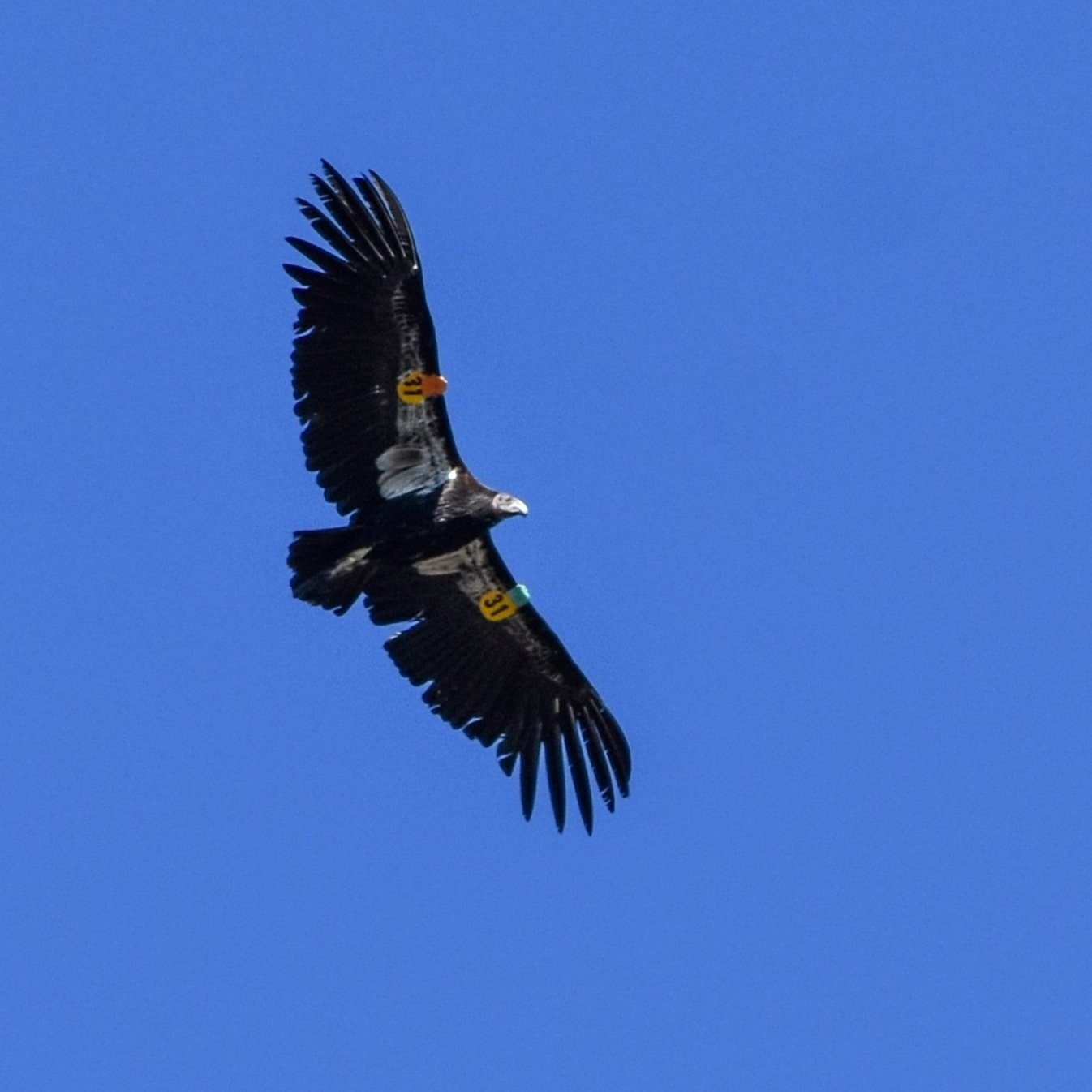
By 1987, just 27 California condors survived, all of them in captivity. Then, in 2002, condors returned to San Pedro Mártir. Today, more than 40 fly free in Mexico. Read the California condor’s comeback story.
On my Baja field trip, we visited a condor project here with the organisation Terra Peninsular. I watched a condor soar overhead, and I also saw coyotes.
Best time to visit: Spring and autumn, when mountain roads are open and temperatures are mild.
5. Puerto Escondido, Oaxaca
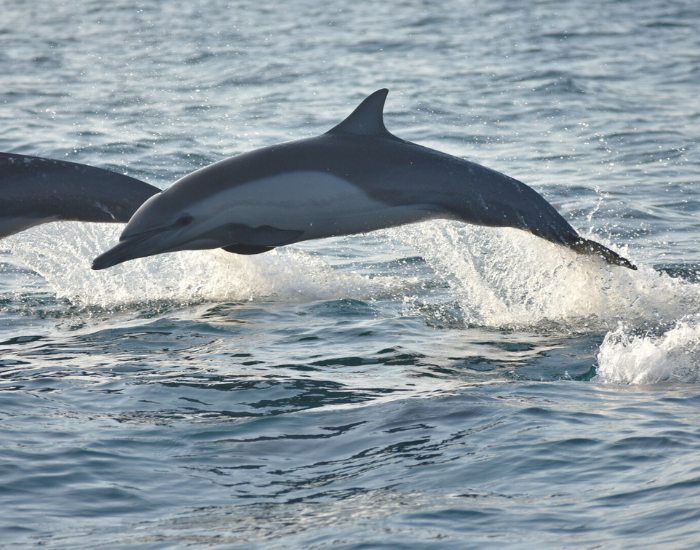
Puerto Escondido is famous for surfing, but its wildlife is just as good. I have joined boat tours here, for example, to see dolphins and whales.
From about December to April, humpbacks gather off Oaxaca to breed and nurse their calves. However, you can often spot them from the shore too.
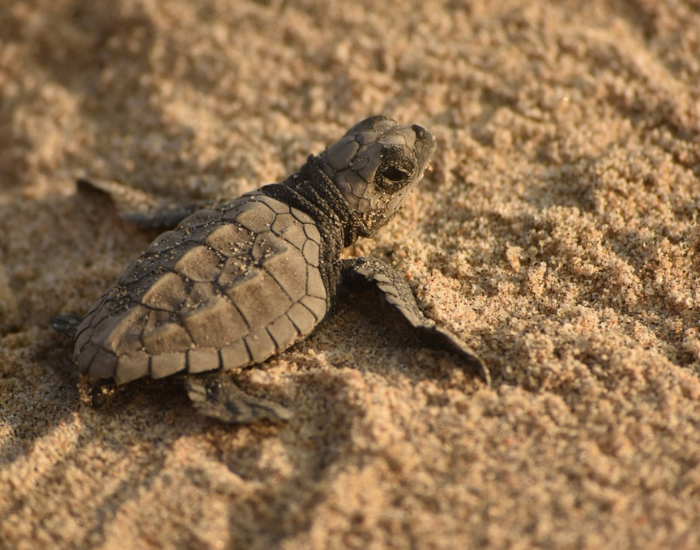
The beaches also host nesting sea turtles. Years ago, I helped release olive ridley hatchlings here. Track the humpbacks on our humpback whale migration map.
Best time to visit: December to April for whales; dolphins can be seen year-round.
6. The Mountains of Oaxaca
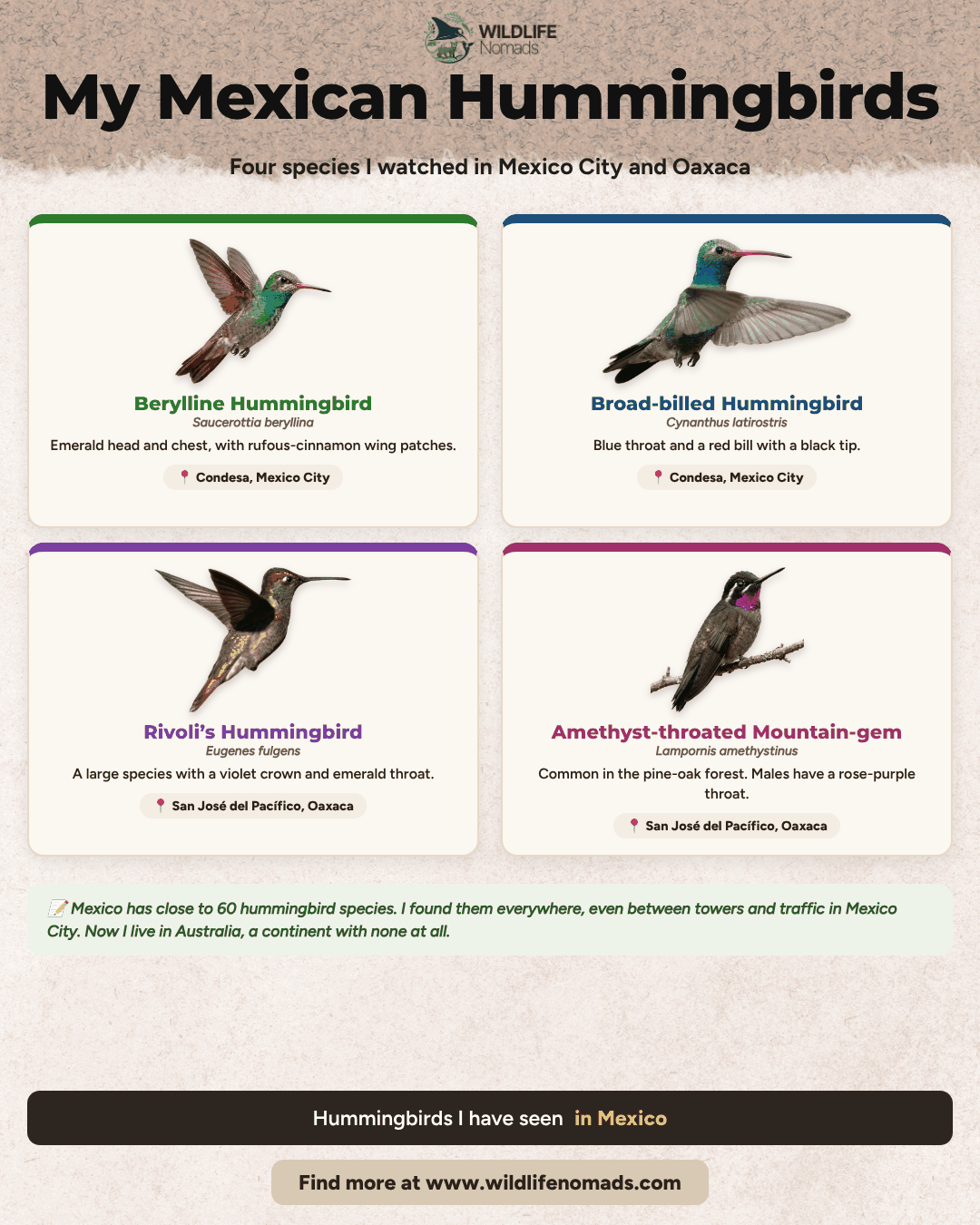
Inland, Oaxaca’s mountains are a paradise for birders. I’ve stayed in the misty village of San José del Pacífico at least five times.
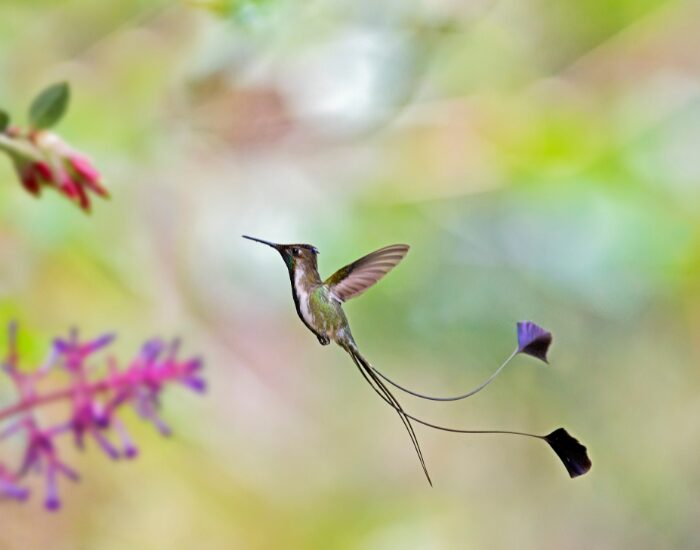
Every morning, especially at dawn, hummingbirds buzzed around the flowers. I saw Rivoli’s hummingbirds and amethyst-throated mountain-gems there. Because Mexico has around 60 hummingbird species, the mountains reward patience. See more in my birds of Mexico guide.
Best time to visit: Year-round; the dry months from November to April bring clearer views.
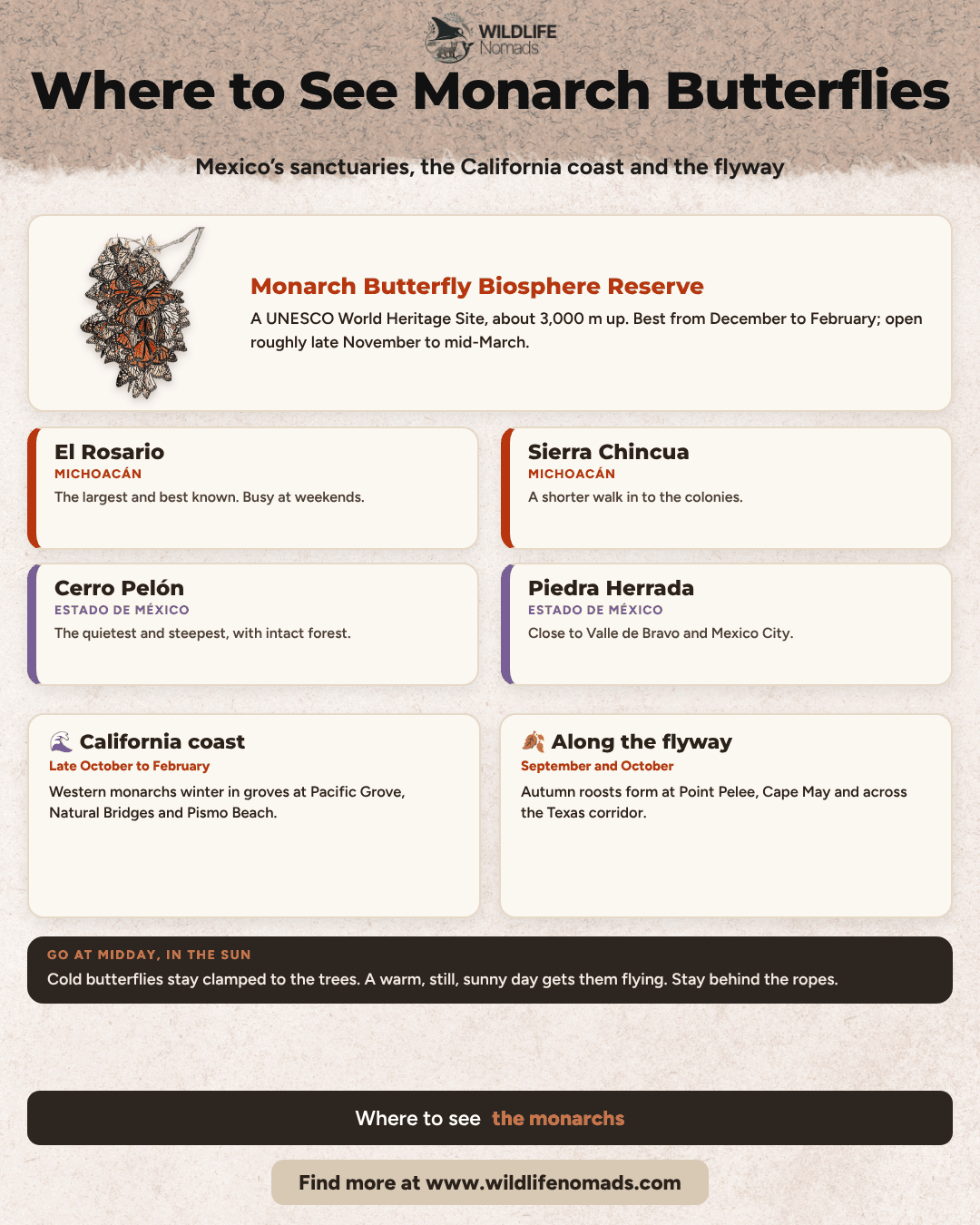
7. Monarch Butterfly Biosphere Reserve, Michoacán and State of Mexico
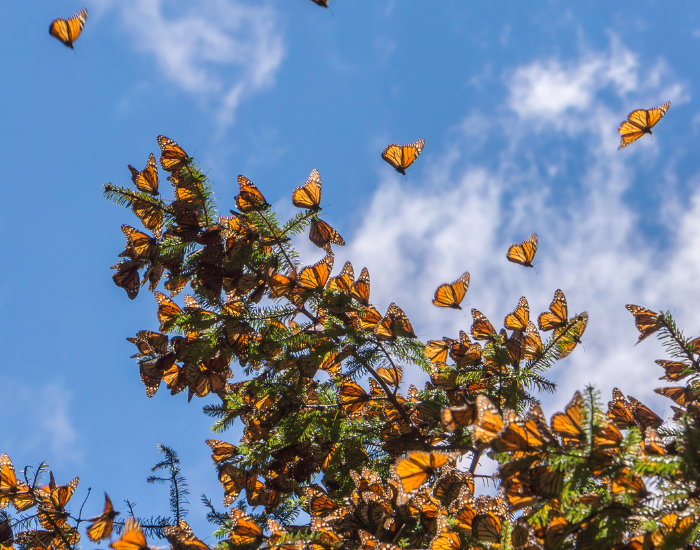
Each autumn, monarchs fly up to about 4,000 km from Canada and the United States. They spend winter clustered on oyamel firs in the Monarch Butterfly Biosphere Reserve.
I visited a sanctuary in Michoacán when I was about ten. I still remember the sheer number of butterflies covering the trees.
There’s good news too. In winter 2025–26, the colonies covered about 2.9 hectares, up 64% on the year before. Still, the long-term trend is down. Learn more facts about monarch butterflies and follow the monarch migration.
Best time to visit: November to March, with January and February at their peak.
Recommended Wildlife Experiences in the Monarch Butterfly Biosphere Reserve
8. Copper Canyon, Chihuahua
Copper Canyon is a network of canyons larger and deeper in places than the Grand Canyon. Its pine forests also shelter black bears, pumas and golden eagles.
Look for the endangered thick-billed parrot too, which nests in the Sierra Madre Occidental. The region is also home to the Rarámuri people, whose culture adds depth to any visit.
Best time to visit: October to April, when the weather is cooler for hiking.
9. Holbox Island, Quintana Roo
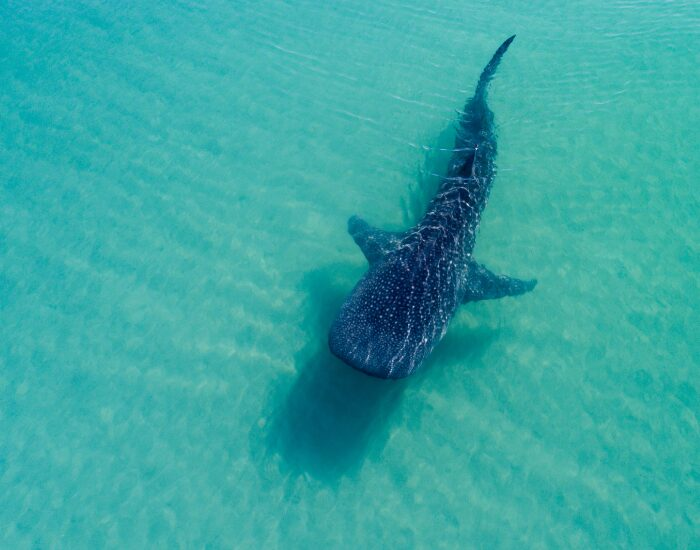
Off the Yucatán Peninsula, Isla Holbox is a calm island famous for marine life. Here, I had one of my best wildlife encounters.
First, I swam with whale sharks, the world’s biggest fish. Then I watched two sea turtles battle a juvenile nurse shark for the head of a big dead fish.
Holbox can get crowded, so choose a licensed operator that follows the rules. For instance, only two swimmers and a guide may enter the water at once.
The island is great for birdwatching too, with flamingos and pelicans in its lagoons. Meanwhile, its mangroves are perfect for kayaking.
Best time to visit: 15 May to 17 September, the official season. Most sharks gather from late June to August.
Recommended Wildlife Experiences in Holbox
10. Cozumel, Quintana Roo
Cozumel sits on the Mesoamerican Reef, the largest reef system in the Western Hemisphere. Its reefs are also protected as a national park.
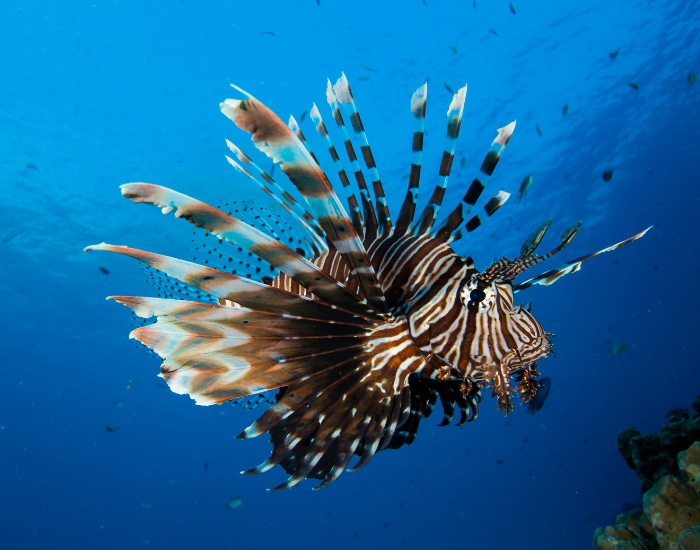
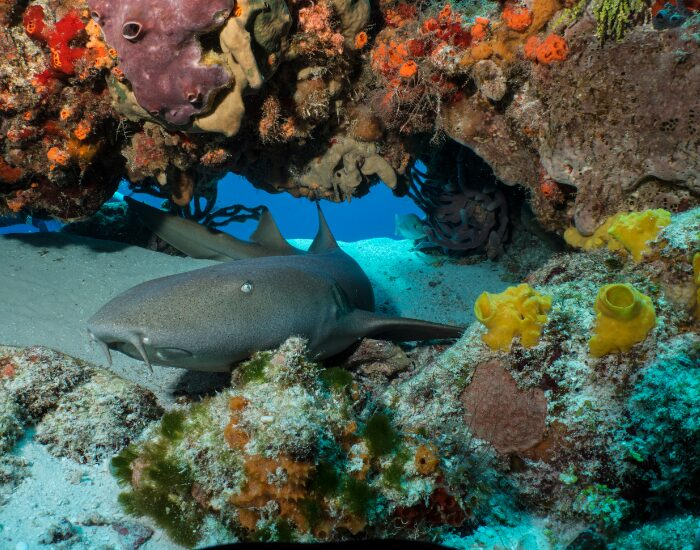
I’ve dived and snorkelled at Cozumel and around the Yucatán Peninsula. I saw nurse sharks, sea turtles and lots of lionfish, an invasive species here. Discover more coral reef fish or dive into our Coral Reef Explorer.
Best time to visit: Year-round, though hurricane season runs from June to November.
11. Sian Ka’an Biosphere Reserve, Quintana Roo
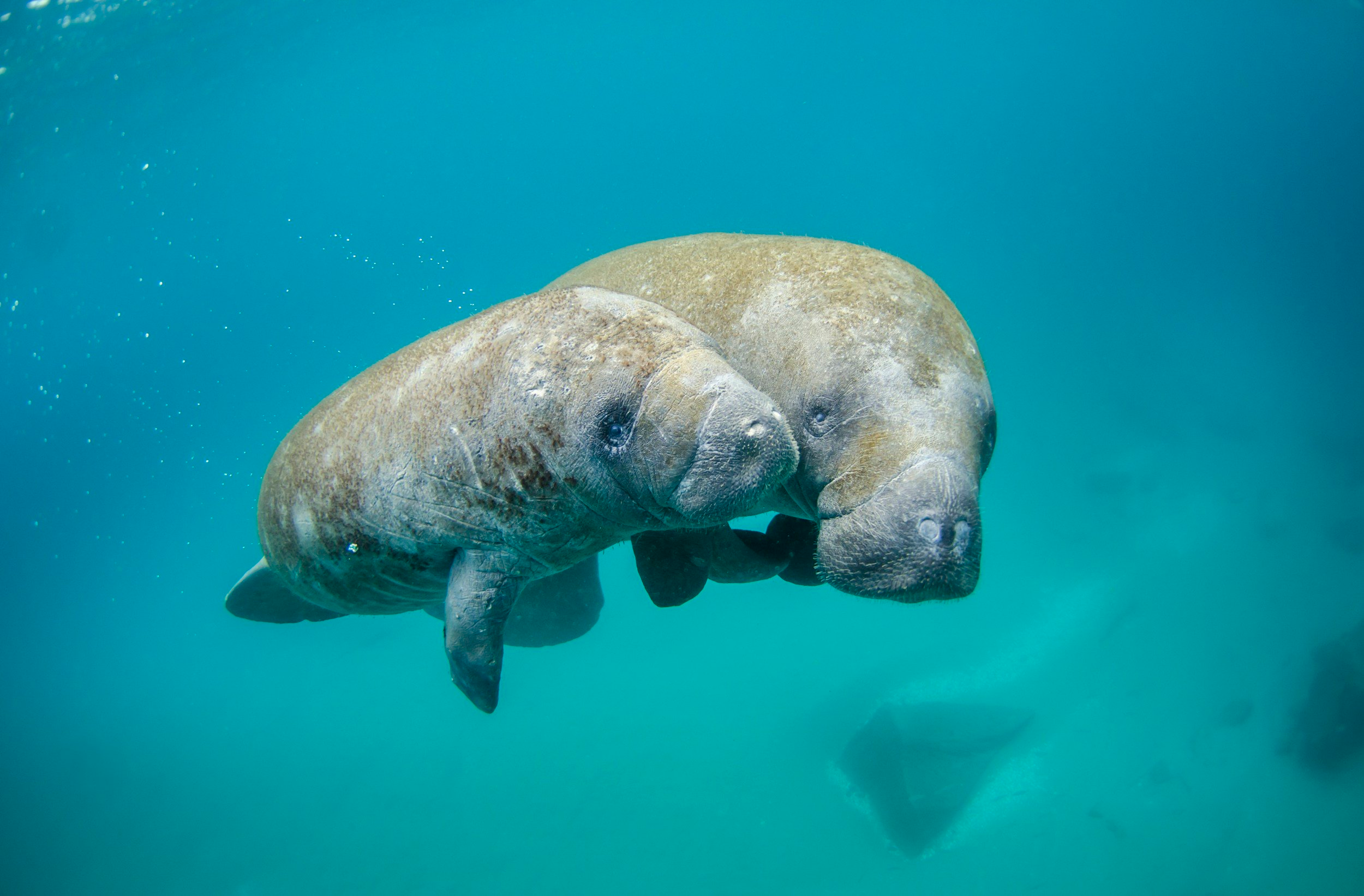
Near Tulum, Sian Ka’an is a UNESCO World Heritage Site covering more than 5,000 km². It protects tropical forest, mangroves, lagoons and part of the reef.
Boat tours here reveal manatees, crocodiles, dolphins and hundreds of bird species. Along the Riviera Maya, I’ve seen mangroves cleared for development, which makes reserves like this precious.
Best time to visit: November to April for dry weather; May to June and September to October for fewer crowds.
Recommended Wildlife Experiences in Sian Ka’an Biosphere Reserve
12. Celestún and Ría Lagartos, Yucatán
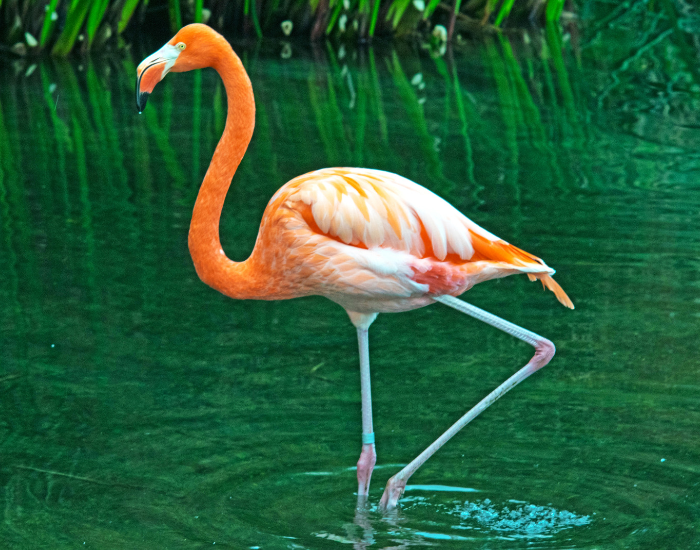
The Yucatán’s coastal lagoons host thousands of American flamingos. As a result of their diet, their pink colour comes from pigments in shrimp and algae.
In winter, large flocks feed at Celestún, on the Gulf coast. Later, by spring, many move east to Ría Lagartos to breed.
Best time to visit: December to February at Celestún; April to June at Ría Lagartos.
13. Calakmul Biosphere Reserve, Campeche
Near the Guatemalan border, Calakmul protects one of Mexico’s largest tropical forests. It is also a UNESCO site for its ancient Maya city.
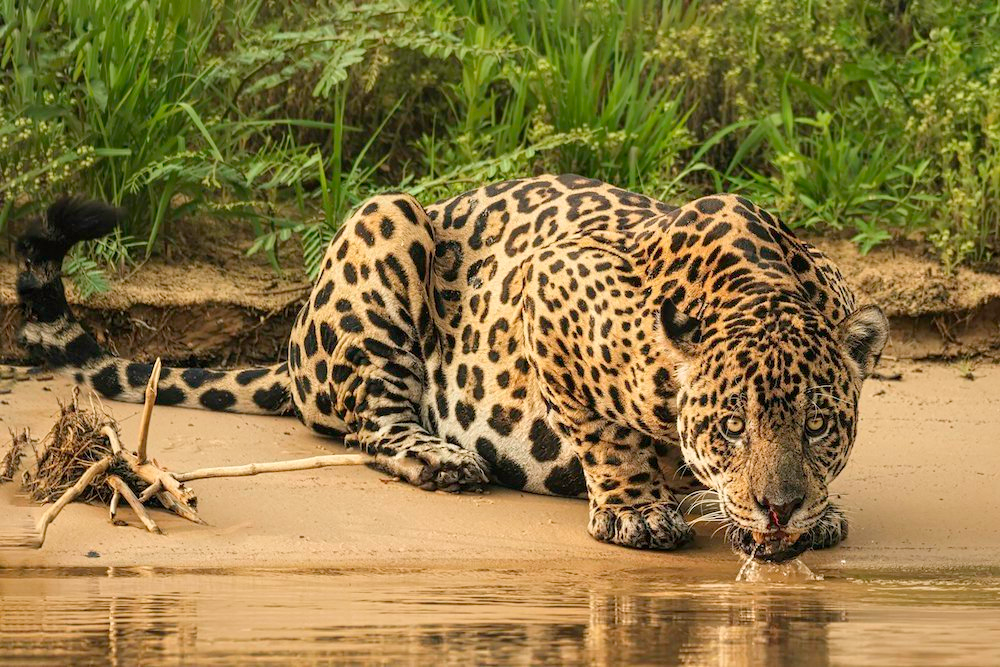
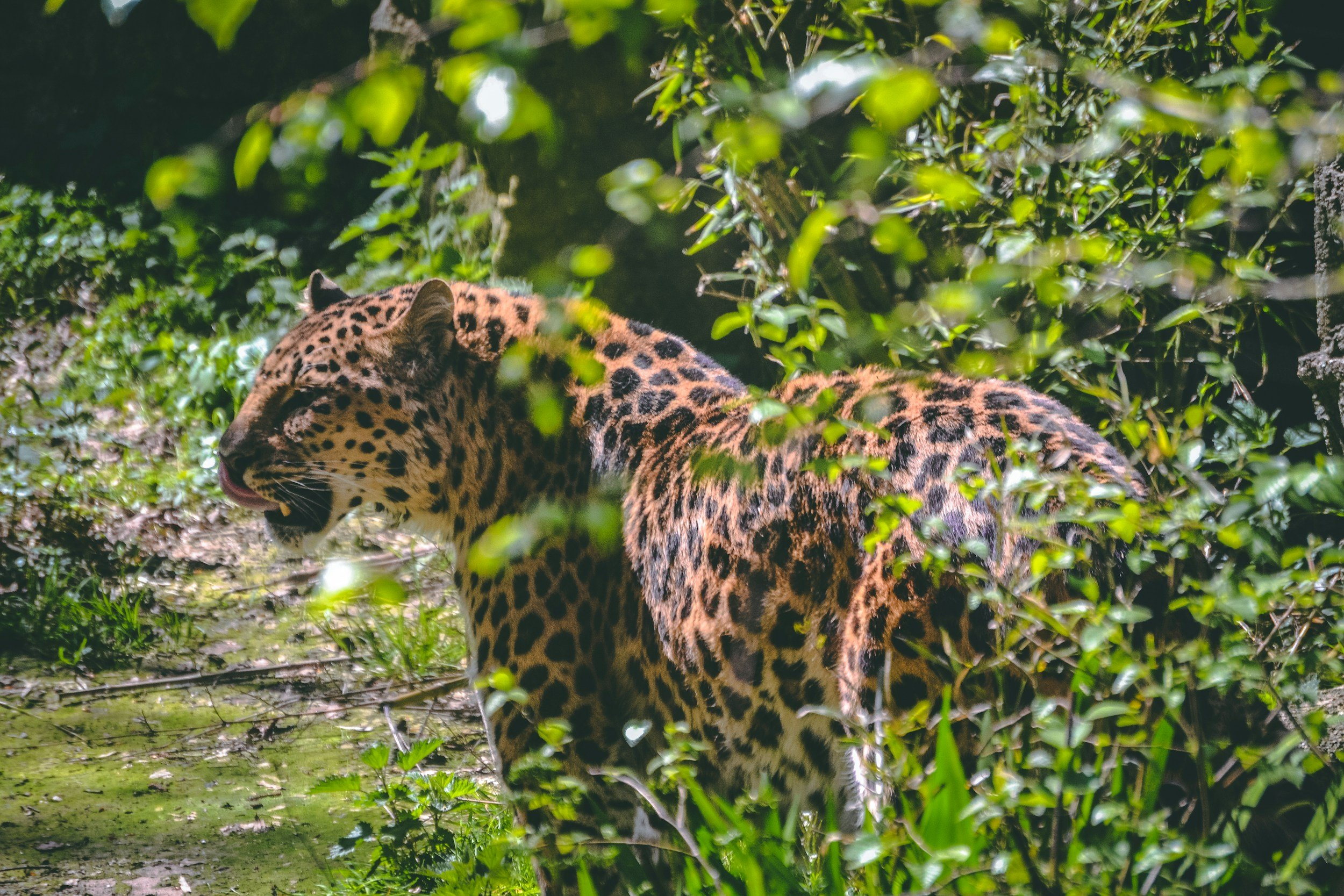
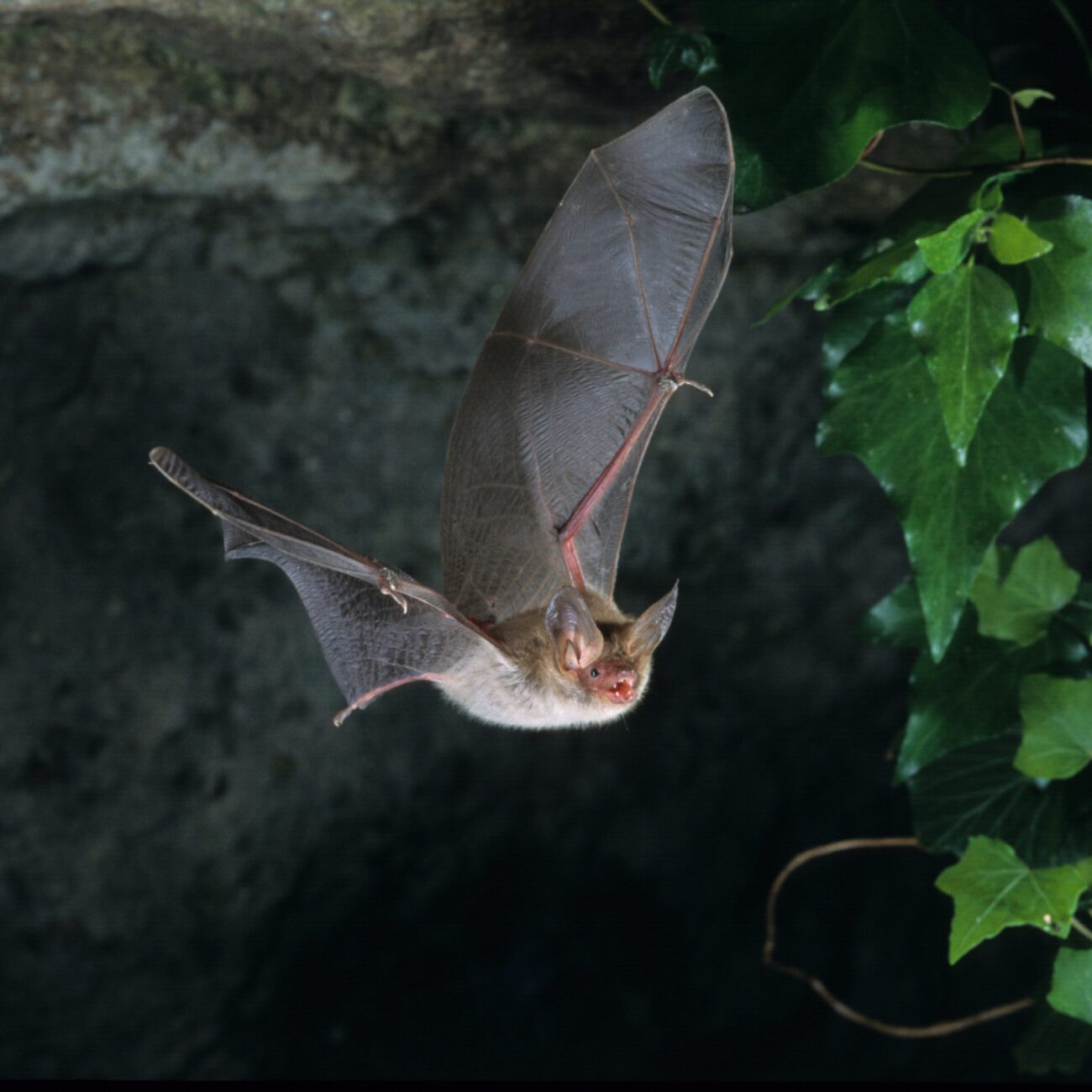
This is one of the best places in Mexico for jaguars, although they are shy. Instead, you’re more likely to hear howler monkeys and see toucans. At dusk, millions of bats pour out of a nearby cave.
Jaguars breed year-round, so any season can bring sightings. Compare them with other cats in our Wild Cat Explorer.
Best time to visit: November to April, when the dry season makes trails easier.
Recommended Wildlife Experiences in Calakmul Biosphere Reserve
14. El Triunfo Biosphere Reserve, Chiapas
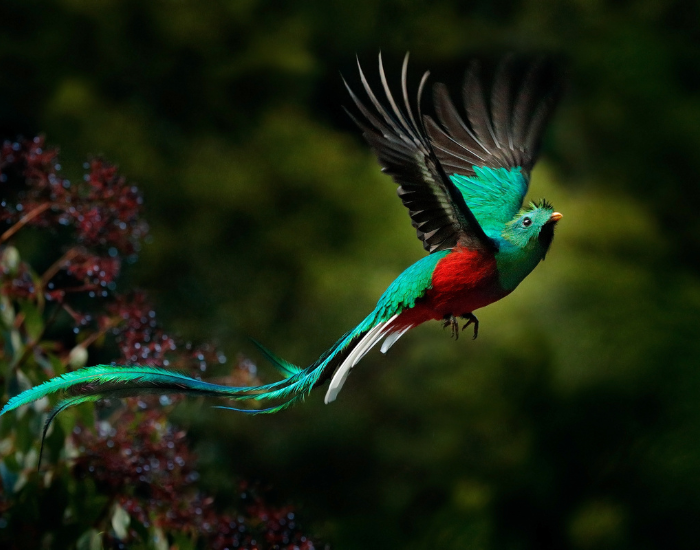
High in the Sierra Madre de Chiapas, El Triunfo’s cloud forest is Mexico’s best place for the resplendent quetzal. The Maya and Aztecs revered this bird.
I have trekked Chiapas’s rainforests many times and scanned the canopy at Palenque. Still, I have never seen a wild quetzal. El Triunfo is where I plan to try next.
However, visits are by organised, guided trips only. Book well ahead through an authorised operator.
Best time to visit: March to May, during the dry season, when quetzals breed.
15. Lacandon Jungle, Chiapas
The Lacandon Jungle is one of Mexico’s most biodiverse regions. Its heart, notably, is the Montes Azules Biosphere Reserve.
It’s a prime place for scarlet macaws, tapirs and jaguars. Nearby, the Maya ruins of Bonampak and Yaxchilán also add history to any visit.
Above all, eco-tours with local guides are the best way to explore. Community lodges also help keep the forest standing.
Best time to visit: November to April, for drier trails.
Recommended Wildlife Experiences in the Lacandon Jungle
16. Sumidero Canyon, Chiapas
In Sumidero Canyon, cliffs up to about 1,000 m tall tower over the Grijalva River. Boat tours, therefore, give a close look at its wildlife.
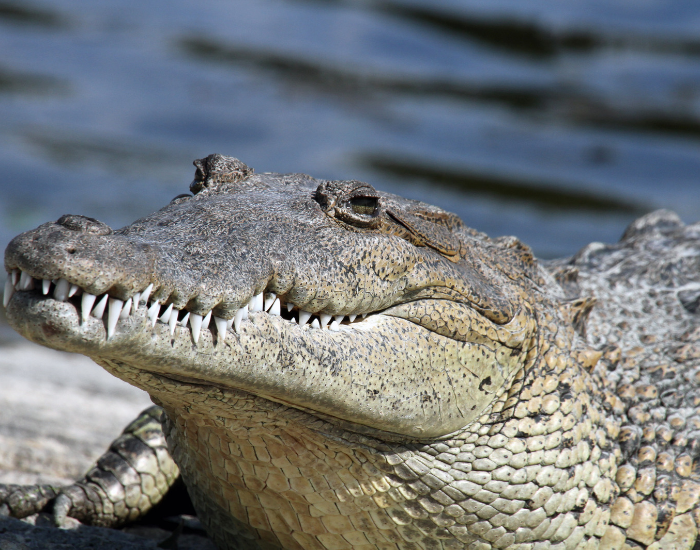
Look for American crocodiles basking on the banks, as well as spider monkeys and herons. I grew up partly in Villahermosa, downriver on the Grijalva, where crocodiles were part of daily life.
Best time to visit: December to May, during the dry season.
Recommended Wildlife Experiences in Sumidero Canyon
17. La Encrucijada Biosphere Reserve, Chiapas
On the Pacific coast, La Encrucijada protects some of the tallest mangroves on the Pacific coast of the Americas. Its channels hide crocodiles, iguanas and many water birds.
Meanwhile, canoe tours through the mangroves offer a quiet way to spot wildlife. Learn the difference between alligators, crocodiles and caimans before you go.
Best time to visit: December to May, when water levels suit boat trips.
FAQs About Wildlife in Mexico
It depends on the animal. Gray whales fill Baja’s lagoons from January to March, and monarch butterflies peak in January and February. Whale sharks gather off Holbox from June to August. The dry season, roughly November to April, is best for jungle reserves.
Holbox and Isla Mujeres in Quintana Roo are the best-known spots, with an official season from 15 May to 17 September. La Paz in Baja California Sur also hosts juvenile whale sharks, mainly from autumn to spring.
Gray whales reach Baja California’s lagoons in winter. The best months are January to March, when mothers and calves are present at Ojo de Liebre, San Ignacio and Magdalena Bay.
Jaguars live in the forests of the Yucatán Peninsula and Chiapas, including Calakmul, Sian Ka’an and the Lacandon Jungle. They are shy, so sightings are rare. Guided tours with local experts give you the best chance.
Monarchs arrive in the mountains of Michoacán and the State of Mexico around November and leave by March. January and February offer the biggest, most active clusters.
American flamingos gather in the Yucatán’s coastal lagoons. Celestún hosts big winter flocks from about December to February, while Ría Lagartos is their main breeding area in spring.
Travel Lightly, Watch Closely
Mexico’s wildlife faces habitat loss, climate change and overfishing. In the Gulf of California, a 2025 survey found only 7 to 10 vaquita porpoises.
Your choices as a visitor matter, though. Book with licensed local guides, keep your distance and never feed wildlife. Read more about responsible ecotourism in Mexico and why biodiversity matters.
Then plan your route around the seasons. Explore other threatened species on our endangered animals map.
Which of these places would you visit first? Tell me in the comments.
References:
Aburto-Oropeza, O., Erisman, B., Galland, G. R., Mascareñas-Osorio, I., Sala, E., & Ezcurra, E. (2011). Large recovery of fish biomass in a no-take marine reserve. PLoS ONE, 6(8), e23601. https://doi.org/10.1371/journal.pone.0023601
de la Parra Venegas, R., Hueter, R., González Cano, J., Tyminski, J., Gregorio Remolina, J., Maslanka, M., Ormos, A., Weigt, L., Carlson, B., & Dove, A. (2011). An unprecedented aggregation of whale sharks, Rhincodon typus, in Mexican coastal waters of the Caribbean Sea. PLoS ONE, 6(4), e18994. https://doi.org/10.1371/journal.pone.0018994
Lemos-Espinal, J. A., & Smith, G. R. (2025). The richness, similarity, and conservation status of the herpetofauna of the Balsas Basin Biogeographic Province of Mexico. Diversity, 17(1), 44. https://doi.org/10.3390/d17010044
Sarukhán, J., Urquiza-Haas, T., Koleff, P., Carabias, J., Dirzo, R., Ezcurra, E., Cerdeira-Estrada, S., & Soberón, J. (2015). Strategic actions to value, conserve, and restore the natural capital of megadiversity countries: The case of Mexico. BioScience, 65(2), 164–173. https://doi.org/10.1093/biosci/biu195
Stewart, J. D., Joyce, T. W., Durban, J. W., Calambokidis, J., Fauquier, D., Fearnbach, H., Grebmeier, J. M., Lynn, M., Manizza, M., Perryman, W. L., Tinker, M. T., & Weller, D. W. (2023). Boom-bust cycles in gray whales associated with dynamic and changing Arctic conditions. Science, 382(6667), 207–211. https://doi.org/10.1126/science.adi1847
Vidal, O., & Rendón-Salinas, E. (2014). Dynamics and trends of overwintering colonies of the monarch butterfly in Mexico. Biological Conservation, 180, 165–175. https://doi.org/10.1016/j.biocon.2014.09.041