Commensalism is a long-term biological interaction in which one species benefits while the other is neither helped nor harmed. I finally saw a perfect example up close on a whale-watching tour in Western Australia.
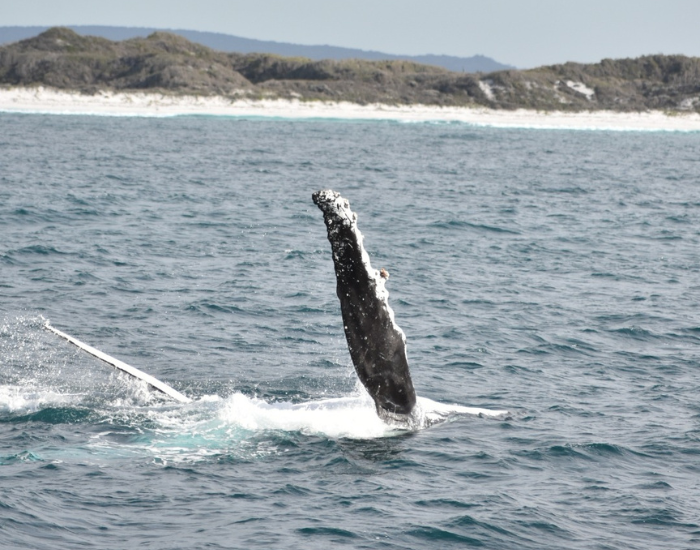
I have written about humpback whales many times, but that day one breached right beside our boat. When it rolled at the surface, I could see clusters of barnacles on its skin. Our guide explained that the barnacles do the whale no real harm. They simply attach to the skin and gain a mobile home.
As a biologist, I studied these ecological relationships at university. However, the best lessons came later, while diving in Southeast Asia and driving our lap around Australia. Below, I break down what commensalism means and how it differs from mutualism and parasitism. Then I share 10 examples you can spot in the natural world.
What Is Commensalism?
The word comes from Latin. Com means “together” and mensa means “table”, so commensals are partners eating at the same table. The Belgian zoologist Pierre-Joseph van Beneden coined the term in 1876. He first used it for scavengers that fed on the leftover food of other animals.
Today, ecology uses a simple notation. In the (+/0) model, Species A gets a plus. It gains a fitness benefit, such as food, shelter or transport. Species B gets a zero because nothing changes for it. When both species involved benefit, ecologists call it mutualism (+/+). When one is harmed, it becomes parasitism (+/−).
Commensalism is one ecological relationship inside the wider family of symbiotic relationships. Symbiosis simply means different species living in close association. In every commensalist relationship, one organism benefits and the other carries on as before. That said, some commensal interactions are brief, so not every one counts as symbiosis in the strict sense.
The Main Types of Commensalism
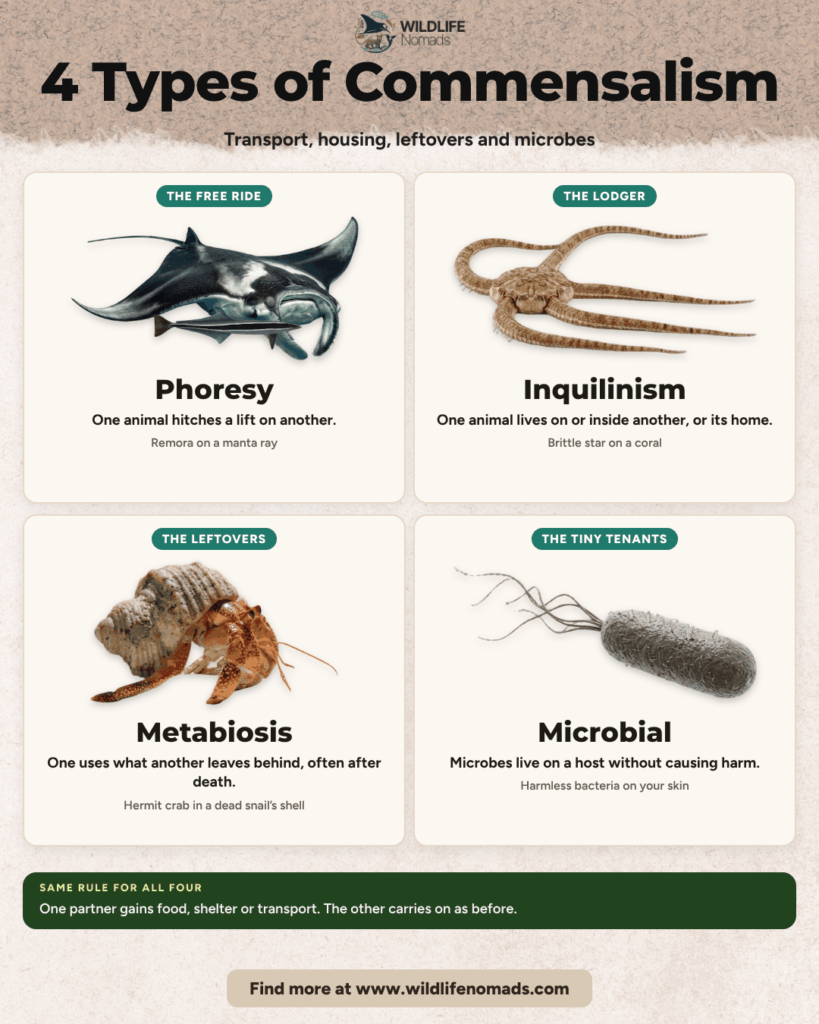
Ecologists sort each commensal species into a particular type, based on what it gains. Phoresy is transport. One animal hitches a ride on another, like phoretic mites riding beetles to fresh dung or carcasses. The rider gets a lift, and the beetle keeps walking.
Inquilinism is housing. One species lives on or inside another, or inside a structure it built. Epiphytic orchids on trees and brittle stars coiled on octocorals both fit here. Some mosquito larvae even live inside pitcher plants, unharmed by the plant’s digestive juices.
Metabiosis is indirect. One organism modifies the environment, often after it dies, and a second organism uses the by-product. Hermit crabs living in dead snails’ shells are the classic case.
Microbial commensalism works at tiny scales. Textbooks often cite soil bacteria, where Nitrobacter uses nitrite, a waste product of Nitrosomonas, as its energy source. Your own human body hosts commensals too. Your skin carries bacteria, fungi and other microorganisms, and many cause no harm at all. Most adults carry tiny Demodex mites in their hair follicles, usually without any symptoms.
Commensalism vs Mutualism vs Parasitism
These three relationships cover most ecological interactions between two species. The quickest way to tell them apart is to ask a simple question: who gets the benefit, and who pays?
| Relationship type | Species A effect | Species B effect | Example |
|---|---|---|---|
| Commensalism | Benefits (+) | Unaffected (0) | Barnacles on whales |
| Mutualism | Benefits (+) | Benefits (+) | Bees and flowering plants |
| Parasitism | Benefits (+) | Harmed (−) | Tapeworms in mammals |
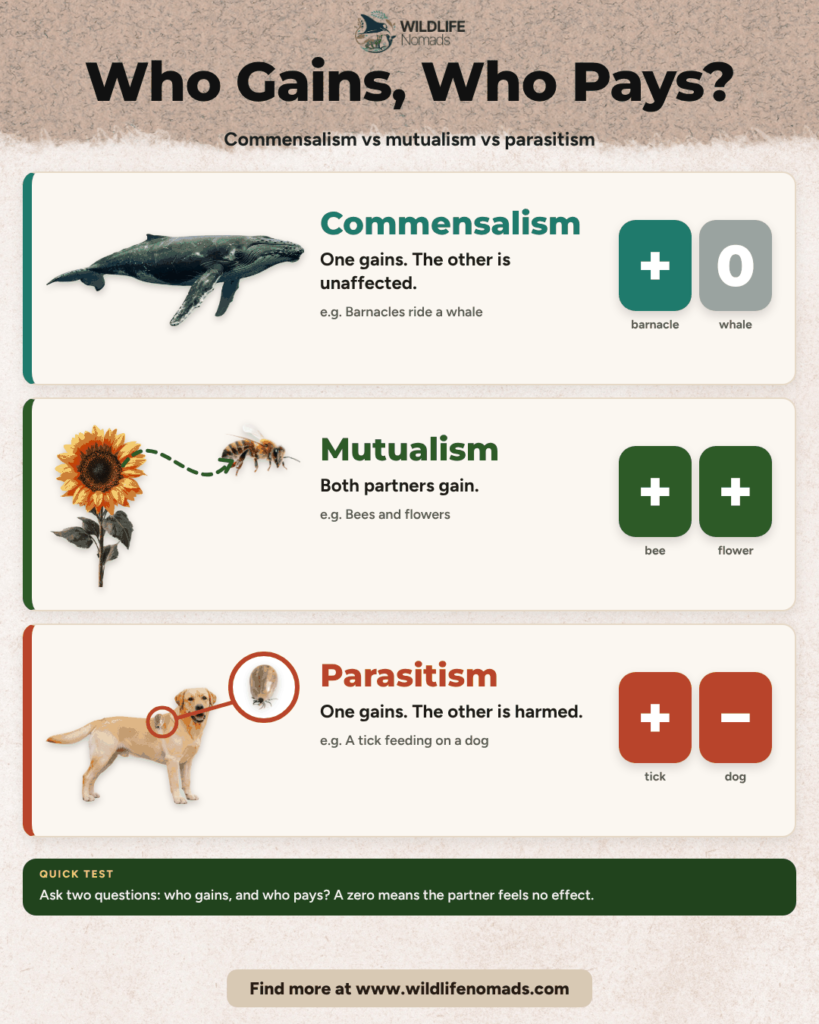
Mutualism means mutual benefit, and it comes in two forms. In obligate mutualism, neither partner can survive independently. Fig wasps and fig trees are the famous example, since many fig species rely on a single wasp species. By contrast, facultative mutualism helps both partners, but each could live alone.
Bees visiting flowers show the facultative kind. The bee gets nectar, and the plant gets pollination in return. A parasitic relationship flips the zero into a minus. The parasite takes food or shelter, and the host pays a fitness cost.
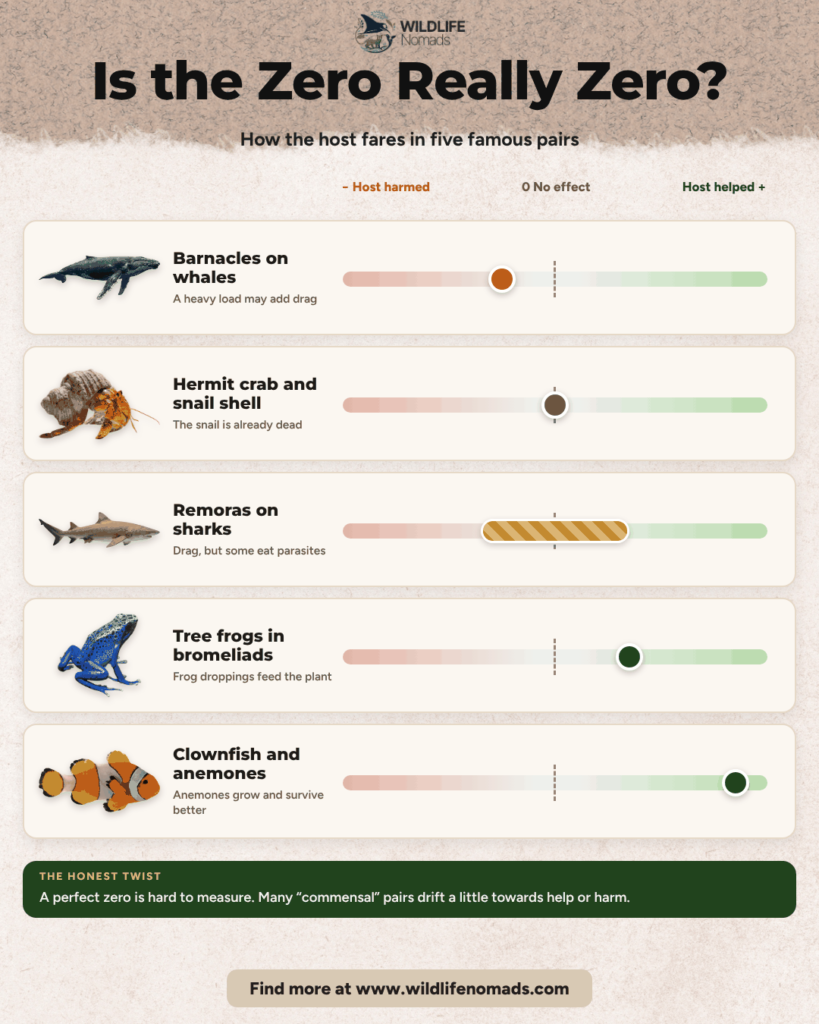
Here is the honest twist. Measuring a true zero is hard. Many “commensal” pairs show small costs or benefits for one partner when scientists look closely. Mathis and Bronstein (2020) note that commensalism has received far less study than mutualism or parasitism.
10 Examples of Commensalism in Nature
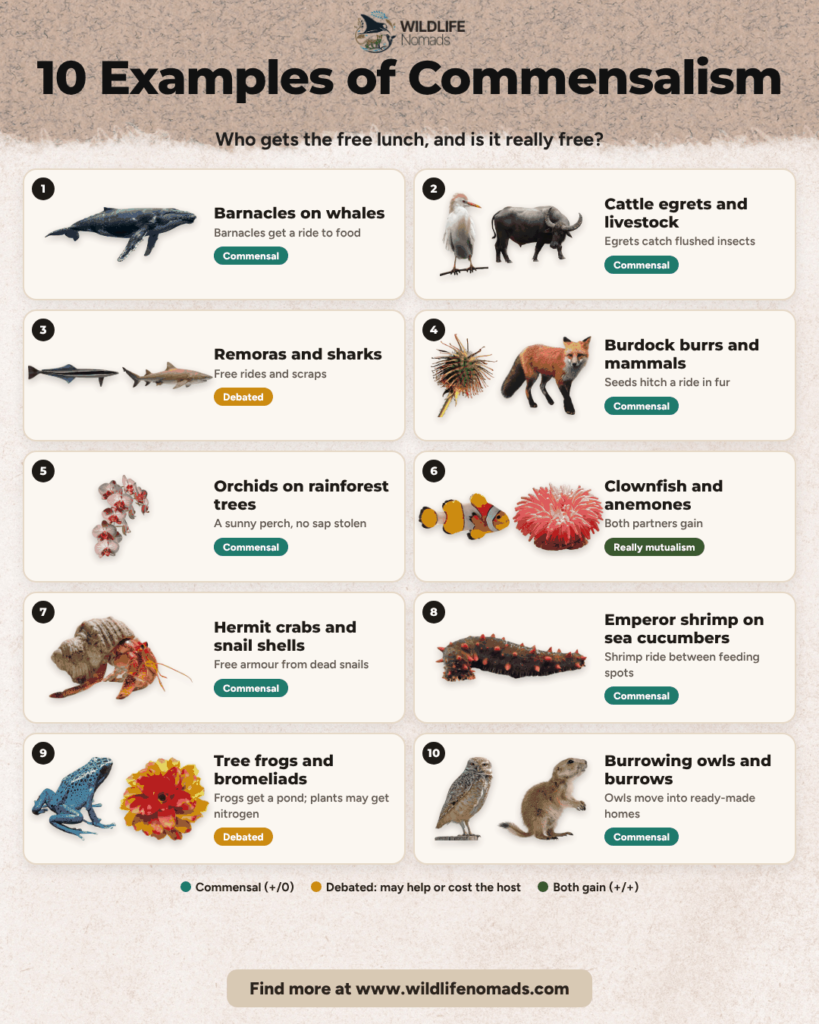
These are the commensal relationships I find most useful for understanding the concept. I have watched several in the field, and others remain on my list. A few sit on the blurry edge between categories, which makes them even more interesting.
1. Barnacles Attached to Whales
Whale barnacles are filter feeders, so they need moving water full of plankton. A humpback carries them along its migration, thousands of kilometres through food-rich currents. Humpbacks host their own specialist barnacle, Coronula diadema. Meanwhile, gray whales carry a different species, Cryptolepas rhachianecti.
On my Western Australia tour, the guide described these barnacles as passengers rather than pests. That matches the science, although a heavy load may add some drag. As a result, most researchers still call it commensalism, with a small asterisk.
2. Cattle Egrets and Livestock
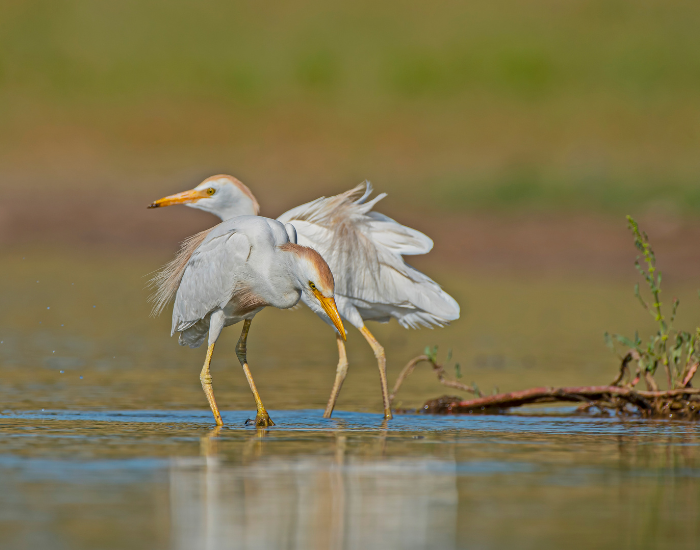
Cattle egrets (Bubulcus ibis) are small, white members of the heron family that follow grazing animals through paddocks. As cows, horses or water buffalo walk, they flush grasshoppers and other insects from the grass. The egrets simply stand ready and snap them up.
I see this constantly on our lap around Australia. Egrets walk beside the cattle, and some even ride on their backs. A classic study by Heatwole (1965) found that egrets feeding near cattle caught more food with less effort. Meanwhile, the cattle gain nothing obvious and lose nothing.
3. Remoras (Suckerfish) and Sharks
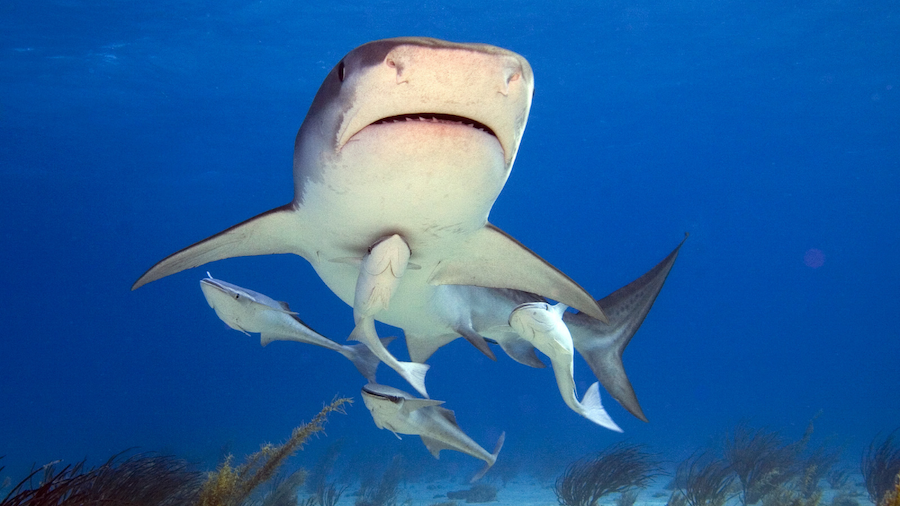
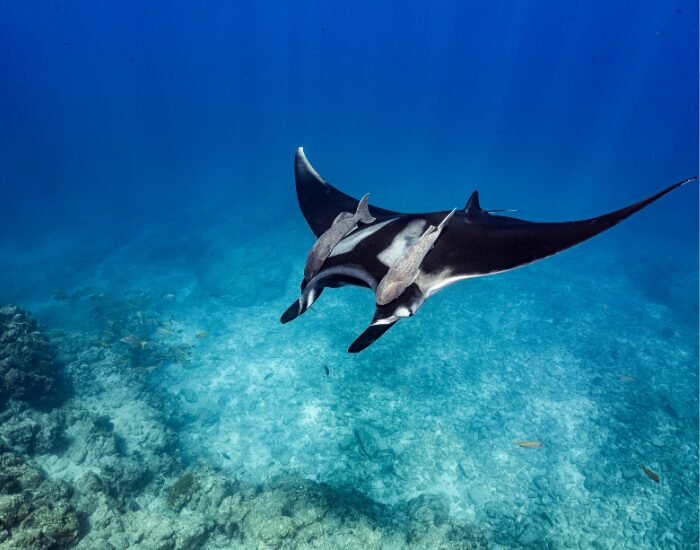
Remoras carry a suction disc on top of their heads. Over millions of years, their commensal lifestyle turned the first dorsal fin into this oval pad of ridged plates. It lets them cling to sharks, manta rays, turtles and whales without hurting the host.
While diving in Southeast Asia, I watched remoras glued to sharks as they cruised past. The fish ride for free, save energy and grab scraps when their host feeds. That said, the picture is messy. Some remoras eat parasites off their hosts, which leans towards mutualism, while others may add drag.
4. Burdock Plants and Passing Animals
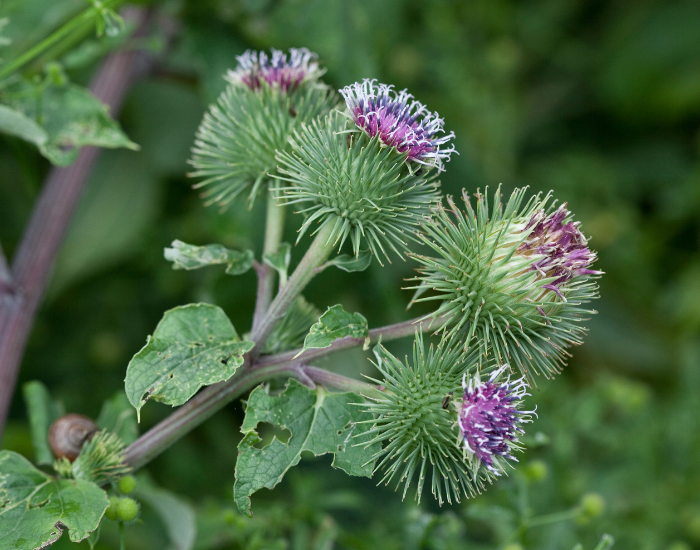
Burdock (Arctium) produces burrs covered in tiny hooked spines. When foxes, deer and other mammals brush past, the burrs grip their fur. Humans carry them home on socks too. Eventually they drop off, often far from the parent plant.
This form of seed dispersal is called epizoochory. The plant reaches new ground, and the animal carries nothing more than a temporary nuisance. Fun fact: burdock hooks inspired the Swiss engineer George de Mestral to invent Velcro.
5. Epiphytic Orchids and Rainforest Trees
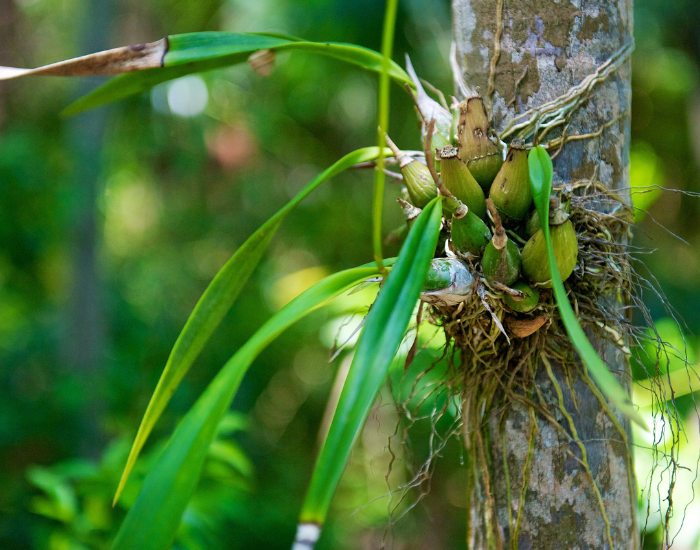
Epiphytes are plants that grow on other plants without stealing from them. Orchids, ferns and bromeliads perch high in the rainforest canopy, where more sunlight reaches them. Their roots grip bark and absorb rain, humidity and nutrients from fallen debris.
Around Australia, I keep spotting orchids and other plants sprouting straight from tree trunks. Unlike mistletoe, they never tap into the tree’s sap, so the host tree simply provides support. Many orchid roots wear a spongy coat called velamen that soaks up water fast. However, very heavy epiphyte loads can occasionally snap branches.
6. Clownfish and Sea Anemones
I saw my first clownfish on the Great Barrier Reef in 2019. Years later, Ko Lipe in Thailand showed me huge numbers of them darting between tentacles. Clownfish carry a mucus coat that stops the anemone’s tentacles from firing their stinging cells. As a result, they gain a home few predators dare to enter.
Older textbooks list this pair as commensalism. However, research shows the partnership is beneficial for the sea anemone too. Holbrook and Schmitt (2005) found that anemones hosting anemonefish grew faster, reproduced more and survived better. The fish chase off butterflyfish and fertilise their host with waste. So I treat this pair as a mutualistic relationship.

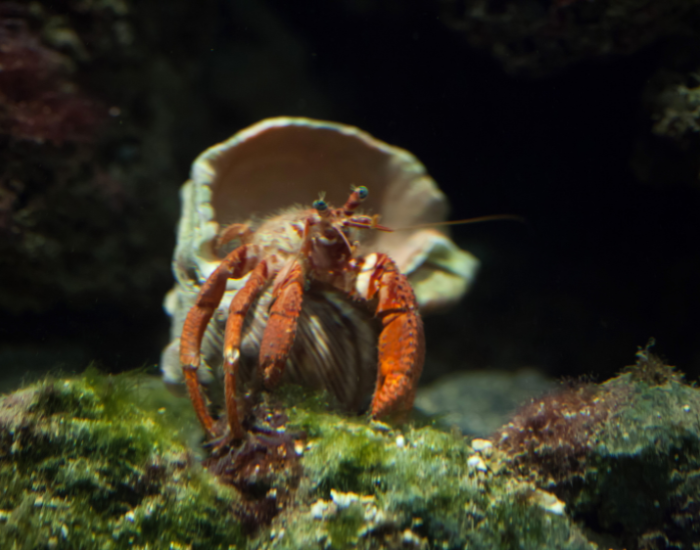
7. Hermit Crabs and Snail Shells
Hermit crabs have a soft, curled abdomen with no hard armour. To protect it, they back into empty shells left by dead sea snails. As a result, they are completely dependent on other animals for armour. Each time they outgrow a shell, they hunt for a bigger one.
This is metabiosis. The snail is already gone, so it cannot gain or lose anything, while the crab gets free armour. Shells are so valuable that some hermit crabs queue up by size and swap homes in a chain. You can watch smaller species do this in rock pools on many coasts.
8. Emperor Shrimp Riding Sea Cucumbers
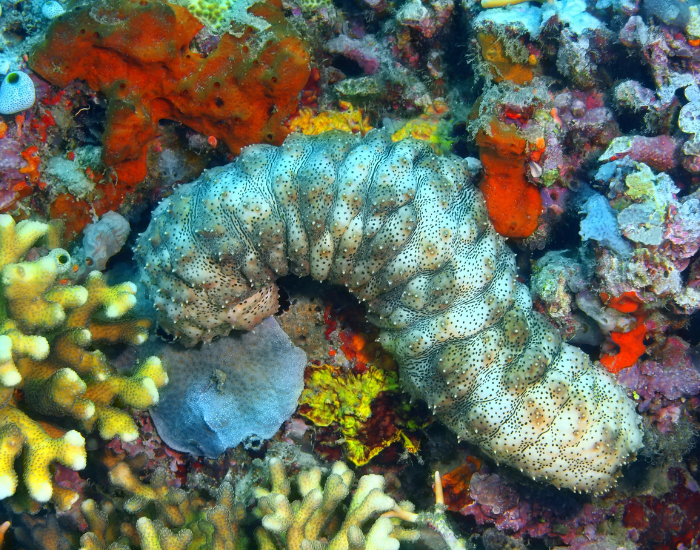
The emperor shrimp (Zenopontonia rex) is a tiny orange-and-white passenger of the Indo-Pacific. It rides sea cucumbers and large nudibranchs, such as the Spanish dancer, across the sea floor.
The shrimp hops off to pick food from the sediment, then climbs back aboard. Its ride moves it between feeding patches, while the host barely notices. Some pearlfish go further and shelter inside a sea cucumber’s body cavity. Others eat their host’s organs, which makes them parasites.
9. Tree Frogs and Bromeliads
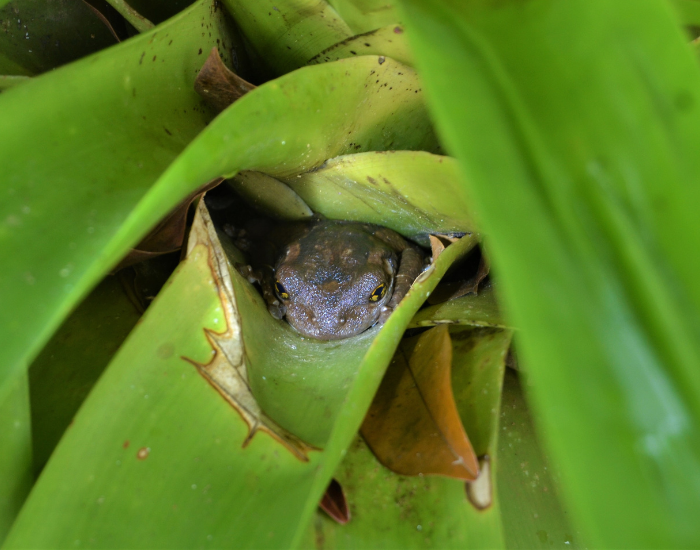
Bromeliads grow in rosettes of overlapping leaves that trap rainwater. Each plant can hold a tiny pond high in the forests of Central and South America. Tree frogs use these pools for shelter, hunting and laying their eggs inside the water.
Some poison dart frogs even carry their tadpoles up to a bromeliad and raise them there. Studies suggest frog droppings may feed the host plant some nitrogen. If so, this pair may drift towards mutualism too, like many rainforest animals and their plant hosts.
10. Burrowing Owls and Abandoned Mammal Burrows
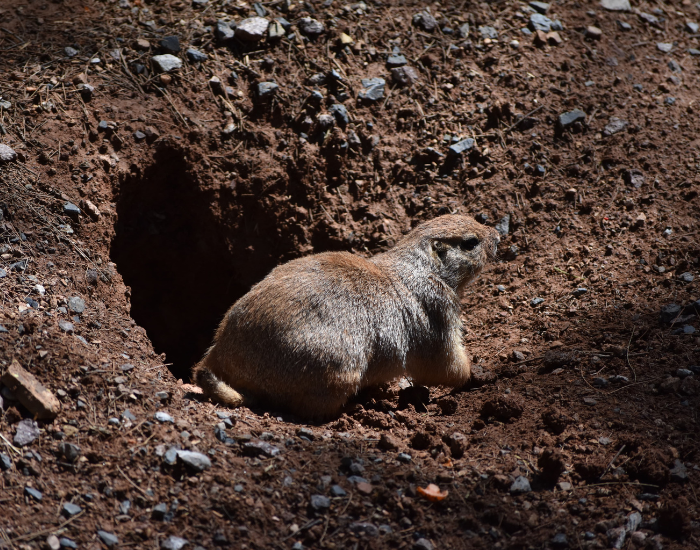
Western burrowing owls (Athene cunicularia) rarely dig their own homes. Instead, they move into burrows dug by prairie dogs, ground squirrels or badgers. In Florida, owls often dig their own, but they also use gopher tortoise burrows.
The original diggers have usually moved on, so the owls get ready-made real estate. Prairie dog colonies also give them an early warning system, because prairie dogs bark alarm calls at predators. I photographed Mexican prairie dogs at their burrows in 2019. Those tunnels make prairie dogs a keystone species that supports many other species.
When Commensalism Changes: Dogs, Mice and Shifting Partners
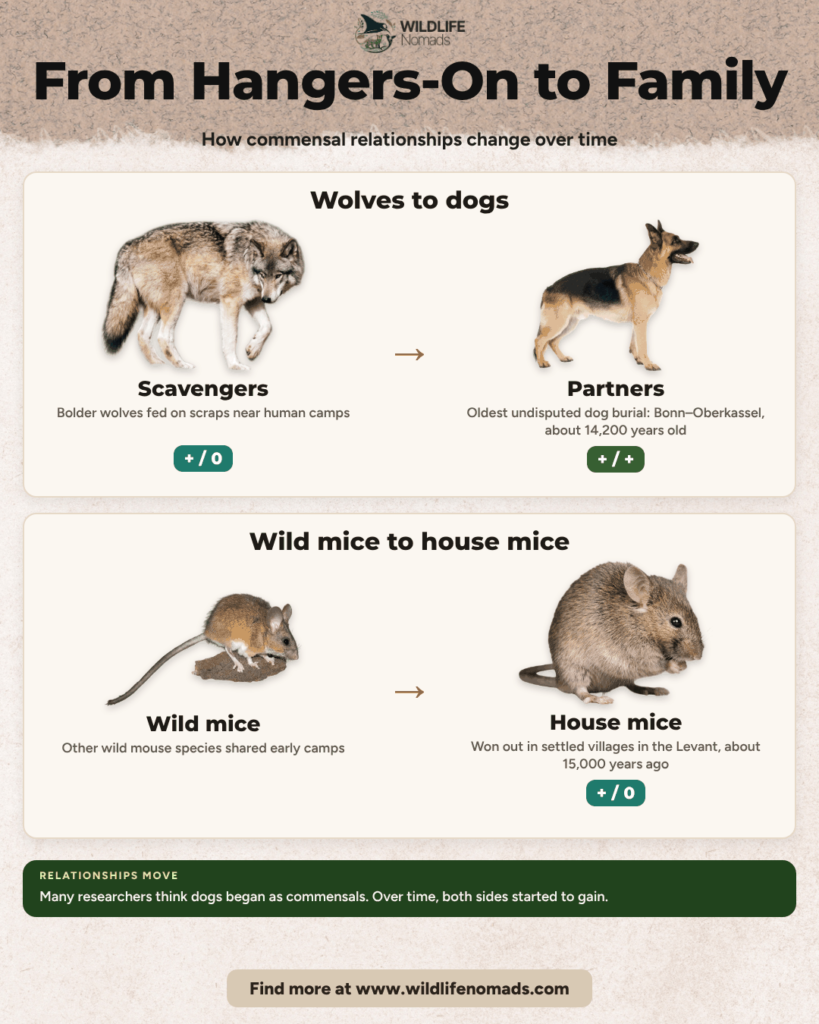
Commensal relationships rarely stay frozen. Environmental conditions, population size and evolution can push a (+/0) pair towards help or harm.
Our own story shows this. Many researchers think dog domestication began commensally, with less aggressive wolves scavenging around hunter-gatherer camps. Over time, that one-sided arrangement became a deep partnership. The Bonn–Oberkassel dog, buried with two humans in Germany, dates to about 14,000 years ago. Dogs were clearly domesticated before the Pleistocene ended.
House mice took a similar path. Weissbrod and colleagues (2017) found that house mice outcompeted wild mice once hunter-gatherers in the Levant settled down. That shift began around 15,000 years ago. By contrast, a commensal that grows too numerous can start costing its host. A few barnacles cost a whale little, while a heavy crust may slow it down.
Commensals also shape whole communities. In the deep sea, one brittle star species spends its life coiled around a single octocoral (Mosher and Watling, 2009). It uses its host as a raised perch. Partners like these create microhabitats and add structural complexity. As a result, they help more species fit into one ecosystem and support biodiversity.
Free mini guide
Take the hitchhikers with you
All five infographics in one printable PDF: who gains and who pays, the four types, 10 examples and a quick quiz.
 Free PDF · 15 pagesCommensalism Mini GuideBarnacles, remoras, hermit crabs and the first dogs, ready to print.Download free →
FAQs About Commensalism
Commensalism is a long-term interaction between two species in which one benefits and the other is neither helped nor harmed. Ecologists write it as (+/0). Classic examples include barnacles on whales, cattle egrets following livestock and orchids growing on trees.
No. In mutualism both species benefit (+/+), while in commensalism only one benefits and the other stays unaffected (+/0). Some pairs, like clownfish and sea anemones, were once called commensal but now count as mutualism because research showed both partners gain.
Yes. Commensal relationships can shift with environmental conditions, population size or evolution. If a commensal becomes too numerous or starts taking resources, the host pays a cost and the relationship moves towards parasitism. The reverse also happens, and some commensal pairs drift towards mutualism.
The (+/0) symbol describes commensalism. The plus means one species gains a benefit, such as food, shelter or transport. The zero means the other species experiences no measurable effect.
Pollination is the best-known example of mutualism. Bees collect nectar and pollen for food, and in return they carry pollen between flowers so plants can make seeds. Fig trees and fig wasps are an even tighter case, because neither can reproduce without the other.
Symbiosis is any close, long-term association between two organisms of different species. Mutualism is one type of symbiosis in which both partners benefit. Commensalism and parasitism are the other two main types.
Look Closer at the Hitchhikers
Commensalism reminds me that nature runs on more than predators and prey. Every barnacle, egret and orchid shows how one species can quietly build a life around another.
Next time you watch whales, check their skin for passengers. When you drive past a paddock, look for white birds at the cows’ feet. Then tell me in the comments which commensal relationship you have seen yourself. If you want to see how all these partners connect, try building your own food web.
Every answer comes from this article. Ready to test yourself?
You scored
References:
Brunnschweiler, J. M. (2006). Sharksucker–shark interaction in two carcharhinid species. Marine Ecology, 27(1), 89–94. https://doi.org/10.1111/j.1439-0485.2005.00052.x
Heatwole, H. (1965). Some aspects of the association of cattle egrets with cattle. Animal Behaviour, 13(1), 79–83. https://doi.org/10.1016/0003-3472(65)90075-8
Holbrook, S. J., & Schmitt, R. J. (2005). Growth, reproduction and survival of a tropical sea anemone (Actiniaria): Benefits of hosting anemonefish. Coral Reefs, 24(1), 67–73. https://doi.org/10.1007/s00338-004-0432-8
Janssens, L., Giemsch, L., Schmitz, R., Street, M., Van Dongen, S., & Crombé, P. (2018). A new look at an old dog: Bonn-Oberkassel reconsidered. Journal of Archaeological Science, 92, 126–138. https://doi.org/10.1016/j.jas.2018.01.004
Mathis, K. A., & Bronstein, J. L. (2020). Our current understanding of commensalism. Annual Review of Ecology, Evolution, and Systematics, 51, 167–189. https://doi.org/10.1146/annurev-ecolsys-011720-040844
Mosher, C. V., & Watling, L. (2009). Partners for life: A brittle star and its octocoral host. Marine Ecology Progress Series, 397, 81–88. https://doi.org/10.3354/meps08113
Weissbrod, L., Marshall, F. B., Valla, F. R., Khalaily, H., Bar-Oz, G., Auffray, J.-C., Vigne, J.-D., & Cucchi, T. (2017). Origins of house mice in ecological niches created by settled hunter-gatherers in the Levant 15,000 y ago. Proceedings of the National Academy of Sciences, 114(16), 4099–4104. https://doi.org/10.1073/pnas.1619137114