
Wildlife Nomads · Play · Ecosystem Lab
What Is an Ecosystem? Build One and Watch It Work
An ecosystem is every living thing in a place, plus the sunlight, water, air and soil they depend on. Build your own pond or coral reef, seal life in a jar and push a lake past its tipping point.
By Cesar Medina, conservation biologist and former field ecologist · 9 interactive stops
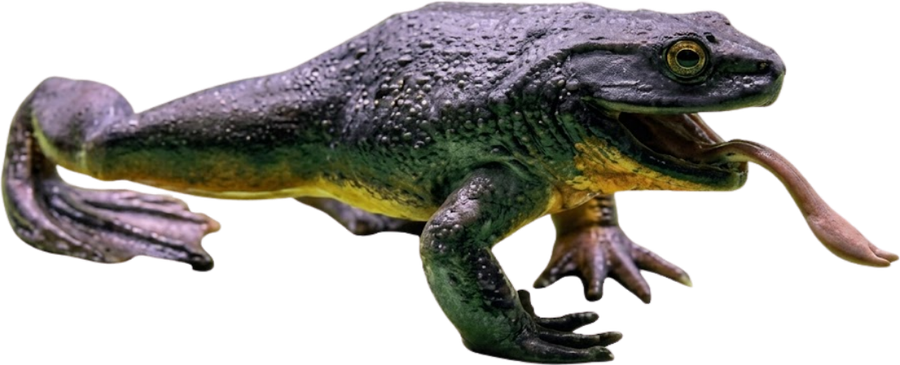
What is an ecosystem?
An ecosystem is a community of living organisms interacting with each other and with their physical environment. Together, they work as one system. It includes every plant, animal, fungus and microbe in a place. It also includes the sunlight, water, air, soil and climate they depend on.
The British ecologist Arthur Tansley coined the word in 1935. He wanted a term for the living community and its physical surroundings together. To him, you could not understand one without the other.
Ecosystems are natural units, not fixed sizes. A water-filled bromeliad leaf is an ecosystem. So is a rotting log, a pond, a coral reef and the entire ocean. Ecologists draw the boundary wherever the parts work together as one system.
I have walked the wetlands of Coombabah Lakelands on the Gold Coast more than seven times. Each visit shows me the same system from a different angle. Godwits feed on the mudflats while the tide moves through the mangroves. That is an ecosystem: many parts, one living machine.
The structure of an ecosystem: biotic and abiotic components
Every ecosystem has two kinds of parts. Ecologists call them its ecosystem structure. Tap through them in the first stop of the lab above.
| Component | Type | Examples | Its job |
|---|---|---|---|
| Producers | Biotic | Green plants, algae, phytoplankton, some bacteria | Make their own food from sunlight, water and carbon dioxide |
| Consumers | Biotic | Zooplankton, snails, zebras, frogs, lions | Eat other organisms and pass energy up the food web |
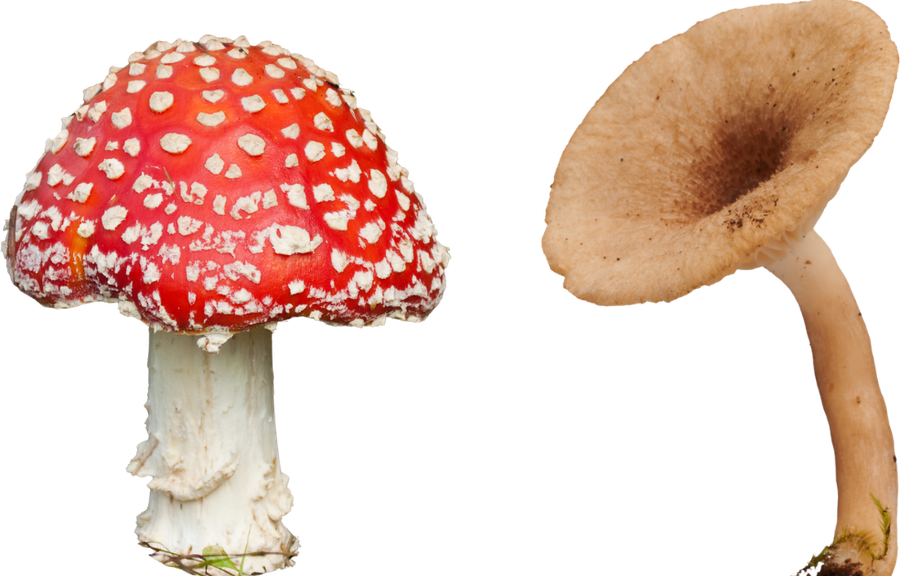
| Decomposers | Biotic | Fungi, bacteria, earthworms, dung beetles | Break down dead organic matter and recycle nutrients |
| Energy | Abiotic | Sunlight, or chemicals at deep-sea vents | Powers almost all life on Earth |
| Water and air | Abiotic | Rain, rivers, oxygen, carbon dioxide | Carry nutrients and gases to every organism |
| Physical factors | Abiotic | Temperature, soil, salt, pH, minerals | Decide which species can live where |
Biotic factors are the living components. Abiotic factors are the non-living ones. Neither works alone. Plants need minerals from the soil, and the soil needs dead plants and animals to rebuild its organic matter. The components interact constantly, which is what turns a list of parts into a system.
How an ecosystem works: energy flows and nutrients cycle
The parts are the structure. What they do together is the ecosystem function. Two ecological processes matter most.
1. Energy flows one way
Producers capture sunlight and store it as chemical energy in organic compounds such as sugars. Primary consumers eat the producers. Secondary consumers eat them. At every step, organisms use most of the energy to stay alive, and it escapes as heat energy.
On average, only about 10% of the energy passes from one level to the next. Real transfer rates range from roughly 5% to 20%. Raymond Lindeman described this energy flow in a Minnesota lake in 1942. It explains why lions are rare and grass is everywhere. Run the pond in the lab and watch the “lost as heat” counter climb.
2. Nutrients cycle round and round
Carbon, nitrogen and phosphorus do not leave the system as heat. They loop. Decomposers break down dead plants, dead organisms and waste, then release inorganic substances that plants can absorb again. This nutrient cycling is why decomposers matter so much. In the sandbox, switch off the bacteria and fungi and watch dead matter pile up while the producers starve.
Want more on food chains and the carbon and nitrogen cycles? Explore my Ecology Explorer or play the food web game.
Producers, consumers and decomposers
Green plants on land, phytoplankton in the sea. They make their own food. Almost every food chain starts with them.
Herbivores are primary consumers. Carnivores that eat them are secondary consumers. Top predators sit at the end of the chain.
Fungi and bacteria feed on dead organic matter. They return nutrients to the soil and water so plant growth can continue.
There is one famous exception to the sunlight rule. At deep-sea hydrothermal vents, bacteria make food from hydrogen sulfide instead. Scientists found these vent ecosystems in 1977 on the Galápagos Rift, using the submarine Alvin. Giant tube worms there have no mouth or gut. Bacteria living inside them make their food. Dive deeper with my deep-sea species tool.
Types of ecosystems
Ecologists usually group ecosystems by their physical environment. The two big families are terrestrial and aquatic.
| Group | Type | Examples | Main producers |
|---|---|---|---|
| Terrestrial | On land | Forests, tropical rainforests, grasslands, deserts, tundra | Trees, grasses, shrubs, mosses |
| Freshwater | Aquatic | Ponds, lakes, rivers, streams, wetlands | Phytoplankton, algae, water plants |
| Marine | Aquatic | Coral reefs, seagrass meadows, mangroves, estuaries, open ocean | Phytoplankton, seaweed, seagrass, mangroves |
| Artificial | Human-made | Farms, city parks, aquariums, rice paddies | Crops, lawns, planted trees |
A terrestrial ecosystem depends mostly on rainfall and temperature. Freshwater ecosystems depend on water flow and nutrients. The marine environment adds salt, tides and depth. Light only reaches the top 200 metres or so, which is why ocean life crowds into the sunlit surface.
Some ecosystems punch far above their size. Mangroves rank among the most carbon-rich forests in the tropics. Their roots shelter young fish and protect coasts from storm surges. Coral reefs cover less than 0.1% of the ocean, yet they support at least a quarter of marine life. Kelp forests do something similar in cold water.
Ecosystem or biome? A biome is a huge region defined by climate, like the savanna or the tundra. One biome contains many ecosystems. Compare all nine in my Biome Explorer.
Ecosystem examples
A pond ecosystem
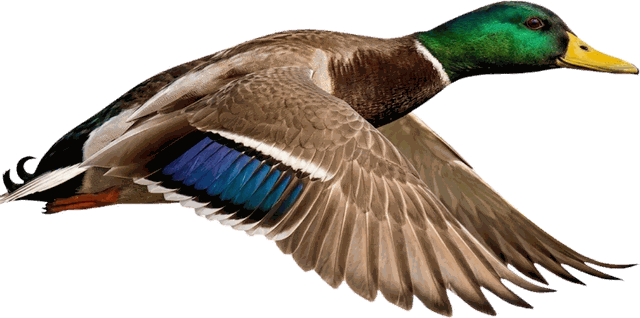
A garden pond is the classic classroom example. Phytoplankton and water plants are the producers. Zooplankton and snails graze on them. Dragonfly nymphs, frogs and ducks eat the grazers. Bacteria in the mud recycle everything that dies. Too much fertiliser runoff tips the balance. Algae bloom, then die, and decay uses up the oxygen. You can trigger that collapse in the sandbox.
A coral reef
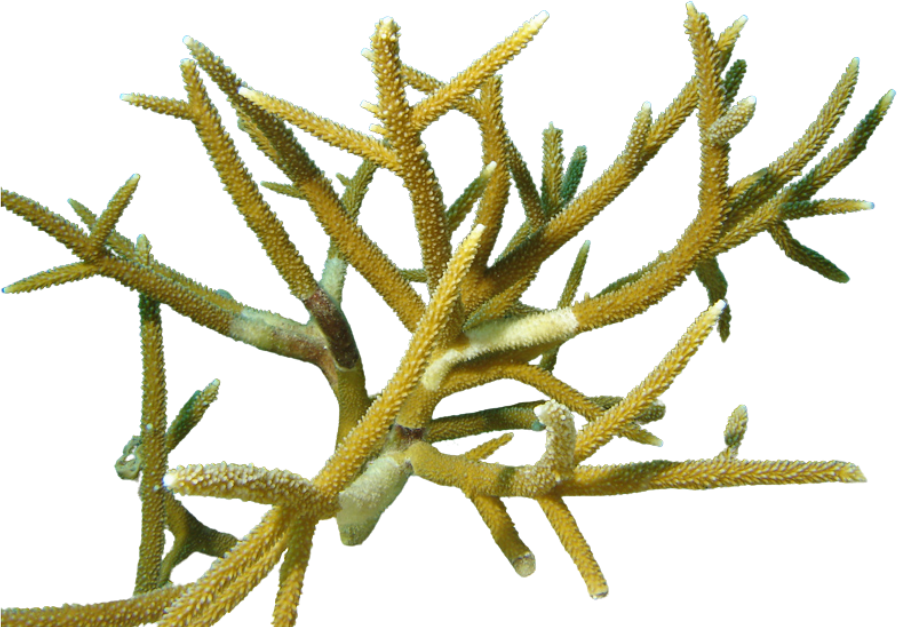
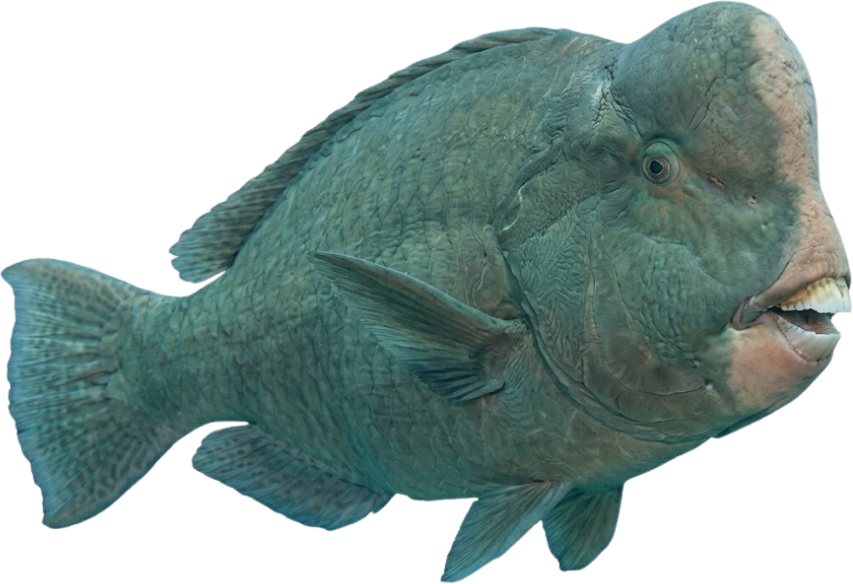
Reef-building corals are animals with tiny algae, called zooxanthellae, living in their tissues. The algae photosynthesise and share food with the coral. Parrotfish and surgeonfish graze the seaweed that would otherwise smother the coral. My first visit to the Great Barrier Reef, in 2019, showed me both sides. I saw my first clownfish and my first bleached coral on the same trip. Read about the fish that live there in my guide to coral reef fishes.
A savanna
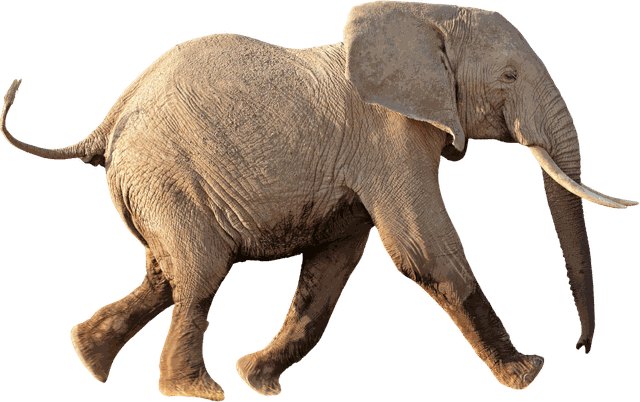
Grasses dominate because they regrow from their base after grazing and fire. Zebras and wildebeest eat the grass, and lions eat them. Elephants push over trees, which keeps the savanna open. Dung beetles bury waste and return nutrients to the soil. Meet the cast in my savanna animals guide.
Ecosystem stability and ecological balance
Ecosystem stability is the ability to keep working when something goes wrong. Ecologists split it into two ideas. Resistance means barely changing during a shock. Resilience means bouncing back afterwards.
Several things help sustain ecosystem stability:
- Biodiversity. More species and more feeding links mean consumers can switch food when one source fails. See why higher diversity builds resilience.
- Keystone species. Some species have an effect far larger than their numbers. Sea otters protect kelp forests by eating urchins. Learn more about keystone species and how apex predators shape ecosystems.
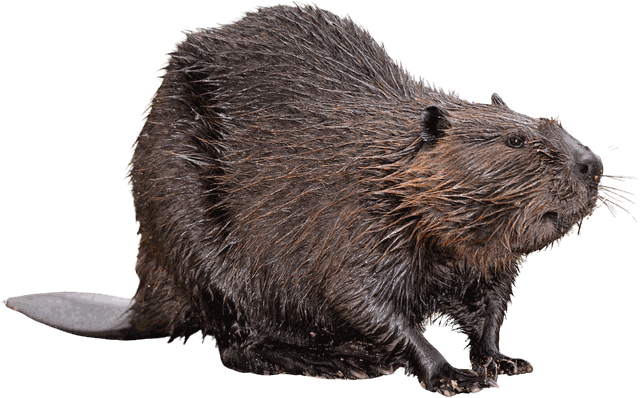
- Ecosystem engineers. Beavers, elephants and corals physically build habitat for other species. Clive Jones, John Lawton and Moshe Shachak named them in 1994. Read more about the beaver as an ecosystem engineer.
Push an ecosystem too far, though, and it can flip into a new state. In 1993, Marten Scheffer and colleagues showed something surprising. Shallow lakes can stay either clear or green at the same nutrient level. Once a lake turns green, cutting nutrients alone often fails to restore it. Try it in the Tipping Points stop above.
Ecosystem services: what ecosystems provide
Ecosystems provide benefits that keep people alive. The Millennium Ecosystem Assessment, a 2005 study by more than 1,300 experts, sorted them into four groups:
Food, fresh water, timber, fibre and medicines.
Climate control, flood protection, pollination and water purification.
Soil formation, nutrient cycling and photosynthesis, which make the others possible.
Recreation, tourism, inspiration and spiritual value.
The same assessment found about 15 of the 24 services it examined were being degraded or used unsustainably. Wetlands that soaked up floodwater were drained. Mangroves that broke storm waves were cleared. The result is higher flood risks and less clean water for the people who live nearby.
Threats to ecosystem health
- Habitat loss. Clearing forests, draining wetlands and ploughing grasslands remove whole ecosystems at once.
- Climate change. Burning fossil fuels adds carbon dioxide to the air and warms the planet. The Great Barrier Reef has had six mass bleaching events since 2016. The Arctic has warmed nearly four times faster than the global average since 1979.
- Invasive species. Animals and plants moved to new places can overwhelm native species. Read what makes a species invasive.
- Pollution. Fertiliser, sewage and plastic change water chemistry and harm marine life. See how ocean pollution affects sea animals.
- Overharvesting. Taking too many fish or trees removes key links from the food web.
How to protect ecosystems
Damaged ecosystems can recover when people give them the chance. Conservation efforts that work include:
- Protected areas. Locals at Cabo Pulmo, Mexico, created a no-take marine park in 1995. Fish biomass then rose by about 460% between 1999 and 2009. Read the Cabo Pulmo story.
- Restoration. Replanting mangroves, seagrass and coral rebuilds lost habitat. In 2025 I helped plant coral in Pemuteran, Bali, with the non-profit Metamorfosa Bali.
- Invasive species control. I worked almost two years as a field ecologist, controlling some of the most invasive plants around Sydney. On my Australia road trip, I now notice those weeds damaging national parks everywhere.
- Reintroductions. Bringing back missing species can restart lost processes. Britain is returning beavers, and studies of reintroduced beavers in England found their dams reduced flood peaks downstream.
- Citizen science. Your wildlife sightings help scientists track change. Start with my list of animal citizen science projects.
Frequently asked questions
What is an ecosystem in simple words?
An ecosystem is a place where living things and non-living things work together. Plants, animals and microbes share sunlight, water, air and soil, and each part depends on the others.
What are the main components of an ecosystem?
Biotic components are the living things: producers, consumers and decomposers. Abiotic components are the non-living ones, such as sunlight, water, temperature, air and minerals.
What are the main types of ecosystems?
Ecologists split them into terrestrial ecosystems on land and aquatic ecosystems in water. Aquatic ecosystems are further split into freshwater and marine. Some lists add artificial ecosystems, such as farms and cities.
What is the difference between an ecosystem and a biome?
A biome is a large climate region, like the tundra or the savanna. An ecosystem can be any size. One biome contains thousands of ecosystems, from ponds to forests.
What is the largest ecosystem on Earth?
The ocean. It covers about 71% of Earth’s surface, and its sunlit waters hold most of its life. Ecologists often treat the open ocean as one huge marine ecosystem.
Why are decomposers important in an ecosystem?
Decomposers break down dead plants and animals and release their nutrients. Without them, nutrients would stay locked in dead matter, and producers would run out of what they need to grow.
What happens if one species disappears from an ecosystem?
It depends on its role. Losing a keystone species or ecosystem engineer can change the whole system. When sea otters vanish, urchins can graze kelp forests down to bare rock.
References
Aburto-Oropeza, O., Erisman, B., Galland, G. R., Mascareñas-Osorio, I., Sala, E., & Ezcurra, E. (2011). Large recovery of fish biomass in a no-take marine reserve. PLoS ONE, 6(8), e23601. https://doi.org/10.1371/journal.pone.0023601
Australian Institute of Marine Science. (2025). Annual summary report of coral reef condition 2024/25. AIMS. https://www.aims.gov.au/monitoring-great-barrier-reef/gbr-condition-summary-2024-25
Jones, C. G., Lawton, J. H., & Shachak, M. (1994). Organisms as ecosystem engineers. Oikos, 69(3), 373–386. https://doi.org/10.2307/3545850
Lindeman, R. L. (1942). The trophic-dynamic aspect of ecology. Ecology, 23(4), 399–417. https://doi.org/10.2307/1930126
Millennium Ecosystem Assessment. (2005). Ecosystems and human well-being: Synthesis. Island Press.
Puttock, A., Graham, H. A., Ashe, J., Luscombe, D. J., & Brazier, R. E. (2021). Beaver dams attenuate flow: A multi-site study. Hydrological Processes, 35(2), e14017. https://doi.org/10.1002/hyp.14017
Scheffer, M., Hosper, S. H., Meijer, M.-L., Moss, B., & Jeppesen, E. (1993). Alternative equilibria in shallow lakes. Trends in Ecology & Evolution, 8(8), 275–279. https://doi.org/10.1016/0169-5347(93)90254-M
Tansley, A. G. (1935). The use and abuse of vegetational concepts and terms. Ecology, 16(3), 284–307. https://doi.org/10.2307/1930070



