
Wildlife Nomads · Play · Biome Explorer
Types of Biomes: A Journey From the Arctic to the Ocean
Travel from the frozen tundra to the equator, then dive into rivers and the sea. Meet 61 animals, see what climate builds each biome, then test yourself.
By Cesar Medina, conservation biologist · Facts checked against NASA, National Geographic and the IUCN Red List, October 2026
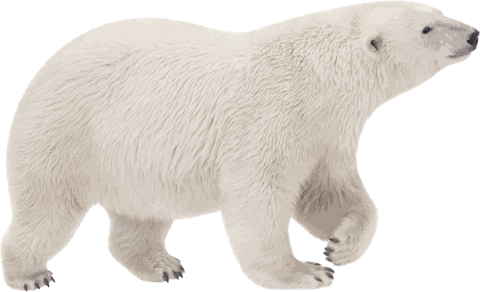
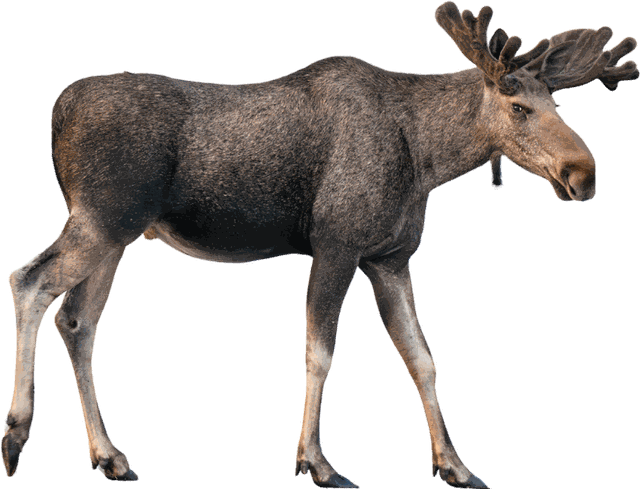
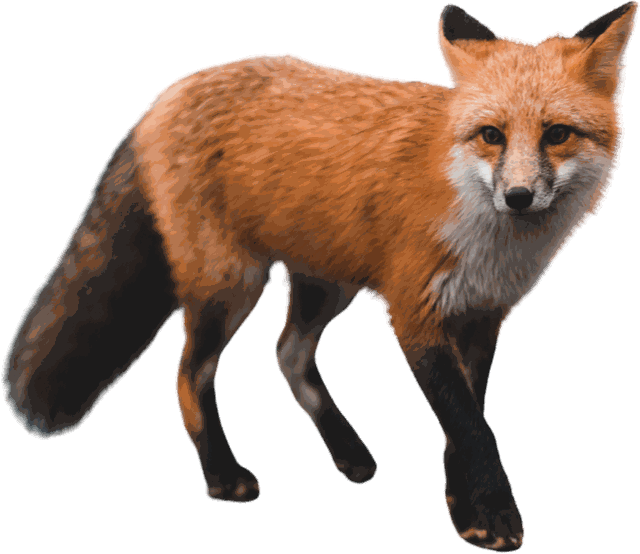
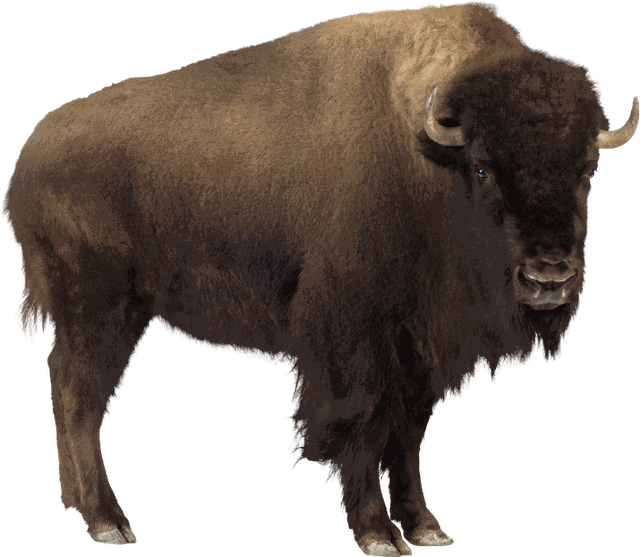
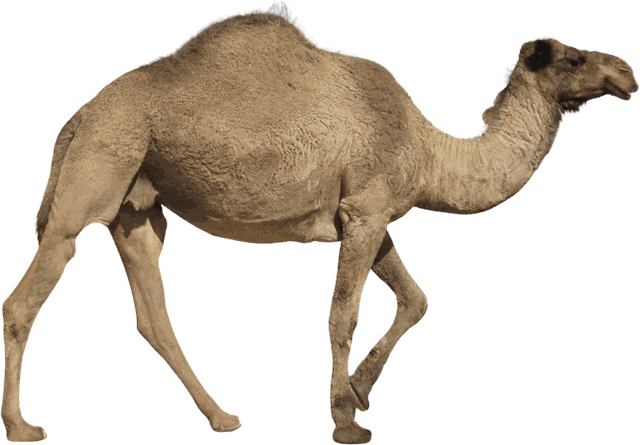
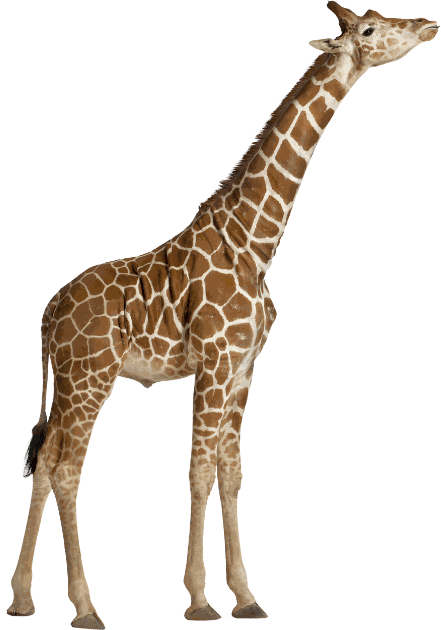
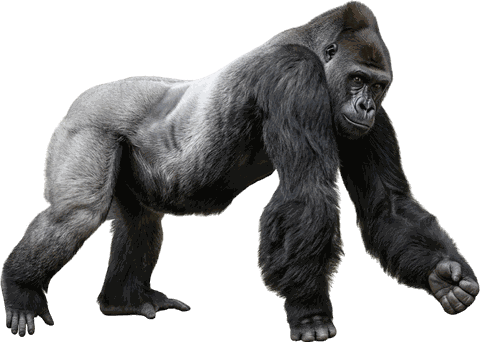
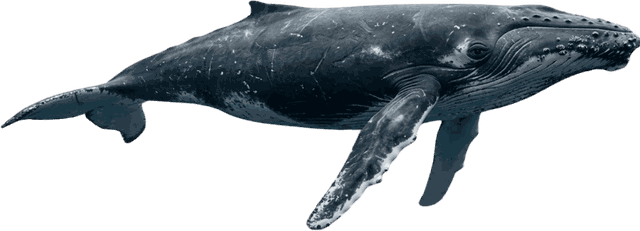
I have been lucky to stand in quite a few biomes. As a kid in Villahermosa, Tabasco, I lived right in front of a river where crocodiles were part of daily life. Years later, I saw scorpions in the desert of Baja California. Then, in Sweden, I watched herds of semi-domesticated reindeer.
Each place felt like a different planet. Even so, they all follow the same rule: climate decides what can live there. In this guide, I explain the main types of biomes, what makes each one different and where to find them. Above, you can also travel through all nine in the explorer, from the Arctic tundra to the open ocean.
What is a biome?
A biome is a large region of the world with a similar climate, plus the plants and animals adapted to it. In other words, it is life's answer to temperature and rainfall. For example, a desert in Mexico and a desert in Australia look alike, even though different species live in each one.
However, biomes are much bigger than ecosystems. An ecosystem is one community of living organisms and its particular environment, such as a pond or a single reef. A biome, by contrast, groups many ecosystems with a similar climate across different continents. Finally, a habitat is smaller again: it is simply the place where one species lives.
What makes a biome? Climate comes first
So what characteristics define biomes? The two big ones are temperature and rainfall. Together, they decide which plants can grow, and the plants then decide which animals can live there. For this reason, scientists classify the types of biomes mainly by climate and the dominant vegetation. In addition, soils, fire and grazing animals all play a part.
The tree line is a good example. Trees struggle where the warmest month stays below about 10 °C. As a result, the tundra begins where summers get too cold for forest. Similarly, deserts appear where less than about 250 mm of rain falls each year and evaporation beats rainfall.
You can test this yourself, too. Open Make a biome in the explorer, slide the temperature and rain controls, and then watch the biome change. Meanwhile, the chart below shows how much rain each land biome gets in a typical year.
How many types of biomes are there?
There is no single answer, which surprises many people. Instead, the number depends on how finely you split them. For instance, many textbooks, including National Geographic's, list five major biomes: aquatic, forest, grassland, desert and tundra. If you split the water into freshwater and marine, you get six.
Scientists, however, go further. Ecologist Robert Whittaker plotted biomes on a chart of temperature against rainfall and found nine types. Likewise, the WWF map of the world recognises 14 terrestrial biomes, divided into 867 ecoregions (Olson et al., 2001). Leslie Holdridge's life zones system defines 38 life zones, while Robert Bailey groups the continents into just four climate domains.
You may also read that Earth has six biomes, one of them the taiga. In fact, the taiga is a type of forest, so most short lists fold it into the forest biome. In this explorer, I use nine types of biomes. That way, the big differences stay clear, yet forests and grasslands still split into their main types.
The major types of biomes on land
Terrestrial biomes are the ones on land. Below, they appear in the order you meet them when travelling from the Arctic Circle towards the equator. Tap any card to jump straight there in the explorer.
Arctic tundra
The tundra is cold, windy and treeless. Beneath it lies permafrost, ground that stays frozen all year, so only the top layer thaws in summer. Because the growing season lasts just 50 to 60 days, low plants such as lichens, mosses and dwarf shrubs hug the ground. Meanwhile, polar bears, Arctic foxes and musk oxen survive with thick fur and fat. Alpine tundra also covers high mountains, above the tree line. You can meet more of these animals in my guide to Arctic animals.
Taiga (boreal forest)
South of the tundra, at higher latitudes, the taiga begins. This boreal forest is the world's largest forest biome, covering about 11% of Earth's land. Its evergreen trees, such as spruce, pine, fir and larch, shed snow easily and survive cold winters. In turn, moose, grey wolves, wolverines and the Eurasian lynx all live here. Reindeer and caribou are actually the same species, and they roam the taiga and tundra edges.
Temperate deciduous forest
Further south, deciduous forests bring four clear seasons. Oaks, maples and beeches drop their leaves every autumn, then grow new ones in spring. Rain is steady, too, at about 750 to 1,500 mm a year. Red foxes, black bears and hedgehogs are typical residents, and you can find more in my guide to woodland animals. Sadly, however, people cleared much of these forests long ago for farms and cities.
Temperate grassland
In the dry interiors of continents, grass takes over instead. Prairies, steppes and the pampas of South America have hot summers, cold winters and very few trees. Their deep, dark soils are among the most fertile on Earth, so most temperate grasslands are now farmland. Even so, bison, pronghorns and prairie dogs still survive there, shaped by fire and grazing. On an open plain in Sweden, I once ran a small university experiment with friends. We measured how a predator changed the time birds spent feeding. After all, out in the open there is nowhere to hide.
Desert
A desert gets very little rain, usually under 250 mm a year. As a result, days can be scorching, while nights can drop close to freezing. Yet not every desert is hot. The Gobi has bitter winters, and Antarctica counts as the largest desert of all. Cacti and succulents store water, whereas animals such as fennec foxes, camels and thorny devils save every drop. I have also seen scorpions in the field in Baja California, a reminder that deserts are full of life. Explore more in my guides to desert animals and the Gobi Desert.
Savanna
The savanna is tropical grassland with scattered trees. Although it stays warm all year, a long dry season and frequent fires keep the trees apart. Savannas cover about one-fifth of Earth's land, including almost half of Africa. Elephants, giraffes and zebras graze here, while huge herds follow the rains on the wildebeest migration. For more, read my guide to savanna animals.
Tropical rainforest
Near the equator, tropical rainforests get more than 2,000 mm of rain a year and stay warm every day. Although they cover only about 6% of land, they are estimated to hold more than half of all land plant and animal species. Their trees form layers, from the dark forest floor up to emergent crowns in the sunlight. Here in Queensland, I have hiked the subtropical rainforest at Springbrook. On a single walk there, I saw five red-bellied black snakes. Next, climb through four rainforests in my Rainforest Layers explorer, or read about rainforest animals.
Aquatic types of biomes: freshwater and marine
Aquatic biomes cover far more of the planet than the land biomes do. They split into two main types, depending on how much salt the water holds.
Freshwater biomes
Rivers, lakes and wetlands usually hold less than 1% salt. Together, they cover less than 1% of Earth's surface, yet they are home to about 10% of known animal species. Sadly, about one in four assessed freshwater animals is now threatened with extinction (Sayer et al., 2025). Hippos, otters, river dolphins and beavers all depend on them. Closer to home, I often walk the wetlands at Coombabah Lakelands, where migrating bar-tailed godwits stop to feed.
Marine biomes
The ocean, meanwhile, is the largest biome by far. It covers about 71% of Earth's surface and holds about 97% of its water, with an average depth of about 3,682 m. Marine biomes include coral reefs, kelp forests, the open ocean and the deep sea. In 2025, I joined a coral restoration project in Pemuteran, Bali, and found a long, slender seahorse on the reef. To dive deeper, try my Coral Reef Explorer, the Deep Sea Dive and my guide to kelp forests.
Types of biomes compared
Here is a quick way to compare the major biomes side by side. On a phone, simply scroll the table sideways.
Biomes and climate change
Biomes are not fixed, though. As the climate warms, their edges shift. For example, the Arctic has warmed nearly four times faster than the global average since 1979 (Rantanen et al., 2022). As a result, permafrost thaws and shrubs creep north into the tundra.
Elsewhere, warmer seas bleach coral reefs, and drought plus overgrazing can turn dry grassland into new desert. Meanwhile, logging and farming clear rainforest every year. Therefore, protecting all the types of biomes matters. You can read more in my guide to how climate change threatens animals and in whether protected areas work.
Quick quiz: fact or myth?
Frequently asked questions
What is a biome?
A biome is a large region with a similar climate, plants and animals. For example, deserts, tundra and tropical rainforests are all biomes, and each one appears on several continents.
What are the 5 major biomes?
Many textbooks list five major biomes: aquatic, forest, grassland, desert and tundra. However, larger schemes split these further, for example into taiga, savanna, freshwater and marine.
How many biomes are there?
It depends on the system. For instance, textbooks often use 5 or 6, Whittaker's chart has 9, and the WWF recognises 14 terrestrial biomes divided into 867 ecoregions.
What is the largest biome?
The ocean is the largest biome, covering about 71% of Earth's surface. On land, however, deserts and dry shrublands cover the most area, while the taiga is the largest forest biome.
Which biome has the most biodiversity?
Tropical rainforests. Although they cover only about 6% of land, they are estimated to hold more than half of all land plant and animal species.
What is the difference between a biome and an ecosystem?
An ecosystem is one community of living things and its environment, like a pond. A biome, by contrast, is much larger and groups many ecosystems with a similar climate.
Is the ocean a biome?
Yes. In fact, the marine biome is the largest on Earth. It includes coral reefs, kelp forests, the open ocean and the deep sea.
References
- Olson, D. M., Dinerstein, E., Wikramanayake, E. D., Burgess, N. D., Powell, G. V. N., Underwood, E. C., D'Amico, J. A., Itoua, I., Strand, H. E., Morrison, J. C., Loucks, C. J., Allnutt, T. F., Ricketts, T. H., Kura, Y., Lamoreux, J. F., Wettengel, W. W., Hedao, P., & Kassem, K. R. (2001). Terrestrial ecoregions of the world: A new map of life on Earth. BioScience, 51(11), 933–938. https://doi.org/10.1641/0006-3568(2001)051[0933:TEOTWA]2.0.CO;2
- Rantanen, M., Karpechko, A. Y., Lipponen, A., Nordling, K., Hyvärinen, O., Ruosteenoja, K., Vihma, T., & Laaksonen, A. (2022). The Arctic has warmed nearly four times faster than the globe since 1979. Communications Earth & Environment, 3, 168. https://doi.org/10.1038/s43247-022-00498-3
- Sayer, C. A., Fernando, E., Jimenez, R. R., et al. (2025). One-quarter of freshwater fauna threatened with extinction. Nature, 638, 138–145. https://doi.org/10.1038/s41586-024-08375-z



