I grew up in Mexico, and wildlife there does not stop at the border. I have travelled through Tijuana, Baja California and other northern states. The deserts there share many species with Texas, from rattlesnakes to scorpions.
That shared wildlife is why Texas state animals fascinate me. Many of them live on both sides of the Rio Grande. Some even started their story in Central and South America.
Texas has official animals for almost everything. There is a state small mammal, a state flying mammal, a state reptile and even a state crustacean. Behind each designation sits real biology, and sometimes a scientific surprise.
The biggest surprise belongs to the armadillo. In 2024, DNA analysis showed that the Texas armadillo is not the species everyone thought it was. Below, I cover all 15 Texas state animals. For each one, you will find what makes it remarkable and what the latest research says.
Which Texas symbol always has quadruplets? Texas has official animals for almost everything, and our 15 questions cover them. Read on, then take the quiz at the end and see if you’re a Lone Star Legend or still a Tenderfoot. Jump to the quiz ↓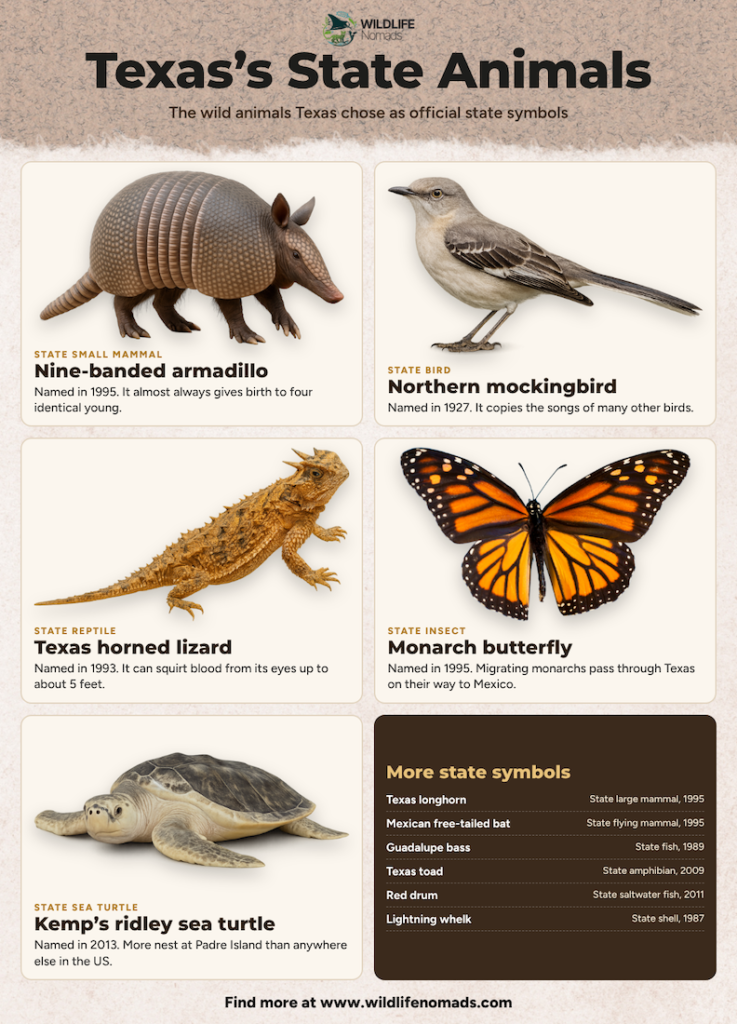
The Armadillo: Official State Small Mammal of Texas
Texas lawmakers named the armadillo the official state small mammal in 1995. It all started with a statewide mock election among elementary school students. The armadillo and the longhorn led the vote, so the Legislature honoured both.
The resolution praised the armadillo as a hardy pioneer. It also noted that armadillos began migrating into Texas around the time Texas became a state, in 1845. Few animals fit the Texan story of independence so neatly.
A walking suit of armor
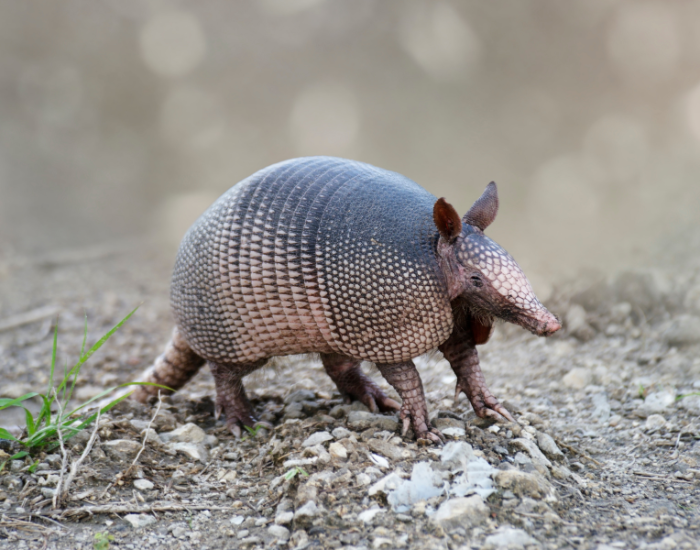
The armadillo is the only living mammal with a shell of bony plates. Its armor covers the back, head, legs and even the tail. That said, the shell does not make it invincible. Coyotes, bobcats, cougars and dogs all count as predators.
Armadillos rely on digging more than armor. Strong front claws tear through soil to reach beetle larvae, ants and other insects. They also eat other invertebrates, plus the odd bird eggs, small reptiles and berries.
Their closest living relatives are sloths and the anteater. All three belong to an ancient group of mammals that evolved in South America.
Four identical babies from a single egg
The armadillo has one of the most unique traits of any mammal. A female almost always gives birth to four identical young. All four develop from a single egg that splits after fertilisation.
Researchers confirmed this with genetic tests in 1996. Every pup in a litter carries the same DNA, like natural clones. Scientists call this polyembryony. Long-nosed armadillos are the only mammals known to do it every time.
Texas armadillos are now a different species
For decades, scientists treated the nine banded armadillo as one species. Its range stretched from Argentina north to the United States. However, biologists suspected that so much range might hide more than one animal.
A team led by Frédéric Delsuc, a research director at France’s National Center for Scientific Research, tested that idea. Anderson Feijó of the Field Museum in Chicago co-authored the study. They combined DNA from 81 armadillos with body measurements.
Many samples came from museum collections. The team clipped tiny pieces of dried skin from specimens collected decades earlier. Museums held the evidence long before anyone knew to look for it.
The results, published in 2024, split the animal into four different species:
- Dasypus novemcinctus, the nine-banded armadillo, now restricted to South America
- Dasypus fenestratus, from the central part of the old range
- Dasypus mexicanus, the Mexican long-nosed armadillo of Mexico and the United States
- Dasypus guianensis, a new species from the Guiana Shield
So the Texas armadillo is now Dasypus mexicanus, a former subspecies raised to full species. The state still calls it the armadillo, and most Texans still say nine-banded.

Why the new names matter
All four armadillo species look almost identical in the field. Yet they may have potentially different needs for food and habitat. As a result, their conservation status may differ too.
Feijó explained that the discovery totally shifts how scientists assess threat levels. It also changes how biologists bring individuals between regions. An animal moved from one area to another may not fit in with a different species.
An armadillo on the move
Since crossing the Rio Grande, the Mexican long-nosed armadillo has expanded across the South. It now lives in Oklahoma, Louisiana and Kansas, and as far north as Illinois.
Cold limits its spread north. Dry country limits it west, roughly where annual rainfall drops below 50 cm (20 in). That is why armadillos stay scarce in the far west of the Texas Panhandle and the Trans-Pecos.
The Texas Longhorn: State Large Mammal
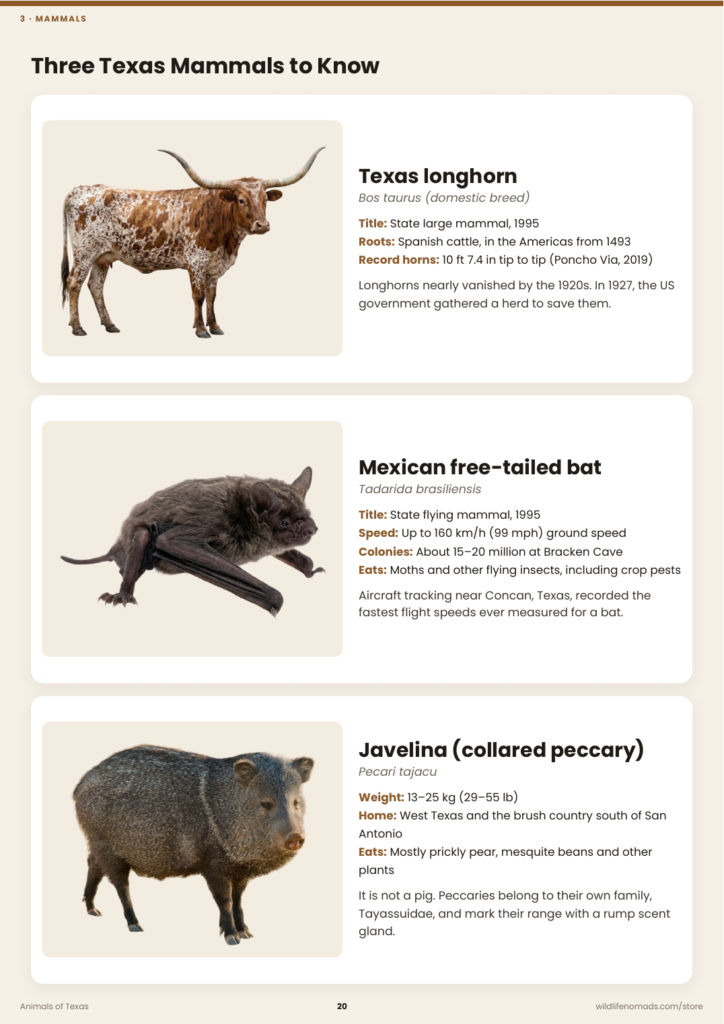
The longhorn became the state large mammal in the same 1995 resolution. Its roots go back to Spanish cattle that reached the Americas in 1493. Over centuries, those cattle ran half-wild across Mexico and Texas.
After the Civil War, cowboys drove millions of longhorns north to railheads in Kansas. By the 1920s, however, the breed nearly vanished. In 1927, the US government gathered a herd at the Wichita Mountains refuge in Oklahoma to save it.
Today, breeders select for ever-longer horns. In 2019, a steer called Poncho Via set a Guinness record. His horns measured 10 ft 7.4 in from tip to tip.
The Mexican Free-Tailed Bat: State Flying Mammal
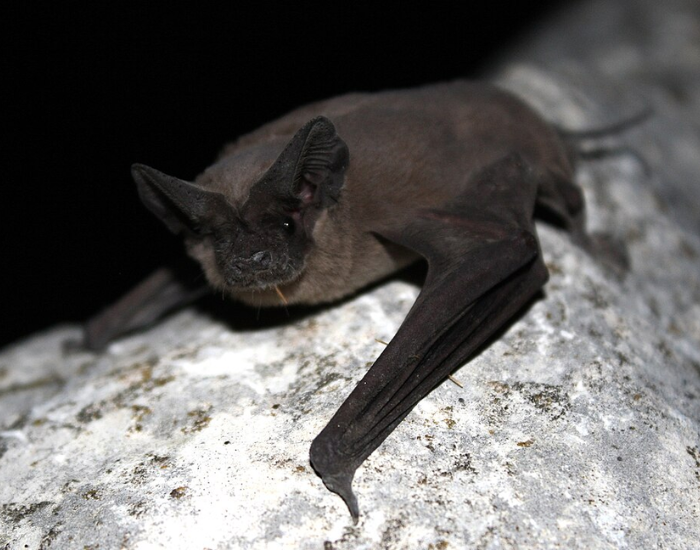
The Mexican free-tailed bat (Tadarida brasiliensis) became the state flying mammal in 1995. Bracken Cave, near San Antonio, hosts an estimated 15 to 20 million of them each summer. In Austin, about 1.5 million roost under the Congress Avenue Bridge.
These bats hold a speed record too. In 2009, researchers tracked them by aircraft near Concan, Texas. One bat reached a ground speed of 160 km/h (99 mph), the fastest flight ever measured for a bat.
On an agave farm in Mexico, a guide once explained how tequila depends on bats. Those were nectar bats, though. Free-tailed bats work differently. They hunt moths over farmland, including corn earworms, saving south-central Texas cotton growers about $741,000 a year.
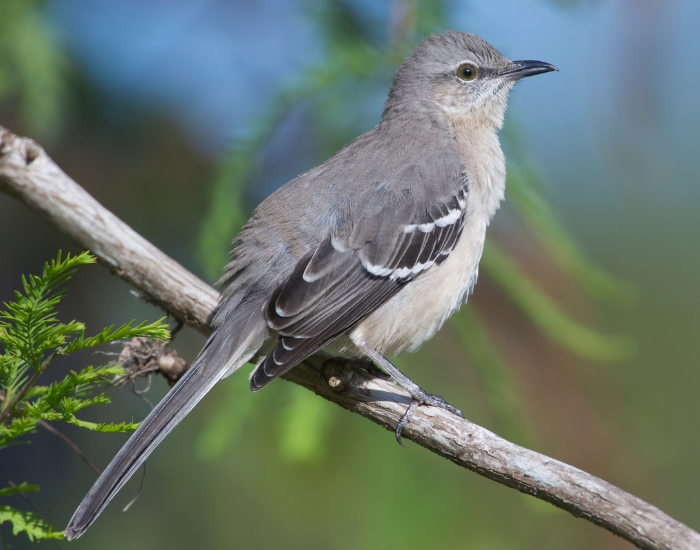
The Northern Mockingbird: State Bird
Texas named the northern mockingbird (Mimus polyglottos) its state bird in 1927. Arkansas, Florida, Mississippi and Tennessee chose it too. Its scientific name means “many-tongued mimic”.
A single male can copy dozens of other birds, and even car alarms. Unpaired males often sing through spring nights. If one has kept you awake, that is a bachelor advertising. You can meet more of the state’s birds in my guide to birds from Texas.
The Texas Horned Lizard: State Reptile
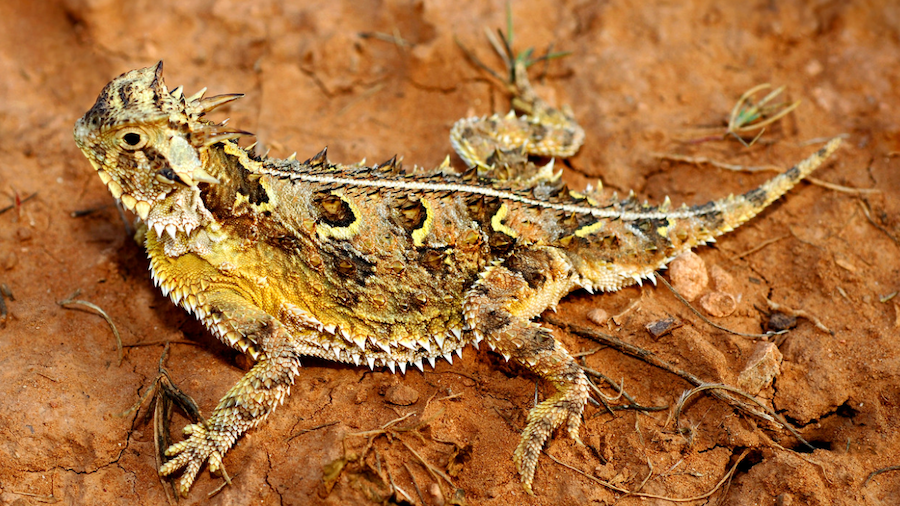
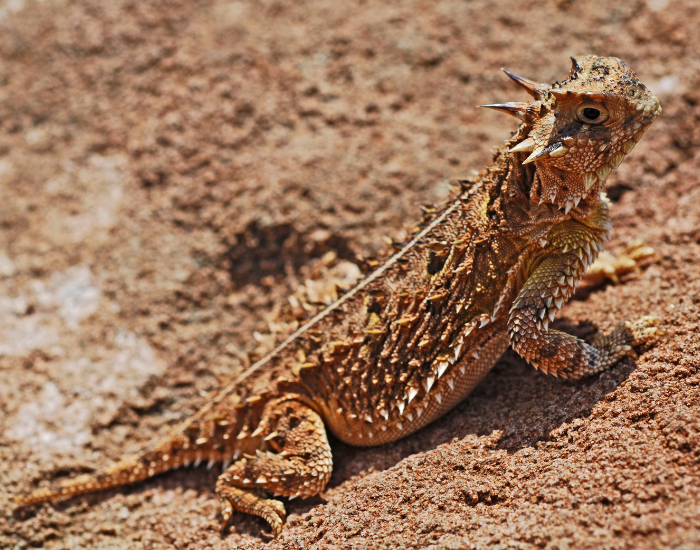
The Texas horned lizard (Phrynosoma cornutum) became the state reptile in 1993. Texans often call it the “horny toad”, although it is a lizard. It feeds mostly on harvester ants.
Its defence is famous. If a coyote or dog grabs it, the lizard can squirt blood from its eyes. The stream can travel about 5 ft (1.5 m). The blood tastes foul to canine predators, so they often drop it.
Sadly, Texas lists the horned lizard as a threatened species. Habitat loss, pesticides and invasive fire ants have pushed it out of much of East Texas. Meet its relatives in my list of lizards of Texas.
The Monarch Butterfly: State Insect
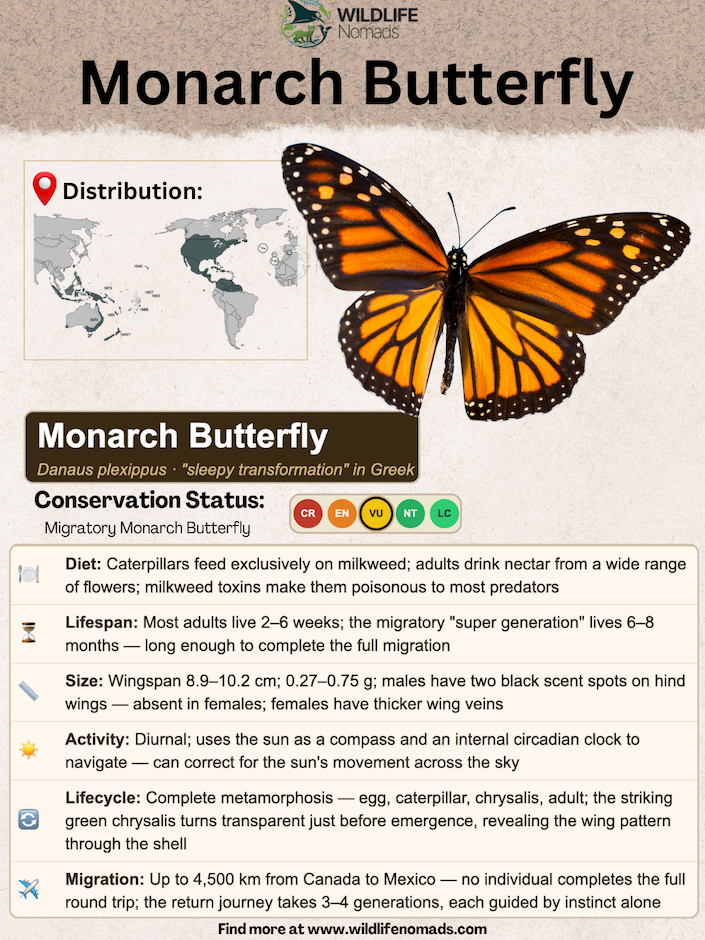
The monarch butterfly became the state insect in 1995. Texas sits in the funnel of its migration. Most monarchs from eastern North America cross the state each autumn on their way to Mexico.
I visited a monarch sanctuary in Michoacán when I was about ten. I still remember the sheer number of butterflies. Many had flown more than 3,000 km (1,900 mi) to reach those forests.
Monarch numbers have fallen sharply. The US Fish and Wildlife Service proposed listing the monarch as threatened in December 2024. Its final decision is now due by June 2030. You can follow the full route on my interactive monarch migration map.
Kemp’s Ridley Sea Turtle: State Sea Turtle
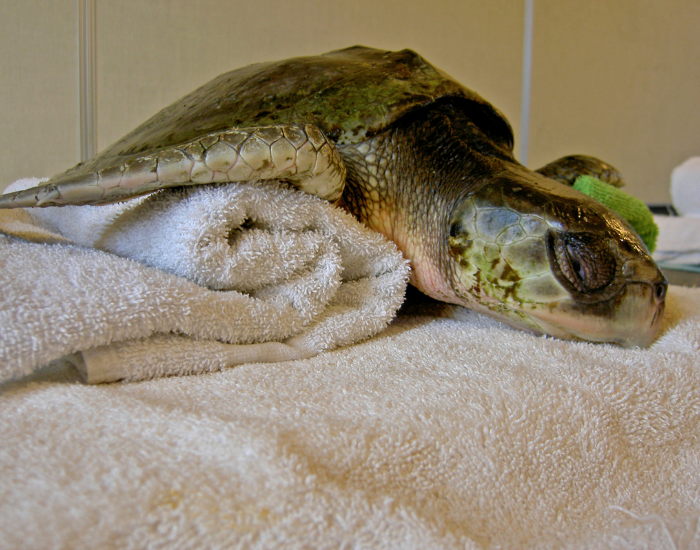
Kemp’s ridley (Lepidochelys kempii) became the state sea turtle in 2013. It is the world’s most endangered sea turtle, and the IUCN lists it as Critically Endangered. Most females nest in Tamaulipas, Mexico, just south of Texas.
Padre Island National Seashore records more Kemp’s ridley nests than anywhere else in the United States. I once helped release olive ridley hatchlings in Puerto Escondido, Mexico. Olive ridleys are Kemp’s closest relatives, and watching tiny flippers reach the surf never gets old.
The Texas Toad: State Amphibian
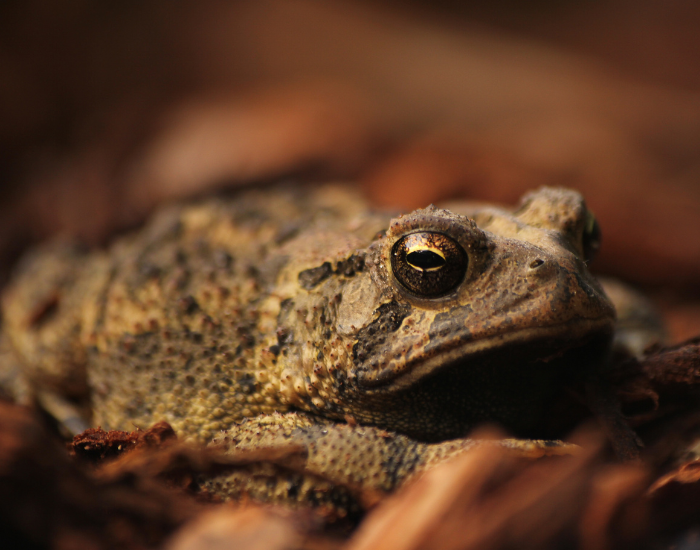
The Texas toad (Anaxyrus speciosus) became the state amphibian in 2009. It lives across much of central and western Texas, and into northern Mexico, Oklahoma and New Mexico.
This toad spends dry spells buried underground. Heavy rain wakes it up, and males call from temporary pools within hours. Tadpoles must develop fast, before the water evaporates.
The Guadalupe Bass: State Fish
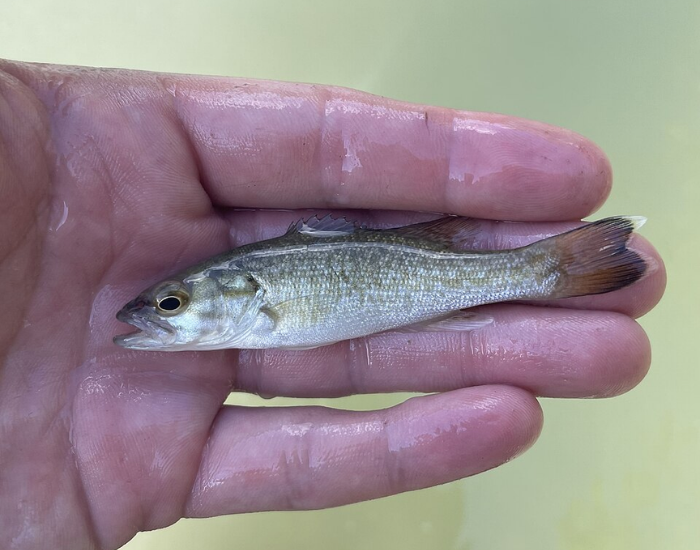
The Guadalupe bass (Micropterus treculii) became the state fish in 1989. It lives only in Texas, mostly in the rivers of the Edwards Plateau. That makes it one of the few true endemic fish to carry a state title.
Hybridisation with introduced smallmouth bass still threatens it. Texas Parks and Wildlife stocks pure Guadalupe bass to restore wild populations.
The Red Drum: State Saltwater Fish
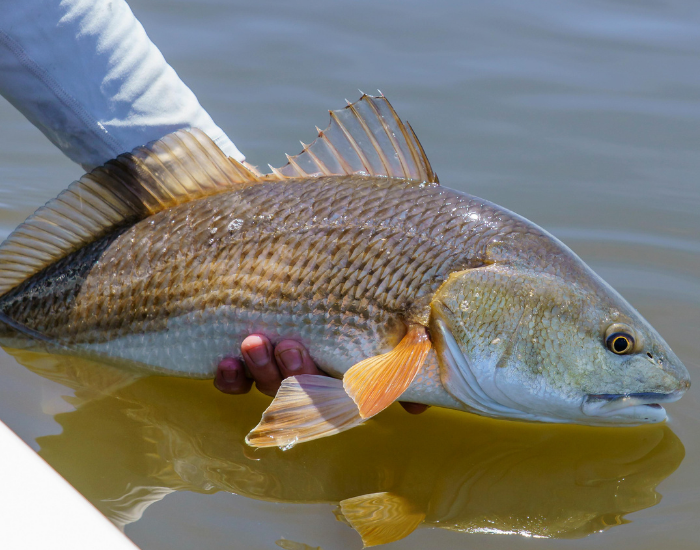
The red drum (Sciaenops ocellatus) became the state saltwater fish in 2011. Anglers know it as redfish. Most have at least one black spot near the tail.
Scientists think the spot may fool predators into striking the tail instead of the head. Males also “drum” by vibrating muscles against the swim bladder, which gives the species its name.
The Lightning Whelk: State Shell
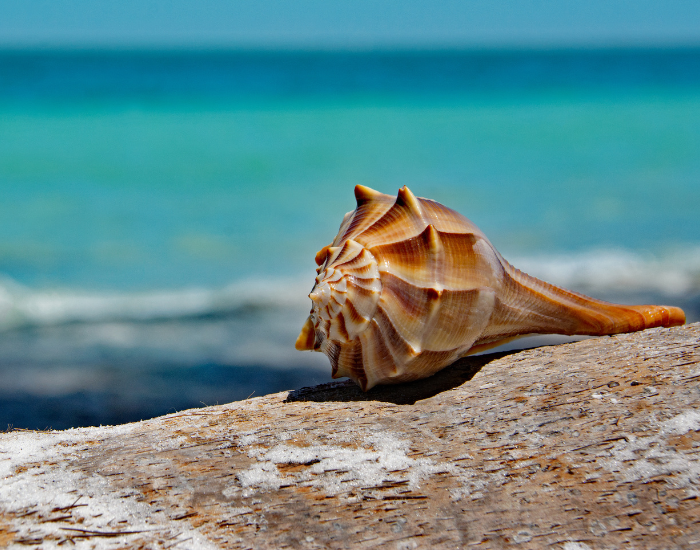
The lightning whelk became the state shell in 1987. This Gulf snail has a rare trait: its shell opening sits on the left side. Most snail shells coil the other way.
It hunts clams by prying their shells apart with the edge of its own. Brown zigzag stripes on young shells give the whelk its name.
Texas Gulf Shrimp: State Crustacean
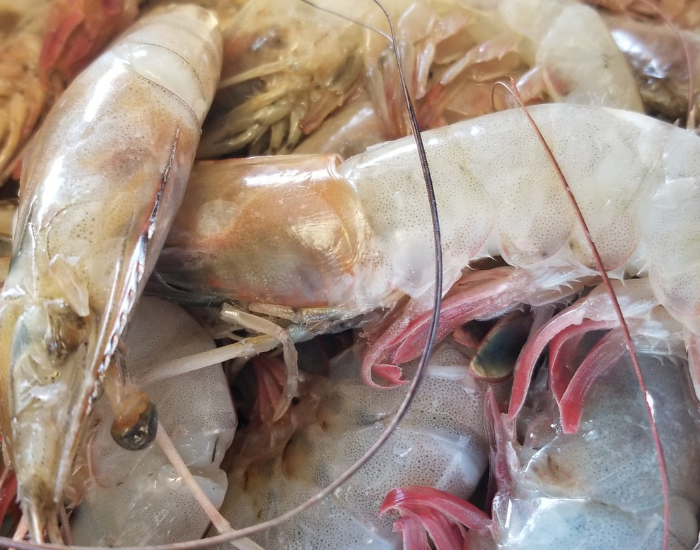
Texas named Gulf shrimp its state crustacean. The title covers the brown, white and pink shrimp of the Texas coast. These shrimp support one of the state’s most valuable fisheries.
Their life cycle links sea and shore. Adults spawn offshore, while young shrimp grow up in coastal bays and marshes. Healthy wetlands therefore mean healthy shrimp catches.
The Western Honey Bee: State Pollinator
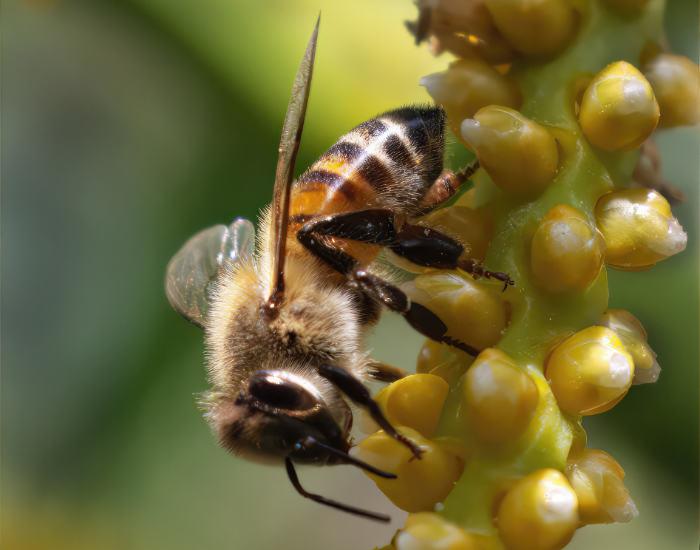
The western honey bee (Apis mellifera) is the official state pollinator. Here is a twist, though. Honey bees are not native to the Americas, as European settlers brought them over.
Texas also hosts hundreds of native bee species that pollinate wildflowers and crops. I would love to see one of them honoured someday. Learn more about the honey bee and other bee species.
The Blue Lacy: State Dog Breed
The Blue Lacy became the state dog breed in 2005. Four Lacy brothers developed it in Texas during the mid-1800s. It remains one of very few dog breeds that originated in Texas.
Ranchers use it to herd livestock and track game. Despite the name, coats come in blue, red or tricolour.

The American Quarter Horse: State Horse
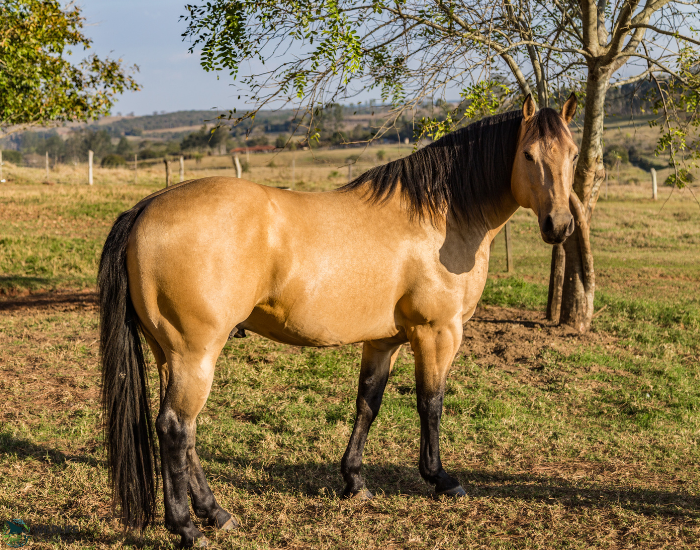
The American Quarter Horse became the state horse in 2009. Its name comes from its speed over a quarter-mile race. The American Quarter Horse Association has its headquarters in Amarillo, in the Texas Panhandle.
Ranch work shaped this breed. Its quick bursts and tight turns suit cattle work perfectly. Compare it with other breeds in my guide to horse breeds.
Frequently Asked Questions
Texas lawmakers named the armadillo the state small mammal in 1995, after a mock election among schoolchildren. The resolution praised it as a hardy pioneer that adapts to new land. It also noted that armadillos began migrating into Texas around statehood.
Most Texans simply say “armadillo”, Spanish for “little armored one”. During the Great Depression, hungry families called them “Hoover hogs” and “poor man’s pork”. Some Texans still use the nickname “possum on the half shell”.
No giant armadillo lives in Texas today. The giant armadillo (Priodontes maximus) lives in South America and can reach 1.5 m (5 ft) with its tail. During the Ice Age, however, huge armored relatives called glyptodonts roamed North America.
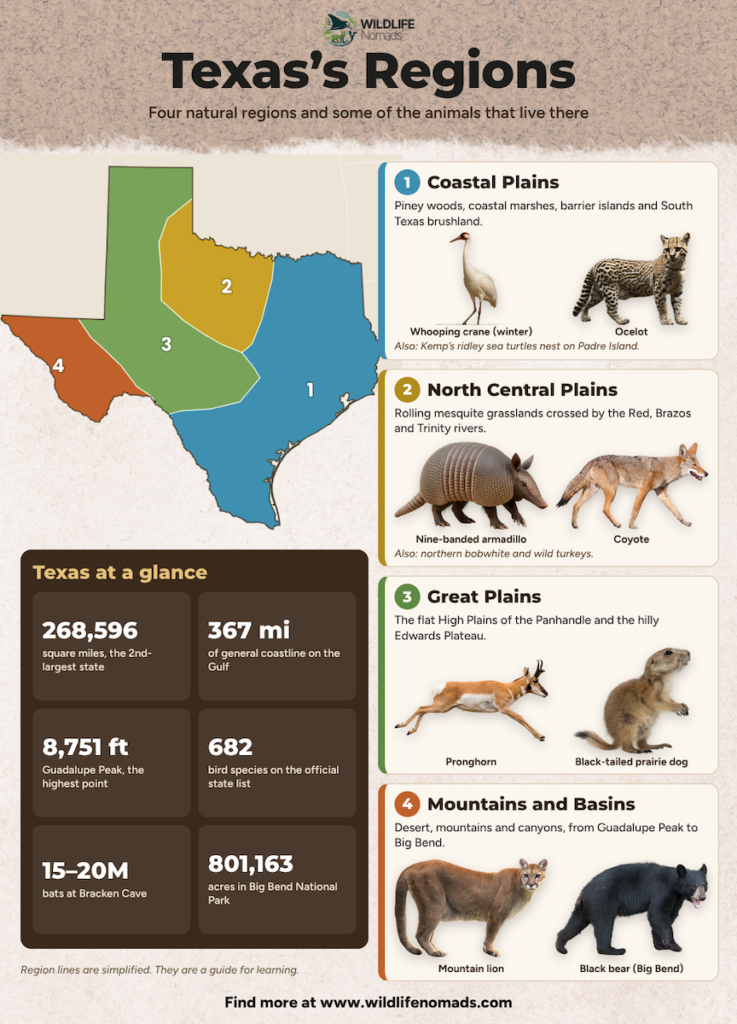
What mammals live in Texas? Texas hosts a huge variety of mammals across deserts, prairies, forests and coasts. The three state mammals are the armadillo, the longhorn and the Mexican free-tailed bat. Other wild mammals include the ocelot, pronghorn, javelina, coyote, cougar and black-tailed prairie dog.
A State Full of Border Crossers
Texas state animals tell a story about movement. The armadillo walked in from Mexico. The monarch flies through twice a year, and Kemp’s ridley nests on both sides of the border.
Science keeps rewriting that story, too. A state symbol chosen by schoolchildren in 1995 turned out to be a different species in 2024. That is why I approach every animal with deep respect and curiosity.
Next time you see an armadillo by a Texas roadside, remember its new name: the Mexican long-nosed armadillo. Have you met any of these Texas state animals in the wild? Tell me in the comments. For more wildlife south of the border, explore my guide to animals of Mexico.
Lone Star Smarts: Shell You Lasso These Texas Facts?
15 questions on Texas state animals. Pick your answers, collect a surprising fact each time, and see where you rank.
Still curious? Find the lizards of Texas, explore the Critically Endangered animals, or see the animals of Mexico.
References:
Barthe, M., et al., (2025). Exon capture museomics deciphers the nine-banded armadillo species complex and identifies a new species endemic to the Guiana Shield. Systematic Biology, 74(2), 177–197. https://doi.org/10.1093/sysbio/syae027
Cleveland, C. J., et al., (2006). Economic value of the pest control service provided by Brazilian free-tailed bats in south-central Texas. Frontiers in Ecology and the Environment, 4(5), 238–243. https://doi.org/10.1890/1540-9295(2006)004[0238:EVOTPC]2.0.CO;2
McCracken, G. F., Safi, K., Kunz, T. H., Dechmann, D. K. N., Swartz, S. M., & Wikelski, M. (2016). Airplane tracking documents the fastest flight speeds recorded for bats. Royal Society Open Science, 3(11), 160398. https://doi.org/10.1098/rsos.160398
Prodöhl, P. A., Loughry, W. J., McDonough, C. M., Nelson, W. S., & Avise, J. C. (1996). Molecular documentation of polyembryony and the micro-spatial dispersion of clonal sibships in the nine-banded armadillo, Dasypus novemcinctus. Proceedings of the Royal Society B, 263(1377), 1643–1649. https://doi.org/10.1098/rspb.1996.0240
Sherbrooke, W. C., & Middendorf, G. A. (2001). Blood-squirting variability in horned lizards (Phrynosoma). Copeia, 2001(4), 1114–1122. https://doi.org/10.1643/0045-8511(2001)001[1114:BSVIHL]2.0.CO;2