The United Kingdom is a small, crowded, long-industrialised island nation. Don’t let that fool you. It is packed with wildlife. Great Britain — the largest landmass in the UK, sits just far enough off the European continent to have grown its own distinct cast of animals, including a few species found nowhere else.
Our team lived in Great Britain for a stretch, basing ourselves in London. We are going back this summer, and we already know what we’re hoping to see again. On our last trips we watched red foxes trot across suburban gardens at dusk, met roe deer and red deer on early-morning woodland walks, and counted seabirds along the coast. One long weekend in Wales pinned us to a clifftop in the wind, scopes trained on auks wheeling below, the kind of encounter that sticks with you for years.
This guide is built from that fieldwork. From red stags roaring across Scottish hills to urban foxes working London streets, the animals of the United Kingdom are a layered mix: deep-rooted native species, naturalised settlers, and a handful of damaging invaders. Whether you’re planning a wildlife trip, tracking conservation efforts, or just want to name the wild animals in your local park, here’s what actually lives on these islands, and what it takes to keep it here.
How Wild Is the UK, Really?
The spread of wildlife across England, Scotland, Wales, and Northern Ireland is bigger than most people expect. Over 70,000 known species share the British Isles, from microscopic life to mammals weighing several hundred kilograms. The United Kingdom has roughly 90 species of mammals alone, alongside thousands of insects, plants, and other invertebrates that hold the whole system together. Across these habitats, the sheer number of different species of wild animals packed into such a small place makes Britain a deceptively rich corner of nature to survey.
What shapes British fauna is the collision of geography and humans. Ancient woodland, rolling grassland, heath, rugged coast, and dense urban environments form a patchwork of habitats across Great Britain, each holding its own community of animals. Where old trees stand, you get hole-nesting birds, bats, and beetles; where hedgerows survive, you get prey for owls and stoats. Humans and wild nature have reshaped each other here for centuries, and many creatures now fit their behaviour around the landscapes we built.
Not everything you meet belongs here, though. The story of UK wildlife is also a story of arrivals, some harmless, some catastrophic — and the scientific research now mapping how these different species reshape the places they land.
Native Mammals: The True Brits
Start with the animals that settled these islands thousands of years ago, the indigenous species that form the backbone of UK wildlife. Native species here run from large mammals like deer down to smallest mammals such as shrews and voles. Among the smallest mammals are the pygmy shrew and the common pipistrelle bat, each remarkable for packing a full mammalian life into a few grams. Of the UK’s 17 species of bat — the pipistrelle included — most hunt insects on the wing at dusk.
The UK also holds 18 rodent species, from reintroduced beavers felling waterside trees to wood mice and the squirrels we’ll come back to shortly.
The Deer Family
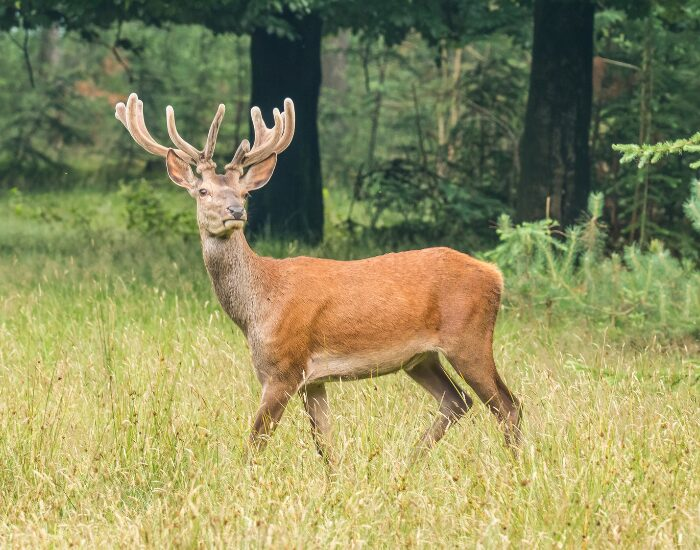
Red deer
They are the UK’s most iconic large land mammal. During the autumn rut, stags trade thunderous roars and clash antlers across Scotland’s hills, the Lake District, and English moors. We’ve stood downwind of a rutting stag at dawn in the Highlands, the bellow travels through your chest before you ever see the animal. Adult stags reach 190 kg and carry antlers spanning over a metre. They can also sprint at around 40 mph, which you appreciate fast when one decides you’re too close.
Roe deer
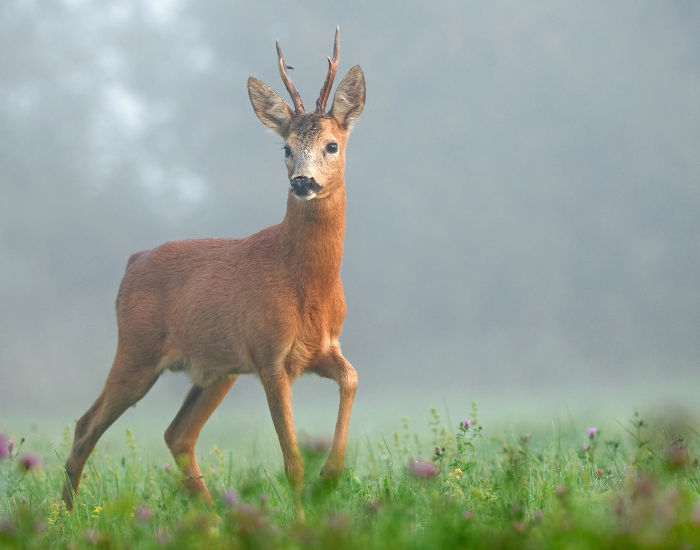
Smaller and far more widespread, clawed back from near-extinction in the 18th century. We routinely flush them from woodland edges at first light; they tolerate people better than you’d think.
Fallow deer
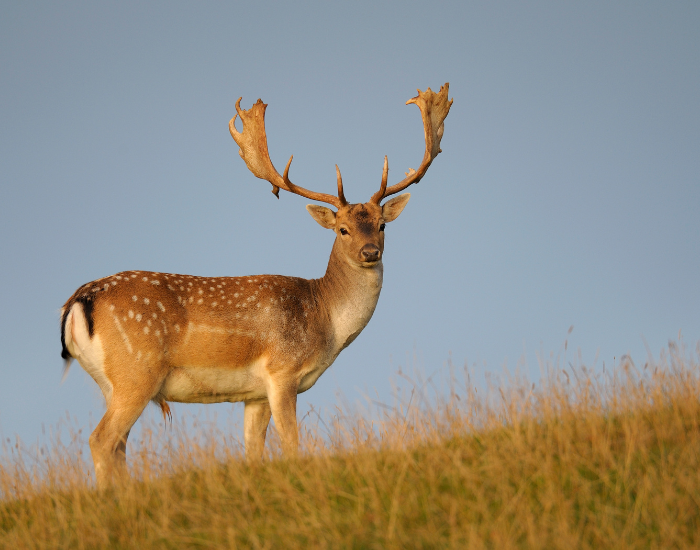
This deer sit between native and introduced, naturalised by the Normans nearly a thousand years ago. Spotted coats and palmate antlers make this species unmistakable, and parkland herds of fallow deer still breed freely across southern England.
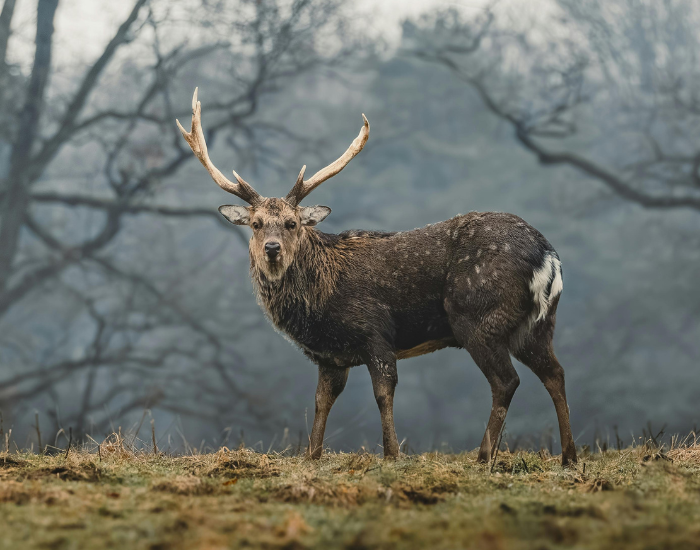
Sika deer
Originally from East Asia, are a more recent introduction now established across Scottish and southern English forest and moor. As a non-native breed, they breed with red stags, and the resulting hybrids muddy the genetics of both.
Underground Engineers
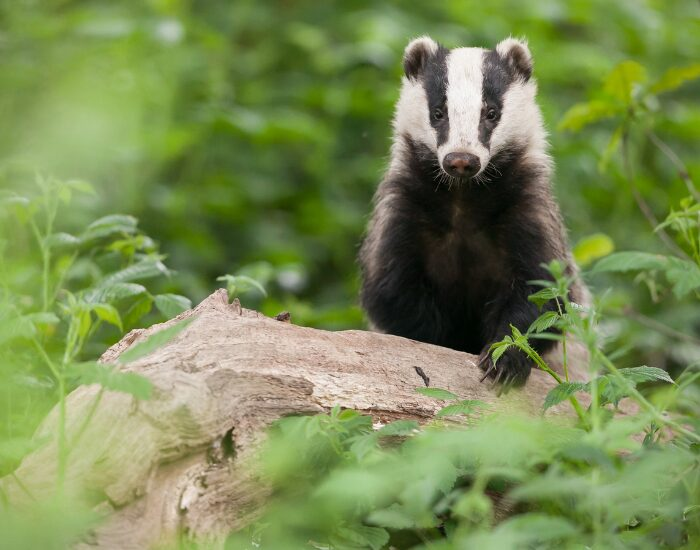
The European badger is one of Britain’s great earth-movers. These black-and-white diggers excavate setts, underground warrens that shelter several generations and outlast the badgers that build them. They turn soil, aerate root zones, and eat the insects, earthworms, and grubs that damage pasture. They also sit at the centre of a long, bitter dispute over bovine tuberculosis in cattle country.
Marine Mammals
Britain’s coast feeds several marine mammals, chiefly grey seals and harbour seals. Grey seals are a genuine recovery story: hunted down to perhaps 500 animals by 1914, the population now in 2026 numbers well over 150,000, roughly 40% of the world’s total.
They gather to breed in dense colonies along the coast each autumn. We’ve spent time watching seal types haul out and squabble. The Farne Islands are the classic spot to see both grey seals and seabirds in one trip. Offshore, porpoises and occasional dolphins work the same productive water.
The Invasion Problem: Non-Native Species
Here the story turns. Some introduced animals slotted into local ecosystems without much fuss. Others have wrecked them. Invasive species rewrite food webs, out-compete native species for food and shelter, and in several cases have driven local wild animals to the edge, or out entirely. 100 species became extinct in the UK during the 20th century, and non native arrivals share much of the blame.
The Squirrel Wars
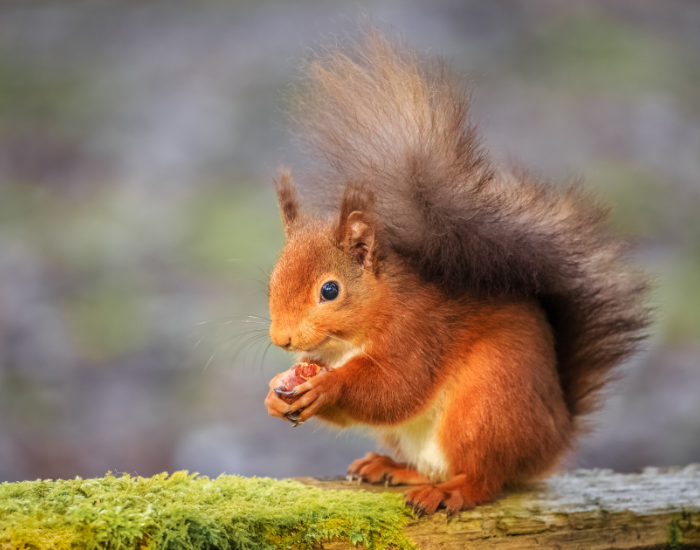
The textbook case are squirrels, but specifically the grey versus red. Grey squirrels, brought from North America in the 19th century, have displaced the red across nearly all of England and Wales. They’re larger, bolder, and — critically — carry squirrelpox, a virus harmless to grey squirrels but lethal to reds. Where the virus is present, red squirrels decline roughly 25 times faster than where the two species merely compete.
The result is stark: the UK red squirrel population has declined to less than 200,000, and that remaining population holds out mainly in Scotland, Northern Ireland, northern England, and a few island refuges. Conservation groups fight to keep those strongholds grey-free, but it’s relentless work.
The Muntjac Explosion
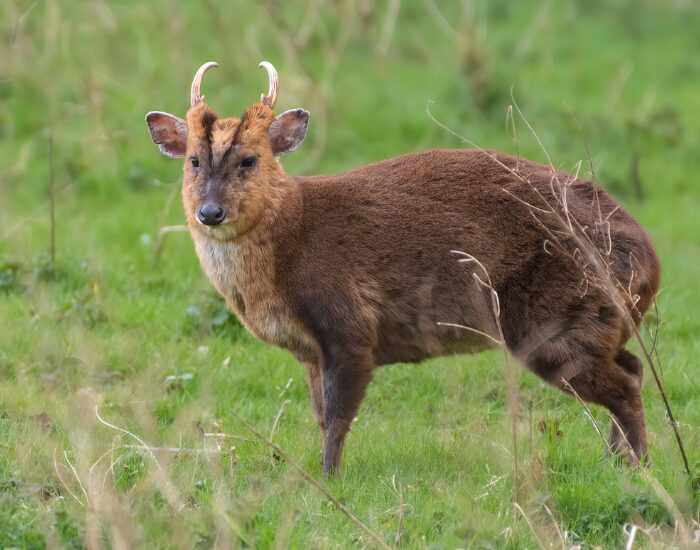
Chinese water deer and muntjac deer are newer invaders reshaping British woodland. These muntjacs, escapees from parks just over a hundred years ago, have spread explosively. They browse the woodland understorey to the ground, stripping out the plants and tree seedlings that birds and insects depend on. Chinese water deer, oddly, are now more numerous in parts of England than in their threatened home range.
Waterways have their own invaders. The Chinese mitten crab burrows into riverbanks and displaces local species across UK rivers, while the American signal crayfish carries plague fatal to our white-clawed crayfish.
Britain’s Feathered Residents
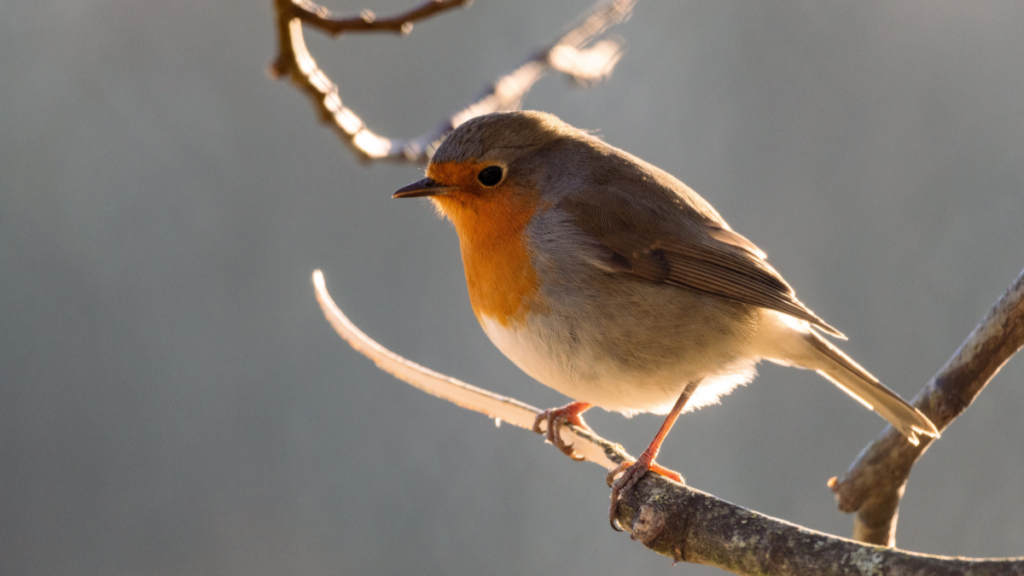
UK bird species are spectacularly varied, over 600 recorded, though not all stay year-round. Some, like the blackbird and robin, are present year round; others pass through on migration. For the full picture, see our guide to types of birds. One bird species stands out as a true UK original: the Scottish Crossbill, the UK’s only distinct endemic vertebrate, prising seeds from Caledonian pine cones in the Highlands and nowhere else on Earth.
Iconic Resident Birds
The curlew’s long, down-curved bill and bubbling call carry across moor and marsh. It’s a sound of wilder times, and a fading one, habitat loss and farming change have made curlews a rare sight. Hearing one now feels like a privilege.
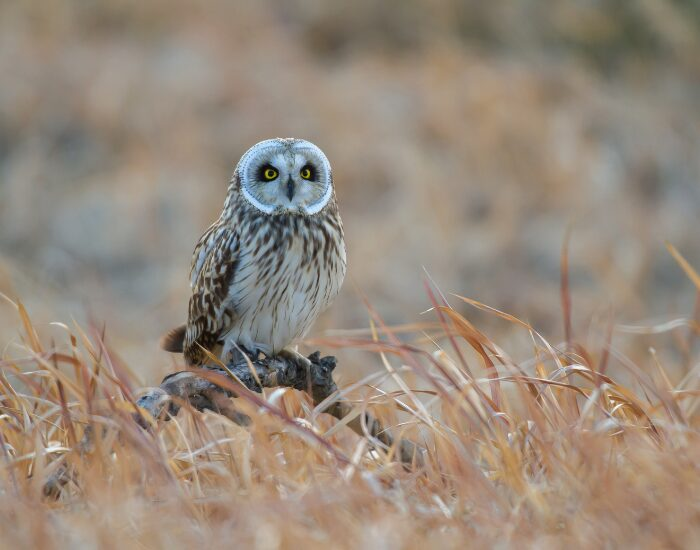
Short eared owls hunt grassland and moor by day, low and buoyant on long wings, yellow eyes fixed on the ground for voles. Unlike most owls, you’ll see this one in daylight, especially at dawn and dusk. They’re one of the UK’s five native owl species, the others being tawny, barn, little, and long-eared.
Seabirds and the Coast
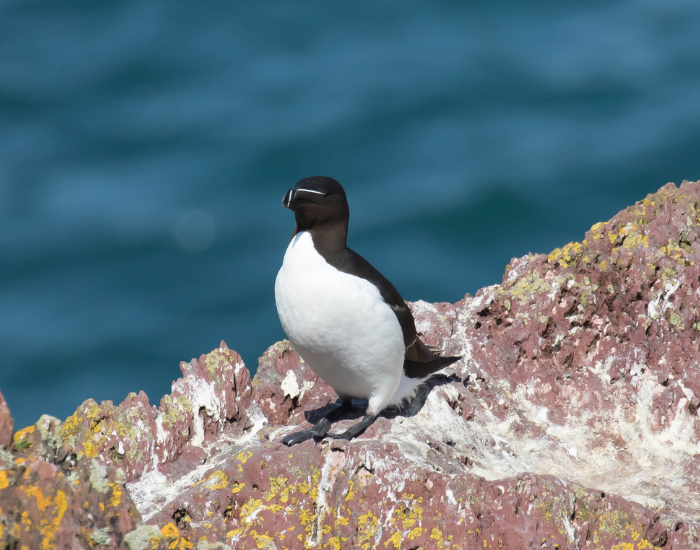
The cliffs are where birdwatching in Great Britain peaks. Puffins, guillemots, and razorbills — the auks — pack onto ledges in their thousands. Puffins breed in the UK from April to July, which is the only reliable window to catch them ashore before they vanish back out to sea. Our Welsh clifftop weekend was timed for exactly this. For the wider cast, our seabirds guide covers gannets, kittiwakes, and more.
Reptiles and Amphibians: The Overlooked Natives
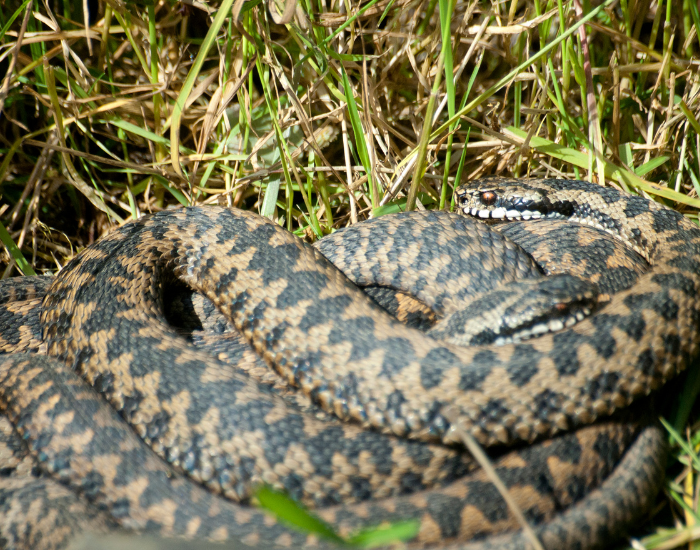
The UK’s reptiles and amphibians are short on species but long on ecological weight, and, frankly, a joy to find. Britain’s reptiles warm up slowly, so a cool, still morning is the time to find them out in the open. We’ve spent warm April mornings on southern heaths watching adders uncoil and flatten themselves against bare ground to soak up the first real sun of the year. Get the light right and the male’s zigzag almost glows.
There are three native snake species: adder, grass snake, and smooth snake, plus three native lizard species: slowworm, sand lizard, and common lizard. Add seven native amphibian species: including the common frog, common toad, and the protected great crested newt, and you have Britain’s full reptile and amphibian roster.
The Only Venomous Snake
The adder is the UK’s only venomous snake. Before anyone panics: adder bites are rarely fatal, and the snake is shy to a fault. It favours heath and woodland edges, and you’re far more likely to watch one basking than to provoke a strike.
Grass snakes complete the set alongside smooth snakes. Grass snakes are strong swimmers that hunt amphibians in ponds and ditches, while smooth snakes cling to a few southern English heaths. Many amphibians, in turn, deter predators with skin toxins and bluff displays, the common toad puffs up and stands tall rather than flee. Most of them feed on insects, worms, and other invertebrates, quietly regulating those populations.
Native Fish: The Underwater World of Britain
Below the surface of Britain’s rivers and lakes runs a world as vital as anything above it. The UK holds about 40 native freshwater fish species, and their freshwater habitats knit together a food web that feeds otters, herons, and kingfishers. The salmon is among the largest freshwater fish in the UK (The Atlantic Sturgeon (Acipenser sturio) holds the title of the largest native fish found in UK freshwaters (historically and under strict protection), while the Common Carp (Cyprinus carpio) and Pike (Esox lucius) out-mass the Atlantic Salmon (Salmo salar) in purely freshwater environments) hammering upstream over weirs to spawn in the gravel where it hatched. Alongside it swim brown trout, grayling, and the elusive, now-endangered European eel.
These freshwater habitats are under pressure. River engineering, agricultural runoff, and invasive species like the signal crayfish have all cut into fish stocks. The European eel, once everywhere in the British Isles, is now scarce, its population blocked from migration routes and hit by declining water quality. Ongoing scientific research and habitat restoration are working to reverse it, but population numbers recover slowly.
Saltwater Fish and Sharks
Britain’s seas hold their own cast. The UK is home to many saltwater fish species, including sharks, and the biggest of all is the basking shark. Basking sharks can grow up to 12 metres long, cruising plankton-rich water off the southwest and the Hebrides with their cavernous mouths agape, entirely harmless. Closer to shore, conger eels are a popular catch in Brighton, lurking in wrecks and rock gullies along the south coast. These are the wild animals most anglers in Great Britain actually tangle with.
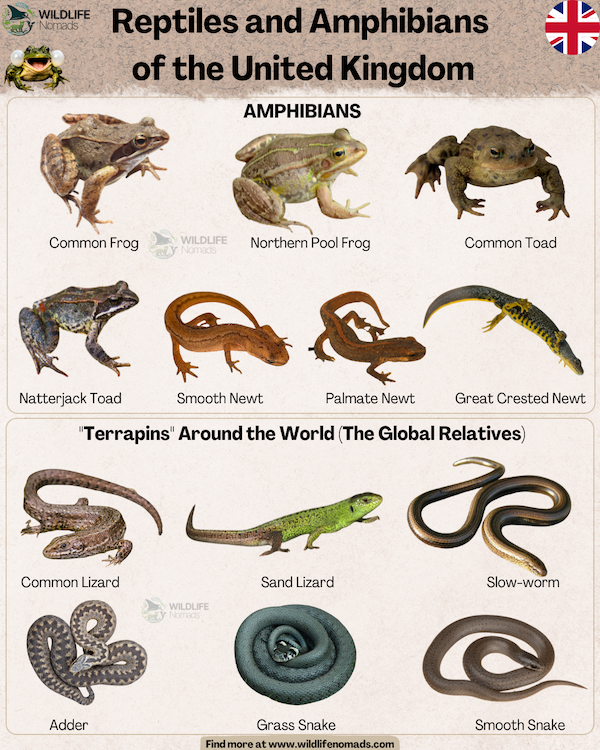
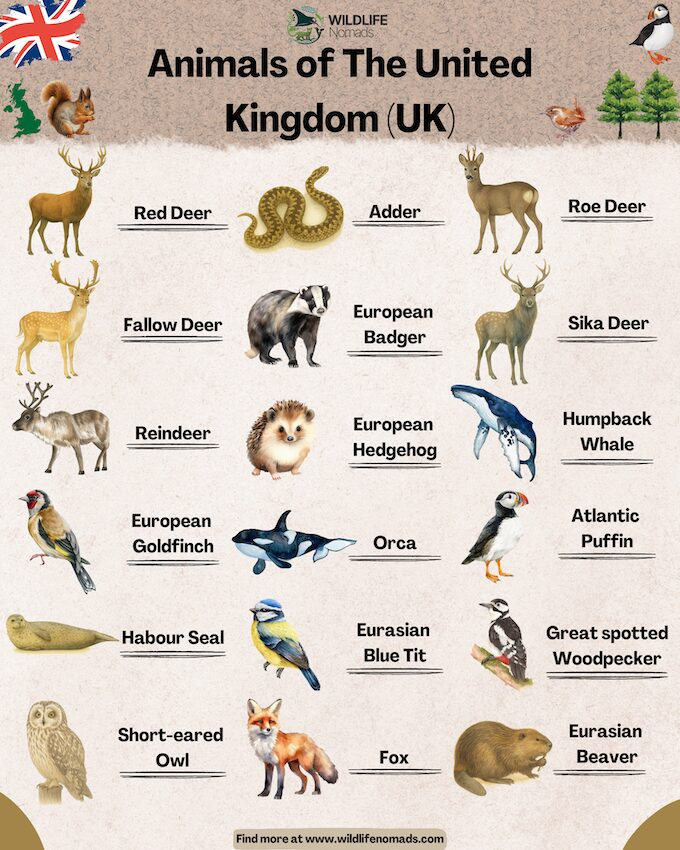
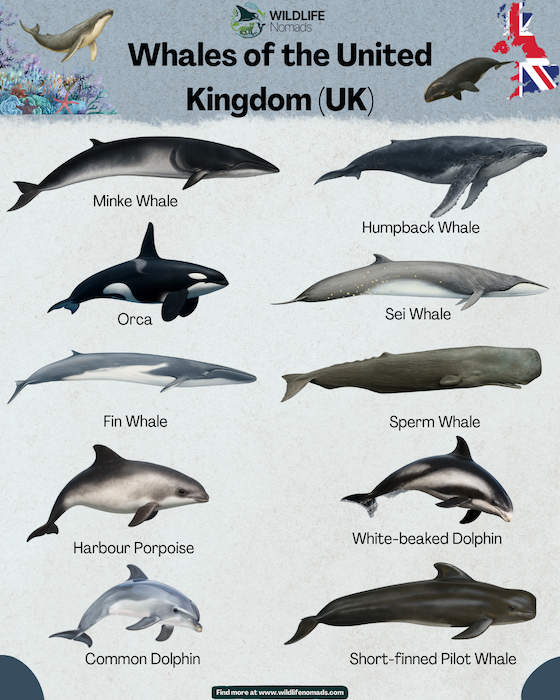
of the United Kingdom | Credit: Wildlife Nomads
Urban Wildlife: Nature in the City
The Urban Fox Phenomenon
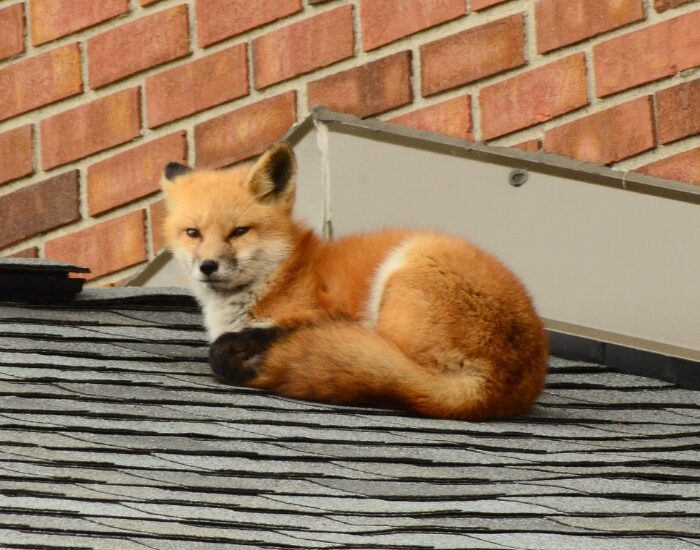
Red foxes in British cities fascinate residents and researchers alike. We lived with them as neighbours: a vixen denned under the decking two gardens down, and her cubs treated the whole street as a playground through one memorable spring. Urban foxes live in loose family groups, denning beneath sheds and in overgrown corners, and they’ll eat anything from windfall fruit to scraps. That dietary flexibility is exactly why they thrive where tidier specialists fail.
Britain’s Smaller Multitudes
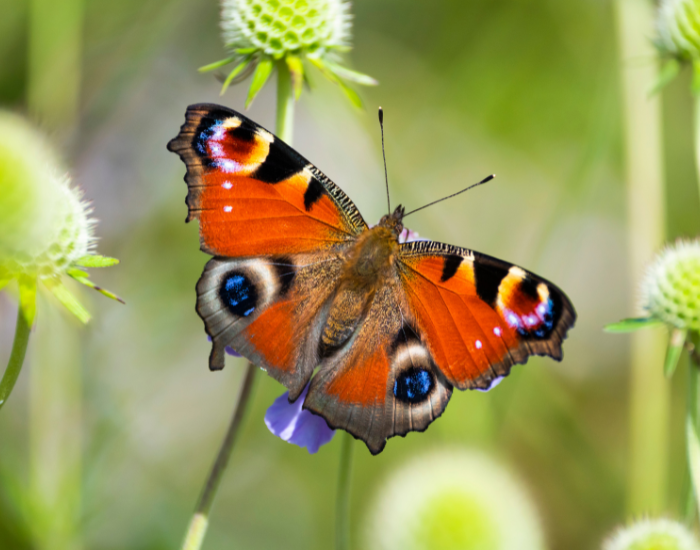
The headline mammals and birds are a fraction of the story. The UK’s insects and other invertebrates are where the real species count lives. There are over 4,000 species of beetles, 270 species of bees, and 59 butterfly species, plus roughly 650 species of spiders and around 30 species of slugs working through soil and leaf litter. These small creatures pollinate plants, recycle nutrients, and feed nearly everything larger.
These different species of small life are the foundation the rest of nature is built on. They are also the quiet casualties. Cicadas may already be extinct in the UK, the last confirmed sighting was over twenty years ago. When the insects vanish, the birds and bats that hunt them follow.
Most Common Animals You’ll Actually See
If you’re visiting the UK, here’s the realistic list of common animals by habitat.
In gardens and parks:
- Grey squirrels (sadly more common than reds)
- Hedgehogs (declining, but still about)
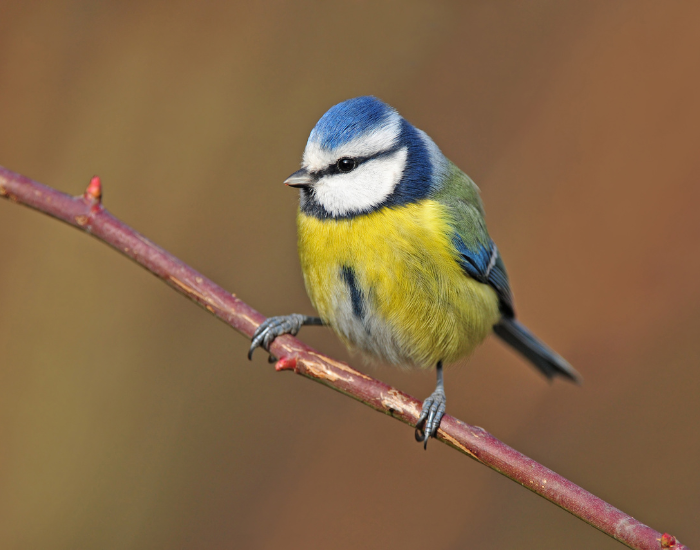
- Robins, blackbirds, and blue tits
- Urban foxes
- Bats hunting insects at dusk
- Spiders, vital prey-catchers and pest controllers
- Stag beetle (the largest land beetle, unmistakable in flight)
In the countryside: the English countryside still carries a wide range of wildlife.
- Rabbits (everywhere)
- Various species by region
- Sheep and cattle (domestic, but ubiquitous wild-looking backdrop)
- Birds of prey including buzzards and kestrels
- Badgers (with patience and luck)
On the coast:
- Seals on northern and western shores
- Seabirds — puffins, gannets, gulls
- Porpoises and occasional dolphins
Biggest Threats to UK Wildlife
Understanding the pressures explains why conservation efforts matter so much.
Habitat loss and fragmentation. Farming intensification and development have shredded natural habitat. Only 2% of England’s original forest cover survives, which is why every fragment of ancient woodland and the habitats around it counts.
Climate change. Shifting temperatures and weather are rewriting breeding cycles and migration. Some species creep north; others face local extinction.
Invasive species. Non-native arrivals keep coming. The Asian hornet threatens our 270 species of bees, while aquatic invaders like the Chinese mitten crab disrupt freshwater habitats.
Pollution. Water quality has improved since the 1970s, but farm runoff, plastics, and chemical loads still hit wildlife — and the humans who share these waters — hard.
Most Endangered Species in the UK
Several British animals face real extinction risk.
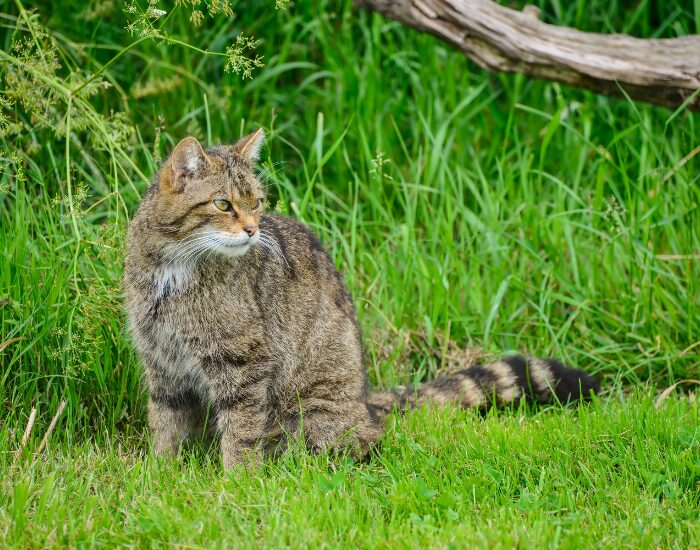
The Scottish wildcat is the most critically endangered mammal, fewer than 100 wild individuals remain, and genetic swamping by interbreeding with the domestic cat is the central threat. Pure wildcats now survive mainly in captive-breeding programmes.
Great yellow bumblebees cling on only in northern Scotland and the islands, gone from most of their former range as flower-rich grassland disappeared.
Turtle doves have crashed by 97 percent since 1970, their weed-seed food plants ploughed away.
Water voles — “Ratty” from Wind in the Willows — have suffered one of the steepest declines of any British mammal, driven by habitat loss and predation from invasive American mink.
Frequently Asked Questions
True UK endemics are rare. The Scottish Crossbill is the UK’s only distinct endemic vertebrate, found only in Caledonian pine forest. The Scottish wildcat is a distinct island population, and several subspecies — such as the UK’s red grouse — occur only here.
Each nation has its own: England’s is the lion (heraldic), Scotland’s is the unicorn (and, among wild animals, the stag and golden eagle are emblematic), Wales claims the Welsh dragon and the red kite, and Northern Ireland is linked with the Irish hare.
Culturally, the red deer, European badger, red fox, robin (a beloved unofficial national bird), and red squirrel are the creatures most associated with Great Britain.
England’s native species include red and roe deer, badgers, otters, hedgehogs, adders and grass snakes, the common frog and common toad, and woodland birds from wrens to tawny owls. For one classic example, see our wrens facts guide.
References:
Lonergan, M., Duck, C. D., Thompson, D., Moss, S., & McConnell, B. (2011). British grey seal (Halichoerus grypus) abundance in 2008: an assessment based on aerial counts and satellite telemetry. ICES Journal of Marine Science, 68(10), 2201–2209. https://doi.org/10.1093/icesjms/fsr161
Senn, H. V., Ghazali, M., Kaden, J., Barclay, D., Harrower, B., Campbell, R. D., Macdonald, D. W., & Kitchener, A. C. (2019). Distinguishing the victim from the threat: SNP-based methods reveal the extent of introgressive hybridization between wildcats and domestic cats in Scotland. Evolutionary Applications, 12(3), 399–414. https://doi.org/10.1111/eva.12720
Rushton, S. P., Barreto, G. W., Cormack, R. M., Macdonald, D. W., & Fuller, R. (2000). Modelling the effects of mink and habitat fragmentation on the water vole. Journal of Applied Ecology, 37(3), 475–490. https://doi.org/10.1046/j.1365-2664.2000.00504.x
Stanbury, A. J., Eaton, M. A., Hayhow, D. B., Grice, P. V., Edwards, M., et al. (2023). The status of the UK breeding European Turtle Dove Streptopelia turtur population in 2021. Bird Study, 70(4), 1–13. https://doi.org/10.1080/00063657.2023.2256511
Chantrey, J., Dale, T. D., Read, J. M., White, S., Whitfield, F., Jones, D., McInnes, C. J., & Begon, M. (2014). European red squirrel population dynamics driven by squirrelpox at a gray squirrel invasion interface. Ecology and Evolution, 4(19), 3788–3799. https://doi.org/10.1002/ece3.1216
Fingland, K., Ward, S. J., Bates, A. J., & Bremner-Harrison, S. (2022). A systematic review into the suitability of urban refugia for the Eurasian red squirrel. Mammal Review, 52(1), 26–38. https://doi.org/10.1111/mam.12264
Find Wildlife Tours in the UK Below!
This website is reader-supported. When you buy through links listed on this site, we may earn an affiliate commission.