

My First Encounter: The “Fear” Study in Uppsala
During my time at Uppsala University in Sweden, I was part of a brief project. Specifically, we were studying “fear” and foraging trade-offs. We spent a week recording every visitor to specific feeding stations: how long they stayed, which types of bird arrived, and how they reacted to perceived threats.
The data was fascinating. The corvids, specifically the bold magpies, would dominate the station with a swagger, while the thrushes and the occasional chaffinch would flit in and out with a wary eye. Even the tits (great tits and blue tits) were frantic and high-energy. But the Eurasian wren (Troglodytes troglodytes) was a ghost.
In Sweden, the common wren is an enigma. It’s the only species of the family Troglodytidae found in Eurasia; the rest of the 80+ types of wren are strictly New World residents. Watching them in that cold climate, I realized they weren’t just “small birds”, they were survivalists. They survived the severe winters by huddling together in domed nests, sometimes dozens of birds in a single space, just to keep their body temperatures above freezing.
So if you’ve ever heard a sound so piercingly loud in dense undergrowth you assumed a hawk was nearby, only to spot a tiny brown bird, you’ve met a wren. Wrens possess vocal power that defies physics; their incredibly loud voice is legendary among birdwatchers worldwide.
Here are 13 fascinating facts about these remarkable wren birds.
1. There Are Over 80 Wren Species Worldwide
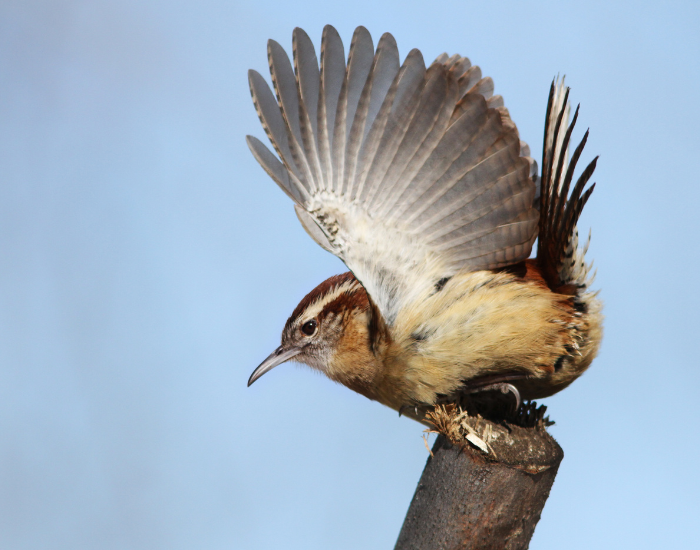
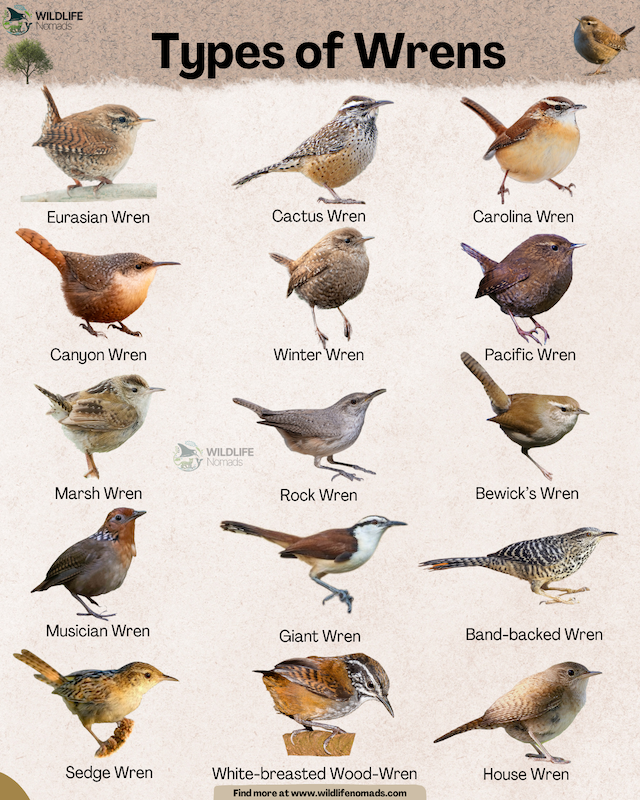
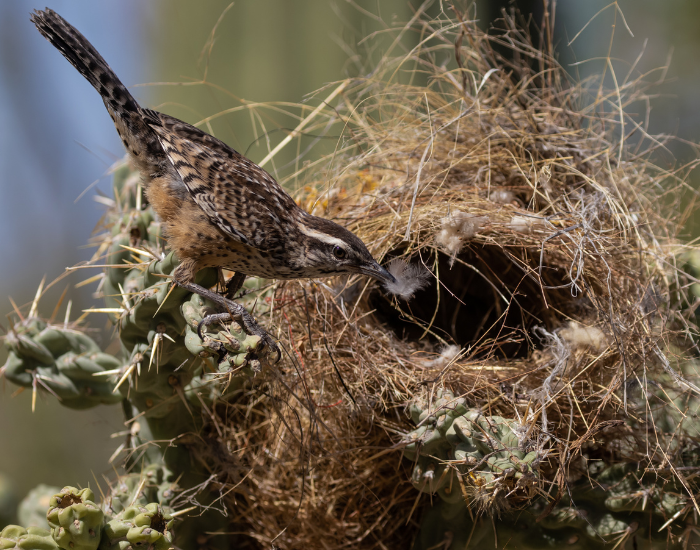
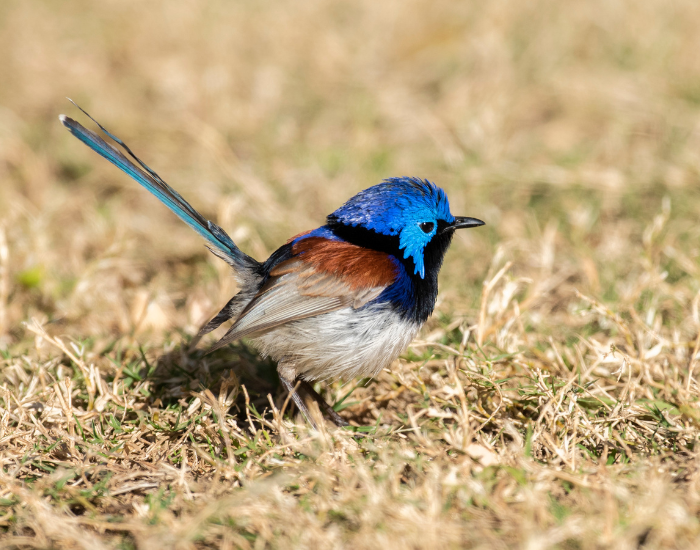
With over 85 species distributed globally, wrens have conquered nearly every habitat type. In Europe and Asia, only one species exists, the Eurasian wren (Troglodytes troglodytes). However, over 80 wren species inhabit exclusively New World territories across North and South America. From the Winter Wren in Alaska to the Cactus Wren in Arizona sharing habitat wiht many other desert wildlife, this bird family shows incredible adaptability.
The scientific name Troglodytes troglodytes comes from Greek, meaning “cave-dweller.” This perfectly describes their behavior. Wrens don’t soar, they creep methodically through dark spaces, investigating every crevice. These ground feeders hop into holes under logs, explore root systems, and disappear into stone wall gaps hunting insects and spiders.
Quick Classification:
Species Count: 80+ globally
Family: Troglodytidae
Common Names: Common wren, Jenny Wren, Winter Wren
2. Wrens Are Among the Smallest Birds in the UK
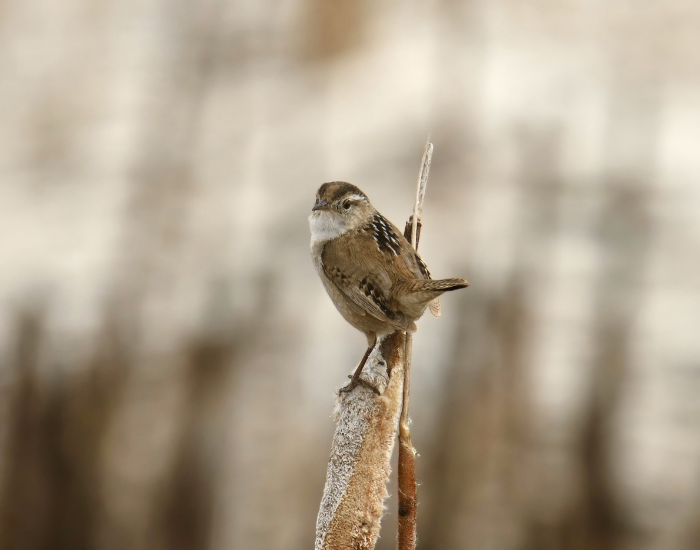
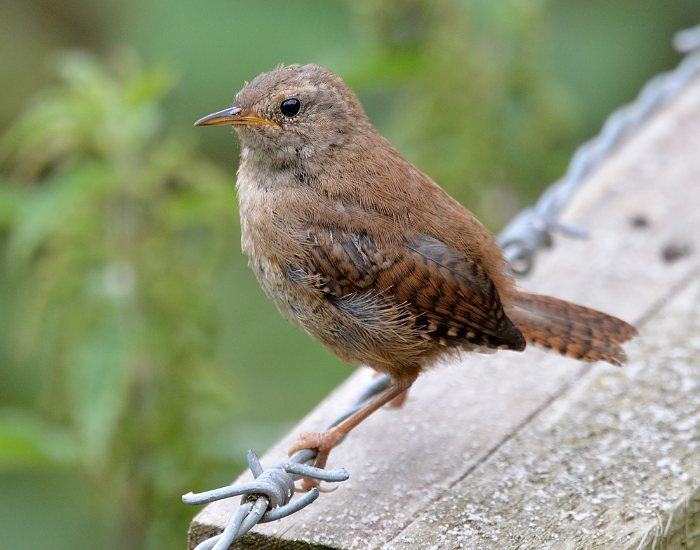
Such a small bird that many observers initially miss them. In common wren is an iconic animal in the UK, and they rank among the smallest birds alongside Goldcrests, measuring just 9-10 centimeters and weighing 8-12 grams.
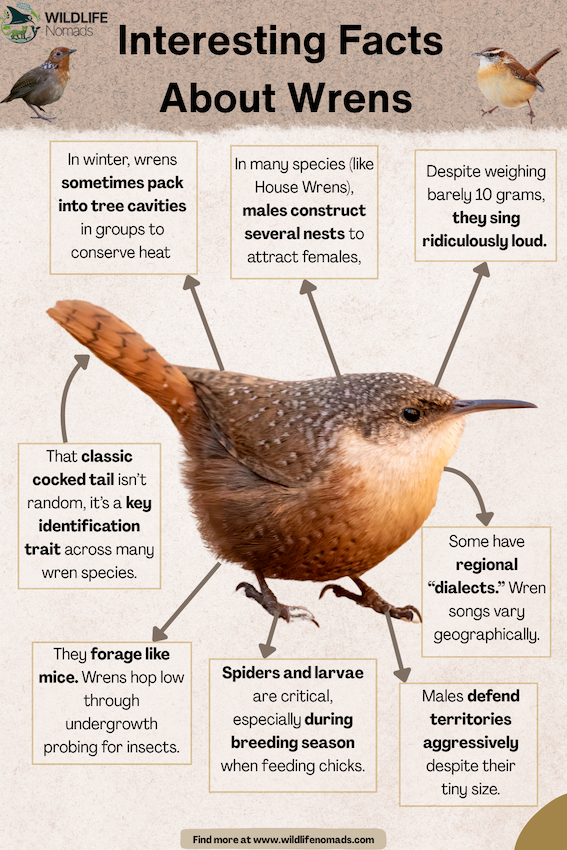
Wrens have a plump body, a blunt, cocked tail, a sharp, pointy bill, and notably short wings, which are key physical features that help identify them. Despite tiny size, wrens pack enormous personality. They defend territories fiercely and survive brutal winters. Their small size creates challenges, wrens lose body heat incredibly fast, making cold weather particularly dangerous.
3. They Have an Incredibly Loud Voice
Perhaps wrens’ most remarkable trait is their vocal power. For such a tiny bird, their song volume defies expectations. Their incredibly loud voice can be heard from over 100 meters away.
Males sing to establish breeding territories and attract females. The complex songs rival those produced by much larger birds, proving size doesn’t determine vocal capability.
4. Wrens Have Distinctive Brown Plumage and Cocked Tails
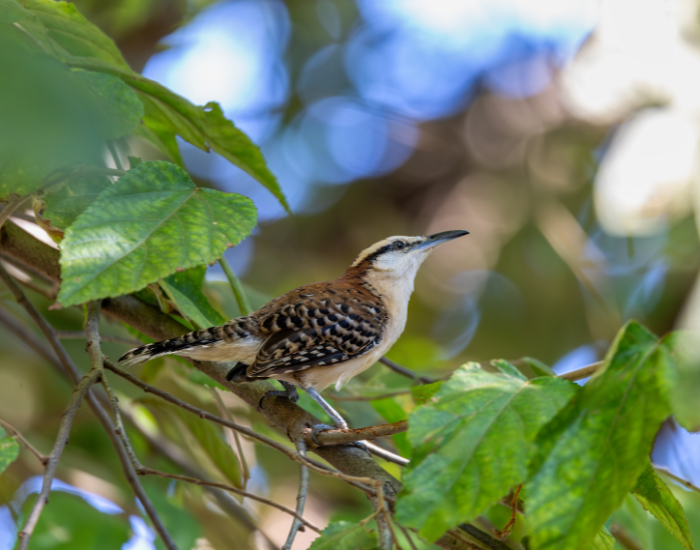
Looking for wrens birds UK requires knowing key features. They display darker brown backs with paler underparts and intricate barring on darker wings. This brown bird coloration provides excellent camouflage. Wrens are easily recognised by their distinctive appearance, including their small, round shape, chestnut tail, and brown coloration.
The Cocked Tail: This is the definitive feature. Wrens almost always hold their short cocked tail upright at sharp angles.
The Fine Bill: Slightly curved downward, perfectly designed for extracting spiders from narrow crevices.
Male and female wrens look nearly identical in their earthy brown coloring.
5. Male Wrens Build 6-12 Nests to Impress Females
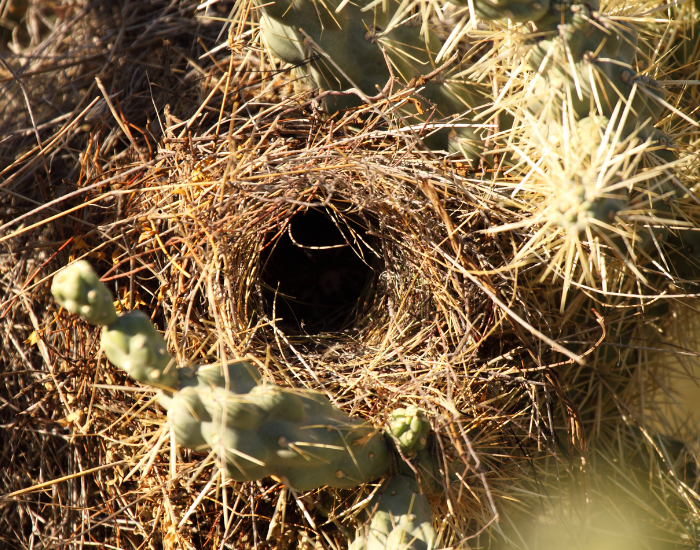
Male wrens are prolific builders during breeding season. A single male constructs multiple domed nests, sometimes 6 to 12 structures using moss, grass, and lichen.
He escorts potential mates on “property tours,” showcasing his work. The female chooses her preferred nest and lines it with feathers. Rejected structures serve as “cock nests” where males sleep or as predator decoys.
6. The Breeding Season Features Polygyny
Males often maintain relationships with more than one female. Wrens breed during the breeding season, which starts in late April and extends through July. While one female incubates eggs, males might court additional females by building several nests as part of their mating display. Female wrens choose their mates based on the quality of the nests constructed.
However, when food proves scarce, males focus help on the first nest. Parents feed nestlings constantly, making dozens of trips daily with insects and spiders.
7. Females Lay 5-8 Eggs Per Clutch
Females typically lay 5 to 8 eggs, sometimes reaching 12 in optimal conditions. Wrens can have two broods a year, typically laying between 5 and 8 eggs per brood. The eggs are glossy white with fine reddish-brown speckles providing camouflage.
The female incubates alone for two weeks. Young remain in nests two more weeks before fledging. This short period allows wrens to produce multiple broods.
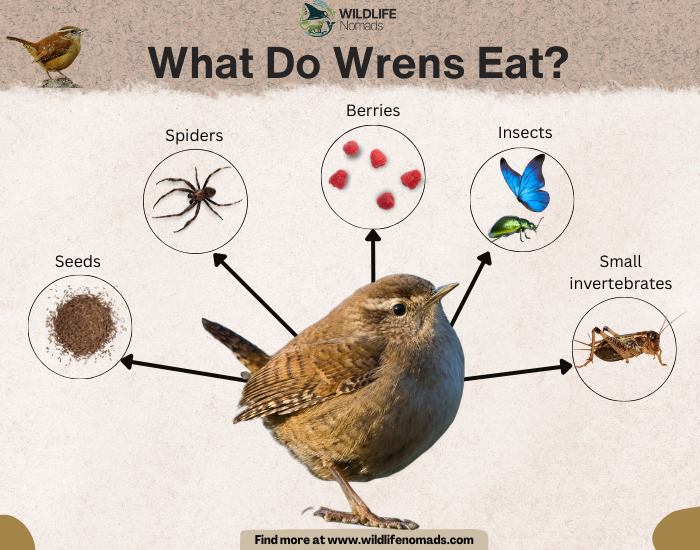
8. Wrens Eat Insects and Spiders Almost Exclusively
Wrens are almost exclusively insectivorous, fueled by a high-protein diet of spiders, beetles, and larvae. While you might see them near a garden bird table, they aren’t typically there for the sunflower seeds; instead, they are the “clean-up crew,” patrolling the ground and the crevices of the feeder itself to hunt for insects attracted to the debris. In the harshest winter months, they may supplement their diet with tiny portions of suet or finely crushed peanuts if available, but their primary “seed” consumption is usually limited to very small, soft berries like those from ivy or juniper
Insects and Spiders: Their main diet. Wrens particularly favor spiders, beetles, and larvae. Their hunting prowess in leaf litter is unmatched. Wrens will eat insects, spiders, and occasionally seeds from ground feeders.
Fresh Water: Required for drinking and bathing, critical for feather insulation during cold weather.
Winter: When insects grow scarce, wrens occasionally consume very small berries or premium wild bird food if crushed finely. Wrens will supplement their diet with berries, including juniper berries, and other vegetation in the winter.
Wrens eat insects using methodical ground-based search patterns with their fine bill.
9. They Live in Woodland, Gardens, and Coastal Areas
These birds thrive in a wide range of habitats, from Arctic regions to temperate forests. In the UK and Northern England, wrens rank among the most common breeding birds, making use of diverse habitats such as woodland, farmland, heathland, and gardens.
Woodland: Offers fallen logs and moss. Wrens flourish where deadwood provides rich insect populations.
Gardens: Dense shrubbery and thick trees offer ideal habitat for wrens.
Coastal Cliffs: Rocky areas provide shelter and abundant insects, especially in Scotland.
Wrens are not migratory and are resident in the UK all year round, relying on the preservation of these varied habitats for nesting and foraging. However, in Scandinavia, they become short-distance migrants during severe winters.
10. Cold Weather Can Kill 50% of Local Populations
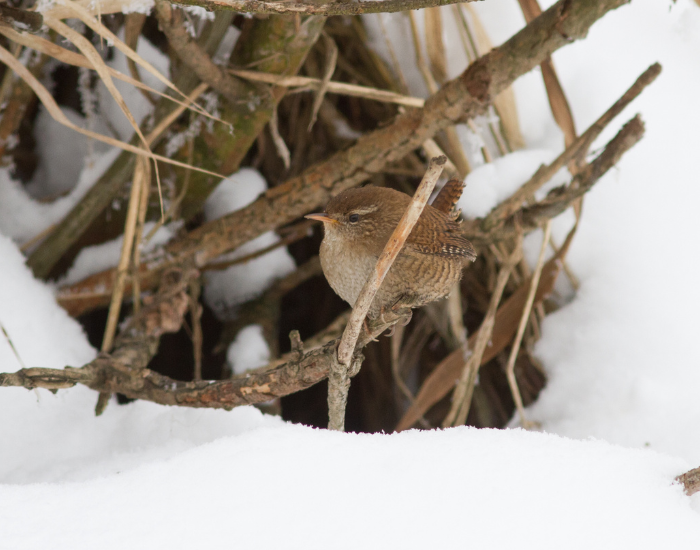
Despite their feisty nature, the Eurasian Wren’s high surface-area-to-volume ratio means they lose body heat at an alarming rate. During standard UK winters, it is common for populations to dip by 25% as they struggle to find enough insect larvae to fuel their high metabolism. However, they serve as critical climate indicators; in years with “prolonged” sub-zero temperatures or heavy snow cover, local populations can crash by over 50% in a single season.
To combat this, wrens have evolved a remarkable survival strategy: they communal roost, huddling together in nest boxes or thickets to share body heat. One record even noted 61 birds packed into a single nesting box! Fortunately, their high reproductive rate, often raising two large broods a year, allows their numbers to bounce back rapidly during the current trend of milder winters.
11. You Can Attract Wrens by Leaving Leaf Litter
Want wrens visiting? Stop being overly tidy! Messy gardens support maximum biodiversity.
Leave the Leaves: Wrens need leaf litter where insects hide abundantly.
Install Open-Fronted Nest Boxes: Place your nest box in ivy or shrubs, 1-2 meters high.
Offer Mealworms: Since wrens eat insects, offer mealworms on ground trays.
Provide Roosting Pouches: During cold weather, pouches help birds huddle for warmth.
Maintain Dense Shrubbery: Log piles and stone walls provide food and shelter.
Avoid pesticides, which eliminate insects wrens depend upon.
12. Wrens Provide Natural Pest Control
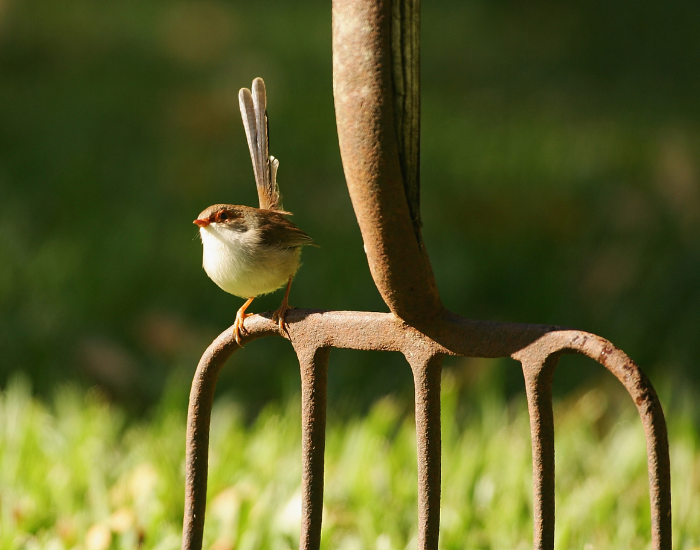
These birds consume thousands of insects and spiders annually. A single wren family during breeding season removes enormous numbers of garden pests including aphids, beetles, and caterpillars.
Their presence indicates healthy habitat. Where wrens live, biodiversity thrives. For birdwatchers, wrens provide accessible wildlife encounters in gardens and parks.
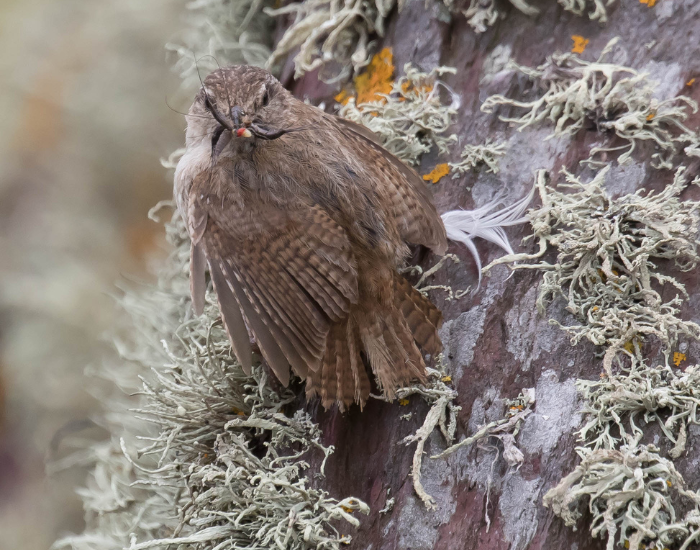
13. The Wren Was Named “King of Birds” in Folklore
In European folklore, the wren holds status as “King of Birds” despite tiny size. One legend tells how birds held a competition to determine their king by flying highest.
The eagle soared above all others. However, a clever wren had hidden in the eagle’s feathers. When the eagle tired, the wren emerged and flew just higher, winning the title.
This reflects the wren’s character, small but enormous in determination. Seeing a wren traditionally signifies high energy and persistence. Biologically, wren presence indicates healthy insect populations supporting diverse wildlife.

Supporting Wren Populations
The wren reminds us that size doesn’t determine impact. From northern England moors to suburban gardens throughout the UK, their incredibly loud voice testifies to nature’s vibrancy.
Next time you hear an impossibly loud song from dense undergrowth, pause and look carefully. You might spot one of these iconic tiny birds, brown and determined, with that characteristic cocked tail held high.
Your FAQs about Wrens
Juvenile wrens tend to have duller plumage and less distinct markings. Adults have more prominent features, such as a noticeable pale eyebrow, which makes them easier to identify.
“Wrens” nicknamed members of the Women’s Royal Naval Service (WRNS). These brave women made vital contributions to the war effort through various important roles supporting naval operations.
They’re close! The Goldcrest and Firecrest technically measure smaller by weight and length. However, wrens certainly rank in the “Top 3” for tiny bird species throughout Britain.
They love exploring “holes” of all types. This includes cavities in stone walls, spaces tucked into ivy thickets, or even pockets in old coats hanging in sheds! Their nest site selection demonstrates remarkable adaptability.
Most populations remain year round residents. However, in the harshest northern regions like Scandinavia, they become short-distance migrants, moving just far enough south to find suitable winter conditions.