
If you spend time in gardens, parks, or on countryside walks, you’ll start to notice familiar birds appearing again and again, from types of finches and thrushes to the occasional surprise visitor like cedar waxwings, magpies, or even a Eurasian hoopoe if you’re lucky. Some are instantly recognisable. Others stop you in your tracks.
One of those is the chaffinch, a bird so colourful that many people are surprised it isn’t something more exotic. With a pink breast, blue-grey crown, and bold white wing bars flashing through your garden, the chaffinch is one of the most common yet overlooked birds in the British Isles.
Found everywhere from London gardens to the upland edges of Scotland, the common chaffinch (Fringilla coelebs) belongs to the finch family and represents one of Europe’s most successful evolutionary stories, and iconic animal of the UK. In this post, we’ll explore 12 fascinating facts about chaffinches, from their behaviour and adaptations to the conservation challenges they now face.
1. The Chaffinch Is One of the Most Common British Birds
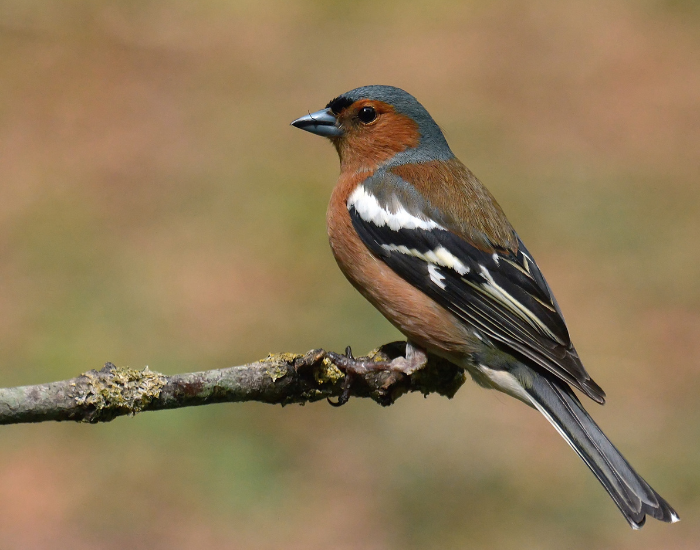
The bird chaffinch is found across the UK, with over 5.05 million pairs breeding pairs calling these islands home. From the Channel Islands to the Scottish Highlands, these garden birds are everywhere. They inhabit gardens, parks, deciduous woodlands, and upland edges throughout Great Britain.
What makes them so successful? Adaptability. While they love gardens, chaffinches are equally comfortable in forests and farmland. They thrive wherever there’s a mix of open ground for foraging and thick trees for nesting. You’ll find highest breeding densities in areas with mature hedgerows and scattered trees.
Despite being so common, many people walk past chaffinches without truly noticing them. They’re the everyday miracle we overlook. However, their abundance doesn’t make them any less remarkable. In fact, their success story rivals that of more “exotic” species.
2. Male Chaffinches Are Stunningly Colourful
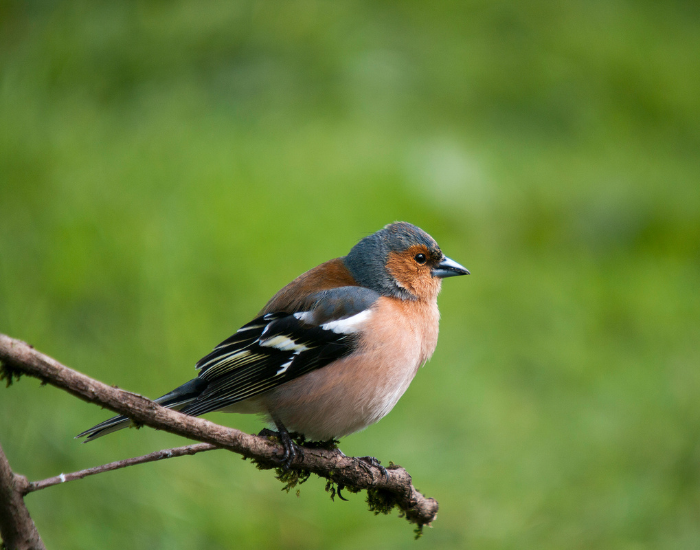
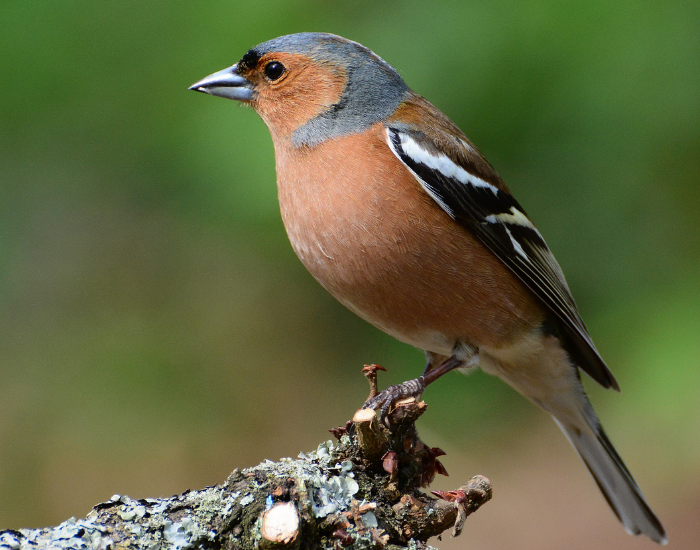
If you want to know what does a chaffinch bird look like, start with the male during breeding season. He displays a riot of color that seems almost too vibrant to be wild. This is why people historically asked, “Is the bird chaffinch real?”
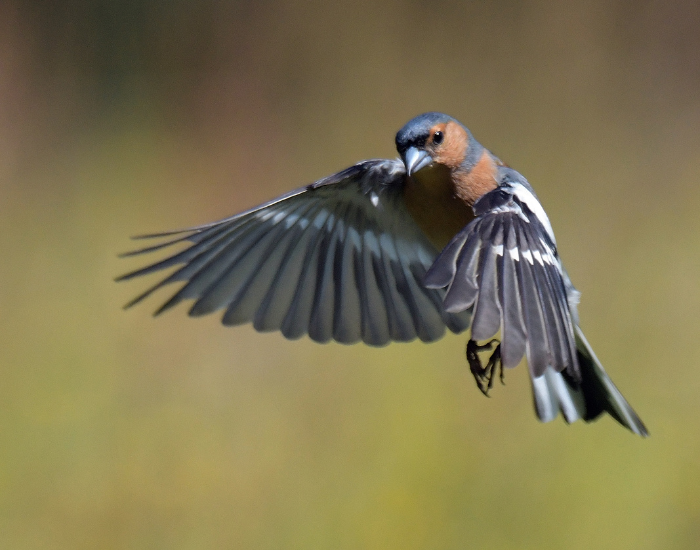
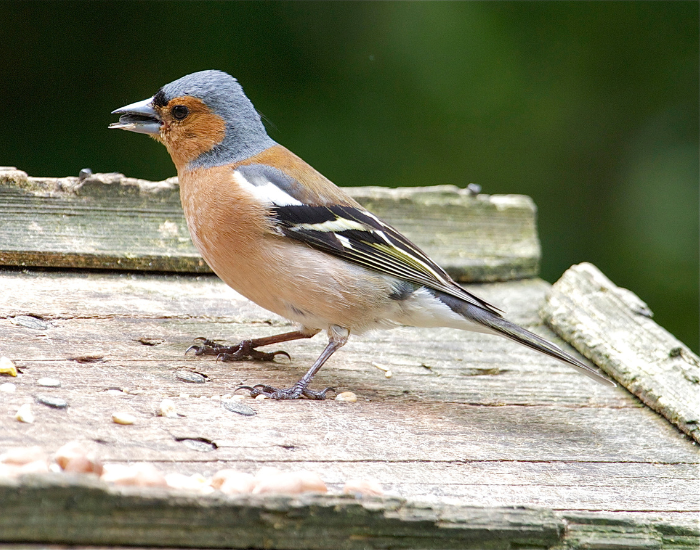
The male chaffinch sports a striking blue-grey crown and nape. His breast is a deep pink that can lean toward rusty red, especially in summer when feather tips wear away. His brown back provides camouflage when feeding on the ground, while his wings feature bold white wing bars and a bright white shoulder patch.
These colourful finches measure approximately 14.5 cm long with a wingspan of 24.5-28.5 cm, slightly larger than robins but smaller than blackbirds.
3. Female Chaffinches Master the Art of Camouflage
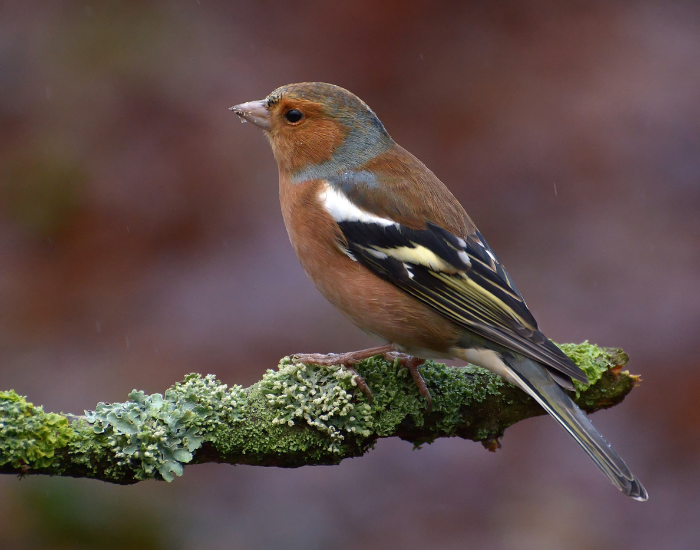
While the male chaffinch dazzles with color, the female takes a different approach. The chaffinch female is subtle, displaying yellowish-brown or olive-grey plumage that serves her well when sitting on nests hidden in trees.
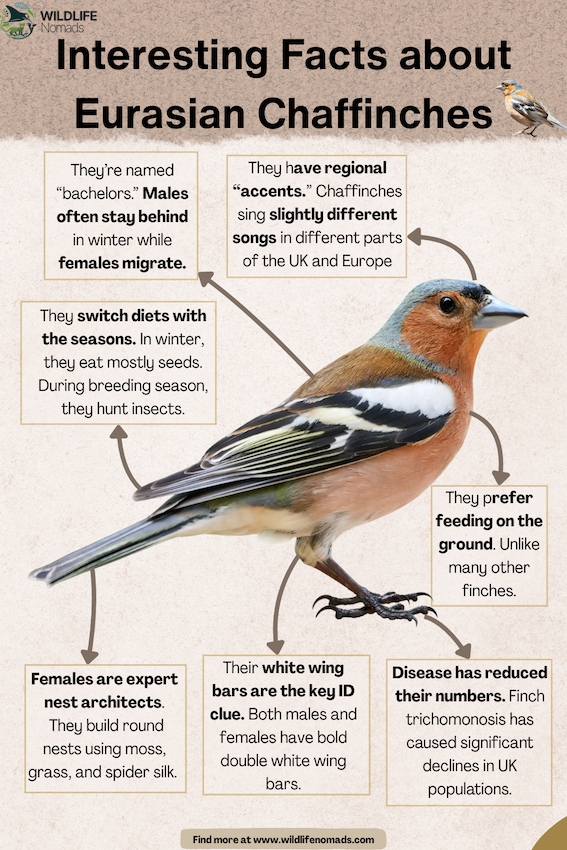
She lacks the pink breast and blue head of her male counterpart. Instead, she wears mostly drab, earthy tones. However, despite her muted colors, she still carries those distinctive white wing bars, the key identifier for all chaffinches.
Female chaffinch UK populations look remarkably similar to those across Western Europe. While there are slight regional accents in their calls, their physical appearance remains consistent. Juveniles resemble females, with more subdued colouration throughout their first year.
4. They’re Called “Bachelors” for Good Reason
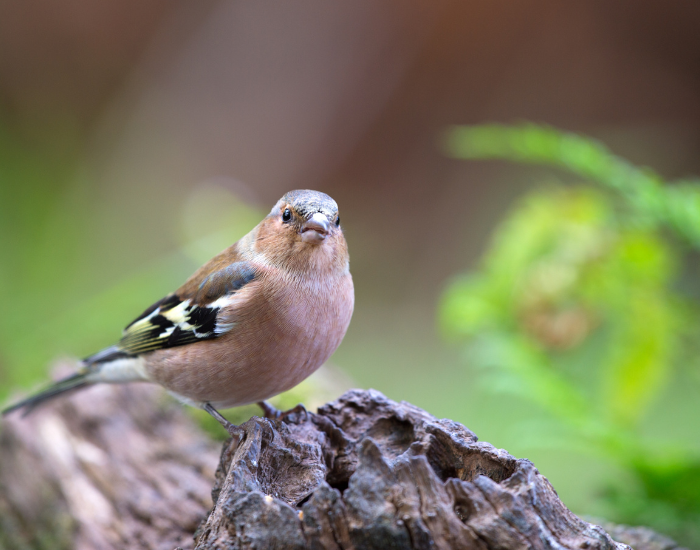
The scientific name, Fringilla coelebs, carries linguistic intrigue. Linnaeus named it “coelebs,” meaning bachelor. But why? He observed something fascinating during winter months.
Females and juveniles often migrate south to escape harsh northern winters. Meanwhile, males tend to stay behind, braving the cold alone. This sexual segregation represents a high-stakes survival strategy.
By staying behind, male chaffinches secure the best breeding territories early. They maintain these spaces year-round through song and aggressive displays, establishing dominance as early as February. The females, meanwhile, avoid harsh conditions and return when spring arrives. It’s a biological gamble with evolutionary payoffs.
5. Chaffinches Have Regional Accents
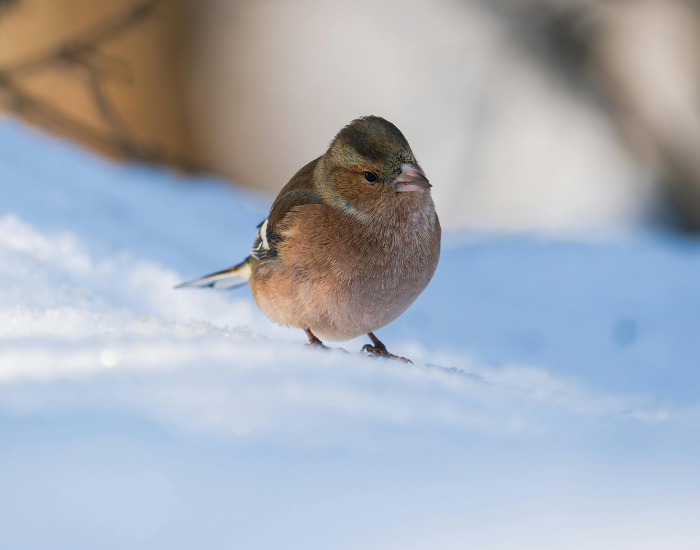
One of the most incredible things about the bird chaffinch is that they have regional dialects. A chaffinch in Cornwall sounds different from one in the Highlands of Great Britain. This isn’t just random variation, it’s cultural learning.
The chaffinch song is a rattling series of notes ending in a flourish. Research has shown that young birds learn their song from adults around them. If a chick is raised in isolation, its song remains basic. It needs the community to learn the local “accent.”
Male chaffinches are territorial and maintain their space by singing. This behavior intensifies during breeding season. They also make a distinctive “pink pink” call throughout the year. Interestingly, chaffinches prefer to learn songs from birds living further away rather than close neighbors, preventing local song homogenization.
6. Their Diet Switches with the Seasons
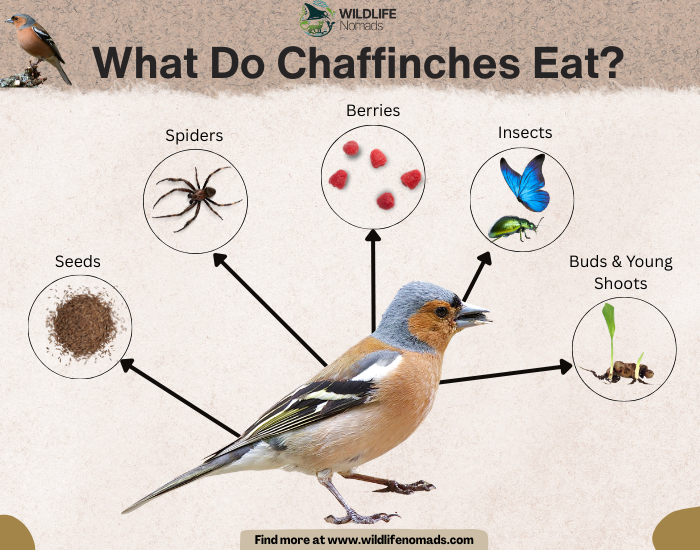
Understanding what do chaffinches eat is key to their survival. These birds are dietary opportunists, switching their menu depending on the time of year. This flexibility contributes to their success as common birds across the UK.
In winter, chaffinches are primarily seed-eaters. They have strong, conical beaks designed for cracking sunflower hearts and other seeds. They frequent garden bird feeders and bird tables, though they prefer to forage on the ground rather than hanging from feeders. Beech-mast, grain, and berries supplement their winter diet.
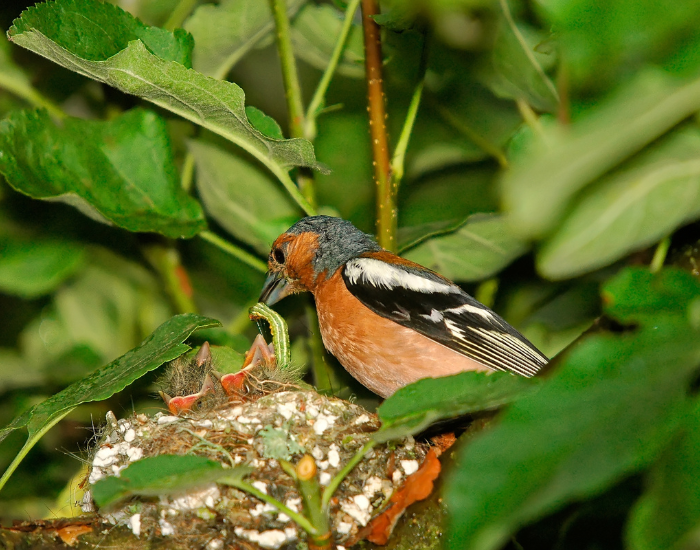
During breeding season, everything changes. To raise chicks, they need protein. They eat insects, especially caterpillars, to provide the high-energy nutrients young birds require. This seasonal diet switch ensures both adult survival through harsh winters and successful chick rearing in summer.
7. Female Chaffinches Are Master Nest Architects
Female chaffinch serves as the primary architect. She builds a classically round nest using grass, moss, and wool. The construction is remarkable, she binds everything together with spider silk.
Then comes the camouflage. She decorates the outside with lichens, making the nest nearly invisible against tree trunks and branches. This explains why you can walk right past a chaffinch breed site without seeing it. Nests are constructed in trees, hedgerows, and shrubs from April to June.
They usually lay four or five eggs. These eggs are light blue or greyish-white with dark purple or reddish-brown spots, measuring 1.5-2 cm in size. The female incubates the eggs for 12-13 days. After hatching, chicks fledge within 13-16 days. Most pairs raise one brood per season, though some attempt two.
8. They Live Across the UK and Beyond
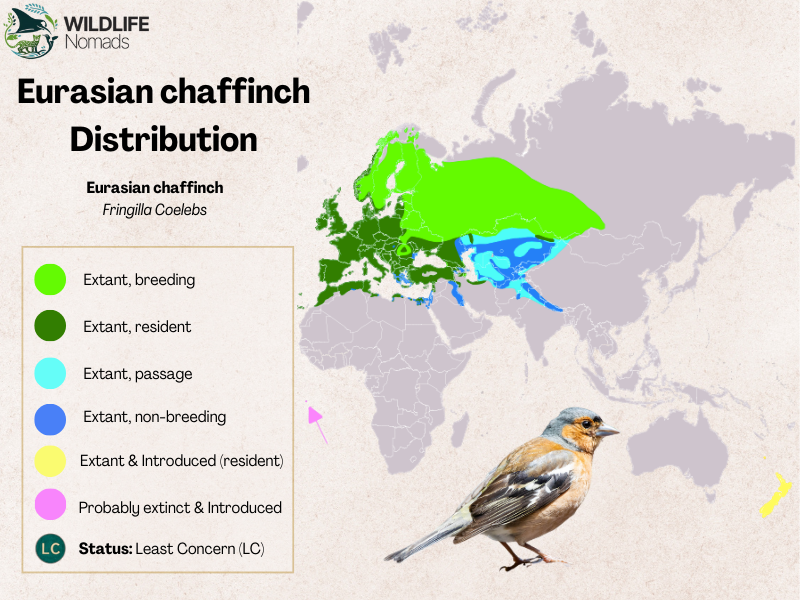
The bird chaffinch inhabits the British Isles year-round as a resident species. From London to the Channel Islands, from gardens to upland edges, they’ve colonized virtually every habitat. Their distribution across the UK is among the most complete of any wild birds.
However, their range extends far beyond Great Britain. Chaffinches inhabit Western Europe extensively, from the British Isles east to Siberia. Southern populations extend across the Mediterranean to North Africa. They’re true continental success stories.
In winter, the UK population swells with migrants from Scandinavia. These birds arrive from Fennoscandia seeking milder conditions and better food sources. Therefore, winter flocks may be larger than summer populations. This influx demonstrates the chaffinch’s ability to adapt to seasonal movements while maintaining year-round territories.
9. Spot the Difference: Chaffinch Lookalikes
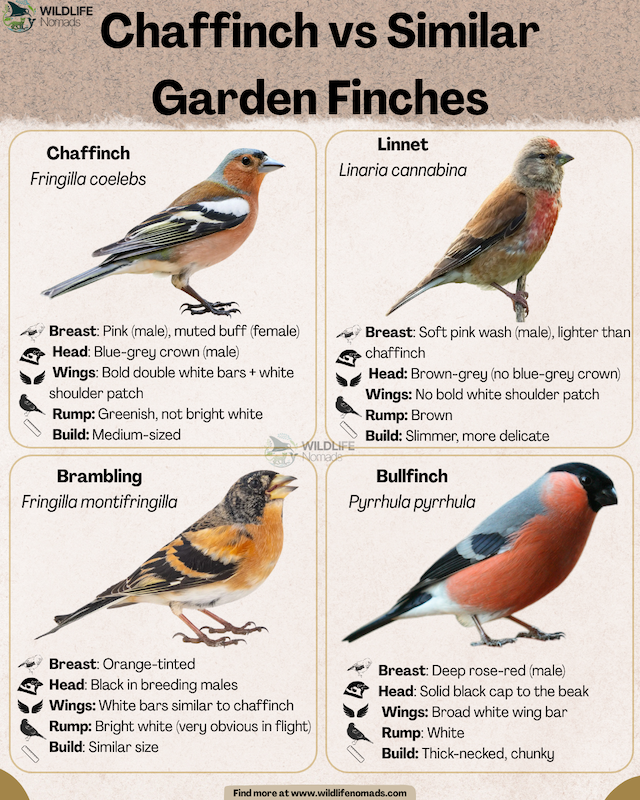
Even though the chaffinch is distinct, it is easily confused with other members of the finch family. Knowing these key differences will help you master your garden bird ID:
The Linnet: Often found in similar open-ground habitats, the Linnet is slimmer and lacks the bold, white “shoulder patches” that make a chaffinch so easy to spot from a distance.
The Brambling: This is the “winter twin” of the chaffinch. While they have similar wing bars, the Brambling has a bright white rump (visible when it flies) and an orange-tinted breast. They often join chaffinch flocks in the winter after migrating from Scandinavia.
The Bullfinch: While also having a pink breast, the male Bullfinch is much “sturdier” with a thicker neck and a jet-black cap that extends down to its beak, whereas the chaffinch has a blue-grey crown.
10. Disease Threatens Garden Populations
Finch trichomonosis has emerged as the primary threat to chaffinch populations. This parasitic disease causes lesions in the throat, preventing birds from swallowing properly. Affected birds essentially starve to death.
The disease spreads at bird feeders and bird tables, where infected birds contaminate food and water. Garden feeding stations, while beneficial for supplementing wild bird diets, can become disease hotspots if not properly maintained.
Maintaining clean garden feeding stations is vital to prevent disease spread. The Royal Society for the Protection of Birds (RSPB) recommends weekly feeder cleaning with mild disinfectant. During disease outbreaks, they advise stopping feeding altogether for two weeks. This simple action can save countless chaffinches and other finches.
11. They Face Multiple Threats Beyond Disease
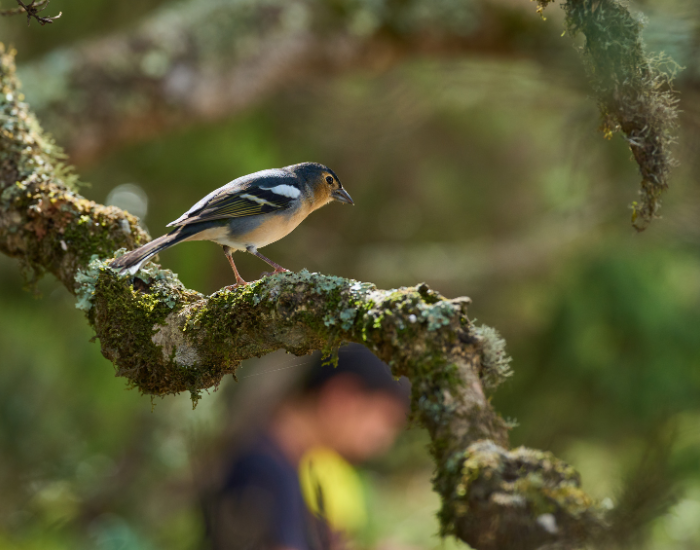
Chaffinches face several threats beyond trichomonosis. Sparrowhawks are their main predator, taking adult birds throughout the year. Nests are predated by mammals like grey squirrels, corvids, birds of prey, and generally other types of birds seeking easy protein.
Habitat loss affects breeding success, though less dramatically than in more specialized species. Agricultural intensification impacts food availability, particularly during winter months when natural seed sources become scarce. Climate change may also shift their distribution over coming decades.
However, conservation solutions exist. Gardens and parks provide crucial habitat as countryside habitats decline. Native shrubs encourage insects essential for feeding chicks during breeding season. Clean water sources reduce disease transmission while supporting healthy populations.
12. You Can Help Chaffinches Thrive
If you want to support these garden birds, here are actionable steps based on conservation research. These simple actions make a real difference to chaffinch populations in your area.
Clean Feeders Regularly: Prevent finch trichomonosis by cleaning feeding stations weekly with mild disinfectant. Remove old food before adding fresh supplies. Rotate feeder locations periodically to prevent disease buildup.
Feed on the Ground: Remember that chaffinches prefer ground feeding over hanging feeders. Scatter sunflower hearts or seed mix on bird tables or under hedges. This matches their natural foraging behavior.
Provide Water Year-Round: Offer a birdbath with fresh water changed daily. Stop feeding if sick birds appear (puffed plumage, lethargy near feeders) and remove water sources for two weeks.
Plant Native Species: Create habitat with native shrubs like hawthorn and oak. These encourage insects essential for raising chicks during the breeding season. Native plants support the entire ecosystem that chaffinches depend on.
Quick Identification Guide
| Feature | Male Chaffinch | Female Chaffinch |
|---|---|---|
| Crown | Blue-grey | Yellowish-brown |
| Breast | Pink/Red | Dull grey-brown |
| Wings | Two white wing bars | Two white wing bars |
| Shoulder | Bright white patch | Muted white patch |
| Back | Brown | Olive-brown |
| Song | Loud, rhythmic rattle | Rarely sings |
Frequently Asked Questions About Chaffinches
No, they remain one of the most common British birds. Over 6 million breeding pairs still inhabit the UK. However, populations have experienced local declines due to trichomonosis disease, particularly in garden habitats.
Look for double white wing bars and a white shoulder patch, these appear on both males and females. If it has a pink breast and blue-grey crown, it’s a male. Females are yellowish-brown overall but retain the distinctive wing bars.
Eggs are 1.5-2 cm in size, light blue or greyish-white with dark purple or reddish-brown spots. Females lay four or five eggs per clutch.
UK chaffinches are mostly resident, staying year-round. However, females and juveniles may migrate short distances south in harsh winters. Meanwhile, UK populations swell with migrants from Scandinavia seeking milder conditions.
The Extraordinary Bird Hiding in Plain Sight
The bird chaffinch reminds us that spectacular discoveries exist in everyday encounters. Next time you see one, don’t just check it off your list. Stop. Watch. Observe the way the feathers wear to reveal breeding colors. Notice how males defend their territories. Listen for regional accents in their song.
These colourful finches represent evolutionary success hiding in plain sight. From the British Isles to Western Europe, they’ve adapted to gardens, woodlands, and upland edges. They’ve survived ice ages, habitat changes, and now face modern challenges like trichomonosis.
The common chaffinch (Fringilla coelebs) proves that you don’t need exotic species to experience wonder. Sometimes, the most extraordinary wild birds are the ones right in your garden. By maintaining clean feeding stations and planting native shrubs, we can support these remarkable birds for generations to come.