I remember the first time I held a hedgehog. I was a teenager, and a friend had just gotten one as a pet. The little spiny mammal sat in my cupped hands like a breathing cactus, all spines and snuffling nose. It reminded me of those desert plants that evolved every possible defense against being touched. That memory stuck with me through university, where an evolutionary biology professor used hedgehogs, echidnas, and porcupines to illustrate convergent evolution and evolutionary mismatch.
Three unrelated mammals, three nearly identical defense strategies, spines, spikes, and quills. Yet all three evolved for a world that changes far slower than ours does now. Their armor is worthless against cars, habitat loss, and pesticides. That lesson reshaped how I think about wildlife, and hedgehogs became the perfect case study. Here are 12 facts about these remarkable animals that I gathered across years of biology coursework and field observation.
1. Hedgehogs Are Not Rodents… They Belong to an Ancient Lineage
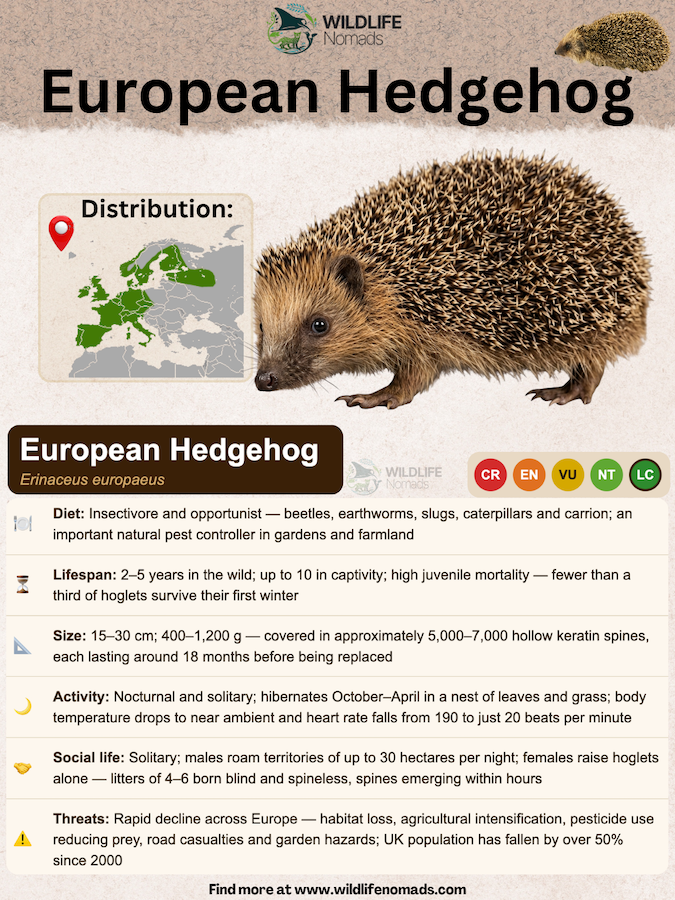
Most people assume hedgehogs are small rodents. They are not. Hedgehogs belong to the sub-family Erinaceidae, a lineage of mammals that predates most modern species by roughly 15 million years. The most widespread species in Europe, the west European hedgehog, carries the scientific name Erinaceus europaeus. That Latin name roughly translates to “European hedgehog”, taxonomists were not feeling creative that day.
There are 17 recognized hedgehog species spread across Europe, Asia, and Africa. None exist naturally in the Americas or Australia. These spiny mammals occupy a unique branch on the mammalian family tree, more closely related to shrews and moles than to mice or small rodents. Most hedgehogs belong to one of five genera, though the European hedgehog (Erinaceus europaeus) remains the most studied. In Britain and across the UK, this species dominates gardens, hedgerows, and rural areas alike. Many hedgehogs live in close proximity to humans, a relationship that stretches back centuries.

2. Those Spines Are Actually Modified Hairs
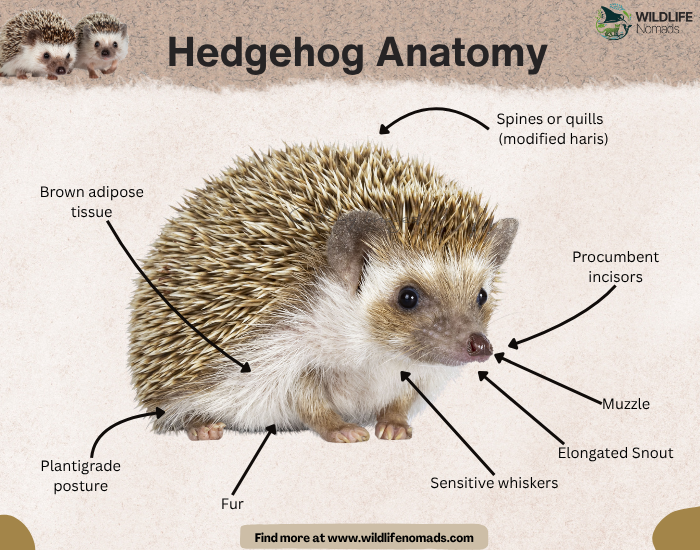
A hedgehog’s most obvious feature — those sharp spines — are not quills in the porcupine sense. They are modified hairs, each one a hardened keratin shaft rooted in a follicle just like the hair on your head. An adult European hedgehog carries between 5,000 and 7,000 spines across its body. Unlike porcupine quills, hedgehog spines do not detach or carry barbs. They stay firmly anchored to the skin.
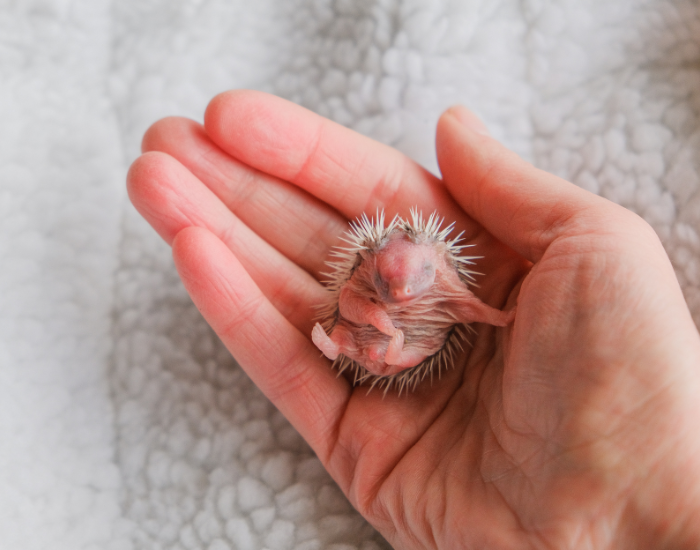
Each spine lasts about a year before falling out and being replaced, a process called “quilling.” Baby hedgehogs are born with soft, white spines hidden beneath a layer of fluid-filled skin. Within hours of birth, those first spines emerge. Young hedgehogs gradually shed these and grow stiffer, darker adult spines over several weeks. Touch one, and you will feel why predators think twice.
3. They Curl Into a Tight Ball… And It Actually Works
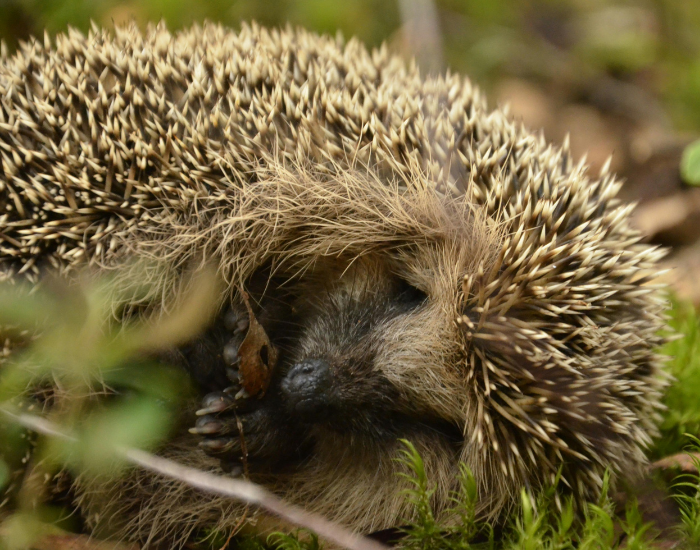
When threatened, hedgehogs contract a powerful muscle that runs along their body like a drawstring bag. This pulls the skin and spines into a tight ball, protecting the soft belly, face, and legs entirely. The result is a sphere of spikes that most predators simply cannot bite into.
This defense mechanism works brilliantly against natural threats. Foxes, dogs, and cats will often nose a curled hedgehog and walk away frustrated. However, and this is the evolutionary mismatch my professor hammered home, this strategy fails catastrophically against cars. A hedgehog on a road curls up instead of running. The spines that evolved to deter the teeth of wild predators offer zero protection against a two-ton vehicle. Road mortality remains one of the leading causes of hedgehog death across the UK and Europe.

4. Hedgehogs Are Phenomenal Pest Controllers
If you have a garden, hedgehogs are the best wildlife neighbors you could ask for. These animals eat a staggering variety of garden pests. Their diet consists primarily of insects, and they consume beetles, slugs, snails, earthworms, millipedes, and other invertebrates in enormous quantities. A single hedgehog can eat up to 80 grams of food per night, roughly a third of its body weight.
They also eat caterpillars, eggs from ground-nesting birds, frogs, lizards, small snakes, and occasionally fruit that has fallen in gardens. They even take mice when the opportunity arises. In Britain, gardeners have long regarded hedgehogs as natural allies in their gardens. The British Hedgehog Preservation Society actively encourages people to make their gardens hedgehog-friendly by creating access holes in fences and leaving wild corners with leaf litter. Gardens across the UK serve as critical habitats for hedgehog populations, especially as rural areas shrink under agricultural intensification.

5. Hedgehogs Hibernate… And It Is More Extreme Than You Think
During the cold winter months, hedgehogs hibernate in carefully constructed winter quarters. They build a nest — called a hibernaculum — from leaves, grass, and other plant material, typically tucked under hedgerows, log piles, or garden sheds. Before hibernation, hedgehogs feed intensively to build up body weight. They need to reach at least 600 grams to survive the winter.
During hibernation, a hedgehog’s body temperature drops from around 35°C to as low as 5°C. Their heart rate plummets from 190 beats per minute to just 20. They essentially hover at the edge of life for months. In the UK and across northern Europe, hedgehogs hibernate from roughly November through March. When hedgehogs hibernate, mild winter spells can wake them prematurely. These disruptions cost precious energy. Many hedgehogs, particularly young hedgehogs that failed to build sufficient body weight before winter — do not survive until spring.
6. Baby Hedgehogs Are Called Hoglets
Female hedgehogs typically give birth to four or five hoglets per litter, after a gestation period of about 35 days. At birth, baby hedgehogs weigh just 10–25 grams and are blind, deaf, and almost entirely helpless. Their first soft spines emerge within hours, but the hoglets depend entirely on their mother’s milk for the first three to four weeks of life.
By six weeks old, young hedgehogs begin venturing out on their own to forage. They grow rapidly, and survival hinges on reaching sufficient body weight before the first winter. The British Hedgehog Preservation Society recommends that any hedgehog found weighing under 450 grams in late autumn should receive help from a wildlife rescue center. Many hedgehogs born in late summer litters simply run out of time to feed before hibernation begins.
7. They Practice a Bizarre Ritual Called Self-Anointing
One of the strangest hedgehog behaviors is self-anointing. When a hedgehog encounters an unfamiliar smell or taste — anything from poison to leather to a new food — it produces copious frothy saliva and spreads it across its own spines using its tongue. The hedgehog contorts its body into surprisingly flexible positions to coat its back.
Scientists still debate the exact purpose. One leading theory suggests it serves as a chemical camouflage, masking the hedgehog’s own smell with environmental scents. Another hypothesis proposes it adds a toxic or foul-tasting layer to the spines, deterring predators further. Hedgehogs show particular interest in substances with strong odors. In laboratory settings, researchers observed hedgehogs self-anointing with toad poison and other irritants — suggesting the behavior may indeed function as a chemical defense amplifier.
8. Hedgehog Populations in the UK Are Declining at an Alarming Rate
This fact should worry anyone who cares about wildlife. The hedgehog population in Britain has crashed dramatically over the past two decades. Estimates, though debated, suggest hedgehog numbers in the UK may have been as high as 30 million in the 1950s to fewer than one million hedgehogs today. The British Hedgehog Preservation Society and conservation organizations across Britain now classify the European hedgehog as threatened and vulnerable to extinction on British soil. The species was officially added to the UK Red List for mammals.
The drivers behind this population collapse are well-documented. Habitat loss from intensive agriculture has stripped away the hedgerows, meadows, and wild margins where hedgehogs nest and feed. Pesticide use has reduced the insects, slugs, and beetles that form the foundation of their food supply. In rural areas, modern farming has essentially eliminated the prey base many hedgehogs depend on. Urban areas and suburban gardens have become refuges — but even there, hedgehog populations face threats from roads, dogs, and fragmented habitats.
9. They Live Across Three Continents — In Surprisingly Diverse Habitats
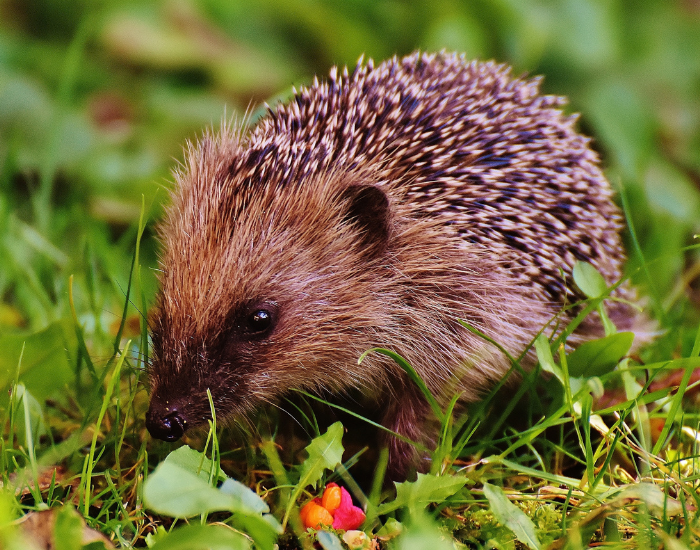
Hedgehog species occupy habitats ranging from the temperate forests of Europe to the arid scrublands of Africa and the steppes of Central Asia. The European hedgehog (Erinaceus europaeus) thrives in gardens, woodland edges, parks, and hedgerows throughout Britain, Europe, and parts of western Russia. In Africa, species like the four-toed hedgehog inhabit savannas and grasslands. Desert hedgehogs survive in some of the most extreme arid habitats on earth.
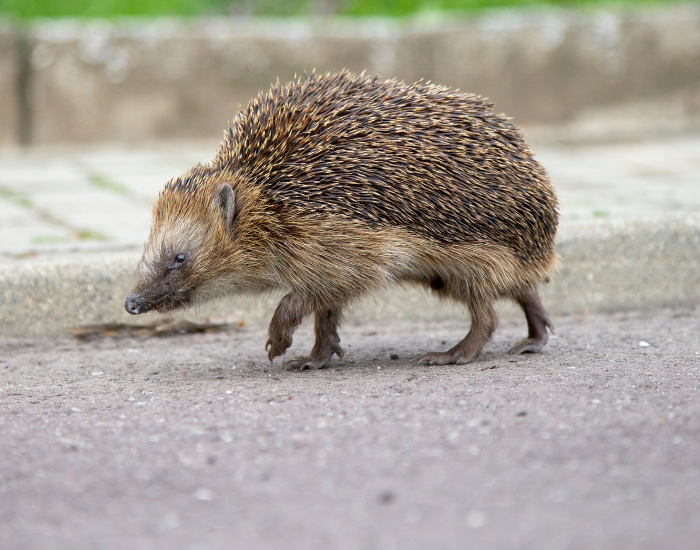
What unites all hedgehog species is adaptability. They exploit forest floors, agricultural margins, urban environments, and suburban gardens with equal comfort. In the UK, hedgehogs have increasingly shifted from rural areas into urban areas over recent decades. Studies suggest that gardens in towns and cities now support higher hedgehog densities than the surrounding countryside.
10. Hedgehogs Have Surprising Natural Predators
Despite their formidable spines, hedgehogs fall prey to several skilled predators. In Britain and across Europe, badgers are the only native mammal strong enough to uncurl and eat a hedgehog. Badger populations and hedgehog populations show a well-documented inverse relationship — where badgers thrive, hedgehog numbers tend to decline.
Birds of prey also take hedgehogs, particularly large owls like the eagle owl. Eagles and hawks occasionally strike hedgehogs in open habitats. Foxes, stoats, and weasels will attack hedgehogs opportunistically, especially juveniles that have not yet mastered the defensive curl. Domestic dogs and cats sometimes injure hedgehogs in gardens, though cats typically leave adult hedgehogs alone after one encounter with those spines. Birds also pose threats — in Africa and Asia, large raptors, snakes, and wild cats prey on local hedgehog species as well.
11. Hedgehogs Have an Extraordinary Sense of Smell
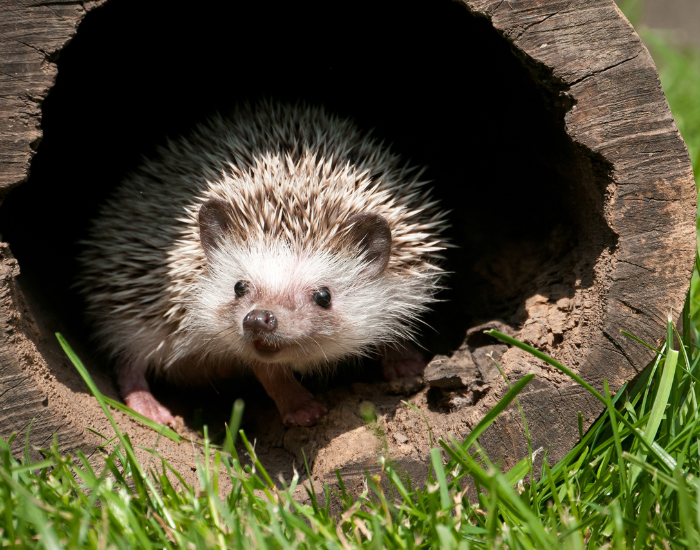
Hedgehogs navigate their world primarily through smell, not sight. Their eyesight is poor, they see only blurry shapes and have limited color perception. Their hearing is decent, tuned to detect the rustling of insects and prey in leaf litter. But their sense of smell is exceptional. Hedgehogs can detect earthworms, beetles, and other food buried several centimeters underground.
This reliance on smell shapes their entire life. Hedgehogs forage by sweeping their snouts through grass and leaf litter, sniffing constantly. They cover up to two kilometers per night, using smell to locate food, identify potential mates, and avoid predators. Their long, sensitive snouts — packed with olfactory receptors — process a world of chemical information that we can barely imagine. When you see a hedgehog shuffling through your garden at dusk, that little nose is working harder than any other organ in its body.
12. They Became Popular Pets — But Wild Hedgehogs Face a Different Reality
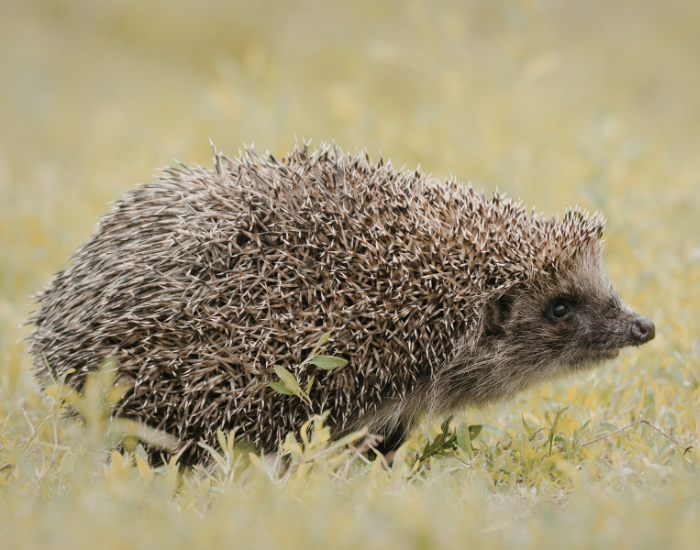
Hedgehogs — particularly the African pygmy hedgehog — became wildly popular as pets starting in the 1980s and 1990s. I saw this firsthand as a teenager when friends started keeping them. Those pet hedgehogs were fascinating but strange, animals covered in spines that seemed to have evolved specifically to avoid being held. Later, in an evolutionary biology class, a professor used hedgehogs alongside echidnas and porcupines to explain how natural defense mechanisms can become liabilities in human-altered environments.
Pet hedgehogs eat commercial cat food, mealworms, and specially formulated feed. Wild hedgehogs eat whatever they can find, and what they can find is disappearing. The contrast stuck with me throughout my career. While pet populations boom, wild hedgehog populations across the UK and Europe face habitat loss, pesticide poisoning, and fragmented habitats. You can feed pet hedgehogs cat food in a terrarium. You cannot so easily replace the millions of beetles, slugs, millipedes, and earthworms that wild hedgehogs need across functioning ecosystems.
Frequently Asked Questions About Hedgehogs
Hedgehogs can make interesting pets for the right owner, but they require specialized care. African pygmy hedgehogs — the most common pet species — need warm enclosures (around 23–25°C), a diet of high-quality cat food supplemented with insects, and nightly handling to stay socialized. They are nocturnal animals, so expect most activity after dark. Many hedgehogs never fully enjoy being handled. Research local laws before considering one, as several states and countries restrict hedgehog ownership.
No. There are no wild hedgehog species native to the Americas. All hedgehog species live naturally in Europe, Asia, and Africa. Pet hedgehogs that escape or are released in the US typically do not survive long enough to establish wild populations. The climate, predators, and food sources differ too drastically from their native habitats.
Absolutely not. Hedgehogs and porcupines are not even closely related. Hedgehogs belong to the order Eulipotyphla (alongside shrews and moles), while porcupines are rodents. Their spines evolved independently, a textbook example of convergent evolution. Hedgehog spines are modified hairs that do not detach. Porcupine quills are barbed and release on contact. Different animals, different strategies, similar results.
In Britain and Europe, the badger is the hedgehog’s most significant natural predator. Badgers possess the strength and long claws needed to pry open a curled hedgehog. Large owls, foxes, and occasionally dogs also prey on hedgehogs. However, the greatest threats to hedgehog populations today are human-caused: road mortality, habitat loss, and pesticide use.

Why Hedgehogs Deserve Our Attention
Hedgehogs are one of those animals that seem familiar until you actually study them. They carry 15 million years of evolutionary history on their backs — literally, in those modified hairs we call spines. These creatures are mammals that hibernate so deeply they nearly flatline. They patrol our gardens as silent pest controllers, eating the slugs and beetles that would otherwise devour our plants. And yet across the UK and Britain, their populations have collapsed by over 95% in barely two generations.
That gap between how well we think we know hedgehogs and how little most people understand about their decline is exactly why stories like this matter. If you have a garden, consider making it hedgehog-friendly — a small hole in your fence could become a wildlife corridor. If you have seen a hedgehog recently, report it to a local conservation survey. And if you want to explore more about the animals that share our world in unexpected ways, check out how badgers shape hedgehog ecology, why echidnas evolved eerily similar defenses on the other side of the planet, or how birds of prey interact with small mammals across diverse ecosystems.
These spiny mammals have survived ice ages and continental shifts. Whether they survive us depends on what we do next.
References:
Becher, S. A., & Griffiths, R. (1998). Genetic differentiation among local populations of the European hedgehog (Erinaceus europaeus) in mosaic habitats. Molecular Ecology, 7(11), 1599–1604. https://doi.org/10.1046/j.1365-294x.1998.00457.x
Berger, A., Barthel, L. M. F., Rast, W., Hofer, H., & Gras, P. (2020). Urban Hedgehog Behavioural Responses to Temporary Habitat Disturbance versus Permanent Fragmentation. Animals : an open access journal from MDPI, 10(11), 2109. https://doi.org/10.3390/ani10112109
Bürglin T. R. (2008). Evolution of hedgehog and hedgehog-related genes, their origin from Hog proteins in ancestral eukaryotes and discovery of a novel Hint motif. BMC genomics, 9, 127. https://doi.org/10.1186/1471-2164-9-127
Hof, A. R., & Bright, P. W. (2016). Quantifying the long-term decline of the West European hedgehog in England by subsampling citizen-science datasets. European Journal of Wildlife Research, 62(4), 407–413. https://doi.org/10.1007/s10344-016-1013-1
Huijser, M. P., & Bergers, P. J. M. (2000). The effect of roads and traffic on hedgehog (Erinaceus europaeus) populations. Biological Conservation, 95(1), 111–116. https://doi.org/10.1016/S0006-3207(00)00006-9
South, K. E., Haynes, K., & Jackson, A. C. (2020). Hibernation Patterns of the European Hedgehog, Erinaceus europaeus, at a Cornish Rescue Centre. Animals : an open access journal from MDPI, 10(8), 1418. https://doi.org/10.3390/ani10081418
Pettett, C. E., Moorhouse, T. P., Johnson, P. J., & Macdonald, D. W. (2017). Factors affecting hedgehog (Erinaceus europaeus) attraction to rural villages in arable landscapes. European Journal of Wildlife Research, 63(3), 54. https://doi.org/10.1007/s10344-017-1113-6
Williams, B. M., Baker, P. J., Thomas, E., Wilson, G., Judge, J., & Mayfield, R. G. (2018). Reduced occupancy of hedgehogs (Erinaceus europaeus) in rural England and Wales: The influence of habitat and an asymmetric intra-guild predator. Scientific Reports, 8, 12156. https://doi.org/10.1038/s41598-018-30130-4