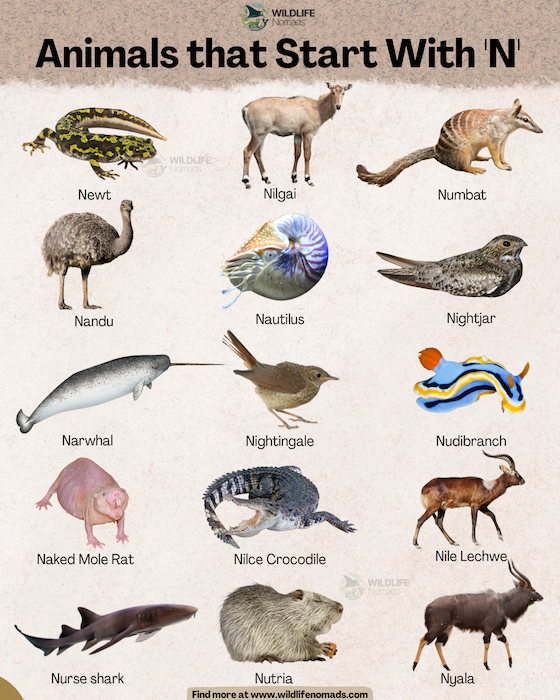
Have you ever been playing that game where you get a letter and you have to come up with animal that start with that letter? Well, that happened to me recently. Below are 15 iconic animals beginning with N, grouped by class: mammals, birds, reptiles and amphibians, and aquatic species. Some animal names will be familiar. Others might surprise you. Each animal earned its place because it teaches us something specific about how the animal kingdom actually works.
Mammals
1. Naked Mole Rat
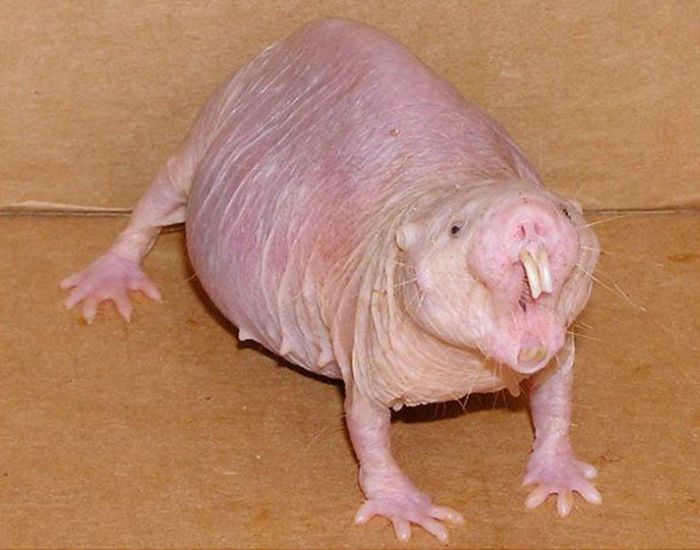
The naked mole rat looks like a sausage that lost a fight with a vending machine. But honestly, tt is also one of the most extraordinary mammals alive. I first met these animals in a captive colony, where the queen — an enormous pink female, ruled a tunnel system of eighty individuals.
Naked mole rats live across east africa, in arid pockets of Kenya, Ethiopia, and Somalia. They are eusocial, like ants or termites, which is wild for mammals. Only the queen breeds. Workers dig, soldiers defend, and pups stay deep in the nest. These animals can live more than thirty years and resist cancer at a baffling rate. The naked mole rat is arguably one of the truest living fossils of social evolution.
2. Nilgai (aka Blue Bull)
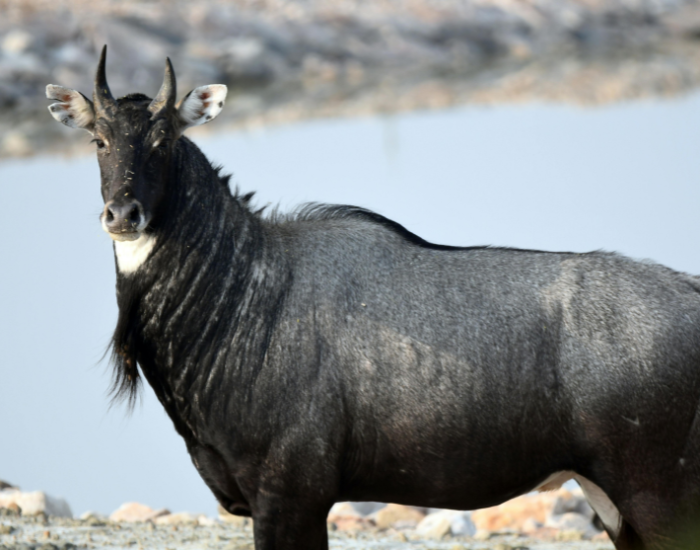
The nilgai, aka blue bull, is the largest antelope in Asia. The first time I saw one, I thought it was a small horse. This large antelope can weigh up to 300 kg. Males have a smoky blue-gray coat, which gives the species its other name. Females and calves are tawny.
The animals move at a fast trot, almost ghostlike between the thorn trees. Nilgai are protected by Hindu tradition in much of India, which has helped these animals rebound where other Asian antelopes collapsed.
3. New Guinea Singing Dog
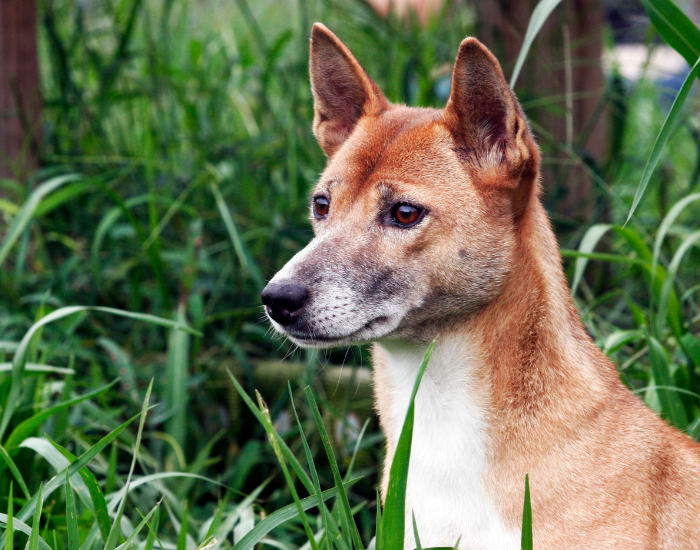
The new guinea singing dog is a wild dog breed from the remote highlands of new guinea. The population was once thought extinct in the wild. Then genetic work confirmed that guinea singing dog groups still exist on the island, which thrilled the canid research community.
Few biologists have seen one in the wild. What I have done is listen to recordings of their howl: a rising, modulated yowl with chord-like overtones, unlike any other dog. The species is closely related to the Australian dingo and represents one of the oldest surviving lineages of domestic dog.
4. Numbat
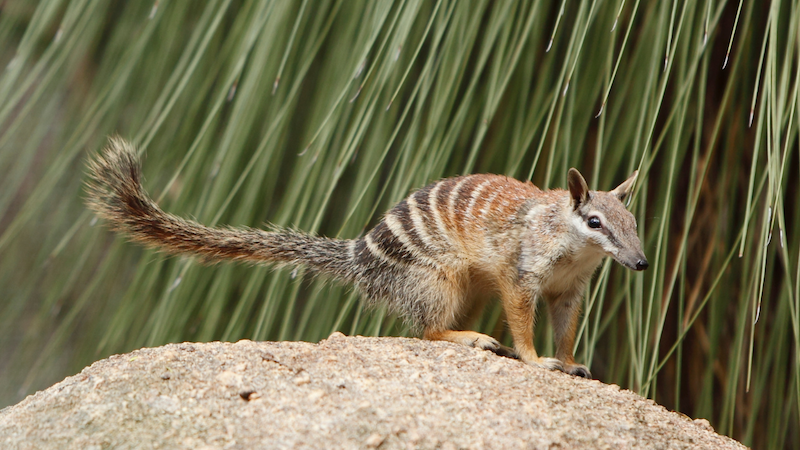
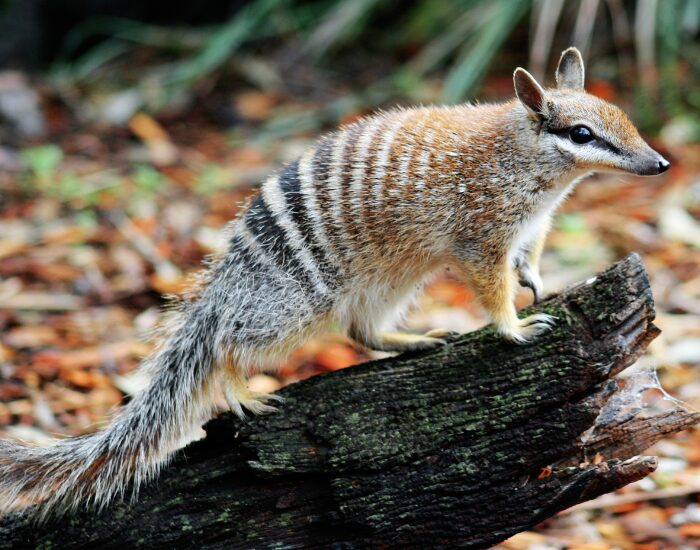
The numbat is a tiny Australian marsupial with a striped back and a long, sticky tongue. Unlike most australian marsupials, the numbat is active by day. They work the forest floor and tree trunks, flicking that sticky tongue into termite galleries, insects make up the bulk of the diet.
Wild numbats now number under a thousand. Foxes, cats, and habitat loss have hammered these animals across southern australia. The numbat is the official animal of Western Australia, and Perth Zoo’s captive program is rebuilding the population.
5. Noolbenger (aka Honey Possum)
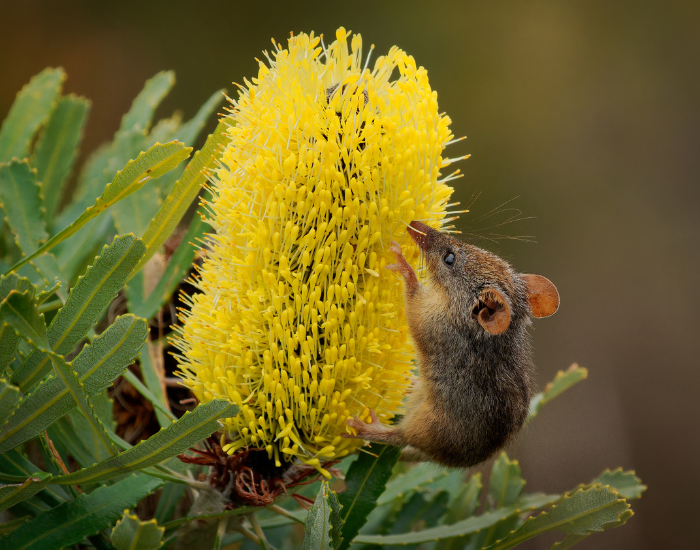
The noolbenger, aka honey possum, is one of the strangest tiny australian marsupials I have ever held. It weighs less than a hummingbird in some seasons. Unlike its cousins, the noolbenger eats almost exclusively nectar and pollen. It has a brush-tipped tongue and almost no teeth.
I encountered a small population in the heathlands of southern australia, where banksias bloom through the cool months. Their breeding season tracks flower availability, so honey possums produce young almost year-round. Pub trivia bonus: their sperm cells are the longest of any mammal.
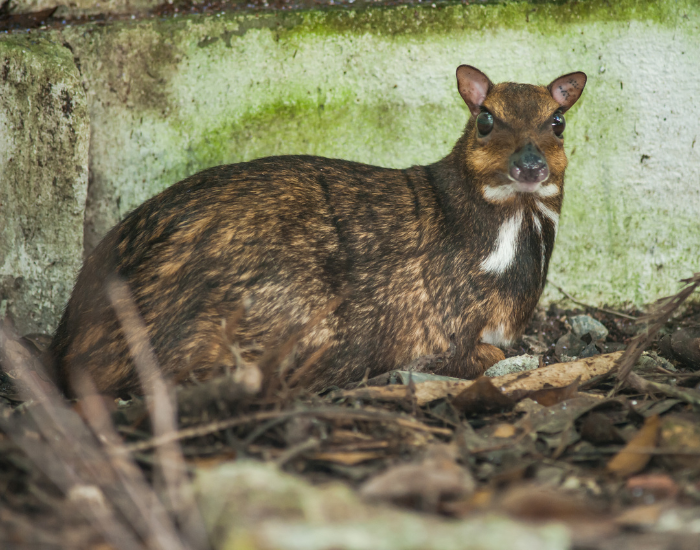
6. Napu (aka Greater Mouse Deer)
The napu, aka greater mouse deer, is among the world’s smallest hoofed animals. Standing maybe 35 cm at the shoulder, it lives in the rainforests of southeast asia: Borneo, Sumatra, southern Thailand, and parts of eastern asia bordering the Indo-Malay region.
Greater mouse deer fascinate me because they have fangs (modified canine tusks) but no antlers. That makes them an evolutionary bridge between true deer and earlier hoofed animals.
7. Noctule Bat
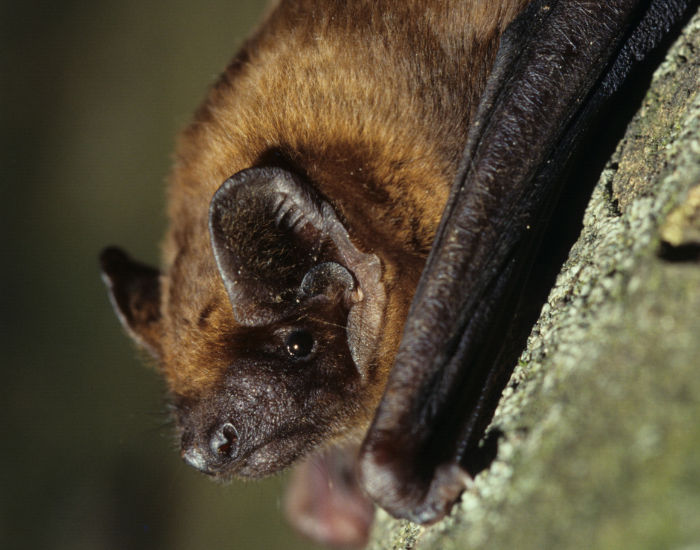
The noctule, genus nyctalus, is one of Europe’s largest bats. Its silhouette resembles a nocturnal bird at dusk, long, pointed wings cutting the sky like a small falcon. On most biological surveys, the noctule is the first species you can hear on a detector, and the easiest nocturnal bird-shaped flier to misidentify.
Noctule bats roost in tree trunks, often in old woodpecker holes, and they are highly migratory. Some populations move more than 1,500 km between summer and winter ranges. Their nocturnal habits make them tough to study, but acoustic monitoring has revolutionized how we track these animals. They eat mostly insects taken on the wing.
8. Nutria (aka Coypu)
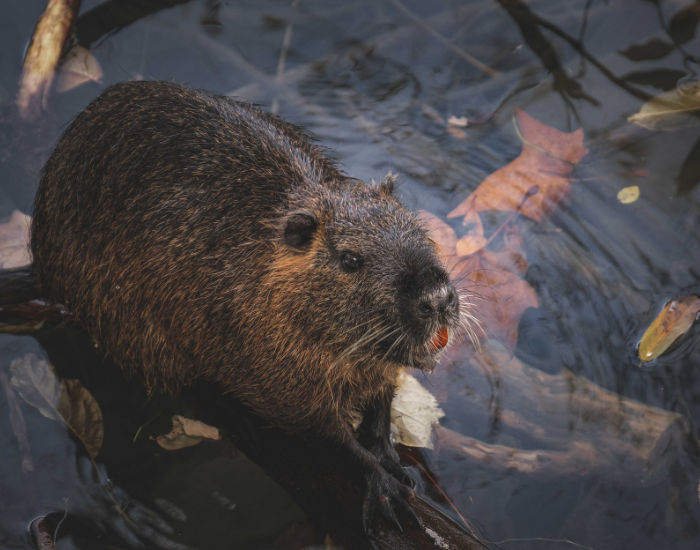
The nutria, aka coypu, is a south american aquatic rodent that has invaded wetlands across four continents. Native to the Pantanal and Paraná Basin, these animals were farmed for fur and escaped everywhere.
Nutria look like a beaver with a rat’s tail. They have webbed feet, orange incisors, and an appetite that can level a marsh. Where they’re invasive, they devastate aquatic habitats and slow moving streams. Where they’re native, across parts of south america, they sit inside the wetland food web rather than tearing it apart.
Birds
The bird list for N is short but mighty. Each of these animals beginning with N earned its reputation through habitat specialization, voice, or sheer rarity.
9. Nene (Hawaiian Goose)
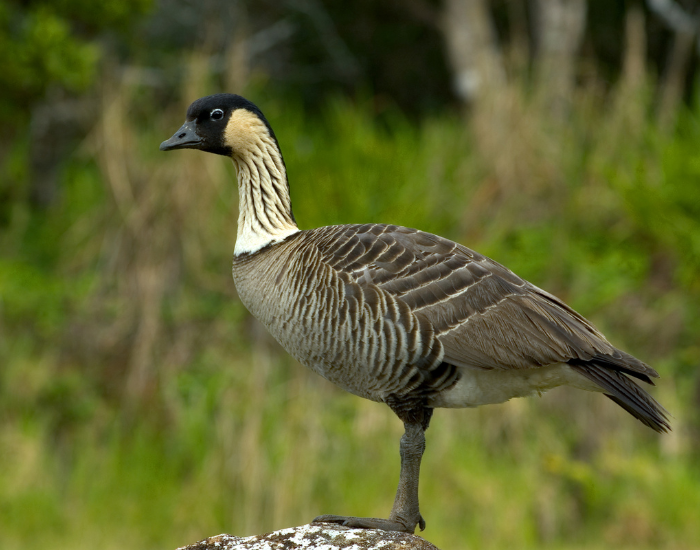
The nene is the hawaiian goose, and it is the official state bird of Hawaii. I traveled to the hawaiian islands specifically to see one, and found a small flock grazing volcanic slopes on the Big Island. The nene descends from Canada geese that arrived roughly 500,000 years ago.
Their webbed feet are less webbed than typical geese, an adaptation for walking on lava, not swimming. By 1950, the species was down to about thirty birds. Captive breeding and predator control brought numbers back over 3,000. A textbook conservation success.
10. Nightingale
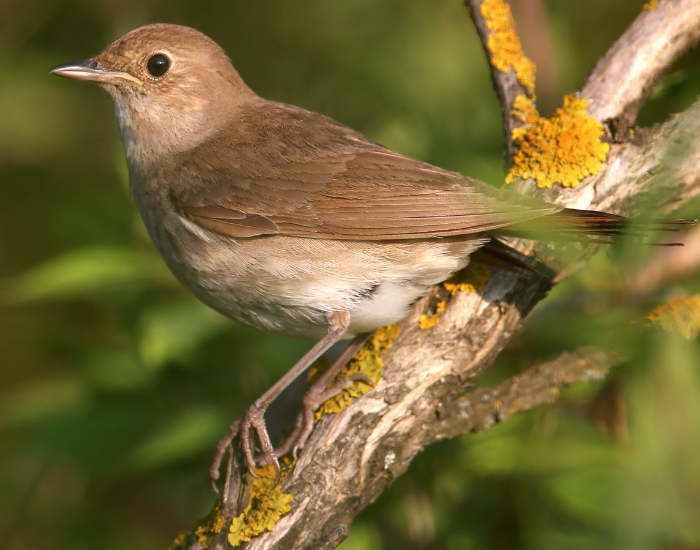
The nightingale is a small, brown eurasian song bird with one of the most celebrated voices in the world. Its melodious song is so complex it has its own literature, from Keats to modern bioacoustics.
Males arrive at breeding grounds before females and sing day and night to claim territory. The species winters in sub saharan africa and breeds across Europe. UK populations have dropped sharply from habitat changes that compress the breeding season.
11. Nightjar
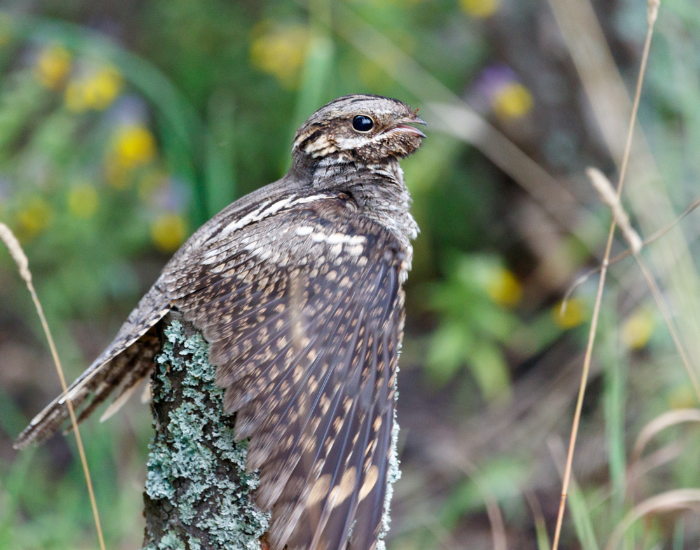
The nightjar is the true nocturnal bird of the European twilight — a cryptic, ground-roosting species. Its plumage is exquisite camouflage: bark, lichen, and dry leaves layered together. By day, the bird sits motionless along a low branch or the forest floor.
Several nightjar species exist worldwide, with members on every continent except Antarctica. The European nightjar breeds across heathland and clear-felled forest in Europe, then migrates to sub saharan africa for winter. Listen for its churring song at dusk, it sounds more like a small engine than a bird.
12. Nuthatch
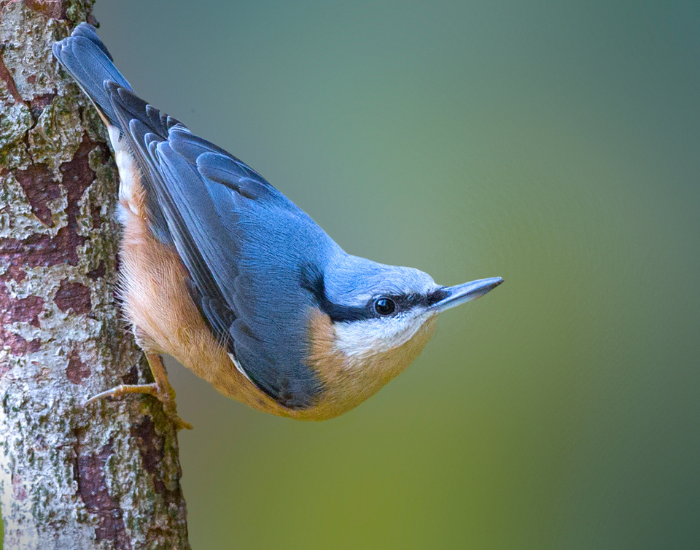
The nuthatch, genus sitta, is the only group of birds I know that routinely walks down tree trunks headfirst. I love watching them in the oak woodlands, they spiral around bark, prying insects out of crevices with stout bills.
About 28 nuthatch species exist worldwide. Most occupy temperate forests across Europe, Asia, and North America, though a few range into central america. The Eurasian nuthatch is the bird you’re most likely to spot at a backyard feeder.
Reptiles and Amphibians
13. Nile Crocodile
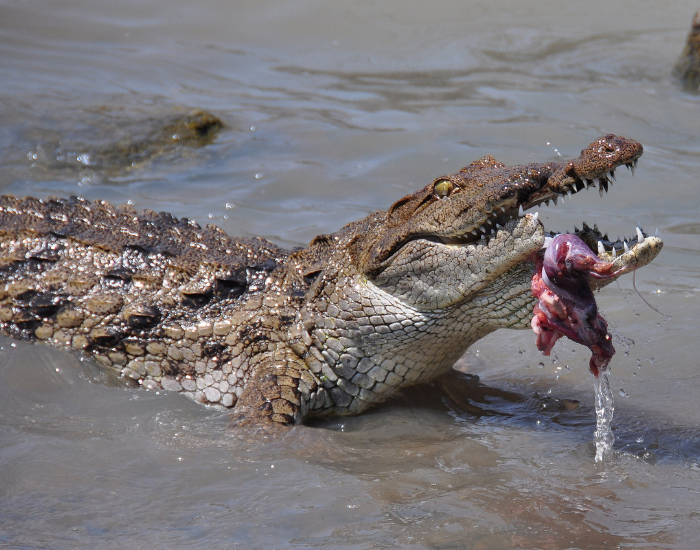
The nile crocodile is the largest freshwater predator in Africa and one of the most dangerous animals on Earth. These animals reach lengths over 5 meters and have one of the strongest bite force ever measured in a living creature, those strong jaws can crush a buffalo’s femur.
Nile crocodiles range across sub saharan africa, from east africa to Madagascar, in lakes, rivers, and brackish water fish habitats. Their daily diet is mostly freshwater fish, though they also take wildebeest during the great migration. Females are devoted parents, they guard nests and carry hatchlings to the water in their mouths.
14. Natterjack Toad
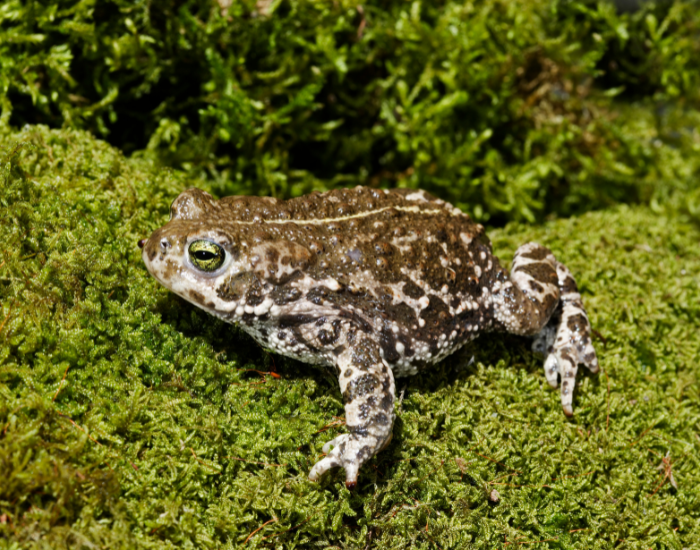
The natterjack toad is a European amphibian with a loud, far-carrying mating call. You can hear them more than a kilometer away. Males call from shallow pools during the breeding season, April through July.
Natterjacks run rather than hop, unusual for toads. They prefer sandy habitats: coastal dunes, heathland, and the edges of slow moving streams. Like newts in the subfamily pleurodelinae, the natterjack toad is declining from pool acidification and invasive predators.
Aquatic Animals
15. Nurse Shark
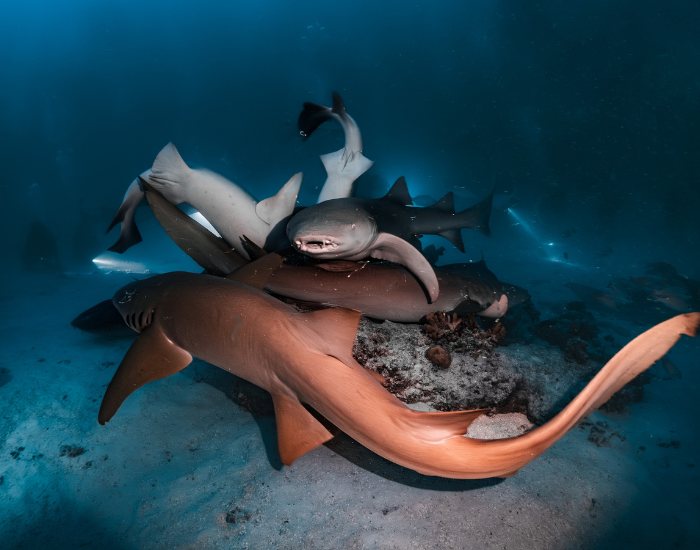
The nurse shark is a slow moving, bottom-dwelling shark species I have spotted in the Caribbean and the Indo-Pacific. Despite a reputation for sluggishness, this shark has powerful pharyngeal muscles that let it suck small fish and crustaceans out of reef crevices. The species ranges through tropical and subtropical waters worldwide.
Adult nurse sharks reach lengths of 3 meters and rest in groups beneath coral reefs by day. At night they hunt small fish, crustaceans, and octopuses. They are one of the only sharks that can pump water across their gills while motionless, which is how they nap on the seabed.
16. Nudibranch (Honorable Mention)
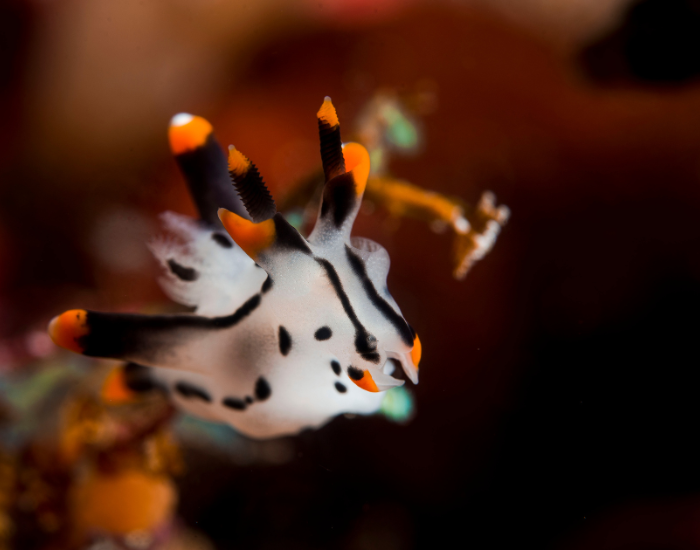
I had to sneak nudibranchs in, even as an honorable sixteenth, because nudibranchs are colorful sea slugs, and “colorful” undersells it. I have photographed nudibranchs on coral reefs in South Est Asia, and every dive turns up something new. More than 3,000 species exist, in patterns that look painted on by a hallucinating designer.
The bright colors are warnings. Most nudibranchs steal toxins or stinging cells from sponges, anemones, and hydroids, then recycle them for defense. Their nocturnal habits in some species, combined with tiny body size, mean even experienced divers miss most of them.
A Few Examples
If this article sparked anything, my next ask is small: pick one species from this list of animals that start with N, look it up tonight, and watch a five-minute documentary clip. Better yet, explore your own backyard. Even temperate suburbs hide insects, birds, and small mammals beginning with N. For more animals to add to your alphabet list, my guide to auk birds and my types of birds guide are good next stops. Drop a comment with your favorite N species — humans included, since we’re animals too.
References:
Buffenstein, R. (2008). Negligible senescence in the longest living rodent, the naked mole-rat: insights from a successfully aging species. Journal of Comparative Physiology B, 178(4), 439–445. https://doi.org/10.1007/s00360-007-0237-5
Bettcher, V. B., Franco, A. C. S., & Dos Santos, L. N. (2023). Habitat-use of the vulnerable Atlantic Nurse Shark: a review. PeerJ, 11, e15540. https://doi.org/10.7717/peerj.15540
Surbakti, S., Parker, H. G., McIntyre, J. K., Maury, H. K., Cairns, K. M., Selvig, M., Pangau-Adam, M., Safonpo, A., Numberi, L., Runtuboi, D. Y. P., Davis, B. W., & Ostrander, E. A. (2020). New Guinea highland wild dogs are the original New Guinea singing dogs. Proceedings of the National Academy of Sciences, 117(39), 24369–24376. https://doi.org/10.1073/pnas.2007242117
Wägele, H., & Klussmann-Kolb, A. (2005). Opisthobranchia (Mollusca, Gastropoda) — more than just slimy slugs. Shell reduction and its implications on defence and foraging. Frontiers in Zoology, 2, 3. https://doi.org/10.1186/1742-9994-2-3