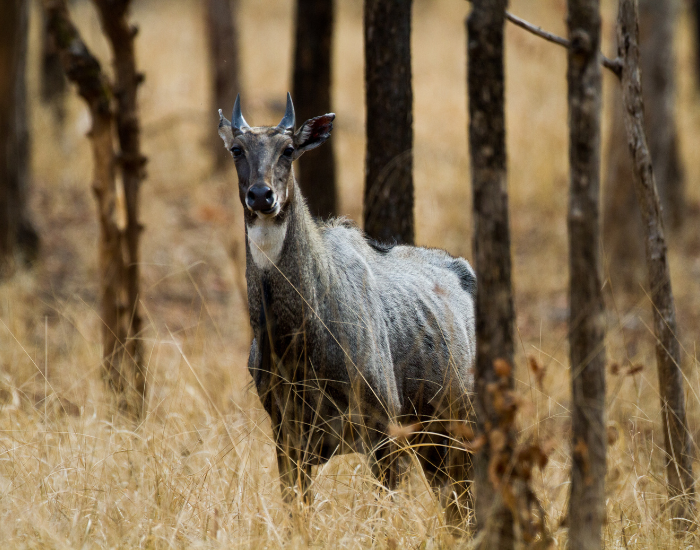
If you’ve ever been driving through the dusty, mesquite-laden landscapes of South Texas and thought you saw a cross between a horse, a cow, and a mythical beast, you weren’t dreaming. You likely spotted a nilgai (Boselaphus tragocamelus).
Often called the blue bull, the nilgai antelope is a creature that defies simple categorization. It’s an Asian powerhouse that decided the American West looked enough like home to stay. As someone who spends a lot of time looking at how species adapt to new “neighborhoods,” I find the nilgai animal fascinating. It’s not just an invasive species; it’s a perfect example in survival and ecological persistence. Significant feral populations of nilgai now exist in Texas and parts of Mexico.
From the foothills of the Himalayan mountains to the sprawling acreage of the King Ranch, these animals have a story that spans continents. The nilgai was first introduced to Texas in 1924 by Caesar Kleberg onto a ranch near the Norias Division of the King Ranch. Whether you’re a hunter, a wildlife enthusiast, or just a curious soul, here are the top 12 facts about the nilgai that prove this “blue cow” is one of the most underrated wildlife icons on the planet.
1. The “Blue Bull” Name Isn’t Just for Show
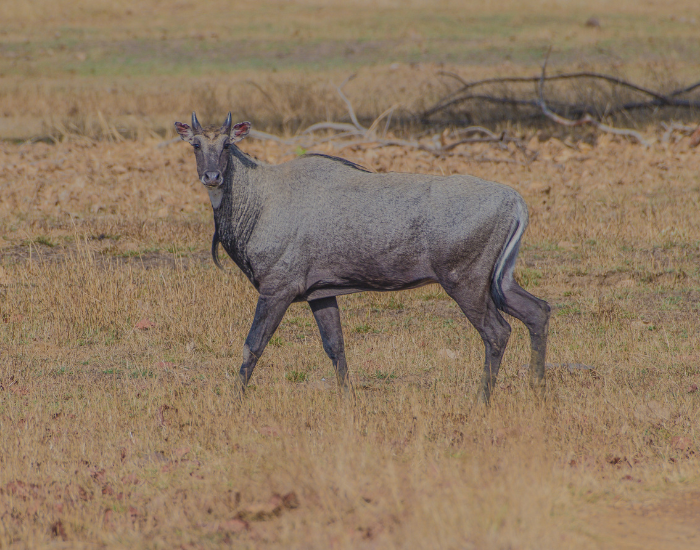
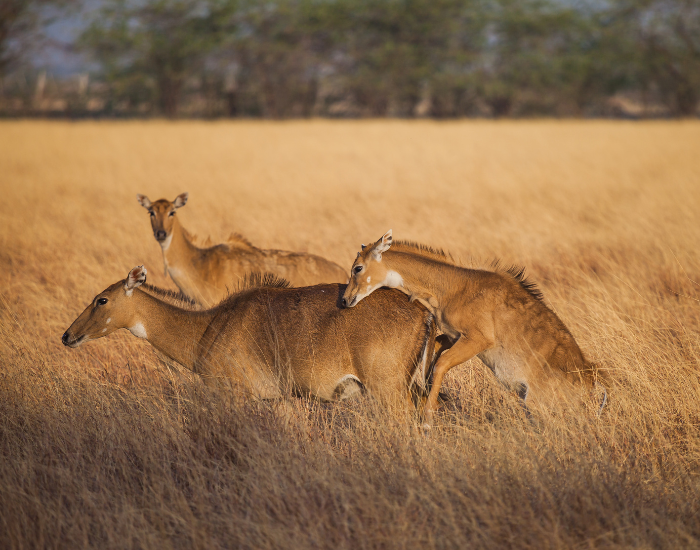
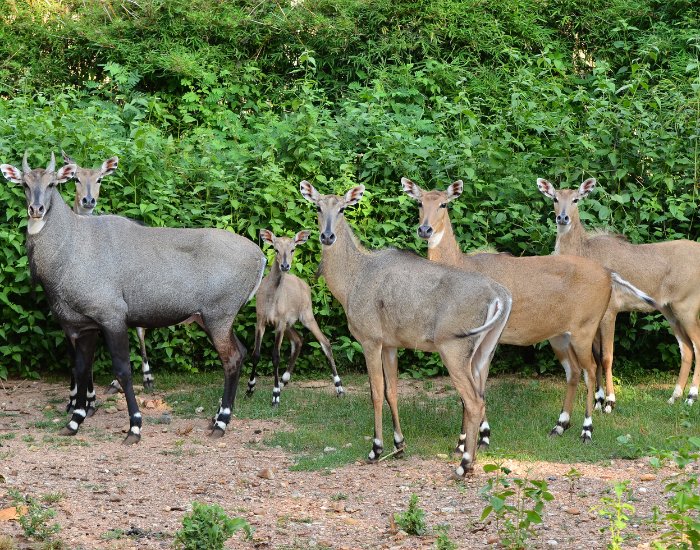
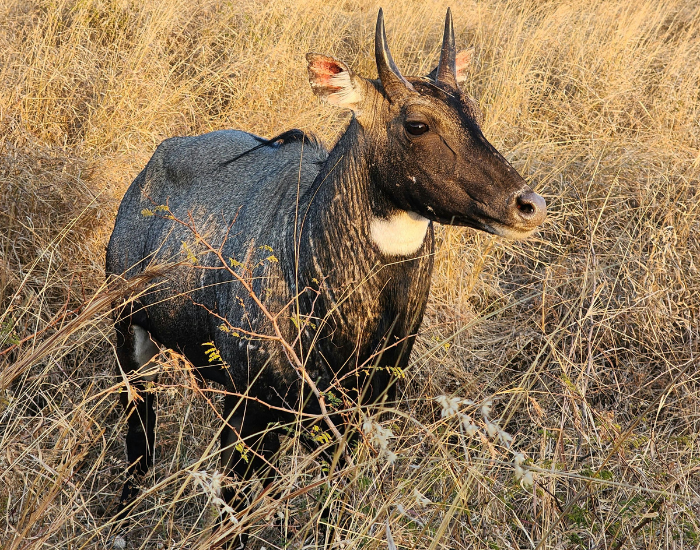
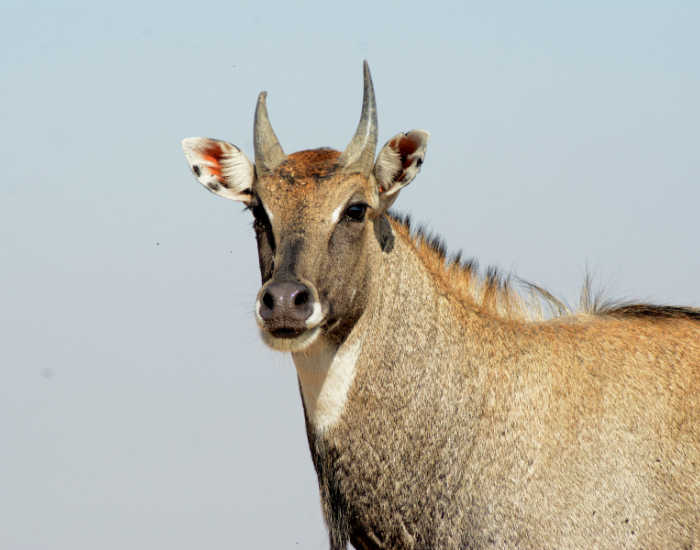
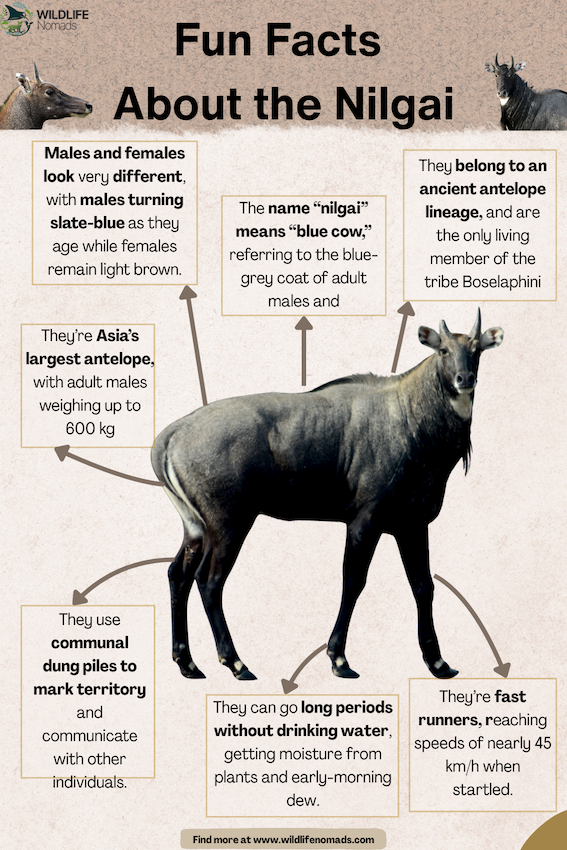
The name nilgai comes from the Hindi word nilgaw, which literally translates to “blue cow.” This translation reflects the animal’s resemblance to cattle in both appearance and cultural perception. While the females (cows) and nilgai calves sport a pale brown or tawny coat, the adult male develops a striking, charcoal-to-steely blue-grey color as he matures. This dark pigment is where the nickname blue bull originates.
2. They Are Asia’s Largest Antelope
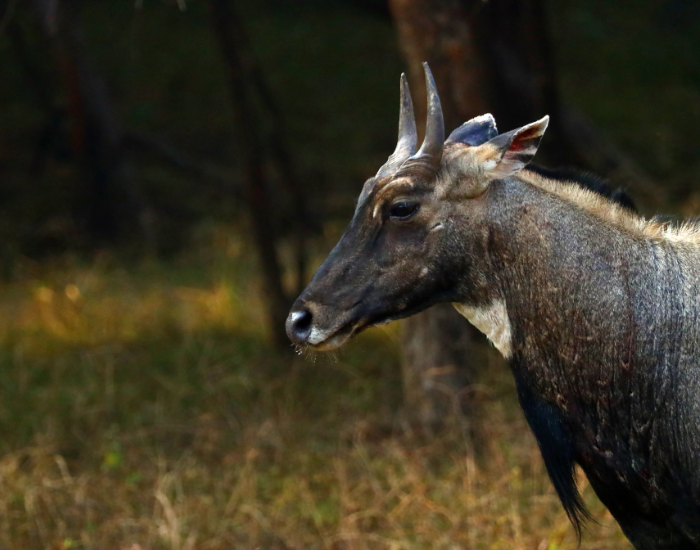
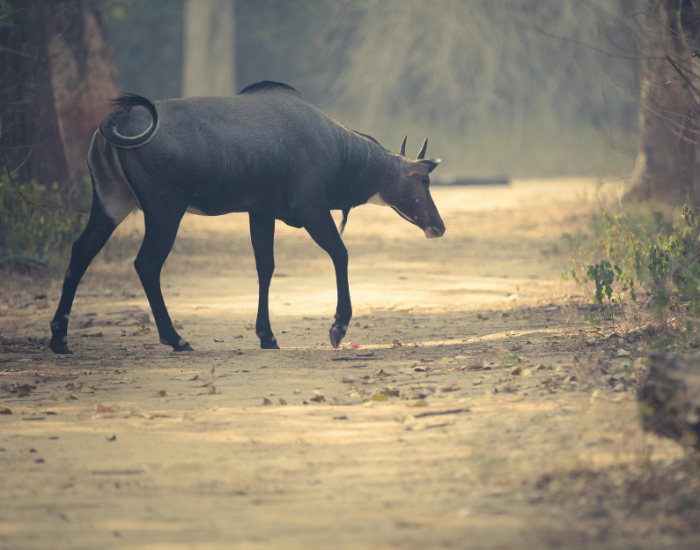
Don’t let the “cow” nickname fool you. The nilgai antelope is the largest antelope on the Indian subcontinent. A dominant bull can stand nearly 5 feet tall at the shoulder and weigh up to 600 pounds. Their physique is unique: they have a sloped back, higher at the shoulders than the rump, which gives them a powerful, almost prehistoric silhouette against the horizon.
3. A Deep Connection to the Indian Subcontinent
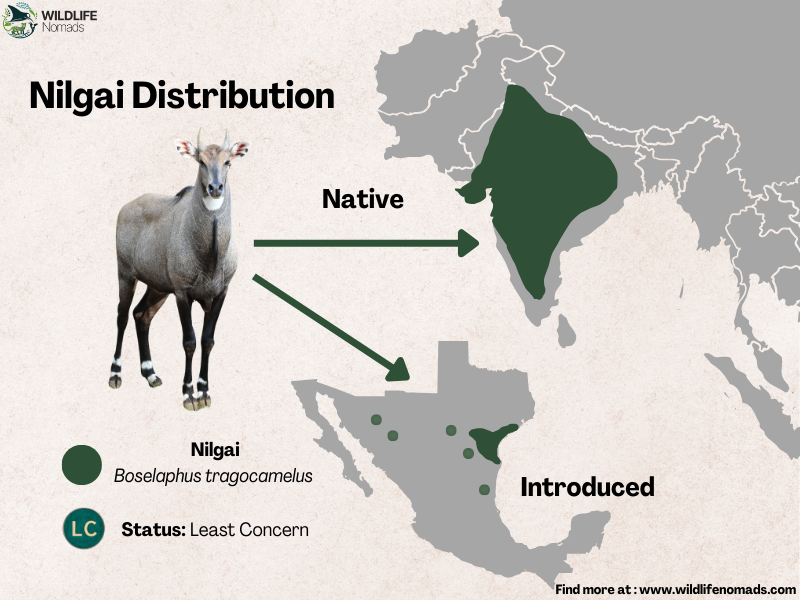
Native to India, Pakistan, and parts of Southeast Asia, the nilgai has been a fixture of the Indian subcontinent for millennia. Their geographic distribution traditionally runs from the Himalayan mountains southward into western India and Madhya Pradesh (similar to the sichuan takin range). In these regions, their habitat includes grassy steppe woodlands and areas with scattered trees.
Nilgai prefer areas with short bushes and scattered trees in scrub forests and grassy plains. They are commonly found on agricultural land and rarely in dense forests.
Nilgai remains have been excavated at Pandu Rajar Dhibi in West Bengal, suggesting that the species was domesticated or hunted in eastern India during the Neolithic period and the Indus Valley Civilisation.
4. How the Nilgai Became a South Texas Legend
You might wonder how an animal from Asia ended up as a staple of South Texas wildlife. The story leads back to the 1920s and 30s. They were initially brought over as zoo animals, but the King Ranch eventually released them into the wild to see if they could thrive. They weren’t alone in that experiment—other non-native species, including axis deer, were also introduced to Texas around the same time for hunting and aesthetic purposes.
After the King Ranch release, the feral nilgai population increased significantly in the late 1940s and gradually spread to adjoining ranches.
In Texas, nilgai populations are estimated to be around 30,000 as of 2011. Nilgai in Texas primarily inhabit the brush country and coastal prairies, adapting well to the local environment. Spoiler alert: they did. Today, the nilgai population in Texas is booming, with estimates suggesting there are now more nilgai in the Lone Star State than in some parts of their native range. The management of nilgai populations in Texas also involves monitoring for diseases that can affect both wildlife and livestock.
5. They Are Members of the “Tribe Boselaphini”
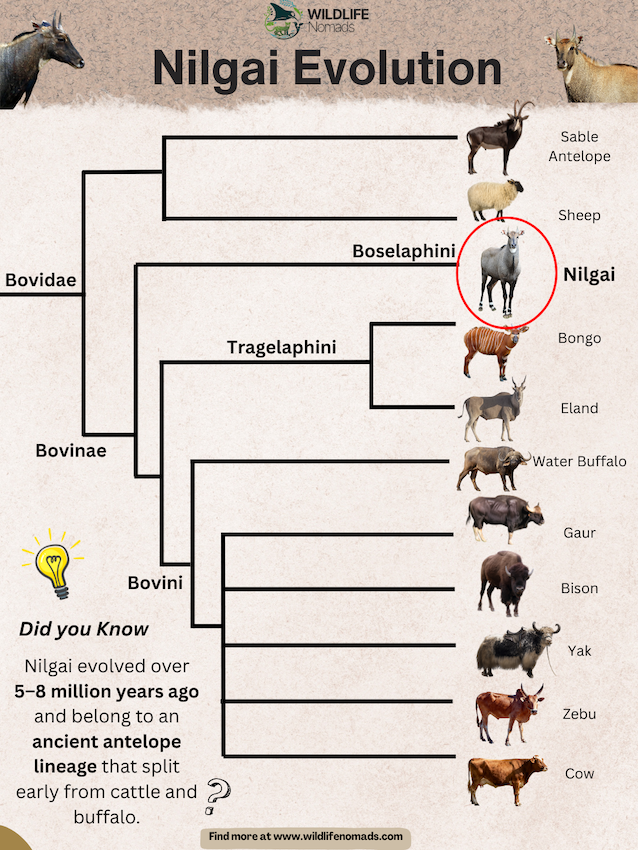
Taxonomically speaking, the nilgai (Boselaphus tragocamelus) belongs to the family Bovidae and is the largest member of the tribe Boselaphini. In fact, it’s the only living representative of this tribe, which gives the nilgai a uniquely isolated position within bovid evolution. Its closest living relative is the much smaller four-horned antelope, another species with deep evolutionary roots in Asia.
While the nilgai’s lineage is distinct, it sits within the broader bovid family that also includes species like the saiga antelope of the Eurasian steppes, the yak of the Himalayan highlands, and African antelopes such as the springbok. These animals may look very different and live on different continents, but they share common ancestry shaped by ancient savannas, grasslands, climate shifts, and grazing adaptations.
Evolutionary studies show that Boselaphini diverged from other bovids during the Miocene epoch, making the nilgai a living reminder of an early chapter in antelope evolution. In that sense, it represents a parallel branch to the lineages that later produced species like modern antelope, wild cattle, and high-altitude specialists such as the yak.
6. The “Blue Bull” Diet: Survivors in the Scrub
Herbivores by nature, nilgai aren’t picky eaters. They are primarily forage experts, consuming mainly woody plants, grass, and short bushes. The nilgai is a browser or mixed feeder, primarily grazing on grasses and herbs. In South Texas, they have adapted to eat prickly pear cactus and mesquite beans. Their feeding habits are similar to those of cattle, as both species graze and browse on a variety of vegetation, which can impact the local environment and available forage. Interestingly, they can go long periods without water, getting most of their hydration from the plant parts they consume in the early morning when dew is present.

7. Distinctive Physical “Accessories”
If you look closely at an adult male, you’ll notice a tuft of stiff black hair on the throat, often called a “hair tassel” or “beard.” They also have white markings on their ankles (which look like socks) and two white spots on their cheeks. Both males and females have good eyesight and a keen sense of smell, making them notoriously difficult for hunters to sneak up on.

8. Social Dynamics and the Dominant Bull
Nilgai social structures are flexible. You’ll often find females and calves in small herds, while males may wander alone or in “bachelor groups.” Nilgai segregate into male and female groups except during the breeding season, which occurs primarily from November through March in Texas. During this time, nilgai breed, with a one dominant bull defending his territory fiercely. The gestation period for nilgai is approximately 245 days, and twinning is common. Unlike many other antelope species, nilgai don’t use large antlers; the bulls have short horns (about 8–10 inches) that are used for wrestling and pushing other males.
9. The “Dung Pile” Communication System
One of the more unique food habits of the nilgai actually happens after they eat. They are known for using communal “latrines” or dung piles. By repeatedly defecating in the same spot, they mark territory and communicate their presence to other animals. In the vast land types of the Indian subcontinent, these piles act like a biological GPS for the local population.
10. Natural Predators and Survival Instincts
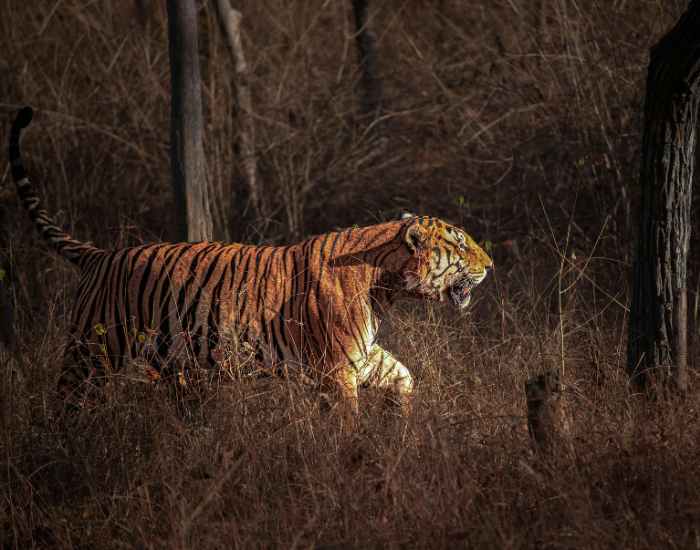
In their native India, nilgai have to look out for tigers and leopards. In the South Texas brush, they have fewer natural predators, though coyotes may target a single calf. Their main defense is their speed; despite their bulky frame, they can run up to 29 mph. Their skin is also incredibly thick, especially around the neck of the males, serving as a form of natural armor during fights.
11. Legal Status and Conservation
Currently, the nilgai is listed as “Least Concern” by the IUCN. In India, they are protected under Schedule III of the Wildlife Protection Act. However, because they can be crop-raiders, they sometimes clash with humans. In the US, the state government classifies them as an exotic species, meaning they can be hunted year-round on private property, which helps manage the south texas antelope population and prevents overgrazing.
12. Are Nilgai Good Eating?
This is a frequent question among the College Station and South Texas hunting communities. The answer is a resounding yes. Nilgai meat is lean, high in protein, and tastes more like premium beef than gamey deer venison. Because their diet consists of woody plants and grass, the meat is exceptionally flavorful, making it a prized “exotic” harvest for hunters.
FAQ: Your Nilgai Questions Answered
Estimates suggest the nilgai population in Texas exceeds 30,000 individuals, with the majority concentrated in the coastal prairies and brushlands of South Texas.
The most common English name is the blue bull, though they are also referred to as the nilgai antelope.
They were primarily introduced by the King Ranch in the 1930s for aesthetic and hunting purposes.
Generally, they are shy and will flee from humans. However, a dominant bull or a protective mother can become aggressive if cornered.
The gestation period is approximately 8 to 9 months, usually resulting in a single calf or twins.
A Conservation Success or an Ecological Challenge?
The story of the nilgai is a testament to the resilience of the family Bovidae. Whether they are grazing in the shadow of the Himalayan mountains or navigating the fences of a South Texas ranch, they remain a symbol of wild adaptability.
While they are an exotic species in the Americas, they have carved out a niche that supports local economies through wildlife tourism and sustainable hunting. As we look toward the future, continued research into their populations and their impact on native species will be vital for maintaining a balanced ecosystem.
What do you think? Is the blue bull a welcome addition to the Texas landscape, or should we be more cautious with exotic species? Let’s keep the conversation going in the comments!