For many of us, the first encounter with coral reef fishes came through a screen. Finding Nemo opened our eyes to the vibrant world beneath the waves. However, that animated introduction barely scratches the surface of reef fish diversity.
Coral reefs host approximately 4,000-5,000 species of fish in the Indo-Pacific alone. These colorful coral reef fish aren’t just beautiful; they’re essential to marine ecology. From parrotfish that create sandy beaches to cleaner wrasse that run underwater cleaning stations, each species plays a critical role.
I’ve spent many hours observing these creatures in shallow waters and deeper reef ecosystems. In this guide, I’ll share insights that transform your next snorkeling or diving trip from casual observation into meaningful understanding.
What Are Coral Fishes?
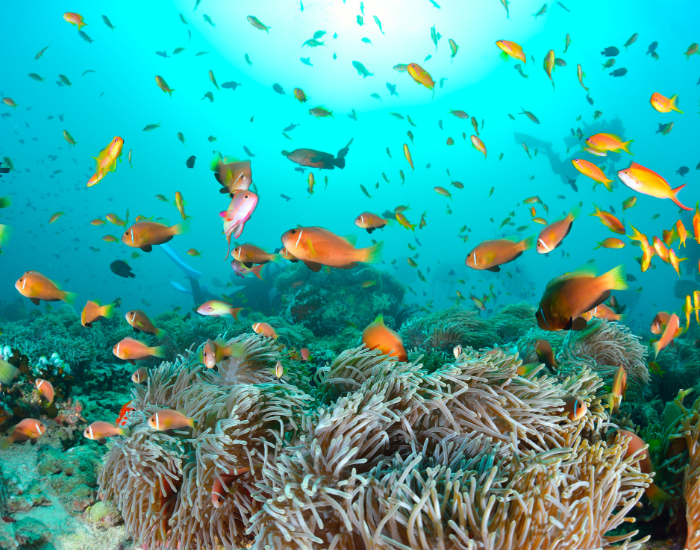
Reef fish are marine species that depend on coral reef ecosystems for survival. These tropical coral reef fish have evolved specialized adaptations over millions of years. They rely on coral structures for food, shelter, and breeding grounds.
Although coral reefs cover less than 1% of the ocean floor, they support roughly 25% of all marine species. This concentration makes reefs biodiversity hotspots comparable to tropical rainforests. The reef ecosystem functions as an underwater city where countless species interact through complex food chains and mutualistic relationships.
Global Reef Fish Diversity
The Indo-Pacific region dominates global coral fish diversity. The Coral Triangle, spanning Indonesia, the Philippines, and Papua New Guinea, hosts the highest concentration of coral reef fishes on Earth. This region contains 37% of the world’s coral reef fish species and supports over 2,000 different species.
By contrast, Caribbean reefs support approximately 500-700 species but remain ecologically important. Australia’s Great Barrier Reef also show extraordinary diversity across one of the largest reef systems on the planet! Meanwhile, the Pacific Ocean and Indian Ocean regions each support unique assemblages of reef-dwelling species.
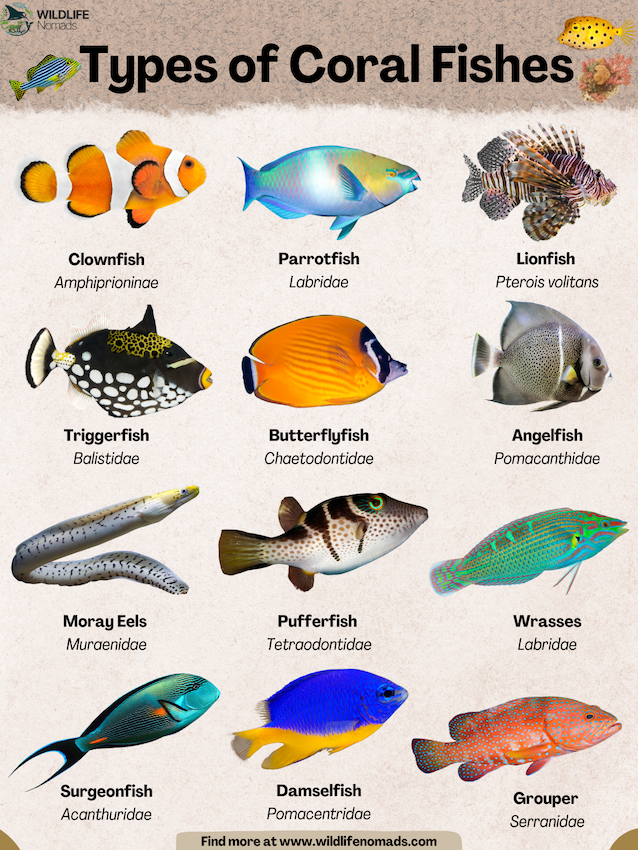
15 Most Common Coral Fishes You Need to Know
1. Clownfish (Amphiprioninae)
Clownfish gained fame through Finding Nemo, but their real-life biology is just as remarkable. These small fish live symbiotically with sea anemones, protected by a mucus coating that prevents stings from the host anemone.
This mutualistic relationship benefits both species through multiple mechanisms. Clownfish gain protection from predators while anemones receive nutrients from fish waste and cleaning services. Interestingly, all clownfish are born male, the dominant individual transitions to female if needed, ensuring reproductive success within their social hierarchy.
Clownfish exhibit bright colors ranging from orange to red, with distinctive white bands. They rarely venture far from their host anemone, creating a fascinating example of site fidelity. In the Pacific Ocean, over 28 species of clownfish exist, each with slightly different color patterns and host preferences.

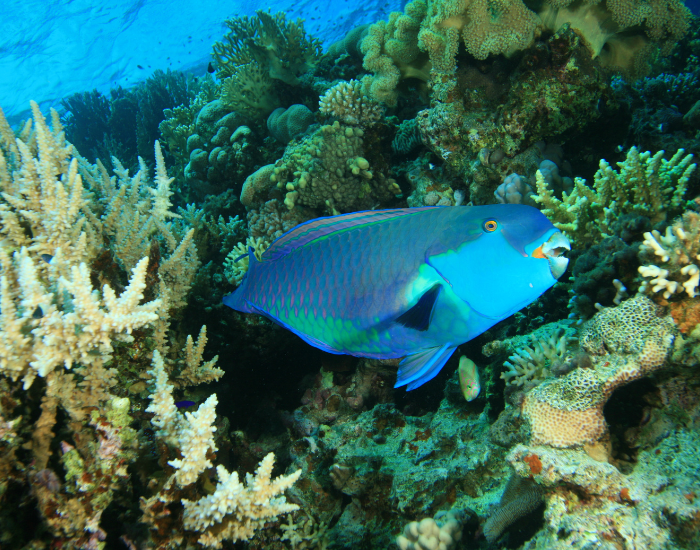
2. Parrotfish (Labridae)
Parrotfish are true reef engineers with remarkable ecological importance. Their beak-like teeth scrape algae from coral, preventing overgrowth that would otherwise smother coral polyps. This feeding behavior produces an unmistakable crunching sound that divers frequently hear underwater.
A single large parrotfish can produce 200-1,000 pounds of sand per year, contributing directly to tropical beach formation. The humphead parrotfish, one of the larger fish species in this family, can produce up to 840 pounds annually. Scientists estimate that parrotfish create up to 70% of white sand on Caribbean and Hawaiian beaches.
Many regions now ban parrotfish fishing due to their critical ecological role. These herbivores prevent algae from overwhelming coral, maintaining the delicate balance reef ecosystems require. Parrotfish also change sex during their lifetime, with females transforming into dominant males.
3. Butterflyfish (Chaetodontidae)
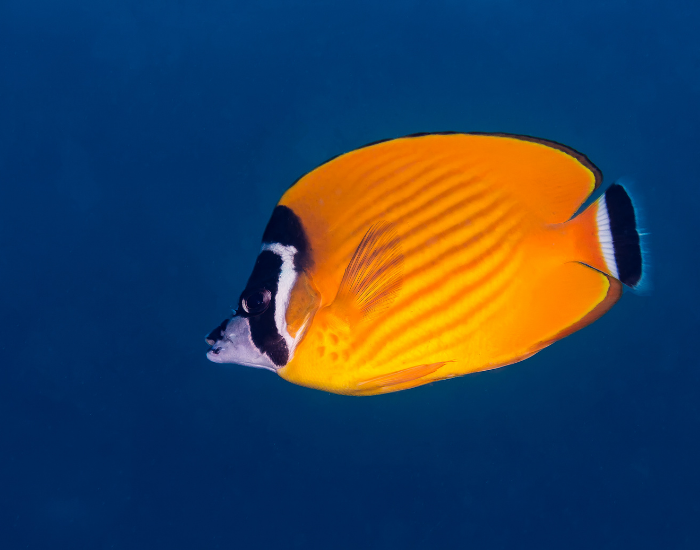
Butterflyfish are known for bright colors and disc-shaped bodies that allow them to navigate narrow coral crevices. Their flattened body shape provides excellent maneuverability around complex reef structures. These beautiful coral reef fish often form monogamous pairs and defend territories together.
Some butterflyfish species feed exclusively on coral polyps, making them reliable indicators of reef health. Population declines often signal coral stress or ecosystem degradation. Their specialized feeding habits mean they cannot survive without healthy coral.
Butterflyfish display stunning yellow, orange, and black patterns that serve multiple purposes. These bright colors may help with species recognition and pair bonding. Additionally, many species have false eyespots near their anal fins to confuse predators. Found throughout the Indo-Pacific and Caribbean, butterflyfish represent the aesthetic beauty that draws millions to coral reefs annually.
4. Angelfish (Pomacanthidae)
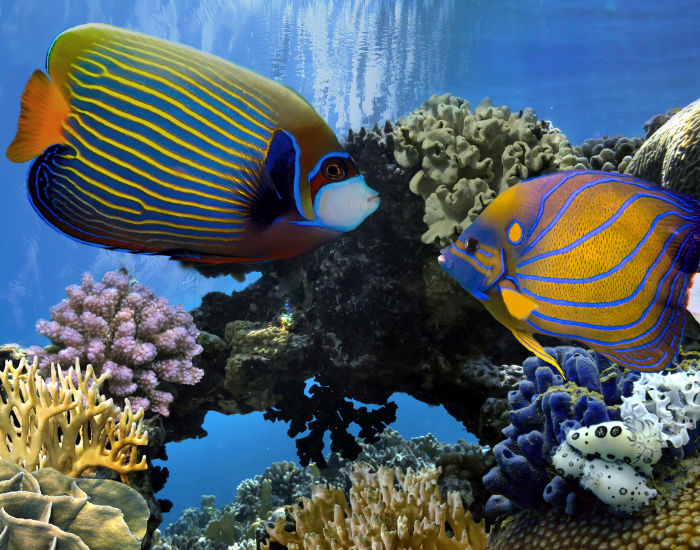
Marine angelfish are iconic reef residents with spectacular coloration. Juveniles often look entirely different from adults, reducing competition between age groups for food and territory. This dramatic color change represents one of nature’s most striking transformations.
They feed on sponges, algae, and small invertebrates, helping regulate sponge growth that could otherwise overwhelm coral structures. Angelfish possess small mouths with brush-like teeth perfect for grazing on reef surfaces. They move gracefully through coral heads, their bodies perfectly adapted for life among complex structures.
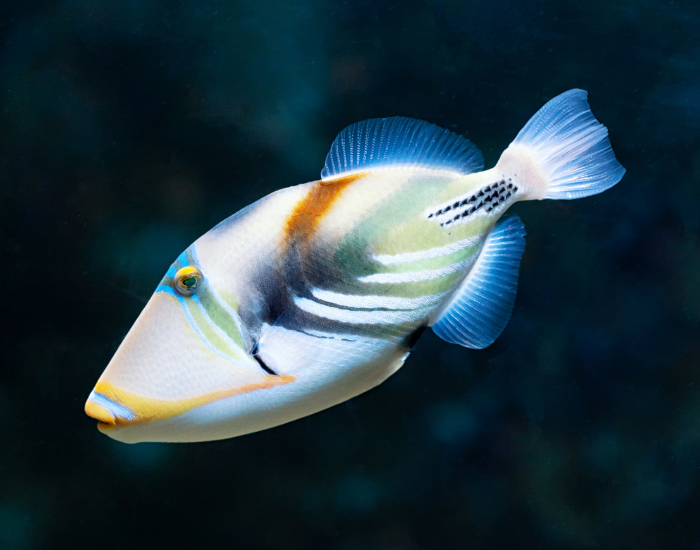
5. Triggerfish (Balistidae)
Triggerfish are visually stunning and famously territorial, particularly during nesting season. The Titan Triggerfish is especially aggressive when protecting eggs, occasionally charging at divers who venture too close. Their powerful jaws can deliver painful bites, so maintaining respectful distance is essential.
They feed on sea urchins, crabs, and mollusks using incredibly strong jaws. These top predators help control invertebrate populations on the reef. Their name comes from a unique dorsal fin mechanism: a primary spine locks upright with a secondary “trigger” spine, creating a defensive mechanism that prevents predators from pulling them from crevices.
Triggerfish display diverse body shapes and colors across species. Some, like the clown triggerfish, feature bold patterns of white spots on dark backgrounds. Others show more subdued coloration. All species share powerful, deep bodies and eyes positioned high on their heads, allowing them to watch for threats while feeding on the reef bottom.
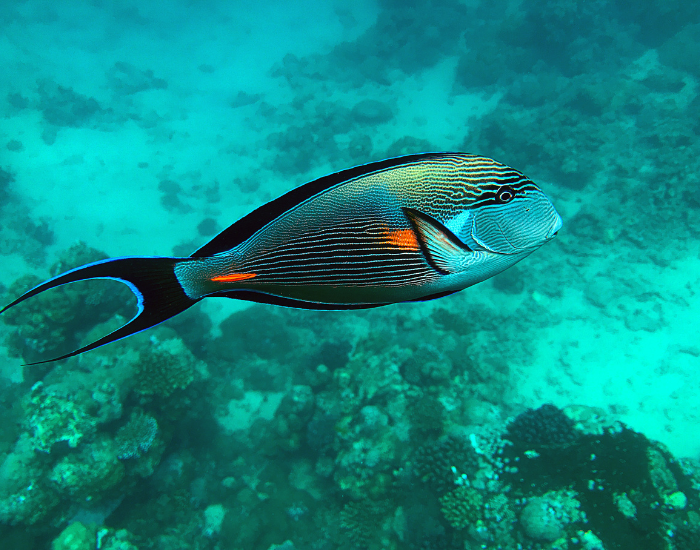
6. Surgeonfish (Acanthuridae)
Surgeonfish are named for the sharp, scalpel-like venomous spines at the base of their tails. These reef fish are essential grazers, constantly feeding on algae that grows on dead coral and reef surfaces. Their continuous grazing prevents algae from smothering living coral.
The Blue Tang belongs to this family and gained fame through Finding Nemo. Without surgeonfish and other herbivores, algae would rapidly overgrow coral reefs, leading to ecosystem collapse. These fish often form large schools while feeding, creating impressive underwater spectacles.
Surgeonfish display diverse colors, from the electric blue of Dory to the bright yellow of tang species. They possess small mouths suited for scraping algae from hard surfaces. Some species can change color slightly based on mood or environmental conditions. Found throughout tropical and subtropical waters, surgeonfish populations face pressure from the aquarium trade despite their ecological importance.
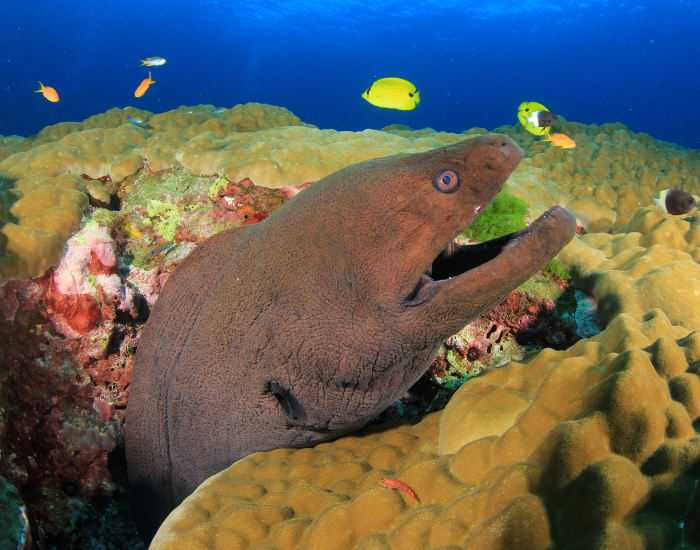
7. Moray Eels (Muraenidae)
Moray eels are nocturnal hunters often seen peering from reef crevices during the day. Despite lacking pectoral and pelvic fins, they navigate reef structures with serpentine grace. They possess a second set of pharyngeal jaws that shoot forward to grab prey and pull it into their throat, a feature straight from science fiction.
Despite their intimidating appearance, morays are generally not aggressive toward humans unless provoked. Their poor eyesight means they rely heavily on their excellent sense of smell. Divers who hand-feed morays risk bites, not from aggression but from the eel’s inability to distinguish fingers from food.
Multiple species inhabit coral reefs worldwide. The giant moray can reach 10 feet in length, while smaller species measure just a few feet. Moray eels play crucial roles as predators, helping regulate populations of small crustaceans and octopuses. Their presence indicates a healthy reef ecosystem with adequate prey species and hiding places.
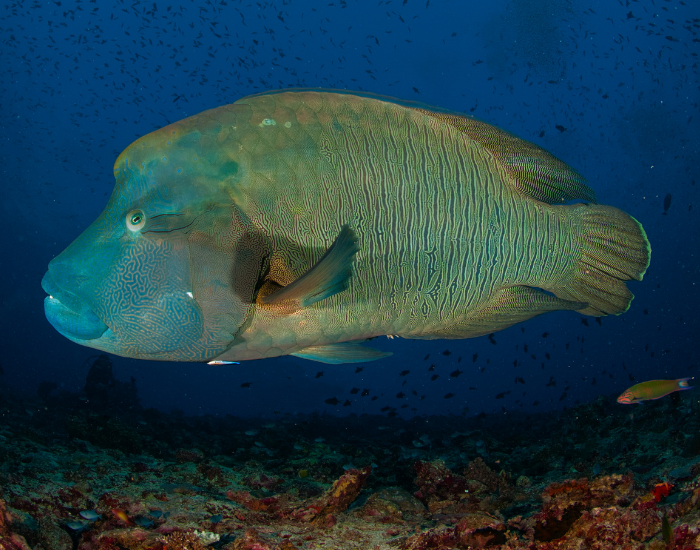
8. Wrasses (Labridae)
Wrasses represent one of the most diverse families of coral reef fishes, with over 600 species worldwide. The wrasse family includes everything from tiny cleaner wrasse to the massive Napoleon wrasse. Cleaner wrasses establish cleaning stations where larger fish queue up to have parasites removed—an essential reef service.
These cleaning stations function like underwater spas. Larger predators that would normally eat small fish instead allow cleaner wrasse to enter their mouths and gills. This mutualistic relationship benefits both parties: cleaners get food while clients get parasite removal. Scientists have documented fish traveling considerable distances to visit specific cleaning stations.
Many wrasses can change sex during their lifetime, adapting to social conditions and maintaining reproductive success. They display incredible color diversity, with many species featuring brilliant blues, greens, and yellows. Some wrasses bury themselves in sand at night for protection, while others secrete mucus cocoons. Their varied behaviors and ecological roles make wrasses fascinating subjects for marine biologists.
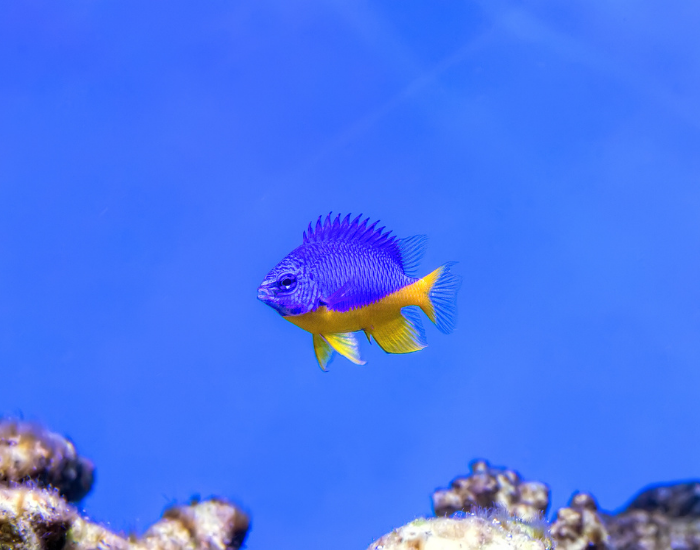
9. Damselfish (Pomacentridae)
Small but territorial, damselfish are reef farmers that actively cultivate algae gardens. Despite their diminutive size, these fish aggressively defend their territories against intruders many times their size. They establish feeding territories and maintain specific algae species by removing unwanted competitors.
These small fish display diverse colors, from the electric blue of sergeant majors to darker species. The dusky damselfish shows particularly aggressive behavior, chasing away fish ten times its size. Damselfish produce popping sounds during territorial disputes, contributing to the reef’s soundscape. Found in both the Indo-Pacific and Caribbean, these abundant species represent important links in reef food chains.
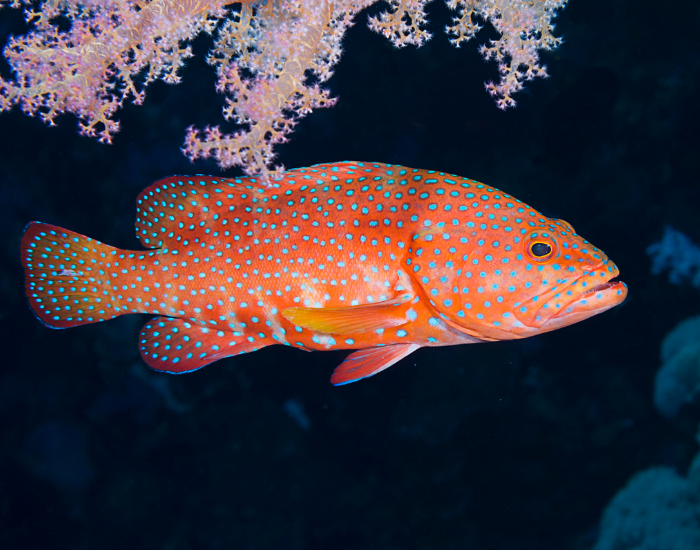
10. Grouper (Serranidae)
Groupers are ambush predators known for patience and explosive strikes. Some species exceed 400 pounds, making them among the largest bony fish on reefs. They lurk motionless near reef structures, waiting for prey to venture within striking distance before inhaling them with lightning-fast jaw expansion.
Groupers change sex during their lifetime, typically starting as females and transforming into males. This protogynous hermaphroditism means removing large males severely impacts reproduction. Nassau groupers, goliath groupers, and various other species now receive legal protection in many jurisdictions. Their role as top predators makes them essential for maintaining healthy reef ecosystems and balanced food chains.
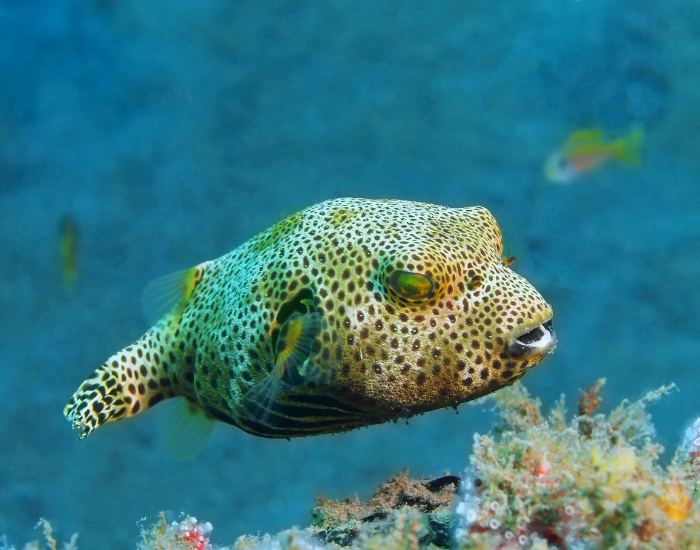
11. Pufferfish (Tetraodontidae)
Pufferfish inflate when threatened, transforming into spiky balloons that few predators can swallow. They carry the potent neurotoxin tetrodotoxin in their tissues, making them deadly if consumed improperly. Despite this defense mechanism, pufferfish cannot inflate indefinitely and require recovery time between inflations.
Their fused teeth crush hard-shelled prey like crabs, snails, and sea urchins. This crushing ability makes them important predators of invertebrates. Some larger fish species prey on pufferfish despite the risk, suggesting the toxin concentration varies by individual or species.

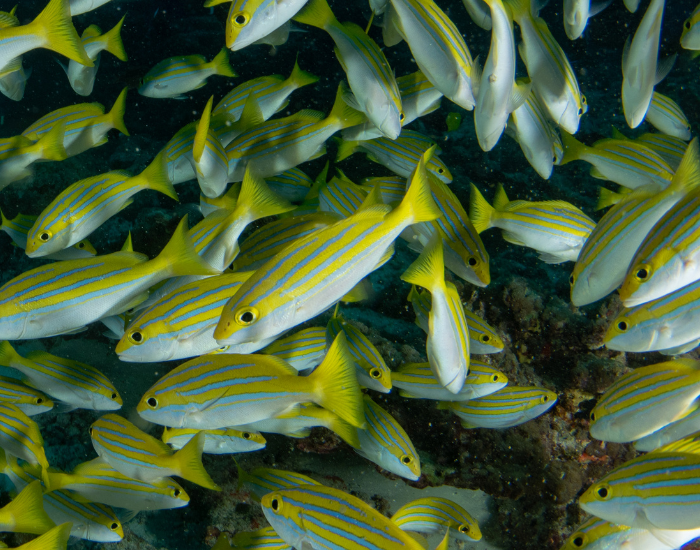
12. Snappers (Lutjanidae)
Snappers form large daytime schools and hunt at night, occupying a key middle position in the reef food chain. Their schooling behavior offers protection from predators through the “safety in numbers” principle. However, this same behavior makes them vulnerable to overfishing when entire schools get caught.
These fish hunt small crustaceans and smaller fish during nocturnal feeding expeditions. During the day, schools of snappers often rest under ledges or near coral heads. Their large eyes adapt them for low-light hunting conditions. Snappers possess sharp teeth and powerful jaws, making them effective predators.
13. Boxfish (Ostraciidae)
Boxfish have rigid, box-shaped bodies formed from fused bony plates beneath their skin. This armor provides protection but limits flexibility, so boxfish rely on unusual swimming techniques. They move primarily by oscillating their small fins rather than undulating their bodies like most other fish.
Beyond armor, some boxfish species can release toxic substances when stressed, poisoning potential predators and even tankmates in aquarium settings. This chemical defense makes them unappealing prey despite their slow swimming speed. Their unusual body shape and curious behavior make them popular with divers and photographers.
14. Blennies (Blenniidae)
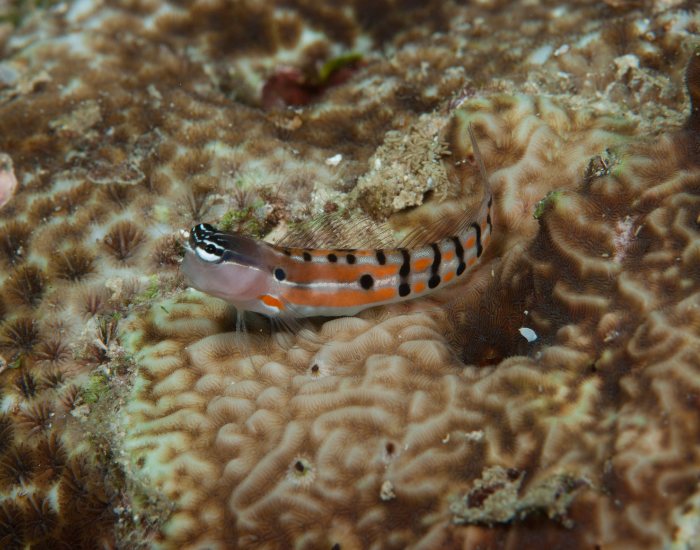
Blennies are small, personality-filled reef residents that hop rather than swim smoothly across reef surfaces. These tiny fish occupy small territories among coral rubble, rocks, and empty worm tubes. They display remarkable diversity, with many species showing unique behaviors and specialized diets.
Despite their small size, blennies exhibit bold personalities. They guard their territories against intruders and perform elaborate courtship displays. Some species mimic venomous fish species for protection, while others possess actual venomous fangs. Many blennies perch on high points to survey their territories, popping back into holes when threatened.
15. Lionfish (Pterois)
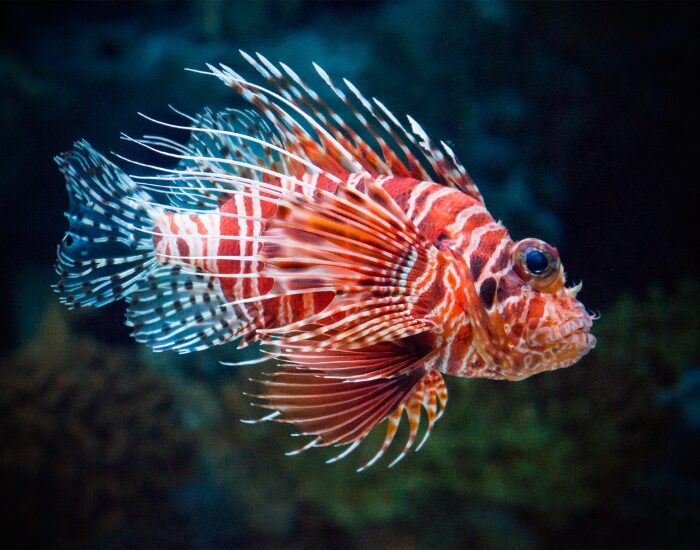
Lionfish are native to the Indo-Pacific but an invasive species in the Atlantic and Caribbean (like in florida), where they lack natural predators. Their venomous spines and high reproductive rates allow populations to explode when introduced to new environments. Female lionfish can release up to 30,000 eggs every few days, contributing to rapid population growth.
In invaded regions, targeted removal programs help protect native reef fish communities. Divers participate in lionfish derbies, spearing and removing these predators to reduce their impact. Interestingly, promoting lionfish as food fish encourages commercial fishing, creating economic incentives for population control.
Threats to Coral Reef Fishes
Coral reef fishes face mounting threats that endanger both individual species and entire ecosystems. Understanding these challenges is essential for effective conservation.
Climate change and coral bleaching represent the greatest threats. Rising ocean temperatures stress corals, causing them to expel their symbiotic algae and turn white. Prolonged bleaching kills coral, eliminating fish habitat.
Ocean acidification occurs as oceans absorb excess atmospheric carbon dioxide. Lower pH levels make it harder for corals and other organisms to build calcium carbonate structures, threatening the foundation of reef ecosystems.
Overfishing of key species disrupts food chains and removes important functional groups. Removing herbivores allows algae to overgrow coral, while depleting top predators cascades through entire ecosystems.
Pollution and sediment runoff from coastal development smothers coral and introduces harmful chemicals. Agricultural runoff carries fertilizers that promote algae blooms, while plastic pollution affects fish at all life stages.
Destructive fishing practices including cyanide fishing and blast fishing directly destroy reef structure. These methods kill coral and countless organisms beyond target species.
When coral dies, reef ecosystems collapse, taking fish diversity with them. Protecting coral reefs requires addressing all these interconnected threats simultaneously.
FAQ about Coral Fishes
Damselfish and wrasses are among the most abundant reef fish globally, found throughout the Indo-Pacific and Caribbean regions.
Over 6,000 species associate with coral reefs worldwide, with 4,000-5,000 in the Indo-Pacific alone.
Clownfish, angelfish, parrotfish, wrasses, sharks, rays, and moray eels all rely on reefs. Many species depend entirely on coral structures for survival.
Large predators like barracuda and groupers carry ciguatera toxin risks. Avoid parrotfish due to their critical ecological importance in sand production and algae control.
The Coral Triangle, Great Barrier Reef, Raja Ampat, Maldives, Red Sea, and Caribbean reefs like Bonaire offer spectacular diversity.
Yes, coral reefs face serious threats from climate change, pollution, and overfishing. However, conservation efforts and marine protected areas offer hope for recovery.

Becoming a Reef Steward
Coral reef fishes are survivors of deep evolutionary time, now facing unprecedented threats from human activities. These beautiful coral reef fish represent millions of years of adaptation to complex marine ecosystems.
Every reef fish—from tiny blennies to massive groupers—plays a role in maintaining the balance of life beneath the waves. The Pacific Ocean, Indian Ocean, Caribbean, and other tropical waters host these incredible communities. Protecting reefs means protecting one of Earth’s most complex and beautiful ecosystems for future generations.
Whether you’re planning your next dive trip or simply fascinated by marine life, remember that coral reef conservation requires everyone’s participation. These underwater worlds, with their thousands of colorful fish species, deserve our care and protection.
Find Experiences to Spot these Fish!
Here is a list of our recommended Snorkeling and Scuba tours with trusted partners so you can spot a cheetah and many other animals in the wild:
This blog is reader-supported. When you buy experiences through links listed on this site, we may earn an affiliate commission.