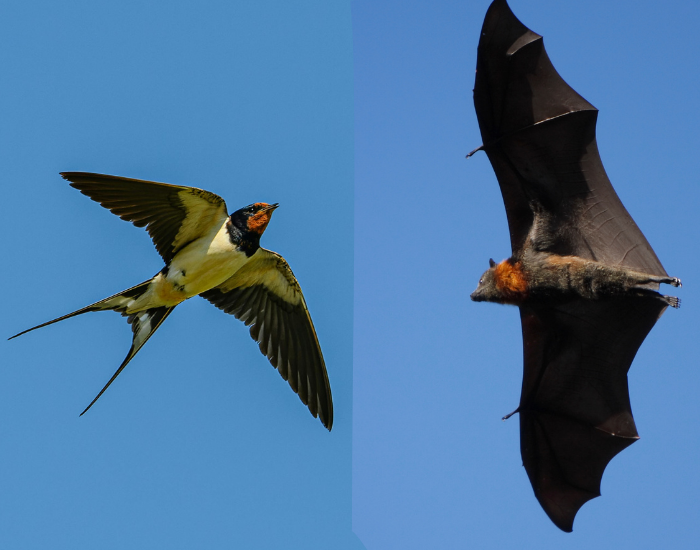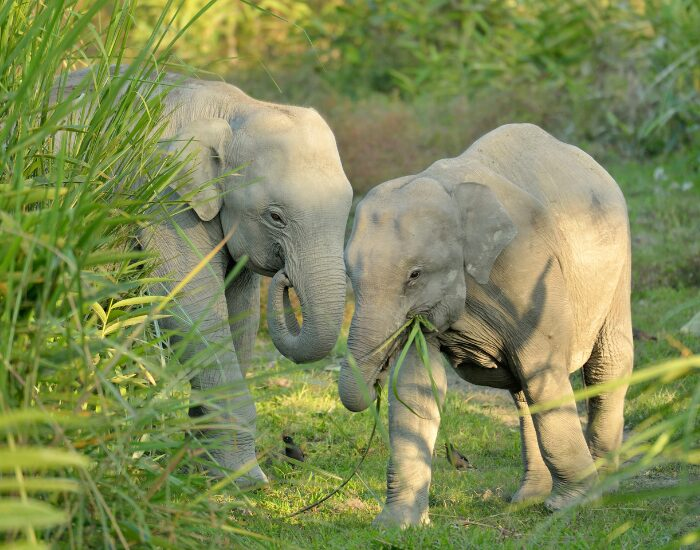

The animal kingdom is astonishingly complex, but one of the simplest tools we have to make sense of it all is the concept of phyla. Whether you’re a curious learner, biology student, or just fascinated by the diversity of life, understanding animal phylums (or more correctly, animal phyla) gives you a foundation for exploring evolution, anatomy, and ecology in a whole new way.
The Animal Kingdom
The Kingdom Animalia is one of the most diverse kingdoms in biology, containing everything from jellyfish and beetles to whales and primates. Invertebrates make up the vast majority of animal diversity, and their often inconspicuous nature presents significant challenges in estimating their true species numbers. To make sense of this enormous diversity, biologists divide animals into groups based on shared evolutionary traits. These groups are called phyla.
Understanding the Hierarchy: Kingdom vs. Phylum
Before diving into specific phyla, it’s essential to understand how these terms relate to each other. Think of biological classification like a filing system that goes from broad to specific, or imagine the Animal Kingdom as a country – then phyla are like states or provinces, each with distinct characteristics that set them apart, but all belonging to the same nation.
The Kingdom Animalia is one of the largest categories in the filing cabinet of life. It contains ALL animals – every creature that moves, consumes other organisms for food, and is made of multiple cells. But inside that massive category, you need smaller folders to organize the incredible diversity. Those folders are called phyla (singular: phylum).
The Key Difference:
- Kingdom = The broadest category distinguishing major life forms – “Animal” vs. “Plant” vs. “Fungi” vs. “Bacteria”
- Phylum = Major subdivisions within a kingdom, based on fundamental body plans and evolutionary history
So when we say “animal phyla,” we’re talking about the major groups that divide up the animal kingdom into more manageable categories. Each phylum represents animals that share a basic body architecture and evolutionary origin.

Depending on the classification system, there are around 31 to 35 animal phyla known today. Animal phyla are distinct from other major kingdoms, such as plants, which are classified within the kingdom Plantae and have their own unique divisions and evolutionary relationships. Some scientists refer to a simplified list of phylums for education that includes the most common or ecologically important groups. Others use the animal phyla chart to show deeper taxonomic relationships across evolutionary time.
Understanding the animal phylum list helps us comprehend how life evolved, why organisms look the way they do, and what makes certain body structures advantageous in specific environments.
Kingdom Animalia Classification: The Complete Ladder
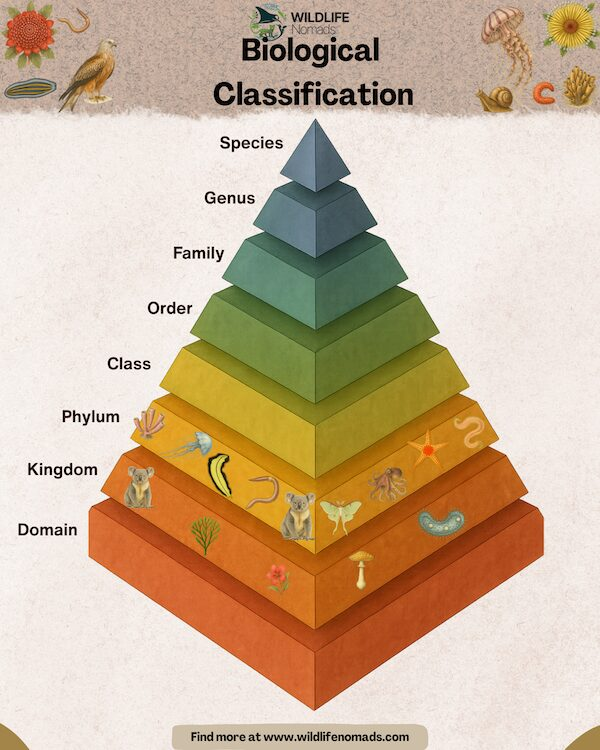
Classification works like a series of nested boxes, from largest to smallest. Each level gets more specific:
A Real Example:
Let’s trace a house cat’s full classification:
- Kingdom: Animalia (it’s an animal, not a plant or fungus)
- Phylum: Chordata (it has a backbone and nerve cord)
- Class: Mammalia (it’s a mammal – has hair and nurses young)
- Order: Carnivora (meat-eater with specialized teeth)
- Family: Felidae (the cat family)
- Genus: Felis (small cats)
- Species: catus (domestic cat)
Molecular biology has vastly improved how we understand these classifications. DNA sequencing and phylogenetic trees now help refine the list of animal phyla. These tools allow scientists to trace evolutionary relationships and identify the common ancestor of different animal phyla.
Characteristics of Animal Phyla
Each animal phylum is defined by a unique combination of characteristics, which can include:
- Body symmetry (radial, bilateral, or asymmetrical)
- Type of body cavity (acoelomate, pseudocoelomate, or true body cavity/coelomate)
- Segmentation and segmented bodies (e.g. segmented worms, arthropods)
- Type of alimentary canal (complete or incomplete)
- Presence or absence of a mouth
- Presence of digestive tract or blood vessels
- Reproduction type (sexual/asexual)
- Nervous system structure
Some invertebrate phyla possess ciliated tentacles for feeding or sensory functions.
For example:
- Cnidarians (corals, jellyfish, sea anemones) have stinging cells, radial symmetry, and in some cases a circular mouth.
- Platyhelminthes are flatworms without a true body cavity.
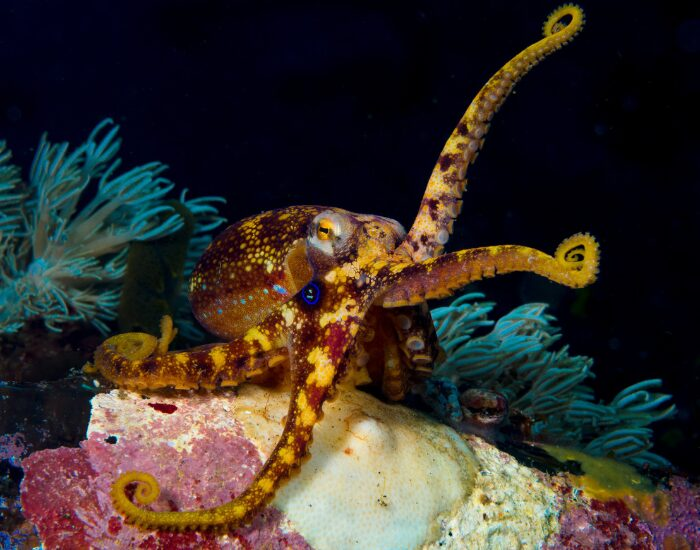
- Mollusks such as cuttlefish, nautilus and octopuses use a muscular foot for movement.
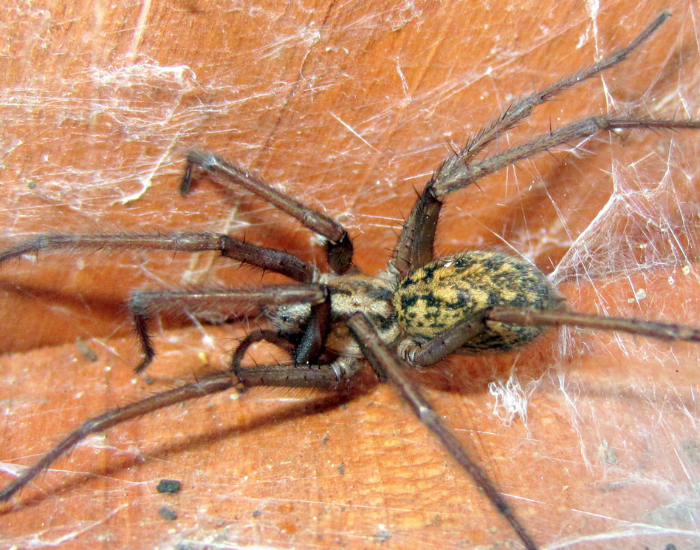
- Arthropods show clear segmentation, possess an exoskeleton, may have chitinous claws, and legs tipped with specialized structures.

The Commonly Cited 9 Animal Phyla
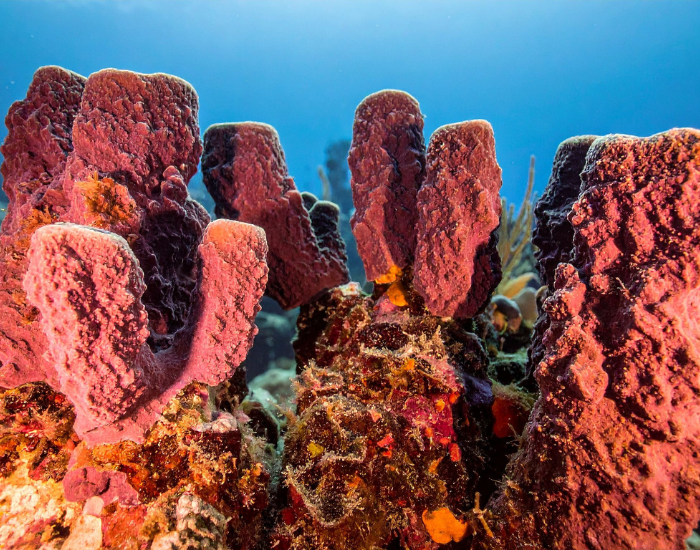
Porifera – Sponges
Porifera are simple, multicellular animals that lack true tissues and organs. They live mostly in marine environments and filter water through their porous bodies to obtain food and oxygen.
Cnidaria – Corals, Jellyfish, Sea Anemones
Cnidarians are aquatic animals known for their stinging cells (cnidocytes) used for capturing prey. They exhibit two main body forms, the sessile polyp and the free-swimming medusa.
Examples: Sea Anemones, jellyfish

Platyhelminthes – Flatworms
These soft-bodied, flattened worms are among the simplest bilaterally symmetrical animals. Many are free-living, while others are parasitic, such as tapeworms and flukes.
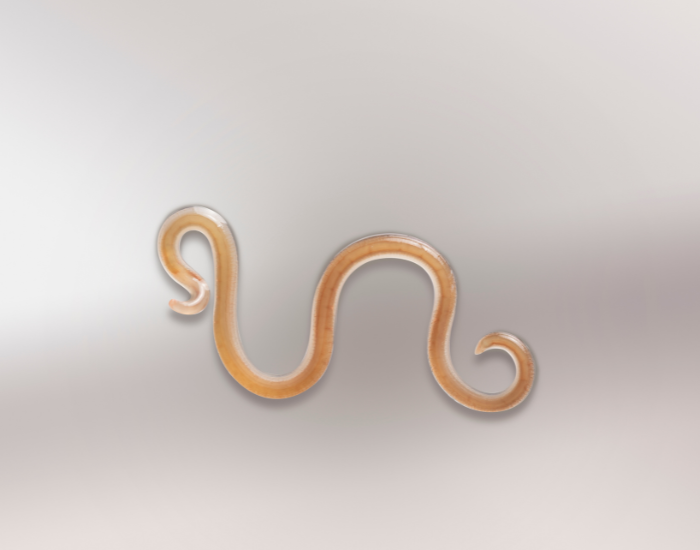
Nematoda – Roundworms
Roundworms have cylindrical, unsegmented bodies and a complete digestive tract. They inhabit nearly every environment on Earth, with some species free-living and others parasitic.
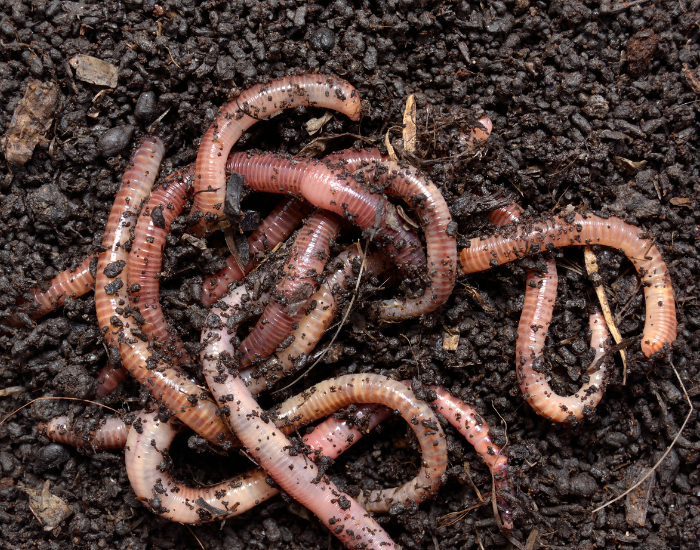
Annelida – Segmented Worms
Annelids, including earthworms and leeches, have segmented bodies and a well-developed coelom. Their segmentation allows for efficient movement and specialization of body regions.
Mollusca – Snails, Clams, Octopuses
Molluscs are highly diverse and characterized by a soft body often protected by a shell. Most possess a muscular foot for movement and a radula for feeding.
Example: Octopus, Nautilus, Cuttlefish, Nudibranch
Arthropoda – Insects, Spiders, Crustaceans
The largest and most diverse animal phylum, arthropods have jointed limbs, segmented bodies, and exoskeletons made of chitin. Their adaptability allows them to thrive in nearly every habitat. Example: Crabs, hobo spiders, dragonflies, ants.
Echinodermata – Sea Urchins, Starfish
Echinoderms are exclusively marine animals with fivefold radial symmetry and a water vascular system for movement. Their endoskeleton of calcium plates provides structure and protection. Examples include sea urchins, brittle stars and feather stars.

Chordata – Fish, Amphibians, Birds, Mammals
Chordates are defined by having a notochord, dorsal nerve cord, pharyngeal slits, and a post-anal tail at some point in their development. This group includes all vertebrates and their closest relatives.
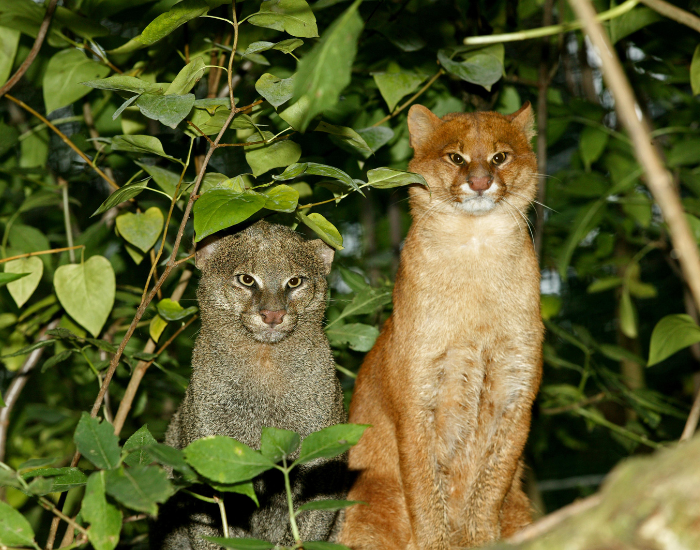
Examples: Armadillos, Birds, Elks, Amphibians. Among many others!
Other Important Phyla
Ctenophora – Comb Jellies
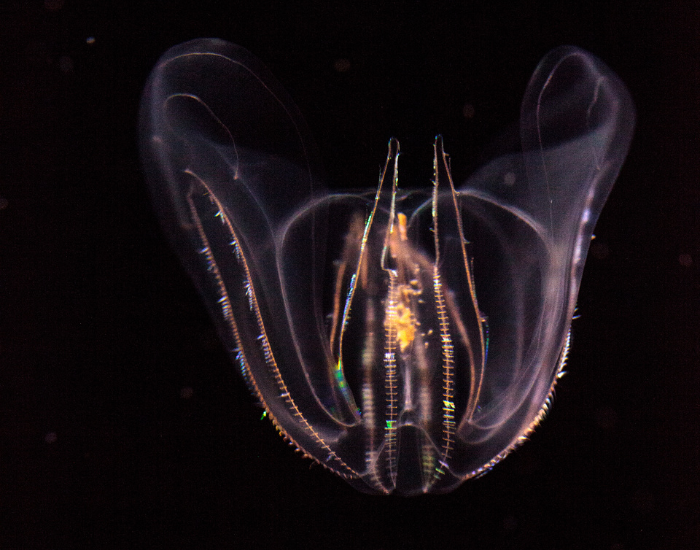
Ctenophores are gelatinous marine animals that move using eight rows of fused cilia called comb plates. They are bioluminescent and capture prey using sticky cells rather than stinging ones.
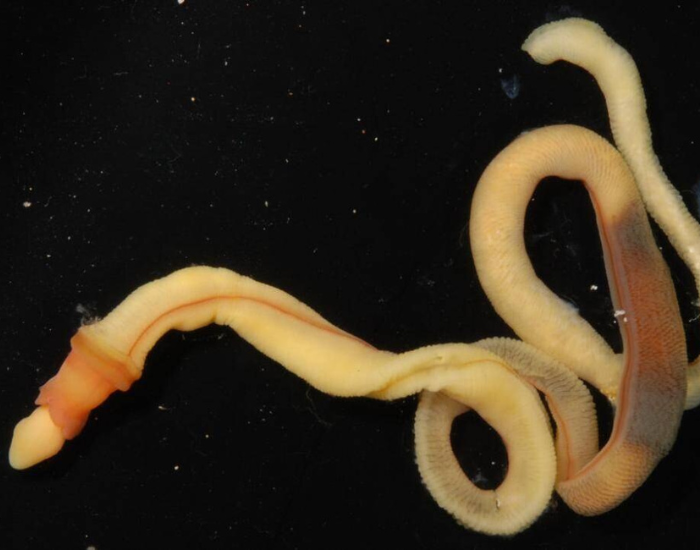
Hemichordata – Acorn Worms
Hemichordates are marine deuterostomes with a worm-like body divided into a proboscis, collar, and trunk. They share some features with chordates, such as pharyngeal slits.
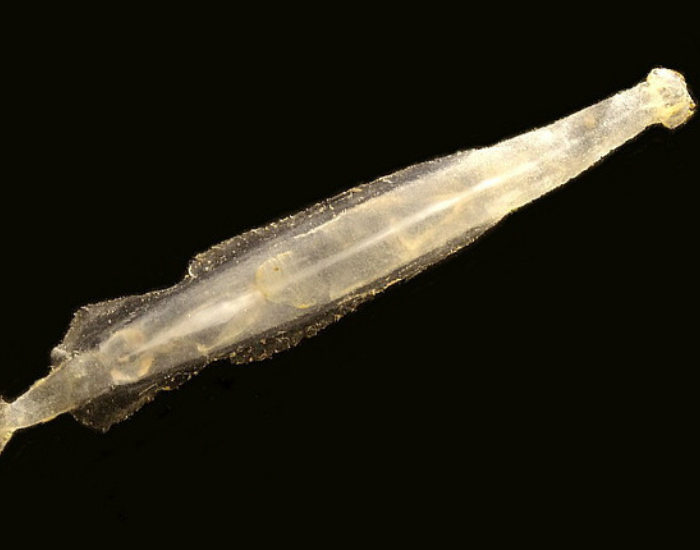
Chaetognatha – Arrow Worms
Chaetognaths are small, transparent marine predators equipped with chitinous spines around their mouths. They are important members of planktonic ecosystems worldwide.
Some additional recognized groups include:
- Bryozoa (also called moss animals or sea mats), colonial invertebrates forming mat-like structures
- Brachiopoda – Also known as lamp shells, with a lophophore and pedicle as key features
- Rotifera – Microscopic aquatic animals
- Entoprocta – Includes the goblet worm, notable for having an anus inside a ring of cilia
- Gastrotricha – Characterized by the presence of two terminal adhesive tubes
- Loricifera – Noted for umbrella like scales at either end of the organism
- Kinorhyncha – Segmented animals with eleven segments
- Gnathostomulida – Also known as tiny jaw animals
- Acanthocephala – Parasitic worms with a distinctive head (horny head)
- Cycliophora – Noted for a head with a circular mouth surrounded by small cilia
Phylum Chordata Characteristics
Phylum Chordata (meaning, all animals and us) is defined by:
- A dorsal, hollow nerve cord
- A notochord (supporting rod)
- Pharyngeal slits
- Post-anal tail

These features may only appear during embryonic development in some chordates. Chordates include vertebrates like mammals and sea animals such as tunicates. This group is arguably the most studied in biology due to its inclusion of humans.

Body Plan and Structure
Animal body plans reveal how animals function and survive. These plans are shaped by environment, evolution, and behavior.
Examples:
- Segmented body: Found in annelids, arthropods, and some chordates. It allows for specialized body functions.
- Coelom: A true body cavity that enables organ development and movement. Found in most complex animals.
- Symmetry: From five fold radial symmetry in starfish to bilateral symmetry in most mammals.
The animal phyla chart visually shows how these structural traits vary and connect across groups.
Animal Diversity and Evolution
There are tens of millions of species across all known animal phylums, many yet to be formally described. Evolution through natural selection and speciation events has diversified phyla across every habitat on Earth.
Important concepts:
- Cambrian Explosion (~540 million years ago) saw the rise of most modern phyla.
- Environmental pressures led to innovations like flight (in arthropods and birds) and internal skeletons (in chordates).
Challenges in Classifying and Naming Phyla
Classifying and naming animal phyla is a fascinating yet intricate process, reflecting the immense diversity found within the animal kingdom. With over 35 recognized phyla, each group is defined by a unique set of characteristics, ranging from the muscular foot of mollusks to the segmented body of annelids and arthropods, or the stinging cells that set cnidarians apart. These features, along with the presence or absence of a true body cavity and the structure of the digestive tract, help scientists divide animals into distinct phyla.
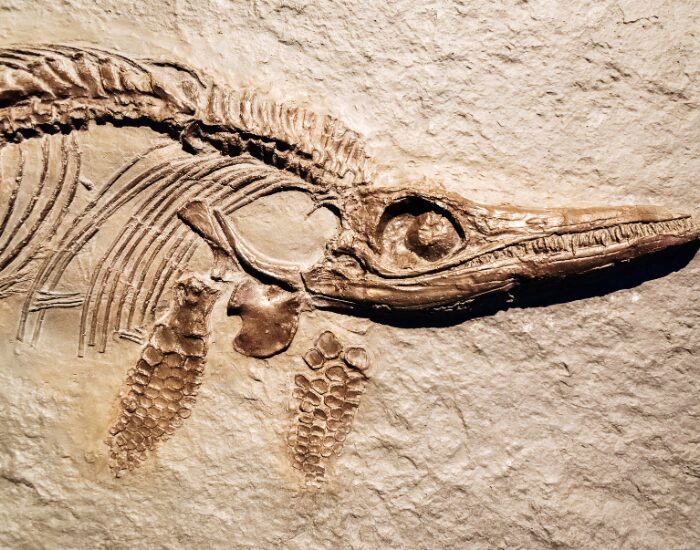
However, the task is far from straightforward. Some groups, like segmented worms in the phylum Annelida present difficulties because their fossil record is often incomplete, making it hard to trace their evolutionary history or identify extinct species. The fossil record as a whole can be patchy, sometimes obscuring the relationships between different phyla and complicating our understanding of animal evolution.
Advances in molecular techniques, such as DNA sequencing, have revolutionized classification, but they can also lead to reorganization of established groups. For example, as scientists uncover new genetic data, the boundaries between phyla may shift, and previously unrecognized relationships may emerge. Body plans, such as the radial symmetry seen in sea stars and sea cucumbers, or the bilateral symmetry characteristic of insects and vertebrates, remain central to classification, but new discoveries continually challenge and refine our understanding.
Ultimately, the classification of animal phyla is a dynamic field, shaped by ongoing discoveries, evolving methods, and the remarkable variety of life forms that make up the animal kingdom.
Applications of Phyla in Science and Medicine
The study of animal phyla extends far beyond academic curiosity, it has profound applications in science, medicine, and conservation. By examining the characteristics and evolutionary relationships of different phyla, researchers gain valuable insights into the origins and development of complex body plans, such as those found in the phylum Chordata, which includes humans and other vertebrates.
In medicine, the unique features of certain phyla have inspired innovative treatments. For instance, compounds derived from sea anemones and jellyfish (members of the phylum Cnidaria) have led to the development of new painkillers and therapeutic agents. The study of insects and other arthropods has resulted in more effective insecticides and pest management strategies, benefiting agriculture and public health.
Whether it’s unraveling the evolutionary history of vertebrates, discovering new medical compounds, or safeguarding biodiversity, the study of animal phyla continues to shape our understanding of life and drive progress across multiple scientific fields.
Future Directions in Animal Research
Technologies like genome mapping, AI classification, and CRISPR gene editing are pushing biology into new frontiers.
Key research areas:
- Discovering cryptic species in underexplored phyla
- Revising animal phyla list with DNA phylogenetics
- Exploring animal cognition across body plans
- Studying animal evolution through molecular clocks
As new species and patterns emerge, scientists continue to revise our phylum animals list, ensuring it reflects Earth’s true biological history.
Conservation of Animal Species by Phyla
Protecting biodiversity requires understanding which phyla dominate certain ecosystems. For example:
- Coral reefs are sustained by Cnidaria and Echinodermata.
- Forest floors rely on decomposers from Annelida and Arthropoda.
- Deep sea vents reveal newly discovered animal phylums.
A Living Blueprint
The animal phyla list isn’t just a taxonomy chart, it’s a story of life. Each phylum is a blueprint representing millions of years of evolution. Whether you’re watching jellyfish drift or observing an ant colony, you’re witnessing a branch of this vast biological tree.
Let this phylum animals list inspire curiosity. Study it. Question it. Add to it.
Because life, in all its forms, is still unfolding.
References:
Aceñolaza, F. G. (2008). The rise of animals: Evolution and diversification of the kingdom Animalia [Review of the book The rise of animals: Evolution and diversification of the kingdom Animalia, by M. Fedonkin, J. Gehling, K. Grey, G. Narbonne, & P. Vickers-Rich]. Ameghiniana, 45(3). http://www.scielo.org.ar/scielo.php?script=sci_arttext&pid=S0002-70142008000300020
Shankland, M., & Seaver, E. C. (2000). Evolution of the bilaterian body plan: what have we learned from annelids?. Proceedings of the National Academy of Sciences of the United States of America, 97(9), 4434–4437. https://doi.org/10.1073/pnas.97.9.4434
Budd, G. E., & Jensen, S. (2017). At the origin of animals: The revolutionary Cambrian fossil record. Current Genomics, 18(4), 344–356. https://pmc.ncbi.nlm.nih.gov/articles/PMC3861885/
Dunn, C. W., Giribet, G., Edgecombe, G. D., & Hejnol, A. (2014). Animal phylogeny and its evolutionary implications. Annual Review of Ecology, Evolution, and Systematics, 45, 371–395. https://doi.org/10.1146/annurev-ecolsys-120213-091627
Garrouste, R., Solari, P., Sollai, G., Crnjar, R., Giglio, A., & Giulianini, P. G. (2024). Arthropod biodiversity: Ecological and functional aspects. Insects, 15(10), 766. https://doi.org/10.3390/insects15100766
Servais, T., Cascales-Miñana, B., Harper, D. A. T., Lefebvre, B., Munnecke, A., Wang, W., & Zhang, Y. (2023). No (Cambrian) explosion and no (Ordovician) event: A single long-term radiation in the early Palaeozoic. Palaeogeography, Palaeoclimatology, Palaeoecology, 623, 111592. https://doi.org/10.1016/j.palaeo.2023.111592
Rocha, J., Peixe, L., Gomes, N. C. M., & Calado, R. (2011). Cnidarians as a source of new marine bioactive compounds — an overview of the last decade and future steps for bioprospecting. Marine Drugs, 9(10), 1860–1886. https://doi.org/10.3390/md9101860
Zhuravlev, A. Y., & Wood, R. A. (2018). The two phases of the Cambrian Explosion. Scientific Reports, 8, 16137. https://doi.org/10.1038/s41598-018-34962-y