
Since childhood, spiders have stirred a peculiar mix of emotions in me. There was respect, even admiration, but always from a safe distance. They fascinated me in a way few creatures could, yet I preferred observing them from afar.
Out in the field, that fascination turned practical. I often crossed paths with spider from all size and colours, huntsman spiders racing across tree trunks and once a funnel web guarding the damp shadows beneath logs. During one of those field jobs, a coworker from Germany told me about a species from his home region that had made its way across the Atlantic: the hobo spider (Eratigena agrestis).
Ever since, I’ve paid closer attention when moving through tall grass or turning over old wood piles. The hobo spider isn’t as notorious or dramatic as some of its cousins, but it carries a reputation that rarely matches reality. The more I learned, the clearer it became that this spider’s story is less about danger, and more about misunderstanding and resilience.
Let’s explore twelve essential facts about these fascinating house spiders.
1. The Hobo Spider’s True Identity
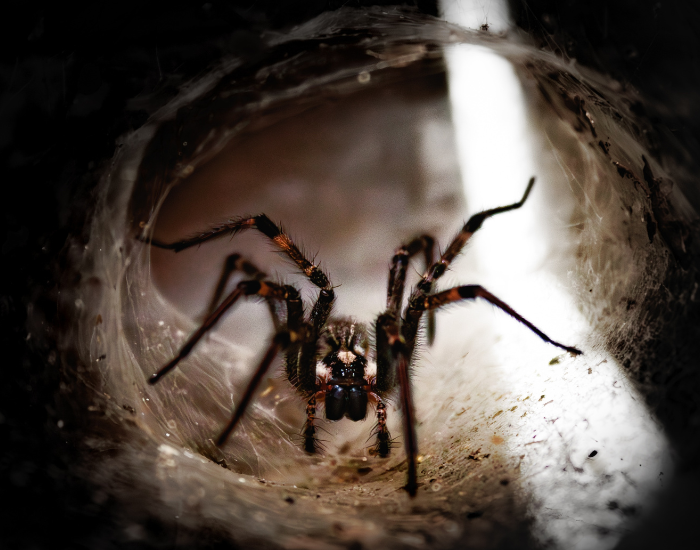
The hobo spider (Eratigena agrestis) (previously classified as Tegenaria agrestis), sometimes called the aggressive house spider, belongs to the funnel web spider family Agelenidae. Hobo spiders are agelenid spiders, a group known for building sheet-like funnel webs and having long legs and a generally brown coloration.
Despite this intimidating name, “aggressive” derives from the Latin agrestis, meaning “of the field” rather than “violent.”
These brown spiders are commonly mistaken for the brown recluse spider due to similar coloring. However, hobo spiders lack the distinctive violin-shaped marking found on brown recluse spiders, and they do not have dark bands on their legs, which helps distinguish them from other similar species. This misidentification has fueled decades of unnecessary fear about hobo spider venom toxicity.
Female hobo spiders typically stay hidden in their funnel webs, while male hobo spiders wander during mating season. Both species exhibit shy behavior and rarely bite unless cornered or trapped against human skin.
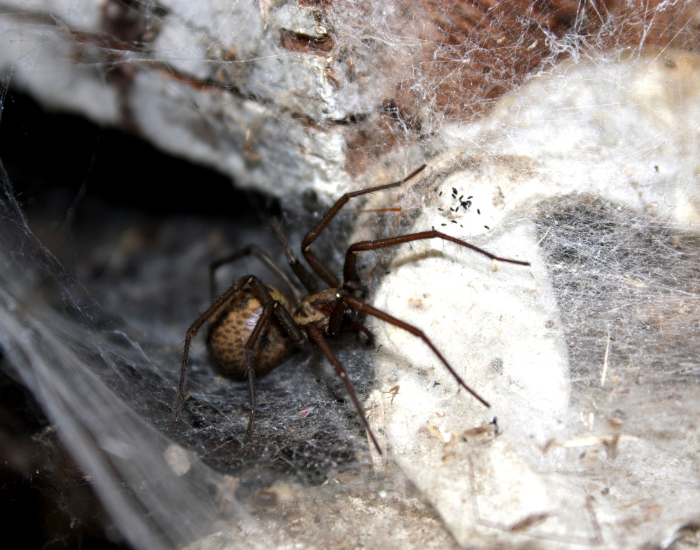
2. Where Do Hobo Spiders Live?
Hobo spiders are native to Europe but have established populations in the Pacific Northwest since their introduction to North America. Today, they thrive primarily in Washington, Oregon, Idaho, northern Utah, and parts of Montana.
These ground-level dwellers prefer dark, moist environments including basements, crawl spaces, and areas behind walls. Outside, you’ll find them near foundations, under rocks, in tall grass, and among wood piles.
Although called house spiders, hobo spiders live outdoors most of the year. They typically enter homes during mating season from August through October when male spiders wander in search of female hobo spiders.
In recent years, isolated reports of hobo spiders in California have emerged, particularly in northern regions. However, many sightings involve other species that resemble hobo spiders, rather than verified Eratigena agrestis specimens.

3. How Big Do Hobo Spiders Get?
Adult hobo spiders measure approximately 7–14 millimeters in body length. When you include their long legs, they can span 40–50 millimeters across. Female hobo spiders grow larger and more robust than males, who develop noticeably longer, thinner legs. The giant house spider is often larger than the hobo spider and can be confused with it due to their similar appearance.
Male hobo spiders also display prominent pedipalps resembling small boxing gloves. These reproductive appendages help distinguish them from other spider species.
You might spot these spiders running quickly across floors or baseboards. Their speed can seem intimidating, but it’s simply their primary defense mechanism against predators.
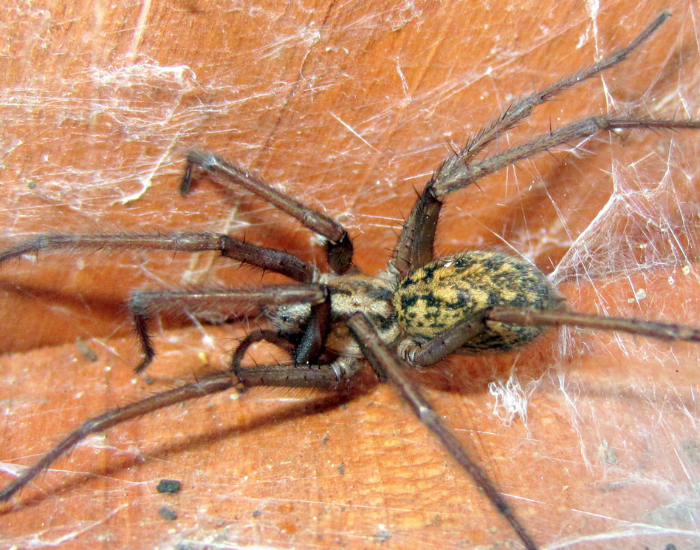
4. Hobo Spider Webs: Funnel Architects
Hobo spiders create distinctive funnel webs rather than sticky traps. Their webs form flat sheets that narrow into tunnel-like retreats where the spider waits. Often, the web includes an escape tunnel at the back, allowing the spider to retreat into cracks or protected areas. Unlike other spiders, funnel web spiders rely on structural design and speed rather than adhesive silk.
When insects land on the web, vibrations alert the spider. The hobo spider dashes out, grabs its prey, and drags it into the funnel for consumption. This hunting strategy makes them efficient predators of pest insects including flies, beetles, and other nuisance bugs.
Female hobo spiders often remain in the same funnel webs for most of their lives. You’ll typically find these webs along foundations, under furniture, between rocks, or in tall grass at ground level.

5. Why Are They Called “Hobo” Spiders?
The name “hobo spider” originated in the 1980s across the Pacific Northwest. Researchers believed these spiders spread by hitching rides on trains and trucks, similar to wandering hobos riding the rails.
This origin story added to their mysterious reputation. In reality, spider species spread through various natural and human-assisted means. The nickname stuck despite limited evidence supporting the train-hopping theory.
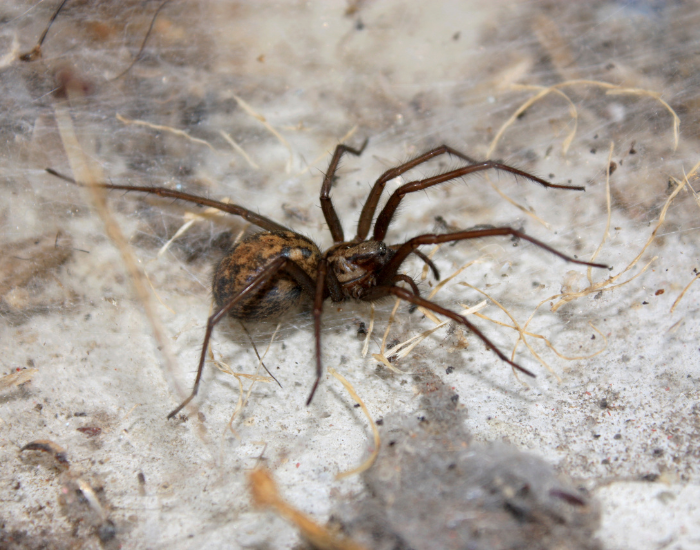
6. Hobo Spider vs Brown Recluse: Key Differences
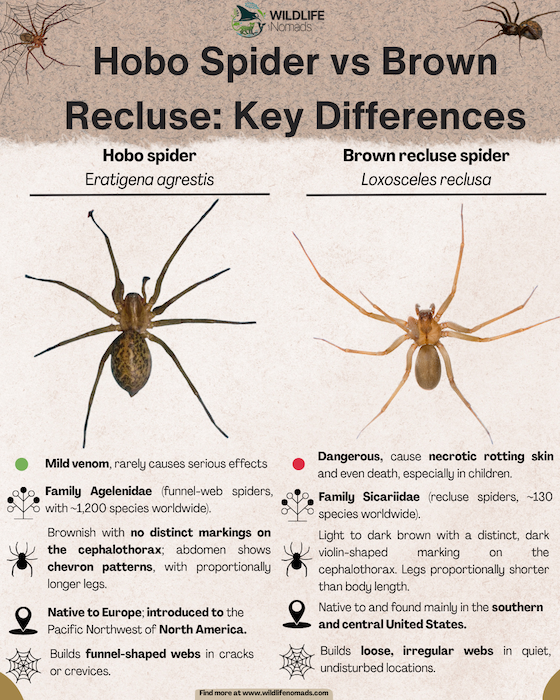
The hobo spider vs brown recluse comparison generates countless online searches, yet it’s fundamentally misleading. These spider species differ significantly in appearance, range, and venom effects.
Scientific Classification
- Hobo spiders: Eratigena agrestis, family Agelenidae
- Brown recluse: Loxosceles reclusa, family Sicariidae
Geographic Range
- Hobo spiders live primarily in the Pacific Northwest
- Brown recluse spiders inhabit southern and central United States
Physical Markings
- Hobo spiders lack distinctive markings
- Brown recluse spiders display a dark violin shape on their cephalothorax
Venom Impact Early reports suggested hobo spider bites caused necrotic wounds similar to brown recluse spider bites. However, research by Utah State University and entomologist Rick Vetter debunked this myth. Studies show no verified evidence that hobo spider venom causes tissue death in humans.
Verified spider bites from hobo spiders produce mild symptoms, unlike the potentially serious necrotic lesions associated with brown recluse venom.
7. Are Hobo Spiders Poisonous to Humans?
No, hobo spiders are not poisonous to humans. Their venom primarily targets small insects rather than mammals. This makes hobo spider venom toxicity minimal for people. Like most spiders, hobo spiders are not dangerous to humans and rarely cause significant reactions.
Verified bite cases typically produce these symptoms:
- Mild pain at the bite area
- Slight redness or swelling
- Minor itching or irritation
- Occasional small blister formation
Severe reactions remain extremely rare. Medical literature shows that serious complications often stem from bacterial infections like MRSA rather than spider venom itself. Proper disease control involves accurate diagnosis and treatment to prevent complications from infections that may be misattributed to spider bites. Early case studies incorrectly attributed secondary infections to hobo spider bites, creating lasting misconceptions about their danger.
Understanding the difference between venomous spiders and dangerous spiders helps put hobo spider bites in proper perspective. While technically venomous, they pose minimal medical concern compared to truly dangerous spider species.

8. What Does a Hobo Spider Bite Look Like?
Most hobo spider bites appear harmless and resemble typical insect bites. The initial bite area may show redness or slight swelling, occasionally with a small central blister. Importantly, verified spider bites from hobo spiders do not develop necrotic wounds. Bites rarely cause significant changes to a person’s skin and usually resolve without complications.
Many alleged spider bites turn out to be unrelated skin infections, allergic reactions, or bites from other insects. If you’re uncertain about the cause, clean the area thoroughly and monitor for changes.
Medical attention becomes necessary if you notice signs of infection including increased swelling, spreading redness, warmth, or pus. These symptoms typically indicate bacterial infections rather than spider venom reactions.
Tip: Safely capture or photograph the spider for identification when possible. This helps healthcare providers distinguish between various spider species and provide appropriate treatment.
9. Hobo Spider Bite Treatment and Management
There’s no need for immediate medical attention for most hobo spider bites. Treatment follows straightforward steps similar to other minor spider bites:
Initial Care Clean the bite area with soap and water to prevent bacterial infections. Apply a cold compress to reduce any swelling or discomfort.
Symptom Management Use over-the-counter antihistamine cream for itching. Take mild pain relievers if discomfort persists beyond the first few hours.
Medical Follow-Up Seek immediate medical attention if you experience systemic symptoms including dizziness, shortness of breath, or rapid swelling. These rare reactions require professional evaluation.
Doctors may prescribe antibiotics if the bite area becomes infected. However, infection stems from bacteria entering the wound rather than hobo spider venom itself.
10. How to Identify a Hobo Spider
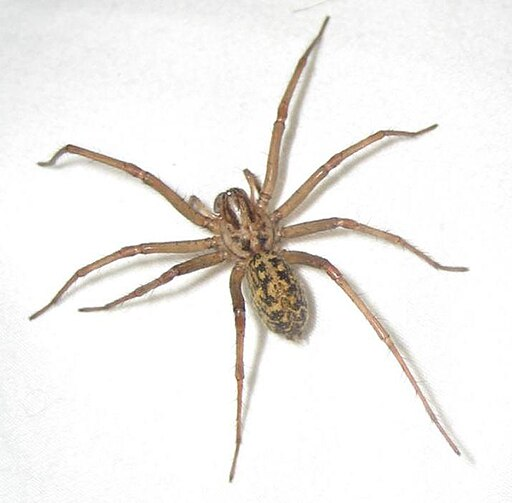
Identifying hobo spiders can be tricky since they resemble many common house spiders including Tegenaria domestica and other spider species. Look for these key features:
Physical Characteristics
- Light to medium brown coloring with subtle chevron patterns on the abdomen
- Elongated body covered with fine hairs
- Eight eyes arranged in two straight rows
- No dark violin marking (unlike brown recluse spiders)
- Long legs relative to body size
Hobo spiders can also be distinguished from similar species by examining their chelicerae, which have six to eight teeth, though this requires microscopic examination.
Behavioral Clues Hobo spiders live in ground-level funnel webs rather than circular orb webs. Female hobo spiders remain hidden in their funnels most of the time. Male hobo spiders wander during late summer and early fall, increasing the likelihood of indoor sightings.
If you’re attempting identification, consider consulting pest control professionals or local extension offices. Many similar looking spider species inhabit the same regions, making accurate identification challenging for non-experts.
11. What Attracts Hobo Spiders to Homes?
Like most house spiders, hobo spiders enter human spaces seeking mates, shelter, and warmth.
Primary Attractants Cluttered storage areas, especially basements and crawl spaces, provide ideal hiding spots. Bed skirts, wood piles, and plastic bags near foundations create perfect outdoor habitats or hidden indoor locations that should be inspected and cleaned regularly to prevent spider infestations.
Areas with high humidity attract hobo spiders since they prefer moist environments. Unsealed cracks, vents, and gaps around doors offer easy access routes from outside to inside. Hobo spiders are often found at ground level because they cannot climb smooth surfaces like painted walls.
Seasonal Patterns – Male spiders become more active during mating season from August through October. This increased wandering brings them into contact with humans more frequently. After mating, female hobo spiders produce egg sacs that hatch in spring, continuing the cycle.

12. Prevention and Pest Control Tips
Preventing hobo spider infestations requires habitat modification and careful maintenance. These proven strategies reduce encounters significantly:
Structural Improvements Seal cracks and install weather stripping around windows and doors. This blocks primary entry points hobo spiders use to access indoor spaces.
Regular Maintenance Vacuum regularly, especially along baseboards and in dark corners where spiders hide. Remove spider webs promptly to discourage new inhabitants.
Moisture Control Fix leaks, use dehumidifiers, and ensure good airflow throughout basements and crawl spaces. Reducing moisture makes your home less attractive to these moisture-loving spiders.
Outdoor Management Keep outdoor areas tidy by removing debris, leaves, and tall grass. Store firewood and garden tools away from walls and foundations. This eliminates common hobo spider habitats near your home.
Professional Help If you notice frequent sightings, contact a pest control company experienced in integrated pest management. The California Statewide IPM Program recommends habitat modification and non-chemical strategies before resorting to pesticides.
Many pest control companies now recognize that hobo spiders pose minimal threat. Modern pest notes emphasize education and accurate identification over aggressive chemical treatments.

Understanding Hobo Spider Behavior
Despite their misleading name, hobo spiders are not aggressive toward humans. Most verified spider bites occur when the spider feels trapped, such as being accidentally pressed against skin or handled directly.
In nature, these spiders play beneficial roles as predators. They help control pest insects including flies, mosquitoes, and beetles. Their presence around homes can actually reduce populations of nuisance bugs.
Research by Utah State University demonstrates that hobo spider venom poses minimal medical concern. This contradicts decades of misinformation about flesh-eating capabilities and dangerous spider classifications.
Hobo Spider vs Wolf Spider: Quick Comparison
Many people confuse wolf spiders with hobo spiders due to similar size and brown coloring. However, these spider species differ dramatically in hunting behavior:
Wolf spiders actively chase prey across surfaces. They don’t build webs and instead rely on speed and excellent eyesight. Their large eyes reflect light when illuminated, creating a distinctive glow.
Hobo spiders stay within their funnel webs, waiting to ambush insects that wander onto their sheets. They possess smaller eyes that don’t reflect light noticeably.
Both species are shy and prefer avoiding humans. Neither deserves classification as a dangerous spider despite their intimidating appearance.

Frequently Asked Questions About Hobo Spiders
Hobo spiders are not poisonous to humans. Their venom is mild and typically causes only minor irritation at the bite area. Research shows no verified cases of serious medical complications from hobo spider venom toxicity.
The name comes from their supposed spread via trains across the Pacific Northwest. They allegedly hitched rides “like hobos riding the rails” during the 1980s.
Hobo spiders live primarily in Washington, Oregon, Idaho, northern Utah, and Montana. They prefer cool, moist ground-level habitats including basements, crawl spaces, and outdoor areas with tall grass.
Look for funnel-shaped webs near ground level, brown coloring without distinctive markings, and eight eyes in two straight rows. Female hobo spiders remain hidden in webs while male hobo spiders wander during late summer.
No, studies by Utah State University and other researchers show hobo spider venom poses minimal medical concern. They’re far less dangerous than their reputation suggests.
No, this is a persistent myth. Verified research shows no evidence that hobo spider bites cause tissue death or necrotic lesions in humans.
Seal cracks, install weather stripping, reduce moisture, vacuum regularly, and keep outdoor areas tidy. Remove wood piles and debris from near foundations.
A Misunderstood Arachnid
The hobo spider has spent decades living under a shadow of misinformation. Branded as aggressive and flesh-eating, modern science tells a different story about these shy, ecologically valuable hunters.
Research by institutions including Utah State University demonstrates that hobo spider venom toxicity is minimal. Verified spider bites cause only mild symptoms, not the necrotic wounds attributed to them in earlier decades.
Understanding the truth about hobo spiders helps prevent unnecessary fear. These funnel web spiders keep pest insects in check, benefiting homeowners more than harming them. By distinguishing them from truly dangerous spider species like the brown recluse spider, we can appreciate their ecological role.
Whether you encounter female hobo spiders in their ground-level webs or spot male hobo spiders wandering during mating season, remember they’re more interested in avoiding you than attacking.
If you found this guide useful, explore more deep-dives into misunderstood species on Wildlife Nomads, where science, storytelling, and wanderlust meet.
Further Reading
- Top 10 Arizona Scorpions
- 16 Biggest Spiders in Texas
- Mexican Redknee Tarantula: 12 Fascinating Facts
- Top 10 Biggest Spiders in The World