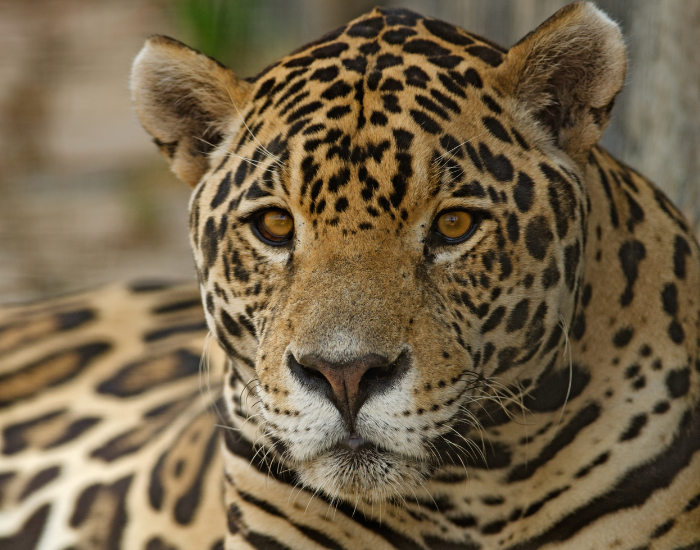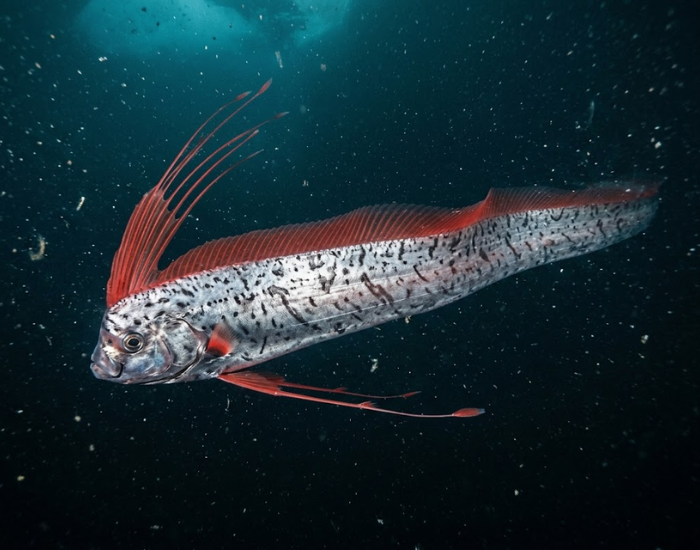
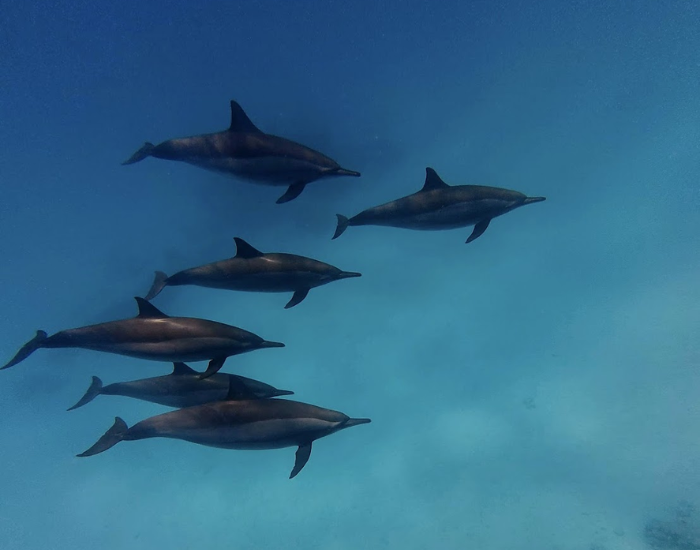
Last week in London, I stopped dead under a Victorian lamp post. Coiled around its base was a cast-iron fish with a blunt, grinning face. Locals told me it was an old way of showing dolphins, and a friend swears she saw the same thing in Spain. It makes sense. Before Darwin, people filed these creatures under “fish” and moved on. So here is the trick I give anyone who asks me: look at the tail. Water mammals swing their tails up and down, because that tail is built on a hip. Fish sweep side to side. That single detail separates a whale from a tuna.
I have chased these animals across the planet, from Baja California to the Red Sea, from Ecuador to Southeast Asia. Below I break down 15 marine mammals worth loving, split into eight fully aquatic species and seven semi-aquatic ones. You will learn what makes a mammal go back to the sea, and why that return is one of evolution’s boldest experiments.
To see where mammals sit on the tree of life, try my phylum explorer.
What Actually Makes a Marine Mammal?
Marine mammals rely entirely or partially on aquatic ecosystems to survive. That is the whole definition, and it is looser than most people expect. Some aquatic mammals spend their entire lives in open water. Others simply spend time hunting there before hauling out to rest.
They all share the mammal starter pack, though. Every one is a warm-blooded vertebrate that must breathe air at the surface. Like most mammals, they produce milk from mammary glands to nurse their young. And unlike the egg laying mammals that lay eggs, such as the platypus, these placental mammals give birth to live young. Marine mammal calves arrive fully developed and swimming within minutes.
Here is the part I love…
Marine mammals evolved from land mammals that once walked on four legs, then returned to the sea over millions of years. Through convergent evolution, unrelated groups landed on the same fixes for an aquatic lifestyle: streamlined bodies to cut drag, paddle-like flippers, and thick blubber for insulation. They stayed warm blooded, never turning cold blooded like fish. Picture a warm-blooded animal wearing a wetsuit of fat.
That evolutionary history hides in the details. Look closely and you find a small bone floating near the spine, a vestigial hip left over from four-legged ancestors. It anchors the up-and-down tail I mentioned. In toothed whales, sound even travels through the lower jaw to the middle ear, a hearing system no fish ever built.
Scientists sort roughly 130 species into four main groups, and marine mammal science keeps refining the count. Cetaceans include over 70 species of whales, dolphins, and porpoises, split into toothed whales and filter-feeding baleen whales. Pinnipeds are the fin-footed seals, sea lions, and walruses. Sirenians are the herbivorous manatees and dugongs. The marine fissipeds, sea otters and polar bears, round out the list. Only mammals with these adaptations are considered marine mammals, whether they live in ocean habitats or freshwater marine habitats like rivers.
Where marine mammals live shapes everything about them, so let us meet the animals.
The 8 Fully Aquatic Water Mammals
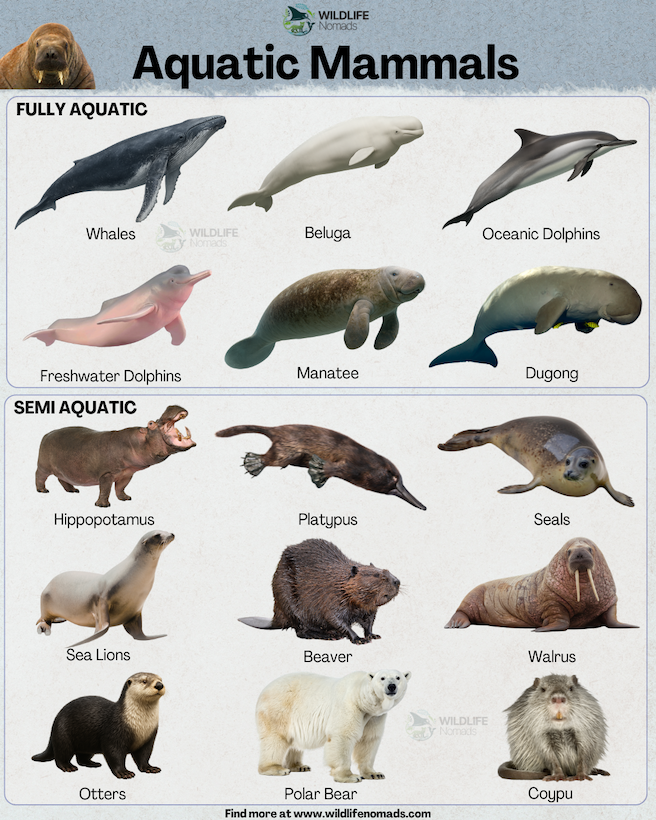
These marine mammals never leave the water. As fully aquatic species, they mate, give birth, sleep, and die at sea. Cetaceans and sirenians fill this group, and many marine mammals here rank among the largest animals alive.
1. Blue Whale (Balaenoptera musculus)
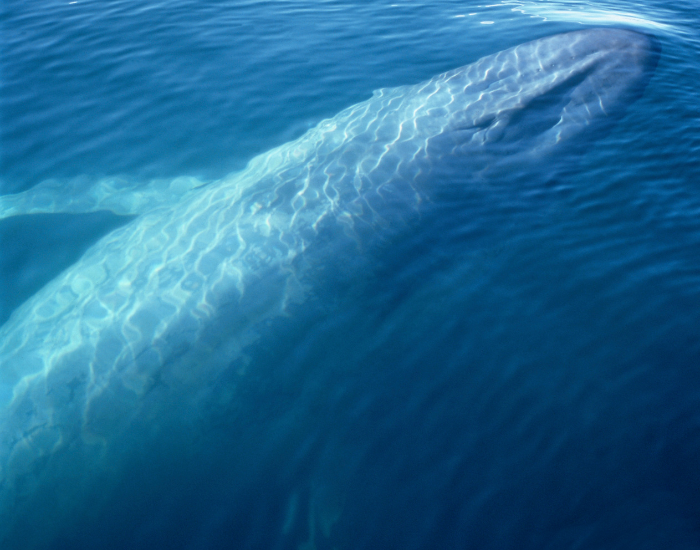
The blue whale is the largest animal that has ever lived, heavier than any dinosaur. Its streamlined body still stretches longer than three city buses. As a baleen whale, it is toothless, sieving tiny krill through fringed plates of keratin. Baleen whales like this one are the ocean’s great filter feeders.
I watched one surface off Baja California, and the sound of its blow reached me before the body did. A single blue whale can eat several tonnes of krill a day. By hammering those swarms, baleen whales control populations of krill and small crustaceans across whole marine ecosystems.
2. Humpback Whale (Megaptera novaeangliae)
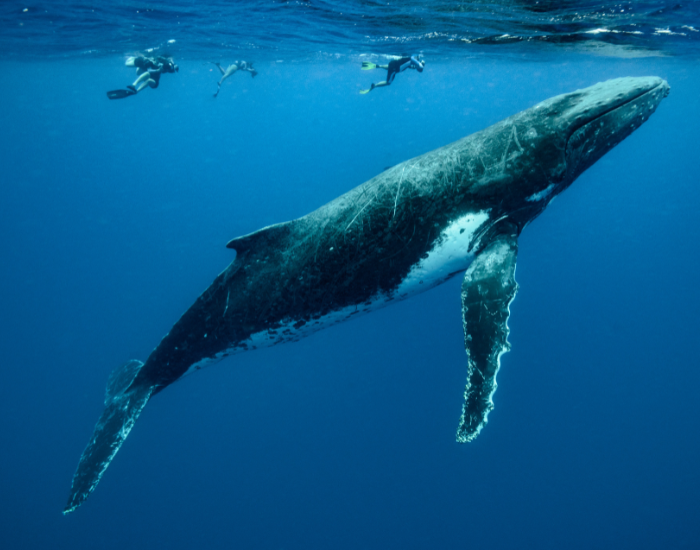
Humpback whales are the acrobats. They breach, slap their long pectoral fins, and the males sing structured songs that travel for miles. I have heard them through a hull in the South Pacific, and it rearranges something in your chest.
These whales migrate thousands of kilometres between polar feeding grounds and the tropical waters where they breed. Recovering humpback numbers, including in the North Atlantic, are among conservation’s real success stories for marine mammals after the whaling era.
3. North Atlantic Right Whale (Eubalaena glacialis)
Few animals are closer to the edge. Fewer than 360 North Atlantic right whales remain, which makes this baleen whale critically endangered. Whalers once called it the “right” whale to hunt because it floated when killed.
Today the threats are quieter and just as deadly. Vessel strikes threaten these small, endangered whale populations, and entanglement in fishing gear kills or maims the survivors. Every calf born matters to the whole species.

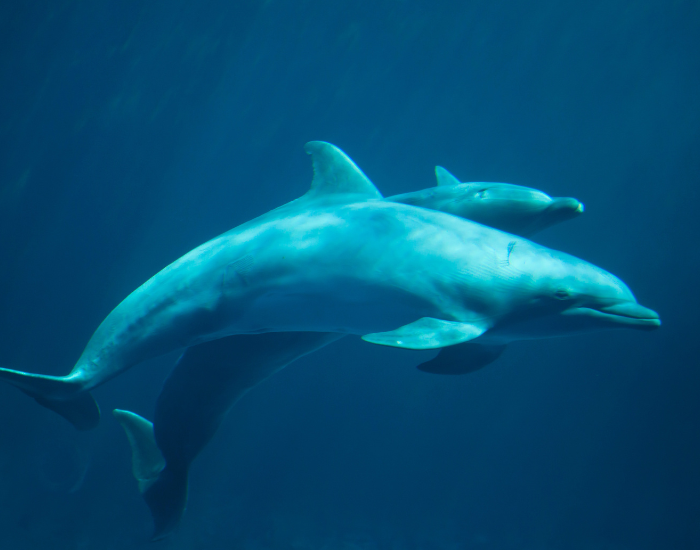
4. Common Bottlenose Dolphin (Tursiops truncatus)
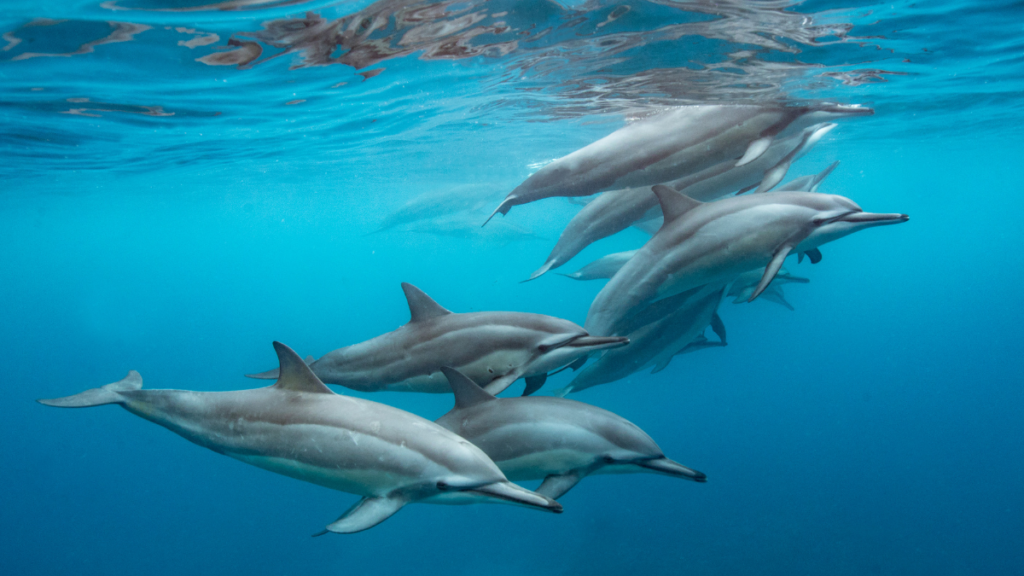
The bottlenose is the dolphin most people picture, complete with that curved dorsal fin. As toothed whales, dolphins and porpoises keep their teeth and hunt actively, snapping up small fish and squid. I have spent hours with them off Mexico, and they clearly watch you back.
Their minds are the headline. Dolphins use sophisticated clicks and whistles to communicate and to echolocate prey. They can even engage in unihemispheric sleep, resting one half of the brain while the other keeps them breathing and alert.
5. Orca (Orcinus orca)
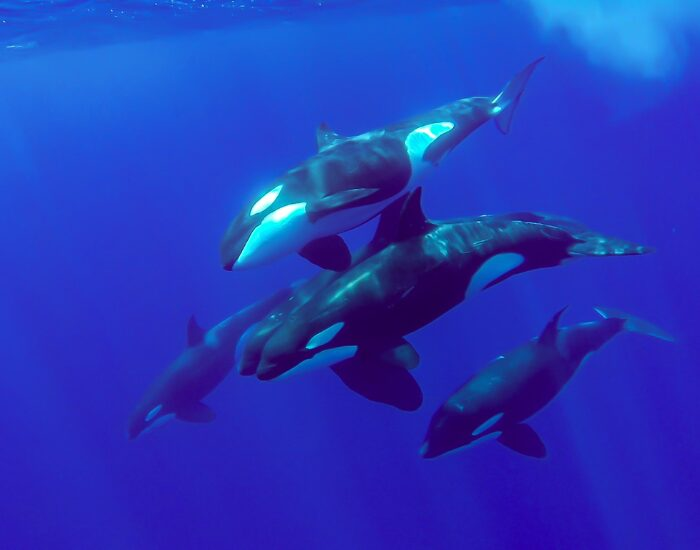
The orca, or killer whale, is the largest of the toothed whales and the ocean’s apex predator. A male’s dorsal fin can stand nearly two metres tall. As a keystone species, killer whales help maintain balance across marine ecosystems by controlling prey numbers from seals to sharks.
Orcas hunt more other animals than any marine predator, from small fish to great whales. They work in tight family pods with dialects passed down for generations. Off Baja I once saw a pod herd fish with military coordination. Remove this single predator, and the whole food web wobbles.
6. Ganges River Dolphin (Platanista gangetica)
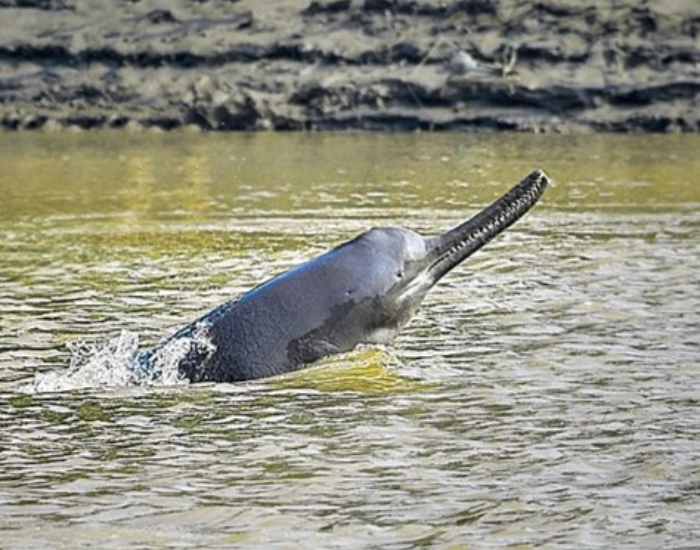
Not every cetacean lives in the sea. River dolphins haunt muddy freshwater systems, and the south asian river dolphins are among the strangest. The Ganges river dolphin is nearly blind, navigating by sound alone through silty water.
Only about four species of true river dolphins survive worldwide, scattered across Asia and South America. The IUCN lists this one as endangered, with dams, pollution, and fishing gear squeezing its range across South Asia. Meeting one in the wild shows how far mammals will push to claim a habitat.
7. West Indian Manatee (Trichechus manatus)
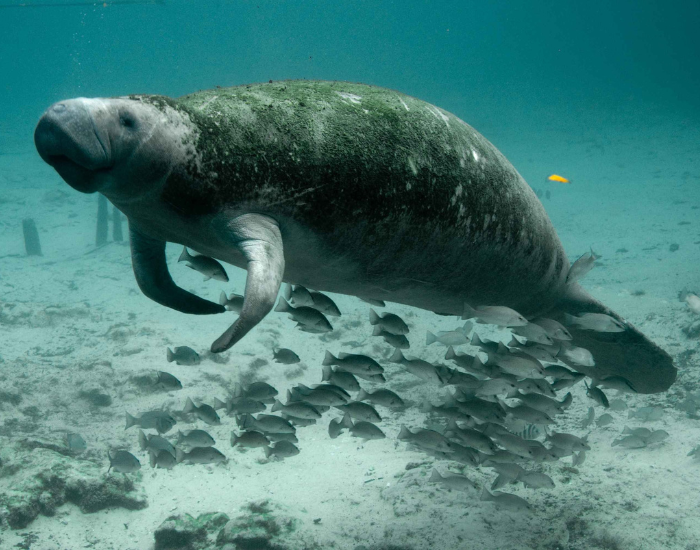
Three manatee species swim the world’s warm rivers and coasts, and this is the largest. Sirenians, including manatees, are entirely herbivorous marine mammals, the only ones that eat plants for a living. A manatee grazes seagrass like an underwater cow, and by cropping vegetation it creates room for new plants to grow.
I drifted beside one in a Florida spring, and its slow, deliberate calm was contagious. Gentle as they are, boat strikes remain their biggest danger in shallow coastal water.
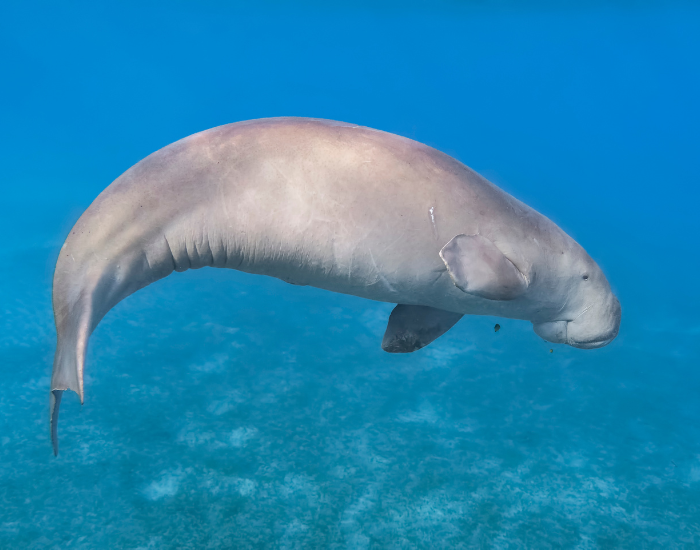
8. Dugong (Dugong dugon)
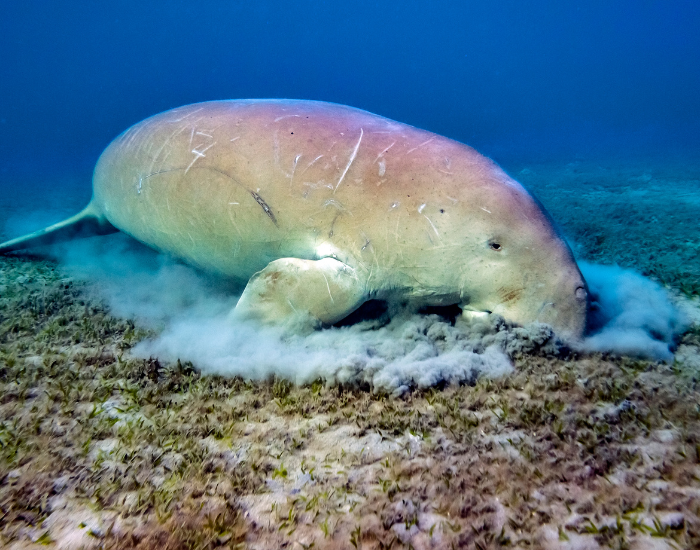
The dugong is the manatee’s saltwater cousin, and my favourite sirenian. Unlike manatees, it lives exclusively in the ocean, grazing seagrass meadows across tropical waters from East Africa to Southeast Asia.
Its fluked, dolphin-like tail sets it apart from a manatee’s rounded paddle. Sailors likely mistook dugongs for mermaids, which tells you how little a hungry, homesick crew needs to invent a legend.
The 7 Semi-Aquatic Water Mammals
These water mammals split their lives between water and land. This diverse group feeds in the sea but spends time ashore to rest, breed, or moult. Pinnipeds and marine fissipeds dominate here, and they stay closely related to the land animals you already know.
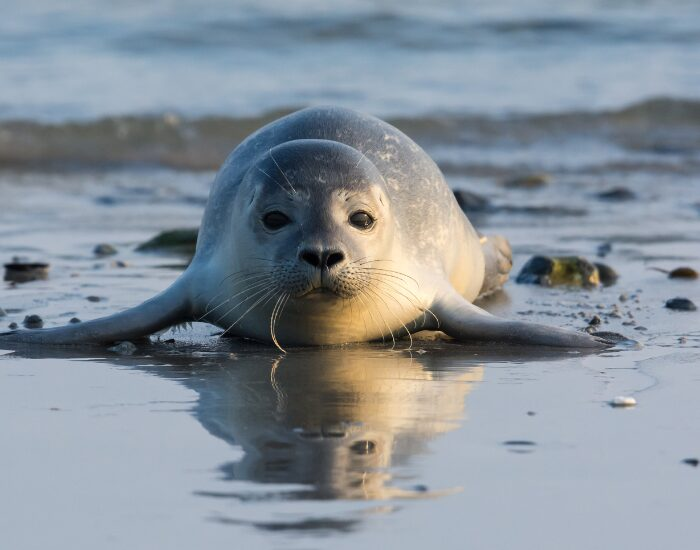
9. Harbour Seal (Phoca vitulina)
Pinnipeds are the fin-footed marine mammals, and seals are the classic example. Harbour seals haul out on rocks worldwide, then transform into fluid hunters the moment they hit the water.
True seals lack external ear flaps and wriggle on land like caterpillars. Their cousin, the leopard seal of Antarctica, is a formidable predator with a reputation to match.
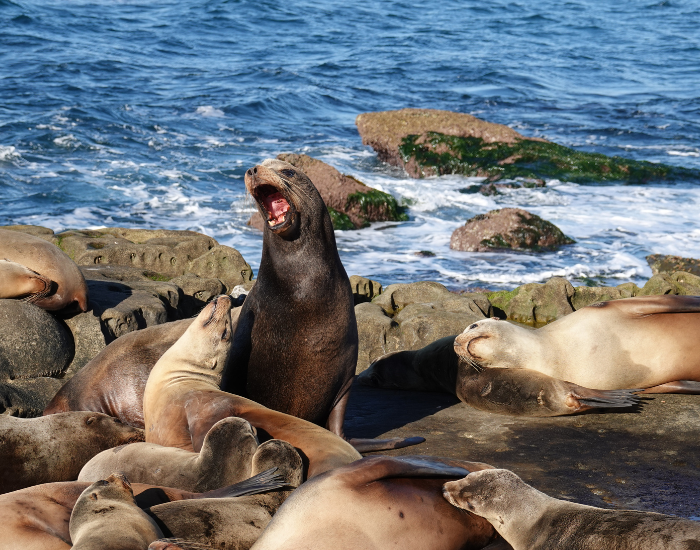
10. California Sea Lion (Zalophus californianus)
Sea lions are the pinnipeds people confuse with seals, so here is the fix. Sea lions have visible ear flaps and rotate their paddle-like limbs to “walk” on land, which true seals cannot do. They are also the barking, rowdy ones on the harbour pontoon.
Off Baja these animals shadowed my boat for sport, spiralling through the wake. Fast, curious, and loud, they are the extroverts of the pinniped world.
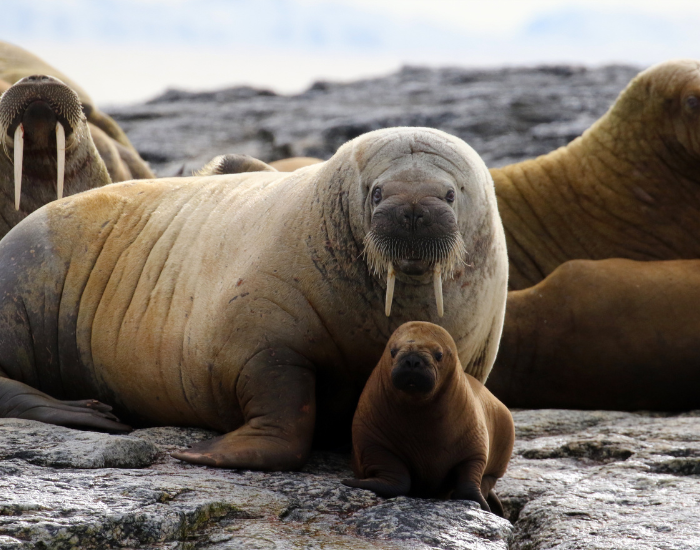
11. Walrus (Odobenus rosmarus)
No marine mammal looks quite like a walrus. Both sexes grow tusks, elongated canine teeth from the upper jaw that they use to haul out onto ice and to spar. A thick moustache of sensitive whiskers helps them find clams on the dark seabed.
Walruses pile together in vast herds on Arctic ice and coastline. As that ice retreats, this diverse group of pinnipeds faces a shrinking place to rest.
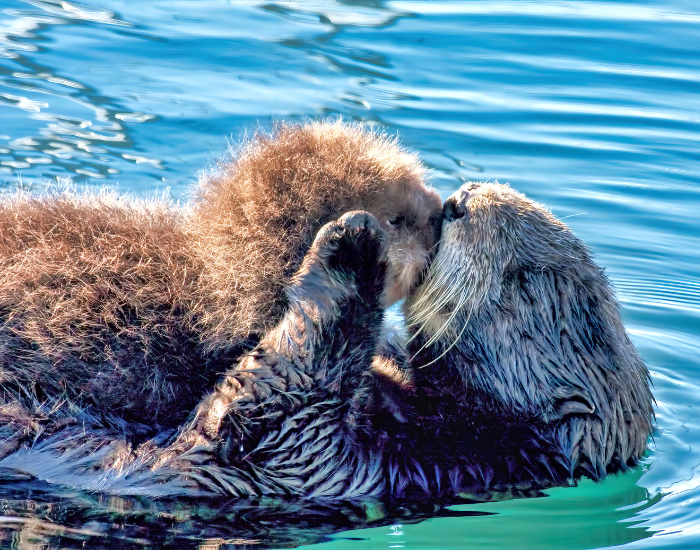
12. Sea Otter (Enhydra lutris)
The marine fissipeds are the odd ones out, carnivores from the same branch as bears and weasels. Marine fissipeds include sea otters and polar bears, both of which rely on marine ecosystems to eat. Sea otters live almost their entire lives at sea, floating on their backs to crack shellfish on a stone.
Sea otters have no blubber. Instead they carry the densest fur of any animal, up to a million hairs per square inch, to stay warm. As a keystone species, sea otters keep sea urchins in check and let kelp forests thrive.
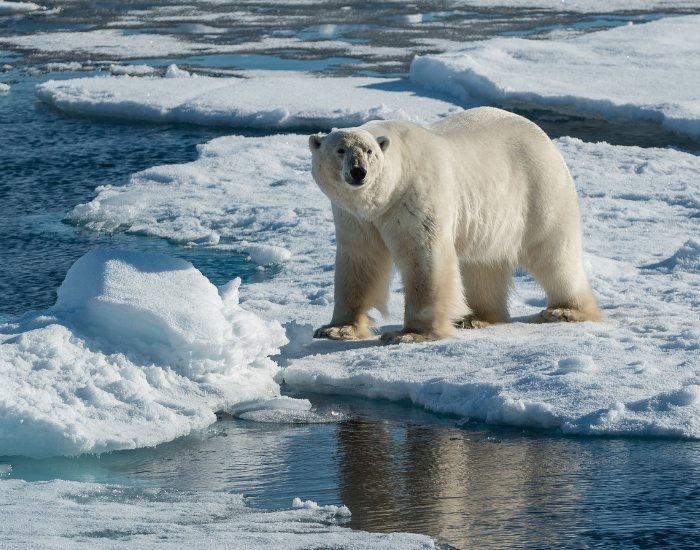
13. Polar Bear (Ursus maritimus)
The polar bear is the largest land predator, yet it counts as a marine mammal because it hunts seals from sea ice. Polar bears depend on the frozen ocean the way a whale depends on open water. Strip away the ice, and they starve.
Under that famous white coat sits black skin and a layer of fat and dense fur for insulation in brutal cold. Warming Arctic seas make polar bears one of the most visible faces of the climate crisis.
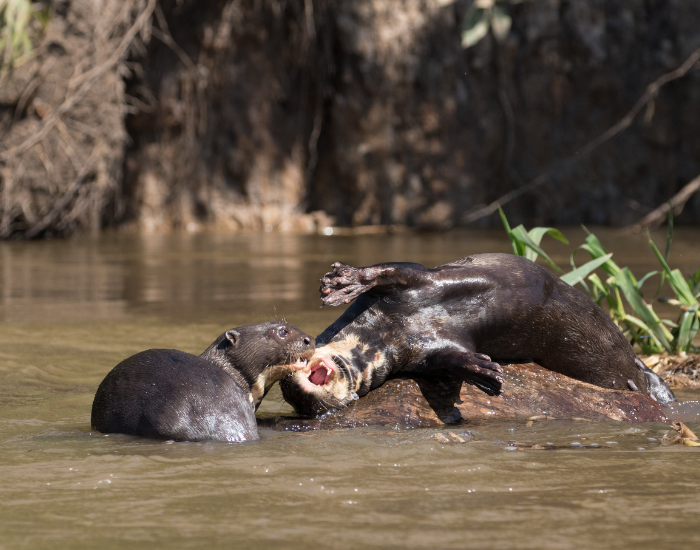
14. Giant River Otter (Pteronura brasiliensis)
South America’s giant river otter is the longest member of the weasel family, stretching to nearly two metres. Loud, social, and fiercely territorial, family groups patrol the rivers of the Amazon basin hunting fish. Locals call them “river wolves,” and after watching them corner a caiman, I understand why.
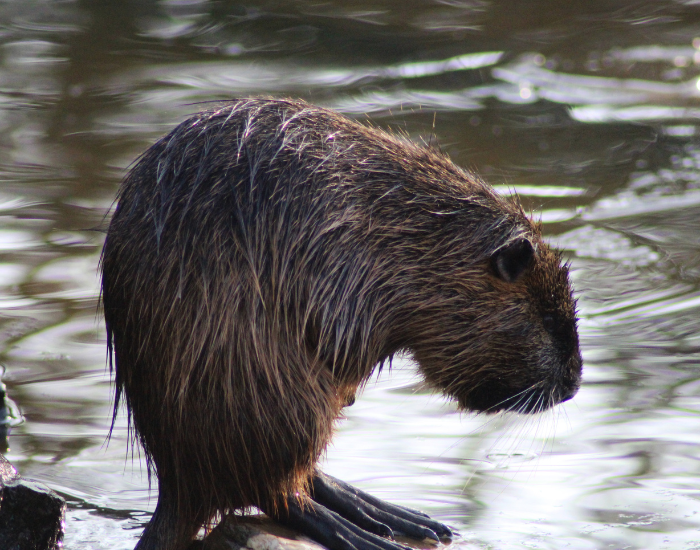
15. Coypu (Myocastor coypus)
The coypu, or nutria, closes the list as a reminder that “water mammal” is a big tent. This large semi-aquatic rodent from South America eats aquatic plants and digs burrows into riverbanks with its bright orange teeth.
Introduced far beyond its native range, the coypu is now an invasive species across parts of North America, Europe, and Asia. It is proof that a mammal does not need to be huge or charismatic to master the water.
How We Protect Marine Mammals
Loving these animals means facing what harms them. Commercial hunting once killed whales by the million and drove many populations to the brink. Although large-scale whaling has stopped, its legacy still shapes the numbers of many whale species today.
The modern threats are subtler. Hundreds of thousands of whales and dolphins die yearly from entanglement in fishing gear, drowning or starving while tangled in nets and rope. Vessel strikes threaten small, endangered whale populations, and large marine mammals that feed near shipping lanes take the worst hits. Plastic waste causes injuries and infections in these and countless other species. Underwater noise pollution, which has roughly doubled every decade since the 1950s, drowns out the sounds animals need to find food and mates.
To protect marine mammals, we tackle these one at a time: cleaner gear, quieter ships, slower boats, and less plastic. These animals also earn their keep, driving nutrient cycling that fertilises the seas and feeds everything from plankton up.
Frequently Asked Questions
Ten familiar mammals are the blue whale, bottlenose dolphin, orca, manatee, harbour seal, sea lion, walrus, sea otter, polar bear, and human. All are warm-blooded, breathe air, and nurse their young with milk. The first nine here are also marine mammals.
Broadly, mammals are grouped as terrestrial, aerial, arboreal, fossorial, and aquatic. Water mammals fall in the aquatic category. By reproduction, mammals split into three types instead: egg laying monotremes, pouched marsupials, and placental mammals. Every aquatic mammal and marine mammal on this list belongs to that placental group.
Marine mammals divide into four main groups: cetaceans (whales, dolphins, porpoises), pinnipeds (seals, sea lions, walruses), sirenians (manatees, dugongs), and marine fissipeds (sea otters, polar bears). Together they total roughly 130 species around the world.
The seven classic taxonomic ranks are kingdom, phylum, class, order, family, genus, and species. Every marine mammal sits in the class Mammalia, which holds thousands of mammal species. From there, a blue whale and a sea otter branch into completely different orders, which is why these whales and otters look nothing alike.
Marine Mammals: Fact or Fiction? 🐋
Twelve statements about the whales, seals, otters, and sea cows above — some true, some myths people repeat. Can you tell them apart?
Fact or Fiction?
The Takeaway
The real thrill of water mammals is that they are us in reverse. These aquatic mammals are land animals that shrugged off the ground and re-entered the sea, a diverse range of species from tiny otters to titanic whales. That evolutionary U-turn produced everything from the singing whales of the North Atlantic to the dolphins that watch you from the wake.
Marine mammals face real pressure from humans, yet many species are slowly recovering wherever we give them room. Next time you are near the coast, watch for a tail breaking the surface, and check which way it moves. If it rocks up and down, you have found a mammal. Better yet, go meet them: the seals on a haul-out, the polar bear on the ice, or a manatee grazing a warm spring. Seen a great one yourself? Tell me in the comments which water mammal you would cross an ocean to watch.
References:
Cooke, J. G. (2020). Eubalaena glacialis (North Atlantic right whale). The IUCN Red List of Threatened Species, e.T41712A178589687. https://doi.org/10.2305/IUCN.UK.2020-2.RLTS.T41712A178589687.en
Kaschner, K., Tittensor, D. P., Ready, J., Gerrodette, T., & Worm, B. (2011). Current and future patterns of global marine mammal biodiversity. PLOS ONE, 6(5), e19653. https://doi.org/10.1371/journal.pone.0019653
Estes, J. A., Terborgh, J., Brashares, J. S., Power, M. E., Berger, J., Bond, W. J., Wardle, D. A. (2011). Trophic downgrading of planet Earth. Science, 333(6040), 301–306. https://doi.org/10.1126/science.1205106
Duarte, C. M., Chapuis, L., Collin, S. P., Costa, D. P., Devassy, R. P., Eguiluz, V. M., Juanes, F. (2021). The soundscape of the Anthropocene ocean. Science, 371(6529), eaba4658. https://doi.org/10.1126/science.aba4658
Roman, J., Estes, J. A., Morissette, L., Smith, C., Costa, D., McCarthy, J., Baumgartner, M. (2014). Whales as marine ecosystem engineers. Frontiers in Ecology and the Environment, 12(7), 377–385. https://doi.org/10.1890/130220
Read, A. J., Drinker, P., & Northridge, S. (2006). Bycatch of marine mammals in U.S. and global fisheries. Conservation Biology, 20(1), 163–169. https://doi.org/10.1111/j.1523-1739.2006.00338.x
Nowacek, D. P., Thorne, L. H., Johnston, D. W., & Tyack, P. L. (2007). Responses of cetaceans to anthropogenic noise. Mammal Review, 37(2), 81–115. https://doi.org/10.1111/j.1365-2907.2007.00104.x