On an Antarctic expedition, you will probably be looking for different animals like penguins, but suddenly, you may spot a sleek, spotted shape gliding through the icy waters. That’s no ordinary seal, that would be one of Antarctica’s most formidable apex predators. Leopard seals are among the most fascinating and fearsome creatures in the Southern Ocean, and today we’re diving deep into what makes these incredible marine mammals so unique.
Whether you’re planning an Antarctic adventure or simply curious about wildlife, understanding these remarkable predators will give you a new appreciation for the complex ecosystem at the bottom of our planet. Let’s explore 12 incredible facts about leopard seals that showcase why they’re considered one of nature’s most impressive hunters.

What Makes Leopard Seals Special Among Antarctic Seals?
Before we dive into our fascinating facts, it’s worth understanding what sets leopard seals apart from other antarctic seals. The leopard seal, scientifically known as Hydrurga leptonyx, isn’t just another pinniped, it’s an apex predator that sits at the top of the Antarctic food web, feared by penguins and other seals alike.
Unlike their more social cousins, these sea leopards are solitary hunters with a reputation that precedes them. Their distinctive spotted coat, massive jaws, and impressive size make them unmistakable in the frigid waters of the Antarctic Peninsula and surrounding regions.
Where Leopard Seals Live
Leopard seals inhabit the frigid waters of the Southern Ocean, with their range extending around the Antarctic continent. They are most often seen along the Antarctic Peninsula, in sub-Antarctic islands, and near pack ice in the Antarctic region. In summer, some individuals venture further north toward places like South Georgia in search of food.

1. Leopard Seals Are Surprisingly Massive
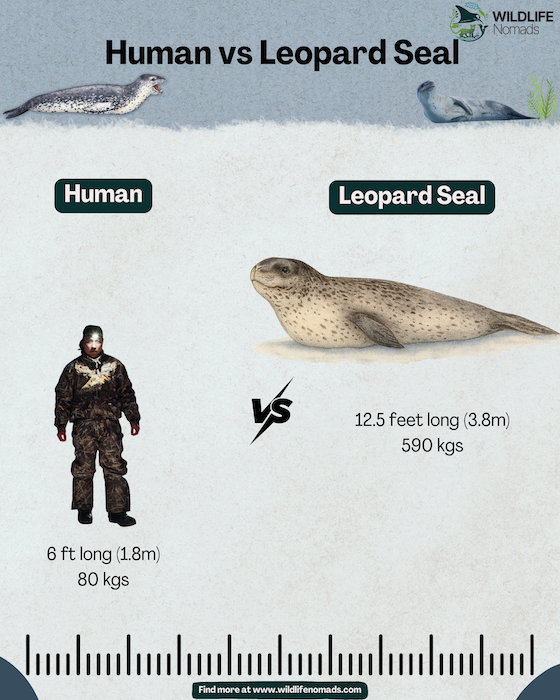
When people ask, “How big is a full grown leopard seal?” the answer often surprises them. Even though they are not one of the biggest animals on earth, female leopard seals are significantly larger than males, with some individuals reaching up to 3.8 meters (12.5 feet) in length and weighing up to 590 kg (1,300 pounds). That’s roughly the size of a small car!
To put this in perspective, when comparing a leopard seal vs sea lion, leopard seals are considerably larger. While California sea lions typically max out around 2.4 meters and 390 kg, leopard seals dwarf them in both length and weight. This size difference makes leopard seals one of the largest members of the pinniped family.
Male leopard seals are smaller, usually reaching about 2.8-3.3 meters in length and weighing between 200-320 kg. This sexual dimorphism is quite pronounced and plays a crucial role in their reproductive behavior and social structure.
Leopard Seal Facts at a Glance
- Scientific name: Hydrurga leptonyx
- Adult size: Females up to 3.8 m and 590 kg; males smaller
- Conservation status: Least Concern (IUCN)
- Predators: Killer whales (orcas)
- Notable feature: Powerful jaws and interlocking teeth
- Breeding season: Antarctic summer (Nov–Feb)
2. They Have the Most Fearsome Teeth in the Seal World
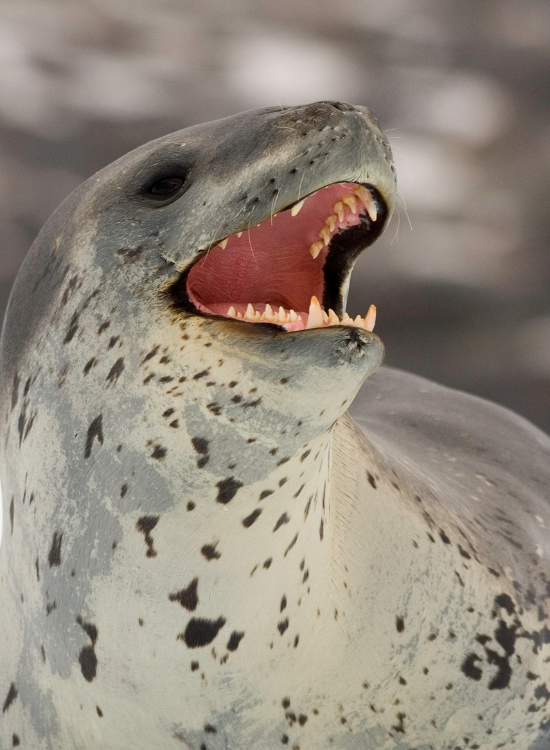
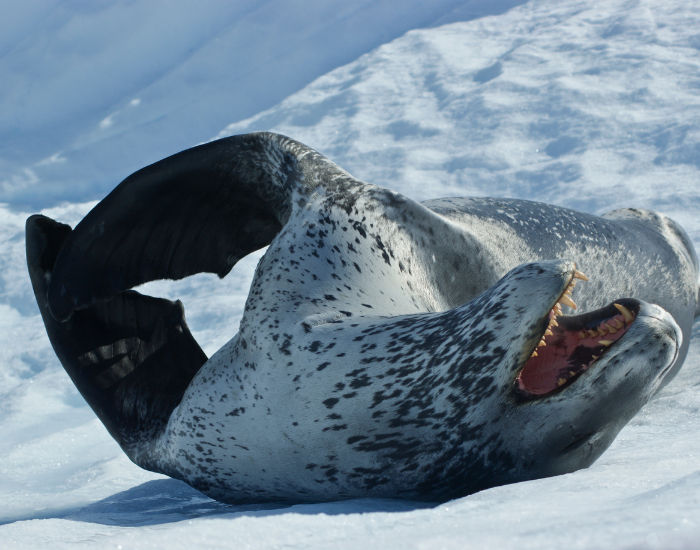
What makes leopard seal teeth so distinctive? These predators possess large, canine-like teeth and interlocking molars that function like a deadly trap. Their dental structure is perfectly adapted for their diverse diet, allowing them to both filter small prey like krill and tear apart larger prey like penguins.
Their leopard seal teeth are so efficient that they can puncture the skin of their prey with ease, making quick work of even the most elusive Antarctic wildlife. The interlocking design also allows them to strain water while feeding on smaller organisms, showcasing remarkable evolutionary adaptation.
Leopard Seal Teeth and Feeding
The incisor teeth and large canines of leopard seals are built for gripping slippery prey like penguins, while their unusual molars have gaps that allow them to sieve krill from seawater — a feature rare among apex predators. This dual feeding strategy helps them remain successful hunters year-round in Antarctic waters.
3. Leopard Seals Are Surprisingly Agile Hunters
Despite their massive size, leopard seals are incredibly agile in the water. They can dive to depths of over 300 meters (1,000 feet) and hold their breath for up to 20 minutes while hunting. Their streamlined bodies and powerful flippers make them formidable underwater athletes.
These impressive diving capabilities allow them to hunt in various water columns, from surface feeding on krill to deep dives for fish and squid. Their hunting versatility is one of the key factors that makes them such successful apex predators in the harsh Antarctic environment.

4. They’re Surprisingly Social (Sometimes)
While leopard seals are primarily solitary animals, they do have some interesting social behaviors. During breeding season, which occurs in the Antarctic summer (November to February), these typically independent creatures come together for mating.
Their social structure is fascinating because outside of breeding, leopard seals are territorial and prefer to hunt alone. However, researchers have observed instances of playful behavior and curiosity toward humans, suggesting these marine mammals have complex social intelligence.
Breeding Season and Pups
Breeding occurs during the austral summer on stable pack ice. A female leopard seal gives birth to a single pup each season, nursing it for several weeks. The pup’s survival depends on the mother’s ability to defend it from other seals and predators like orcas.
5. The Leopard Seal Diet Is More Diverse Than You’d Think
What do leopard seals eat? Their diet is surprisingly varied and changes based on season and location. While they’re famous for hunting penguins (particularly Adelie and chinstrap penguins), they also feed on:
- Krill and small crustaceans
- Various fish species
- Other seal species (including seal pups)
- Squid and octopus
- Seabirds
This dietary flexibility has helped them thrive in the challenging Antarctic ecosystem where food sources can be unpredictable.
6. Leopard Seals Are Actually Quite Playful
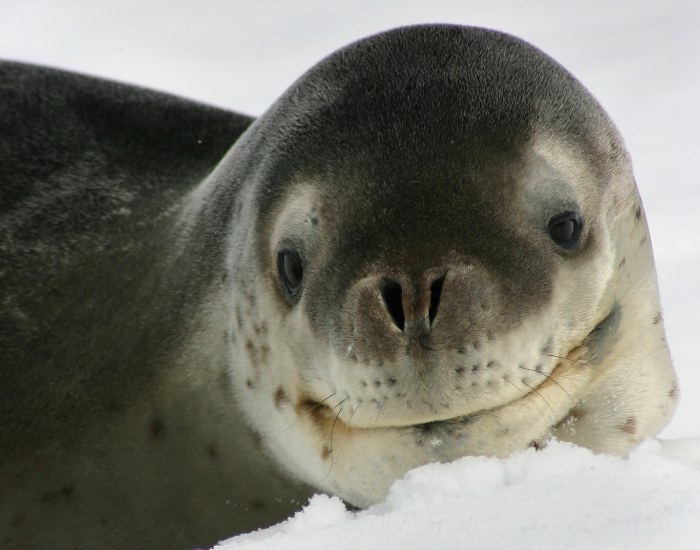
Contrary to their fearsome reputation, leopard seals can display surprisingly playful behavior. Researchers and photographers have documented instances of leopard seals interacting with humans in what appears to be playful or curious behavior.
National Geographic photographer Paul Nicklen famously encountered a leopard seal that repeatedly brought him penguins, seemingly trying to feed him. This behavior suggests these predators have complex personalities and intelligence beyond simple hunting instincts.
7. Are Leopard Seals Dangerous to Humans?
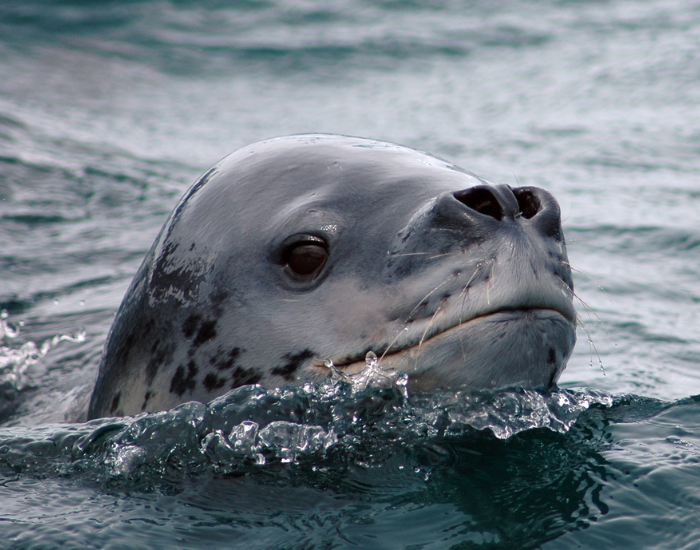
This is one of the most common questions people ask: “Are leopard seals dangerous to humans?” The answer is nuanced. While leopard seal attacks on humans are rare, they can be serious when they occur.
The most tragic incident occurred in 2003 when British marine biologist Kirsty Brown was fatally attacked by a leopard seal while snorkeling in Antarctica. This was described as a “completely unprecedented event” by the British Antarctic Survey, as it was the first known fatal attack in over 30 years of research activities.
However, it’s important to note that attacks on humans are rare, and humans are not typical prey for leopard seals. Most interactions between leopard seals and humans are neutral or even positive.
8. They Have an Unexpected Predator
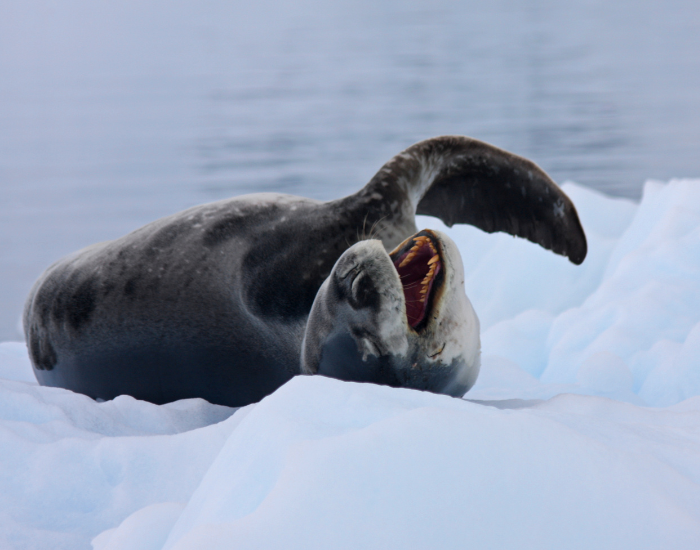
Despite being apex predators themselves, leopard seals do have one natural enemy: orcas (killer whales). These marine mammals are the only creatures that regularly prey on adult leopard seals, creating an interesting predator-prey dynamic in Antarctic waters.
This relationship highlights the complex nature of the Antarctic food web, where even apex predators must remain vigilant against their own predators.
Killer Whales: The Only Regular Predator
While leopard seals dominate their environment, killer whales are the only known species that consistently prey on adults. Recorded instances often occur in open leads within the ice, where orcas can ambush them.
Famous Human Encounters
The most well-known fatal incident involving a leopard seal occurred in 2003, when marine biologist Kirsty Brown of the British Antarctic Survey was attacked while snorkeling. Other recorded instances, including National Geographic photographer Paul Nicklen’s encounters, highlight their mix of aggressive behaviour, curiosity, and intelligence.

9. Leopard Seals Are Excellent Mothers
Female leopard seals give birth to a single pup after a gestation period of approximately 11 months. The mother seals are devoted parents, nursing their pups on the ice for several weeks while teaching them essential survival skills.
Leopard seal pups are born with dark fur that gradually develops the distinctive spotted pattern as they mature. The mother-pup bond is strong during the early months, which is crucial for the pup’s survival in the harsh Antarctic environment.
Formidable Hunters
Leopard seals’ powerful jaws and massive jaws (relative to body size) make them capable of delivering deep puncture wounds. Combined with their ability to take on large prey — from penguins to young southern elephant seals — they’re considered one of the top predators in the Antarctic Peninsula ecosystem.
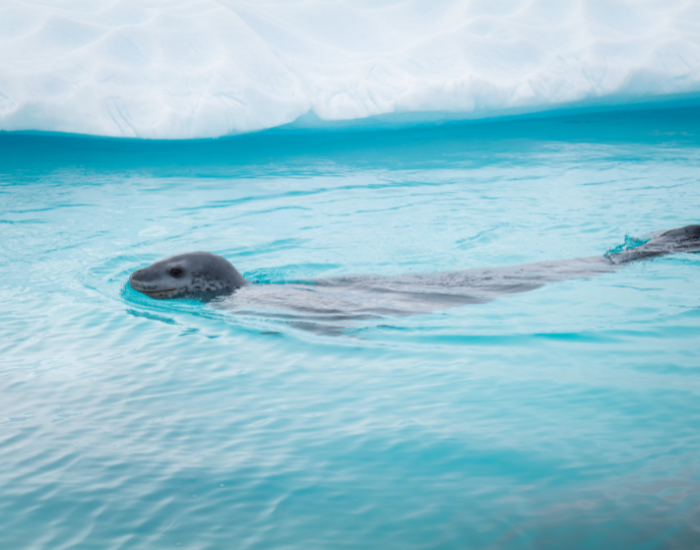
10. They’re Surprisingly Vocal
Leopard seals have a complex communication system involving various vocalizations. Underwater, they produce sounds that can travel long distances, including haunting calls that some researchers describe as almost musical.
These vocalizations serve multiple purposes, from territorial marking to mating calls, and demonstrate the sophisticated social intelligence of these marine mammals.
11. Climate Change Is Affecting Their Habitat
As Antarctica warms, shrinking sea ice is changing life for leopard seals. The Antarctic pack ice that leopard seals depend on for breeding, resting, and hunting is decreasing, which could significantly impact their population in the future.
Conservation efforts are increasingly important as climate change continues to alter the Antarctic ecosystem. Understanding and protecting leopard seal habitat is crucial for maintaining the balance of Antarctic marine life.
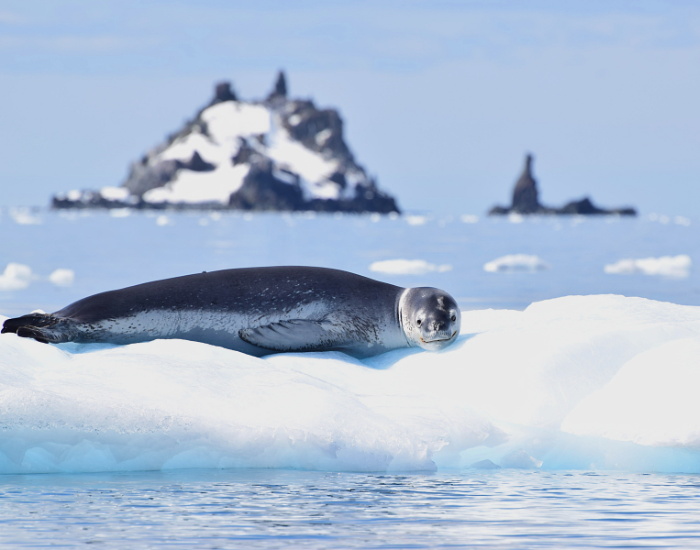
12. Leopard Seals Are Conservation Success Stories
Currently, leopard seals are listed as “Least Concern” on the IUCN Red List, which means their population is relatively stable. However, ongoing monitoring is essential as environmental changes continue to affect their habitat and prey availability.
Their conservation status represents a success story for marine mammal protection efforts in Antarctica, but continued vigilance is necessary to ensure their long-term survival.
What This Means for Antarctic Conservation
Understanding these remarkable facts about leopard seals helps us appreciate the complexity of Antarctic ecosystems. These apex predators play a crucial role in maintaining the balance of marine life in the Southern Ocean.
For those planning Antarctic expeditions, remember that while leopard seal attacks are rare, it’s essential to maintain a respectful distance from these powerful predators. They’re wild animals deserving of our admiration and caution in equal measure.
The Bottom Line: Respect the Predator
Leopard seals are among the most fascinating and complex predators on our planet. From their massive size and efficient hunting techniques to their surprising social behaviors and vocal communications, these Antarctic seals continue to surprise researchers and wildlife enthusiasts alike.
While the question “Are leopard seals aggressive?” doesn’t have a simple answer, what’s clear is that these magnificent creatures deserve our respect and protection. They’re not just apex predators, they’re indicators of ocean health and climate change impacts in one of Earth’s most important ecosystems.
Whether you encounter them on an Antarctic cruise or simply appreciate them from afar, leopard seals represent the wild, untamed beauty of our planet’s last frontier. By understanding and protecting these remarkable marine mammals, we help preserve one of nature’s most impressive success stories.
Ready to learn more about Antarctic wildlife? Explore our other articles about penguin species, whale types, and the impacts of climate change on animals. Every creature in Antarctica has a story worth telling—and protecting.