Springbrook, last year, a hot afternoon. I counted five red-bellied black snakes in a single hike. Two of them were mating in the open, right beside the track.
I stopped and watched. They finished and left. Nothing happened.
Still, that is my most dangerous day in Australia in five years. Since then I have driven Melbourne to Cairns. Right now I am doing a lap of the country, documenting every species I find. It is all mapped at Australia Big Lap.
Of course, Australia does have some of the world’s most dangerous animals. It also has one of the lowest rates of people killed by them. Both are true, and the gap between them is the real story.
Here are the 12 deadliest animals in Australia, and what the coronial data says about each one. Some I have met. Most, though, I never will.
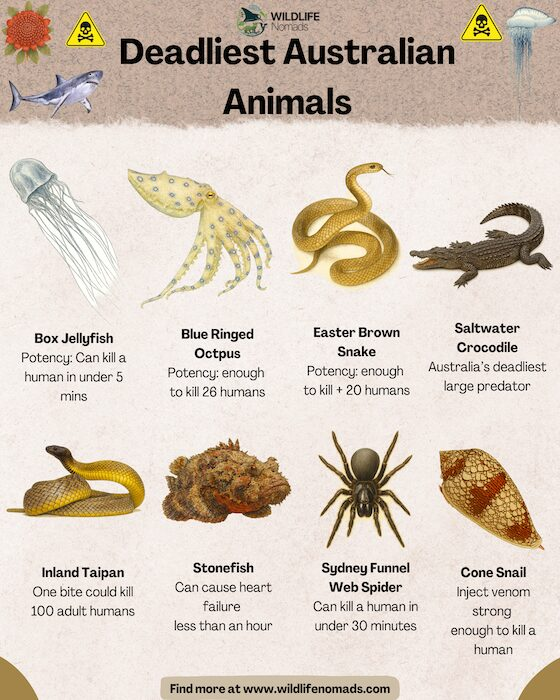
The 12 Deadliest Animals in Australia
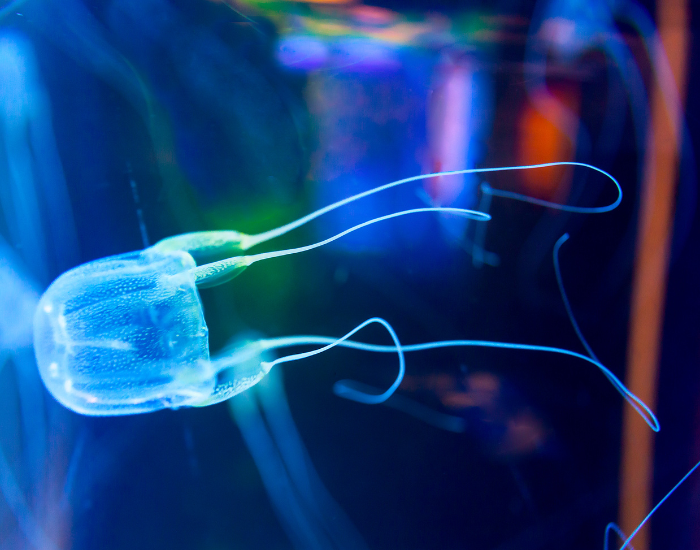
1. Box Jellyfish (Chironex fleckeri)
Three-metre tentacles, a near-invisible bell, and venom that punches holes in cell membranes. That’s the box jellyfish. Potassium floods the blood, and cardiovascular collapse follows. An untreated sting can kill in two to five minutes.
At least 64 people have died in Australia since 1883, almost all last century. Stinger nets and vinegar stations changed that. Swim inside the net in tropical Queensland between October and May.
2. Saltwater Crocodile (Crocodylus porosus)
I worked with crocodiles daily in a zoo reptile house before I moved here. Here is what surprised me. Most were placid, almost bored. A few were genuinely aggressive. Those few changed how I entered and cleaned every enclosure for the rest of my career.
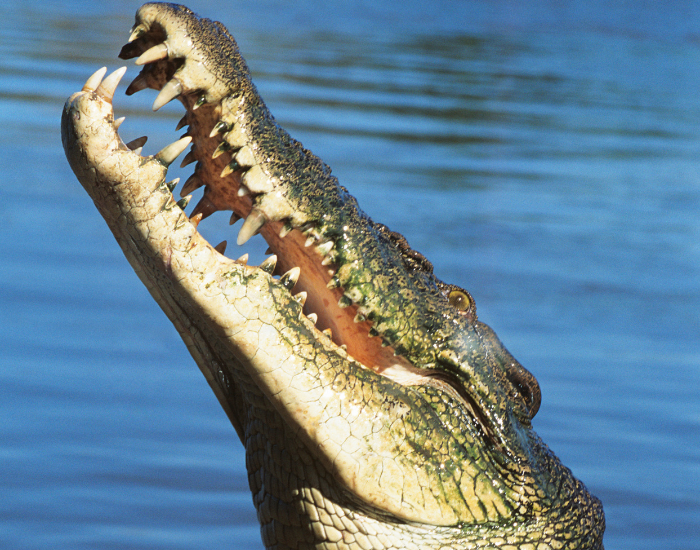
Salties are the world’s largest reptile and the most powerful ambush predator on the continent. Seven metres, no warning. Saltwater crocodiles move freely between marine environments and freshwater rivers far inland. They hold the whole top of the country: the Kimberley in Western Australia, the Northern Territory, up to Cape York.
Twenty-five crocodile fatalities between 2001 and 2021. A landmark review counted 62 unprovoked attacks from 1971 to 2004, roughly 17 of them fatal. Every single one involved someone in the water.
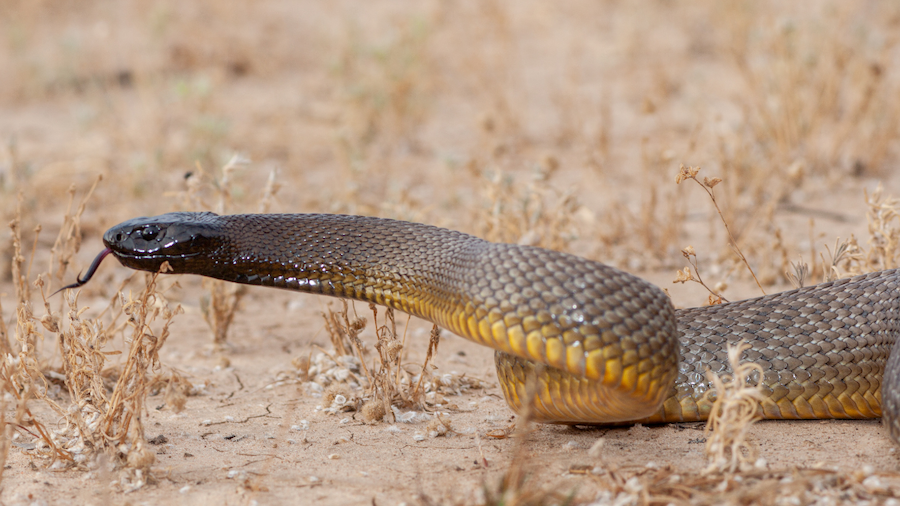
3. Eastern Brown Snake (Pseudonaja textilis)
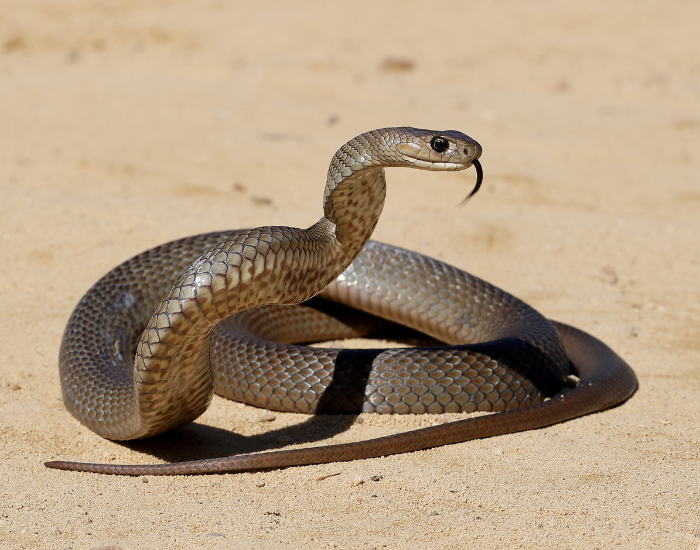
The second most venomous land snake in the world, and in practice the most dangerous of Australia’s deadly snakes. It thrives in farmland, sheds and suburban gardens, wherever rats are.
The venom shuts down blood clotting. Bite victims can go from fine to cardiac arrest inside an hour. The Australian Snakebite Project recorded 23 deaths across a decade, and eastern brown snakes caused 17 of them.
Despite the fearsome reputation, this is not an animal that hunts people. Venomous snakes are shy and avoid humans. They bite when cornered. Stand still, give it a path, and it leaves.
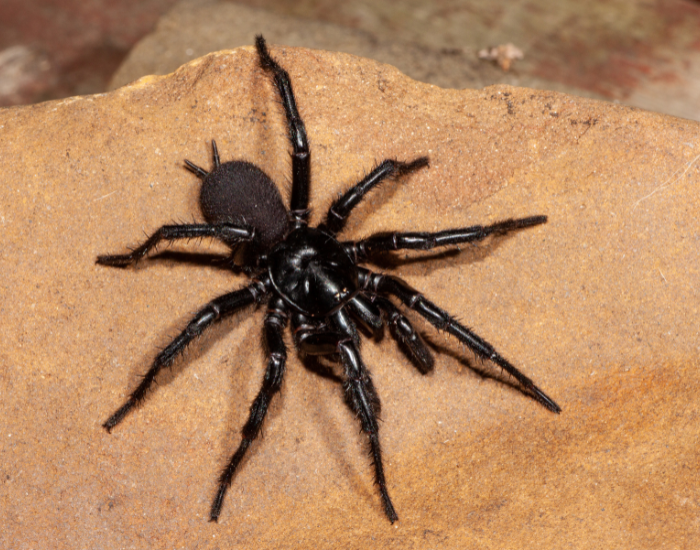
4. Sydney Funnel-Web Spider (Atrax robustus)
I was doing field work in Sydney, relatively new here. A coworker asked whether I had ever seen a funnel web. I said no, and I was thrilled, because I had wanted to see one for years.
He walked me over carefully and crouched. Then he pointed at a hole in a bank, silk trip lines fanning out from the entrance. That was it. No drama, no fangs. Just a hole. I have never forgotten how ordinary it looked.
This is a New South Wales animal, and one of the most dangerous Australian animals by reputation alone. Fast-acting neurotoxic venom, fangs that pierce a fingernail, thirteen recorded deaths. All of them before 1981. Effective anti venom arrived that year and there has not been a single death since.
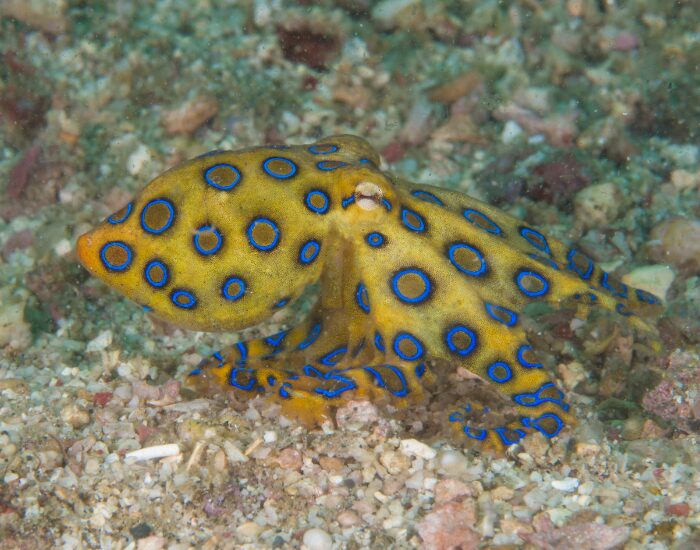
5. Blue-Ringed Octopus (Hapalochlaena spp.)
Smaller than a golf ball. One animal carries enough tetrodotoxin to kill over 20 adults within minutes, and there is no antivenom.
The bite is usually painless, so people do not know until the paralysis starts. Rescue breathing keeps a victim alive, because the toxin stops the diaphragm while the mind stays clear. Never pick up a small octopus in a rock pool.
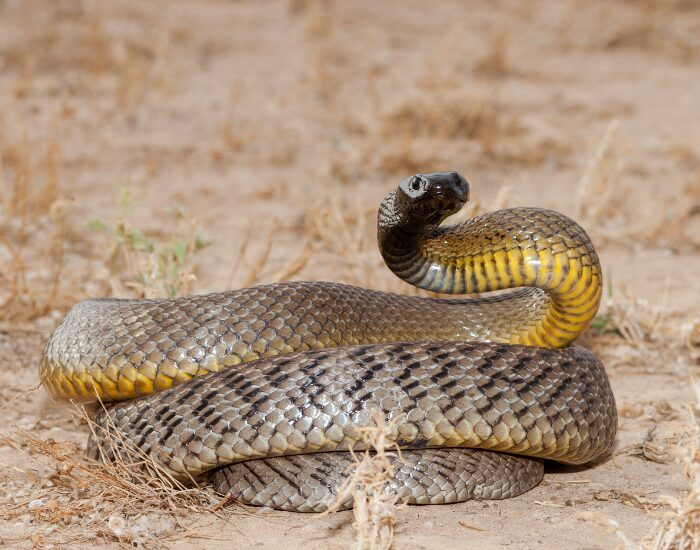
6. Inland Taipan (Oxyuranus microlepidotus)
The most venomous snake in Australia and in the world. LD50 near 0.025 mg/kg, roughly twenty times more toxic than an Indian cobra. A single bite carries enough venom to kill more than 100 adults.
Recorded deaths: zero. Nobody has died from one since taipan antivenom became available. It lives in the cracking clay of the Channel Country where almost nobody goes, and it retreats when it can. I have never seen one. Almost no one has.
That gap between potency and body count is the whole point of this article.
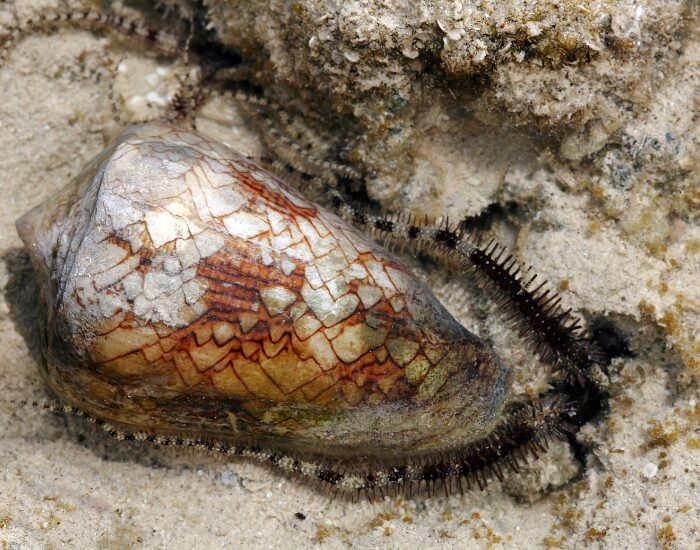
7. Cone Snail (Conus spp.)
It looks like a souvenir. That is the problem.
The snail fires a harpoon-loaded tooth. Larger fish-hunting species can easily kill a person through respiratory paralysis, and there is no antivenom. Australian deaths number a handful across the last century. Do not pick up live cone shells.
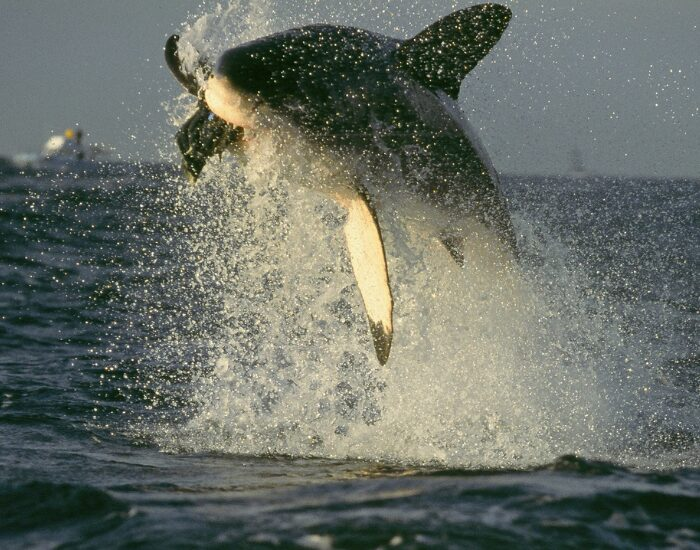
8. Great White Shark (Carcharodon carcharias)
We have seen sharks from the coast more than once. You stand on a headland, watch the water, and there it is while everyone else looks at their phone.
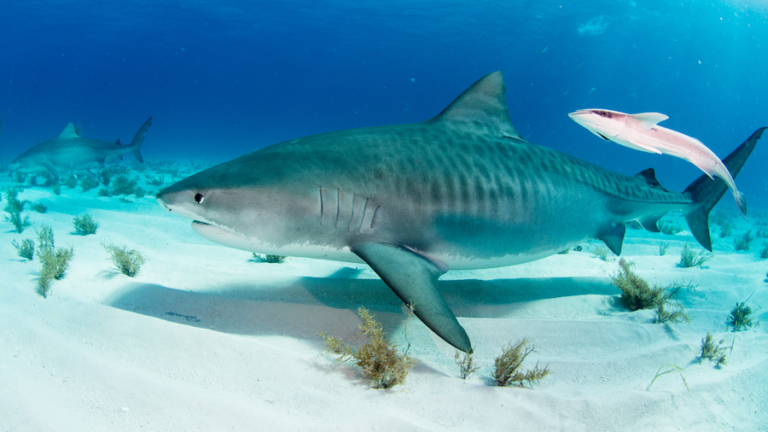
Great whites test unfamiliar objects with their mouths, and a test bite from a four-metre animal is catastrophic. Bull shark and tiger shark cause most of the remaining serious cases.
Sharks caused 39 fatalities in Australia between 2001 and 2021, under two a year. Three quarters of shark attack victims are aged 15 to 44. Most shark attacks say more about who is in the surf than about the sharks.
9. Irukandji Jellyfish (Carukia barnesi)
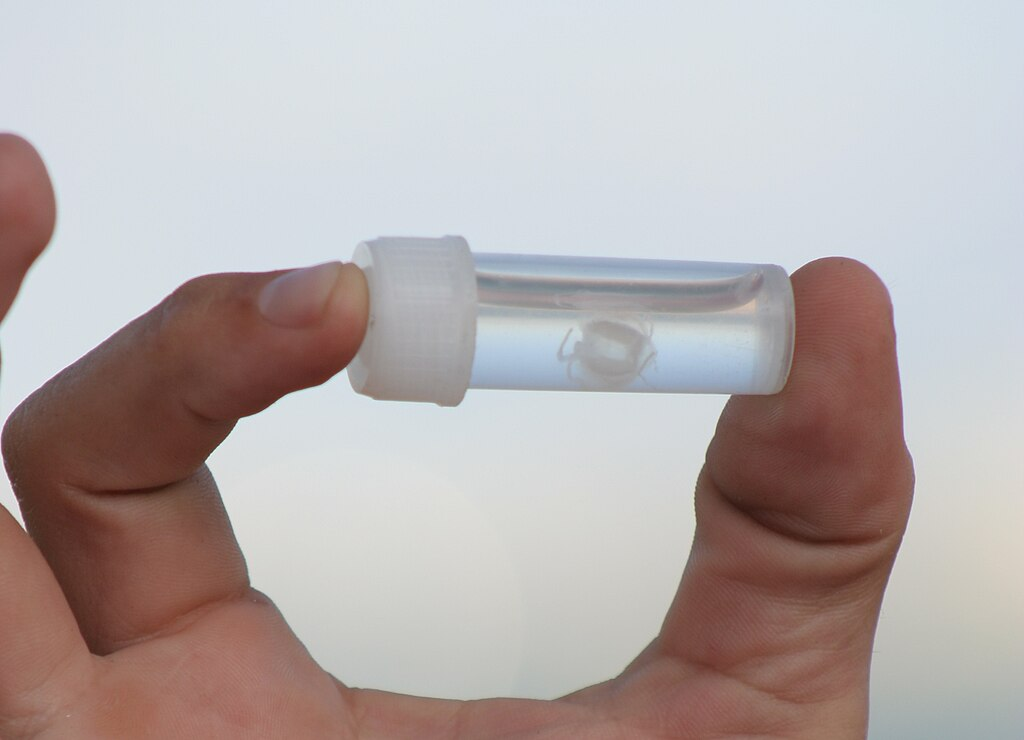
The box jellyfish gets the headlines. Irukandji fills the ambulances.
This one is the size of a fingernail and the sting barely registers. Twenty minutes later comes Irukandji syndrome: catastrophic back pain, vomiting, and blood pressure spikes that can cause brain haemorrhage. Two confirmed deaths, dozens of hospitalisations every season in north Queensland. They slip straight through stinger nets, so the suit matters more than the net.
GondwanaGirl | via Wikimedia Commons
10. Stonefish (Synanceia spp.)
The most venomous fish in the world sits on the reef flat looking exactly like a rock. People stand on the stonefish!
Thirteen dorsal spines drive venom up through a thin sole. Survivors describe the worst pain of their lives. No confirmed Australian deaths in recent decades, because antivenom has existed since 1959. Wear thick reef shoes and shuffle.

11. Southern Cassowary (Casuarius casuarius)
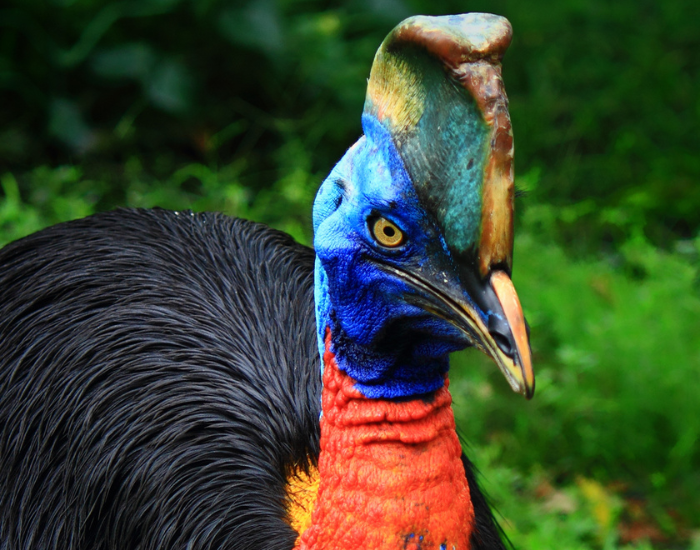
Most birds do not belong on a list like this. The cassowary does. It stands 1.8 metres, weighs as much as you, and carries a dagger-shaped inner claw up to 12 centimetres long.
One confirmed human death in Australia, back in 1926. Serious incidents almost always involve birds that people have fed. Never feed them, and put a tree between you if one approaches. What actually matters about this bird sits in my southern cassowary guide. It is a rainforest seed disperser nothing else can replace.
12. Redback Spider (Latrodectus hasselti)
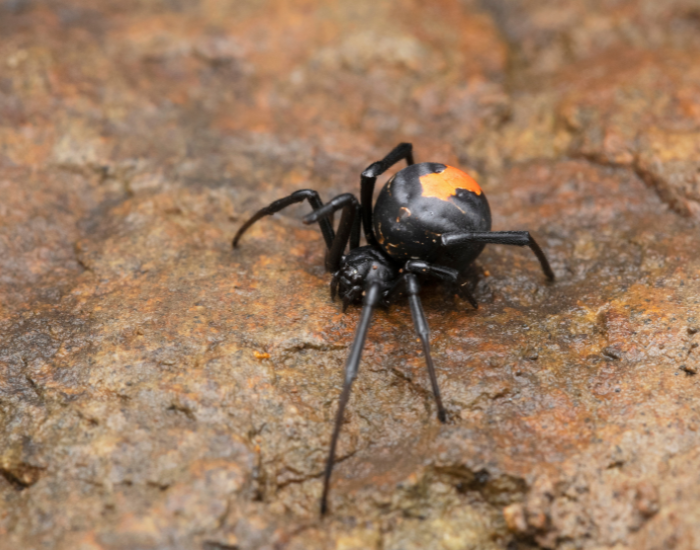
Mailboxes, garden chairs, the underside of outdoor furniture. The redback is the dangerous animal Australians actually meet.
Around 2,000 bites a year by this spider species, hundreds treated with antivenom, and no confirmed deaths since that antivenom arrived in 1956. Wear gloves when you move pots or timber.
The Animals That Actually Kill Australians
Here is the comparison nobody puts on a poster. Animal related deaths recorded by the National Coronial Information System, 2001 to 2021.
| Animal | Deaths | Main mechanism |
|---|---|---|
| Horses | 222 | Falls while riding |
| Cows and cattle | 92 | Trampling, vehicle incidents |
| Dogs | 82 | Bites and falls |
| Kangaroos | 53 | Vehicle collisions |
| Snakes | 50 | Envenoming |
| Bees | 45 | Anaphylaxis |
| Sharks | 39 | Attacks in the water |
| Crocodiles | 25 | Attacks in the water |
| Spiders | 0 | — |
Total: 713 animal related deaths in 20 years, about 34 a year.
Horses, cows and dogs are responsible for more than half of them. More than those other species supposed to be super dangerous. Introduced mammals kill more Australians than the venomous wildlife people fly here to fear.
Bees and wasps put more people in hospital compared to sharks, crocodiles and snakes combined. Estimates put dog attacks near 100,000 a year, and children under 10 take the worst of them.
An earlier review of coronial cases found 254 animal related deaths from 2000 to 2010, including 14 snake-related fatalities. Almost three quarters of the victims were male. Most deaths in Australia from animals happen on roads, at home and on farms, not out in the bush.
What Five Years Here Has Actually Looked Like
Here is the honest tally.
At Coombabah Lakelands I have been back at least seven times, watching godwits, koalas and kangaroos. Never a snake incident. At Woody Head the bush pressed against our tent and goannas walked through camp daily. Nothing tried to hurt us.
At Evans Head I logged 20 species in four days. The most dangerous thing on the beach was a stranded bluebottle. At Burleigh Heads it was a brush turkey with opinions.
Thousands of kilometres, dozens of stops. The closest call is still five red-bellied blacks minding their own business at Springbrook. Actual fatalities from dangerous animals in Australia are rare, and the vast majority of encounters end with the animal leaving.
Staying Safe and What to Do
Most incidents happen when people get too close or provoke an animal by accident. The rest is simple.
Read the signs. Swim inside stinger nets. Never swim in croc country or clean fish at a boat ramp. Wear boots in long grass and thick soles on the reef. Do not pick up anything small and pretty in a rock pool.
If it goes wrong, first aid matters more than trivia.
- Snake or funnel-web bite: pressure immobilisation bandage over the bite and up the whole limb. Splint it. Keep the person still. Do not wash, cut or suck.
- Box jellyfish or Irukandji sting: flood with vinegar for 30 seconds before removing tentacles, then hospital.
- Blue-ringed octopus: pressure immobilisation, then rescue breathing. Keep talking to them, they can hear you.
- Stonefish: hot water immersion at 45°C on the way to hospital.
- Shark bite: direct pressure or a tourniquet. Blood loss is what kills.
Call 000 first, every time. A two-hour first aid course is worth more than everything above.
They Are Deadly, and They Matter
Brown snakes are the best rodent control on Australian farms. That’s good news for farmers. Crocodiles move nutrients through waterways and cull the sick. Funnel-web venom is being tested as a stroke treatment. Cone snail peptides are already in clinical use as non-opioid painkillers.
Most of these animals face habitat loss and persecution. Several sit in my roundup of Australia’s most threatened animals. Kill the brown snake in your yard and you will have rats in your roof by winter.
Frequently Asked Questions
About 34, based on 713 animal related deaths recorded between 2001 and 2021. Most involve horses, cattle and dogs. Snake, shark and crocodile deaths together average fewer than seven a year.
No. There has not been a single death since antivenom was introduced in 1981. Thirteen deaths were recorded before that. Effective anti venom has drastically reduced fatalities from funnel-web bites, and serious cases now recover fully.
Two to four a year. Coronial data records 50 snake deaths from 2001 to 2021, and 14 in the decade from 2000 to 2010. Eastern brown snakes cause most fatalities. Over 10,000 people were hospitalised for snakebite between 2002 and 2020, so survival is well above 99%.
No. Australia has more venomous species than any other country and far fewer deaths than most. India records tens of thousands of snakebite deaths a year. Australia records two to four. Free antivenom and fast ambulances explain the difference.
Go, and Watch Your Step
Five years of looking for these animals on purpose has produced a handful of red-bellied blacks, one funnel-web burrow and a few sharks from a headland. That is what a genuine search turns up.
Read the signs, shuffle your feet, keep your distance. Then look properly, because the best places to see wildlife in Australia are exactly the places the warnings are posted.
Follow the trip at Australia Big Lap. Tell me in the comments what you have run into out there.
Deadliest Australian Animals Challenge
Eight questions to test your knowledge on Australia’s most dangerous wildlife vs. real coronial statistics. How many can you get right?
References:
Afroz, A., Jackson, T. N. W., & Watt, A. D. (2025). Trends in injury hospitalisations due to contact with snakes in Australia, 2002 to 2020. PLOS Neglected Tropical Diseases, 19(12), e0013763. https://doi.org/10.1371/journal.pntd.0013763
Johnston, C. I., Ryan, N. M., Page, C. B., Buckley, N. A., Brown, S. G. A., O’Leary, M. A., & Isbister, G. K. (2017). The Australian Snakebite Project, 2005–2015 (ASP-20). Medical Journal of Australia, 207(3), 119–125. https://doi.org/10.5694/mja17.00094
Loria, S. F., Frank, S.-C., Dupérré, N., Smith, H. M., Jones, B., Buzatto, B. A., & Harms, D. (2025). The world’s most venomous spider is a species complex. BMC Ecology and Evolution, 25(1), Article 7. https://doi.org/10.1186/s12862-024-02332-0
Peachey, K.-L., & Lower, T. (2023). Fatal animal related incidents on Australian farms: A 20-year review. Journal of Agromedicine, 28(3), 553–560. https://doi.org/10.1080/1059924X.2023.2171523
Riley, M., Meagher, P., Huveneers, C., Leto, J., Peddemors, V. M., Slip, D., West, J., & Bradshaw, C. J. A. (2022). The Australian Shark-Incident Database. Scientific Data, 9(1), Article 378. https://doi.org/10.1038/s41597-022-01453-9