I was walking the boardwalk on Australia’s Sunshine Coast earlier this year when a dog the size of a small pony padded past my café table. The owner barely noticed. I nearly knocked over my mocha! As a biologist, I still get that jolt when something huge and dog-shaped appears. I have written before about the largest animals on the planet , like the biggest whale, but the dog family is more personal, it hits differently. These are our best friends and our oldest rivals.
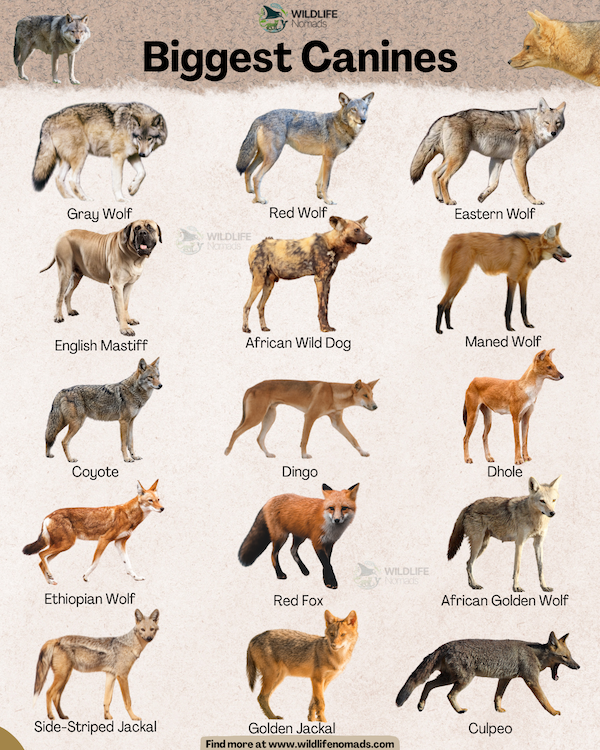
In this guide, I rank the 12 biggest canine species and giants alive today (not dog species, which is what some people may expect), from the gray wolf to the long-legged maned wolf. You will find how much they weigh, where they roam, and which ones I have tracked in the wild myself. Some are apex predators. Some are critically endangered. All of them are extraordinary.
What Counts as a Canine?
Every animal here belongs to the family Canidae, the dog family. That includes wolves, jackals, foxes, the domestic dog, and a handful of oddballs that fit nowhere else. Most large members sit inside the genus Canis, though a few wear their own scientific name proudly. This list of canine species runs from gray wolves to the biggest wild dog species on three continents.
Large wild canids share a toolkit. They are built for long-distance travel, with refined senses of hearing, smell, and vision. They communicate through urine and scent marking. Many are social animals that live in family groups. Keep that blueprint in mind as we count down the largest canine species on Earth.

1. Gray Wolf (Canis lupus)
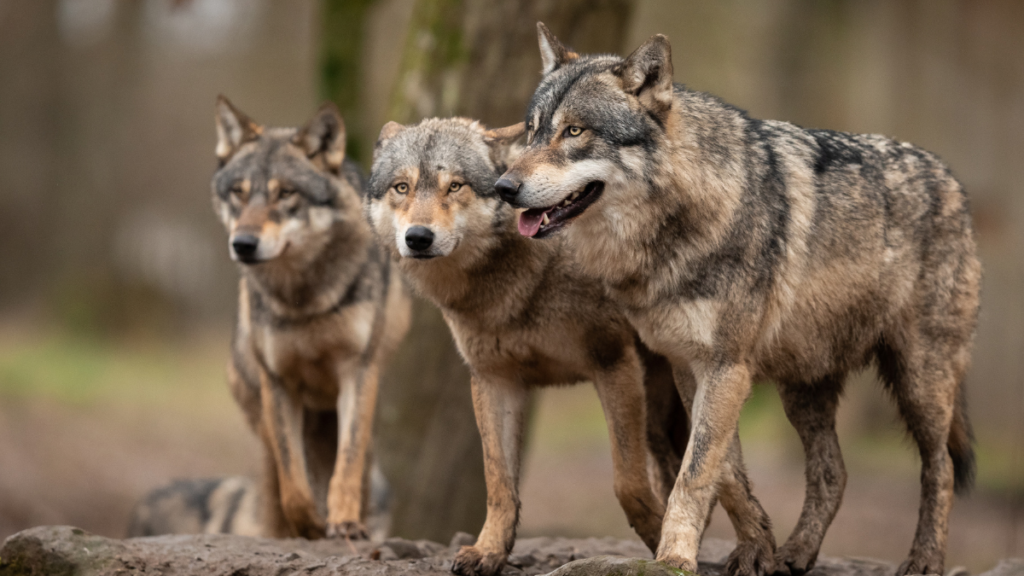
The gray wolf is the largest living member of the dog family, and the standard against which every other big canine gets measured. A large male can weigh up to 80 kg (176 pounds), stand 2.6 to 2.8 feet at the shoulder, and stretch 4.5 to 6.5 feet from nose to tail. Scientists recognize over 30 gray wolf subspecies, from the Arctic tundra to the deserts of the Middle East.
Gray wolves are apex predators and a keystone species. When wolves vanish, ecosystems unravel; when wolves return, rivers and forests heal. I watched this firsthand in Yellowstone, where a single pack of gray wolves reshaped an entire valley. Wolves hunt large prey such as elk and bison in coordinated packs, and the strong jaw of gray wolves can crush bone few other canids touch.
That power makes the gray wolf, Canis lupus, the strongest canid alive. Gray wolves are also the wild ancestor of every domestic dog on the planet, which is why no list of wolves starts anywhere else.
2. Eastern Wolf (Canis lycaon)
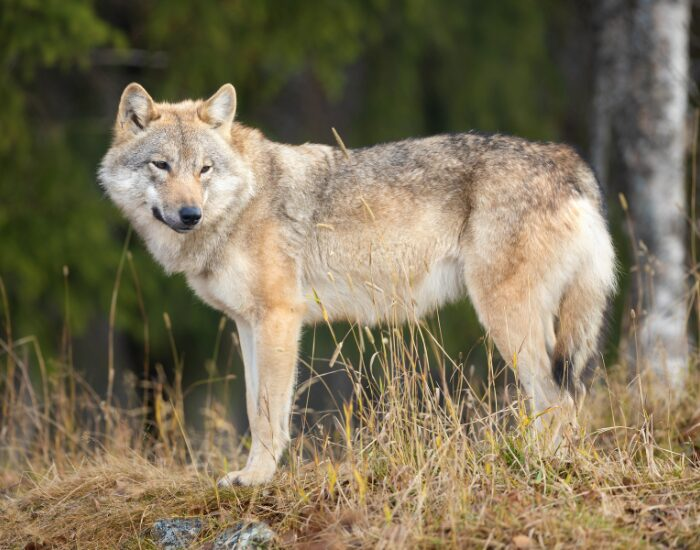
The eastern wolf is a slighter, more secretive cousin, slightly smaller than its gray relative. Found mainly in the forests around the Great Lakes and eastern Canada, it weighs roughly 50 to 65 pounds. For years biologists argued whether it was a true wolf, a hybrid, or a separate species entirely.
Genetic work now supports the eastern wolf, Canis lycaon, as its own species rather than just a regional gray wolf. Like other wolves, eastern wolves are social animals that hunt deer and beaver in tight family groups. Where gray wolves are absent, these smaller wolves slot neatly into the same role.
3. Red Wolf (Canis rufus)
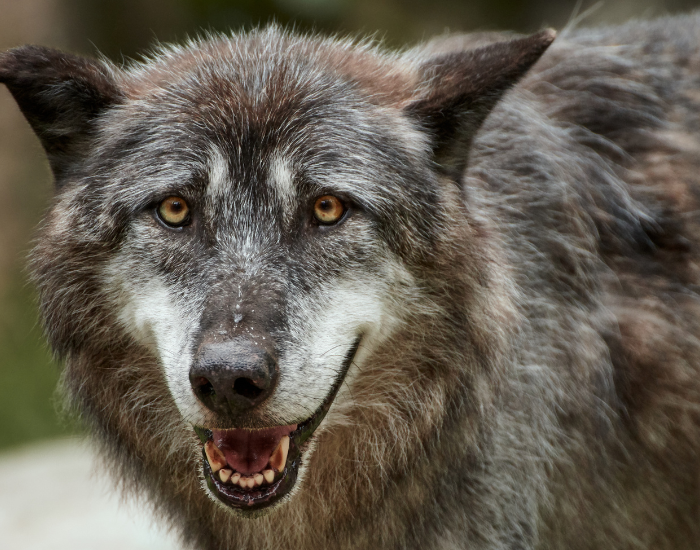
The red wolf is North America’s most heartbreaking conservation story. These wolves weigh between 40 and 80 pounds and once ranged across the southeastern United States. By the 1980s, red wolves were declared extinct in the wild.
A captive-breeding program pulled the red wolf, Canis rufus, back from the brink, and these wolves have been reintroduced in North Carolina. Even so, only around 30 adult red wolves exist in the wild today. The IUCN Red List ranks red wolves as critically endangered, arguably the rarest wild canid on Earth. I visited the Albemarle Peninsula recovery zone and saw exactly zero wolves in four days, which tells you everything about how thin their numbers are.
4. Ethiopian Wolf (Canis simensis)
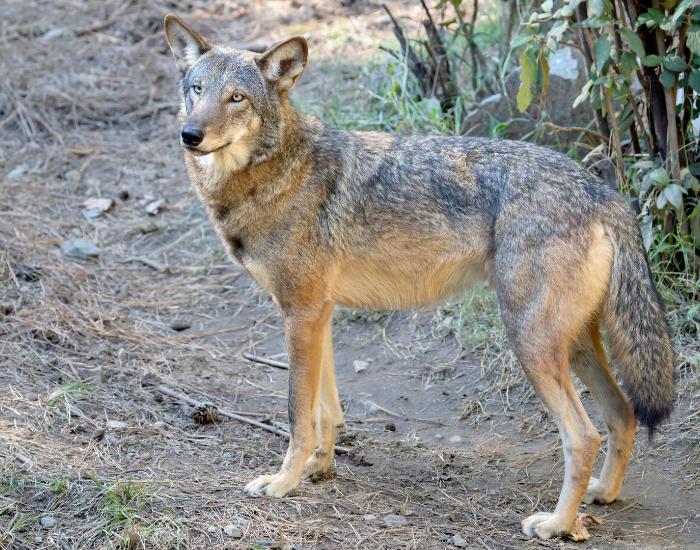
Africa’s most endangered carnivore is also one of its most beautiful. Ethiopian wolves weigh between 16 and 44 pounds, with a rusty coat and a slender, almost fox-like frame. They are endemic to the Ethiopian Highlands, surviving on high-altitude moorlands above 3,000 meters.
Unlike most wolves, the Ethiopian wolf, Canis simensis, primarily hunts rodents during the day, trotting across alpine meadows to pounce on giant mole-rats. Fewer than 200 Ethiopian wolves remain in the wild, scattered across a handful of mountain pockets. These wolves are so specialized that they live nowhere else on Earth. Climbing the Bale Mountains to glimpse Ethiopian wolves ranks among the hardest and most rewarding things I have done in this job. Disease passed from domestic dogs is the most serious threat these wolves face.

5. African Golden Wolf (Canis lupaster)
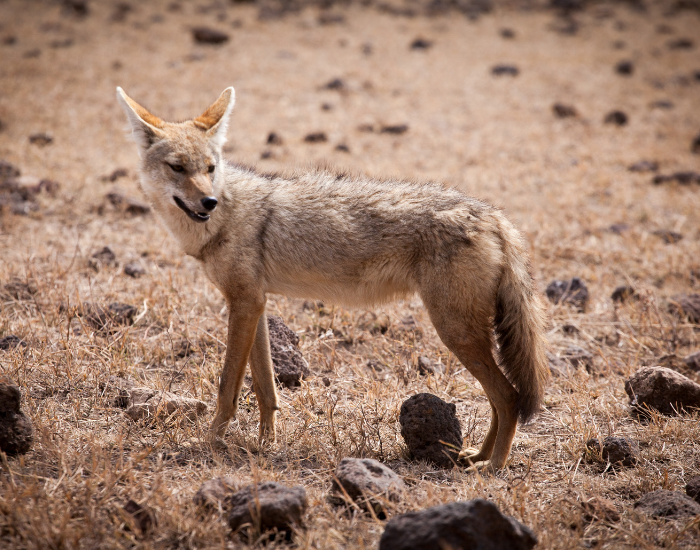
For over a century, scientists filed this animal under “golden jackal.” Then DNA revealed a surprise: the African golden wolf is a distinct species, more closely related to wolves than jackals. It roams northern Africa and parts of eastern Africa, from the Sahara’s edge to the Horn.
Lean and adaptable, the African golden wolf weighs around 15 to 35 pounds and survives on a remarkably varied diet. It will take small mammals, insects, fruit, and carrion with equal enthusiasm. I have watched a pair trot along a Egyptian ridge at dusk, perfectly at home in country that would kill a less flexible predator.
6. African Wild Dog (Lycaon pictus)
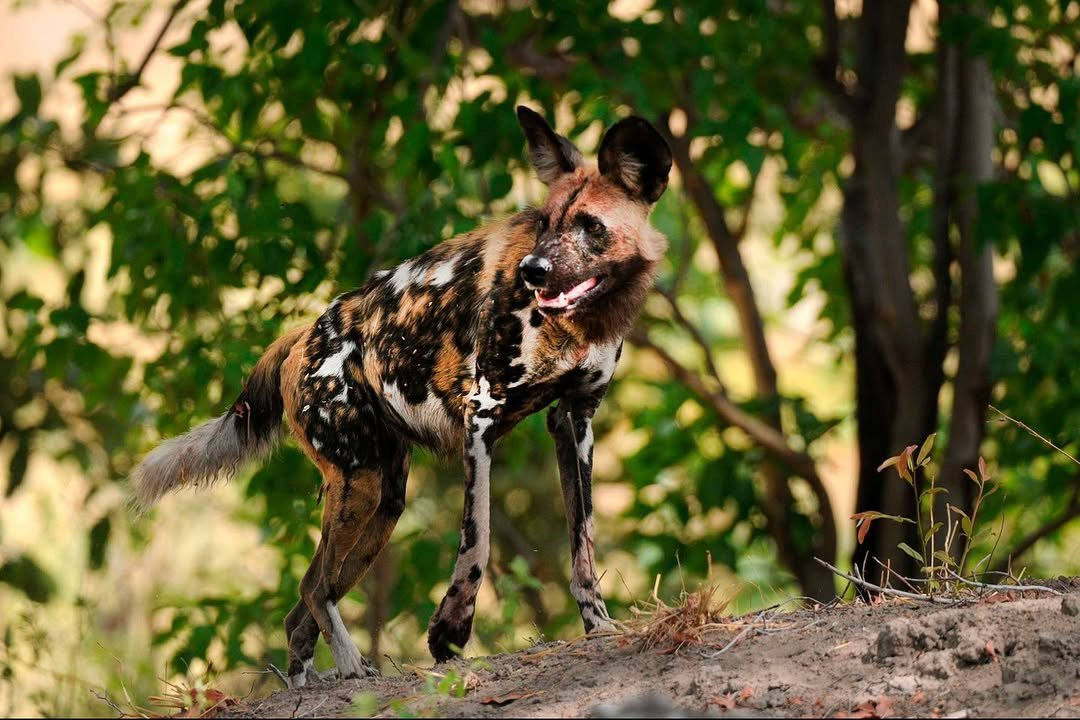
If I could show you one animal in this guide, it would be this one. African wild dogs are instantly identified by their painted coat patterns and large ears. No two carry the same mottled coat, which is why their scientific name, Lycaon pictus, means “painted wolf.”
These wild dogs weigh between 40 and 79 pounds and stand 24 to 30 inches tall at the shoulder. African wild dogs live in packs of up to 25 adults and rank among the most successful pack hunters in Africa, with kill rates that put lions to shame. I followed a pack of wild dogs across Botswana’s Okavango for three days, and their cooperative hunts left me genuinely speechless. Sadly, African wild dogs are listed as Endangered on the IUCN Red List, with fewer than 1,500 adults left in the wild (although the total population including yearlings and pups sits closer to 5,000–6,600 across fragmented populations). Few of the biggest wild dogs are vanishing faster.
7. Dhole (Cuon alpinus)
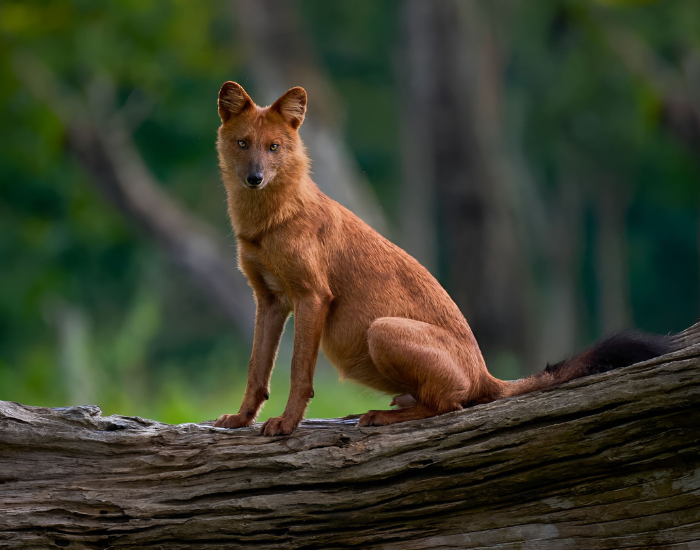
The dhole is Asia’s answer to the African wild dog, and one of the most overlooked among the biggest wild dogs. These russet-colored wild dogs weigh between 22 and 37 pounds, occasionally reaching 40 kg (88 lb) in the largest males. They range across Central Asia and Eastern Asia, from India’s Western Ghats to the forests of Southeast Asia.
Dholes are famous for their cooperative hunting strategies… These russet-colored wild dogs typically weigh between 22 and 37 pounds (10 to 17 kg). However, they show massive regional variation: the largest males of the rare northern subspecies can double that size, occasionally reaching an astonishing 40 kg (88 lb). They range across Central Asia and Eastern Asia, from India’s Western Ghats to the forests of Southeast Asia.
8. Maned Wolf (Chrysocyon brachyurus)
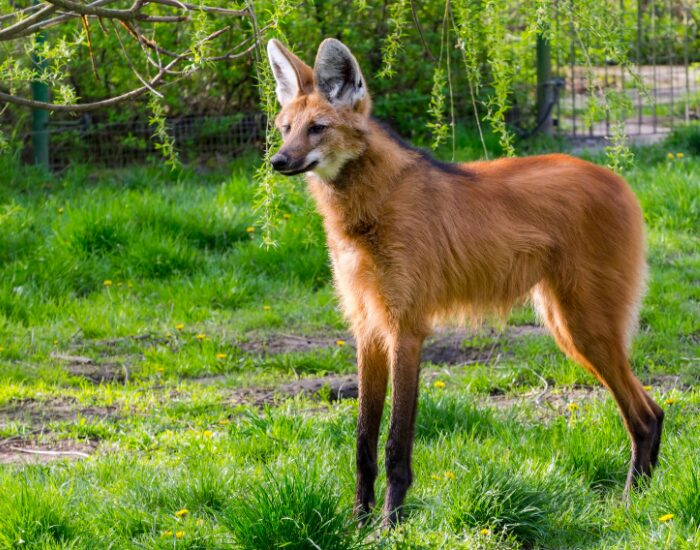
The maned wolf is the strangest entry on this list and the tallest canid in the world. It is not a true wolf at all but its own species, Chrysocyon brachyurus, the only member of its genus. Its absurdly long legs earn it the nickname “fox on stilts,” lifting its eyes above the tall grasses of South America’s Cerrado.
Standing nearly three feet at the shoulder despite weighing only 44 to 55 pounds, the maned wolf is a solitary forager rather than a pack hunter. Its varied diet leans heavily on fruit, especially the “wolf apple,” alongside small animals and insects.
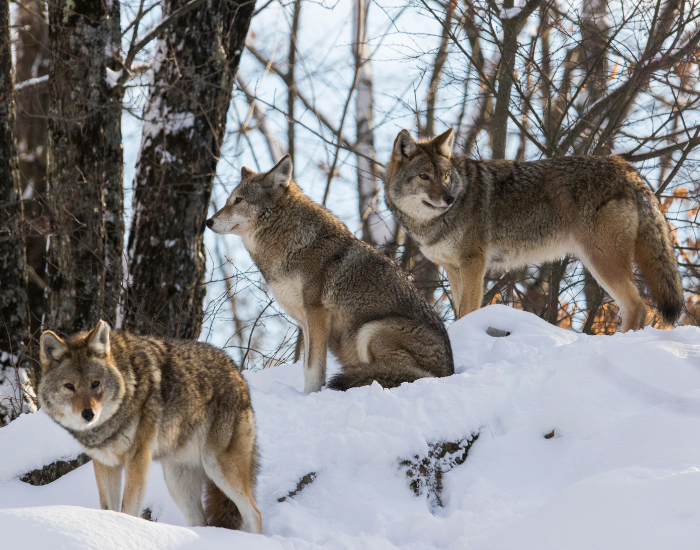
9. Coyote (Canis latrans)
No canid has out-thought us quite like the coyote. Once confined to the open plains, Canis latrans now thrives from Central America to Alaska, including the heart of Chicago and Los Angeles. Coyotes weigh 20 to 50 pounds and fill the gap left wherever wolves were wiped out.
I have crossed the Rio Grande and watched coyotes work irrigation ditches at dawn with the calm of an animal that owns the place. They are not an invasive species in the strict sense, since they spread naturally, but their range explosion is one of the great wildlife stories of our century. Endlessly adaptable, the coyote eats whatever the season offers.
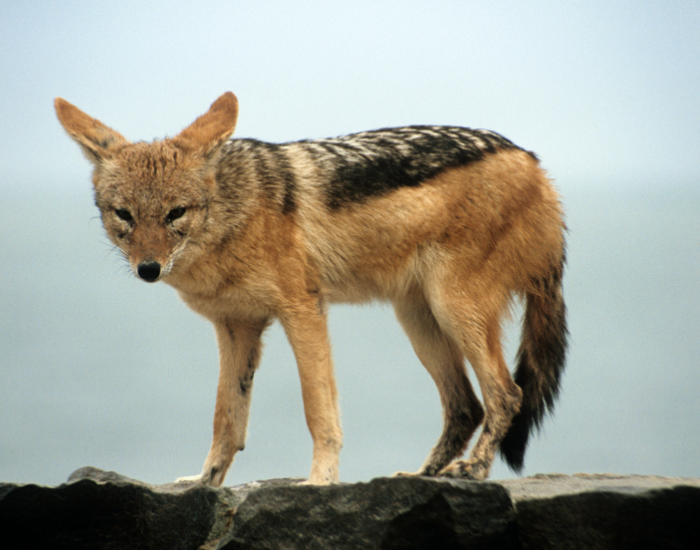
10. Jackals: Black-backed and Side-striped (Canis mesomelas & Canis adustus)
Jackals prove that “biggest” is not the whole story; sometimes the most interesting canines are mid-sized. They also show how fast science moves. While older textbooks list them under the genus Canis, recent genetic mapping has moved both the black-backed jackal and the side-striped jackal into their own distinct genus: Lupulella. They split from the main wolf lineage millions of years ago.
Both species weigh 15 to 30 pounds and live in monogamous pairs that defend a shared territory. The black-backed jackal is a sharp-featured opportunist with a silver saddle, while the side-striped jackal is slightly larger and prefers wetter woodlands.
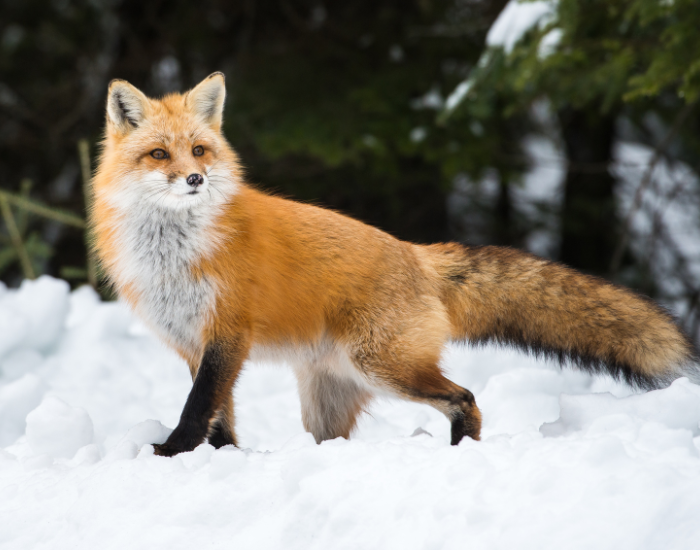
11. Red Fox (Vulpes vulpes)
The red fox is the largest of the true foxes and the most widespread wild member of the dog family on Earth. It carries a luxuriant brush of a tail and weighs a modest 8 to 15 pounds, yet its range dwarfs every wolf on this list. You will find the red fox across North America, Europe, Asia, north Africa, and even Australia, where it is a damaging invasive species.
Red foxes raise pups in an underground den and hunt small mammals with a famous high-pouncing leap. In Australia, introduced foxes have devastated native wildlife, a reminder that “successful” and “welcome” are not the same thing. I have photographed red foxes on three continents, and their bushy tails and large ears never lose their charm.
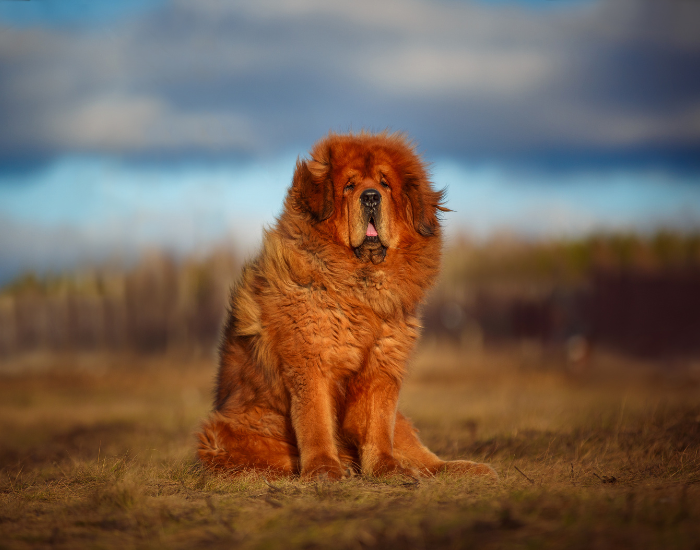
12. Domestic Giants: Mastiff, Great Dane, and Wolfhound (Canis lupus familiaris)
No roundup of the biggest canine would be complete without our own creations. The domestic dog, Canis lupus familiaris, includes giants that rival any wild wolf in sheer mass. The largest dog breeds are ranked by height and weight, and three names dominate the record books.
The English Mastiff is recognized as the heaviest dog breed, with the all-time record holder tipping the scales at over 340 pounds. The Great Dane consistently holds the height crown; Zeus, a Great Dane from Michigan, still holds the all-time Guinness World Record at a towering 44 inches at the shoulder. While recent titleholders like Kevin (who passed away in 2024) have come close, Zeus’s historic peak remains unbroken. Irish Wolfhounds can stand over 3 feet tall…
Frequently Asked Questions
The largest canid ever was Epicyon haydeni, a bone-crushing dog that lived in North America millions of years ago. It reached up to 170 kg (370 lb), roughly the size of a brown bear. It went extinct around 5 million years ago, dwarfing every living wolf.
The gray wolf is the largest canine species by body mass, followed by the eastern wolf and red wolf. Among wild dogs, the African wild dog and the dhole are the biggest pack hunters. The English Mastiff, whose scientific name is Canis lupus familiaris, is the heaviest domestic dog.
The maned wolf is the tallest wild canid, standing nearly three feet at the shoulder, a touch taller than most gray wolves. Its extreme height comes from unusually long legs, not body size, which is why it earned the nickname “fox on stilts.” Among domestic dogs, the Great Dane is taller still.
The gray wolf is the strongest living canid, with a bite force powerful enough to crush large bones. Pack coordination lets wolves bring down prey many times their own weight, making them the most formidable hunters in the dog family.
Canines, or canids, are all members of the family Canidae. This list of canine species includes wolves, the African wild dog, dholes, jackals, the maned wolf, true foxes such as the red fox, coyotes, and every domestic dog. They share long legs, keen senses, and scent-marking behavior.
Why These Giants Matter
The biggest canine species are not trophies; they are barometers. When wolves return to a landscape or red wolves cling to a North Carolina marsh, they tell us whether wild systems still work. From the apex gray wolf to the long-legged maned wolf, every animal on this list is a thread in something larger, and several are fraying fast.
So go look for yourself. Watch a coyote at dawn, support a red wolf recovery program, or simply notice the dog asleep at your feet. If you loved this, explore my deep dives on the many types of foxes, the surprising subspecies of coyotes, and the clever world of jackals. For more record-breakers, see my features on the biggest frog in the world and the largest octopus. Then tell me in the comments: which canine would you most want to track in the wild?
Can You Name the Biggest Canines?
Eleven wild dogs, wolves, and foxes. Tap an answer, then move through with Next.
Which canine is this?
Nice work!
References:
Hendricks, S. A., Schweizer, R. M., & Wayne, R. K. (2019). Conservation genomics illuminates the adaptive uniqueness of North American gray wolves. Conservation Genetics, 20(1), 29–43. https://doi.org/10.1007/s10592-018-1118-z
Marino, J., Lai, S., Eshete, G., & Sillero-Zubiri, C. (2024). Conservation with hard borders: Ethiopian wolves are threatened by fragmentation and isolation. Wildlife Biology, 2024, Article wlb3.01331. https://doi.org/10.1002/wlb3.01331
Koepfli, K.-P., Pollinger, J., Godinho, R., et al. (2015). Genome-wide evidence reveals that African and Eurasian golden jackals are distinct species. Current Biology, 25(16), 2158–2165. https://doi.org/10.1016/j.cub.2015.06.060
Woodroffe, R., & Sillero-Zubiri, C. (2020). Lycaon pictus (African wild dog). The IUCN Red List of Threatened Species, e.T12436A166502262. https://doi.org/10.2305/IUCN.UK.2020-1.RLTS.T12436A166502262.en
Kamler, J. F., Songsasen, N., Jenks, K., et al. (2015). Cuon alpinus (dhole). The IUCN Red List of Threatened Species, e.T5953A72477893. https://doi.org/10.2305/IUCN.UK.2015-4.RLTS.T5953A72477893.en
Tchaicka, L., et al. (2016). Molecular assessment of the phylogeny and biogeography of a recently diversified endemic group of South American canids (Mammalia: Carnivora: Canidae). Genetics and Molecular Biology, 39(3), 442–451. https://doi.org/10.1590/1678-4685-gmb-2015-0189
Hinton, J.W., White, G.C., Rabon, D.R., Jr. and Chamberlain, M.J. (2017), Survival and population size estimates of the red wolf. Jour. Wild. Mgmt., 81: 417-428. https://doi.org/10.1002/jwmg.21206