

There is a specific kind of adrenaline that only a biologist understands. It’s that moment when you’re trekking through a humid cloud forest or diving into a remote reef, and you see something that doesn’t quite fit the guidebook. And you think, maybe that could be a new species. In my years traveling to to find wildlife, I’ve learned one absolute truth: Earth is still very much an unexplored frontier.
People often ask if we’ve already found everything there is to find. The answer is a resounding no. In 2025 alone, taxonomists and researchers have described approximately 15,000 to 20,000 new species (including insects and plants). While many are microscopic, several newly discovered species of animals this year have completely upended what we thought we knew about evolution.
Here are the most significant, formally described animal discoveries of the last 24 months.
1. Metallic Poison Frog – Ranitomeya aquamarina
Spotting a poison dart frog is like finding a living breathing gemstone. The Ranitomeya aquamarina, discovered in the lush forests of South America, is a showstopper. Unlike the typical fiery reds or yellows we see in this genus, this recently discovered frog sports a stunning, metallic turquoise-blue hue.
Researchers found this tiny amphibian tucked away in bromeliads, which act as miniature nurseries for their tadpoles. What’s critical to note here is its specialized habitat; it’s a micro-endemic species, meaning it lives in a very specific, small geographic range. This discovery highlights how much biodiversity is hidden in the canopy, often just a few meters above our heads.

2. Atlantic manta ray – Mobula yarae
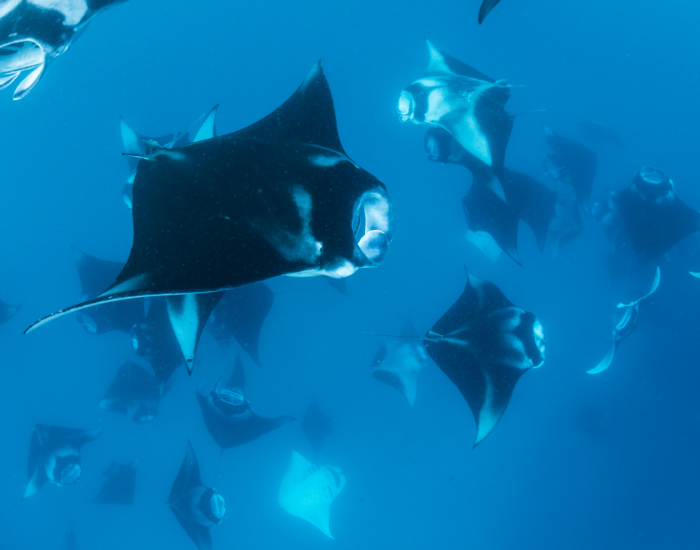
When I’m out on the water, seeing a manta ray glide or breach feels almost spiritual. For years, scientists suspected that some western Atlantic populations weren’t quite the same as the giant oceanic manta (Mobula birostris) or the reef manta (Mobula alfredi). In 2025, careful genetic and morphological analysis confirmed that Mobula yarae is a distinct species — the third manta ray species formally recognised.
Named after Yara, a water spirit from Indigenous Brazilian mythology, M. yarae has subtle but distinctive markings, including V-shaped white shoulder patches and a lighter face. To most of us, it looks nearly identical to its cousins — but genetically, it tells a different story. It’s a classic case of cryptic speciation: two animals that appear almost the same, yet are evolutionarily distinct.
Currently confirmed only in the western Atlantic (one of the best places to see mantas), this limited range may make the newly described species more vulnerable than its relatives — a reminder that even some of the ocean’s largest and most iconic animals can remain scientifically invisible for decades.

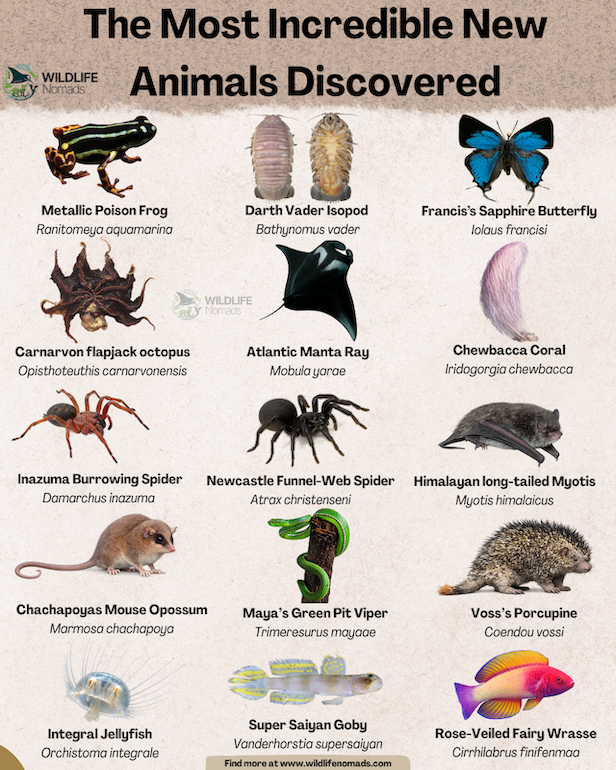
3. The ‘Darth Vader’ Giant Isopod – Bathynomus vaderi
Everyone is fascinated or terrified by the creatures of the deep sea, well, this one earns both reactions. Discovered from specimens collected off Vietnam in the South China Sea, Bathynomus vaderi is a newly described giant isopod whose distinctly shaped head resembles the helmet of Darth Vader — which is exactly how it got its name.
The species was identified after researchers noticed several specimens had a noticeably different head and tail shape compared to the well-known supergiant species Bathynomus jamesi. While much about its ecology remains unknown, like other giant isopods it inhabits cold, deep-sea environments. Its discovery — emerging not from a submersible, but from Vietnamese seafood markets — is a reminder that the deep ocean still holds species hiding in plain sight.
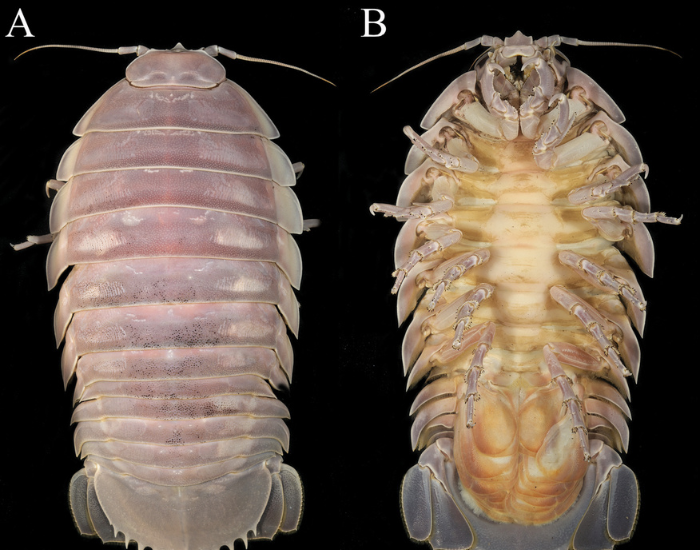
4. The Carnarvon Umbo Octopus – Opisthoteuthis carnarvonensis
The Carnarvon Flapjack Octopus (Opisthoteuthis carnarvonensis) is a newly described deep-sea “dumbo” octopus discovered in a canyon off northwestern Australia. Collected during a 2022 CSIRO voyage, this species lives at depths of 1,044–1,510 metres in the Carnarvon Canyon and Gascoyne Marine Parks, far below where sunlight penetrates.
This small species grows to around 4 cm in diameter and has a soft, gelatinous body with orange-brown coloration and large eyes adapted for dim light. Like other flapjack octopuses, it can flatten its body into a pancake-like shape or lift its arms to resemble a tiny umbrella. As a cirrate (“dumbo”) octopus, it possesses cirri (small finger-like projections) along its arms, but the press release does not specify that cirri arrangement is what distinguishes this species.
Unlike most shallow-water octopuses, dumbo octopuses do not produce ink and cannot change colour. Very little is currently known about the ecology or lifestyle of O. carnarvonensis, but its discovery adds to Australia’s remarkably high diversity of deep-sea octopus species.
5. The Francis’s Sapphire Butterfly – Iolaus francisi
In 2025, entomology gave us a jewel from the high-altitude forests of western Angola. Francis’s gorgeous sapphire (Iolaus francisi) was described from the Afromontane evergreen forests of the Namba Mountains, a rare and fragile ecosystem covering just a few hundred hectares.
The butterfly’s upper wings shimmer blue, edged in black, while its silvery underwings are patterned with fine orange and brown lines. Its caterpillars feed exclusively on mistletoe plants, mimicking the hairy buds along the stems, a delicate ecological relationship that ties the species directly to the health of its forest home.
I’ve often observed that butterflies are the “canaries in the coal mine” of ecosystems. The discovery of I. francisi highlights both the remarkable endemism of Angola’s mountain forests and the urgency of protecting them from fire, agriculture and timber harvesting. In places like Namba, entire webs of life depend on keeping the system intact.

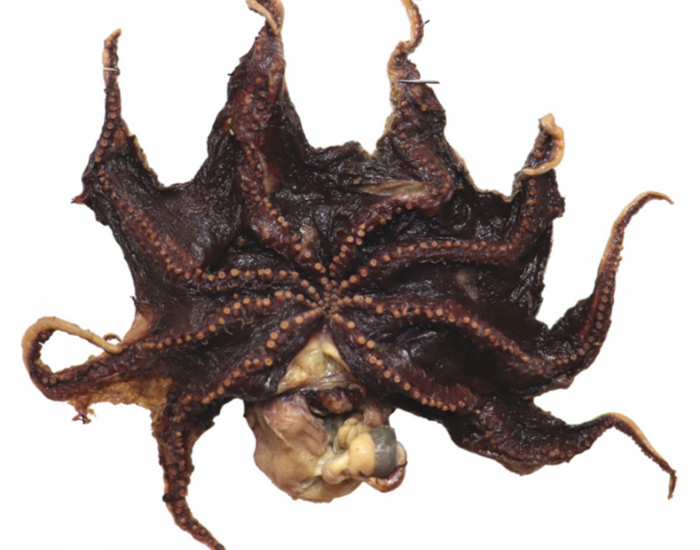
6. The Chewbacca Coral – Iridogorgia chewbacca
Continuing the Star Wars trend, this newly described species — and yes, corals are animals! it belongs to the genus Iridogorgia, a group of deep-sea corals known for their long, spiraling structures. Iridogorgia chewbacca was first observed in waters off Moloka’i in 2006 and later near the Mariana Trench in 2016, before being formally identified as a new species by Professor Les Watling of the University of Hawai’i.
It’s the coral’s long, flexible branches and shiny surface, giving it a distinctly hair-covered appearance – that reminded researchers of everyone’s favorite Wookiee. Despite its striking size (one specimen stood around four feet tall), I. chewbacca typically occurs alone, scattered across deep-sea rocky bottoms — a lone Wookiee of the ocean floor.
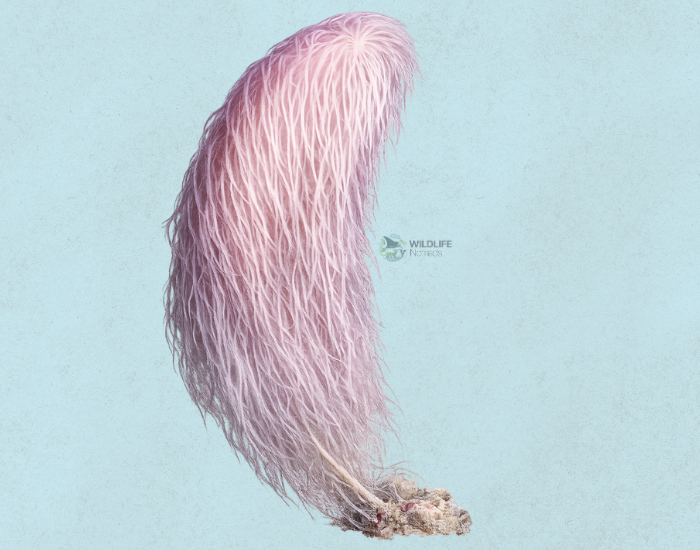
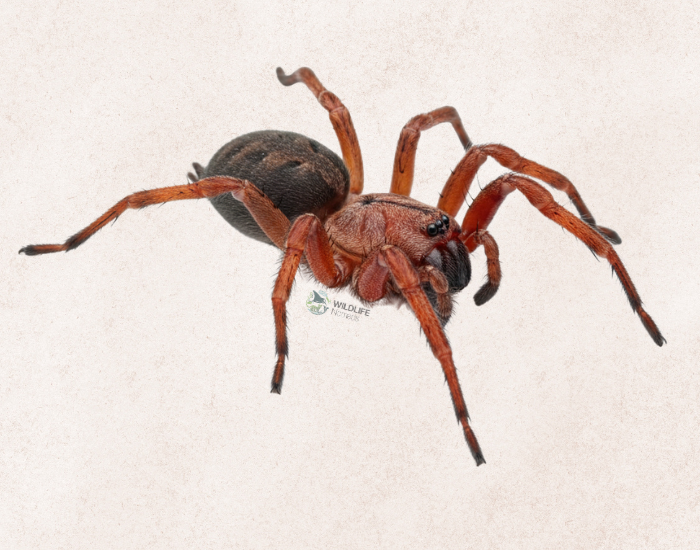
7. The Inazuma Burrowing Spider – Damarchus inazuma
Discovered during a field survey in Kanchanaburi, Thailand, Damarchus inazuma is a newly described species of wishbone spider belonging to the family Bemmeridae. At first glance, it may seem like just another burrow-dwelling mygalomorph, but this discovery came with a fun twist.
Researchers identified the species based on precise anatomical features: males possess three small spines on the tibial apophysis, while females have an elongated spermathecal stalk that curves inward. Even more extraordinary was the identification of a gynandromorph specimen — a spider split between male and female characteristics, internally and externally. It marks the first recorded case of gynandromorphism in the Bemmeridae family.
Burrowing spiders are notoriously difficult to study, spending much of their lives concealed underground. Discoveries like D. inazuma remind us that even in well-surveyed regions, entire species — and biological anomalies — can remain hidden just beneath our feet.
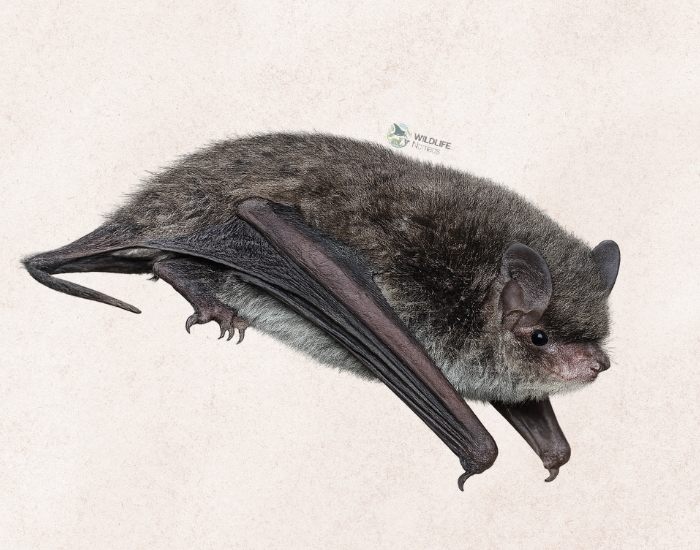
8. Himalayan Long Tailed myotis – Myotis himalaicus
Bats make up roughly 20% of all mammal species, yet scientists still untangle their true diversity. In 2025, researchers confirmed the Himalayan long-tailed Myotis (Myotis himalaicus) as a distinct species. They based this conclusion on a reassessment of bat populations in Uttarakhand’s high-altitude forests in the Western Himalayas.
Scientists first encountered the bat during field surveys in 2016 and 2017. At that time, they identified it as Myotis cf. frater, an East Asian species. However, researchers continued surveying the region and collected additional specimens. They then analyzed genetic data and detailed morphological traits. As a result, they confirmed the bat represents a separate species.
Therefore, this discovery shows that even well-studied mammal groups can conceal hidden diversity. Moreover, it highlights the importance of revisiting earlier classifications. Ultimately, careful taxonomic research continues to reshape our understanding of biodiversity.
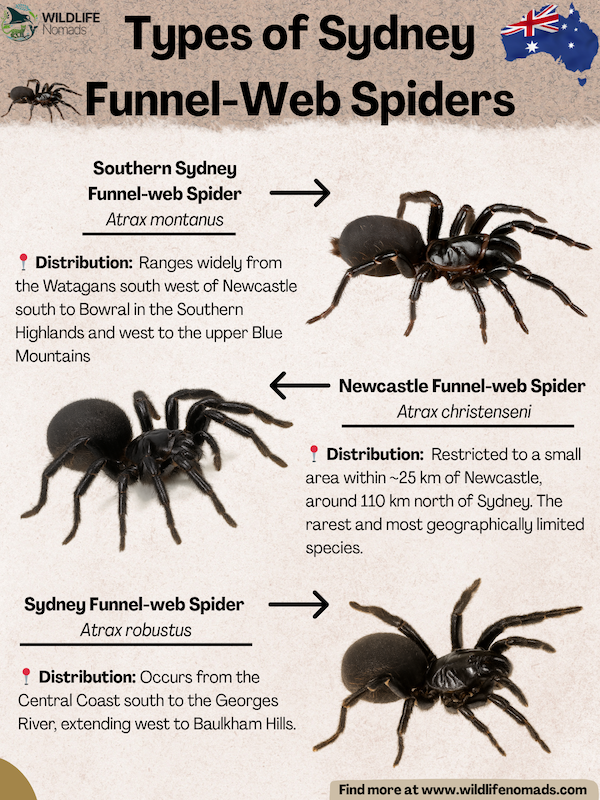
9. The Newcastle Funnel-Web Spider (Atrax christenseni)
For my friends in Australia, this one hits close to home. In 2025, scientists formally resolved what they called an “identity crisis” in Australia’s most infamous spider. What was once thought to be a single Sydney funnel-web spider species has now been split into three — including the newly recognised Newcastle funnel-web, Atrax christenseni, found in the vicinity of Newcastle, north of Sydney.
Using detailed anatomical comparisons and DNA analysis, researchers confirmed that these large “Big Boy” spiders from Newcastle represent a distinct species. The classic Sydney funnel-web remains Atrax robustus, while the southern population is now recognised as Atrax montanus.
As a biologist, I find these spiders fascinating for their venom complexity. Funnel-web spiders rank among the deadliest animals in Australia. Therefore, understanding species differences can refine antivenom research. Moreover, discoveries like Atrax christenseni reshape how we view the broader animals of Australia.
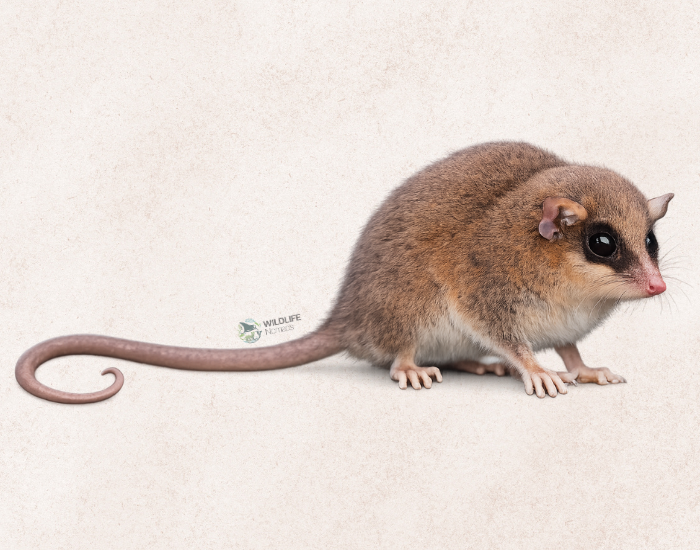
10. Chachapoyas Mouse Opossum – Marmosa chachapoya
Discovered in the cloud forests of the Peruvian Andes at 2,664 metres above sea level. They named the tiny marsupial after the ancient Chachapoya people. Scientists found the only known specimen in Abiseo River National Park, a UNESCO World Heritage site.
The animal measures just 10 centimetres long, with a 15-centimetre tail. It shows a distinctive dark “mask” around its eyes. Researchers noticed something unusual because it lived at a much higher altitude than other Marmosa species. Genetic sequencing later confirmed it differs by nearly 8% from its closest relatives.
11. Voss’s Porcupine (Coendou vossi)
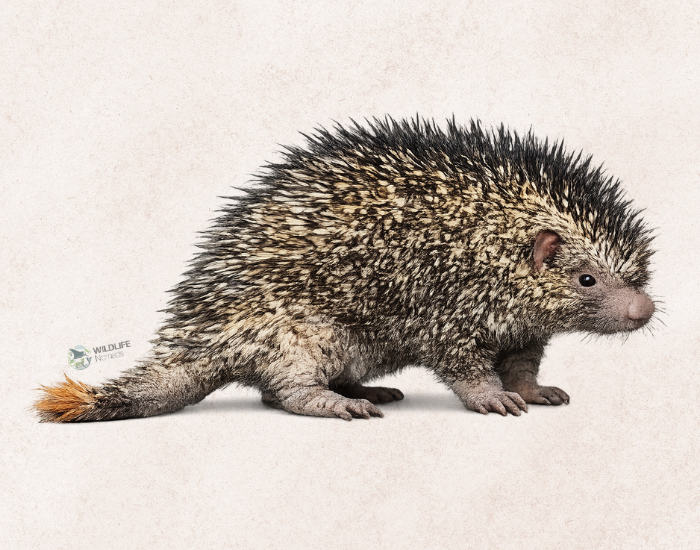
Researchers named Coendou vossi after mammalogist Robert S. Voss. In 2025, scientists described this porcupine from Colombia’s Magdalena Valley. Previously, researchers had mistaken it for closely related species.
However, detailed morphological comparisons and DNA analysis revealed its distinct identity. As a result, scientists formally recognized it as a separate species.
Although smaller than some porcupine relatives, C. vossi has a long prehensile tail. This tail helps it grip branches while climbing. Therefore, this discovery highlights how even medium-sized mammals can remain overlooked.
12. Maya’s Green Pit Viper – Trimeresurus mayaae (2023)
In the forests of northeast India, what was long assumed to be a familiar green pit viper has been revealed as something entirely distinct. Trimeresurus mayaae, described in 2023 from the states of Mizoram and Meghalaya, is a cryptic species — one that closely resembles its relatives but differs genetically and morphologically in subtle yet significant ways.
Researchers analyzed mitochondrial DNA and detailed anatomical features. They confirmed the viper is most closely related to Trimeresurus medoensis. The snake outwardly resembles T. gumprechti, which delayed recognition for years.
This discovery marks the third new species in this genus from the region in recent years. The finding shows that hidden diversity persists even among well-known venomous reptiles. Careful fieldwork and genetic tools continue to bring that diversity into focus.

13. The Balsas Basin “Nose Snake” – Yakacoatl tlalli
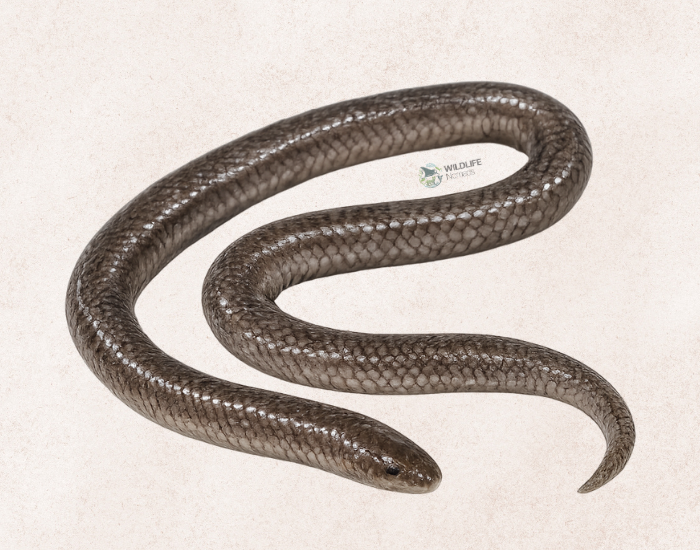
Researchers discovered an unknown Sonorini snake in Mexico’s dry Balsas Basin in Puebla. They collected two specimens and confirmed a new genus and species. Therefore, they named it Yakacoatl tlalli.
Scientists used genetic data and detailed morphology to place the species within Sonorini. They found close relationships to Mexico’s endemic genera Pseudoficimia and Sympholis. However, the new genus shows diagnostic traits that clearly separate it.
The name Yakacoatl comes from Nahuatl words meaning “nose” and “snake.” It references the pronounced, upturned rostral scale. Ultimately, this discovery highlights how fossorial snakes can evade detection for decades.
14. The Rose-Veiled Fairy Wrasse – Cirrhilabrus finifenmaa
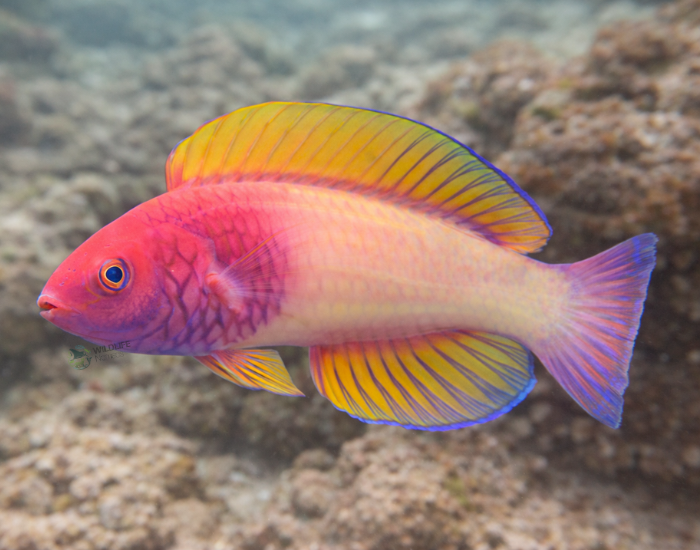
This is a new species of wrasse added to the list! Scientists confirmed a rainbow-coloured wrasse from the Maldives as a new species. They formally described Cirrhilabrus finifenmaa after years of research. Meanwhile, divers had noticed it on “twilight zone” reefs for decades.
Researchers found the fish between 50 and 150 metres deep. They initially confused it with Cirrhilabrus rubrisquamis from the Chagos Archipelago. However, the team showed two distinct species with different distributions.
This work became the first formal fish species description led by a Maldivian researcher. Therefore, it strengthens regional leadership in biodiversity science. Additionally, it raises concerns about aquarium trade pressure on newly described species.
15. Integral “Jellyfish” – Orchistoma integrale
A teenager spotted unusual jelly-like creatures in Tanabe Bay, Japan, in 2018. He collected specimens and raised them carefully at home. Then he contacted jellyfish expert Dr. Allen Collins.
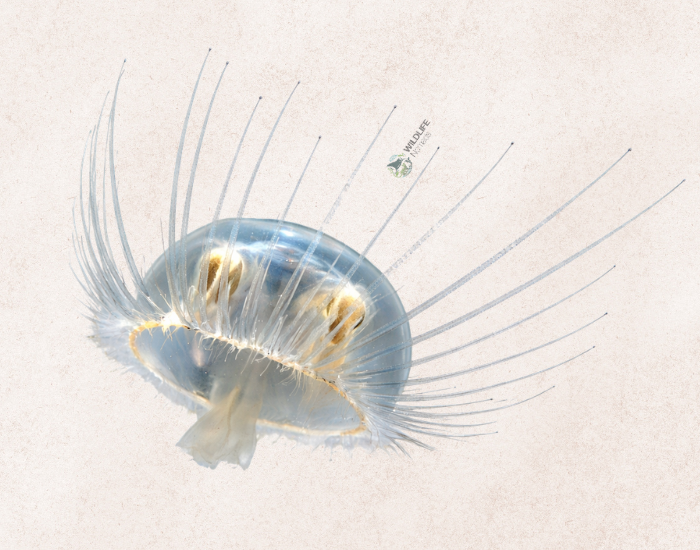
Researchers confirmed a new species and named it Orchistoma integrale. However, the species is a hydrozoan, not a “true” jellyfish. It forms a colony and shows prominently curled gonads.
The curled gonads resemble the mathematical integral symbol, which inspired the name. Additionally, the species shows an irregular number of tentacles and frilly lips. Scientists still need to confirm how dangerous its sting is to people.
Can You Name That Newly Discovered Species? 🔬
A 10-photo challenge featuring creatures science named in the last two years. Pick the species you think it is — go back and change any answer before you score.
Which newly named species is this?
FAQ: Your Questions About New Species Answered
One of the most significant vertebrate discoveries is Mobula yarae, the Brazilian Pygmy Devil Ray, confirmed through genomic sequencing. Among invertebrates, Bathynomus vaderi — the Darth Vader giant isopod — attracted global attention in January 2025.
As of early 2026, the most recently described species are likely deep-sea invertebrates or insects published in peer-reviewed journals within the past weeks. New discoveries are formally described almost daily across the world.
Thousands of species have been formally described since 2020. Highlights include new tarantulas in Thailand, deep-sea octopuses off Australia, and multiple poison dart frog species in the Amazon. The pace of discovery is accelerating, thanks to genomic sequencing and acoustic monitoring technology.
Mobula yarae is one of the largest — a ray species previously overlooked off the Brazilian coast. Bathynomus vaderi, at over 32 cm long, is also considered a “supergiant” and one of the largest newly described invertebrates in recent years.
Scientists estimate over 80% of Earth’s species remain undescribed. The greatest unknowns lie in the deep ocean — below 200 metres — and within tropical rainforest soils, where millions of insect and microbial species await discovery.
Attenborough’s Long-Beaked Echidna (Zaglossus attenboroughi) was confirmed alive in the Cyclops Mountains of Indonesia in late 2023, after being feared extinct for over 60 years — one of the most remarkable wildlife rediscoveries of recent times
A Biologist’s Perspective: Why This Matters
When we talk about new species discovered today, it’s easy to get caught up in the cool factor. However, as someone who has spent years in the field, I see each discovery as a race against time. We find these animals just as their habitats face unprecedented pressure from deforestation, climate change, and overexploitation.
Scientists estimate that over 80% of Earth’s species remain undiscovered, particularly in the deep oceans and tropical rainforest soils. Every newly discovered creature is a piece of the puzzle. When we lose a species before we even name it, we lose a chapter of Earth’s history forever.
Every newly discovered creature is a piece of a puzzle. When we lose a species before we even name it, we lose a chapter of Earth’s history.
References:
Bucair, N., Hinojosa-Alvarez, S., Marshall, A. D., Pate, J., Stewart, J. D., Venables, S. K., Carpenter, M., & Mendonça, S. A. (2025). An integrative taxonomy investigation unravels a cryptic species of Mobula Rafinesque, 1810 (Mobulidae, Myliobatiformes) from the Atlantic Ocean. Environmental Biology of Fishes. https://doi.org/10.1007/s10641-025-01727-2
Loria, S. F., Frank, S.-C., Dupérré, N., Smith, H. M., Jones, B., Buzatto, B. A., & Harms, D. (2025). The world’s most venomous spider is a species complex: Systematics of the Sydney funnel-web spider (Atracidae: Atrax robustus). BMC Ecology and Evolution, 25, Article 7. https://doi.org/10.1186/s12862-024-02332-0
Mônico, A. T., Koch, E. D., Dayrell, J. S., Moravec, J., & Lima, A. P. (2025). An Amazonian hidden gem: a new metallic-colored species of Ranitomeya (Anura, Dendrobatidae) from Juruá River basin forests, Amazonas state, Brazil. ZooKeys, 1236, 51–83. https://doi.org/10.3897/zookeys.1236.146533
Ng, P. K. L., Sidabalok, C. M., & Nguyen, T. S. (2025). A new species of supergiant Bathynomus A. Milne-Edwards, 1879 (Crustacea, Isopoda, Cirolanidae) from Vietnam, with notes on the taxonomy of Bathynomusjamesi Kou, Chen & Li, 2017. ZooKeys, 1223, 289–310. https://doi.org/10.3897/zookeys.1223.139335
Ramírez-Chaves, H. E., Mazepa, G. O., Morales-Martínez, D. M., Suárez-Castro, A. F., Colmenares-Pinzón, J. E., Pulido-Santacruz, P., & Noguera-Urbano, E. A. (2025). A review of the Quichua porcupine Coendou quichua complex (Rodentia: Erethizontidae) with the description of a new species from Colombia. Journal of Mammalogy, 106(3), 764–781. https://doi.org/10.1093/jmammal/gyae140
Rathee, Y. S., Purkayastha, J., Lalremsanga, H. T., Dalal, S., Biakzuala, L., Muansanga, L., & Mirza, Z. A. (2022). A new cryptic species of green pit viper of the genus Trimeresurus Lacépède, 1804 (Serpentes, Viperidae) from northeast India. PloS one, 17(5), e0268402. https://doi.org/10.1371/journal.pone.0268402





.jpg)


