
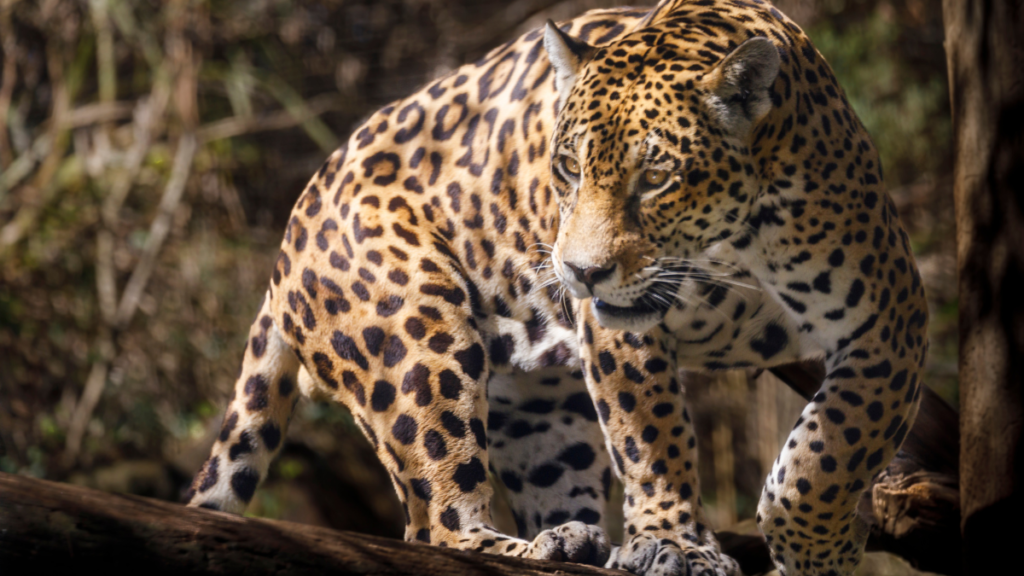
Brazil it’s far more than just samba, soccer, and beautiful beaches. Along the winding rivers of the Amazon, a world of extraordinary wildlife awaits in the jungle. In a single country, you’ll find the world’s largest tropical wetlands, the legendary Amazon rainforest, and remnants of ancient Atlantic forests. These are without a doubt, some of the best places in the country to see animals. Each habitat teems with creatures that are as distinctive as they are awe-inspiring. Below, we’ll unveil ten iconic species that define the animals of Brazil. We’ll also explore pressing conservation challenges and how visitors like you can help support their survival.

1. Jaguar (Panthera onca)
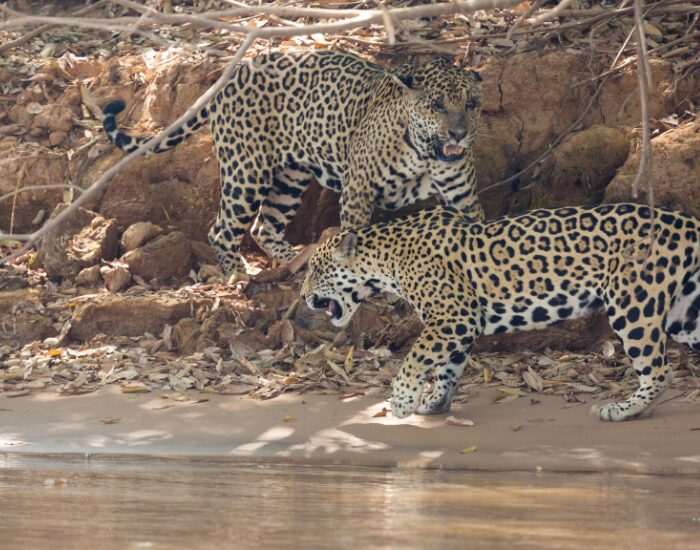
The jaguar ranks as South America’s largest and most iconic cat. Found in dense Amazonian rainforests and the open wetlands of the Pantanal, it’s a symbol of stealth, gracefulness and strength for indigenous cultures. This apex predator helps control populations of capybaras, deer, and other prey, thus maintaining balance within the ecosystem. Jaguars are threatened by habitat fragmentation, illegal hunting, and conflicts with ranchers, although community-based initiatives in regions like the Pantanal have shown promise by compensating landowners who manage their properties in jaguar-friendly ways (Panthera).
2. Golden Lion Tamarin (Leontopithecus rosalia)
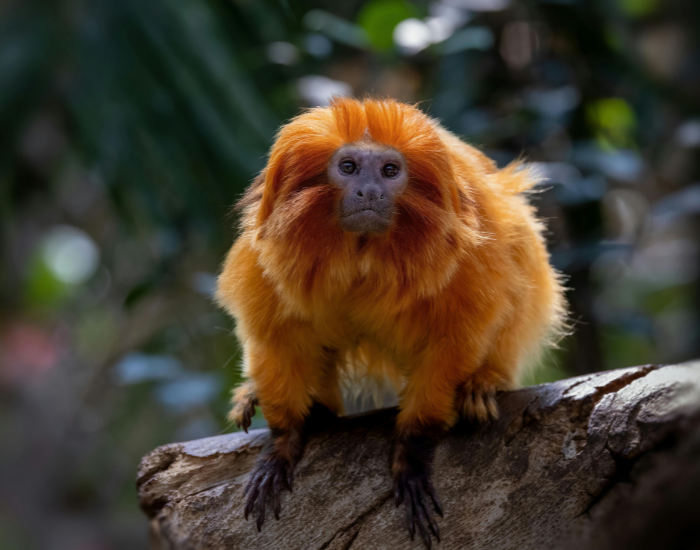
The golden lion tamarin might look like a tiny primate with a regal mane. Yet it’s actually a powerful symbol of hope in Brazil’s fragmented Atlantic Forest. Fewer than 2% of this lush coastal biome remains. However, decades of reintroduction and habitat restoration have raised tamarin numbers from near extinction to a few thousand individuals.
Clad in fiery orange fur, these small monkeys move through tree canopies in tight-knit family groups. They feed on fruits, nectar, and insects.
Conservationists have championed wildlife corridors, patches of newly planted forest connecting once-isolated areas, to help these tamarins thrive. Their success proves that local communities, eco-minded tourism, and scientific research can unite to save an endemic species.
3. Pink River Dolphin (Inia geoffrensis)
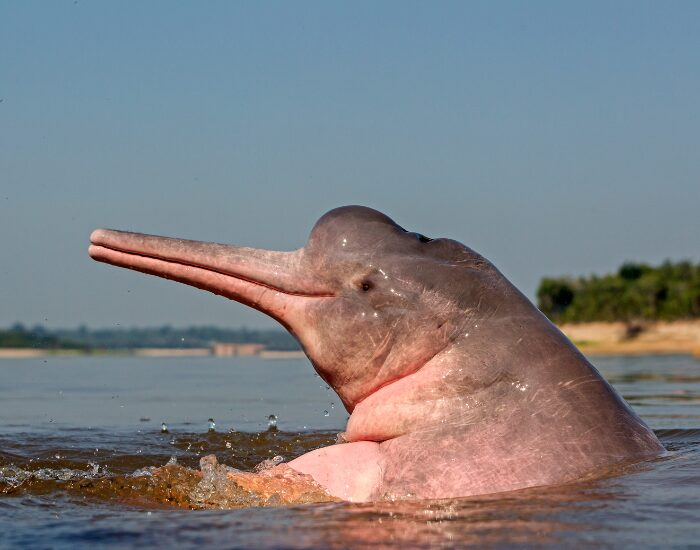
Deep in the tributaries of the Amazon and Orinoco Rivers, the pink river dolphin, also known locally as the “boto”, glides through shadowy waters. Their blush hue intensifies with age, and folklore often depicts them as shape-shifting beings. These dolphins navigate flooded forests to hunt fish and sometimes show playful curiosity toward humans. Yet they face threats from pollution, hydroelectric dams, and the illegal piracatinga fishery, which baits dolphins.
4. Giant Otter (Pteronura brasiliensis)
The giant otter, nicknamed “river wolf” for its fierce hunting style, roams the Pantanal and Amazon waterways in close-knit family groups. These sleek swimmers measure up to 1.7 meters (5.6 feet), using webbed feet and a strong tail to pursue fish, crabs, or even small caimans.
Sharp chirps and barks allow them to coordinate hunts and maintain social bonds. Giant otters were once decimated by the fur trade. Today, their numbers are rebounding in areas where ecotourism lodges and local communities collaborate to protect riverine habitats. Observing them devour fish on a sandy riverbank is a moment you’ll cherish. It’s a vivid reminder of just how vibrant Brazil’s freshwater ecosystems can be

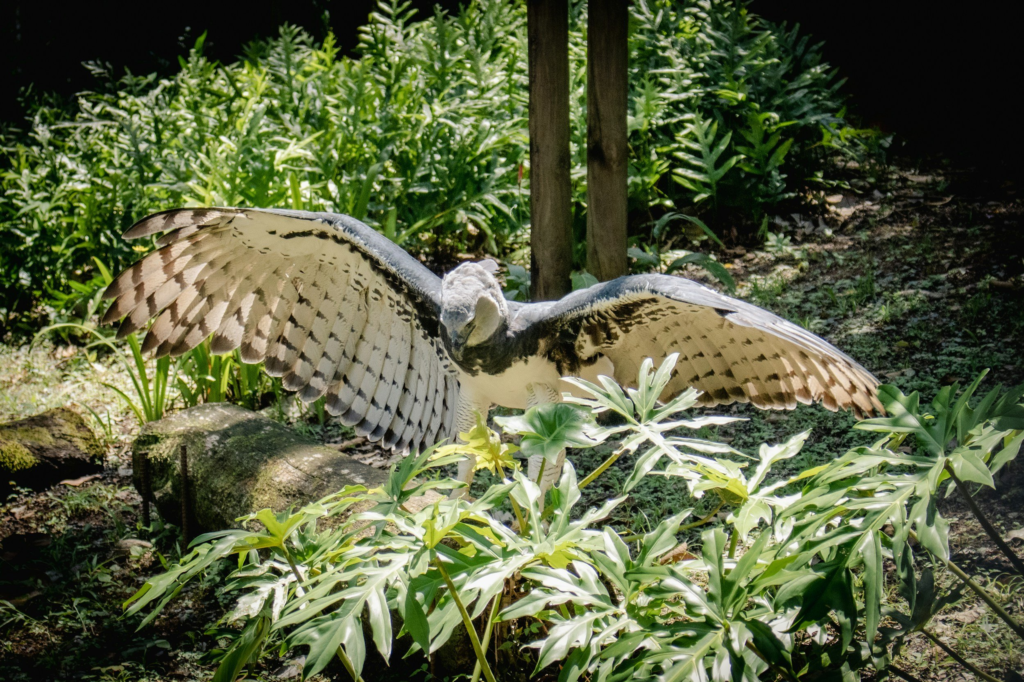
5. Harpy Eagle (Harpia harpyja)
With talons the size of grizzly bear claws and a wingspan nearing 2 meters (6.5 feet), the harpy eagle embodies power in Brazil’s lush forests. Preferring tall emergent trees, they prey on sloths and different types of monkeys – like the capuchin monkey – displaying remarkable agility despite their massive build. Their forest homes face unrelenting pressure from agriculture and logging, leaving harpy eagles vulnerable to habitat loss.
Conservationists use satellite tracking and community education in hotspots like the Amazon and Atlantic Forest edges, showcasing how apex predators reflect overall forest health. Catching a glimpse of a harpy eagle perched high above the canopy affirms why many call it the “holy grail” of South American birdwatching.
6. Capybara (Hydrochoerus hydrochaeris)
Meet the largest rodent on Earth, the capybara, whose laid-back demeanor and social herds have endeared them to wildlife watchers across Brazil. Often found in watery habitats of the Pantanal and even urban parks, capybaras graze on grasses, aquatic plants, and fruit, playing an essential role in shaping vegetation and distributing seeds.
With robust populations, they frequently cross paths with humans, sometimes raising concerns about crop damage. However, well-managed ecotourism operations encourage peaceful coexistence and underscore the rodent’s ecological importance. A morning safari in the Pantanal might reveal a group of capybaras contentedly soaking in a lagoon, their heads bobbing just above the waterline.

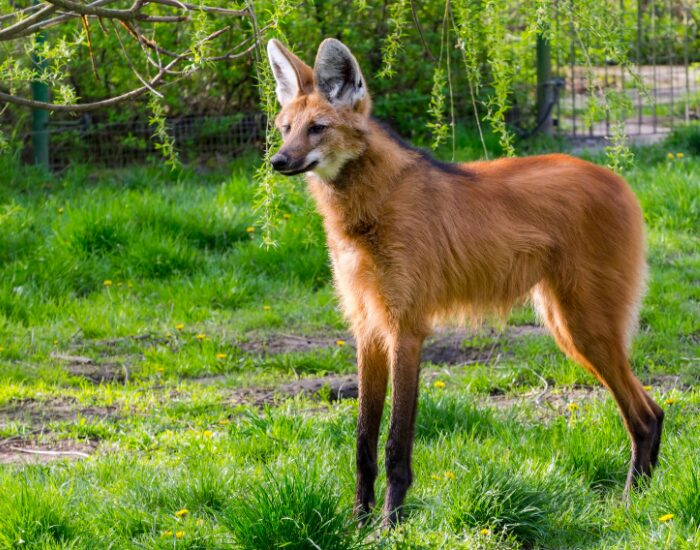
7. Maned Wolf (Chrysocyon brachyurus)
Neither wolf nor fox, the maned wolf stands tall on spindly legs that help it peer over the tall grasses of Brazil’s Cerrado. Sporting a fiery red coat and a distinctive mane, it’s sometimes described as a fox on stilts. Though solitary by nature, it hunts small game like rodents and birds, supplementing its diet with fruits such as the lobeira (wolf apple).
Agricultural expansion whittles away its habitat, but ranchers and biologists increasingly partner to create wildlife corridors and reduce roadkill. Spotting a maned wolf at dusk in the Serra da Canastra National Park can be a surreal experience, one that underscores the Cerrado’s biodiversity and fragility.
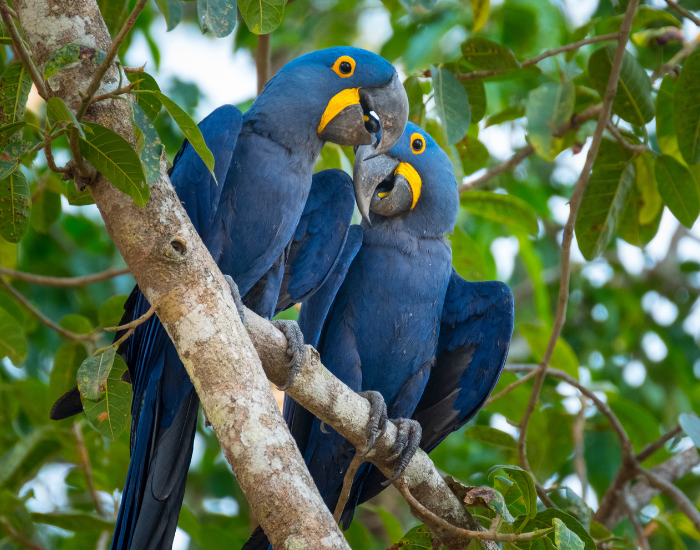
8. Hyacinth Macaw (Anodorhynchus hyacinthinus)
Easily recognizable by its cobalt-blue plumage and large hooked beak, the hyacinth macaw is the world’s largest flying parrot and a star of Brazil’s skies. An iconic jungle bird of South America. Especially visible in the Pantanal and certain Cerrado landscapes, these type of macaws nest in hollow trees and devour the hard nuts of palm species, using robust beaks to crack them open.
Over the years, illegal pet trade and habitat conversion have impacted their numbers. Nonprofit projects help by monitoring nest boxes and educating landowners, ensuring these macaws continue gracing the air with their raucous calls and vibrant silhouettes.
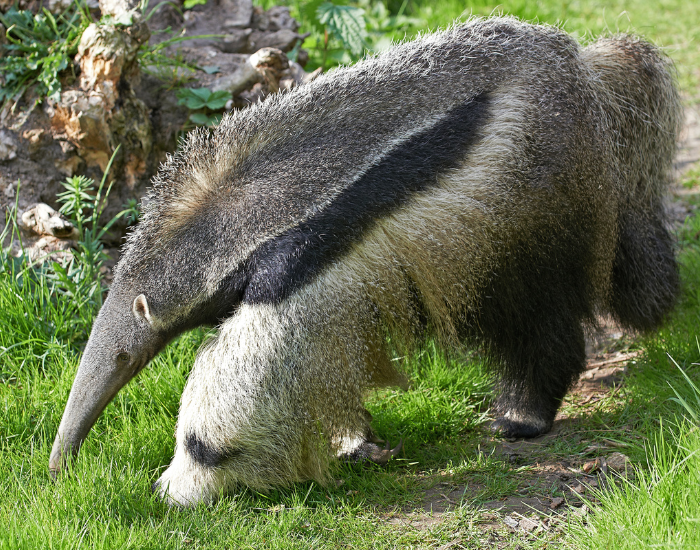
9. Giant Anteater (Myrmecophaga tridactyla)
Beloved for its comical proportions, an elongated snout, bushy tail, and massive claws—the giant anteater wanders grasslands, savannas, and forest edges across much of central and southern Brazil. Specializing in eating ants and termites, it uses powerful claws to rip open mounds, slurping insects through a 60-centimeter tongue.
Sadly, they threats from wildfires, road collisions, and habitat fragmentation. Conservation-oriented ecotourism outfits, especially those in the Pantanal, highlight the anteater’s importance in controlling insect populations, raising awareness among visitors about the steps necessary to protect these insectivores.
10. Poison Dart Frogs (Dendrobates spp. and others)
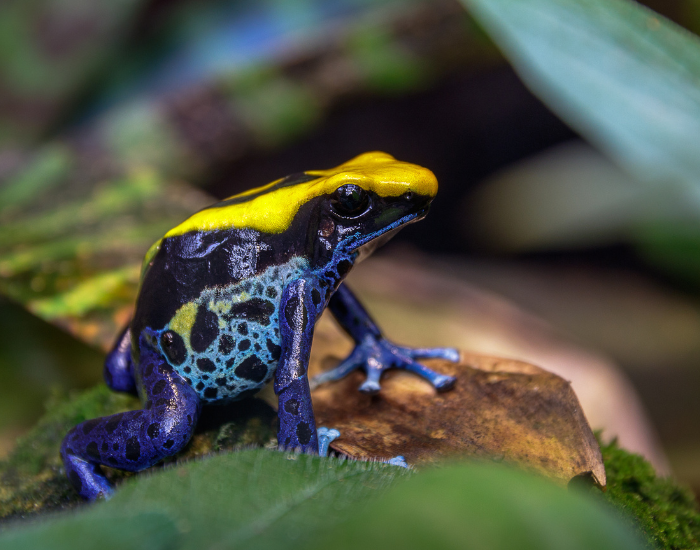
More typically associated with Andean countries, certain species of poison dart frogs also appear in parts of Brazil’s Amazon and Atlantic Forest. Their electric blues, oranges, and yellows signal potent skin toxins that deter predators. These frogs depend on leaf litter, microhabitats near streams, and stable humidity levels. Researchers stress that deforestation and climate change disrupt these delicate conditions, making them particularly susceptible to decline. Herpetologists and local guides sometimes organize micro-expeditions, giving adventurers a chance to appreciate the frogs’ artistry while practicing “no-touch” ethics for safety and respect.
11. Toco Toucan (Ramphastos toco)
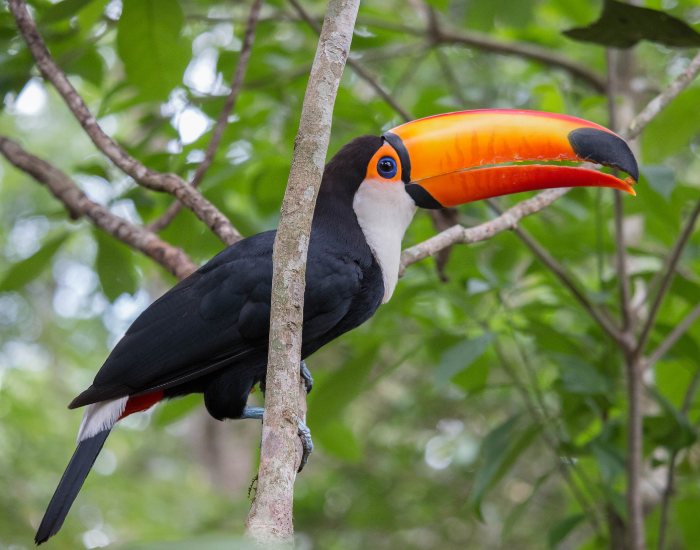
With its oversized, sunshine-yellow beak tipped in black, the toco toucan is perhaps the most instantly recognizable bird in South America, a true jungle bird. This charismatic species inhabits the open woodlands and gallery forests of Brazil’s Cerrado and Pantanal, hopping through the canopy with surprising agility despite its seemingly top-heavy appearance. Unlike other toucans that prefer dense rainforest, the toco embraces semi-open habitats, making it easier to spot for wildlife enthusiasts.
12. Brazilian Three-Banded Armadillo (Tolypeutes tricinctus)
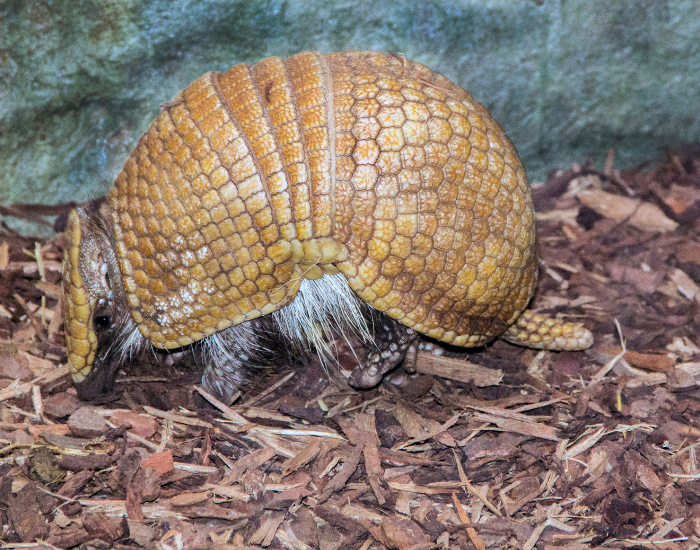
The Brazilian three-banded armadillo, or “tatu-bola” in Portuguese, possesses a superpower unlike any other types of armadillo: it can roll itself into a perfect, impenetrable ball when threatened. This unique defense mechanism, made possible by three flexible bands of armor, has made the species both a cultural icon and a conservation concern. Chosen as the official mascot for the 2014 FIFA World Cup, this endemic Brazilian species captured hearts worldwide with its endearing ability to transform into a living soccer ball.
13. Amazonian Manatee (Trichechus inunguis)
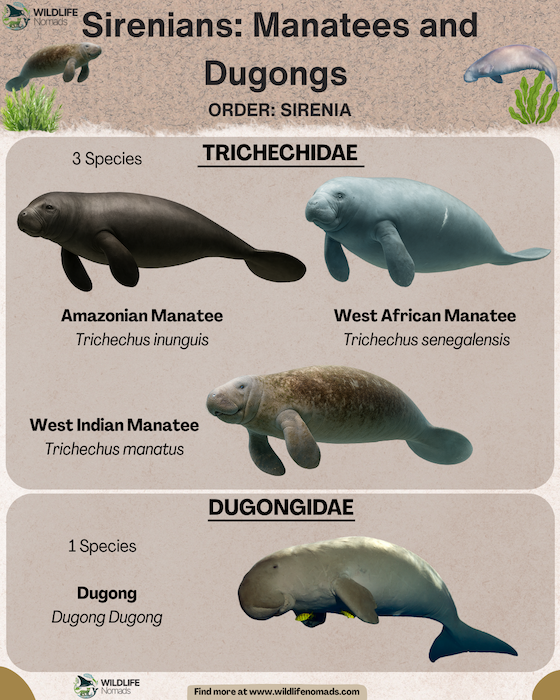
Drifting through the shadowy tributaries of the Amazon Basin, the Amazonian manatee is South America’s largest freshwater mammal and the only manatee species to live exclusively in rivers and lakes. (Do not get confused with dugong as they are different species). These gentle giants can reach up to 2.8 meters in length and weigh as much as 450 kilograms, their grey bodies marked by distinctive white or pink patches on the chest. Unlike their marine cousins, Amazonian manatees have adapted to a unique seasonal lifestyle, gorging on aquatic vegetation during the wet season when flooded forests provide abundant food, then fasting for months during the dry season when they retreat to deeper river channels.
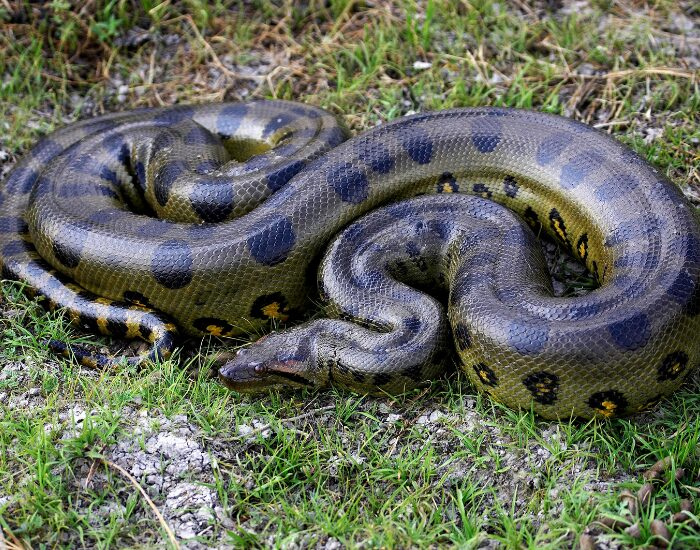
14. Green Anaconda (Eunectes murinus)
Few animals capture the imagination quite like the green anaconda, the world’s heaviest snake and a true titan of South American waters. Green Anaconda are among the biggest snakes in the world as well as one of the strongest animals in the whole planet.
These massive constrictors can exceed 5 meters in length and weigh over 200 kilograms. Their olive-green bodies are mottled with black spots, providing perfect camouflage in murky waters and flooded forests.
Found throughout the Amazon Basin and Pantanal wetlands, anacondas are semi-aquatic ambush predators. They spend hours submerged with their eyes and nostrils positioned atop their heads to watch for unsuspecting prey.
15. Brazilian Tapir (Tapirus terrestris)
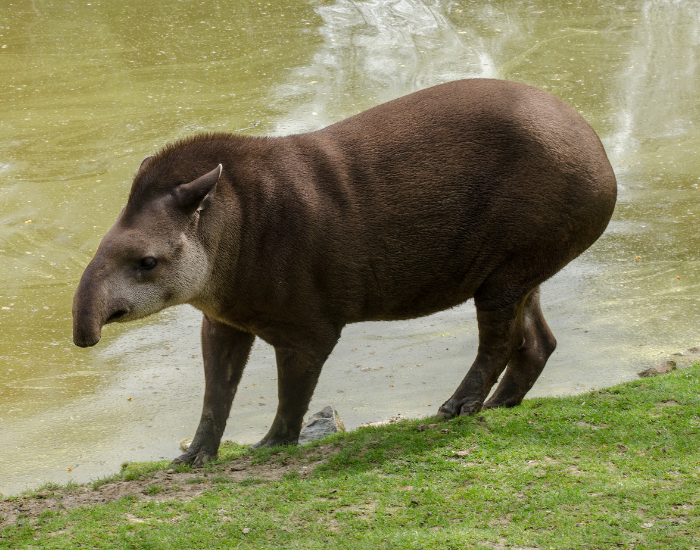
With its distinctive prehensile snout, stocky body, and prehistoric appearance, the Brazilian tapir looks like it wandered out of another era—and in a sense, it has. As South America’s largest terrestrial mammal, weighing up to 225 kilograms, tapirs have remained relatively unchanged for millions of years. These shy herbivores inhabit forests near water sources throughout the Amazon, Pantanal, and remnants of Atlantic Forest, using their flexible trunks to pluck leaves, fruits, and aquatic vegetation.
Brazil Wildlife Challenge: Name & Fact-Check 🇧🇷
16 questions — identify the species from photos, then sort fact from fiction. Go back and change any answer before you score.
FAQs about Brazilian Wildlife
Besides the iconic species listed here, Brazil hosts more than hundreds of thousands of species, from lesser-known creatures like the golden lancehead viper on Ilha da Queimada Grande to marine wonders like the spinner dolphin off Fernando de Noronha. This staggering variety stems from Brazil’s many ecosystems—ranging from the Amazon Basin to the Cerrado, Pantanal, and Atlantic Coast.
Brazil doesn’t have an official “national animal,” but certain species—like the jaguar or the rufous-bellied thrush (Turdus rufiventris), recognized as the national bird—enjoy a quasi-official status. Emblematic animals vary by region, reflecting local cultures and ecosystems.
In terrestrial terms, the Brazilian tapir (Tapirus terrestris) can weigh up to 225 kg, overshadowing the giant anteater in mass. If aquatic species count, the Amazonian manatee can reach up to 450 kg, making it arguably the heaviest native mammal in Brazilian waters.
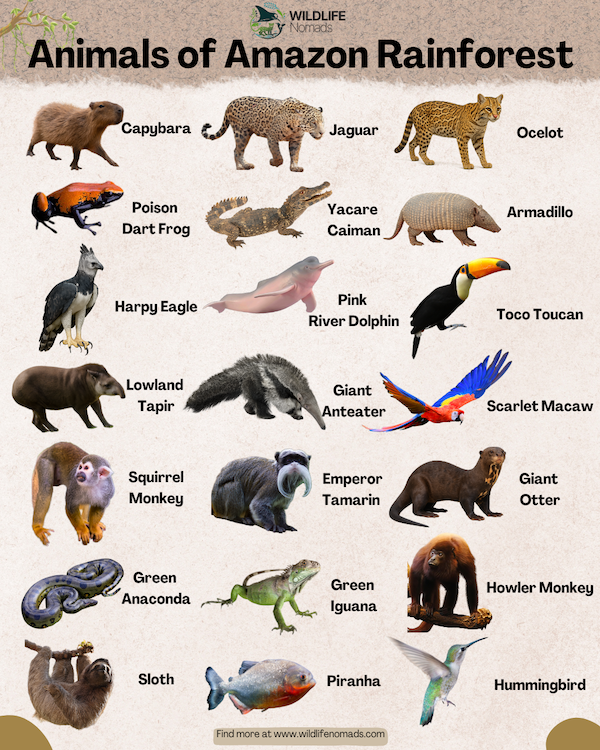
Animals of The amazon Rainforest
Are You Looking to See Animals in Brazil?
Tour Recommendations:
Here you can find a blog entry about the best places in Brazil to see wildlife. Also, below you will find suggestions of where to book an experience to see animals in Brazil
This website is reader-supported. When you book a wildlife experiences through links listed on this site, we may earn an affiliate commission.
References:
Da Silva, V. M. F., & Martin, A. R. (2022). Amazon river dolphins Inia geoffrensis are on the path to extinction in the heart of their range. Oryx, 56(4), 587–591. https://doi.org/10.1017/S0030605320001350
Dietz, J. M., Hankerson, S. J., Alexandre, B. R., Henry, M. D., Martins, A. F., Ferraz, L. P., & Ruiz-Miranda, C. R. (2019). Yellow fever in Brazil threatens successful recovery of endangered golden lion tamarins. Scientific Reports, 9(1), 12926. https://doi.org/10.1038/s41598-019-49199-6
Miranda, E. B. P., Peres, C. A., Carvalho-Rocha, V., Miguel, B. V., Lormand, N., Huizinga, N., Munn, C. A., Semedo, T. B. F., Ferreira, T. V., Pinho, J. B., Piacentini, V. Q., Marini, M. Â., & Downs, C. T. (2021). Tropical deforestation induces thresholds of reproductive viability and habitat suitability in Earth’s largest eagles. Scientific Reports, 11(1), 13048. https://doi.org/10.1038/s41598-021-92372-z
Morato, R. G., et al., (2018). Resource selection in an apex predator and variation in response to local landscape characteristics. Biological Conservation, 228, 233–240. https://doi.org/10.1016/j.biocon.2018.10.022
Tomas, W. M., et al., (2021). Distance sampling surveys reveal 17 million vertebrates directly killed by the 2020’s wildfires in the Pantanal, Brazil. Scientific Reports, 11(1), 23547. https://doi.org/10.1038/s41598-021-02844-5
Tomas, W. M., Camilo, A. R., Ribas, C., Leuchtenberger, C., Borges, P. A. L., Mourão, G., & Pellegrin, L. A. (2015). Distribution and status of giant otter (Pteronura brasiliensis) in the Pantanal wetland, Brazil. Latin American Journal of Aquatic Mammals, 10(2), 107–114. https://doi.org/10.5597/lajam00202
Vilaça, S. T., Dalapicolla, J., Soares, R., Guedes, N. M. R., Miyaki, C. Y., & Aleixo, A. (2024). Prioritizing conservation areas for the hyacinth macaw (Anodorhynchus hyacinthinus) in Brazil from low-coverage genomic data. Evolutionary Applications, 17(11), e70039. https://doi.org/10.1111/eva.70039